


How do you start a appliance repair business in 2027?
Quality
Certified
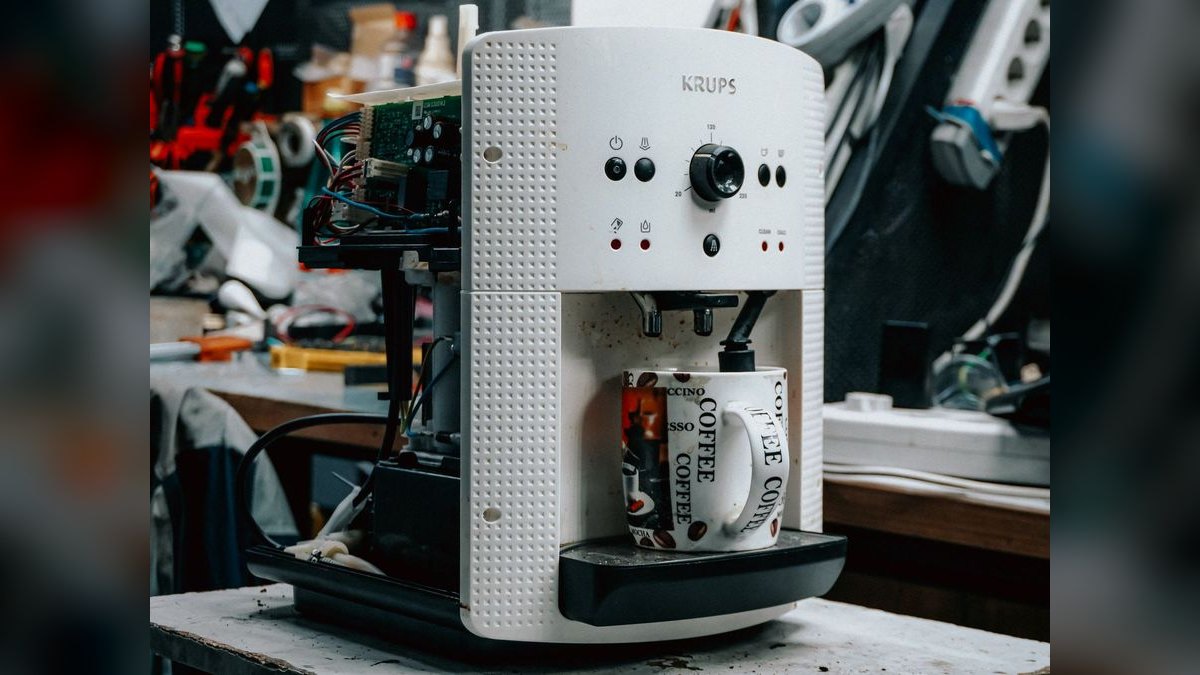
To start an appliance repair business in 2027, obtain required local licenses and liability insurance, complete an EPA Section 608 certification if handling refrigerants, and invest roughly $2,000 to $5,000 in basic tools and a vehicle. Build your customer base through a Google Business Profile, online reviews, and partnerships with property managers.
What it is and why it matters
An appliance repair business in 2027 is a local-service company that diagnoses and fixes major household appliances—refrigerators, washers, dryers, ranges, ovens, and dishwashers—for homeowners, landlords, and property managers. This business matters because the repair market is structurally growing: modern appliances are more electronically complex, manufacturer warranties are short (often one year), and replacement costs have risen sharply. A typical refrigerator costs $1,500 to $3,000 to replace, while a repair averages $150 to $400, making repair the economically rational choice for most consumers. From a RevOps perspective, this is a capital-efficient model: you can be cash-flow positive within 30 to 60 days because startup costs are low, every job pays same-day, and the repeat-and-referral flywheel reduces customer acquisition costs over time. The business also benefits from recurring demand—appliances break with predictable frequency, and a well-run operation can generate steady monthly revenue from a small service area.
The step-by-step process
Starting an appliance repair business in 2027 follows a clear sequence of actions. Below is the workflow that moves you from idea to first paying customer.
Step 1: Research and niche selection. Before spending any money, survey your local market. Identify the dominant appliance brands in your area (Whirlpool, Samsung, LG, GE), the average repair prices competitors charge, and the property management companies that own rental units. The fastest-ramping niche is major kitchen and laundry appliances—refrigerators, ranges, ovens, dishwashers, washers, and dryers. Avoid taking on every appliance type at launch; focus on the 80% of service calls that come from these core categories.
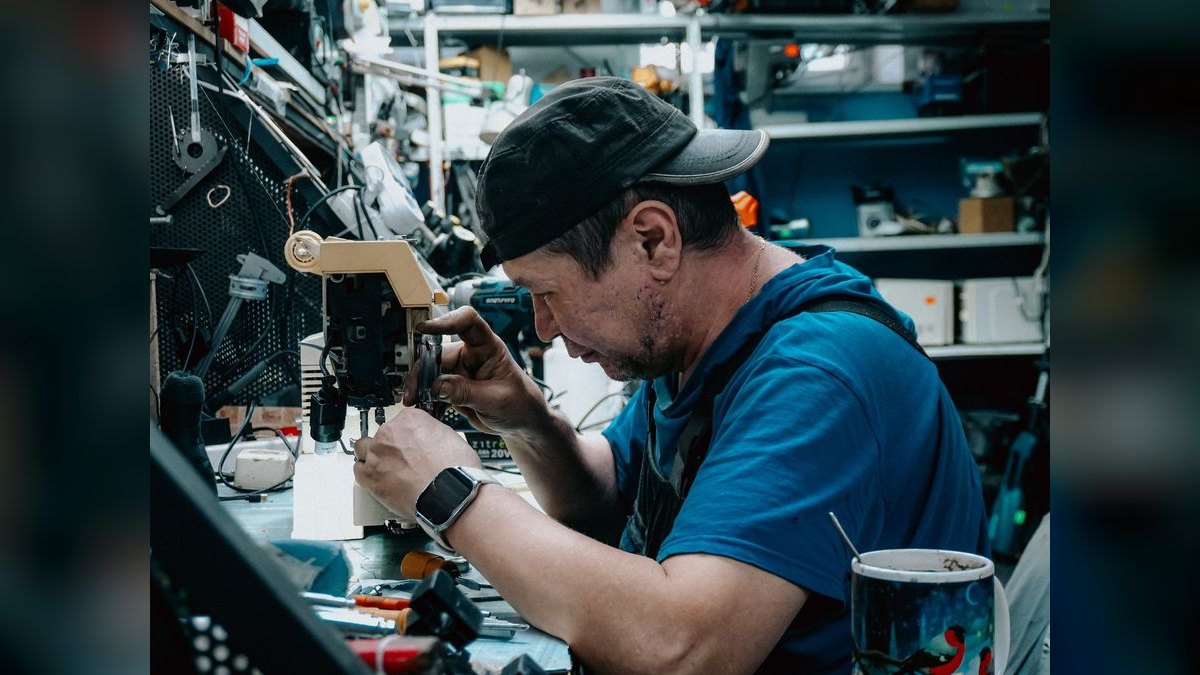
Step 2: Legal and licensing. Form an LLC to separate personal and business liability. Obtain an Employer Identification Number (EIN) from the IRS, even if you operate as a sole proprietor—it makes opening a business bank account and filing taxes simpler. Check your state and local requirements: most states do not require a specific appliance-repair license, but any work touching sealed refrigerant systems (refrigerators, freezers, ice machines) requires EPA Section 608 certification. The exam costs roughly $100 to $150 and must be recertified every three years. Some municipalities also require a home occupation permit if you operate from a residence.
Step 3: Insurance. General liability insurance is non-negotiable. For a solo operator, annual premiums range from $400 to $1,200 depending on your location and coverage limits. Commercial auto insurance on your service vehicle is mandatory if you use the vehicle for business. If you hire even one technician, you must carry workers’ compensation insurance—rates vary by state but typically add 10–20% to payroll costs.
Step 4: Tools and parts inventory. Your initial tool kit should include a quality multimeter, clamp meter, nut drivers, screwdrivers, pliers, an appliance dolly, and a refrigerant recovery machine if servicing cooling appliances. Budget $500 to $1,500 for tools. For parts, open trade accounts with wholesale distributors like Marcone, Reliable Parts, or Johnstone Supply. Stock the 20 most common failure items: capacitors, door switches, thermostats, drain pumps, dryer belts, heating elements, igniters, and control boards for the top brands in your area. Keep initial parts inventory under $500—order specialty parts per job with overnight shipping.
Step 5: Digital presence. Claim and fully optimize your Google Business Profile with your service area, hours, photos of completed work, and a clear phone number. Encourage every satisfied customer to leave a review—a steady stream of positive Google reviews is often more effective than paid ads. Build a simple one-page website with your phone number, service list, and a contact form. Join local neighborhood groups on Nextdoor and Facebook; direct posts offering same-day service can generate leads without ad spend.
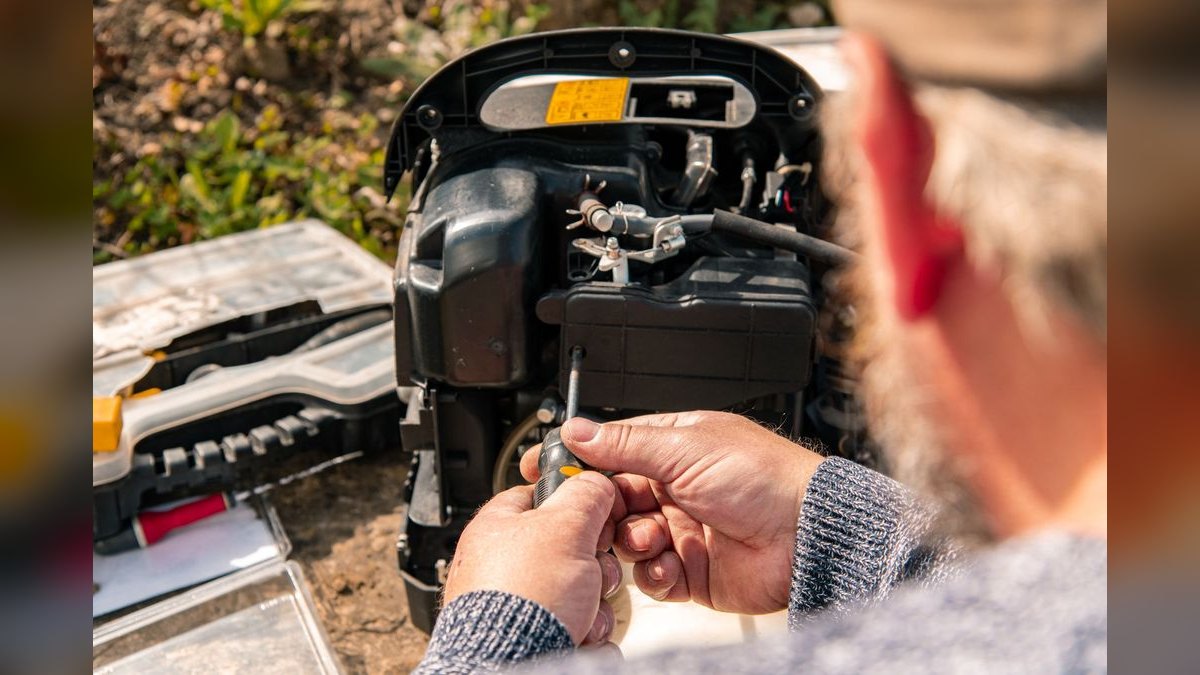
Step 6: Pricing and payment. Charge a diagnostic or trip fee that is waived if the customer approves the repair. Bill labor at a flat rate per job type rather than hourly—customers prefer knowing the total cost upfront. Mark parts up 30–50% over wholesale cost. Typical completed repair tickets range from $150 to $400. Accept payment on the spot with a mobile card reader or a payment link sent by text. This eliminates billing delays and improves cash flow.
Step 7: Marketing and booking. Focus on local tactics: partner with property management companies who need reliable technicians for their rental units, offer a small discount for referrals, and ask every customer for a Google review. Use a free or low-cost scheduling tool like Housecall Pro or Jobber to manage appointments and send automated reminders. Track your first-time fix rate and average ticket size—these metrics directly impact profitability.
Costs, timelines, and typical ranges
Starting an appliance repair business in 2027 is one of the most capital-efficient service businesses you can launch. Here are the concrete costs and timelines.
Startup costs. Total initial investment ranges from $2,000 to $5,000 for a solo operator. The breakdown: business registration and licenses ($100–$500), EPA Section 608 certification ($100–$150), general liability insurance deposit ($200–$500), basic tool kit ($500–$1,500), initial parts inventory ($200–$500), vehicle setup (magnetic signs, shelving, bins: $200–$500), and website and Google Business Profile setup ($0–$500). If you already own a reliable vehicle, you can launch at the low end of this range.
Timeline to first job. From the day you decide to start, you can book your first paying job in 14 to 30 days. The bottleneck is usually waiting for your business license and insurance to process, which takes 5 to 10 business days in most states. EPA certification can be obtained in a single day if you take the exam online. Tool and parts procurement takes 3 to 7 days.
Timeline to profitability. Most solo operators reach cash-flow positive within 30 to 60 days. Since you collect payment at the time of service and parts are marked up 30–50%, you cover your fixed costs quickly. A realistic goal is 3 to 5 jobs per day once established, with average ticket sizes of $150 to $400 per job. Monthly revenue for a solo operator ranges from $4,000 to $12,000 depending on call volume and pricing.
Scaling timeline. The realistic path: one profitable truck in year one, two to three trucks by year two. Once a single van clears $8,000 to $10,000 in monthly revenue consistently, you can hire and train a second technician. Owner take-home reaches $60,000 to $100,000 per year once a small fleet of 2–3 trucks is running, assuming 55% gross margins and disciplined overhead management.
Typical costs of operation. Monthly fixed costs for a solo operator: vehicle fuel and maintenance ($200–$500), insurance ($50–$150), parts restocking ($200–$500), software subscriptions ($50–$150), and marketing ($0–$200). Variable costs include parts for each job (typically 30–50% of the parts price you charge the customer) and fuel for service calls.
Where teams get it wrong
Even experienced technicians make predictable mistakes when starting an appliance repair business. Here are the most common failure points.
Over-investing in parts inventory. New owners often stock hundreds of dollars worth of parts they never use. Appliance models evolve rapidly, and a part that fits a 2023 refrigerator may not fit a 2025 model. The smarter approach is to partner with a local distributor who offers same-day pickup or next-day delivery. Keep your initial inventory under $500 and order specialty parts per job.
Under-pricing labor. Many new technicians charge too little because they underestimate their true costs. A common error is charging $50 to $75 per hour without accounting for travel time, diagnostic time, parts sourcing, and administrative work. The result is a 30–40% gross margin instead of the target 55%. Flat-rate pricing per job type (e.g., $150 for a dryer repair, $200 for a refrigerator repair) is easier for customers to understand and ensures you capture the full value of your time.
Neglecting the diagnostic fee. Some new owners waive the diagnostic fee entirely to win the job, then lose money when the customer declines the repair. A diagnostic fee of $50 to $100 that is waived if the customer approves the repair protects your time while still giving the customer an incentive to proceed. Without this, you can spend 30 minutes driving and 30 minutes diagnosing only to walk away with nothing.
Failing to specialize. Trying to fix every type of appliance—microwaves, ice makers, garbage disposals, wine coolers, commercial equipment—dilutes your expertise and slows your service time. The most profitable operators focus on major kitchen and laundry appliances and become expert diagnosticians on those five or six categories. Specialization also means you stock fewer parts and complete repairs faster.
Ignoring the property manager channel. Homeowner business is unpredictable—you rely on one-off emergencies. Property managers, by contrast, give you repeat volume and predictable scheduling. Many new technicians ignore this channel because it requires relationship building and consistent pricing. A healthy mix is roughly 60% direct homeowner, 30% property manager, 10% warranty work. Property managers are worth the effort because they provide steady monthly revenue.
Poor record-keeping. Without digital records of each job—appliance model, issue found, repair performed, parts used—you cannot build a reference history for returning customers. Field-service software like Housecall Pro or Jobber solves this, but many new owners try to manage with paper notes or spreadsheets. This leads to lost time, double-booking, and missed follow-up opportunities.
Decision framework: when to choose what
Not every business model works in every market. Use this decision framework to match your strategy to your local conditions.
High-density urban markets with many rental units. If your city has a high concentration of apartment buildings and rental properties, prioritize property managers as your primary customer channel. They need reliable technicians who show up on time, complete repairs quickly, and bill consistently. You can charge slightly lower per-job rates in exchange for volume—property managers may send you 5 to 15 calls per month. In these markets, competition is often high, so consider specializing in one brand (e.g., Samsung or LG) to differentiate yourself.
Low-density suburban markets. In suburban areas with single-family homes, homeowners are your primary customer. They are less price-sensitive and more likely to pay a premium for same-day service and a 90-day warranty. Focus on building a strong Google Business Profile and gathering reviews. Your marketing budget can be minimal—word-of-mouth and Nextdoor posts are often sufficient.
High-competition markets. If your area already has several established appliance repair companies, avoid competing on price. Instead, specialize in a niche: smart appliance diagnostics, high-end brands (Sub-Zero, Wolf, Miele), or commercial kitchen equipment. Specialization lets you charge 20–30% more than generalists because customers perceive you as an expert.
Low-competition markets. In underserved areas, you can operate as a generalist and capture a broad customer base. Focus on speed and reliability—being the only technician who answers the phone on weekends or offers same-day service will set you apart. Your biggest risk is overextending your service area; stick to a 15- to 20-mile radius to keep travel time under 30 minutes.
If you have no repair experience. Do not launch without training. Complete a certification program from a trade school or manufacturer (Whirlpool, Samsung, and LG offer training courses). These programs take 2 to 6 months and cost $500 to $2,000. The certification builds customer trust and reduces your diagnostic time, which directly increases your hourly effective rate.
If you are an experienced technician. You can launch immediately with a premium pricing strategy. Charge a higher diagnostic fee ($75–$100) and a premium labor rate that reflects your expertise. Your first-time fix rate should be above 90%, which reduces callbacks and builds your reputation quickly. The risk is that you may underinvest in marketing—even great technicians need a steady flow of leads.
Related questions
How much does it cost to start an appliance repair business in 2027?
Startup costs range from $2,000 to $5,000, covering tools, insurance, licensing, initial parts inventory, and vehicle setup. If you already own a reliable vehicle, you can launch at the low end of this range.
Do I need a license to repair appliances?
Most states do not require a specific appliance-repair license, but you need an EPA Section 608 certification if you handle refrigerants. You also need a general business license and liability insurance in most municipalities.
How do I find customers for my appliance repair business?
Focus on local search: optimize your Google Business Profile, gather reviews after every job, join Nextdoor and Facebook neighborhood groups, and build relationships with property management companies who need reliable technicians.
What tools do I need to start repairing appliances?
A basic toolkit includes a multimeter, nut drivers, screwdrivers, pliers, an appliance dolly, and a refrigerant recovery machine if servicing cooling appliances. Budget $500 to $1,500 for tools.
How long does it take to become profitable?
Most solo operators reach cash-flow positive within 30 to 60 days. Since you collect payment at the time of service and parts are marked up 30–50%, you cover fixed costs quickly.
FAQ
What are the startup costs for an appliance repair business in 2027? You can launch for roughly $2,000 to $5,000. That covers basic tools, a multimeter, a small inventory of common parts, vehicle expenses, and liability insurance. Many technicians start from a home garage and scale up as revenue grows.
Do I need a license or certification to repair appliances? Requirements vary by state and city. Most places require a general business license and liability insurance, while some mandate an EPA Section 608 certification if you handle refrigerants. Manufacturer-specific certifications are optional but can boost customer trust and are often available through training programs.
How long does it take to become profitable? Most solo operators reach cash-flow positive within 30 to 60 days. Since you collect payment at the time of service and parts are often marked up 30–50%, you can cover your fixed costs quickly. Profitability depends on your call volume and average job price.
What tools and parts should I stock at the start? Begin with a basic toolkit: screwdrivers, nut drivers, pliers, a multimeter, and a refrigerant gauge set. For parts, carry common capacitors, door switches, thermostats, and belts. Most technicians buy specialty parts per job from local suppliers or overnight shipping, keeping initial inventory under $500.
How do I find customers without a big marketing budget? Focus on local tactics: join Nextdoor and local Facebook groups, offer a small discount for referrals, and ask every satisfied customer for a Google review. Partnering with property managers and real estate agents can also generate steady leads. Many successful repair businesses grow entirely through word-of-mouth and online reviews.
What are the biggest challenges in this business today? Parts availability and diagnostic complexity are the top hurdles. Modern appliances have proprietary electronic boards that can be expensive and hard to source. You also face competition from large chains and DIY videos, but your edge is speed, trust, and the ability to handle complex repairs that homeowners cannot.
Sources
- U.S. Small Business Administration (SBA) — business registration, licensing, and startup guides for service businesses
- Environmental Protection Agency (EPA) — Section 608 certification requirements for handling refrigerants
- International Society of Certified Electronics Technicians (ISCET) — appliance repair certification standards and training resources
- National Appliance Service Technician Certification (NASTeC) — industry-recognized certification program for appliance repair professionals
- Angi (formerly Angie's List) — market research on service pricing, customer reviews, and demand for home repair services
- National Federation of Independent Business (NFIB) — small business legal requirements, insurance, and operational best practices
- Appliance Service News — industry trends, tools, and business management tips for repair technicians
- ServiceTitan — field-service software pricing and features for appliance repair businesses
- Housecall Pro — scheduling, dispatch, and payment tools for service businesses
Related on PULSE
- What data sources are most effective for training AI models to predict next best action in complex enterprise deals?
- How does the expanding size of B2B buying committees increase the risk of vendor consolidation paralysis?
- Which vendor consolidation strategies are failing most often when integrating AI sales tools into existing stacks?
- Why are longer sales cycles now correlating with a shift from pipeline velocity to deal value predictability?
- What specific metrics are B2B RevOps teams using to measure AI's impact on lead quality in the top-of-funnel?
This page will be disappearing soon. Save it to your device for $1 — or read it free while it is here.
@Kory-White- · if Venmo asks, the last 4 of my number are 2012
This page is gone.
This one is off the shelf now. $1 keeps it on your phone for good — the whole page, pictures and diagrams included.
 pulse-qHow Do I Get My Jewelry Sales Team to Sell Across Every Category in 2026?
 pulse-qShould I open or buy a CPR Cell Phone Repair franchise in 2027?
 pulse-qShould I open or buy a Carvel franchise in 2027?
 pulse-qShould I open or buy a Stumpy’s Hatchet House franchise in 2027?
 pulse-qShould I open a arcade business in 2027?
 pulse-qShould I open or buy a StretchLab (re-do) franchise in 2027?
 pulse-qShould I open or buy a Blingle franchise in 2027?
 pulse-qShould I open or buy a SVS Vision franchise in 2027?
 pulse-qShould I open or buy a Massage Heights (re-do) franchise in 2027?
 pulse-qShould I open a electrical contracting business in 2027?