


How do you start a concrete floor coating business in 2027?
Quality
Certified
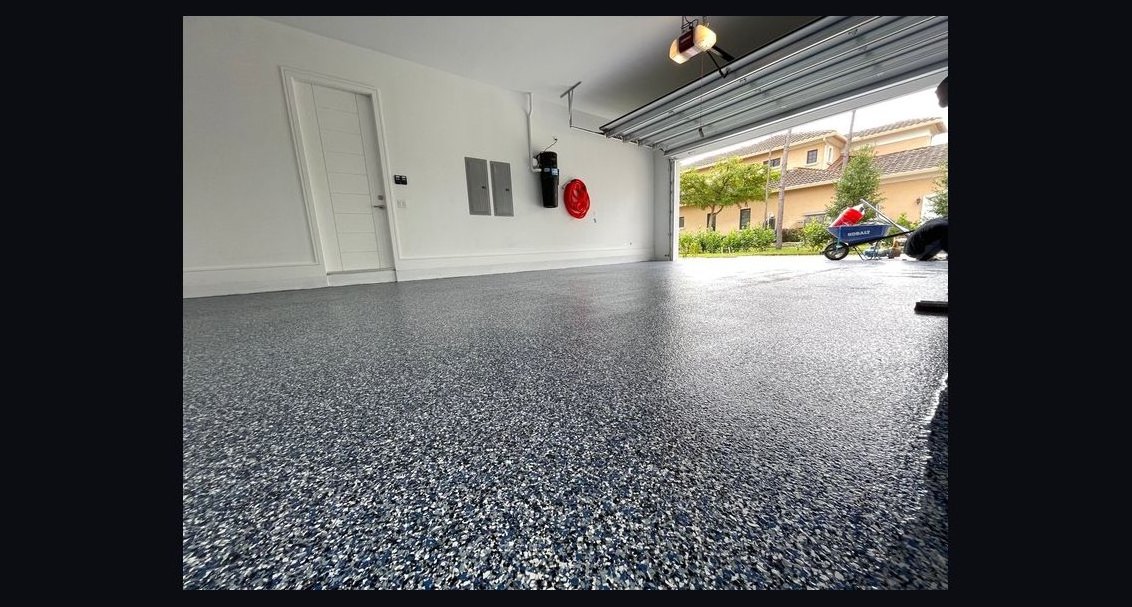
Start a concrete floor coating business in 2027 by registering an LLC, carrying $1M general liability insurance, and buying a grinder with HEPA dust extraction — prep equipment decides job quality. Master one polyaspartic flake system, price per square foot with prep surcharges, and fill the calendar through Google Business Profile and before/after proof.
The outcome you should expect in your first eighteen months
A disciplined operator launching a coating business today should expect a fairly predictable shape to the first year and a half, and knowing that shape in advance is what keeps you from panicking in month four when the phone goes quiet.
Months one through three are cash-out months. You are registering the entity, buying or renting equipment, opening a wholesale account with a coatings manufacturer, and doing practice slabs. Expect zero revenue and $15,000 to $45,000 out the door depending on whether you buy the grinder new, buy it used, or rent it by the day. If you have a truck and a trailer already, you sit at the low end. If you need a cargo van, insurance, and a full tooling kit, you sit at the high end. Nobody starts this business for $3,000, and anyone who tells you a five-gallon kit from a big-box store is a business plan is describing a hobby that produces warranty callbacks.
Months four through nine are the proving months. This is where the referral engine either catches or it doesn't. A two-person crew running well can turn a standard two-car residential garage — roughly 400 to 500 square feet — in a single day: grind in the morning, base coat and flake broadcast by early afternoon, topcoat before you leave. At residential pricing in the $5 to $9 per square foot range for a flake polyaspartic system, that single-day job bills roughly $2,000 to $4,500. Materials for that floor typically land somewhere in the 20% to 30% range of the invoice, which is why gross margins in this trade commonly sit between 50% and 65% before you pay yourself, insurance, fuel, and the truck note.
The realistic milestone at month nine is not a full calendar. It is a *predictable* calendar — enough repeat referral flow that you can look two weeks out and see paid work. Most operators who fail do not fail because they cannot coat a floor. They fail because they never built a lead source that produces jobs without them standing in a driveway handing out cards.
Months ten through eighteen are the systematization months. You hire a second crew member or a second crew entirely, you document your prep checklist so a new hire produces the same floor you would, and you start deliberately trading down-market residential volume for up-market commercial contracts with better dollar-per-day economics. The businesses that plateau are the ones where the owner is still holding the grinder at month twenty-four. The businesses that compound are the ones where the owner spent months ten through eighteen writing down what he does so somebody else can do it.
One outcome you should *not* expect: a smooth seasonal line. Coating chemistry has temperature and humidity limits, and unheated garages in cold climates fall out of spec for months at a time. Plan for a Q1 trough in northern markets and build either an indoor commercial book or a maintenance program to bridge it. Southern operators get a longer season but face a summer humidity constraint that pushes polyaspartic pot life down to minutes rather than tens of minutes.
What drives that outcome
Four variables move the needle far more than everything else combined, and it is worth being blunt about their ranking, because new operators habitually spend their attention on the wrong one.
Surface preparation is variable number one, by a wide margin. Coated floors that peel, bubble, blister, or delaminate almost always fail because of what happened *before* the resin was poured, not because of the resin itself. Concrete is porous and contaminated — oil, tire plasticizer, curing compounds, prior sealers, efflorescence — and a coating bonds mechanically to a properly opened profile. A diamond grinder with the right segment hardness opens that profile. An acid etch, which is what the DIY kits sell, usually does not, particularly on hard-troweled or power-floated slabs. Learn the CSP (concrete surface profile) scale, know what profile your chosen system's data sheet demands, and hit it every time. This single discipline is your competitive moat, because most of the failed contractors in your market never learned it.
Moisture is variable number two. Vapor transmission through a slab with no vapor barrier beneath it will push a coating off the floor months after you have been paid and left. Test every slab. A calcium chloride test or in-slab relative humidity probe costs very little relative to a redo, and a plastic sheet taped down overnight is a crude but useful field screen. On a slab that tests hot, you either sell a moisture-mitigation primer as a line item or you walk away from the job. Walking away from a bad slab is a profitable decision that feels like a loss.
Prep difficulty pricing is variable number three. Two floors of identical square footage can differ by a factor of three in labor. A clean, sound, never-coated slab grinds fast. An oil-saturated mechanic's garage with a failing prior epoxy, spalled edges, and forty feet of cracks does not. If you quote both at the same per-square-foot rate, the second job silently eats the profit from the first.
Lead flow is variable number four, and it is the one most new owners underweight because it feels less tangible than equipment. This trade sells on visual proof more than almost any other home service. Photograph every job in the same light, from the same angle, before and after.
There is a fifth, quieter driver worth naming: your relationship with the coatings manufacturer. A real wholesale account gets you technical support on the phone when a floor behaves strangely, training on new systems, sometimes warranty backing you can sell against, and occasionally leads routed to you from their contractor locator. Buying resin from whoever is cheapest this month gets you none of that.
Benchmarks and realistic ranges
Numbers vary by region and by how you buy, so treat these as ranges to sanity-check your own local quotes against rather than as fixed truths.
Startup capital: $15,000 to $45,000. The spread comes almost entirely from equipment and vehicle decisions. A planetary grinder with a dust shroud plus a HEPA-rated dust extractor is the single largest line — commonly $3,000 to $12,000 depending on machine size and whether it is new. Application tooling (squeegees, spiked rollers, spiked shoes, mixing paddles, flake broadcast gear, patching kits) adds $1,500 to $4,000. Initial material stock runs $2,000 to $6,000. Entity formation and permits are usually a few hundred to about $1,500. Insurance premiums vary widely by state and payroll, but budget $1,200 to $3,500 for the first year of general liability. Branding, a simple website, signage, and a truck wrap sit around $1,500 to $4,000. Keep $2,000 to $5,000 in working capital so a slow month does not force you to underbid.
Residential pricing: roughly $3.50 to $7.00 per square foot for a straightforward solid-color epoxy system, and roughly $6.00 to $12.00 per square foot for a full-broadcast polyaspartic flake floor with a clear topcoat. Metallic and quartz systems price above that band. Commercial and industrial work often lands lower per square foot — call it $4.00 to $9.00 — because of volume, but the jobs consume multiple days, frequently require off-hours access, and may demand shot blasting rather than grinding on large open floors.
Minimum job fee: $400 to $600. Without one, a small single-car garage or a 200-square-foot basement will lose money once you count mobilization, drive time, and the resin you cannot put back in the pail. Publish it, quote it, hold it.
Travel loading: $50 to $100 per job for a 30-minute drive, and it compounds because the crew is paid for that time in both directions. A 45-minute radius is a sensible ceiling for residential work; past that, the truck time quietly becomes your least profitable hour of the day.
Crew throughput. A trained two-person crew handles most residential garages in one day. Larger commercial floors are usually measured in square feet of prep per day rather than jobs per day, and shot blasting moves faster than grinding on wide-open unobstructed slabs while grinding wins on edges, obstructions, and anything requiring dust control indoors.
Equipment financing. Terms in the 12-to-60-month range are widely available through general equipment lenders, with rates that move substantially with credit quality. Leasing a grinder and vacuum with a buyout option preserves cash through the first slow season. Buying used from auctions or retiring contractors can cut acquisition cost meaningfully, but inspect the dust extraction carefully — worn or undersized extraction will not meet OSHA's respirable crystalline silica requirements for construction, and silica compliance is not optional. A sensible middle path: buy the grinder and extractor new for the warranty and the compliance certainty; buy diamond tooling, hand tools, and accessories used.
Gross margin: 50% to 65% on well-prepped, well-priced work. If yours is coming in materially below that band, the cause is almost always underpriced prep or too much unbilled drive time, not material cost.
Risks, edge cases, and failure modes
The redo. One peeling floor costs you the original material, a full second labor cycle, the customer's review, and every referral that customer would have produced. Price and prep as though the redo is the only real risk in the business, because financially it very nearly is.
Silica exposure. Grinding cured concrete generates respirable crystalline silica. OSHA's construction standard specifies engineering controls — that is what the shroud and HEPA extractor are for — along with exposure control methods and, in some circumstances, medical surveillance. This is a genuine health hazard for your crew and a genuine citation risk on commercial sites. Treat dust control as a system, not an accessory.
Chemistry and environment. Polyaspartic pot life shrinks fast as temperature and humidity rise; a mix that gives you twenty minutes in spring might give you eight on a humid August afternoon. Epoxy cures slowly and stalls in cold. Every product data sheet specifies temperature, humidity, dew point, and recoat windows, and every one of those is a real constraint rather than a suggestion. Coating a slab whose surface temperature is within five degrees of the dew point invites blushing and amine bloom.
Cash flow seasonality. Northern markets lose weeks of residential garage work to cold. Build a commercial book that lives indoors and a maintenance program that generates winter revenue, or plan the working capital to ride it out.
Customer expectation mismatch. Flake floors have visible seams at control joints, minor variation in flake density, and edges that read differently than the field. Set that expectation in writing before the job, with photos. The most expensive disputes in this trade are not about failure; they are about a customer who imagined something the product never was.
Scope creep on commercial. A warehouse owner who wants line striping, non-slip aggregate in specific zones, chemical resistance ratings in a battery room, and coving at the walls is describing four separate systems. Bid them as separate line items or you will absorb them.
Getting stuck as a one-truck operator. The plateau is real. If the owner is the only person who can produce an acceptable floor, revenue is capped by his body. The escape is written process — checklists for moisture testing, profile inspection, mix ratios, broadcast rate, and cure timing — plus the willingness to let a trained crew produce a floor at 95% of your personal standard.

Adjacent-trade drift. Coating businesses commonly get pulled toward concrete polishing, decorative overlays, joint repair, or full concrete contracting. Some of that is healthy expansion and some of it is a distraction that dilutes the crew's mastery of the one system that pays. Expand deliberately, after the core system is flawless, not because a customer asked.
A practical rollout plan
Work in this order, and resist the urge to skip ahead to equipment because equipment is the fun part.
Weeks 1–2: validate the territory. Drive your radius. Count subdivisions under fifteen years old — those are garage floors. Note new commercial construction and older industrial buildings with visibly failing floors. Call three or four existing coating contractors as a prospective customer and ask their lead time. Two weeks or more booked out tells you there is room for another crew.
Weeks 2–4: pick your lane. Residential garages and basements give the fastest cash, easiest marketing, and most price sensitivity. Commercial retail and hospitality means larger jobs, longer sales cycles, and night work. Industrial means the biggest contracts and the strictest tolerances. Most successful operators start residential to build cash and reviews, then move up-market.
Weeks 3–6: form the entity and get covered. LLC for liability separation. Check your state and local licensing — some states require a general contractor or specialty flooring license above a dollar threshold, some require nothing. Verify before you bid, not after. Bind general liability at $1M per occurrence; commercial clients will demand a certificate before you set foot on site. Add commercial auto once the vehicle is titled to the business and workers' compensation once you have employees. Register for sales tax if your state taxes the service or the materials.

Weeks 5–8: equipment and supplier. Open the wholesale account first, because the manufacturer will tell you which grinder segments suit their system. Then buy or rent. Renting the grinder for your first several jobs is a legitimate cash-preservation move.
Weeks 6–10: train until it is boring. Practice slabs, not customer floors. Learn the cure windows cold.
Weeks 8–12: build the pricing model. Three tiers, tied to prep difficulty rather than square footage alone: simple (clean sound slab), moderate (grind, fill cracks, coat), heavy (remove prior coating, patch, regrind). Charge roughly a dollar or two more per square foot as you climb tiers. Always quote a fixed price after a site visit — never time-and-materials. Fixed price gives the customer certainty and rewards you for getting fast.
Weeks 10 onward: turn on demand. Claim and fully populate the Google Business Profile, because local search is where most residential jobs begin. Make before/after photos the centerpiece. Build referral relationships with garage-organization companies, custom home builders, realtors, and property managers — all of them touch customers who need floors. Run geo-fenced local ads around newer subdivisions. Put a yard sign on every job and wrap the truck; a coated garage floor is a neighborhood event. Ask for the review at balance collection, while the customer is still standing on a floor that just impressed them.
How adjacent revenue streams change the math
The default coating business is a pure one-time-transaction model, and that is its structural weakness: every month starts at zero. Two adjacent motions fix that, and both are worth building into the plan from day one rather than bolting on later.
Commercial recoating cycles. Warehouses, auto shops, food service kitchens, and light manufacturing floors wear on a rhythm — typically a few years between refreshes depending on traffic. Sell an annual floor inspection as a low-cost standalone service, document wear with photos, and you own the recoat when it comes due. A property management company overseeing dozens of units multiplies this: each garage or basement is on its own clock, and you become the default vendor rather than a bidder.

Residential maintenance. An annual deep-clean and reseal offering keeps the crew busy in shoulder months and puts you back in front of past customers, who are your cheapest source of referrals.
There is a broader point here that applies well outside coatings. Trade businesses are usually sold as pure craft operations, but the ones that scale run like a real revenue operation — a defined lead source, a qualification step (the moisture test is literally a disqualification gate), tiered pricing, a documented handoff from sale to production, and a post-job motion that converts a completed floor into the next lead. That is RevOps thinking applied to a truck and a grinder, and it is the difference between a busy owner and a business with enterprise value.
Adjacent service attachment. Once the crew is on site with a grinder, related work becomes cheap to add: joint and crack repair, concrete polishing for commercial clients who want an uncoated finish, decorative overlays, and non-slip treatments for pool decks and ramps. Each shares equipment and prep skill with the core system. Add them one at a time, only after the core flake floor is flawless.
Related questions
How long does a professionally coated garage floor actually last?
With correct prep and a quality polyaspartic topcoat, a residential garage floor commonly holds up for many years of normal use before needing a refresh. Heavy traffic, hot tire pickup on thin systems, and poor prep shorten it dramatically. Prep, not product, is the main determinant of lifespan.
Should I buy a coating franchise instead of starting independently?
A franchise supplies training, brand recognition, and a supply chain in exchange for fees and territory restrictions. If you have no trade background and value a ramp-up system, it can shorten the learning curve. If you can master prep independently, the independent route keeps far more margin and all of your pricing freedom.
Do I need employees, or can I run this solo?
You can run solo on small residential floors, but broadcast timing and cure windows make a second set of hands genuinely valuable on anything over a couple hundred square feet. Most operators find a two-person crew is the practical minimum for single-day turnarounds.
Is epoxy or polyaspartic the better system to start with?
Polyaspartic flake systems are the residential workhorse because they cure fast enough for same-day return to service. Epoxy remains common as a base coat and in some industrial builds. Learn one full system end to end before adding a second.
What licenses apply if I only do residential garages?
It depends entirely on your state and municipality. Some require a specialty flooring or general contractor license above a dollar threshold; others have no requirement for this trade. Check with your state licensing board and your city before quoting a single job.
FAQ
Do I need a contractor license to start a concrete floor coating business?
Licensing requirements vary by state and municipality. Some states require a general contractor license, others have a specific specialty coating or flooring license, and some have no requirement at all for this trade. Check with your state licensing board and your local building department directly. The cost and exam requirements range from minimal to several hundred dollars plus continuing education.
How much money do I need to start?

A realistic range is $15,000 to $45,000. That covers a grinder with dust extraction, application tooling, an initial coatings inventory, insurance, entity formation and licensing, branding, and working capital. You can compress the low end by renting heavy equipment for the first several jobs, but owning the grinder usually pays for itself within the first year once volume is steady.
What is the single most important piece of equipment?
The concrete grinder paired with a HEPA-rated dust extractor. Poor surface preparation is the root cause of nearly every coating failure, and a failure means a full redo plus a damaged reputation. Expect to spend meaningfully on this pair. It is the one line item where buying cheap reliably costs more than buying right.
How should I price jobs?
Price per square foot, but tier it by prep difficulty rather than size alone. Build three tiers — simple, moderate, and heavy prep — and add roughly a dollar or two per square foot as you climb. Always visit the site before quoting, always quote a fixed price, and always enforce a minimum job fee so small floors do not lose money.
How do I find customers when nobody knows my business exists?
Start with a fully populated Google Business Profile and a growing library of before/after photos, since local search drives most residential inquiries. Layer on referral relationships with home builders, garage-organization companies, realtors, and property managers. Yard signs and a wrapped truck convert one job into neighborhood awareness. Ask every customer for a review at balance collection.
What is the biggest mistake new operators make?
Rushing surface preparation — or skipping the moisture test entirely — to save an hour or win a bid. Both produce floors that fail after you have been paid, which converts a profitable job into a loss plus a bad review. The second biggest mistake is quoting damaged and clean slabs at the same rate.
Sources
- https://www.sba.gov/ — U.S. Small Business Administration: entity formation, licensing, and startup planning resources for construction trades.
- https://www.osha.gov/silica/ — OSHA respirable crystalline silica standards, including engineering controls for concrete grinding.
- https://www.osha.gov/ — OSHA general construction safety standards and hazard communication requirements for coatings.
- https://www.epa.gov/ — EPA guidance on volatile organic compounds and disposal of coating materials.
- https://www.concretenetwork.com/ — Technical reference on concrete coating products, surface preparation, and application methods.
- https://www.astm.org/ — ASTM International: standards for concrete moisture testing and surface profile evaluation.
- https://www.sherwin-williams.com/ — Product data sheets, cure windows, and contractor resources for industrial and floor coatings.
- https://www.rustoleum.com/ — Manufacturer specifications and warranty information for concrete floor coating systems.
- https://www.irs.gov/businesses/small-businesses-self-employed — IRS small business tax registration and recordkeeping requirements.
- https://www.ada.gov/ — Accessibility requirements relevant to slip resistance and surface treatments in commercial spaces.
Related on PULSE
- How do you start a concrete contractor business in 2027?
- Should I open or buy a TSR Concrete Coatings franchise in 2027?
- Should I open or buy a Concrete Craft franchise in 2027?
- How Many Sales Reps Do I Need to Hire for My Concrete Contracting Company?
- How do you start a robotic floor scrubbing service business in 2027?
- Should I open or buy a 50 Floor franchise in 2027?
This page will be disappearing soon. Save it to your device for $1 — or read it free while it is here.
@Kory-White- · if Venmo asks, the last 4 of my number are 2012
This page is gone.
This one is off the shelf now. $1 keeps it on your phone for good — the whole page, pictures and diagrams included.
 painting-contractorHow do you start a painting contractor business in 2027?
 epoxy-flooringHow do you start a epoxy garage flooring business in 2027?
 deck-stainingHow do you start a deck staining business in 2027?
 hvacHow do you start a HVAC service business in 2027?
 fence-installationHow do you start a fence installation business in 2027?
 handymanHow do you start a handyman service business in 2027?
 roofingHow do you start a roofing business in 2027?
 gutter-installationHow do you start a gutter installation business in 2027?
 plumbingHow do you start a plumbing service business in 2027?
 start-a-businessHow do you start a hardscaping and paver patio installation business in 2027?