

When is the right time to book a luxury resort in 2027?

Book luxury resorts for 2027 between nine and twelve months out for peak weeks, and four to six months out for shoulder season. Rate parity and generous cancellation terms mean an early booking costs nothing to hold, then you re-shop it at ninety days and rebook if the rate drops.
What booking timing actually controls, and why it matters more in 2027
The phrase "right time to book" hides two separate decisions that people collapse into one. The first is when you commit — the date you put a card down and take a room out of inventory. The second is when you stop shopping — the date you accept that the rate you hold is the rate you'll pay. In the mass-market hotel world these are effectively the same moment, because non-refundable prepaid rates dominate and a booking is a purchase. At the luxury tier they are usually weeks or months apart, and that gap is the entire game.
Most true luxury resorts — the independents, the villa-based properties, the small-portfolio brands, and the top tiers of the large groups — still sell a flexible rate as their headline product. Cancellation windows in this segment commonly run somewhere between seven and thirty days before arrival, with the longer windows attaching to peak holiday periods, villa product, and all-inclusive properties. That means a reservation made in March for a December stay is not a purchase. It is a free option: you hold a room at a known price, you owe nothing until the window closes, and you can walk away or rebook if something better appears.

Once you see the booking as an option rather than a purchase, the timing question changes shape. You are no longer asking "when is it cheapest?" You are asking two cleaner questions: *when does inventory get thin enough that I risk not getting the room I want?* and *when does the price stop moving in my favor?* The answer to the first is early. The answer to the second is late. Booking early and re-shopping late lets you satisfy both, which is why the professional answer to "when should I book" is almost never a single date.
Scarcity is what makes the early leg non-negotiable. A 400-room airport hotel has depth — there is almost always another room. A resort with 45 keys, of which eight are the ocean-front category everyone actually wants, has none. The specific room type, not the property, is the scarce good. Losing a booking race at a luxury resort rarely means "sold out"; it means the two-bedroom beach villa is gone and you are looking at a garden-view king for the same money, which is a materially worse trip at an identical price. Inventory risk in this segment is concentrated in categories, connecting rooms, and the handful of villas.
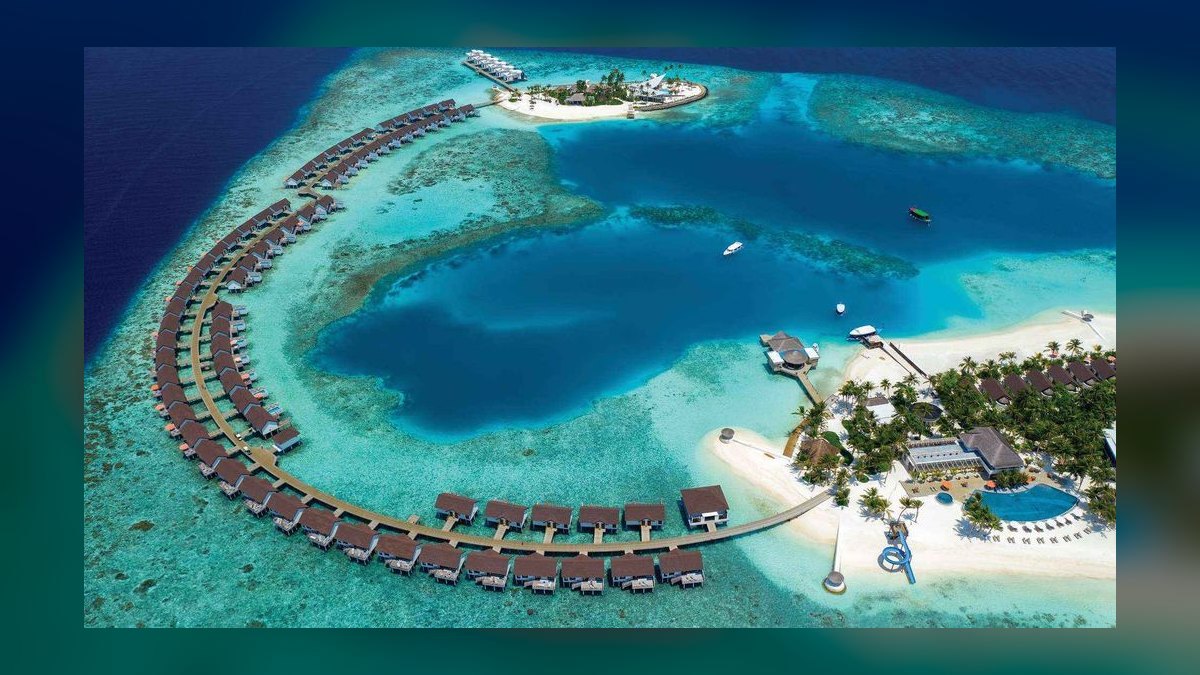
There are also structural reasons 2027 rewards deciding earlier than instinct suggests. Luxury hotel supply grows slowly — a resort takes years from permit to opening, and the pipeline in mature destinations is thin because the desirable coastline is largely built out. Demand for the top tier has proven stubbornly resilient through inflation cycles, because the buyer is less price-sensitive than the buyer three tiers down. Add the long-run shift toward multigenerational travel — families booking three or four rooms rather than one — and the effective inventory at any given resort shrinks further. When one booking consumes four keys, a 45-key property fills faster than the room count implies.
Two adjacent constraints usually bind before the hotel does, and they quietly move the whole timeline earlier. The first is award and premium-cabin airline seats. If any part of the trip runs on points or on a specific long-haul business-class routing, the flight is the scarce leg, and most airlines load their schedules roughly eleven to twelve months ahead. Award availability at the saver level typically appears at schedule load and gets picked over within days on popular routes. The second is the specialist operator — the villa manager, the private guide, the dive outfit, the safari camp if the resort is one node in a multi-stop trip. These businesses run tiny capacity and often take deposits, so their windows are firmer and earlier than the resort's.

Finally, the resort tier has a booking channel that mass-market travel doesn't: the preferred-partner programs. Virtuoso, Amex Fine Hotels + Resorts, Hyatt Prive, Marriott STARS and Luminous, Four Seasons Preferred Partner and similar programs attach a fixed bundle — daily breakfast for two, a property credit typically in the $100–$200 range per stay, upgrade priority, early check-in and late checkout — to the same flexible rate you'd book yourself. The bundle is paid by the hotel, not by you, so it does not raise the rate. This matters for timing because it changes *where* you book, and booking through the right channel early is strictly better than booking direct early. If you've already booked direct, most advisors can re-book the same reservation into the program while the rate is still flexible.
The step-by-step process for timing a 2027 luxury resort booking
Treat this as a sequence with checkpoints, not a single decision. The dates below assume a peak-week 2027 stay; for shoulder season, compress everything by roughly half.

Twelve to fourteen months out — fix the dates, not the hotel. Decide the travel window before you decide the property, because in peak season the calendar constrains you far more than the brochure does. Check school calendars, the destination's actual weather pattern for those weeks, and whether your dates collide with a local festival or a national holiday from a major feeder market. Lunar New Year and Golden Week move Asian resort pricing hard; European school half-terms move the Mediterranean and the Alps; American Thanksgiving and the Christmas–New Year block move the Caribbean, Mexico, and Hawaii. Getting the window right is worth more than any rate you'll negotiate later.
Eleven to twelve months out — book the flights if they're the constraint. Airline schedules load in this window. If the trip depends on award seats, a specific aircraft, or a single daily long-haul departure, this is the moment. Cash premium fares are usually refundable-for-a-fee or changeable, so an early cash booking is also a low-cost option. Don't let a hotel decision wait on a flight you haven't secured, and don't let a flight you can't get force a hotel you'll cancel.

Nine to twelve months out — place the resort hold. Book the flexible rate, in the exact room category you want, through a preferred-partner channel. Read the cancellation terms *for those specific dates* — peak-week terms are often stricter than the property's standard policy, and villa product almost always is. Note the cancellation deadline in your calendar the same day you book. If a deposit is required, know exactly how much and whether it's refundable.
Six to nine months out — book the scarce non-hotel pieces. Restaurants that require months of lead time, a specific dive or heli operator, a guide with one vehicle. These have less depth than the resort. Also the right moment to confirm any special-occasion requests in writing rather than assuming they'll be honored at check-in.
Three to four months out — the first re-shop. Pull the current rate for your exact category and dates. Compare against what you hold. If the property has released a new promotion, added a fourth-night-free offer, or simply dropped, rebook. If the rate has risen, do nothing and feel good. This is also when advance-purchase discounts start to look tempting; take one only if you're certain, because the discount is small and the flexibility you surrender is not.

Sixty to ninety days out — the second re-shop and the honest gut check. Rates in this segment often firm up as the property sees its pace. Check once more. Then ask the real question: are you actually going? If there's meaningful doubt, this is the last comfortable exit.
Inside the cancellation window — stop shopping, start planning. Once you're past the deadline, the rate is what it is. Shift energy to the arrival experience: room-preference notes to the property, a transfer arranged in advance, restaurant reservations, and any credit or amenity from your booking channel confirmed on the reservation so nobody has to litigate it at check-in.

mermaid flowchart TD A["Start: 2027 luxury resort stay"] --> B{"Scarce product?<br/>villa / 1-5 keys of type"} B -->|Yes| C["Book 12-18 months out"] B -->|No| D{"Dates fixed or flexible?"} D -->|Fixed| E{"Peak period?"} D -->|Flexible| F["Shop the calendar:<br/>target shoulder weeks"] E -->|Peak| G["Book 9-12 months out"] E -->|Shoulder| H["Book 4-6 months out"] E -->|Low season| I["Book 2-3 months out"] F --> H C --> J{"Rate type?"} G --> J H --> J I --> J J -->|Flexible| K["Hold + re-shop at 90 days"] J -->|Prepaid| L["Only if trip is certain;<br/>buy insurance"] </parameter> </invoke>
How this compares to adjacent booking decisions
The hold-and-re-shop logic isn't unique to resorts, and seeing where it does and doesn't transfer sharpens the judgment.

Cruises invert it. Cruise lines run aggressive early-booking incentives and price-protection policies, and cabin categories are narrow and finite, so early booking tends to be genuinely rewarded on price as well as inventory. Deposits are required early and cancellation schedules are staged. The luxury-resort instinct to wait and re-shop is a worse fit here.
Premium airline seats behave differently again. Cash fares generally rise into departure rather than falling, and award availability is best at schedule load and again occasionally in the final two weeks when the airline releases unsold premium inventory. That final release is real but unreliable, which is why you take the seat when you see it rather than waiting for it.

Villa and whole-house rentals are the strictest version of the resort logic — the scarcest possible product, one unit, with staged deposits and long cancellation windows. Everything about the resort framework applies, shifted earlier and with less flexibility.
Restaurants and experiences operate on much shorter clocks with much less depth. A resort has forty rooms; a chef's counter has ten seats a night. Book these after the resort but well before the trip, and expect release windows measured in days rather than months.

Corporate and event travel — the closest professional analogue — runs on the same fundamentals with different vocabulary. A room block is a bulk hold with an attrition clause, which is a hold-and-re-shop strategy formalized into a contract: you reserve capacity early because inventory is the scarce good, and you negotiate the right to release what you don't use. The individual traveler's flexible rate is the retail version of the same instrument.
The through-line across all of these is the same test. Ask whether the thing you want is scarce, and ask what it costs you to hold it. When holding is free and the product is scarce, hold early and often. When holding costs money, be certain before you commit. Luxury resorts in 2027 sit squarely in the first category for most flexible bookings, which is why the answer to "when should I book" is: earlier than you think for the room, later than you think for the price.
Related questions
Do luxury resorts get cheaper closer to the date?
Rarely for peak periods. Small properties protect rate over occupancy and would rather run at 85% at full price than discount and train guests to wait. Genuine last-minute deals cluster in soft seasons at properties with an inventory problem — not the weeks most people want.
Should I book direct or through a travel advisor?
Advisor, if they have preferred-partner access — the rate is the same under parity, but the booking carries breakfast, a property credit, upgrade priority, and early check-in and late checkout paid by the hotel. Direct booking is fine, and you can usually have an advisor re-book it later while the rate is still flexible.
How far ahead do villas and overwater bungalows need to be booked?
Twelve to eighteen months for the most sought-after units, because the property may have only a handful. These also carry the strictest deposit and cancellation terms, so decide with more certainty than you'd need for a standard room.
Does elite status change when I should book?
Not the timing, but it changes what early booking is worth. Status helps at brand-affiliated resorts and does nothing at independents. Suite-upgrade certificates and points redemptions have their own inventory that opens and closes on a different schedule than cash rates.
What if the resort is undergoing renovation during my stay?
Ask about planned works before booking and again at each re-shop checkpoint, in writing. Renovation timelines slip, and a property that's technically open with a closed spa or beach club is not the trip you booked. A flexible rate is your protection.
FAQ
Is nine to twelve months really the right time to book a luxury resort for peak 2027 dates?
For peak periods at properties with limited inventory, yes. That window catches the room category you want before it's picked over, and because the rate is flexible you haven't committed to anything. The window isn't about price — it's about being in the room you chose rather than the room that was left.
Will I pay more by booking so far ahead?
Usually not. Rate parity keeps the direct, OTA, and preferred-partner rates for the same room on the same night essentially identical, and a flexible booking can be rebooked if the rate falls. The one way early booking costs you is if you never re-shop it — so put the checkpoints in your calendar when you book.
When should I stop looking for a better rate?
At the cancellation deadline. Up to that point, re-shopping is free and worth doing at roughly ninety days and again a few weeks before the window closes. Once you're inside the window, further shopping produces anxiety and no savings — switch to planning the stay.
Do I need a deposit to hold a 2027 booking?
Often not for standard rooms on standard dates, where a card guarantee is enough. Peak holiday periods, villas, and all-inclusive properties commonly do require a deposit — one night, sometimes more, occasionally the full stay for the Christmas–New Year block. Confirm the amount and its refundability before you book.
What actually gets booked before the resort?
Flights, if the trip depends on award seats or a single long-haul routing — airline schedules load about eleven to twelve months out and saver award space goes quickly. Also any specialist operator with tiny capacity: a specific guide, a dive outfit, a safari camp. These have less depth than the hotel.
Is a prepaid non-refundable rate ever the right call?
Only when the trip is genuinely fixed — a wedding, a milestone with locked dates — and the discount is meaningful. The typical 10–20% saving is small next to the total cost of a luxury trip, and you're selling real optionality to get it. A length-of-stay offer usually beats it while keeping flexibility.
Sources
- https://www.virtuoso.com/
- https://www.americanexpress.com/en-us/travel/discover/fine-hotels-resorts
- https://www.fourseasons.com/
- https://www.hyatt.com/
- https://www.marriott.com/
- https://www.usatoday.com/travel/
- https://www.cntraveler.com/
- https://www.travelandleisure.com/
- https://www.nerdwallet.com/travel
- https://www.consumerreports.org/travel/
Related on PULSE
- [How do you budget for a luxury vacation without overspending?](/knowledge)
- [What is the difference between an all-inclusive resort and a European-plan hotel?](/knowledge)
- [When should you book international flights for the best award availability?](/knowledge)
- [How do hotel loyalty programs actually compare for luxury stays?](/knowledge)
- [What does a travel advisor actually do that you can't do yourself?](/knowledge)
- [How far ahead should you book a private villa rental?](/knowledge)
 pulse-resortsWhen does a resort become luxury in 2027?
 pulse-resortsTop 10 Resorts with Private Pools in Bali in 2027
 pulse-resortsTop 10 Resorts in Oahu in 2027
 pulse-resortsThe 10 Best Overwater Bungalow Resorts in the Maldives (2026)
 pulse-resortsTop 10 Resorts in Switzerland in 2027
 pulse-resortsTop 10 All-Inclusive Resorts in Algarve in 2027
 pulse-resortsThe 10 Best All-Inclusive Beach Resorts in the Bahamas & Turks and Caicos for 2027
 pulse-resortsTop 10 Resorts in Malaysia in 2027
 pulse-resortsTop 10 All-Inclusive Resorts in Aruba in 2027
 pulse-resortsTop 10 Resorts in Okinawa in 2027