


Top 10 Universities for Sports Psychology in 2027
Quality
Certified
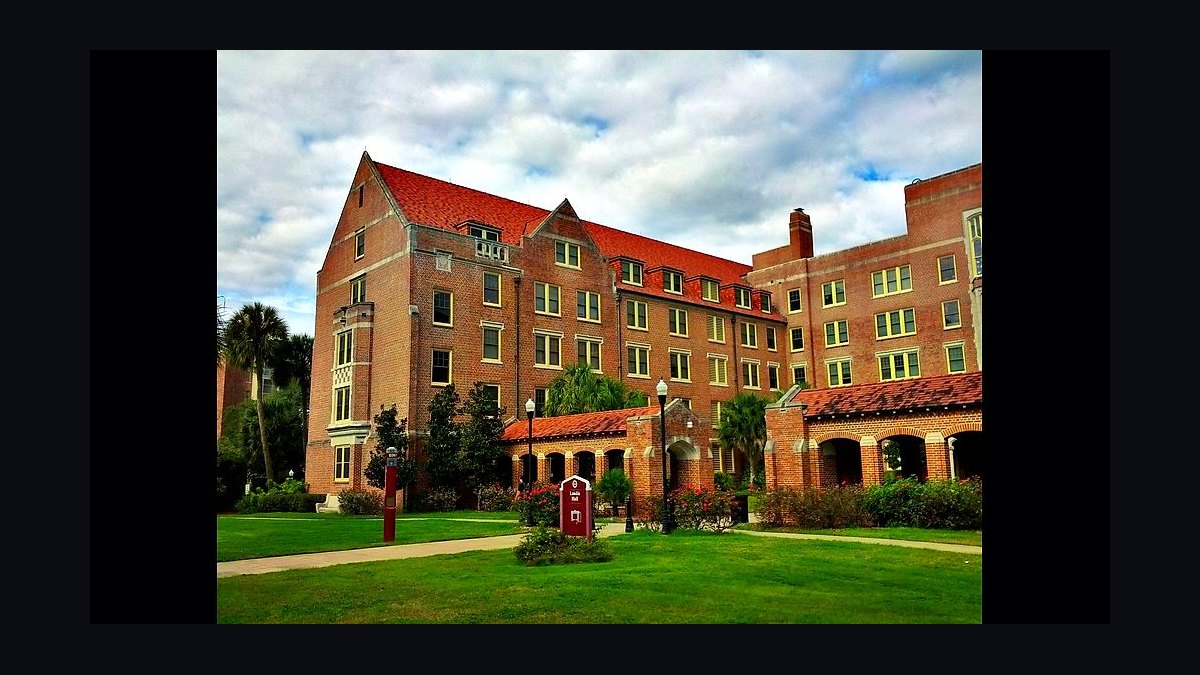
The Best Overall university for sports psychology is Florida State University, whose graduate program in the Department of Educational Psychology and Learning Systems is one of the oldest and most respected in the field, producing a large share of the discipline's published researchers and certified consultants.
The Best Value pick is the University of North Carolina at Greensboro (UNCG), a public research university whose nationally ranked sport and exercise psychology program pairs strong faculty and applied training with public-university tuition that beats private alternatives on outcomes-per-dollar.
This list is built for students and families comparing programs in this specialized sub-specialty — the science of motivation, performance under pressure, injury recovery, and mental skills for athletes — across both undergraduate feeder paths and the graduate degrees where the real training happens. Because sports psychology is a niche field with relatively few dedicated programs, this ranking emphasizes named programs with real faculty and certification pipelines rather than general psychology departments.
Every pick uses real, publicly reported program data.
How We Ranked the Top 10
We weighted each program against what matters in a specialized field where reputation, faculty, and applied training drive outcomes far more than a school's overall brand. We leaned on published information from U.S. News, Niche, the Association for Applied Sport Psychology (AASP), and NCES. The weighting:
- Academic performance and program reputation — 25%
- Post-grad outcomes and certification pipeline — 20%
- Value and cost — 15%
- Faculty and research resources — 15%
- Environment and applied training — 15%
- Specialization fit and breadth — 10%
A school with a famous name but no dedicated sport-psychology faculty, or a strong program at a net price that outpaces its outcomes, drops fast. The winners balance recognized faculty, a clear path to certification or licensure, and real applied experience.
1Florida State University 🏆 BEST OVERALL
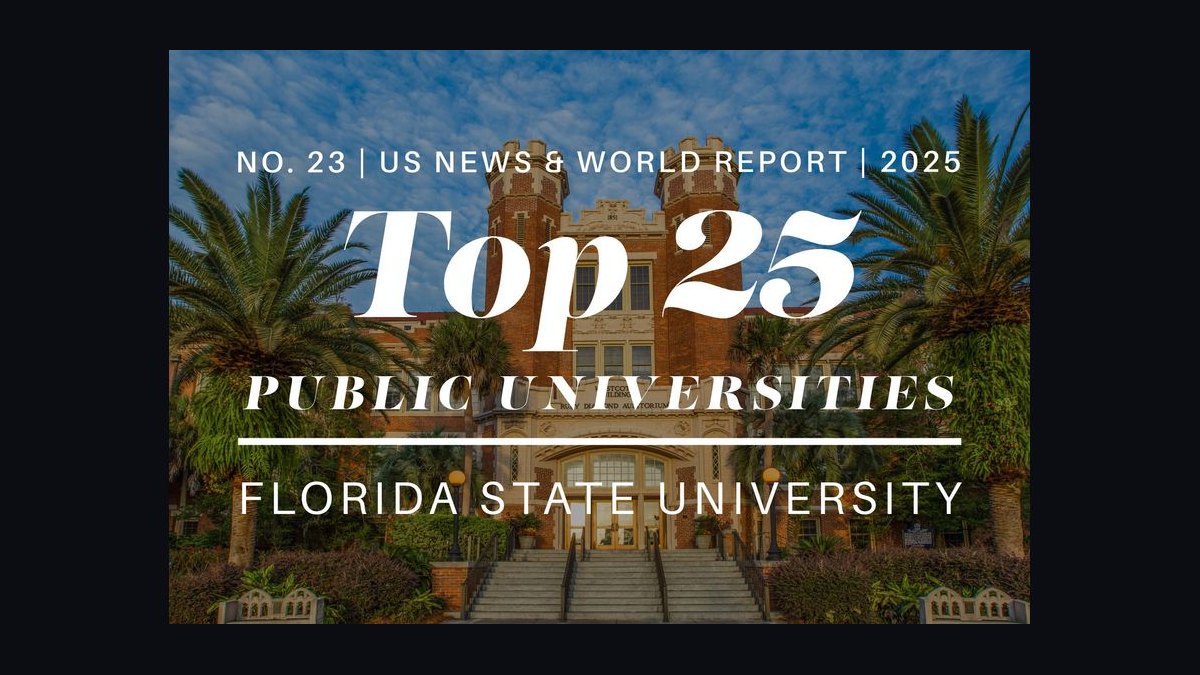
Type: Public (research university) | Tuition: Roughly $5,800/yr (in-state grad) or $18,700/yr (out-of-state grad) | Best for: Students who want the discipline's deepest research pedigree
Florida State University (FSU), in Tallahassee, houses one of the founding programs in sport psychology within its Department of Educational Psychology and Learning Systems. The graduate program enrolls a small, selective cohort and is consistently ranked at or near the top of the field. FSU faculty have authored core textbooks and a large body of peer-reviewed research, and the program has produced an outsized share of the field's professors and AASP-certified mental performance consultants. Students gain applied experience with collegiate athletes and structured research training, and the program's national alumni network is the strongest in the discipline. FSU's overall 84% graduation rate and major research infrastructure round out the package.
Pros:
- One of the oldest and most respected sport-psychology programs
- Faculty who authored foundational field textbooks
- Strong AASP certification and academic-placement pipeline
- Public-university tuition with elite program standing
Cons:
- Small cohort makes admission highly competitive
- Heavily research-oriented, less applied-only focus
Verdict: FSU wins on balance — the deepest research pedigree, top faculty, and the strongest alumni network in the field with no real weak spot.
2University of Michigan
Type: Public (research university) | Tuition: Roughly $26,000/yr (in-state grad) or $53,000/yr (out-of-state grad) | Best for: Students who want elite research resources and interdisciplinary reach
The University of Michigan, in Ann Arbor, offers sport and exercise psychology training through its School of Kinesiology, one of the best-funded and most research-intensive kinesiology units in the country. Faculty study motivation, youth sport, and the psychology of physical activity, and students benefit from cross-disciplinary work with the psychology department and the athletic program.
Michigan's 93% overall graduation rate and vast research funding give students access to labs, data, and assistantships that smaller programs cannot match. The program emphasizes the developmental and motivational side of the field, preparing graduates for academic, research, and applied careers.
Pros:
- Top-funded School of Kinesiology with deep labs
- Strong interdisciplinary ties to psychology and athletics
- 93% overall graduation rate and rich assistantship support
- National brand strength for academic placement
Cons:
- High out-of-state graduate tuition
- Program leans research over hands-on consulting
Verdict: A research powerhouse — best for students who want elite labs, funding, and an interdisciplinary path.
3University of North Carolina at Greensboro 💎 BEST VALUE
Type: Public (research university) | Tuition: Roughly $7,400/yr (in-state grad) or $22,000/yr (out-of-state grad) | Best for: Students who want a top-ranked program at public-university cost
The University of North Carolina at Greensboro (UNCG) runs a nationally ranked sport and exercise psychology program within its Department of Kinesiology, frequently cited among the best in the country. The real story is value: strong faculty, an established applied-training pipeline, and frequent assistantship funding combine with modest public tuition to deliver outcomes-per-dollar that beat pricier alternatives. Faculty publish actively in the field, and the program maintains a clear path toward AASP certification.
The campus offers applied experience with regional athletes and a collaborative cohort culture, making it a favorite among students who want top-tier training without top-tier debt.
Pros:
- Nationally ranked program at low public tuition
- Frequent assistantship funding for graduate students
- Clear AASP certification pipeline and active faculty
- Strong applied-training and research balance
Cons:
- Less name recognition than flagship-brand schools
- Smaller campus resources than the largest universities
Verdict: The value champion — a top-ranked sport-psychology program at a cost and funding mix that beats the field on outcomes-per-dollar.
4Boston University
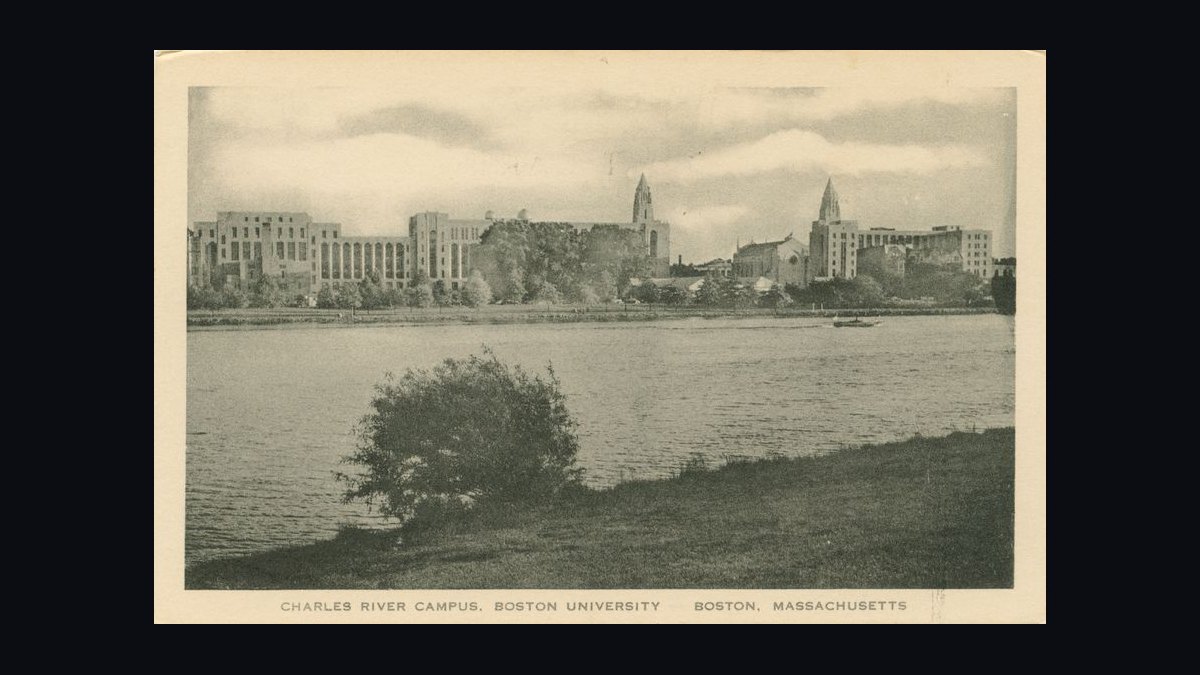
Type: Private (research university) | Tuition: Roughly $62,000/yr (grad, before aid) | Best for: Students who want a clinical and counseling-oriented sport-psychology path
Boston University (BU) offers sport psychology through its renowned Wheelock College of Education & Human Development, with a graduate program that emphasizes counseling and the clinical side of athlete mental health. Located in Boston, the program gives students access to a dense network of professional and collegiate teams, hospitals, and research centers. BU's 89% overall graduation rate and strong faculty in counseling psychology prepare graduates for licensure-track careers as well as applied performance consulting. The program is a strong fit for students who want to combine mental-health clinical training with sport performance work — an increasingly in-demand combination.
Pros:
- Counseling and clinical-oriented sport-psychology track
- Dense Boston network of teams and medical centers
- 89% graduation rate and strong counseling faculty
- Path toward both licensure and performance consulting
Cons:
- High private-university tuition before aid
- Clinical focus may not suit pure-research students
Verdict: The clinical-path pick — best for students who want to merge mental-health licensure with sport performance work.
5Springfield College
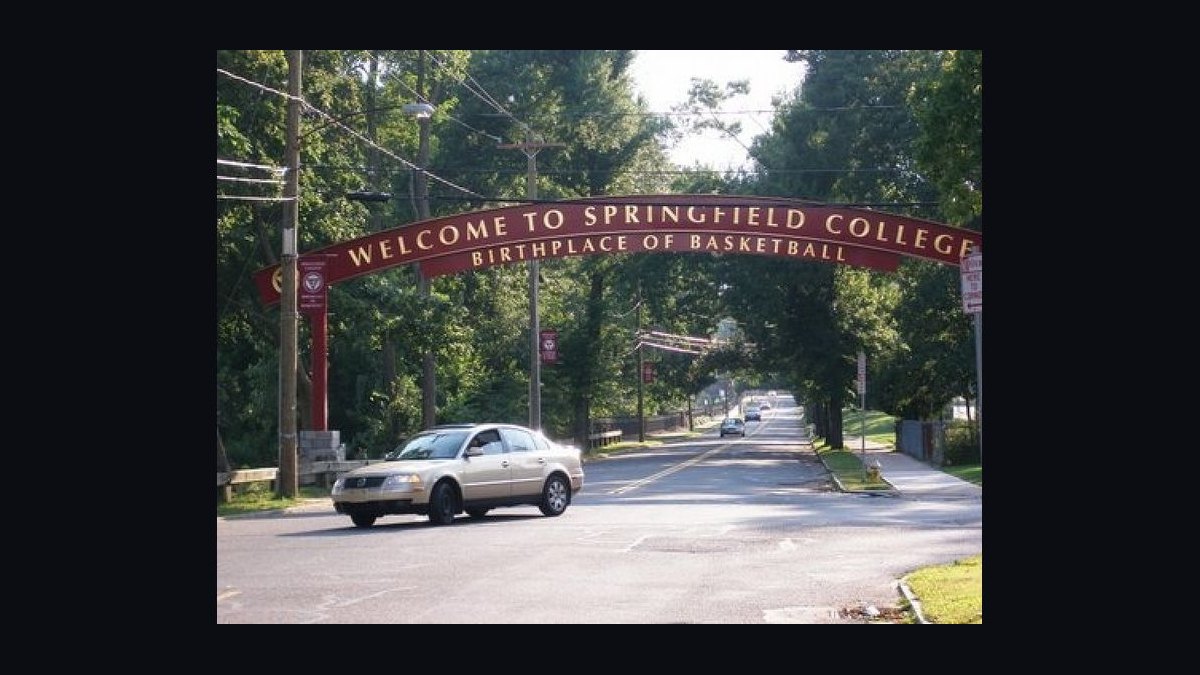
Type: Private (specialized college) | Tuition: Roughly $38,000/yr (grad, before aid) | Best for: Students who want an applied, hands-on sport-psychology focus
Springfield College, in Springfield, Massachusetts, is a small private institution with deep roots in physical education and athletics — it is the birthplace of basketball. Its graduate program in sport and exercise psychology is highly applied, emphasizing direct work with athletes, coaches, and teams. The college's tight-knit environment, low student-faculty ratio, and focus on practical consulting skills make it a strong fit for students who want hands-on experience over a purely academic track. Springfield's specialized mission means faculty and resources are concentrated in exactly this field, and graduates often move directly into applied consulting and coaching-support roles.
Pros:
- Highly applied, hands-on consulting focus
- Specialized mission concentrated in sport and movement
- Low student-faculty ratio and close mentorship
- Direct experience with athletes, coaches, and teams
Cons:
- Smaller research output than flagship universities
- Limited program breadth outside the specialty
Verdict: The applied specialist — best for students who want practical consulting skills over a research-heavy path.
6National University (formerly JFK University)
Type: Private (nonprofit university) | Tuition: Roughly $15,000–$20,000/yr (grad, varies by program) | Best for: Students who want a dedicated sport-psychology degree with flexible delivery
National University, which absorbed the well-known John F. Kennedy University sport-psychology program in California, offers one of the few master's and doctoral pathways named specifically in sport psychology rather than housed under kinesiology. The program is known for flexible, working-student-friendly delivery and a strong applied orientation toward performance consulting. Faculty emphasize mental-skills training, and the curriculum maps to AASP certification requirements. For students who want a degree explicitly titled in the field — useful for clarity with employers and clients — National University's dedicated program is a distinctive option.
Pros:
- Degree explicitly titled in sport psychology
- Flexible delivery for working students
- Curriculum mapped to AASP certification
- Strong applied performance-consulting orientation
Cons:
- Less traditional research-university prestige
- Variable cohort experience across delivery formats
Verdict: The dedicated-degree pick — best for students who want a sport-psychology credential and flexible scheduling.
7Ithaca College
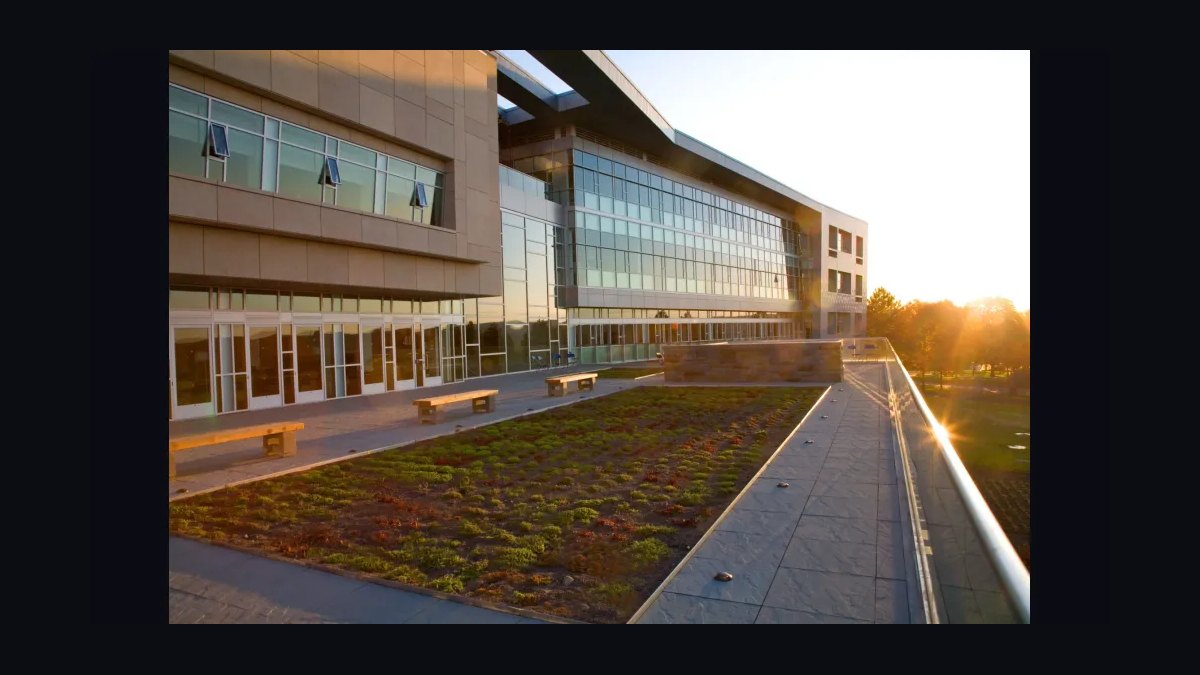
Type: Private (college) | Tuition: Roughly $24,000/yr (grad, before aid) | Best for: Undergraduates and master's students wanting an early entry into the field
Ithaca College, in Ithaca, New York, is well known for its School of Health Sciences and Human Performance and offers strong undergraduate and graduate exposure to exercise and sport psychology. The college's 77% overall graduation rate and applied, athletics-rich environment give students early hands-on experience with teams and performance work. Ithaca is a strong feeder for students who want a solid foundation before pursuing a doctorate elsewhere, and its small size means meaningful faculty mentorship. The program's location near Cornell adds regional research and collaboration opportunities for motivated students.
Pros:
- Strong undergraduate and master's-level foundation
- Applied, athletics-rich training environment
- Close faculty mentorship at a small college
- Good feeder for doctoral programs elsewhere
Cons:
- Less doctoral-level research depth than universities
- Best as a foundation rather than a terminal program
Verdict: The foundation pick — ideal for students building credentials before a doctorate in the field.
8West Virginia University
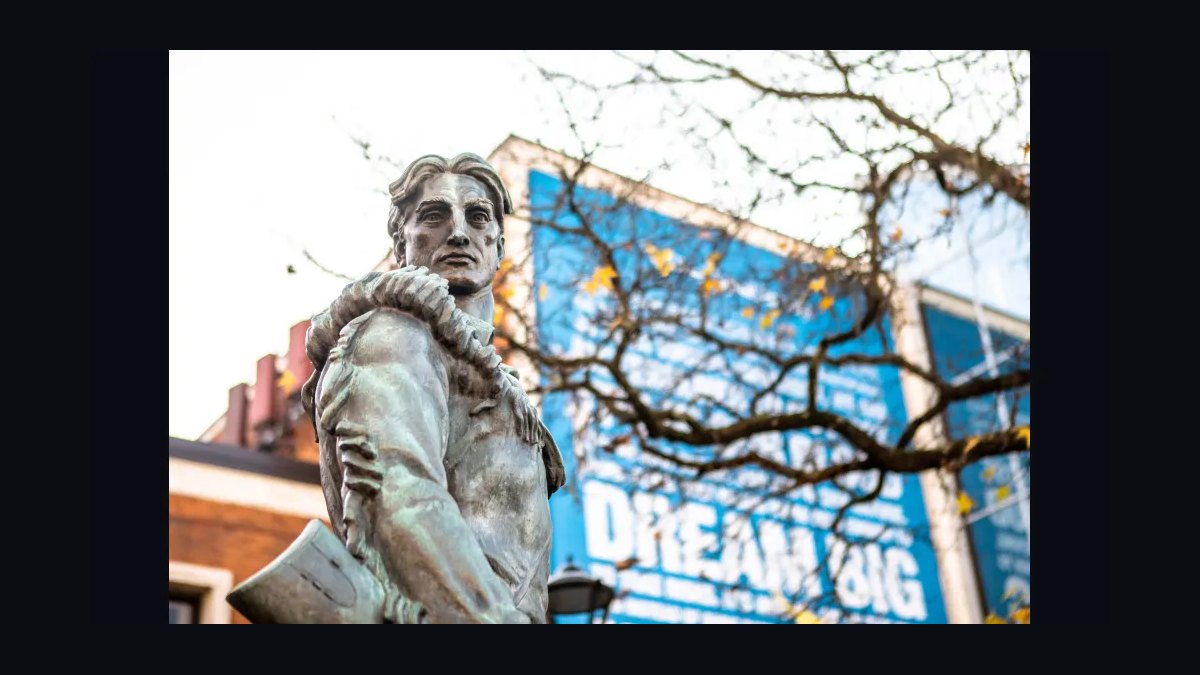
Type: Public (research university) | Tuition: Roughly $11,500/yr (in-state grad) or $27,000/yr (out-of-state grad) | Best for: Students who want a respected applied program with assistantship funding
West Virginia University (WVU), in Morgantown, runs a well-regarded graduate program in sport and exercise psychology within its College of Physical Activity and Sport Sciences. The program is known for blending solid research training with strong applied experience and a clear AASP certification path. WVU frequently offers graduate assistantships that offset tuition, and faculty are active in both research and consulting. The collaborative cohort culture and access to Division I athletics make it a productive environment for students who want both academic grounding and hands-on work with athletes.
Pros:
- Respected applied program with research grounding
- Frequent assistantship funding for graduate students
- Clear AASP certification pathway
- Division I athletics access for applied training
Cons:
- Less national brand recognition than flagship rivals
- Smaller campus resources than the largest universities
Verdict: A strong applied-plus-research pick — best for funded students who want both certification and real athlete work.
9Temple University
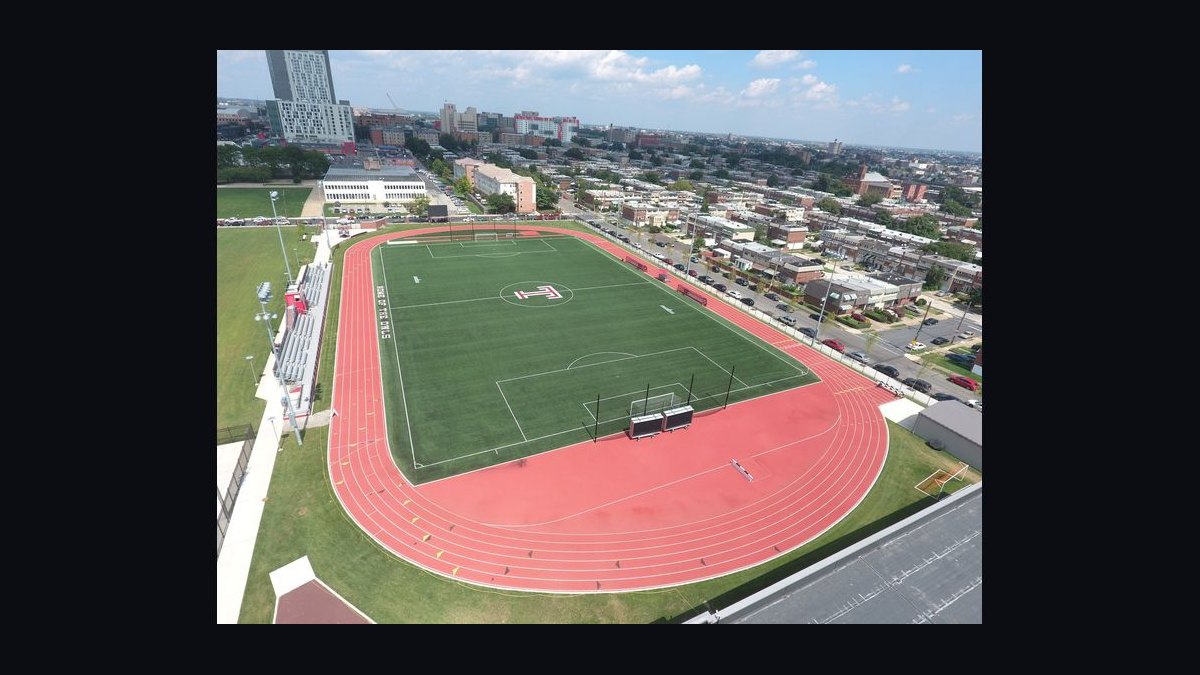
Type: Public (research university) | Tuition: Roughly $18,000/yr (in-state grad) or $24,000/yr (out-of-state grad) | Best for: Students who want an urban research setting with kinesiology depth
Temple University, in Philadelphia, offers sport and exercise psychology within its College of Public Health kinesiology department, combining solid research faculty with the resources of a major urban research university. The program benefits from Temple's location in a large metropolitan area dense with professional teams, hospitals, and applied opportunities. Temple's 75% overall graduation rate and active research labs give students access to data, funding, and interdisciplinary collaboration. The program suits students who want a research-oriented path in a city setting with strong applied-experience options nearby.
Pros:
- Research-intensive kinesiology in a major city
- Dense Philadelphia network of teams and clinics
- Active labs and interdisciplinary collaboration
- Public-university tuition for the research depth
Cons:
- Sport-psychology faculty smaller than the top programs
- Urban campus environment is not for everyone
Verdict: The urban-research pick — best for students who want city access and kinesiology research depth.
10University of Kansas
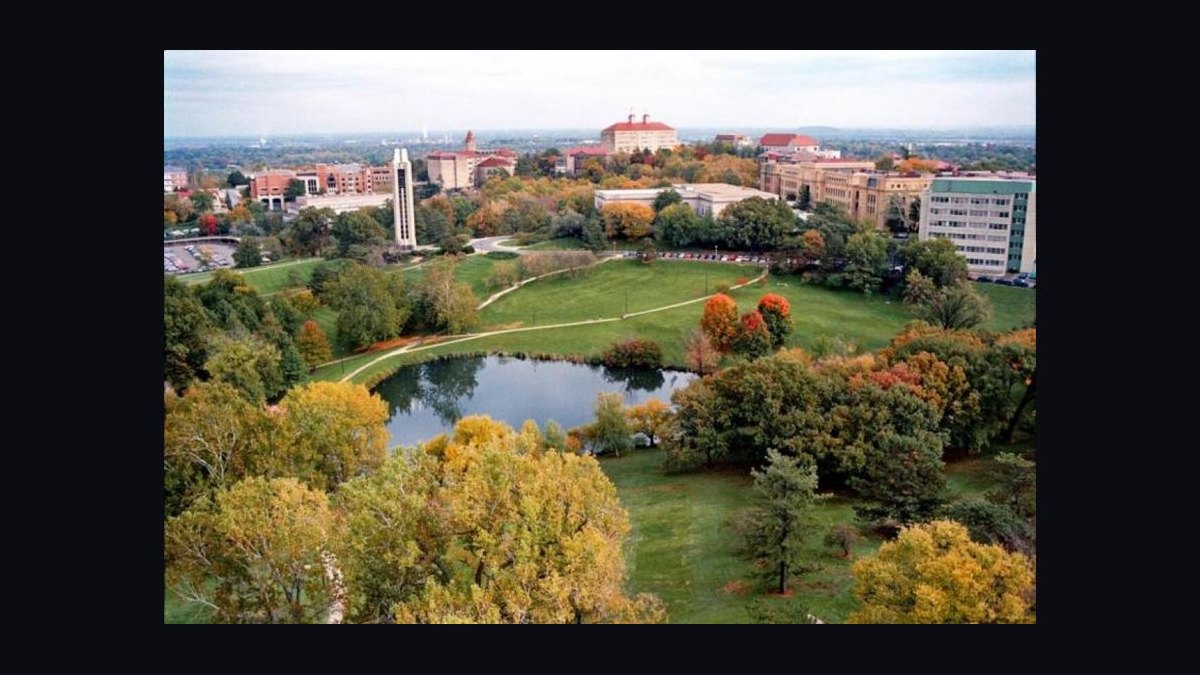
Type: Public (research university) | Tuition: Roughly $11,000/yr (in-state grad) or $26,000/yr (out-of-state grad) | Best for: Students who want a flagship research university with strong athletics ties
The University of Kansas (KU), in Lawrence, offers sport and exercise psychology training through its Department of Health, Sport, and Exercise Sciences. KU pairs flagship research resources with a storied Division I athletics program, giving students applied opportunities alongside research training. Faculty study motivation, performance, and the psychology of physical activity, and the program offers assistantship funding to many graduate students.
KU's 84% overall graduation rate and broad university resources make it a well-rounded option for students who want both academic grounding and proximity to high-level college athletics.
Pros:
- Flagship research resources and assistantship funding
- Storied Division I athletics for applied work
- 84% graduation rate and broad university support
- Solid motivation and performance research faculty
Cons:
- Smaller dedicated sport-psychology faculty than leaders
- Less national reputation specifically in the sub-specialty
Verdict: A well-rounded flagship pick — best for students who want research resources plus close athletics ties.
Which One's Right for You?
What to Look For When Choosing a Sports Psychology Program
- Named, dedicated faculty — In a niche field, the right adviser matters more than the school's overall brand; confirm the program has active sport-psychology faculty publishing in the field.
- Certification and licensure path — Decide whether you want AASP Certified Mental Performance Consultant status, psychology licensure, or both, and pick a program that maps to it.
- Research vs applied balance — Programs like FSU and Michigan lean research; Springfield and National University lean applied — match the program to your career goal.
- Funding and assistantships — Public programs like UNCG, WVU, and Kansas often fund graduate students, which can change the real cost dramatically.
- Applied opportunities nearby — Access to collegiate or professional teams gives the hands-on hours certification requires; city and Division I settings help.
- Degree title clarity — A degree explicitly named in sport psychology (National University) can be clearer to employers and clients than one housed under general kinesiology.
What matters less than marketing implies: a university's overall national ranking, athletic-team fame, and campus amenities. In this sub-specialty, faculty fit, the certification pipeline, funding, and applied hours shape your career far more than a school's headline brand.
FAQ
Which university is the best overall for sports psychology? Florida State University earns our top spot for the discipline's deepest research pedigree, faculty who authored foundational texts, and the strongest academic and certification placement record in the field.
What is the best-value sports psychology program? The University of North Carolina at Greensboro is our value pick — a nationally ranked program with frequent assistantship funding at modest public tuition, beating pricier alternatives on outcomes-per-dollar.
Do I need a graduate degree to work in sports psychology? Yes — most applied and academic roles require a master's or doctorate, and the field's main credential, the AASP Certified Mental Performance Consultant, requires graduate coursework and supervised applied hours.
Which programs focus on applied consulting rather than research? Springfield College and National University (formerly JFK University) emphasize hands-on, applied performance consulting, while Boston University offers a clinical and counseling-oriented path.
Can I become licensed as a psychologist through these programs? Some, like Boston University's counseling-oriented track, lead toward psychology licensure; others focus on performance consulting and AASP certification instead — confirm the path before enrolling.
Are public universities a good choice for sports psychology? Yes — public programs like UNCG, Michigan, West Virginia, Temple, and Kansas often combine strong faculty and assistantship funding with lower tuition, making them excellent value in this specialized field.
Bottom Line
For students and families comparing programs in this specialized sub-specialty, Florida State University is our Best Overall — the deepest research pedigree, top faculty, and the strongest certification and academic-placement pipeline in the field. The University of North Carolina at Greensboro is our Best Value, pairing a nationally ranked program with assistantship funding at public-university cost.
If your goals lean toward clinical licensure, hands-on applied consulting, or a flagship research setting, use the decision tree above to route yourself to Boston University, Springfield, or Michigan instead. In a niche field, weigh faculty fit, the certification path, funding, and applied hours far above any school's overall brand.
Related on PULSE
- Top 10 Universities for Sports Management in 2027
- Top 10 Universities for Clinical Psychology in 2027
- Top 10 Universities for Industrial-Organizational Psychology in 2027
- Top 10 Universities for Forensic Psychology in 2027
- Top 10 Universities for Psychology in 2027
- Top 10 Universities for Pre-Med Students in 2027
Sources
- U.S. News — Best graduate psychology and education programs
- Niche — Best colleges for sports and exercise science
- Association for Applied Sport Psychology (AASP) — Certification and programs
- NCES — College Navigator (federal data)
- Florida State University — Sport psychology program
- University of Michigan — School of Kinesiology
- UNC Greensboro — Department of Kinesiology
- Boston University — Wheelock College of Education & Human Development
- West Virginia University — College of Physical Activity and Sport Sciences
- Springfield College — Sport and exercise psychology
*Sports psychology programs review — best sports psychology universities, rankings, ratings, review 2027, and a review of the top graduate programs for students and families.*
People also search for: best universities for sports psychology · top universities for sports psychology · top rated universities for sports psychology · top ranked universities for sports psychology · highest rated universities for sports psychology · universities for sports psychology reviews
This page will be disappearing soon. Save it to your device for $1 — or read it free while it is here.
@Kory-White- · if Venmo asks, the last 4 of my number are 2012
This page is gone.
This one is off the shelf now. $1 keeps it on your phone for good — the whole page, pictures and diagrams included.
 pulse-schoolsTop 10 Public High Schools in Nevada in 2027
 pulse-schoolsTop 10 Universities for Nursing in 2027
 pulse-schoolsTop 10 Universities for Pharmacy in 2027
 pulse-schoolsTop 10 Public High Schools in Tennessee in 2027
 pulse-schoolsTop 10 Charter Schools in Alaska in 2027
 pulse-schoolsTop 10 Public Universities in California in 2027
 pulse-schoolsTop 10 Public High Schools in Cincinnati in 2027
 pulse-schoolsTop 10 Public Elementary Schools in Arizona in 2027
 pulse-schoolsTop 10 Public High Schools in Virginia in 2027
 pulse-schoolsTop 10 Law Schools in 2027