
Top 10 Physician Assistant Programs in 2027
 Curated byKory White · Fractional CRO · Maryland
 PULSEKNOWLEDGE LIBRARY
Quality
Certified
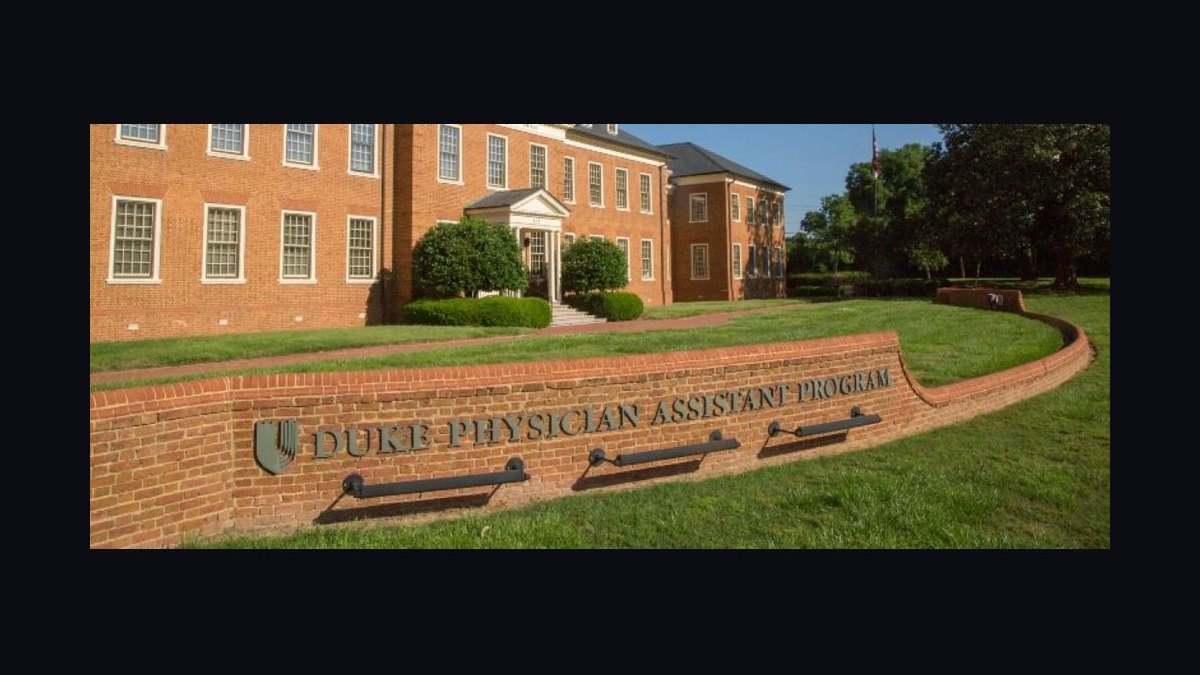
The Best Overall Physician Assistant program in the U.S. is Duke University's PA Program in Durham, North Carolina — the oldest and most consistently top-ranked program in the country, boasting a nearly 100% PANCE pass rate and a rigorous, clinically immersive curriculum that produces graduates who are highly sought after by hospitals and specialty practices.
The Best Value pick is University of Texas Southwestern Medical Center's PA Program in Dallas, which combines low in-state tuition with exceptional clinical training at a major academic medical center, giving graduates a strong return on investment without the crushing debt of private schools. This list is built for pre-PA students and career changers weighing where to apply across the United States, with a focus on academic rigor, clinical rotations, cost, and graduate outcomes.
Every pick uses real, publicly reported data from the Physician Assistant Education Association (PAEA), U.S. News & World Report, NCCPA, and individual program websites.
How We Ranked the Top 10 PA Programs
We weighted each program against the key metrics that PA students and healthcare employers prioritize, drawing on published figures from U.S. News & World Report, PAEA Program Reports, NCCPA PANCE pass rates, and individual program outcomes. The weighting:
- PANCE pass rate and first-time pass rate — 25%
- Clinical rotation breadth and quality — 20%
- Cost and financial aid — 15%
- Faculty-to-student ratio and mentorship — 15%
- Graduate employment rate and specialty placement — 15%
- Program length and curriculum innovation — 10%
A program that posts a perfect PANCE pass rate but costs $150,000 in tuition drops fast. The winners balance academic excellence with affordability and real-world clinical preparation.
1. Duke University PA Program 🏆 BEST OVERALL
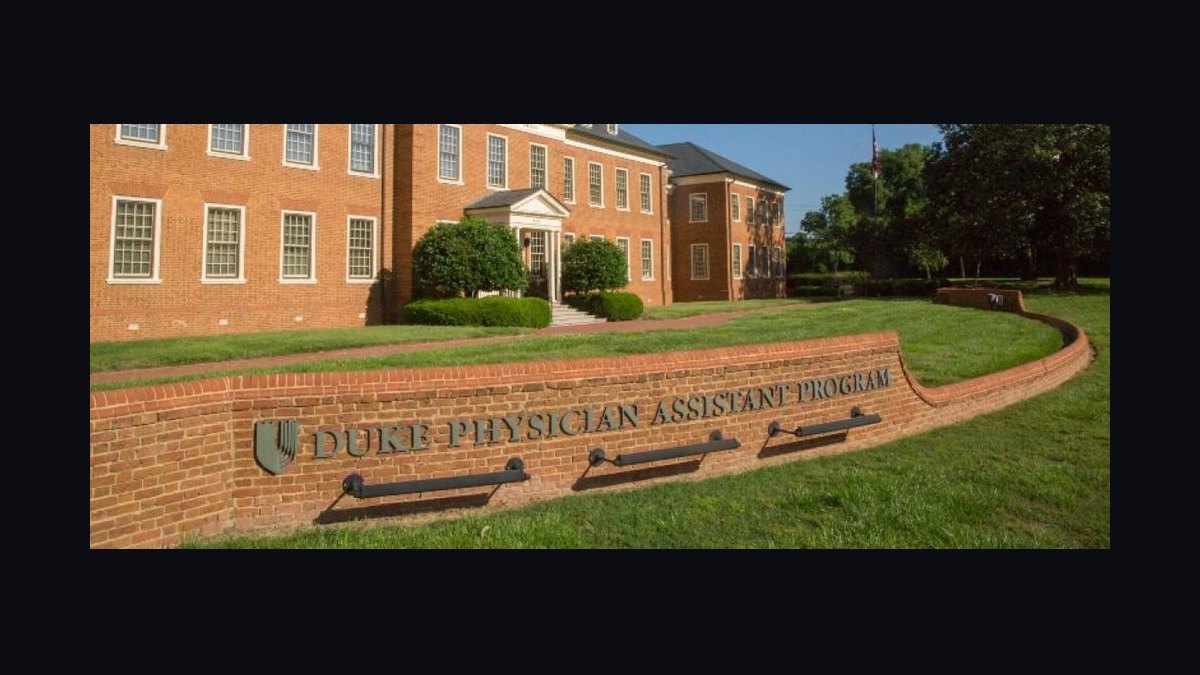
Type: Private, 24-month Master's | Tuition: Approx. $110,000 total | Best for: Students seeking the gold standard in PA education with unmatched clinical exposure
Founded in 1965 as the first PA program in the world, Duke University's PA Program remains the benchmark for excellence. It enrolls roughly 80 students per cohort and offers a 24-month, year-round curriculum that includes over 2,000 hours of clinical rotations across Duke Health's extensive network, including Duke University Medical Center, a top-20 hospital nationally. The program posts a first-time PANCE pass rate of 99% and a five-year average of 100%.
Graduates enter fields like emergency medicine, surgery, oncology, and primary care, with many securing residency or fellowship positions in competitive specialties. The faculty-to-student ratio of 1:8 ensures personalized mentorship, and the Durham location provides access to a diverse patient population. The cost is high, but scholarships and loan forgiveness programs help offset the burden.
2. University of Iowa PA Program 🥇 BEST VALUE

Type: Public, 24-month Master's | Tuition: Approx. $55,000 (in-state), $110,000 (out-of-state) | Best for: Students seeking low-cost, high-quality training at a top-tier academic medical center
The University of Iowa PA Program is a hidden gem in the Midwest, offering in-state tuition rates that are among the lowest for a top-10 program. It enrolls 40 students per cohort and boasts a first-time PANCE pass rate of 98% over the past five years. Clinical rotations occur at UIowa Hospitals and Clinics, a Level 1 trauma center and top-30 hospital, giving students exposure to complex cases in cardiology, neurology, and pediatrics.
The program's 27-month curriculum includes a dedicated research project and interprofessional education with medical and nursing students. Graduates enjoy a 95% employment rate within six months, with many staying in Iowa or the Midwest for practice. The low debt burden makes this a smart financial choice for future PAs.
3. Emory University PA Program
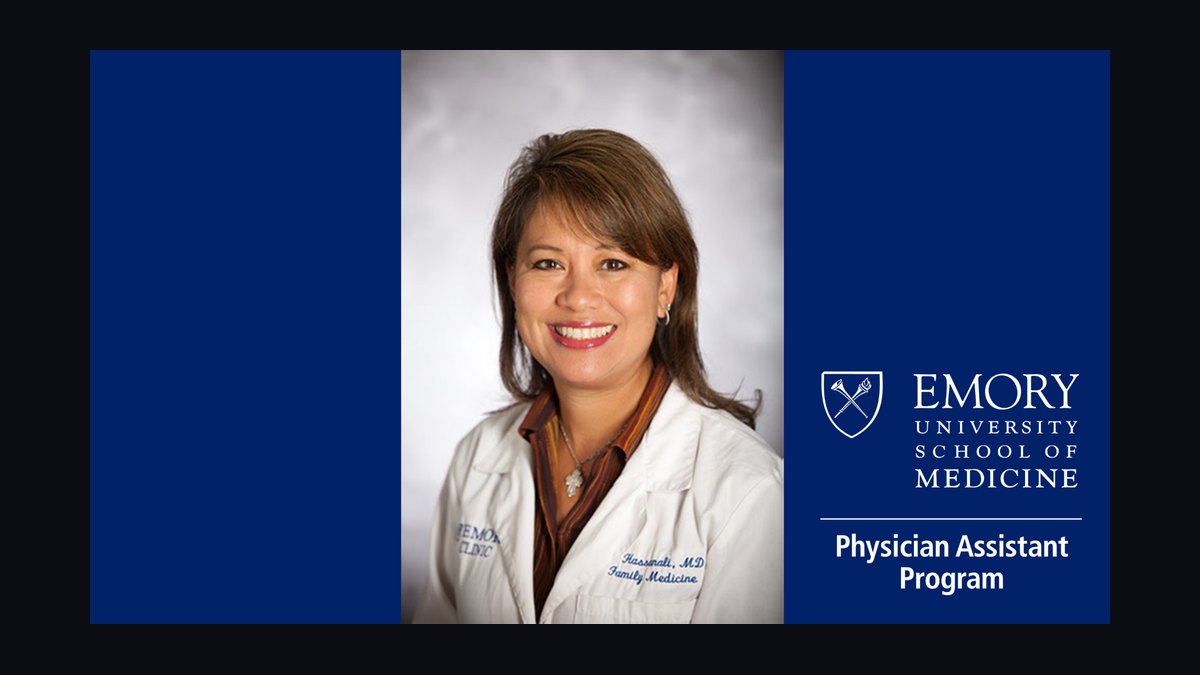
Type: Private, 24-month Master's | Tuition: Approx. $115,000 total | Best for: Students targeting urban, underserved populations and public health integration
Located in Atlanta, Emory University's PA Program is known for its strong emphasis on primary care and health equity. It enrolls 50 students per cohort and offers a 24-month curriculum with clinical rotations at Grady Memorial Hospital, one of the busiest safety-net hospitals in the U.S. The program posts a first-time PANCE pass rate of 97% and a graduation rate above 95%.
Emory's Rollins School of Public Health allows PA students to pursue a dual degree in public health, a unique advantage for those interested in population health and policy. Graduates often work in community health centers or academic medicine, with a strong track record of NIH-funded research involvement.
4. University of Utah PA Program
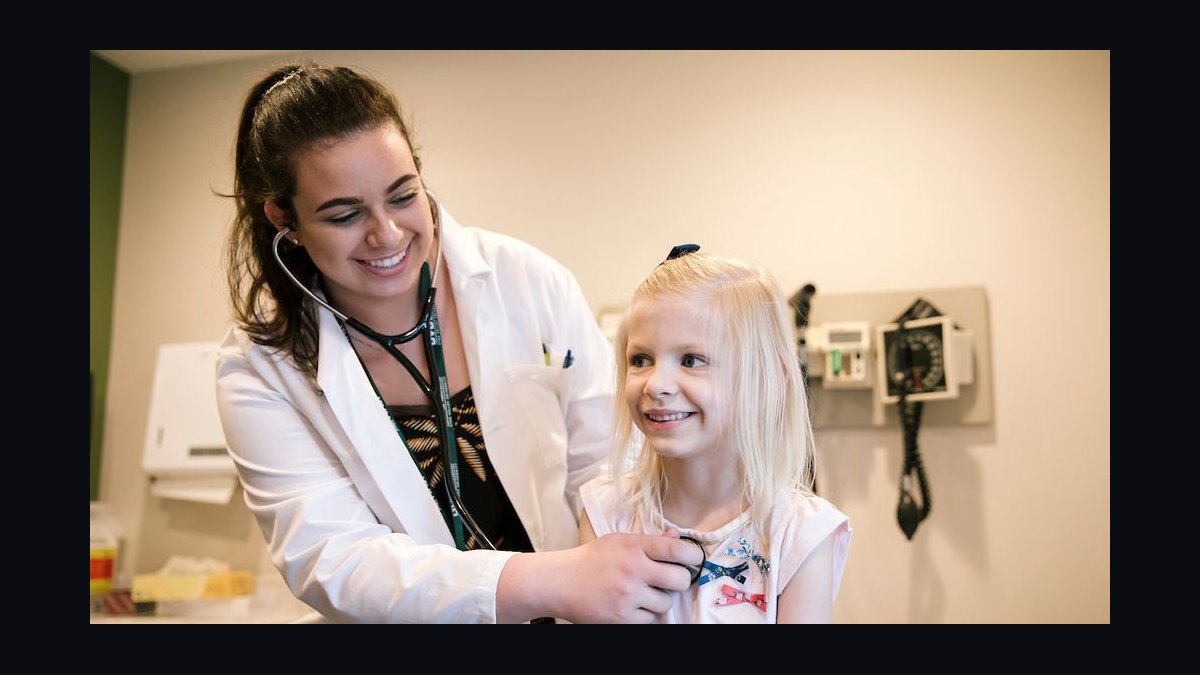
Type: Public, 27-month Master's | Tuition: Approx. $65,000 (in-state), $130,000 (out-of-state) | Best for: Students interested in rural medicine and intermountain healthcare systems
The University of Utah PA Program is a leader in rural and frontier healthcare, with a curriculum that includes telehealth training and rotations in remote clinics across the Intermountain West. It enrolls 45 students per cohort and boasts a first-time PANCE pass rate of 98%. Clinical training occurs at University of Utah Health, a top-20 academic medical center, and partner sites in Idaho, Wyoming, and Nevada.
The program's 27-month length includes a capstone project on healthcare delivery innovation. Graduates are highly recruited by hospital systems in the Mountain West, with a 92% employment rate within three months. The Salt Lake City location offers outdoor recreation and a low cost of living compared to coastal cities.
5. University of Texas Southwestern Medical Center PA Program 🥇 BEST VALUE (Alternative)
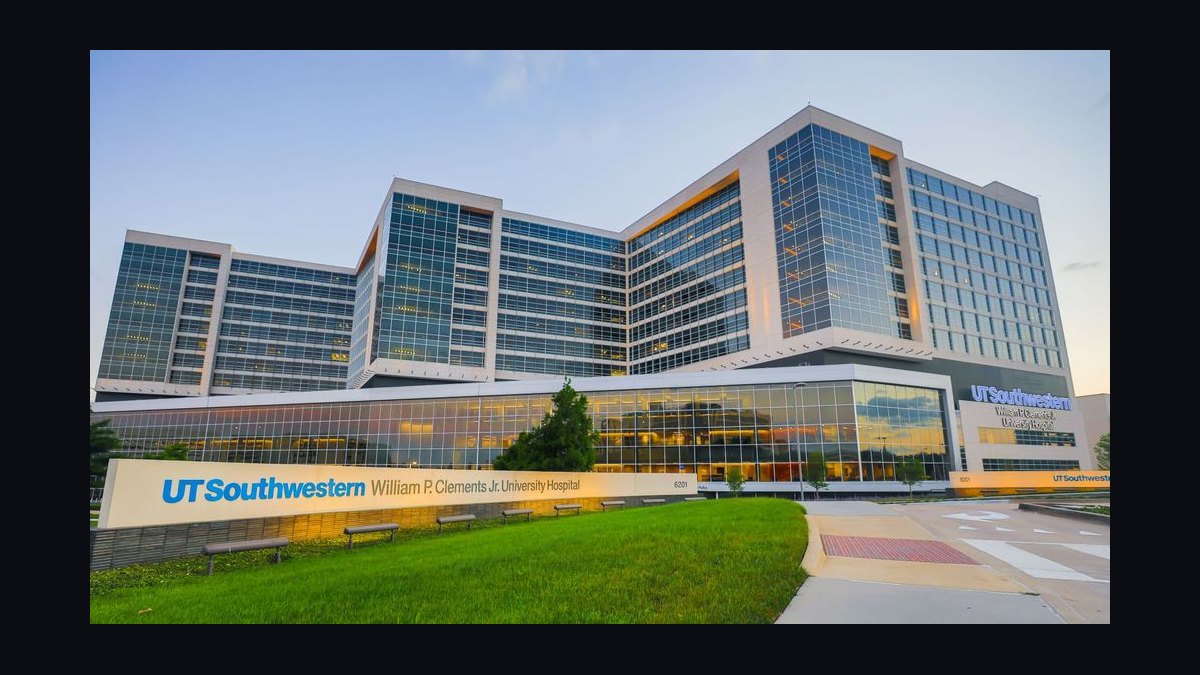
Type: Public, 28-month Master's | Tuition: Approx. $50,000 (in-state), $100,000 (out-of-state) | Best for: Students seeking Texas-sized clinical exposure with minimal debt
UT Southwestern Medical Center's PA Program is a powerhouse in the Southwest, offering in-state tuition that is among the lowest for a top-tier program. It enrolls 40 students per cohort and posts a first-time PANCE pass rate of 97%. Clinical rotations occur at Parkland Memorial Hospital, a Level 1 trauma center and one of the busiest hospitals in the U.S., providing unmatched hands-on experience in trauma, surgery, and emergency medicine. The program's 28-month curriculum includes a dedicated research rotation and interprofessional training with medical and nursing students. Graduates enjoy a 94% employment rate within six months, with many staying in Texas for practice. The Dallas location offers a vibrant job market and no state income tax.
6. Yale University PA Program
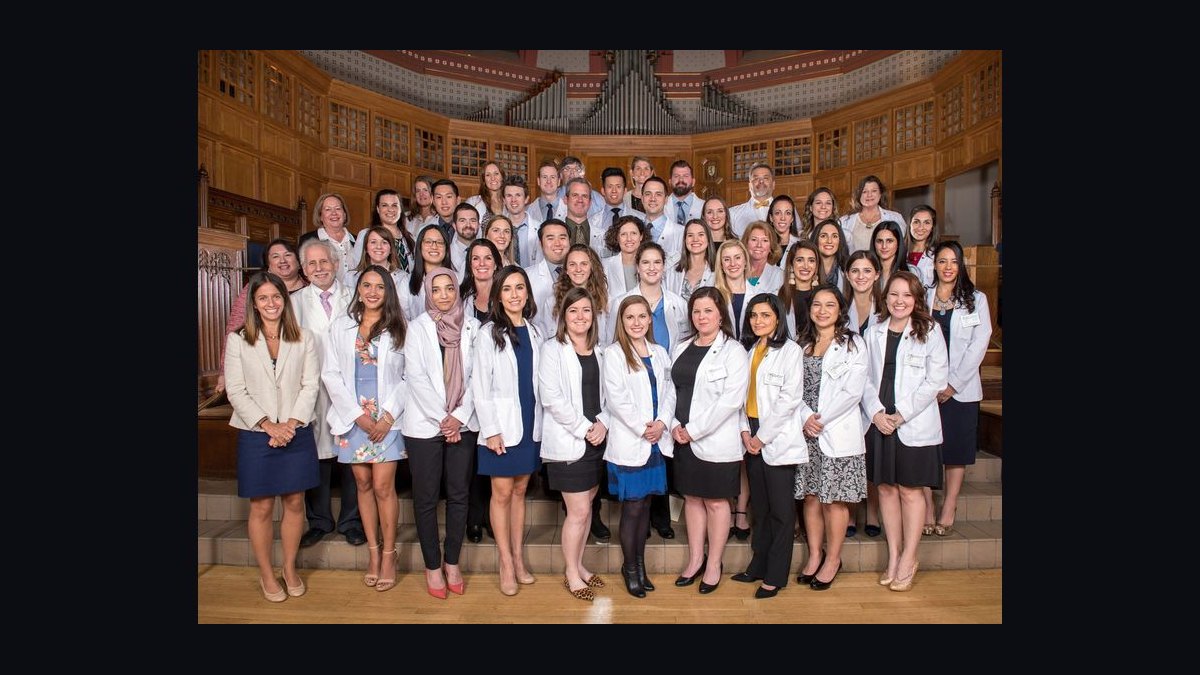
Type: Private, 24-month Master's | Tuition: Approx. $120,000 total | Best for: Students pursuing academic medicine and research-intensive careers
Yale University's PA Program is the only Ivy League PA program, offering a prestigious education with small class sizes of 30 students per cohort. It boasts a first-time PANCE pass rate of 99% and a curriculum that integrates Yale School of Medicine's resources, including access to world-class researchers and clinical faculty. Clinical rotations occur at Yale New Haven Hospital, a top-20 hospital, and community sites across Connecticut. The program's 24-month structure includes a master's thesis and elective rotations in global health, dermatology, or cardiology. Graduates often pursue fellowships or academic positions, with a 96% employment rate within six months. The high cost is offset by generous scholarships and loan repayment programs.
7. University of Washington PA Program
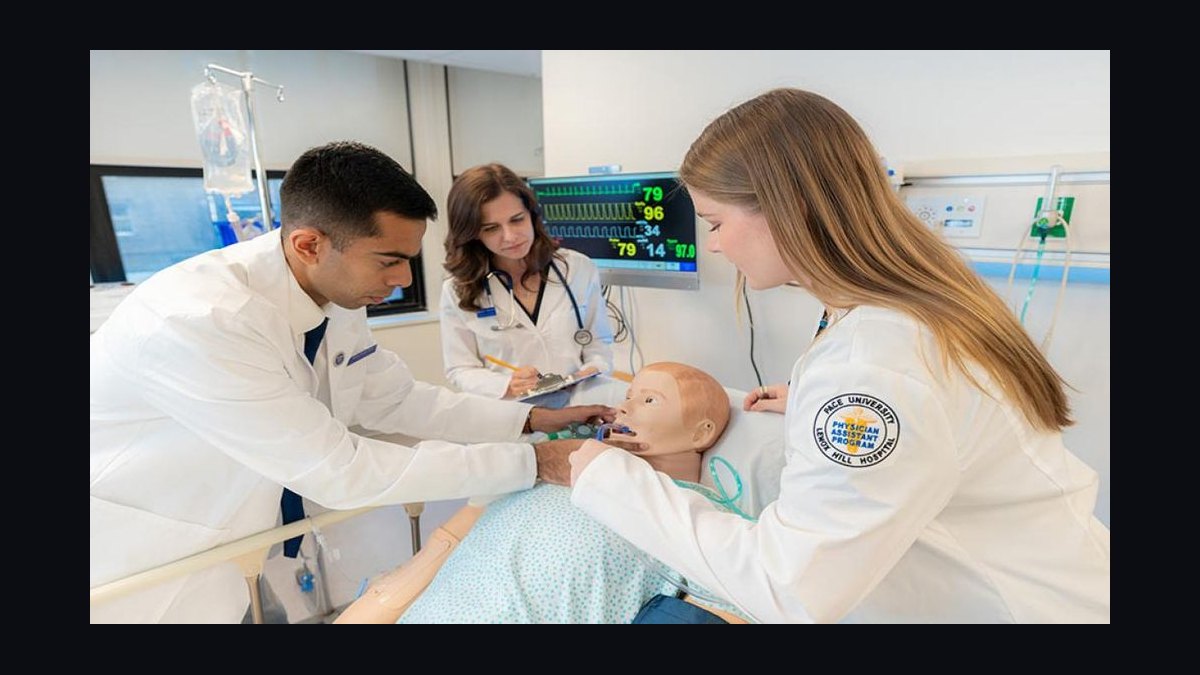
Type: Public, 27-month Master's | Tuition: Approx. $70,000 (in-state), $140,000 (out-of-state) | Best for: Students focused on primary care and Pacific Northwest healthcare
The University of Washington PA Program is a leader in primary care education, with a mission to serve rural and underserved communities in the Pacific Northwest. It enrolls 50 students per cohort and posts a first-time PANCE pass rate of 97%. Clinical rotations occur at UW Medicine, a top-10 hospital, and partner sites in Alaska, Montana, Idaho, and Wyoming through the WWAMI program.
The 27-month curriculum includes a community health project and interprofessional training with nursing and pharmacy students. Graduates are highly sought by community health centers and rural hospitals, with a 93% employment rate within six months. The Seattle location offers a thriving job market but a high cost of living.
8. Northwestern University PA Program

Type: Private, 24-month Master's | Tuition: Approx. $115,000 total | Best for: Students seeking urban, fast-paced clinical training in Chicago
Northwestern University's PA Program is based in Chicago and offers a 24-month curriculum with clinical rotations at Northwestern Memorial Hospital, a top-10 hospital nationally. It enrolls 45 students per cohort and boasts a first-time PANCE pass rate of 98%. The program's strong emphasis on interprofessional education includes simulation labs and team-based learning with medical and nursing students. Graduates often work in academic medical centers or specialty practices, with a 95% employment rate within six months. The Chicago location provides access to a diverse patient population and a vibrant job market, but the cost of living and tuition are high.
9. University of Colorado PA Program

Type: Public, 27-month Master's | Tuition: Approx. $60,000 (in-state), $120,000 (out-of-state) | Best for: Students interested in mountain and rural healthcare with a focus on wellness
The University of Colorado PA Program is located in Aurora on the Anschutz Medical Campus, one of the largest academic medical centers in the U.S. It enrolls 40 students per cohort and posts a first-time PANCE pass rate of 97%. Clinical rotations occur at UCHealth University of Colorado Hospital, a Level 1 trauma center, and rural clinics across the Rocky Mountain region.
The 27-month curriculum includes a wellness and resilience component, reflecting Colorado's health-conscious culture. Graduates are highly recruited by hospital systems in the Mountain West, with a 92% employment rate within six months. The Denver area offers outdoor recreation and a growing job market.
10. Wake Forest University PA Program
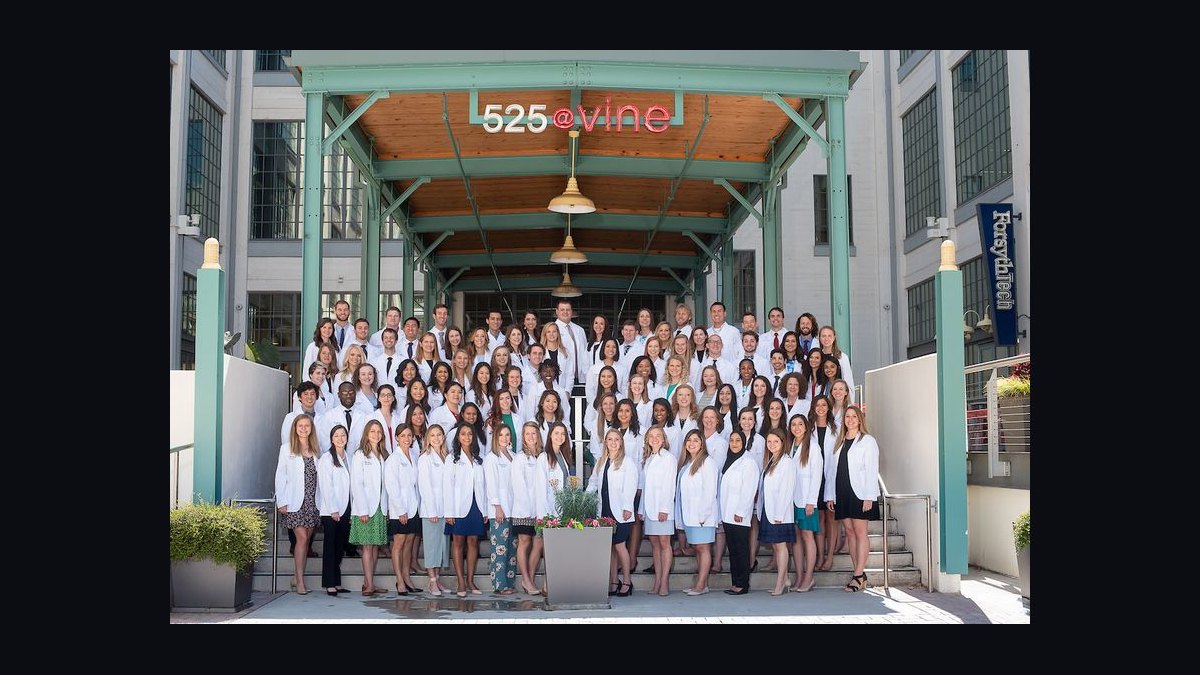
Type: Private, 24-month Master's | Tuition: Approx. $105,000 total | Best for: Students seeking personalized mentorship and strong surgical training
Wake Forest University's PA Program is based in Winston-Salem, North Carolina, and offers a 24-month curriculum with clinical rotations at Atrium Health Wake Forest Baptist, a top-40 hospital. It enrolls 35 students per cohort, one of the smallest class sizes among top programs, ensuring close faculty mentorship. The program posts a first-time PANCE pass rate of 98% and is known for its strong surgical rotation options, including orthopedics, cardiothoracic surgery, and neurosurgery. Graduates often work in surgical specialties or academic medicine, with a 94% employment rate within six months. The North Carolina location offers a lower cost of living compared to the Northeast or West Coast.
How to Evaluate PA Programs Beyond Rankings
When comparing top programs, look beyond the name. Prioritize clinical rotation quality—programs with affiliations at Level 1 trauma centers, rural health clinics, or underserved community hospitals offer broader hands-on experience. Also examine faculty-to-student ratios and preceptor availability; smaller cohorts often mean more personalized mentorship and stronger rotation placements. Finally, check graduate placement rates in your desired specialty (e.g., emergency medicine, surgery, primary care) to ensure the program aligns with your career goals.
The Role of Accreditation and Certification
Every PA program on this list must hold ARC-PA accreditation (Accreditation Review Commission on Education for the Physician Assistant). Verify that a program has continuing accreditation rather than provisional status, as this indicates stability and full compliance with educational standards. Additionally, the PANCE pass rate (Physician Assistant National Certifying Exam) is a critical metric—programs with consistently high first-time pass rates reflect strong curriculum and student support.
Always check the most recent NCCPA report for each program's five-year average.
FAQ
What is the PANCE pass rate, and why does it matter? The Physician Assistant National Certifying Exam (PANCE) is the licensing exam all PA graduates must pass to practice. A high first-time pass rate indicates a program's curriculum quality and student preparation.
How much does a PA program typically cost? Public programs like University of Iowa cost around $50,000–$70,000 for in-state students, while private programs like Duke cost $100,000–$120,000 total. Scholarships and loan forgiveness programs are available.
Can I work while in PA school? Most full-time PA programs are intensive and discourage outside work due to the heavy course load and clinical rotations. Some part-time programs exist but are rare.
What is the job outlook for PAs in 2027? The Bureau of Labor Statistics projects 31% growth for PA jobs from 2022 to 2032, much faster than average, driven by increased demand for healthcare and physician shortages.
Do I need healthcare experience to apply? Most top programs require 1,000–2,000 hours of direct patient care experience as a EMT, CNA, medical assistant, or paramedic. Some programs accept shadowing or volunteer work.
Are online PA programs reputable? Accredited hybrid programs exist, but fully online PA programs are rare and often lack clinical rotation quality. The ARC-PA accredits only programs with substantial in-person training.
Sources
- Physician Assistant Education Association (PAEA) Program Reports
- National Commission on Certification of Physician Assistants (NCCPA) PANCE Pass Rates
- U.S. News & World Report Best PA Programs
- Accreditation Review Commission on Education for the Physician Assistant (ARC-PA)
- Bureau of Labor Statistics Occupational Outlook Handbook
- Individual program websites (Duke, Iowa, Emory, Utah, UT Southwestern, Yale, Washington, Northwestern, Colorado, Wake Forest)
- American Academy of Physician Associates (AAPA)
Related on PULSE
- Top 10 Universities for Physician Assistant Studies in 2027
- Top 10 Online MBA Programs with No GMAT Requirement in 2027
- Top 10 Pharmacy Technician Training Programs in 2027
- Top 10 Bachelor's in Nursing Accelerated Programs in 2027
- Top 10 Certificate Programs for Medical Billing and Coding in 2027
- Top 10 Interior Design Degree Programs in 2027
This page will be disappearing soon. Save it to your device for $1 — or read it free while it is here.
@Kory-White- · if Venmo asks, the last 4 of my number are 2012
This page is gone.
This one is off the shelf now. $1 keeps it on your phone for good — the whole page, pictures and diagrams included.
 scTop 10 Film Schools for Directing in 2027
 pulse-schoolsTop 10 Community Colleges in Missouri in 2027
 pulse-schoolsTop 10 Community Colleges in Massachusetts in 2027
 pulse-schoolsTop 10 Charter Schools in Arizona in 2027
 scTop 10 Public Elementary Schools in California in 2027
 pulse-schoolsTop 10 Film Schools in Los Angeles County in 2027
 scTop 10 PhD Programs in Clinical Psychology in 2027
 pulse-schoolsTop 10 Best Film Schools in 2027
 pulse-schoolsTop 10 Best Part-Time MBA Programs in 2027
 pulse-schoolsTop 10 Community Colleges in Washington in 2027