
Skill Drill: Building Rapport for Janitorial and Facilities
 Curated byKory White · Fractional CRO · Maryland
 PULSEKNOWLEDGE LIBRARY
This skill drill trains Janitorial and Facilities reps to build fast, credible Rapport with gatekeepers, building engineers, and facility directors who control cleaning contracts. A manager runs it with 3 to 12 reps in 30 to 45 minutes using paired role-plays and a structured debrief, converting cold walk-ins into walkthrough invitations and, eventually, revenue.
What it is and why it matters
Janitorial and Facilities services is a relationship-first, low-differentiation business where nearly every competitor can wax a floor, restock a restroom, and pass a CIMS audit. What separates a contract win from a "leave a flyer" outcome is whether the building engineer trusts the rep standing in their lobby. That trust is the entire point of this drill: it isolates Rapport as a teachable, repeatable skill rather than a personality trait some reps have and others don't.
The buyers here are unusual because you are rarely selling to a single person. You sell past a front-desk gatekeeper, to a building engineer or day porter who feels the daily pain, to a facility manager who controls the budget, and sometimes to a property-management firm like CBRE or JLL that owns the master service agreement across an entire portfolio. Each of those people evaluates you differently, and each has been burned by under-bidding contractors who disappeared after month two. That history makes them skeptical of slick sales talk, so the Rapport that wins is not charm — it is demonstrated operational credibility plus genuine human respect for the people the rest of the building ignores.

The drill matters because it directly moves the top of the Janitorial and Facilities revenue funnel. Reps who leave flyers convert almost nothing; reps who earn a walkthrough invitation convert far more, because a walkthrough lets them price against real trouble spots instead of guessing at square footage. By rehearsing a 90-second lobby opener until it feels natural, the team stops treating the first conversation as a pitch and starts treating it as the moment a bid becomes possible. That single behavioral shift — ask for a walkthrough, not a signature — is what the whole exercise is engineered to install.
The drill leans on three recognized frameworks that hold up in this specific environment. Dale Carnegie's principle of "make the other person feel important" is literal here: the day porter who resents the current vendor's spotty restroom service is your best inside coach, and most reps walk right past them. Sandler's up-front contract sets expectations so the prospect never feels trapped, which matters when you are asking for time from someone who has been pitched a hundred times. And SPIN Selling's low-threat Situation questions get a guarded engineer talking about their own building, which is the natural opening for a real conversation instead of a monologue.

The step-by-step process
The drill runs in four rounds with a fixed clock so it fits a normal team meeting. Preparation is deliberately light. You need 3 to 12 reps (pairs work best; with an odd count the manager fills the last seat), open floor space so pairs can stand and role-play a lobby interaction on their feet, printed scenario cards, a timer, a whiteboard, and a stack of your real business cards and one-page service sheets so reps rehearse with actual props. The handout is a half-sheet listing the three frameworks and the four Rapport anchors: name, building observation, shared reference, and respect for the operations person. The leader reads the verbatim scripts aloud once first so the team hears the confident tone they should project.
Round 1 is the five-minute teach. The leader frames the goal as earning a walkthrough invitation in the first 90 seconds — explicitly not selling cleaning — because lowering the stakes makes the conversation feel collaborative rather than adversarial. The four anchors go on the whiteboard, and the team repeats them until every rep can recite all four without the handout.

Round 2 runs 15 minutes of core role-play. Pairs split into seller and buyer, and each pair draws a scenario card with a specific persona: the gatekeeper at a Class B office tower who guards the property manager's time; the skeptical engineer who hates the current vendor but stays out of switching inertia; or the facility director over a 200,000 sq ft medical office building who only gives time to reps who understand healthcare-grade cleaning. The seller must hit all four anchors and earn either a walkthrough invitation or a named referral to the real decision-maker. The leader models the opener first: "Hi — you must be Marcus, the building engineer? I'm Dana with Summit Facility Services. I noticed the loading-dock entry tracks grit into the freight elevator — we run the medical plaza on 5th and that exact spot was their headache too."
Round 3 adds 10 minutes of pressure. Buyers get permission to throw real objections — "we're locked into a contract," "just leave a card," "we're happy," or the hardest one, flat indifference where the buyer barely looks up. Sellers answer with a Sandler up-front contract: "Totally fair — you're not looking to switch, and I'm not here to make you. All I'm asking is a chance to walk your trouble spots once. If I see something useful, I'll tell you. If not, you'll never hear from me again. Worth five minutes?" The manager calls "freeze" the instant a rep argues, gets defensive, or talks over the buyer, then resets them to try a different reframe. This is where the real learning happens, because it teaches reps to stay warm under a "no" and shrink the ask.
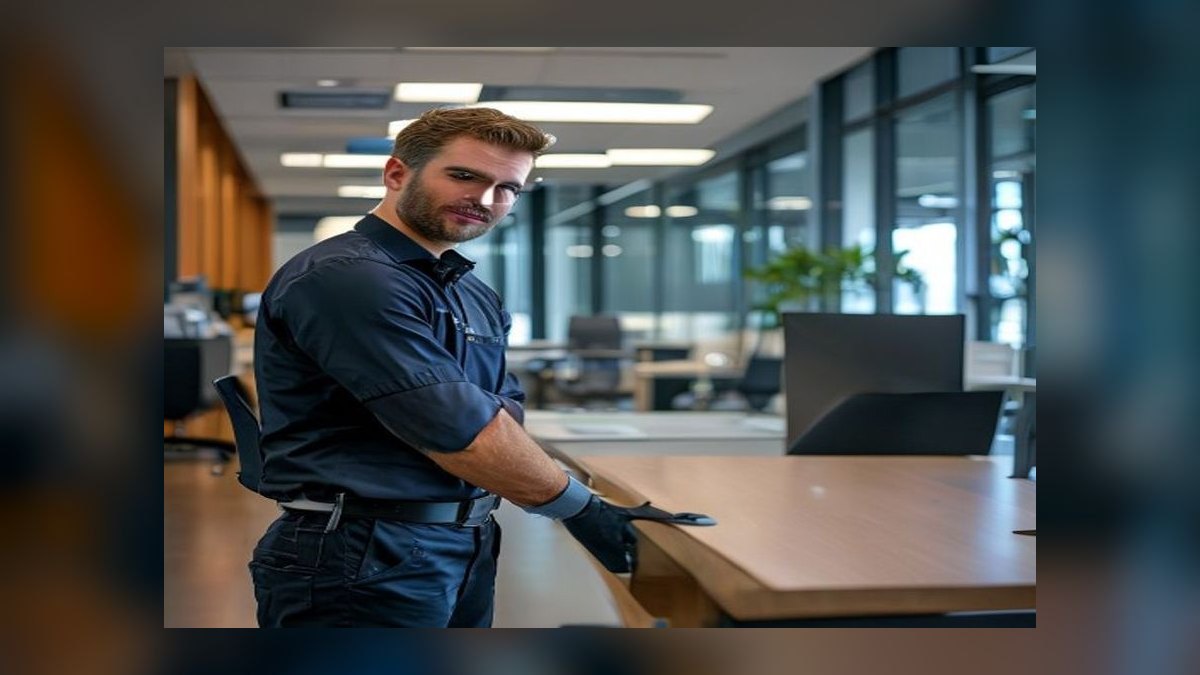
Round 4 is the debrief that turns practice into a permanent skill. The leader runs three whiteboard columns — Worked, Felt Forced, Try Next Time — and each pair contributes one line to each, with the leader capturing verbatim phrases that landed so the whole team can steal them. Peer language beats top-down scripting because reps trust phrasing that came from a colleague. Then every rep writes a personal 90-second opener using the four anchors, tailored to the building types in their real territory. Two volunteers read theirs aloud, the group scores them against the anchors, and everyone leaves with a written tool they could use in a lobby the next morning.
Costs, timelines, and typical ranges
The out-of-pocket cost of this drill is essentially zero, which is the point — it uses staff you already pay and props you already own. The real costs are time and cadence. Budget 30 to 45 minutes for the full four-round version, 5 minutes for a pre-shift huddle, and 60 minutes for a deep-practice session that adds phone-recorded self-review. A team of 3 to 4 runs a single shared debrief; 5 to 8 works best as rotating pairs; 9 to 12 splits into two parallel groups with team leads so no one spectates.

On frequency, run the full version monthly and the 5-minute opener rehearsal weekly, because Rapport is a muscle that atrophies fast — especially for new reps walking cold buildings. Expect visible improvement inside the first session, since the four anchors are concrete and immediate, but plan on roughly 90 days of consistent reps before the skill fires automatically under a live "no." That timeline is the honest trade-off: the drill is cheap to run once and only pays off if you keep running it.
Tie the drill to a revenue-adjacent metric so it survives budget scrutiny. The cleanest measure is walk-in-to-walkthrough conversion — the percentage of cold walk-ins or first appointments that end with a walkthrough invitation — tracked against the prior month's baseline. Downstream, watch walkthrough-to-bid and bid-to-contract rates, since the whole chain (walkthroughs become bids, bids become contracts) is what actually grows the book. A typical maturing team might move walk-in-to-walkthrough from a low baseline into a meaningfully higher band over a quarter; report the delta, not a promised number, and let your own before/after data set the range.

Where teams get it wrong
The failure modes here are predictable, which makes them coachable with short cues. The first is talking past the operations person — reps fixate on the facility manager and ignore the day porter who knows every trouble spot. Cue: "Did you say the day porter's name? They're your inside coach — start there." The second is leading with price or square footage in the first 90 seconds, which signals the rep doesn't understand the buyer's world. Cue: "First 90 seconds is Rapport and a walkthrough ask. Pricing comes after you've seen the building."
The third mistake is fake observations that sound canned, which destroys credibility instantly — buyers smell a scripted line. Cue: "Only use a building detail that's actually true." The fourth is arguing with the first "no," which closes the door for good. Cue: "Respect the no, shrink the ask. Walkthrough, not contract." The fifth is skipping the name entirely, the cheapest Rapport move available. Cue: "Read the desk plaque. Using someone's name is the cheapest Rapport you'll ever buy." The sixth is over-talking under nerves, filling silence with rambling that undermines the ask. Cue: "Make your ask, then stop. Let the silence do the work."

A structural mistake managers make is running the drill as a lecture instead of live reps. If the manager narrates best practices without pairs actually standing and role-playing, nothing installs — the skill only forms under mild social pressure and a running clock. Another is skipping Round 3's objections to keep the room comfortable; the flat "no" is exactly the rep the team needs to survive, and cutting it produces reps who are warm in easy rooms and helpless in hard ones. The last common error is ending without written openers, which lets the session evaporate by lunch. Every rep must leave with a building-specific opener on paper, or the drill was entertainment, not training.
Decision framework: when to choose what
Not every situation calls for the same version of the drill or the same Rapport anchor, so give managers a simple decision path. Start with team size and time, then adjust the anchor to the buyer type in front of the rep. For a 5-minute pre-shift huddle, teach the four anchors, read the model opener once, and have each rep say their first sentence aloud before hitting the field — no role-play. For a 30-minute block, run Rounds 1, 2, and 4 and drop the pressure test. For a 60-minute deep session, run all four rounds and add phone-recorded openers reps watch back and self-score.

The higher-leverage decision is which anchor to lead with, because the wrong anchor damages credibility instead of building it. With single building owners, keep the anchor on the specific building and the people in it — the day porter's frustration with restroom cleaning beats any corporate metric, because their world is small and personal. With portfolio buyers like JLL or CBRE, the anchor shifts to consistency, compliance, and a single point of contact across many sites; here your CIMS certification and multi-site systems are the Rapport tool, not one lobby's tile. Match the anchor to the buyer and the drill scales from a cold walk-in to a portfolio pitch without losing credibility or revenue potential.
Related questions
How often should you run this rapport-building drill?
Run the full four-round version monthly and the 5-minute opener rehearsal weekly. Rapport atrophies quickly without practice, especially for newer reps walking cold buildings, so short frequent reps beat rare long sessions for keeping the skill live under pressure.
What if your reps sell over the phone instead of in person?
The same four anchors apply on a cold call. Swap "building observation" for something specific you researched about their facility or portfolio, and run the role-plays seated back-to-back so reps can't lean on body language and must carry the Rapport with voice alone.
How do you get buy-in from reps who resist role-play?
Go first as the manager and let the team critique your rep. Keep each turn short — 2 to 3 minutes — so no one freezes for long. Modeling that you are coachable in front of the room removes most of the resistance faster than any pep talk.
Should the gatekeeper get the same rapport effort as the decision-maker?
More, if anything. The receptionist or day porter decides whether you ever reach the facility manager. Treating them as a real person, by name, is often the entire difference between a walkthrough invitation and a discarded flyer.
What's the single highest-leverage rapport move in this industry?
Find the operations person who is frustrated with the current vendor and ask them, with genuine respect, what isn't getting cleaned. They will tell you exactly how to win the building — and hand you the trouble spots your bid should target.
FAQ
How long does it take to see results from this drill? Most reps show measurable improvement in their first session because the four anchors are concrete and immediate. Consistent practice over roughly 90 days is what makes the skill automatic under real pressure, so treat one session as a start, not a finish.
Can this drill be run with a team of remote reps? Yes. Run it over video with breakout rooms for pairs, screen-shared scenario cards, and the same three-column debrief on a shared whiteboard tool. Seating reps back-to-back on camera also forces them to build Rapport with voice instead of body language.
What if a rep still struggles after multiple sessions? Pair them one-on-one with a top performer, focused on the specific anchor they miss most — usually the name or a true building observation. Have them record the opener five times before the next session and self-score each take against the four anchors.
Should we use real prospect names in the role-play scenarios? Yes. Using actual building names and prospect titles from your territory makes the drill realistic and lets reps rehearse the exact language they will use in the field, so the transfer from practice to a live Janitorial and Facilities lobby is nearly seamless.
How do we measure the success of this drill beyond the session? Track the percentage of cold walk-ins that produce a walkthrough invitation, before and after the drill, against the prior month's baseline. Then follow walkthrough-to-bid and bid-to-contract rates to connect the skill to actual revenue.
What is the most important thing to avoid during the drill? Never let a rep finish a role-play without using the buyer's name at least once. Skipping the name is the most common failure point and the cheapest Rapport move available, so tolerating it sets a bad standard for the whole team.
Sources
- Dale Carnegie — How to Win Friends and Influence People principles
- Sandler Training — The Up-Front Contract
- Huthwaite International — SPIN Selling and Situation Questions
- ISSA — CIMS (Cleaning Industry Management Standard)
- BOMA International — Building Owners and Managers Association
- Association for Talent Development (ATD) — Sales Training Practices
- Harvard Business Review
- RAIN Group — Sales Training Blog
Related on PULSE
- [Skill Drill: Creating Urgency for Janitorial and Facilities](/knowledge/sk0056)
- [Skill Drill: Delegation for Janitorial and Facilities](/knowledge/sk0027)
- [Skill Drill: Building Rapport for Promotional Products](/knowledge/sk0051)
- [Skill Drill: Building Rapport for Telecom](/knowledge/sk0017)
- [Skill Drill: Discovery Questions for Janitorial and Facilities in 2027](/knowledge/sk110)
- [Skill Drill: Discovery Questions for Building Materials](/knowledge/sk0071)
@Kory-White- · if Venmo asks, the last 4 of my number are 2012
 pulse-skillsSkill Drill: Handling Price Increase Conversations for Waste and Recycling Services in 2027
 pulse-skillsSkill Drill: Active Listening for Automotive Dealerships
 pulse-skillsSkill Drill: Cold Calling for Commercial Real Estate
 pulse-skillsSkill Drill: Discovery Questions for Medical Device Sales
 pulse-skillsSkill Drill: Relationship Selling for Furniture Manufacturing
 pulse-skillsSkill Drill: Product Demos for HVAC
 pulse-skillsSkill Drill: Handling Rejection for Pharmaceutical Sales
 pulse-skillsSkill Drill: Delegation for SaaS Sales
 pulse-skillsSkill Drill: Storytelling for Building Materials
 pulse-skillsSkill Drill: Discovery Questions for Logistics and Freight