
Sojourner Truth’s Ain’t I a Woman (1851) — Text and Why It Endures
 Curated byKory White · Fractional CRO · Maryland
 PULSEKNOWLEDGE LIBRARY
Quality
Certified
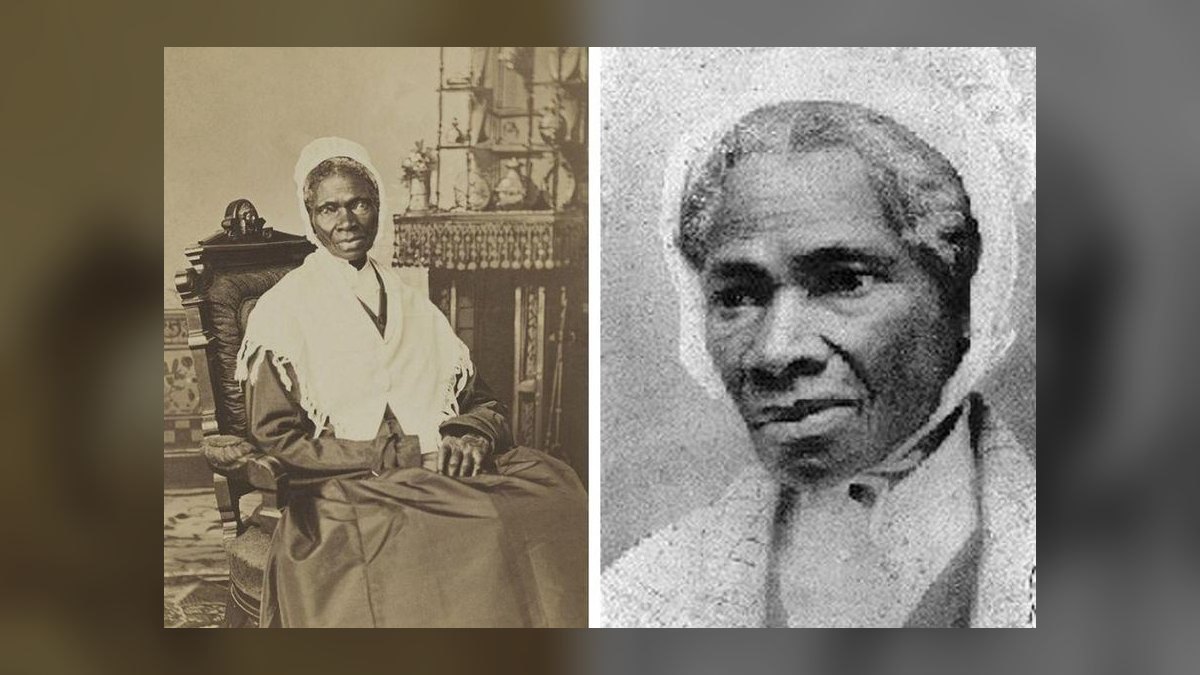
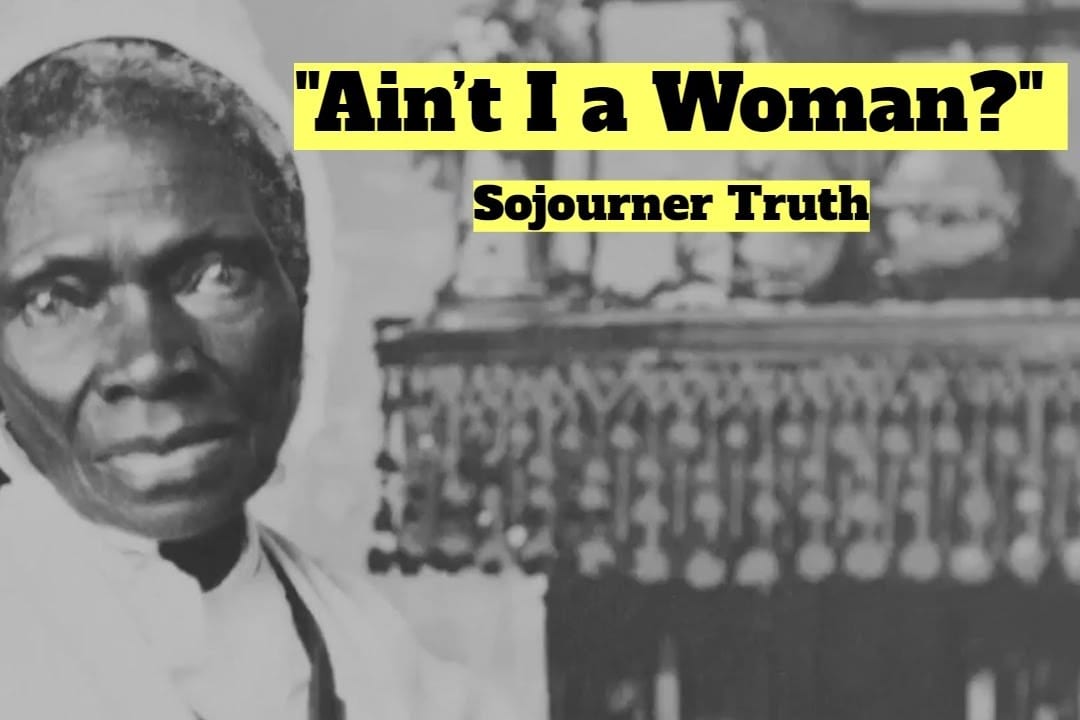
Sojourner Truth's "Ain't I a Woman?" speech, delivered at the 1851 Ohio Women's Rights Convention, remains a foundational text of intersectional feminism because it directly challenges the overlapping oppressions of race and gender through lived testimony rather than abstract argument. The speech endures as a rhetorical masterwork because Truth weaponized her own body and biography—her labor, her motherhood, her suffering—to dismantle the very definitions of womanhood that excluded Black women from both the abolitionist and suffrage movements. Its core question continues to resonate in contemporary struggles for equality, asking who gets to be seen as fully human and on what terms.
The exact words Truth spoke are debated because two transcriptions survive: one by Marius Robinson, published weeks after the speech, and a later dramatized version by Frances Dana Gage that added the famous refrain and a Southern dialect Truth never used. Both versions matter—one captures what was heard, the other what the movement chose to remember—and together they illustrate how historical memory is shaped by the teller as much as the event. This dual legacy makes the speech a powerful case study in how marginalized voices are recorded, preserved, and sometimes altered by the dominant culture.
What Did Sojourner Truth Actually Say at the 1851 Convention?
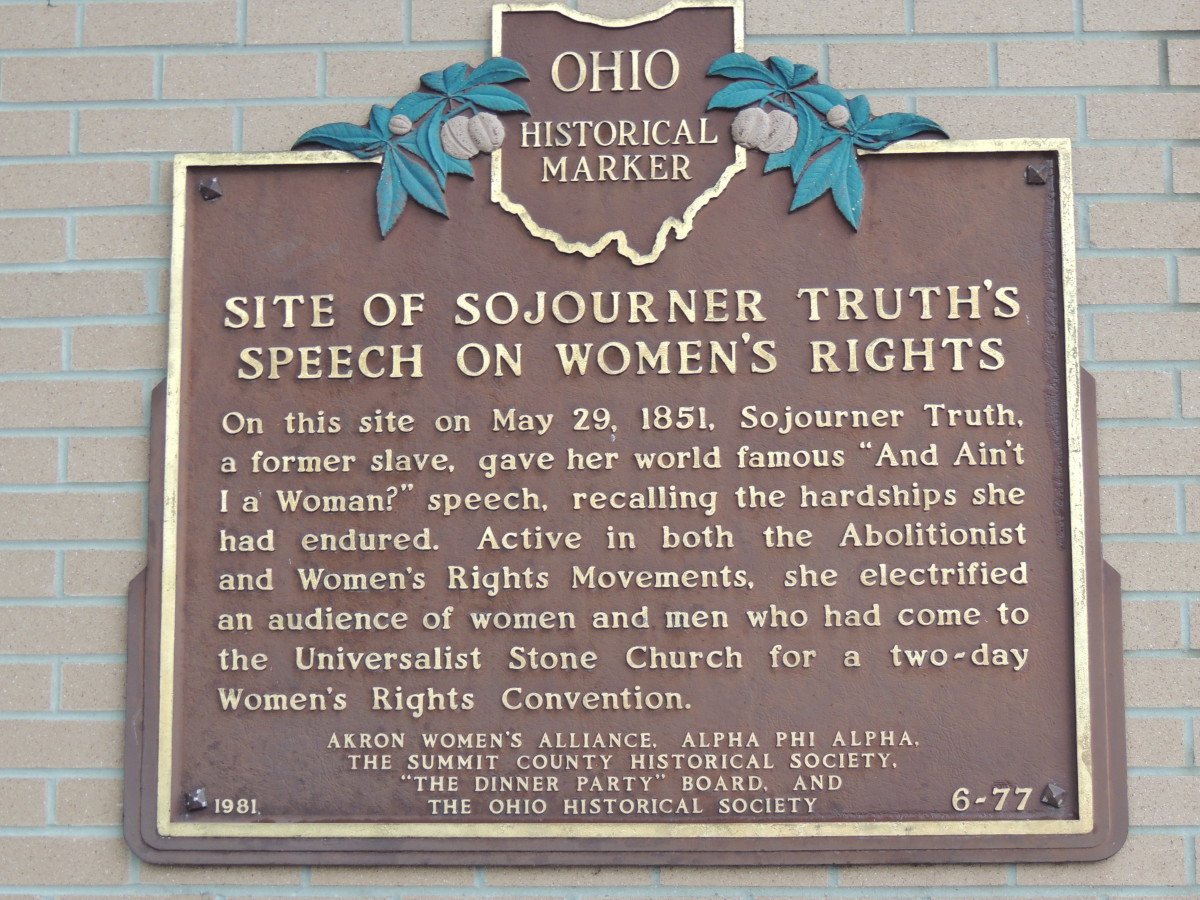
The question of what Sojourner Truth actually said is not a minor footnote; it cuts to the heart of how history is recorded and whose voice gets preserved. On May 29, 1851, at the Women's Rights Convention in Akron, Ohio, Truth stood and spoke extemporaneously. Two eyewitness transcriptions survive. The first, published by Marius Robinson in the *Anti-Slavery Bugle* on June 21, 1851, is the closest we have to a verbatim record. Robinson, a newspaper editor and abolitionist who knew Truth personally, captured a speech that is direct, logical, and devoid of the dialect that marks later versions. In Robinson's account, Truth does not repeat "Ain't I a woman?"; instead she uses a series of declarative statements: "I have as much muscle as any man, and can do as much work as any man. I have plowed and reaped and husked and chopped and mowed, and can any man do more than that?"
Twelve years later, in 1863, Frances Dana Gage published a different version in the *National Anti-Slavery Standard*. Gage had presided over the 1851 convention and claimed to remember Truth's speech in vivid detail. Her version added the iconic refrain "And ar'n't I a woman?" (later standardized to "Ain't I a woman?"), gave Truth a Southern plantation dialect she never used (Truth was a native Dutch speaker from New York), and inserted dramatic confrontations with clergymen that Robinson's account does not mention. Most scholars now agree that Gage embellished the speech for rhetorical effect, making Truth conform to popular stereotypes of the "illiterate ex-slave" while simultaneously boosting the speech's emotional impact. The Gage version is the one that entered textbooks, school curricula, and popular culture—and it is the version that made the speech immortal.
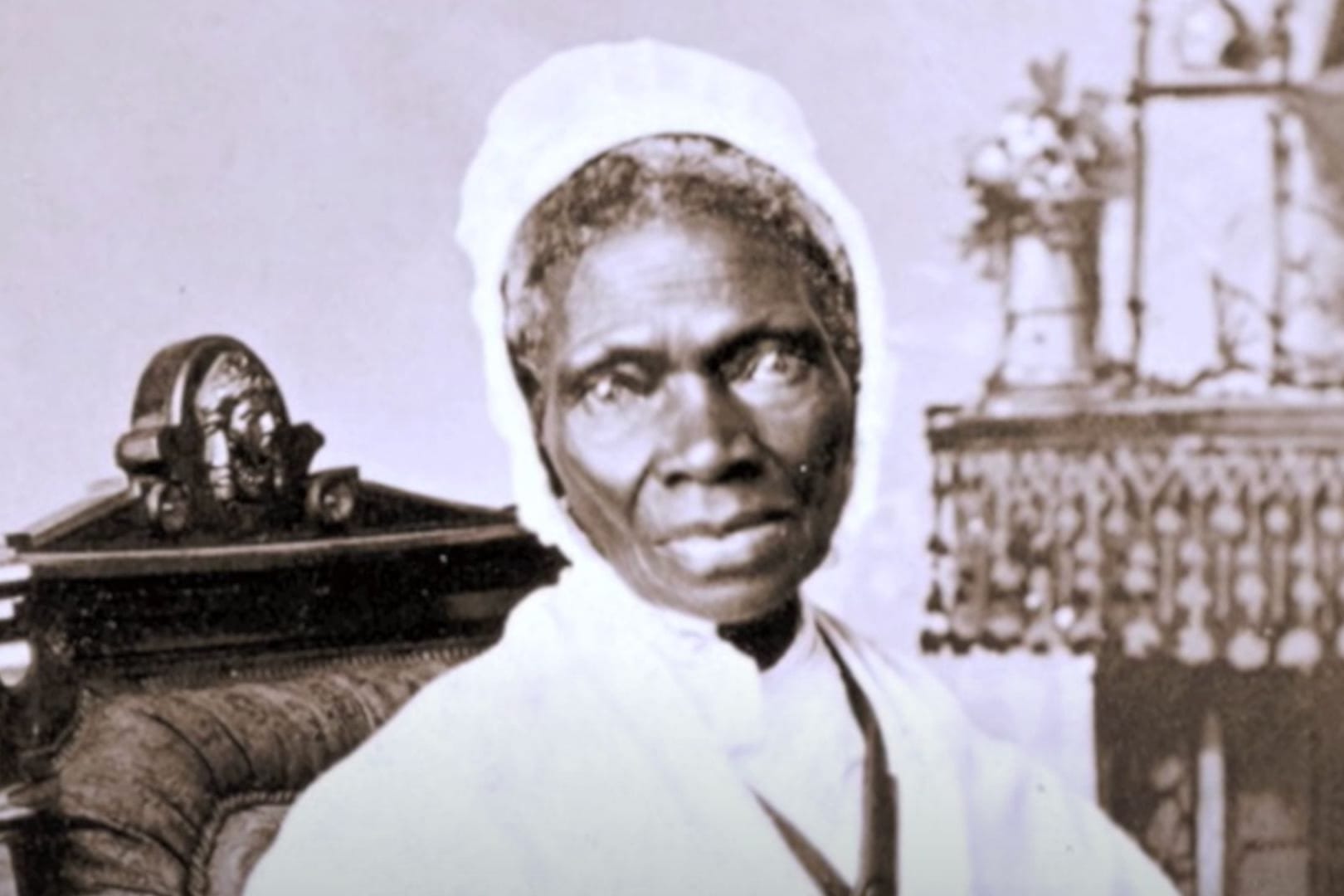
This split between Robinson's report and Gage's dramatization raises uncomfortable questions about historical authenticity. If the most famous words attributed to Truth—"Ain't I a woman?"—were likely never spoken by her, does the speech still belong to her? Many historians argue yes, because the core argument remains intact across both versions: Truth challenged the idea that womanhood was defined by fragility and protection, using her own life as a Black woman who had labored, suffered, and survived slavery. The refrain, even if invented by Gage, captured the essence of Truth's rhetorical strategy in a way that proved unforgettable. As historian Nell Irvin Painter has written, the Gage version may be historically inaccurate, but it is emotionally and politically true to the spirit of Truth's intervention. For a deeper dive into how this speech stands as a rhetorical masterpiece, see What Makes Sojourner Truth's "Ain't I a Woman?" a Great Speech.
How Did Truth's Speech Expose the Racial Blindness of Early Feminism?
The 1851 Women's Rights Convention was already a fragile coalition before Truth stood up. White suffrage leaders like Elizabeth Cady Stanton and Lucretia Mott had organized the convention to advance women's legal rights, particularly the right to vote, own property, and access education. But the movement was deeply divided over whether to align with abolitionism. Many white suffragists feared that linking women's rights to the fight against slavery would alienate potential allies in the South and slow their own progress. Some even argued that white women deserved the vote *more* than Black men, a position that would later fracture the movement over the Fifteenth Amendment.
Truth's speech exposed the hypocrisy at the heart of this calculation. When she said, "That man over there says that women need to be helped into carriages, and lifted over ditches, and to have the best place everywhere. Nobody ever helps me into carriages, or over mud-puddles, or gives me any best place!" she was not just arguing against male chauvinism—she was calling out the racial privilege embedded in the very definition of "woman" that white suffragists were using. The "woman" who needed protection was a white woman of a certain class. The Black woman, enslaved or formerly enslaved, had never been extended those courtesies and therefore existed outside the category altogether.
This argument anticipated what legal scholar Kimberlé Crenshaw would later name intersectionality—the idea that systems of oppression (race, gender, class) overlap and cannot be analyzed separately. Truth was not simply a woman arguing for women's rights, nor simply a Black person arguing for racial justice. She was a Black woman whose experience was erased by both movements. When white suffragists claimed to speak for "all women," Truth's body was the living refutation. When abolitionists fought for Black men's freedom, Truth's motherhood and labor were invisible. Her speech forced the convention to confront the uncomfortable truth that the women's rights movement, if it did not include Black women, was not a movement for all women at all.
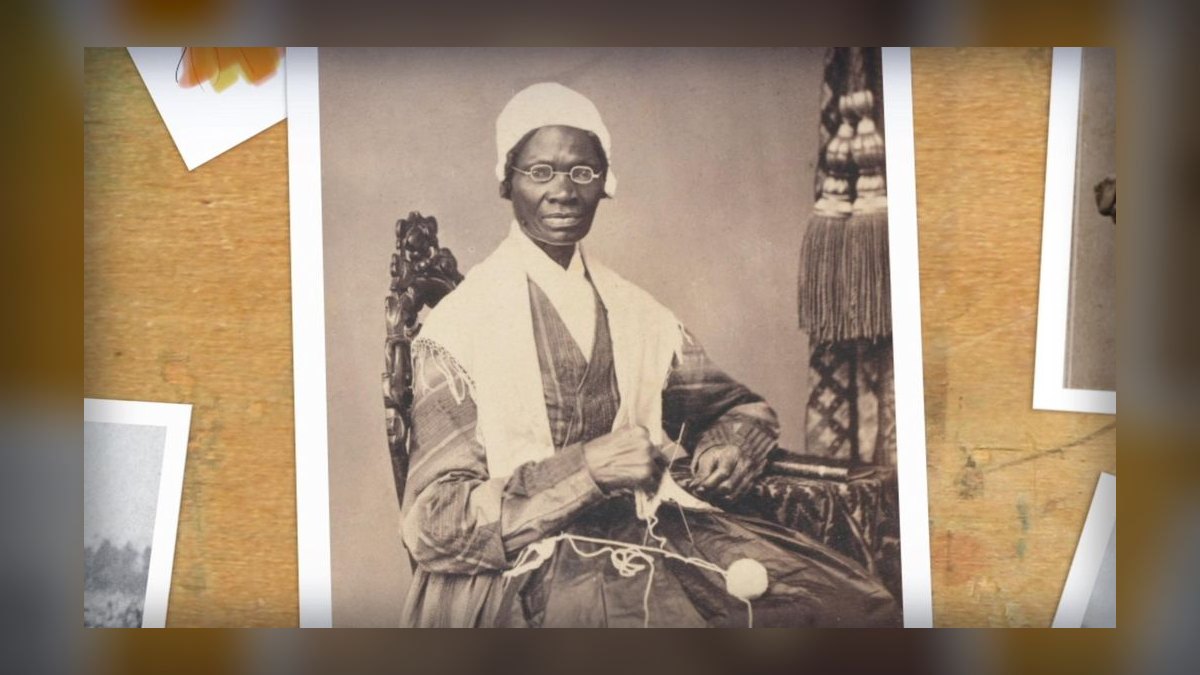
The tension did not resolve after 1851. In the decades following the Civil War, the women's suffrage movement split bitterly over the Fifteenth Amendment, which granted Black men the vote but not women. Stanton and Anthony campaigned against the amendment, using racist arguments that white women were more "fit" voters than Black men. Truth, by contrast, supported the amendment while continuing to insist that women's suffrage must follow. Her 1851 speech had already laid out the logic: you cannot fight for freedom piecemeal. The fight for one group's rights is incomplete if it leaves others behind. That lesson remains painfully relevant in modern activism, where movements often struggle to center the most marginalized voices.
What Rhetorical Techniques Make the Speech So Effective?
Truth's speech is a masterclass in persuasive rhetoric, employing techniques that still resonate with modern audiences. The most striking device is her use of anaphora—the repetition of a phrase at the end of each major point. In Gage's version, "And ain't I a woman?" functions as a hammer, driving home the contradiction between the idealized "frail womanhood" of the 19th century and the reality of her own life. Each repetition lands harder than the last, because each time Truth pairs the refrain with a specific, undeniable fact: she plowed, she bore children, she was whipped, she survived. The cumulative effect is impossible to wave away, because you cannot answer "no" to any single instance without absurdity.
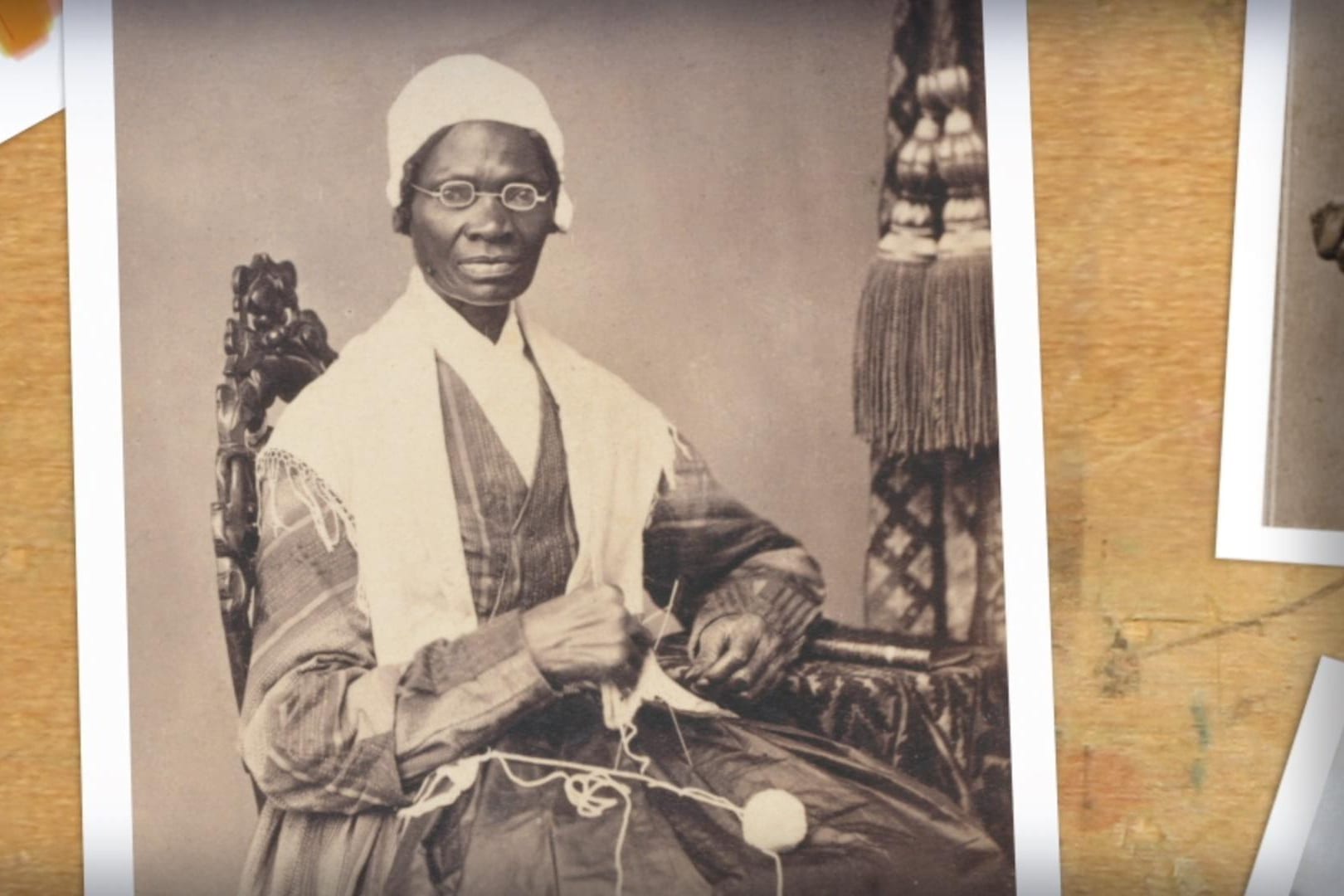
She also uses pathos through visceral, personal imagery. When Truth describes her children being sold away—"I have borne thirteen children, and seen most all sold off to slavery, and when I cried out with my mother's grief, none but Jesus heard me"—she is not making an abstract argument about maternal rights. She is laying her suffering on the table as evidence. This move does two things: it humanizes her to an audience that might have seen her as a curiosity, and it establishes moral authority. You cannot argue with someone's lived experience. You can only deny it, and denying a mother's grief over her sold children makes you the villain in the story.
Equally powerful is her use of irony and sarcasm. When Truth says, "If my cup won't hold but a pint, and yours holds a quart, wouldn't you be mean not to let me have my little half-measure full?" she is mocking the intellectual pretensions of the men who argued women were too simple-minded to vote. The image is homely and disarming—a cup, a pint, a quart—but the logic is devastating. She reduces their high-flown arguments about female intellectual inferiority to a question of basic fairness. A child could understand it, which is precisely the point: the men have overcomplicated the issue to obscure their own prejudice.
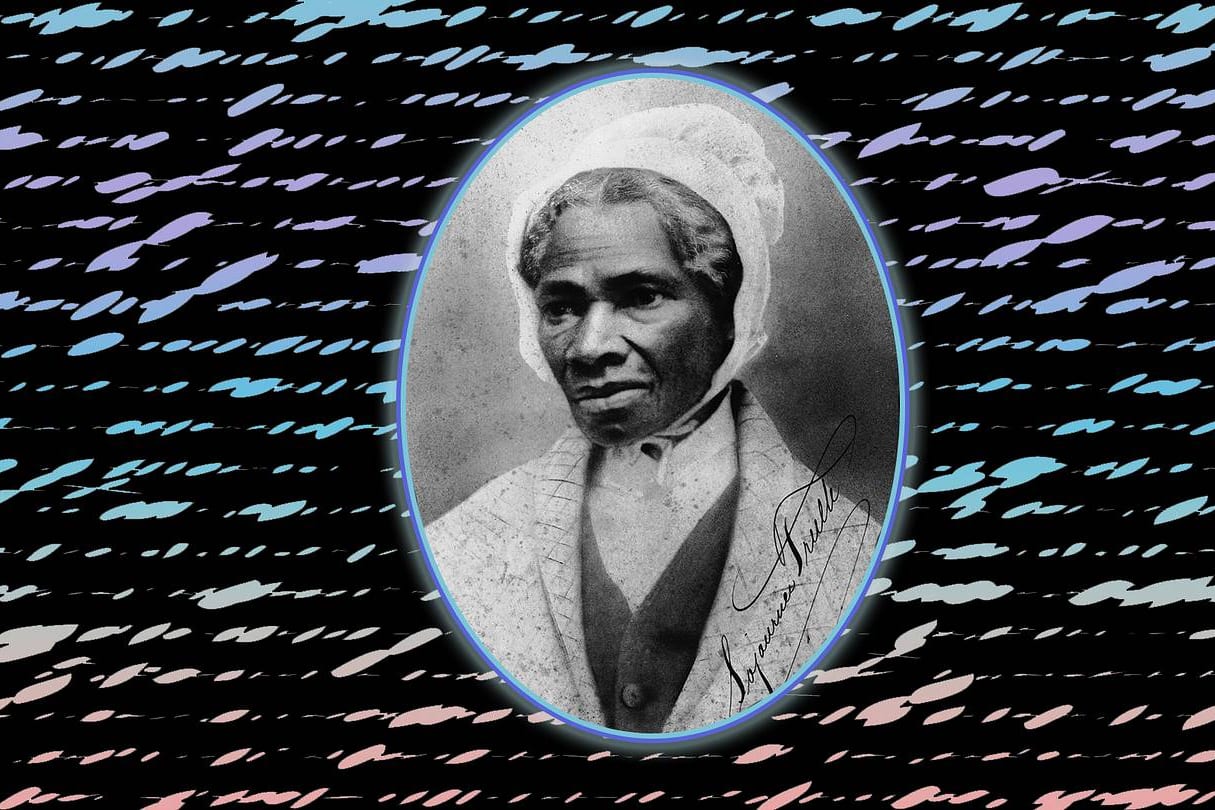
Finally, Truth employs scriptural allusion to meet her opponents on their own ground. When a clergyman argued that women deserved few rights because Christ was a man, Truth answered: "Where did your Christ come from? From God and a woman! Man had nothing to do with Him." In one sentence, she turned the opposition's strongest authority—the Bible—into her own evidence. She did not reject scripture; she reinterpreted it. This is the mark of a master debater: not louder volume, but a reversal so clean it ends the conversation. The clergy could not argue with her without undermining their own foundation.
Why Does the Speech Still Matter in Contemporary Activism?
Today, "Ain't I a Woman?" is invoked in movements from Black Lives Matter to #MeToo, and for good reason. The speech's central question—who gets to be seen as fully human?—remains unresolved. In modern terms, Truth's argument anticipates intersectionality, a concept coined by legal scholar Kimberlé Crenshaw in 1989. Just as Truth argued that her identity as a Black woman could not be split into separate "race" and "gender" categories, intersectional theory insists that systems of oppression overlap. When contemporary activists say "Black women are not a monolith" or "women's rights are human rights," they are echoing Truth's demand that the most marginalized voices within a movement be heard first.
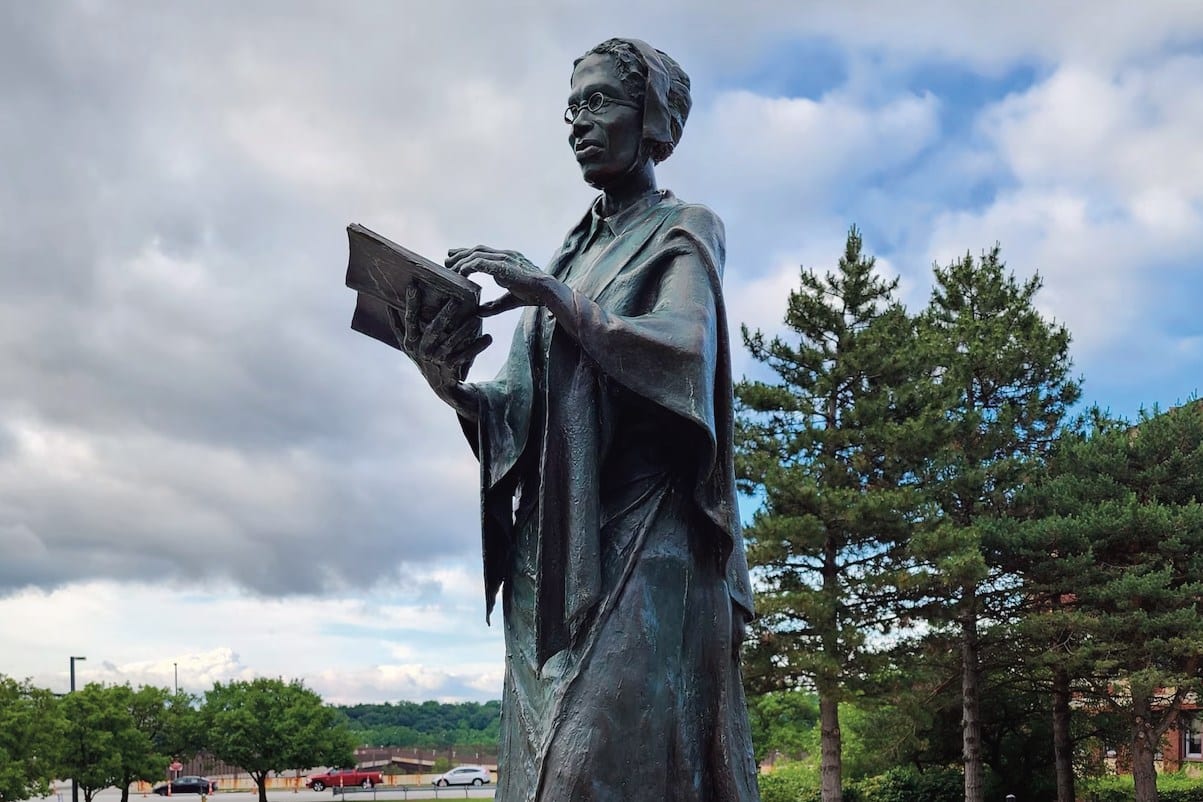
The speech also endures because it models how to speak truth to power without apology. Truth did not ask for permission to speak; she simply stood up and claimed the floor. In an age of viral social justice campaigns, her example reminds us that the most effective activism is often personal, direct, and rooted in lived experience. Whether in a town hall meeting, a corporate diversity training, or a protest march, the question "Ain't I a woman?"—or "Ain't I a citizen?" or "Ain't I a human being?"—still carries the power to silence those who would deny dignity to others. That is why, nearly 175 years later, Sojourner Truth's words continue to be quoted, studied, and shouted from podiums around the world.
The disputed text of the speech also offers a lesson about historical memory. The fact that we do not know exactly what Truth said—that the version we remember was shaped by a white woman's editorial hand—is itself a commentary on how Black women's voices have been mediated and filtered through white institutions. Modern activists who seek to reclaim Truth's legacy are not just quoting a speech; they are fighting for the right to tell their own stories in their own words. The question "Ain't I a woman?" becomes, in this context, a demand for narrative control: who gets to decide what a Black woman's experience sounds like? For more on how this speech compares to other great orations, see Franklin Roosevelt's Day of Infamy (1941) — Text, Context, and Why It Endures.
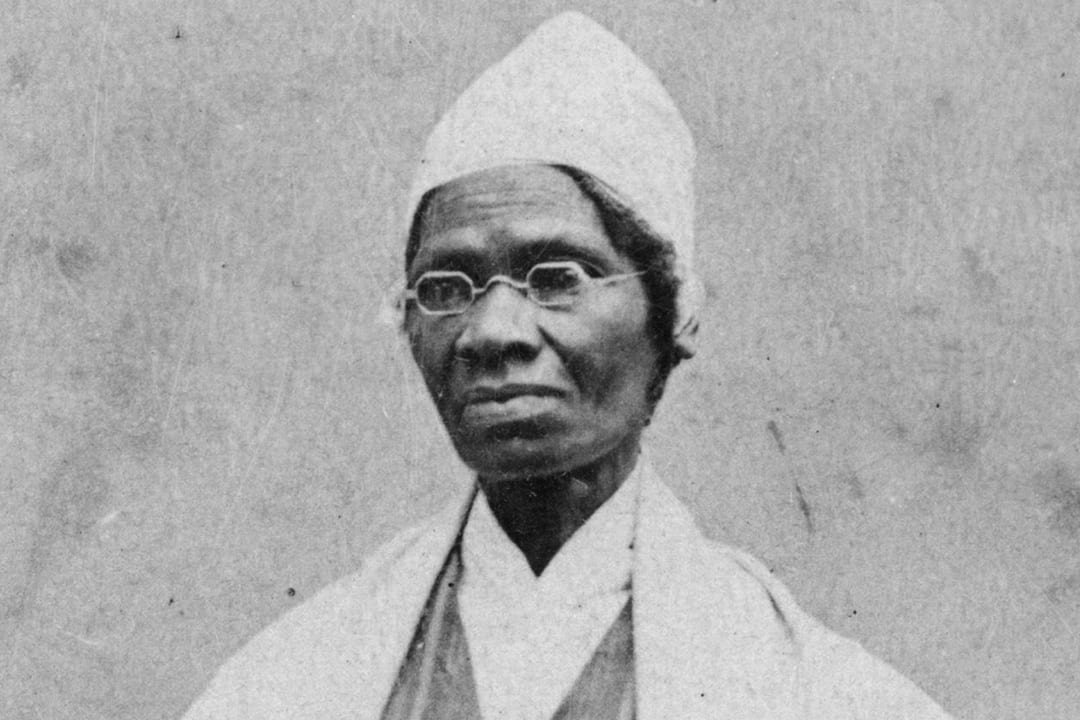
What Can Modern Communicators Learn from This Speech?
The rhetorical power of Truth's speech offers practical lessons for anyone who needs to persuade, inspire, or move an audience. First, use a repeated question as a refrain. A single recurring line, returned to after each piece of evidence, organizes a whole argument and makes it memorable. The audience starts answering in their heads. Second, lead with concrete, physical facts. "I have ploughed and planted" beats any abstraction about capability. Specifics are unarguable; generalities invite rebuttal. Third, turn the opponent's best authority against them. Truth used scripture, the clergy's own weapon. Find the source your opposition trusts most and show it supports you.
Fourth, stand as your own evidence. The most persuasive proof is often the speaker's own lived record. Name what you have done and survived; let your presence carry the claim. Fifth, pair grief with strength. "I have borne thirteen children, and seen most all sold" keeps Truth from being only a figure of toughness. The vulnerability makes the strength land harder. Sixth, keep it short. Roughly six hundred words changed how a movement saw itself. Brevity, when every line carries weight, is a force multiplier.
Finally, Truth's example teaches that the most powerful arguments reframe the debate entirely. She did not try to prove that women were strong enough to vote. She refused the premise that womanhood was defined by fragility. When the definitions are rigged against you, do not argue within them—offer your own life as proof of better ones. This lesson is timeless, whether you are writing a wedding toast, a corporate keynote, or a political rally speech. For an example of how personal testimony anchors another great speech, see Lou Gehrig's Luckiest Man Farewell (1939) — Text, Context, and Why It Endures.
Related questions
Why are there two different versions of Sojourner Truth's speech?
Two transcriptions exist: Marius Robinson's 1851 account, considered more accurate, and Frances Dana Gage's 1863 dramatization, which added the iconic refrain and a Southern dialect Truth never used. Both versions shaped the speech's legacy differently.
How did Sojourner Truth challenge both racism and sexism in one speech?
Truth argued that the definition of "woman" as fragile and protected applied only to white women, while Black women like herself had labored, suffered, and survived slavery, proving the category itself was racially constructed.
What is the main argument of "Ain't I a Woman?"
The speech argues that womanhood cannot be defined by fragility or protection, because Black women's lived experience contradicts that definition. Truth demands recognition as a woman based on her labor, motherhood, and suffering.
Why is the speech considered a founding text of intersectional feminism?
Truth's argument that her identity as a Black woman could not be separated into race and gender categories anticipated Kimberlé Crenshaw's concept of intersectionality, making the speech a foundational text for modern feminist theory.
How did the women's suffrage movement respond to Truth's speech?
The response was mixed: some white suffragists embraced Truth as an ally, while others feared her presence would alienate Southern supporters. The speech exposed racial tensions within the movement that would later fracture it over the Fifteenth Amendment.
FAQ
What is the actual text of Sojourner Truth's "Ain't I a Woman" speech? The most widely reprinted version was recorded by Frances Dana Barker Gage in 1863, twelve years after the original 1851 speech. Gage's version uses a Southern dialect ("And ar'n't I a woman?") that Truth likely never spoke, as she was from New York and spoke Dutch until age nine. The original 1851 transcription by Marius Robinson, a newspaper editor who heard the speech, is more accurate and lacks the repeated "Ain't I a woman" refrain.
Why do different versions of the speech exist? Two contemporary transcriptions survive: Marius Robinson's 1851 version in the *Anti-Slavery Bugle* and Frances Gage's 1863 version in the *National Anti-Slavery Standard*. Robinson's is considered closer to what Truth actually said, while Gage's added dramatic flair and the iconic refrain. Scholars generally agree Gage's version shaped the speech's legacy, even if it took liberties.
Was Sojourner Truth really asked "Ain't I a woman" during the speech? In Gage's account, Truth reportedly repeated the phrase after a male minister argued women were too weak and delicate for equal rights. However, Robinson's transcription does not include that exchange. It is possible the question was part of the event but not captured by Robinson, or that Gage invented it for rhetorical effect. Most historians lean toward the latter.
What was the main argument of the speech? Truth challenged the notion that women were inherently fragile or needed protection, pointing to her own life as an enslaved woman who worked as hard as any man. She also argued for the intersection of racial and gender equality, insisting that Black women deserved the same rights as white women and men. The speech was a powerful critique of both sexism and racism.
Why does the speech still resonate today? Its central question—"Ain't I a woman?"—remains a rallying cry for intersectional feminism, highlighting how Black women's experiences are often erased from mainstream feminist narratives. The speech's raw, personal testimony continues to inspire activists fighting for racial and gender justice, and its disputed text underscores how history is shaped by who tells the story.
Where can I read the original 1851 version? The Marius Robinson transcription was published in the *Anti-Slavery Bugle* on June 21, 1851, and is available through digital archives like the Library of Congress and academic databases. It is shorter than Gage's version and lacks the famous refrain, but it offers a more historically reliable record of what Truth actually said at the Women's Convention in Akron, Ohio.
How long did Truth's speech actually last? Based on the Robinson transcription, the speech was approximately 3–5 minutes long, or roughly 300–600 words depending on the version. Despite its brevity, it became one of the most famous speeches in American history.
What is intersectionality, and how does the speech relate to it? Intersectionality, a term coined by legal scholar Kimberlé Crenshaw, describes how overlapping systems of oppression (race, gender, class) affect individuals. Truth's speech is a classic example because she argues that her identity as a Black woman cannot be split into separate categories—she experiences both racism and sexism simultaneously.
How did Truth's background influence her speech? Born Isabella Baumfree into slavery in New York around 1797, Truth escaped to freedom in 1826 and became a preacher and activist. Her Dutch-speaking upbringing and experience as an enslaved laborer shaped her direct, plain-spoken rhetorical style, which contrasted sharply with the polished oratory of many white suffragists.
What impact did the speech have on the abolitionist movement? The speech strengthened the alliance between abolitionists and women's rights advocates, though it also highlighted tensions. Abolitionist newspapers like the *Anti-Slavery Bugle* praised Truth's logic, while some white abolitionists worried her outspokenness on gender would distract from the fight against slavery.
Sources
- National Archives – Sojourner Truth
- Library of Congress – Sojourner Truth Papers
- The Gilder Lehrman Institute – "Ain't I a Woman?" Analysis
- PBS – Sojourner Truth: American Experience
- Smithsonian Magazine – The Truth Behind "Ain't I a Woman?"
- The New York Times – Overlooked: Sojourner Truth
- Nell Irvin Painter – Sojourner Truth: A Life, A Symbol
- Anti-Slavery Bugle (June 21, 1851) – Original Robinson Transcription
- Stanford Encyclopedia of Philosophy – Intersectionality
- National Women's History Museum – Sojourner Truth
Related on PULSE
- What Makes Sojourner Truth’s “Ain’t I a Woman?” a Great Speech
- Franklin Roosevelt’s Day of Infamy (1941) — Text, Context, and Why It Endures
- Lou Gehrig’s Luckiest Man Farewell (1939) — Text, Context, and Why It Endures
- Reagan’s Challenger Address (1986) — Text and Why It Endures
- Theodore Roosevelt’s The Man in the Arena (1910) — Text and Why It Endures
- Lincoln’s Second Inaugural Address (1865) — Text, Context, and Why It Endures
This page will be disappearing soon. Save it to your device for $1 — or read it free while it is here.
@Kory-White- · if Venmo asks, the last 4 of my number are 2012
This page is gone.
This one is off the shelf now. $1 keeps it on your phone for good — the whole page, pictures and diagrams included.
 pulse-speechesTheodore Roosevelt’s The Strenuous Life (1899) — Key Passages and Lessons
 pulse-speechesDemosthenes’ The Third Philippic — Key Passages and Lessons
 pulse-speechesA Speech to Celebrate a Company Anniversary
 pulse-speechesA New CEO’s First Address to the Company
 pulse-speechesA Quarterly All-Hands Opening That Sets the Tone
 pulse-speechesReagan’s Challenger Address (1986) — Text and Why It Endures
 pulse-speechesWinston Churchill’s Blood, Toil, Tears and Sweat (1940) — Text and Lessons
 pulse-speechesLincoln’s Gettysburg Address (1863) — Text, Context, and Why It Endures
 pulse-speechesWilliam Faulkner’s Nobel Prize Acceptance (1950) — Key Passages and Lessons
 pulse-speechesAbraham Lincoln’s Farewell to Springfield (1861) — Text and Lessons