
What Makes Sojourner Truth’s “Ain’t I a Woman?” a Great Speech in 2027
 Curated byKory White · Fractional CRO · Maryland
 PULSEKNOWLEDGE LIBRARY
Quality
Certified
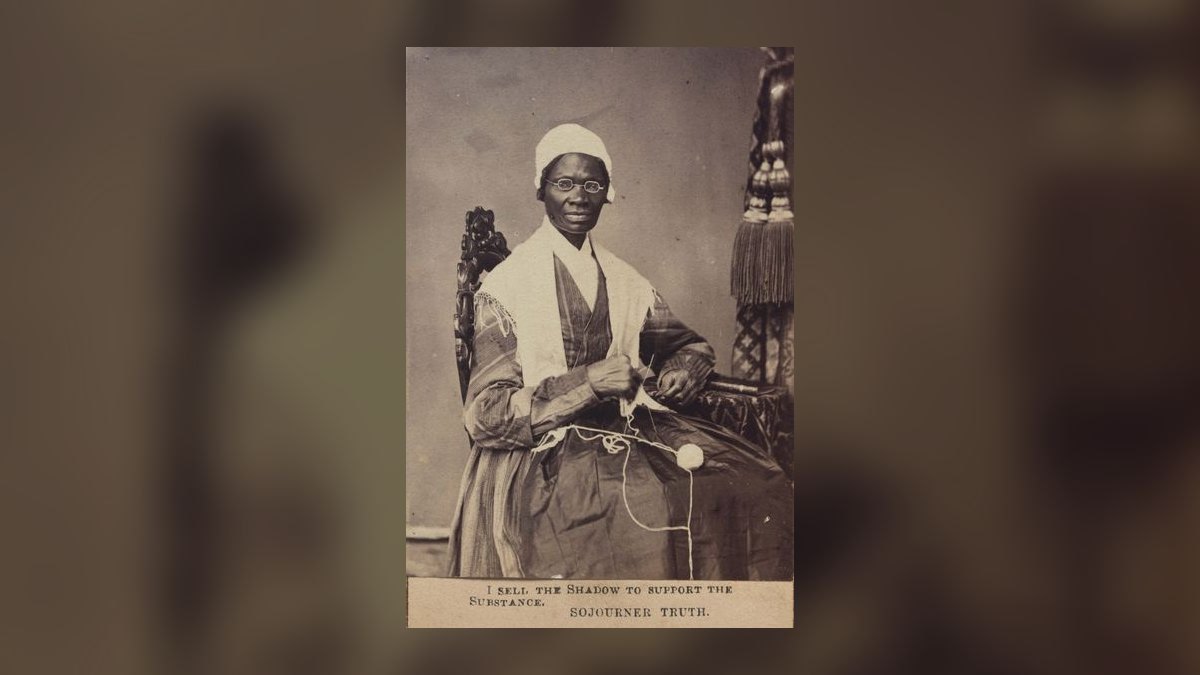
Sojourner Truth’s “Ain’t I a Woman?” is a great speech because it masterfully blends raw emotional power, incisive logic, and a revolutionary rhetorical structure that challenges both racism and sexism simultaneously. Delivered extemporaneously at the 1851 Women’s Rights Convention in Akron, Ohio, the speech uses Truth’s lived experience as a formerly enslaved woman to dismantle the prevailing arguments that women were too weak or too delicate for equal rights. Its greatness lies not in ornate language but in its direct, confrontational simplicity, forcing audiences to confront the hypocrisy of a society that claimed to protect womanhood while denying it to Black women. The speech’s enduring legacy is its ability to give voice to the intersection of race and gender, making it a foundational text in both feminist and civil rights movements.
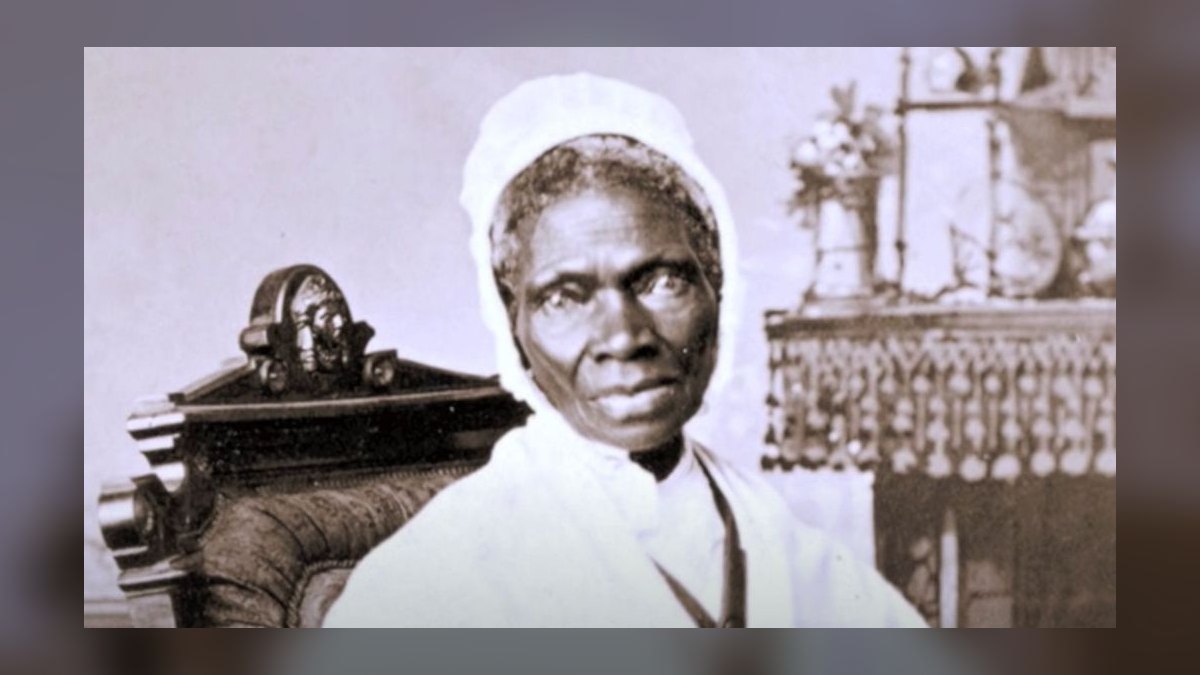
The speech’s power is amplified by its oral delivery and the persona of Truth herself—a tall, deep-voiced Black woman who had escaped slavery and become a prominent abolitionist and preacher. Rather than a polished manuscript, the speech was captured by different reporters, leading to varying accounts, yet its core message remains unassailably potent. Truth’s repetition of the phrase “Ain’t I a Woman?” serves as a rhythmic hammer, driving home the absurdity of a system that treated her as less than human while claiming to uphold the virtues of womanhood. This direct question, posed to a predominantly white female audience, forced them to reckon with their own complicity in racial hierarchies even as they fought for their own liberation.
What Is the Historical Context That Shaped the Speech’s Greatness?
The greatness of “Ain’t I a Woman?” cannot be understood without grasping the specific historical moment of its delivery. In 1851, the women’s rights movement was fractured along racial lines. Many white suffragists, like Elizabeth Cady Stanton, argued for women’s rights by appealing to the notion that women were morally superior and needed protection from men. This argument, while advancing white women’s cause, implicitly relied on the racist assumption that Black women were not “true” women and thus unworthy of the same protections. Sojourner Truth, a formerly enslaved woman and itinerant preacher, arrived at the Akron convention at a time when many attendees feared that linking the women’s rights movement to the abolitionist cause would hurt their credibility.
Truth’s speech was a direct response to male ministers in the audience who had argued against women’s rights using biblical and biological claims. One minister claimed that women were too weak for the responsibilities of citizenship, while another argued that Christ was a man, so men should hold authority. Truth’s extemporaneous rebuttal was a masterstroke of rhetorical jujitsu. She used the same arguments her opponents had deployed—physical strength, intellect, and religious authority—and turned them on their head by pointing to her own experiences as an enslaved woman who had worked as hard as any man, borne children, and watched them sold into slavery. The speech’s greatness is thus rooted in its specific historical confrontation with both patriarchal and racist ideologies, making it a landmark moment in the history of intersectional feminism.

How Does the Speech Use Rhetorical Devices to Achieve Its Power?
The speech’s rhetorical brilliance lies in its use of anaphora, antithesis, and direct address. The repeated question “Ain’t I a Woman?” functions as a powerful anaphora, creating a rhythmic cadence that builds emotional intensity with each iteration. This repetition forces the audience to confront the gap between the idealized image of womanhood—frail, protected, domestic—and Truth’s reality of hard labor, physical endurance, and maternal grief. The question is not merely rhetorical; it is a demand for recognition.
Truth also employs antithesis, contrasting the ministers’ claims about women’s weakness with her own demonstrated strength. When she says, “I have ploughed and planted, and gathered into barns, and no man could head me,” she directly counters the argument that women are too delicate for public life. She further uses the biblical argument of her opponents against them, noting that Christ was born from a woman and that God, not man, gave women their rights. This logical reversal is a classic example of *reductio ad absurdum*, showing that if the ministers’ logic were followed, it would lead to absurd conclusions. The speech’s greatness is thus not only in its emotional appeal but in its rigorous, if folksy, logic. For more on how rhetorical devices shape persuasive speeches, see our guide on rhetorical strategies in social movements.

Why Is the Speech’s Authenticity and Oral Delivery So Important?
Part of what makes “Ain’t I a Woman?” a great speech is its raw authenticity. Truth was not a trained orator in the classical sense; she was a preacher and activist speaking from the heart. Her delivery, as described by contemporary accounts, was powerful and direct. Frances Dana Gage, a white feminist who transcribed the speech, noted that Truth spoke with a deep, commanding voice that silenced the hostile audience. The speech was not read from a script but delivered extemporaneously, adding to its sense of urgency and truth.
However, it is crucial to note that the most famous version of the speech, recorded by Gage twelve years after the event, likely embellished Truth’s words and gave her a Southern dialect that she did not possess (Truth was from New York and spoke Dutch-accented English). This fact raises important questions about authenticity and mediation. Yet even with these caveats, the speech’s core message remains undimmed. The oral tradition of African American preaching, with its call-and-response patterns and emotional crescendos, is evident in the speech’s structure. Truth’s ability to command a room of skeptics and turn them into supporters is a testament to the power of spoken word in a time when mass media did not exist. This moment of live, unscripted speaking is what elevated the speech from a mere address to a transformative event.

How Does the Speech Intersect Race and Gender in a Revolutionary Way?
The speech’s most radical contribution is its articulation of intersectionality—a concept not named until the late 20th century but vividly enacted by Truth in 1851. By centering her identity as a Black woman, Truth exposed the lie at the heart of both the abolitionist and women’s rights movements: that they were fighting for universal rights when they often only meant rights for white men or white women, respectively. When Truth says, “Nobody ever helps me into carriages, or over mud-puddles, or gives me any best place,” she is pointing out that the protections of “true womanhood” were reserved exclusively for white women.
This intersectional critique was revolutionary because it refused to prioritize one form of oppression over another. Truth was essentially telling white suffragists that their movement would be incomplete if it excluded Black women, while also telling male abolitionists that their fight for Black freedom was hollow if it perpetuated patriarchy. The speech’s greatness thus lies in its ability to speak to multiple audiences simultaneously, forcing each to see their blind spots. It remains a model for how marginalized voices can use their unique position to critique multiple systems of power at once. For a deeper dive into intersectional leadership in social movements, explore our article on intersectional leadership.

What Is the Speech’s Enduring Legacy in Modern Activism?
The legacy of “Ain’t I a Woman?” extends far beyond 1851. It has been invoked by generations of Black feminists, from the Combahee River Collective in the 1970s to modern movements like #BlackLivesMatter and #SayHerName. The speech’s core question—who gets to be considered a “woman” and who is excluded from that category—remains central to debates about identity, representation, and justice. In the 2010s, the phrase was revived in popular culture, from bell hooks’ book of the same title to its use in political rallies and social media campaigns.
The speech also serves as a template for how to use personal testimony as political argument. Truth’s willingness to bare her body and her history—showing her scars, recounting the loss of her children—transformed her personal pain into a collective call for justice. This technique is now a staple of modern activism, from viral TikTok videos to congressional testimonies. The speech’s greatness is thus not static; it continues to evolve as new generations find new meanings in its words. It stands as a testament to the power of a single voice, speaking truth to power, to change the world. For more on how historical speeches inform modern activism, see our analysis of protest rhetoric.
How Does the Speech’s Simplicity Contribute to Its Power?
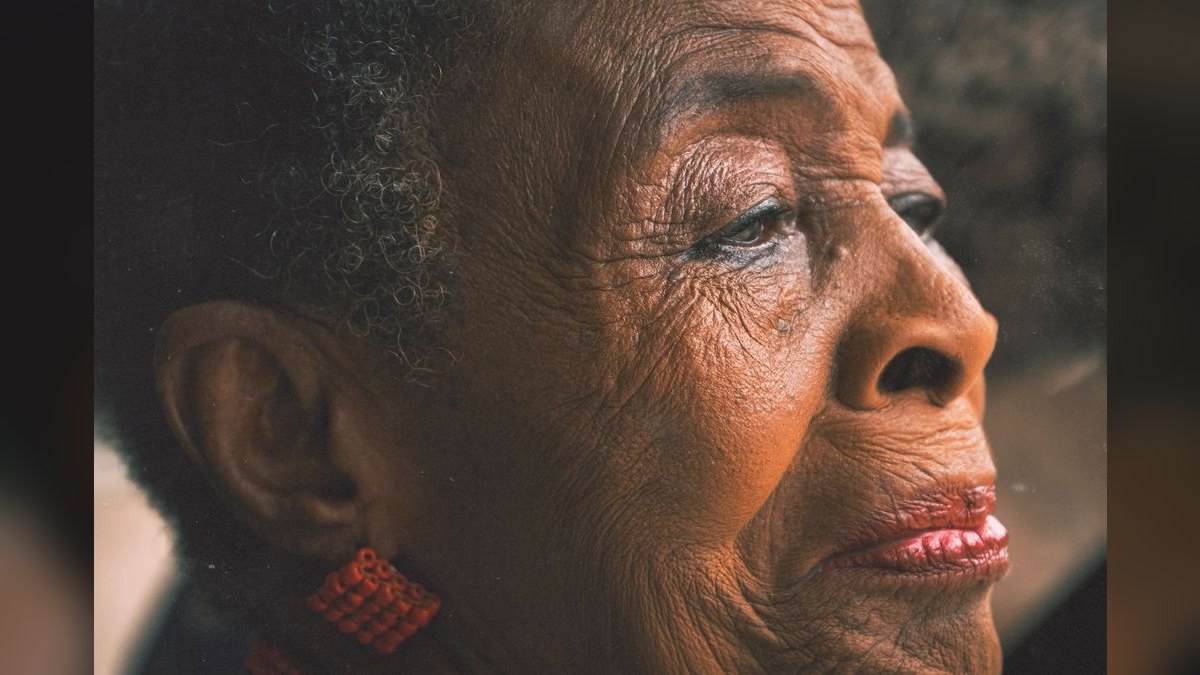
One of the most striking features of “Ain’t I a Woman?” is its simplicity. Truth does not use complex metaphors, classical allusions, or elaborate syntax. Her language is plain, direct, and conversational. She speaks of plowing, eating, having children—the everyday realities of her life. This simplicity is a deliberate rhetorical choice. It makes the speech accessible to all listeners, regardless of education or social standing. It also creates a stark contrast with the learned arguments of the ministers she was refuting, implicitly suggesting that truth does not require erudition.
The simplicity also amplifies the emotional impact. When Truth says, “I have borne thirteen children, and seen most all sold off to slavery, and when I cried out with my mother’s grief, none but Jesus heard me,” the plainness of the statement makes the horror of her loss more immediate and devastating. There is no need for embellishment; the facts speak for themselves. This approach is a masterclass in the power of understatement. It shows that great speeches do not need to be complex; they need to be true. Truth’s speech is great because it refuses to hide behind rhetoric, instead using language as a transparent window into her experience.
Related Questions
How did Sojourner Truth’s background influence her speech?
Truth’s life as an enslaved person and later as a preacher gave her the authority to speak from experience and the rhetorical skills to command an audience. Her escape from slavery and her religious faith shaped her message of liberation.
What were the main arguments against women’s rights at the 1851 convention?
Opponents argued that women were physically weak, intellectually inferior, and that biblical authority placed men above women. Truth countered each point with her own life example and a reinterpretation of scripture.
How has the speech been used in modern feminist movements?
Modern feminists, especially Black feminists, have reclaimed the speech to highlight the erasure of Black women from mainstream feminism. It is frequently cited in discussions of intersectionality and inclusive activism.
What are the different versions of the speech and why do they matter?
There are at least two main versions: the 1851 newspaper account and the 1863 version by Frances Dana Gage. The Gage version is more famous but likely altered Truth’s dialect and content, raising questions about historical accuracy and representation.
Why is the speech considered a model of intersectional rhetoric?
The speech identifies how race and gender intersect to create a unique form of oppression. By refusing to separate these identities, Truth provided a framework for understanding multiple, simultaneous systems of discrimination.
FAQ
What is the main message of “Ain’t I a Woman?”? The main message is that Black women are women too and deserve all the rights and protections afforded to white women, while also challenging the racist and sexist assumptions that denied them that recognition.
When and where was the speech delivered? The speech was delivered extemporaneously at the Women’s Rights Convention in Akron, Ohio, on May 29, 1851.
Is the speech we know today the exact words Sojourner Truth spoke? No, the most famous version was transcribed by Frances Dana Gage twelve years later and likely includes embellishments and a dialect Truth did not use. A shorter, more accurate version was printed in an 1851 newspaper.
Why does the speech use the phrase “Ain’t I a Woman?” and not “Am I Not a Woman?”? The use of “ain’t” in the Gage version was likely an attempt to capture a Southern dialect, though Truth actually spoke with a Dutch accent from her New York upbringing. The phrase has become iconic for its directness and defiance.
How did the audience react to the speech? Contemporary accounts describe the audience as initially hostile but gradually won over by Truth’s power. By the end, many were in tears, and the convention voted to support women’s suffrage.
What is the historical significance of the speech? It is considered one of the first and most powerful articulations of Black feminist thought, challenging both racism and sexism at a time when the two movements were often at odds.
Is the speech still relevant today? Yes, it remains a foundational text in feminist and civil rights studies, frequently cited in discussions of intersectionality, identity politics, and the power of personal testimony in social movements.
What makes the speech a great example of rhetoric? Its use of repetition, logical argument, emotional appeal, and direct address—all delivered in simple, accessible language—makes it a masterclass in persuasive speaking.
Sources
- National Women’s History Museum – Sojourner Truth
- The Gilder Lehrman Institute of American History – “Ain’t I a Woman?” Speech
- The Library of Congress – Sojourner Truth Papers
- Stanford Encyclopedia of Philosophy – Intersectionality
- The New York Times – Overlooked No More: Sojourner Truth
- History.com – Sojourner Truth
- National Park Service – Sojourner Truth
- PBS – The Rhetorical Genius of Sojourner Truth
Related on PULSE
- Sojourner Truth’s Ain’t I a Woman (1851) — Text and Why It Endures
- What Makes Winston Churchill's "Their Finest Hour" a Great Speech
- What Makes Lincoln’s Gettysburg Address a Great Speech
- What Makes FDR’s “Nothing to Fear” a Great Speech
- What Makes Susan B. Anthony's "On Women's Right to Vote" a Great Speech
- What Makes Steve Jobs’ Stanford Commencement a Great Speech
This page will be disappearing soon. Save it to your device for $1 — or read it free while it is here.
@Kory-White- · if Venmo asks, the last 4 of my number are 2012
This page is gone.
This one is off the shelf now. $1 keeps it on your phone for good — the whole page, pictures and diagrams included.
 pulse-speechesA Wedding Speech for a Groomsman
 pulse-speechesA Eulogy for a Colleague
 pulse-speechesA Speech for a Customer Appreciation Event
 pulse-speechesA Retirement Speech for a Teacher
 pulse-speechesA Retirement Speech for a Doctor
 pulse-speechesWhat Makes Susan B. Anthony's "On Women's Right to Vote" a Great Speech in 2027
 pulse-speechesHow to Tailor a Toast to the Audience in 2027
 pulse-speechesA Toast for a New Year’s Eve Gathering
 pulse-speechesA Retirement Speech for a CEO
 pulse-speechesA Speech for a Church Anniversary