
Pericles’ Funeral Oration — Key Passages and Why It Endures
 Curated byKory White · Fractional CRO · Maryland
 PULSEKNOWLEDGE LIBRARY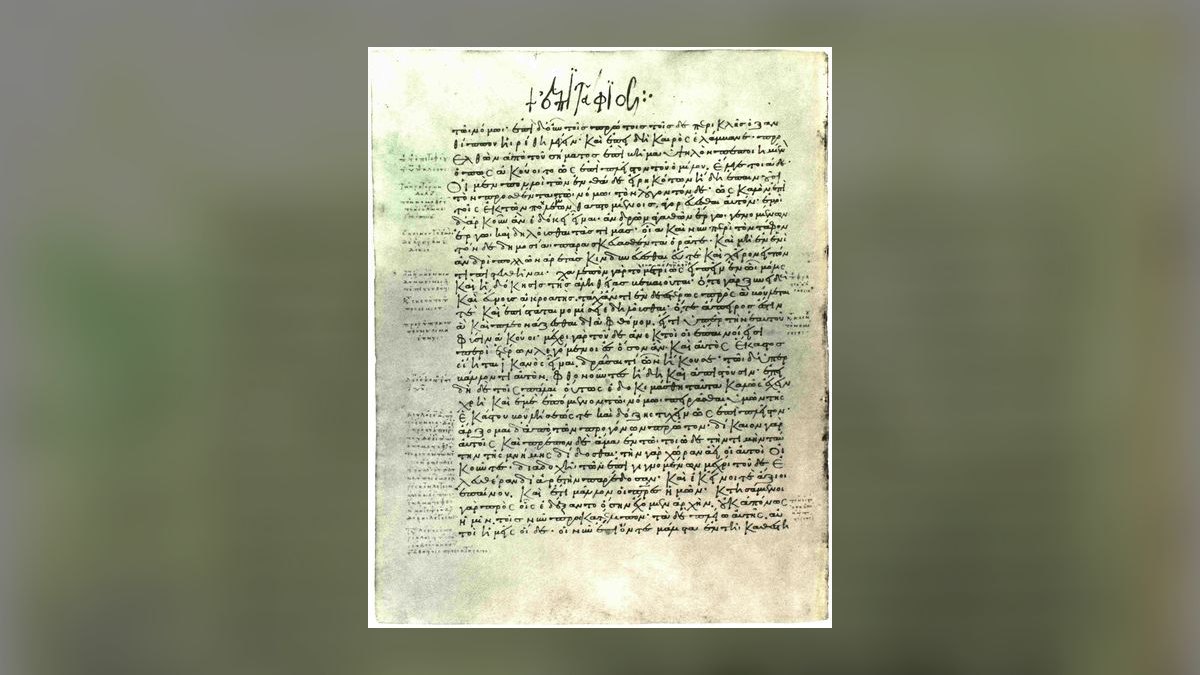
Pericles’ Funeral Oration, recorded by Thucydides, is best known for passages praising Athenian democracy, equality before the law, and the willingness of citizens to die for their city. Its enduring power comes from its articulation of civic ideals—such as freedom, courage, and collective sacrifice—that continue to resonate in modern political rhetoric. The speech remains a touchstone for discussions of democratic values and national identity, though its historical accuracy is debated. This oration transformed the funeral address from a simple commemoration of the dead into a profound meditation on what makes a society worth fighting for.
What specific passages define Pericles’ Funeral Oration?
The oration runs approximately 2,200 words in most English translations, and several key passages have become foundational to Western political thought. Pericles begins by questioning whether words can ever match deeds, a rhetorical move that disarms his audience and establishes his credibility. He then pivots to praise Athens itself, arguing that the city’s democratic institutions, openness to foreigners, and cultural achievements are worth dying for. The most famous passage declares Athens “the school of Hellas,” reframing power as influence rather than conquest. Another crucial line urges citizens to “feed your eyes upon her from day to day, till love of her fills your hearts,” converting admiration into a call to action. The speech closes with the striking claim that “the whole earth is the sepulchre of famous men,” locating legacy not in stone monuments but in living memory. These passages work together to create a vision of civic virtue that has inspired generations of leaders and thinkers.
How did Thucydides shape the oration we know today?
Thucydides, the historian who recorded Pericles’ speech, acknowledged in his *History of the Peloponnesian War* that he reconstructed speeches to capture what was “called for” by each situation rather than providing verbatim transcripts. This admission has sparked centuries of debate about the oration’s historical accuracy. Scholars generally agree that Thucydides preserved the spirit and key arguments of Pericles’ address while crafting the language and structure to serve his own literary and historical purposes. The historian placed this soaring vision of Athenian greatness immediately before his account of the plague that devastated Athens and killed Pericles himself, creating a deliberate contrast between ideal and reality. This juxtaposition transforms the oration from a simple funeral speech into a tragic meditation on the fragility of civilization. Modern readers must therefore approach the text as a blend of Pericles’ actual words and Thucydides’ artistic vision, making it both a historical document and a literary masterpiece. For a deeper exploration of how speeches are reconstructed in historical texts, see our guide on understanding ancient sources.

What rhetorical techniques make the oration so persuasive?
Pericles employs a carefully crafted rhetorical architecture that combines ethos, logos, and pathos. He begins by acknowledging the difficulty of honoring the dead without diminishing their sacrifice—a gesture of humility that establishes his character. He then builds a logical case for why Athens deserves such devotion, describing its democratic institutions and cultural achievements. Only after this extended praise does he address the fallen soldiers directly, framing their bravery as a natural extension of Athenian values. The speech relies heavily on balanced contrasts: freedom paired with duty, private life with public obligation, openness with discipline. Pericles repeatedly holds two ideas in tension and claims Athens has reconciled them, giving the speech rhythm and making its ideas feel resolved rather than asserted. The famous line “the school of Hellas” works as a single elevating phrase that reframes the subject as larger than its surface. Modern speechwriters still study this structure when crafting addresses for national crises or memorials, from Lincoln’s Gettysburg Address to post-9/11 speeches.
How has the oration influenced Western political thought?
Pericles’ Funeral Oration has shaped how Western democracies understand citizenship, sacrifice, and national identity. The speech’s assertion that “we do not say that a man who takes no interest in politics is a man who minds his own business; we say that he has no business here at all” became a foundational text for civic republicanism—the idea that political participation is not just a right but a duty. This concept influenced Enlightenment thinkers like Jean-Jacques Rousseau, who argued that genuine freedom requires active engagement in the common good. During World War II, Allied leaders cited the speech to justify the defense of democracy against totalitarianism. In the 21st century, politicians from Barack Obama to Jacinda Ardern have echoed Pericles’ themes: that democracy is fragile, that freedom requires effort, and that a society’s true strength lies in the character of its people. The oration’s emphasis on equality before the law, though limited in ancient Athens to free male citizens, has been expanded by later movements to include women, minorities, and immigrants. This adaptability ensures that each generation finds new meaning in Pericles’ words. For more on how ancient rhetoric influences modern political speeches, see our analysis of Reagan’s Challenger Address.

Why does the oration still resonate in the 21st century?
In an era of polarized politics and fragmented civic identity, Pericles’ Funeral Oration offers a counterpoint to cynicism. The speech assumes that citizens can be both critical and loyal, that a city can be flawed yet worthy of sacrifice. This nuanced patriotism—neither jingoistic nor dismissive—appeals to audiences tired of either extreme. The oration also addresses a timeless psychological need: the desire to find meaning in death. Pericles argues that the fallen soldiers live on through Athens’ continued existence, a form of secular immortality that resonates in societies where traditional religious beliefs are declining. The speech’s structure is deliberately anachronistic—it praises the living city rather than cataloguing the deeds of individual soldiers, making it feel universal rather than tied to a single event. When read in classrooms, cited in political speeches, or quoted in memorial services, Pericles’ words remind us that the ideals worth fighting for are often the ones we take for granted. The dark irony of its placement in Thucydides’ narrative—immediately before the plague account—adds a layer of tragic depth that speaks to modern anxieties about societal collapse. This enduring relevance explains why the oration remains one of the most studied and quoted speeches in Western history, nearly 2,500 years after it was delivered.
What practical lessons can modern speakers borrow from this speech?
The Funeral Oration is a masterclass in eulogizing a group by honoring what united them. Modern speakers can directly apply several of Pericles’ techniques. First, honor the dead by praising the cause—Pericles barely names individuals, instead illuminating the city they served. Second, open by questioning your own task; his admission that words may fail the deeds disarms the audience and earns trust. Third, build with balanced contrasts: freedom and duty, private and public—paired opposites give a speech rhythm and make ideas feel resolved. Fourth, coin one elevating phrase like “the school of Hellas” that reframes the subject as larger than its surface. Fifth, turn praise into a charge: “Feed your eyes upon her… till love of her fills your hearts” converts admiration into an instruction. Finally, locate memory in the living world: “The whole earth is the sepulchre of famous men” relocates legacy from stone to story. These techniques transfer directly to retirements, memorials, anniversaries, and any tribute to a shared endeavor. For a parallel example of eulogizing through cause rather than individual deeds, see our analysis of Mark Antony’s Funeral Oration.
Related questions
What is the main theme of Pericles’ Funeral Oration?
The speech celebrates Athenian democracy and the sacrifices made for it. Pericles emphasizes that the fallen soldiers died for a city that values equality, freedom, and civic duty, arguing their legacy is immortal because Athens itself is a model for the world.
Why is Pericles’ speech still studied today?
It’s a timeless example of political rhetoric and national identity. Modern leaders and scholars analyze how Pericles balances praise for the dead with a vision of collective purpose, raising enduring questions about patriotism, sacrifice, and the cost of democracy.
Does Pericles mention specific battles or dates?
No, he avoids detailed historical facts or statistics. Instead, he focuses on the ideals and character of Athens, using broad references to the Peloponnesian War, which makes the speech feel universal rather than tied to a single event.
How does Pericles define Athenian democracy?
He describes it as a system where power rests with the many, not the few, and where laws ensure equal justice for all. Pericles also highlights that personal merit, not wealth or class, determines one’s role in society, contrasting with oligarchies and tyrannies.
What is the most famous passage from the oration?
The line about Athens being “the school of Hellas” is widely quoted. Pericles also declares that the fallen soldiers have won “the noblest of deaths” by giving their lives for freedom, capturing the speech’s blend of pride and solemnity.
FAQ
Is the speech historically accurate or idealized? Historians believe Thucydides, who recorded it, likely shaped Pericles’ words to fit his own literary goals. The oration probably reflects Athenian ideals more than a verbatim transcript, but it remains a powerful window into how Athens saw itself during its golden age.
What was the occasion for Pericles’ speech? The speech was delivered at a public funeral in Athens during the winter of 431–430 BCE, near the end of the first year of the Peloponnesian War. It honored the first Athenian soldiers who had died in that conflict.
How long is Pericles’ Funeral Oration? The speech runs approximately 2,200 words in most English translations, which would take about fifteen to twenty minutes to deliver. This length allows for both substantive argument and emotional appeal.
What makes Pericles’ oration different from other ancient funeral speeches? Unlike conventional eulogies that catalog individual deeds, Pericles spends most of his time praising Athens itself. He argues that the dead are best honored by understanding the city worth dying for, making the speech a defense of democracy rather than a simple commemoration.
How did Pericles die? Pericles died of the plague that swept Athens in 429 BCE, just two years after delivering this oration. Thucydides describes the plague in horrifying detail immediately after recording the speech, creating a tragic contrast.
What does “the school of Hellas” mean? This phrase reframes Athens as a teacher to other Greek city-states, arguing that its cultural achievements and democratic institutions set a model for all of Greece. It elevates the city’s influence beyond military power.
Can I use Pericles’ techniques in modern speeches? Yes, his methods transfer directly to any tribute to a shared endeavor. Honoring the cause, opening with humility, using balanced contrasts, coining an elevating phrase, turning praise into a charge, and locating memory in the living world all remain effective.
What is the relationship between Pericles and Thucydides? Thucydides was a contemporary of Pericles and likely heard the speech or knew its content. He recorded a version in his *History of the Peloponnesian War*, admitting he reconstructed speeches to capture the spirit of what was said.
Sources
- Thucydides, *History of the Peloponnesian War*
- Perseus Digital Library - Pericles’ Funeral Oration
- Oxford Classical Dictionary - Pericles
- Stanford Encyclopedia of Philosophy - Ancient Political Philosophy
- British Museum - Athenian Democracy
- National Endowment for the Humanities - Pericles’ Funeral Oration
- University of Chicago - The Perseus Project
- Livius.org - Pericles
Related on PULSE
- [Mark Antony’s Funeral Oration (Shakespeare) — Key Passages and Lessons](/knowledge/sp0028)
- [Steve Jobs’s Stanford Commencement (2005) — Key Passages and Lessons](/knowledge/sp0021)
- [Barbara Jordan’s 1976 DNC Keynote — Key Passages and Lessons](/knowledge/sp0018)
- [Demosthenes’ The Third Philippic — Key Passages and Lessons](/knowledge/sp0026)
- [William Faulkner’s Nobel Prize Acceptance (1950) — Key Passages and Lessons](/knowledge/sp0023)
- [Churchill’s Their Finest Hour (1940) — Key Passages and Lessons](/knowledge/sp0017)
@Kory-White- · if Venmo asks, the last 4 of my number are 2012
 pulse-moviesTop 10 Movies on Netflix 2027
 pulse-moviesTop 10 Movies on Max 2027
 pulse-moviesTop 10 Fantasy Movies of All Time in 2027
 pulse-moviesTop 10 Documentaries of All Time in 2027
 pulse-moviesTop 10 Superhero Movies of All Time in 2027
 pulse-moviesTop 10 Romance Movies of All Time in 2027
 pulse-moviesTop 10 Westerns of All Time in 2027
 pulse-moviesTop 10 Musical Movies of All Time in 2027
 pulse-moviesTop 10 Thriller Movies of All Time in 2027
 pulse-moviesTop 10 Crime Movies of All Time in 2027