
A Short, Inspiring Graduation Speech
 Curated byKory White · Fractional CRO · Maryland
 PULSEKNOWLEDGE LIBRARY
Quality
Certified
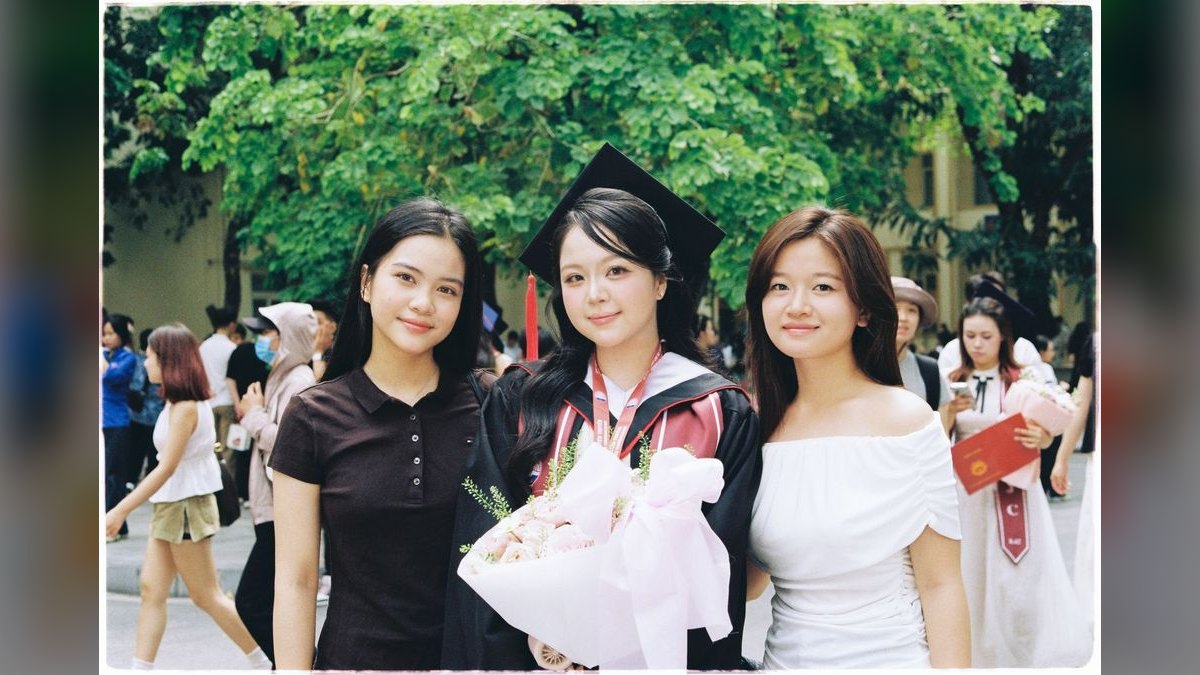
A short, inspiring graduation speech typically lasts 3–5 minutes and focuses on a single, heartfelt message about resilience, gratitude, or the future. It often begins with a personal anecdote or shared memory, then offers a clear, hopeful call to action. The most memorable speeches avoid clichés and instead speak directly to the graduates' shared experience, ending with a simple, powerful send-off. This guide provides a ready-to-use template, delivery techniques, and customization strategies to help any speaker deliver a speech that resonates long after the ceremony ends.
The Architecture of a Memorable Opening
The first ten seconds of your speech determine whether your audience leans in or tunes out. A strong opening does three things simultaneously: it establishes your credibility, creates an emotional hook, and signals that this won't be a recycled commencement cliché. Consider starting with a specific, sensory-rich memory from your shared experience—not a generic "remember when we were freshmen," but a precise moment like "the smell of rain on concrete during that first campus tour" or "the sound of a hundred laptops closing simultaneously during the final exam." This specificity signals authenticity and invites listeners to recall their own version of that moment.
Another effective technique is the "disrupted expectation" opening. Begin with a statement that seems counterintuitive to a graduation speech, such as "I'm not here to tell you to follow your dreams" or "The best thing that happened to me in college was a failure." The momentary confusion creates a vacuum of attention that you fill with your actual message. Avoid opening with a dictionary definition, a joke that could fall flat, or a thank-you list that sounds like an awards show. Save gratitude for the middle or end, where it carries more weight because you've already earned the audience's trust.

Crafting Transitions That Carry Momentum
The most common weakness in short graduation speeches is the "laundry list" structure—a series of disconnected points that feel like bullet points read aloud. Instead, build your speech around a single narrative arc or metaphor that ties everything together. If your theme is resilience, for example, each section should advance that idea rather than introducing new, unrelated concepts. Transitions between sections should feel like natural progressions, not abrupt gear shifts. Use phrases that acknowledge what came before while pointing forward: "That lesson about failure wasn't just theoretical—it showed up again during my first job interview when..."
Another powerful structural tool is the "three-act" format common in storytelling. Act one establishes the challenge or question your class faced. Act two explores the struggle or discovery process. Act three delivers the insight or call to action. This structure works because it mirrors how humans naturally process narrative—we're wired to follow a story from problem to resolution. Even in a three-minute speech, you can hit all three acts if you're disciplined about cutting anything that doesn't serve the central thread. Test your draft by reading it aloud and marking every sentence that doesn't advance your core message—those are the ones to cut or rewrite.
The Closing That Lingers Beyond the Ceremony
Your final thirty seconds are what people will remember weeks later. A weak closing fades into applause and forgotten advice. A strong closing creates a mental bookmark—a phrase, image, or challenge that listeners can recall when they need it. The most effective closings often circle back to the opening image or theme, creating a sense of completion. If you started with that memory of rain on concrete, end with "May you always find shelter when you need it, and may you never stop walking toward the storm that calls to you."
Avoid the temptation to summarize everything you've said—your speech is short enough that repetition feels patronizing. Instead, end with a specific, actionable challenge that respects the audience's intelligence. "Go home and delete the career plan you wrote at nineteen" is more memorable than "follow your dreams." The best closings also include a moment of genuine silence before the final line—a beat that signals something important is coming. Practice your last three sentences until you can deliver them without looking at notes, making eye contact with different sections of the audience. That final connection is what transforms a good speech into one that gets quoted in yearbook pages and remembered at reunions.

Delivery Tips for Maximum Impact
Practice your speech aloud at least five times before the ceremony. Speak at a conversational pace—slightly slower than normal—and pause for two full seconds after your anecdote and before your closing line. Make eye contact with a few friendly faces in the front rows. If nerves hit, grip the podium lightly and take one slow breath before starting. A handwritten note card with bullet points (not full text) keeps you natural and present. Additionally, record yourself to check your pacing and tone, and rehearse in front of a trusted friend for honest feedback on clarity and emotional impact.
Nervous hands? Hold the podium edge lightly or hold a single note card you never read from—having it there steadies you. The final word is "go." Say it like a starting gun, then step back. Do not linger for applause; let it come to you. These small adjustments in delivery can elevate your speech from good to unforgettable.

Variations for Different Audiences and Time Limits
2-minute short version (cut to the spine): Open with "Class of [year], we made it. Look around — that is not luck, that is proof." Skip straight to three small things: be a beginner again, be the person who notices, do not wait to be ready. Close with "Leave every room a little better than you found it. Now go." That is roughly 200 words and hits just as hard.
Funnier / lighter alternate open: "Class of [year] — we made it. Some of us by a wider margin than others, and you know who you are." Wait for the laugh. Then: "But every single one of us is sitting here, and that counts." Keeps the same body and three lessons; the early laugh buys you the room for the serious turn.
For a PhD defense celebration: Focus on the intellectual journey, acknowledging mentors and committee members. Emphasize persistence through research challenges.

For a trade school completion: Highlight practical skills and hands-on learning. Celebrate direct entry into the workforce or apprenticeship.
For a class president: Incorporate themes of leadership, unity, and class spirit. Reference specific class achievements or traditions.
FAQ
How long should a short graduation speech be? A short graduation speech typically runs 3 to 5 minutes when delivered at a natural pace. That translates to roughly 400 to 700 words, allowing you to share a meaningful message without losing the audience's attention.
What is the best way to start a graduation speech? Start with a brief, genuine acknowledgment of the occasion—thank the faculty, families, and graduates. Then open with a personal story or a relatable observation that sets a warm, reflective tone for the rest of the speech.
Should I include humor in a graduation speech? Light, appropriate humor can make your speech more engaging and memorable, but avoid inside jokes or anything that might alienate part of the audience. Aim for a few gentle, universal laughs that tie back to your core message.
How do I make my graduation speech inspiring without being cliché? Focus on a specific, honest experience or lesson from your own journey rather than generic advice. Use vivid details and a clear, personal narrative to show how challenges or small moments shaped your perspective.
What is the ideal structure for a short graduation speech? A strong structure includes a brief opening, a personal story or central insight, a few key takeaways for the audience, and a closing that offers encouragement or a call to action. Keep each section concise to maintain momentum.
How can I practice delivering my graduation speech effectively? Practice aloud several times, timing yourself to ensure you stay within your target length. Record yourself to check your pacing and tone, and rehearse in front of a trusted friend for honest feedback on clarity and emotional impact.
What should I do if I forget part of my speech during the ceremony? Take a slow breath, glance at your note card, and continue from the next point. The audience likely won't notice a brief pause. Avoid apologizing or showing visible panic.
How do I make eye contact with a large audience? Scan the room slowly, focusing on different sections rather than individual faces. Pick a few friendly-looking people in the front, middle, and back rows, and rotate your gaze among them.
Can I use props or visual aids in a graduation speech? Props can be effective if they are simple and directly tied to your message—like holding up a worn textbook or a class photo. Avoid complex visual aids that might distract or malfunction.
When should I thank people in my speech? Keep acknowledgments brief and place them early in your speech, right after your opening. A simple "Thank you to our families, teachers, and everyone who got us here" is sufficient.
Sources
- TED Talks — collection of short, inspiring speeches from diverse speakers, including graduation addresses
- Harvard Commencement Speeches — archive of notable graduation speeches from Harvard University
- Toastmasters International — organization focused on public speaking skills, with resources on speech structure and delivery
- The New York Times — coverage of notable commencement speeches and opinion pieces on graduation themes
- NPR (National Public Radio) — audio and transcripts of inspiring graduation speeches from various universities
- Forbes — articles on leadership and motivational speaking, including analysis of effective graduation speeches
- American Rhetoric — online speech bank with transcripts and audio of famous commencement addresses
- Purdue Online Writing Lab — academic resource for speech writing and structure
Related on PULSE
This page will be disappearing soon. Save it to your device for $1 — or read it free while it is here.
@Kory-White- · if Venmo asks, the last 4 of my number are 2012
This page is gone.
This one is off the shelf now. $1 keeps it on your phone for good — the whole page, pictures and diagrams included.
 pulse-speechesA Toast for a Best Friend’s Wedding
 pulse-speechesA Promotion Celebration Toast for a Teammate
 pulse-speechesA Quarterly All-Hands Opening That Sets the Tone
 pulse-speechesPatrick Henry’s Give Me Liberty or Give Me Death (1775) — Text and Lessons
 pulse-speechesFranklin Roosevelt’s Day of Infamy (1941) — Text, Context, and Why It Endures
 pulse-speechesMark Antony’s Funeral Oration (Shakespeare) — Key Passages and Lessons
 pulse-speechesChurchill’s Their Finest Hour (1940) — Key Passages and Lessons
 pulse-speechesEleanor Roosevelt’s The Struggle for Human Rights (1948) — Key Passages
 pulse-speechesA New Manager’s First Speech to the Team
 pulse-speechesA Loving Eulogy for a Parent