

A Toast to Kick Off a Holiday Family Dinner
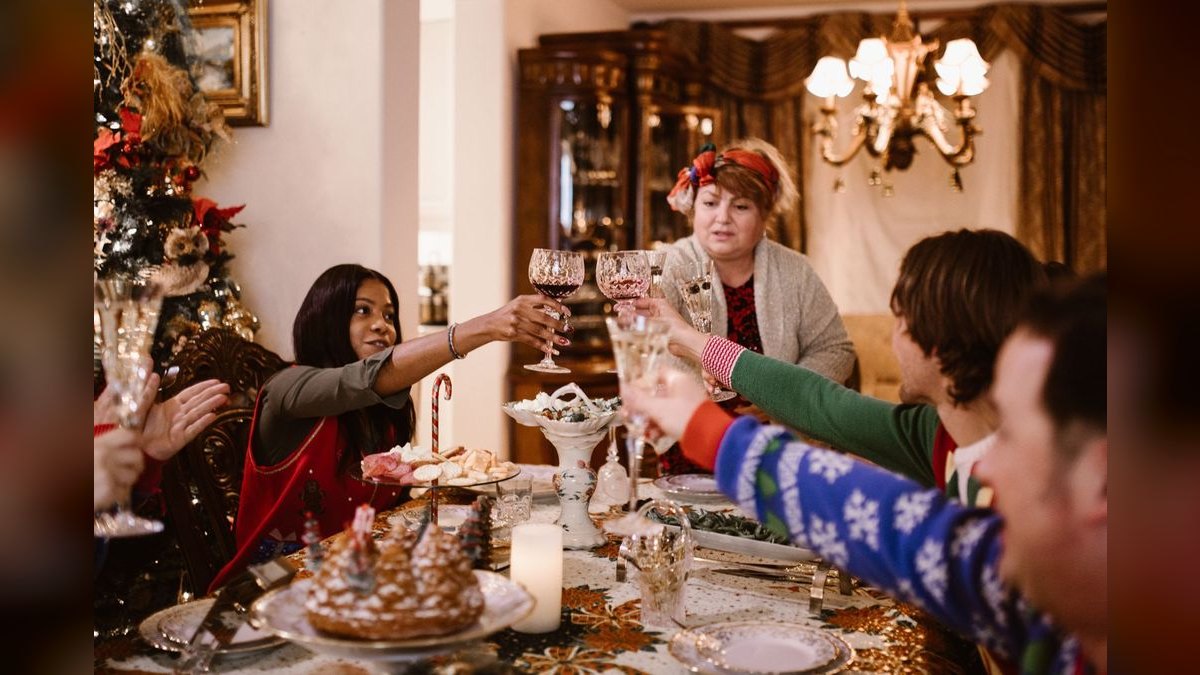
A heartfelt holiday family dinner toast should be warm, brief (30-60 seconds), and inclusive, welcoming everyone at the table before the meal begins. The ideal toast follows a simple three-part structure: a greeting that acknowledges the group, a short bridge that connects the moment to shared memories or gratitude, and a call to action that invites everyone to raise their glasses. The key is to keep it genuine and focused on the people present, not on performing a perfect speech—the sincerity of your words matters far more than flawless delivery.
What Makes a Holiday Family Dinner Toast Effective?
A great holiday toast accomplishes three things simultaneously: it acknowledges the effort that brought everyone together, it creates a brief moment of shared emotion, and it transitions gracefully into the meal. The most effective toasts are short enough that no one's food gets cold but long enough to feel meaningful. They typically run between 30 and 60 seconds, or roughly 75 to 150 words when spoken at a natural pace.
The emotional core of the toast should reflect the specific character of your family gathering. For a large, boisterous family, humor and light teasing about family traditions can set a joyful tone. For smaller or more intimate dinners, personal acknowledgments of individual contributions—who cooked what, who traveled farthest—create a sense of being seen and valued. For blended families or gatherings with new partners, broad, inclusive language that avoids deep family history helps everyone feel welcome.
The most common mistake is trying to tell a full story or deliver a lengthy tribute. The table is hungry, the food is ready, and the energy is high. A toast that rambles loses its impact. Instead, think of the toast as a verbal handshake—warm, brief, and connecting everyone before the meal begins.

How Do You Structure a Holiday Family Dinner Toast?
A simple three-part structure ensures your toast stays focused and effective. Start with a greeting and acknowledgment that names the gathering and recognizes key people. Something like, "To my parents who hosted, to my sister who drove six hours, and to everyone who made it here tonight." This grounds the moment in shared reality and gratitude.
The middle section is the bridge—a short observation or memory that connects the holiday to the people present. Keep it specific but brief. "I was thinking earlier about how Grandma used to burn the rolls every single Thanksgiving, and somehow that became our favorite tradition." This is where you can inject a little humor or nostalgia, but resist the urge to tell a full story. The goal is to evoke warmth, not to perform a monologue.
Close with a call to action—the actual toast. This is typically a wish, a hope, or a blessing. "So let's raise our glasses to good food, better company, and another year of making memories together. Cheers!" Practice it once or twice beforehand so you can deliver it without reading from a card. A toast that feels natural and unscripted carries far more emotional weight than one that sounds rehearsed.
How Do You Choose the Right Words for Different Family Dynamics?
Not every family responds to the same tone. A boisterous, joke-heavy family might love a toast that opens with a playful jab at Uncle Dave's infamous fruitcake, while a more reserved or blended family might appreciate something gentler that acknowledges the complexity of gathering. The key is to match your language to the room without sacrificing sincerity.
For large, loud gatherings, lean into communal humor and shared history. Phrases like "We may not agree on politics, but we all agree that Mom's gravy is the real star of the show" acknowledge differences while uniting everyone around a positive, shared experience. Avoid inside jokes that exclude more than half the table—aim for inclusive humor that everyone can smile at.
For smaller or more intimate dinners, the tone can be more personal. Mention specific people by name and what they've contributed to the evening. "I want to thank Sarah for making her famous green bean casserole, and Dad for carving the turkey like a surgeon." This makes each person feel seen and valued, which strengthens the sense of family connection.
For blended families or gatherings with new partners, keep the toast broad and welcoming. Focus on the present moment rather than deep family history. "It's not always easy to bring everyone together, but tonight we're all here, and that's what matters. Here's to new traditions and old favorites." This approach lowers the emotional stakes and makes everyone feel included, regardless of how long they've been part of the family.

How Do You Handle Nerves and Unexpected Moments?
Even experienced toast-givers can feel a flutter of nerves when all eyes turn their way. The most effective remedy is preparation, but not over-preparation. Write down your key points—greeting, bridge, call to action—on a small card or your phone's notes app. Keep it in your pocket or beside your plate. If your mind goes blank, a quick glance is perfectly acceptable. Nobody expects a TED Talk; they expect a genuine moment.
If your voice cracks or you get emotional, lean into it. A pause to collect yourself or a self-deprecating "Okay, I'm getting misty—that's the wine, not me" actually deepens the connection with your audience. People remember how a toast made them feel, not whether you delivered it flawlessly. For more tips on authentic delivery, see our guide on giving a heartfelt toast without freezing up.
For unexpected interruptions—a crying baby, a phone ringing, someone spilling a drink—simply pause, smile, and wait. You can even acknowledge it lightly: "And that's the sound of real family life." Then pick up where you left off. The ability to roll with the chaos is itself a kind of grace, and it often makes the toast more memorable than any perfectly crafted line.
Finally, remember that the toast is not about you—it's about the people around the table. If you keep that focus, your words will naturally land with warmth and authenticity. The best toasts don't impress; they connect.

What Are the Best Variations for Different Occasions?
Different holiday dinners call for different tones. A Thanksgiving toast might emphasize gratitude and abundance, while a Christmas Eve toast could lean into warmth and togetherness. A New Year's Eve toast, by contrast, often looks forward with hope and resolution. Adapting your toast to the specific holiday shows thoughtfulness and increases its emotional impact.
For Thanksgiving, focus on gratitude for the harvest, the family, and the year's blessings. A line like "We have so much to be thankful for—starting with this table full of people who love us" captures the spirit of the day. For Christmas or Hanukkah, emphasize the warmth of home and the joy of gathering. "The best gift tonight is all of us being here together" works beautifully.
For New Year's Eve, look forward with optimism. "Here's to the year ahead—may it bring us health, happiness, and even more reasons to gather around this table." This version is forward-looking and energetic, matching the celebratory mood of the evening. For more ideas, check out our holiday office party toast guide for adapting these principles to professional settings.

What Are Common Mistakes to Avoid in a Holiday Toast?
The most common mistake is making the toast too long. A toast that runs past 90 seconds risks losing the room's attention, especially with hungry guests and food cooling on the table. Keep it tight and focused on the emotional core.
Another frequent error is using overly formal or generic language. Phrases like "I'd like to take this opportunity to express my gratitude" sound stiff and impersonal. Instead, speak naturally, as if you're talking to your family—because you are. "I just want to say thanks for being here" lands far more warmly.
Avoid controversial topics. Politics, religion (beyond a general blessing), and family conflicts have no place in a toast meant to unite everyone. Keep the focus on what brings people together, not what divides them. Similarly, avoid inside jokes that exclude more than a couple of people—the toast should make everyone feel included.
Finally, don't forget to actually raise your glass and invite others to do the same. The physical act of raising glasses together is the ritual that seals the moment. Without it, you've just given a speech, not a toast.
Related Questions
What should I say in a 30-second holiday toast?
Keep it simple: greet everyone, express one specific gratitude (like the food or the travel), and raise your glass to the group. For example: "To everyone who made it here tonight—thank you. To good food, good company, and the joy of being together. Cheers!"
Can I give a toast if I'm not the host?
Absolutely. In fact, a guest-led toast can be especially meaningful because it shows appreciation for the host's efforts. Just keep it brief and positive, and avoid singling out the host for too long.
Should I mention absent family members in the toast?
Yes, mentioning those who couldn't attend or who have passed away can add deep emotional resonance. Keep it simple: "We're thinking of those who couldn't be here tonight, and we hold them in our hearts." This acknowledges their absence without dwelling on it.
Is it okay to toast with non-alcoholic drinks?
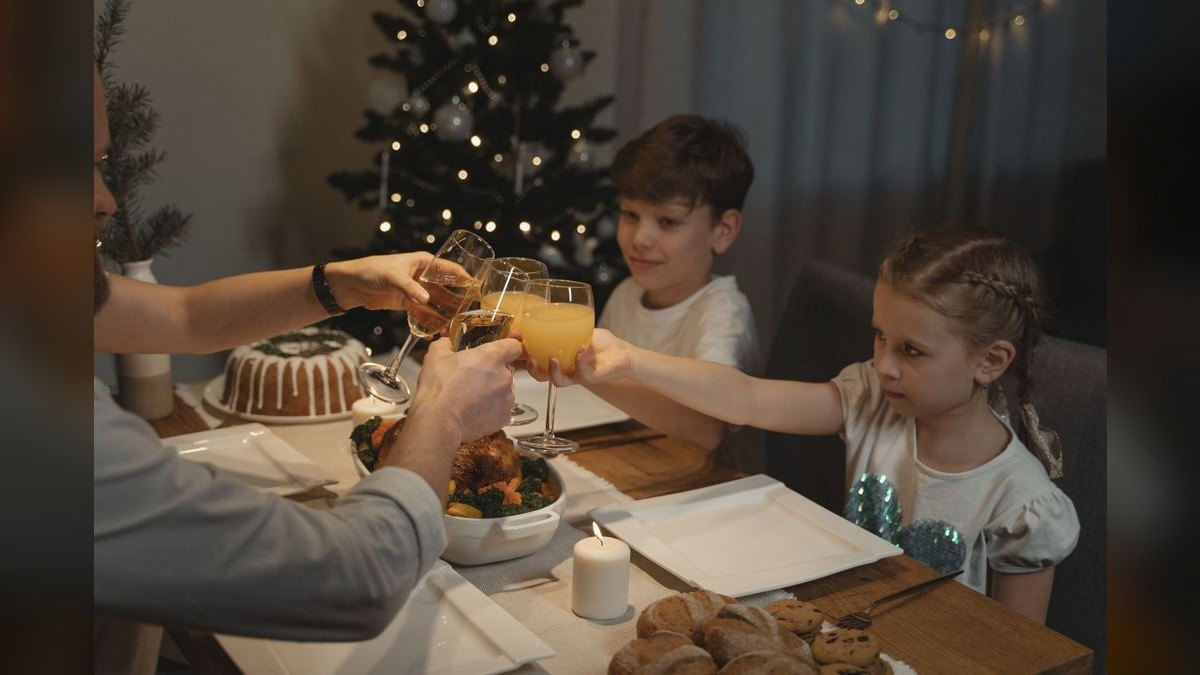
Absolutely. The gesture of raising a glass is what matters, not what's in it. You can say "cheers with whatever's in your glass" to make everyone comfortable.
How do I end the toast gracefully?
End with a clear call to action like "Cheers!" or "To family!" then lift your glass, take a sip, and sit down. This signals that the toast is over and the meal can begin.
What if I forget my lines during the toast?
Pause, take a breath, and glance at your notes if you have them. You can also say something honest like "I lost my train of thought—give me a second." The family will root for you, not judge you.
FAQ
How long should a holiday family dinner toast be? A toast should be brief—typically 30 to 60 seconds. Aim for 2 to 4 sentences that express gratitude, warmth, or a simple wish for the family. Long toasts can lose the room’s attention, especially with hungry guests.
What if I’m nervous about giving a toast? It’s normal to feel nervous. Practice your lines once or twice beforehand, and keep your glass low to avoid shaking. Remember, the family is rooting for you, not judging your performance. A deep breath before you start can steady your voice.
Should the toast include everyone at the table? Yes, it’s best to acknowledge the whole group, not just one person. A general “to all of you” or “to our family” keeps it inclusive. Avoid singling out individuals unless it’s a special tribute to the host or chef.
Can I use humor in a holiday toast? Light humor works well, but keep it gentle and universal. Avoid inside jokes that exclude some family members or topics that might be sensitive. A warm smile and a funny but kind line can set a joyful tone without alienating anyone.
What if someone doesn’t drink alcohol? No problem—simply toast with any beverage, like water or juice. The gesture matters, not the drink. You can even say “cheers with whatever’s in your glass” to make everyone comfortable and included.
Is it okay to read the toast from a card? Absolutely, especially if you’re worried about forgetting your words. Hold the card discreetly and glance at it as needed. The sincerity of your message matters more than memorization.
Should I practice the toast beforehand? Yes, practicing once or twice helps you find a natural rhythm and identify any awkward phrasing. Practice in front of a mirror or record yourself on your phone. This builds confidence without making you sound robotic.
Can I toast to someone who has passed away? Yes, a brief, respectful mention of a loved one who has passed can be deeply meaningful. Keep it simple: "We remember those who aren't with us tonight, especially Grandma, who taught us how to gather." This honors them without making the toast sad.
What’s the best way to raise my glass? Raise your glass to about chest or shoulder height, make eye contact with the group, and say your final line clearly. After the toast, take a small sip and set the glass down. Avoid holding the glass too high or waving it around.
How do I handle a toast if I’m not the host? If you're not the host, ask the host if it's okay to give a toast before the meal begins. Keep it brief and focus on thanking the host and celebrating the group. This shows respect and avoids stepping on the host's role.
Sources
- The Emily Post Institute - Toasting Etiquette
- The New York Times - How to Give a Great Toast
- Food & Wine Magazine - The Perfect Holiday Toast
- Real Simple - Tips for Giving a Toast
- Toastmasters International - Public Speaking Tips
- Psychology Today - The Power of Rituals and Toasts
- Better Homes & Gardens - Holiday Dinner Party Tips
Related on PULSE
 pulse-skillsSkill Drill: Handling Gatekeepers for Solar Sales
 pulse-skillsSkill Drill: Product Demos for Solar Sales
 pulse-skillsSkill Drill: Upselling and Cross-Selling for Promotional Products
 pulse-skillsSkill Drill: Cold Calling for Commercial Real Estate
 pulse-skillsSkill Drill: Product Demos for HVAC
 pulse-skillsSkill Drill: Handling Rejection for Pharmaceutical Sales
 pulse-skillsSkill Drill: Negotiation for Insurance Sales
 pulse-skillsSkill Drill: Delegation for SaaS Sales
 pulse-skillsSkill Drill: Storytelling for Building Materials
 pulse-skillsSkill Drill: Asking for Referrals for Building Materials