
A Speech to Introduce a Keynote Speaker
 Curated byKory White · Fractional CRO · Maryland
 PULSEKNOWLEDGE LIBRARY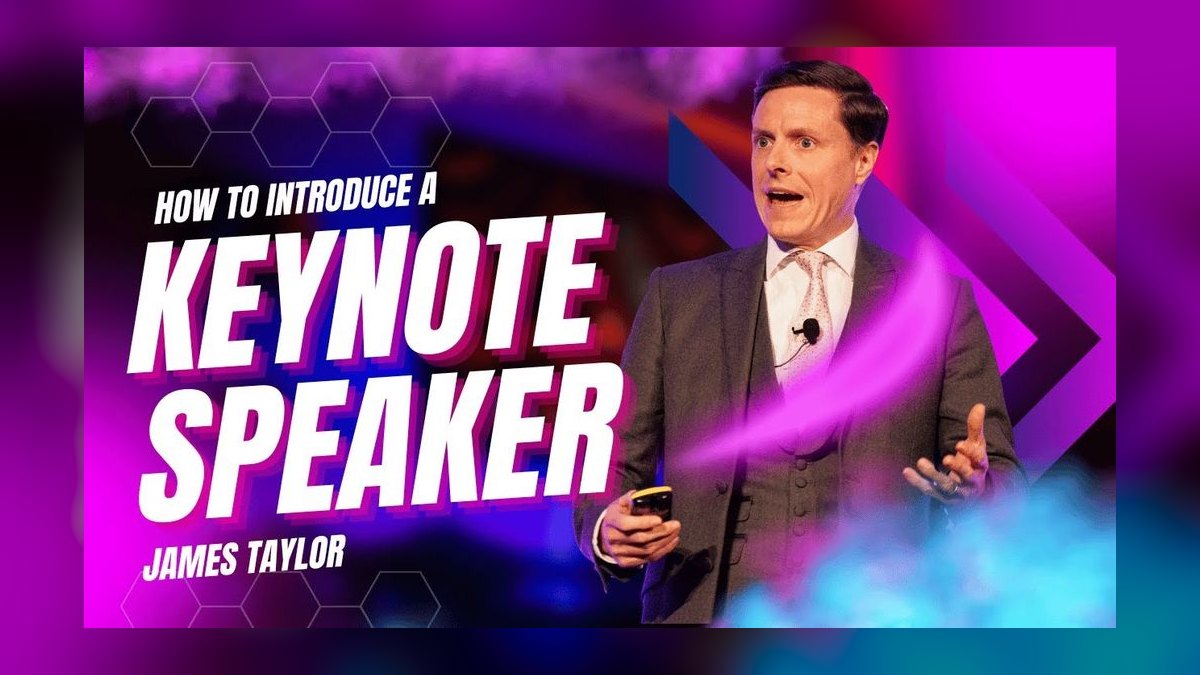
A speech to introduce a keynote speaker is a brief, focused presentation designed to welcome the audience, establish the speaker's credibility, and set the stage for their address. It typically lasts one to three minutes and highlights the speaker's most relevant achievements or expertise without overshadowing their upcoming talk. The goal is to build anticipation and respect, not to deliver the full biography. A well-crafted introduction acts as a strategic handoff that primes the audience to receive the keynote's message with openness and enthusiasm.
The most effective introductions avoid the trap of becoming a mini-biography or a recitation of the speaker's resume. Instead, they create a bridge between the audience's expectations and the speaker's unique value, using selective details and a personal connection to generate authentic anticipation. This page provides a complete, adaptable template along with the structural principles, delivery techniques, and contextual adjustments needed to deliver an introduction that leaves the audience eager for the speaker's first words.
What Makes a Keynote Introduction Truly Effective?
A memorable keynote introduction is not merely a list of accomplishments—it is a strategic narrative that frames the speaker's authority in a way that resonates with the specific audience in the room. The most effective introductions follow a three-part arc that builds from curiosity to credibility to a clean handoff.
The opening hook (15–20 seconds) should immediately connect the speaker's expertise to the audience's core challenge or aspiration. For example, starting with a provocative question like "What does it take to turn a struggling startup into a billion-dollar company in under three years?" signals relevance and creates curiosity. The credibility bridge (45–60 seconds) then establishes why this person is uniquely qualified, focusing on two to three specific, measurable achievements that directly relate to the event's theme. This section should avoid generic praise and instead use concrete outcomes—like "grew revenue by 340% in 18 months" or "led a team that reduced churn by half"—to build genuine authority.

The handoff (10–15 seconds) is the most critical moment for timing and tone. End with a clear, energetic invitation like "Please join me in welcoming [speaker's full name] as they share their blueprint for [topic]." Avoid clichés such as "without further ado" or "a big round of applause"—they feel scripted and can deflate the energy. Instead, make the handoff feel like a natural culmination of the introduction's arc. Practicing the delivery aloud with a timer is essential, as most people speak 20–30% faster when nervous, so trimming the written draft by that margin helps ensure a natural pace.
How Do You Tailor the Introduction for Different Audiences and Contexts?
One of the most common mistakes in keynote introductions is using a one-size-fits-all script. The same speaker might need a completely different introduction for a room of venture capitalists versus a conference of educators. Tailoring the framing to the audience's priorities and pain points is what separates a generic intro from a magnetic one.
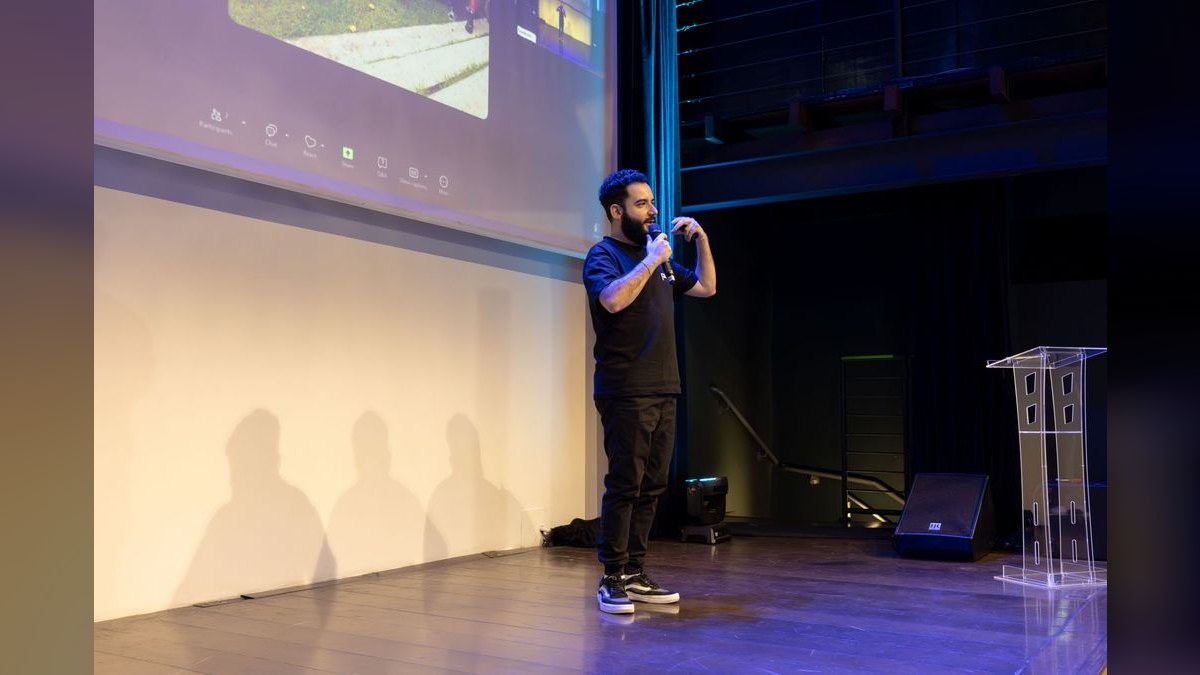
For industry insiders at a tech conference, assume baseline knowledge and jump straight into the speaker's contrarian insights or recent disruptive work. For example, "While most AI companies are chasing bigger models, our speaker bet on edge computing—and it paid off with a 5x faster deployment cycle." This signals respect for the audience's expertise and offers them something they can't get from a blog post. For general or mixed audiences at a community event, lead with the human story first, then connect it to broader themes. Avoid jargon entirely—if the speaker is a climate scientist, don't start with their publication list; start with "When her daughter asked why the local river was drying up, she didn't just explain it—she spent a decade figuring out how to reverse it."
For internal company events like all-hands meetings, emphasize the speaker's relationship to the organization and the specific value they'll bring to the team. Acknowledge their contributions without sounding like a performance review. For example, "Many of you have worked with Sarah on the Q3 product launch. Today, she's going to share the leadership lessons she learned from that process—including the mistakes that taught her the most." This creates a sense of shared context and vulnerability that resonates deeply with colleagues. For formal or ceremonial events like award galas, elevate the language slightly but keep it sincere. Avoid over-the-top superlatives like "the greatest mind of our generation"—they can feel hollow. Instead, use specific, measured praise: "Over the past decade, Dr. Patel's research has been cited in over 2,000 studies and directly informed policy changes in three countries."

What Are the Key Delivery Techniques for a Confident Introduction?
Even a well-written introduction falls flat if delivered poorly. The goal is to sound conversational and confident, not like you're reading a script for the first time. Professional emcees and event hosts use several proven rehearsal strategies to ensure their delivery matches the quality of their content.
The "70% memorized" approach is highly effective: don't try to memorize every word, as it creates robotic delivery. Instead, memorize the key points—the hook, the top achievement, the handoff—and allow yourself to paraphrase the connecting sentences. Practice until you can deliver the core structure without looking at notes, then keep a single index card with bullet points as a safety net. This balance gives you flexibility if the energy in the room shifts or if you need to adjust your timing on the fly.
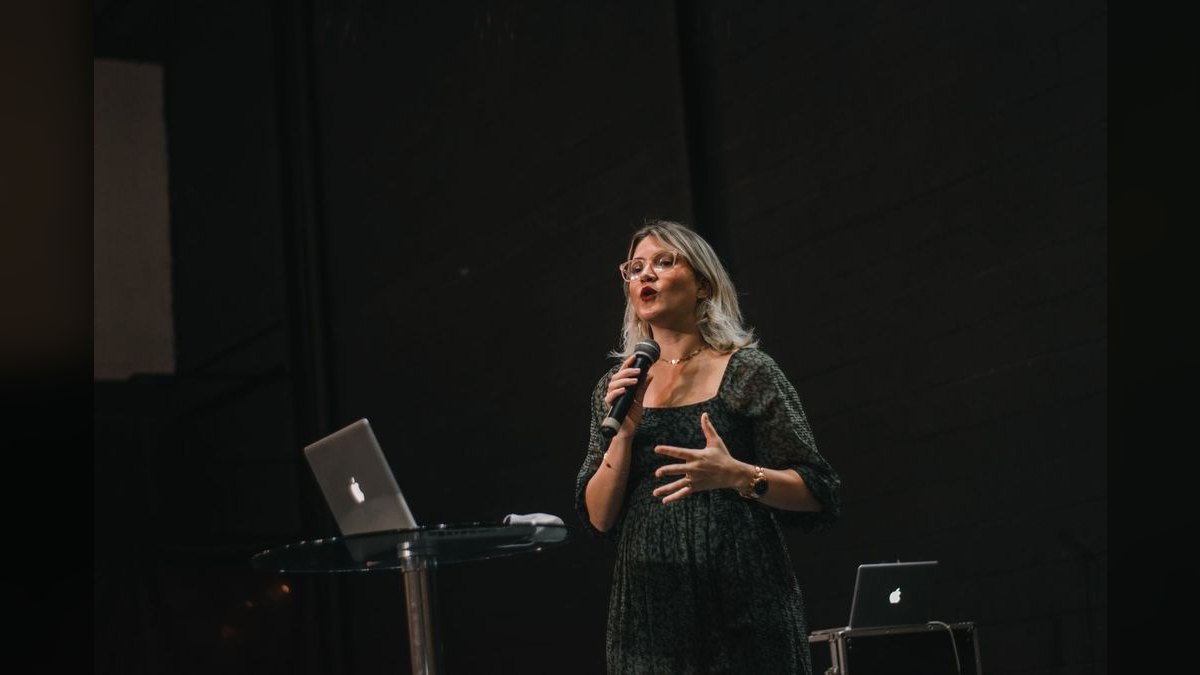
Recording yourself on your phone is one of the most powerful rehearsal tools. Listen for filler words like "um," "uh," "like," and "you know," and pay attention to pacing. Most people speak too quickly when nervous—aim for a pace of about 140–160 words per minute. If you're under 130, you risk sounding bored; over 170, you'll seem anxious. Adjust your breathing and pausing accordingly, and practice taking a slow breath before key phrases to maintain composure. Eye contact is equally critical: scan the room and make eye contact with three to five different audience members throughout the 90-second introduction. Stand with your feet shoulder-width apart, hands relaxed at your sides or lightly gesturing, and avoid clasping hands, jingling pocket change, or crossing your arms.
What Are Common Pitfalls to Avoid in a Keynote Introduction?
Even experienced speakers can fall into traps that undermine the effectiveness of an introduction. Awareness of these common pitfalls helps ensure your introduction serves its purpose: making the speaker look good and the audience feel ready to listen.

Overloading with biography: The most frequent mistake is trying to include every award, degree, and past role. This turns the introduction into a boring recitation and dilutes the impact of the most relevant credentials. Instead, select two to three achievements that directly connect to the event's theme and the audience's interests. If the speaker has a compelling personal story, weave it in only if it reinforces their authority—not as filler. Using generic language: Phrases like "a world-renowned expert" or "an incredible speaker" are vague and unconvincing. Specificity builds credibility—say "led a team that reduced customer churn by 40%" instead of "is a customer experience expert." Ignoring the audience: The introduction should answer the unspoken question in every listener's mind: "Why should I care?" If the content doesn't connect the speaker's expertise to the audience's challenges or aspirations, the introduction will fall flat. Poor timing: Going over three minutes is the cardinal sin of keynote introductions. Audiences mentally check out, and the speaker starts their talk at a disadvantage. If the event is virtual, keep the introduction under 90 seconds, as attention spans are even shorter on screens. Fumbling the handoff: The moment after you say the speaker's name is critical. Turn toward the entrance, start clapping yourself, and step back. Do not linger for a handshake or photo that steals their entrance. Give them the stage cleanly and completely.
How Do You Recover from Mistakes During the Introduction?
Even with thorough preparation, mistakes can happen—a mispronounced name, a forgotten line, or a moment of nerves. How you recover from these moments can actually strengthen your connection with the audience if handled gracefully.
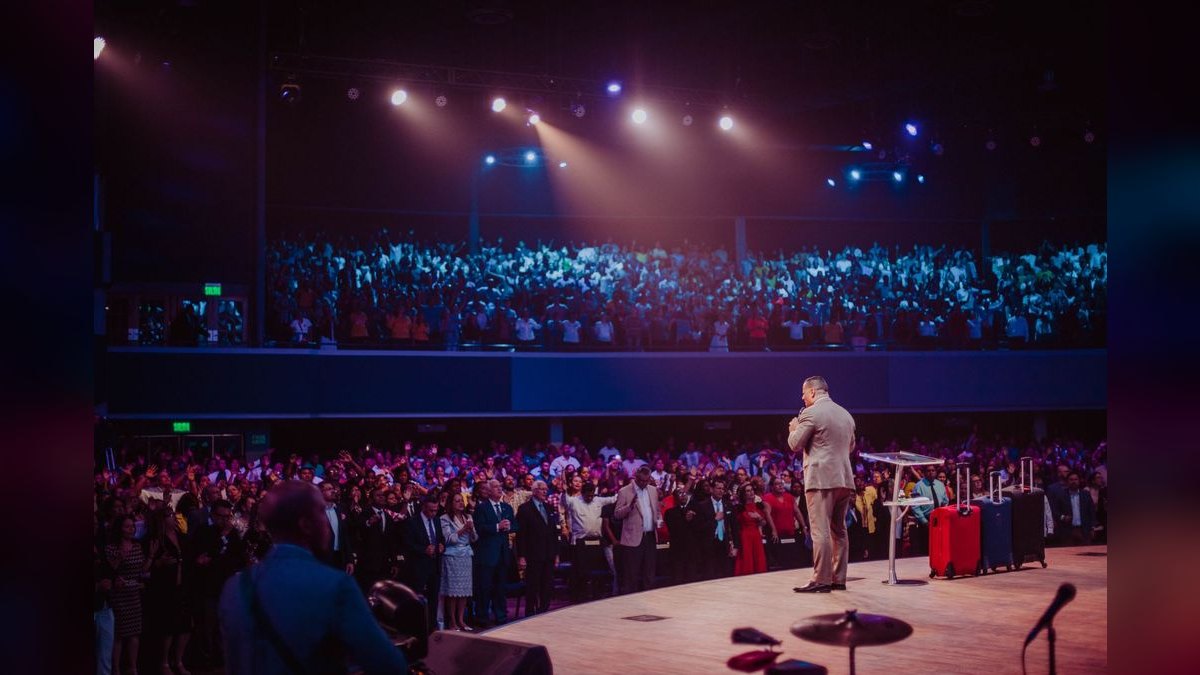
If you mispronounce the speaker's name, the best recovery is a quick, sincere apology and immediate correction. For example, "I apologize—Dr. Ganesh's name is pronounced guh-NESH, not guh-NEESH—thank you for your patience." Most audiences are understanding, and the speaker will appreciate your effort to get it right. To prevent this, write the name phonetically on your notes in large letters and confirm pronunciation with the speaker beforehand. If you forget a line, don't panic or apologize profusely. Take a slow breath (count to three in your head) and repeat the last phrase you remember. The audience won't notice a two-second pause—they'll only notice if you rush or draw attention to the mistake. For example, if you blank after "Over the last decade, [speaker name] has...", simply pause, look at your notes, and continue with "led one of the most innovative teams in the industry." The audience interprets a brief pause as thoughtful emphasis, not a memory lapse.
If you stumble on a word, don't correct yourself or start over. Just continue with the next word. The audience's brain will fill in the correct word automatically, and drawing attention to the stumble only makes it more noticeable. If nerves cause your voice to waver, take a slow, deep breath before your next phrase and lower your pitch slightly—a lower voice conveys more authority and calm. Remember that the introduction is a warm-up for the audience, not a test of your perfection. Your genuine enthusiasm for the speaker and the event will carry more weight than flawless delivery.

Related questions
How do you write a speech to introduce a keynote speaker in under 2 minutes?
Focus on one key credential, one personal connection, and a clean handoff. Open with a hook that connects the speaker to the audience's main challenge, state their most relevant achievement in one sentence, and end with "Please welcome [speaker name]." Cut the personal story and any secondary details.
What is the ideal length for a keynote introduction at a corporate event?
Aim for 90 to 120 seconds (roughly 150–250 words). This is long enough to build anticipation and establish credibility but short enough to avoid losing the audience's attention. For virtual events, keep it under 90 seconds.
How do you introduce a keynote speaker you've never met?
Research their recent work, watch a video of them speaking, and ask the event organizer for a short anecdote or insight about the speaker. Use this to craft a personal-sounding introduction that highlights why their expertise matters to this specific audience.
What should you avoid saying in a keynote introduction?
Avoid clichés like "without further ado," "a big round of applause," and "the greatest mind of our generation." Also avoid listing every award or job title, using vague praise, and making the introduction about yourself or your relationship with the speaker.
How do you handle a speaker who has a complex or long title?
Simplify the title to its most relevant component for the audience. For example, instead of "Senior Vice President of Global Operations and Strategic Initiatives," say "the executive who led our global expansion into 12 new markets." Focus on the impact, not the hierarchy.
FAQ
How long should a speech to introduce a keynote speaker be? Aim for roughly two to three minutes. This gives you enough time to build anticipation and share key credentials without overshadowing the main speaker. Shorter events may call for a briefer introduction, while longer conferences can allow a bit more detail.
What information should I include in the introduction? Focus on the speaker's most relevant accomplishments, their connection to the event's theme, and why the audience will benefit from hearing them. Avoid listing every award or job title—select two or three highlights that establish credibility and spark interest.
Should I memorize the speech or read from notes? It's best to practice until you're comfortable with the flow, but keep brief notes on index cards for reference. Reading word-for-word can feel stiff, while memorizing entirely risks forgetting under pressure. A natural, conversational delivery works best.
How do I handle mispronouncing the speaker's name? Confirm the correct pronunciation with the speaker beforehand, and practice it several times. If you still stumble, a quick, sincere apology and correction is fine—most audiences are understanding. To avoid this, write the name phonetically on your notes in large letters.
What tone should the introduction have? Match the tone of the event—formal for a corporate conference, warm and energetic for a community gathering. The introduction should be respectful and enthusiastic, but not overly dramatic. Let the speaker's reputation and the audience's expectations guide your style.
Should I mention the speaker's personal background or hobbies? Only if it directly relates to their expertise or the event's theme. A brief, relevant personal detail can humanize the speaker, but avoid tangents about family, travel, or unrelated interests. The goal is to build professional credibility, not share a biography.
How do I introduce a speaker who is also a close friend? Acknowledge your relationship briefly ("I've had the privilege of knowing Sarah for 10 years"), then pivot quickly to their professional achievements and relevance to the event. Keep the focus on why they're the right person for this stage, not on your personal connection.
What if the speaker has a controversial reputation? Focus on their expertise and the specific insights they'll share, not on their public persona. Avoid acknowledging or defending controversy—let their talk speak for itself. If the audience has potential concerns, the best approach is a straightforward, credential-focused introduction.
Can I use humor in a keynote introduction? Yes, but use it sparingly and only if it's natural to your style and the event's tone. A single, relevant joke or lighthearted observation about the speaker (with their approval) can warm up the room. Avoid self-deprecating humor or jokes that might undermine the speaker's authority.
How do I end the introduction smoothly? End with a clear, energetic invitation: "Please join me in welcoming [speaker's full name]." Then turn toward the entrance, start clapping yourself, and step back from the microphone. Do not linger or add extra commentary—the speaker should have the stage fully.
Sources
- Toastmasters International
- Harvard Business Review
- National Communication Association
- Purdue Online Writing Lab (OWL)
- Forbes
- The Art of Manliness
- Inc. Magazine
- SpeakerHub
Related on PULSE
@Kory-White- · if Venmo asks, the last 4 of my number are 2012
 pulse-moviesTop 10 Movies on Netflix 2027
 pulse-moviesTop 10 Movies on Max 2027
 pulse-moviesTop 10 Fantasy Movies of All Time in 2027
 pulse-moviesTop 10 Documentaries of All Time in 2027
 pulse-moviesTop 10 Superhero Movies of All Time in 2027
 pulse-moviesTop 10 Romance Movies of All Time in 2027
 pulse-moviesTop 10 Westerns of All Time in 2027
 pulse-moviesTop 10 Musical Movies of All Time in 2027
 pulse-moviesTop 10 Thriller Movies of All Time in 2027
 pulse-moviesTop 10 Crime Movies of All Time in 2027