
A Speech for a Conference Opening Keynote
 Curated byKory White · Fractional CRO · Maryland
 PULSEKNOWLEDGE LIBRARY
Quality
Certified

A conference opening keynote speech sets the emotional and intellectual tone for an event, establishes relevance for attendees, and energizes the audience for the sessions ahead. It typically begins with a warm welcome, a clear statement of the conference’s purpose, and a compelling hook—such as a bold insight, a shared challenge, or a forward-looking vision. The speech should be concise, lasting roughly 10 to 20 minutes, and end with a smooth transition into the first session or speaker. An effective keynote does not merely inform but transforms the room from a collection of individuals into a unified community ready to learn, connect, and act.
Effective speakers understand that the first 60 seconds are critical for capturing attention and building trust. The opening should avoid generic pleasantries and instead deliver immediate value through a provocative statement, a relatable story, or a question that invites the audience to think differently. The entire keynote must be crafted with the audience's needs, challenges, and aspirations at its core, ensuring every word serves a purpose toward the event's overarching goals. Ultimately, a memorable keynote leaves attendees feeling seen, inspired, and equipped with actionable insights they can apply long after the conference ends.
What Makes a Conference Opening Keynote Different from Other Speeches?
A conference opening keynote occupies a unique position in the speaking landscape because it must accomplish multiple objectives simultaneously within a compressed timeframe. Unlike a workshop, which focuses on teaching a specific skill, or a closing keynote, which synthesizes learnings, the opening keynote must establish emotional safety, intellectual curiosity, and social momentum all at once. It is the first shared experience of the event, and as such, it sets the psychological contract between organizers and attendees.
The opening keynote also faces the challenge of addressing a room full of people who are in vastly different mental states. Some attendees are excited and ready to engage, while others are skeptical, tired from travel, or distracted by work emails. The speaker must bridge these disparate starting points and create a common ground that makes everyone feel welcome and invested. This requires a blend of warmth, authority, and humility that is distinct from other speech formats. The speaker is not the main event but the catalyst for everything that follows, making their role more akin to a host than a headliner.

How Should a Speaker Structure the First 90 Seconds of a Keynote?
The first 90 seconds of a conference opening keynote are arguably the most critical, as they determine whether the audience will lean in or mentally check out. Research in cognitive psychology suggests that people form rapid judgments about a speaker's credibility, likeability, and relevance within the first few seconds of interaction. To maximize this window, speakers should follow a three-part structure: the hook, the orientation, and the promise.
The hook should be an immediate, attention-grabbing element that disrupts the audience's default mental state. This could be a startling statistic, a short personal anecdote that reveals vulnerability, or a rhetorical question that challenges a common assumption. For example, instead of saying "It's great to be here," a speaker might open with, "I want to start with a confession: the biggest mistake I made in my career happened because I was too afraid to ask a simple question." This immediately signals authenticity and creates curiosity. The orientation phase, lasting roughly 15-20 seconds, provides minimal context about the speaker's credibility and the topic at hand, but should never devolve into a full biography. The promise is a clear, concise statement of what the audience will gain from the next 20-30 minutes, such as "By the end of this talk, you will have a framework for turning your biggest challenge into your greatest opportunity."
What Are the Key Elements of a Memorable Conference Keynote Opening?
A memorable conference keynote opening relies on several interconnected elements that work together to create a lasting impression. The first and most important element is specificity. Generic statements like "We live in changing times" fail to resonate because they could apply to any audience at any conference. Instead, the speaker must name the exact industry trend, shared pain point, or collective aspiration that brought this particular group of people together. For instance, a keynote for healthcare professionals might open with, "Every single person in this room has lost a patient to a preventable error, and we are here because we refuse to accept that as inevitable."
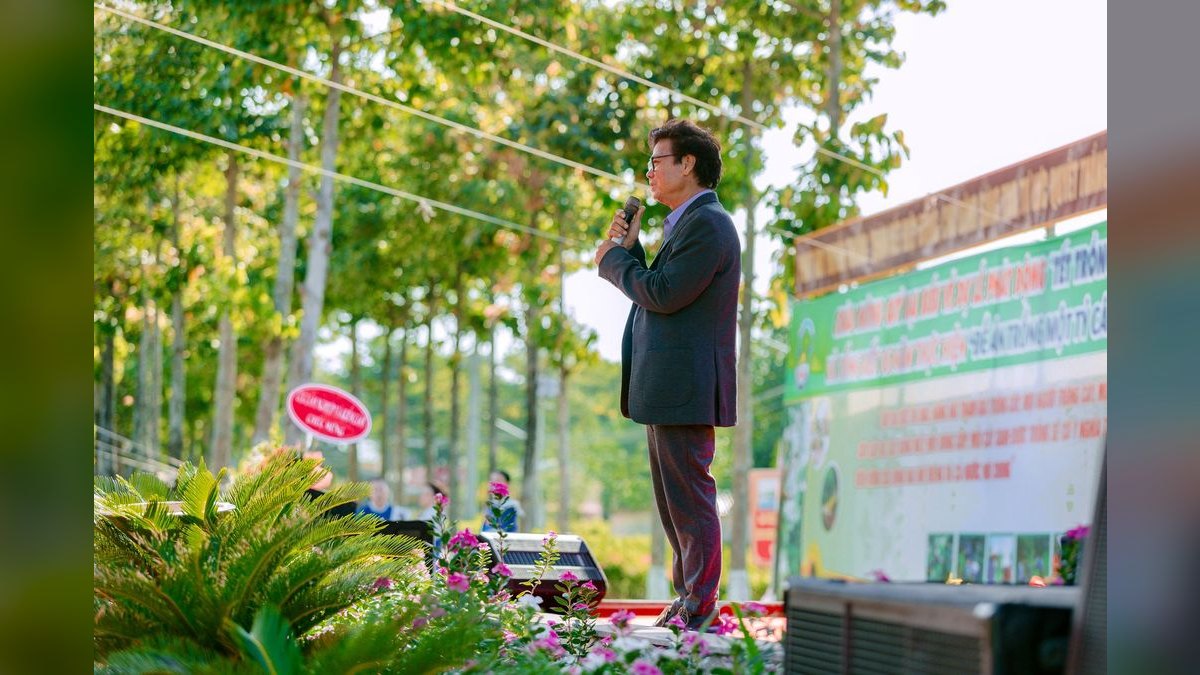
The second element is emotional resonance. Facts inform, but emotions inspire action. The most memorable keynotes weave a narrative that connects the audience's rational understanding of a problem with their emotional experience of it. This is often achieved through storytelling, where the speaker shares a personal experience that mirrors the audience's struggles or triumphs. The third element is a clear call to mindset shift. The opening should challenge the audience to think differently about a topic they thought they understood. This creates cognitive dissonance, which in turn generates engagement and curiosity. Finally, the opening must include a tangible takeaway—something the audience can immediately apply, whether it is a mental model, a question to ask themselves, or a behavior to try during the conference.
How Can a Speaker Adapt Their Keynote for Different Conference Types?
Different conference types demand different keynote approaches, and a one-size-fits-all speech will likely fall flat. Industry-specific conferences, such as those for medical professionals or engineers, require a higher degree of technical depth and credibility. The speaker should demonstrate domain expertise early, perhaps by referencing a recent breakthrough or challenge specific to that field. For these audiences, the emotional hook should still be present but must be grounded in professional realities rather than abstract inspiration.
In contrast, multi-industry or general business conferences benefit from broader themes that resonate across sectors, such as leadership, innovation, or resilience. The speaker's challenge here is to create universal relevance without being vague. Using analogies or metaphors that bridge different industries can be effective. For internal company events, such as all-hands meetings or sales kickoffs, the keynote must align closely with organizational culture and strategic objectives. The speaker should reference company-specific language, recent wins, or shared challenges to build a sense of unity and purpose. For virtual or hybrid conferences, the keynote must be adapted for shorter attention spans and the lack of physical energy. Speakers should use more frequent visual changes, direct address to the camera, and interactive elements like polls or chat questions to maintain engagement.
What Common Mistakes Ruin a Conference Opening Keynote?
Several common mistakes can undermine even the most well-prepared conference opening keynote. The most frequent error is starting with a generic thank-you or a lengthy list of acknowledgments. While gratitude is important, opening with "I'd like to thank the organizers, the sponsors, the volunteers..." immediately signals that the speaker prioritizes protocol over the audience's time and attention. A better approach is to save acknowledgments for the end of the speech or embed them naturally into the narrative.
Another critical mistake is information overload. Some speakers try to establish their credibility by cramming too many credentials, statistics, or agenda details into the opening minutes. This overwhelms the audience and prevents them from connecting with the core message. The opening should be lean and focused, with every sentence serving the central theme. A third mistake is failing to read the room. If the audience appears tired, distracted, or skeptical, the speaker must have the flexibility to adjust their tone or energy level accordingly. Sticking rigidly to a script without acknowledging the room's mood can create a disconnect. Finally, ending the keynote without a clear transition to the next session or speaker leaves the audience in a state of confusion. The closing should explicitly signal what comes next and create a seamless handoff that maintains the momentum built during the speech.
How Does Storytelling Enhance a Conference Keynote Opening?
Storytelling is the most powerful tool a keynote speaker can employ because it engages multiple cognitive and emotional pathways simultaneously. When the brain processes a well-told story, it releases oxytocin, the hormone associated with empathy and trust, and activates regions associated with sensory experience and memory formation. This means the audience does not just hear the speaker's words; they feel them and remember them long after the speech ends.
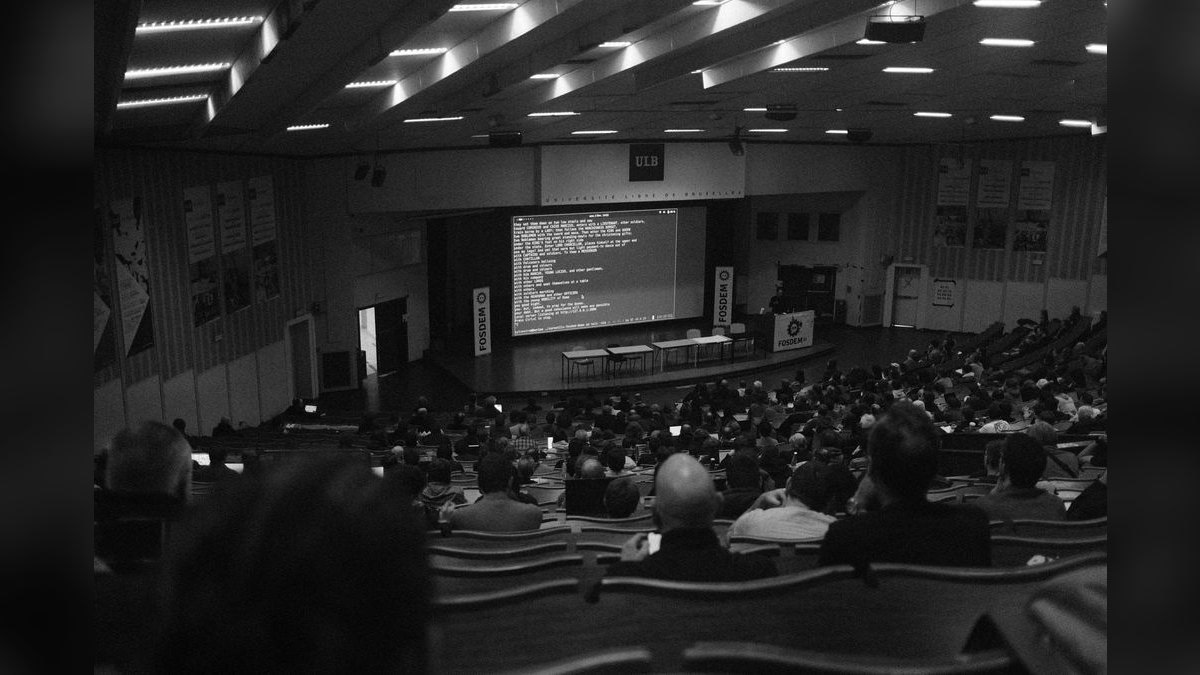
For a conference opening keynote, storytelling serves several specific functions. First, it humanizes the speaker and bridges the gap between the stage and the audience. A speaker who shares a personal failure or moment of doubt becomes relatable rather than remote. Second, stories create a shared emotional experience that unifies the room. When the audience laughs, gasps, or nods together during a story, they form an implicit bond that enhances collective engagement for the rest of the event. Third, stories are inherently memorable. Abstract concepts or data points are easily forgotten, but a narrative with characters, conflict, and resolution sticks in the mind. The best keynote stories are concise, relevant to the audience's context, and structured with a clear arc that leads to a lesson or insight that connects directly to the conference theme. For more guidance on crafting compelling narratives for speeches, see our article on How to Structure a Keynote Speech for Maximum Impact.
What Role Does Audience Interaction Play in a Keynote Opening?
Audience interaction in a keynote opening can transform a passive listening experience into an active, participatory one, significantly increasing engagement and retention. Even simple gestures, such as asking the audience to raise their hands in response to a question or to turn to a neighbor and share a thought, can break the fourth wall and create a sense of involvement. This technique is particularly effective for larger audiences where individual connection feels impossible.
The type of interaction should match the speaker's style and the audience's comfort level. Low-risk interactions, like a show of hands or a quick poll, work well in the opening minutes when trust is still being built. More involved interactions, such as asking attendees to share a personal experience with a partner, should come later in the speech once rapport is established. Technology can also facilitate interaction in virtual or hybrid settings through live polls, chat questions, or reaction emojis. However, speakers must be careful not to let interaction derail the speech's flow. Each interactive moment should serve a clear purpose—whether to illustrate a point, gather real-time data, or build community—rather than being included for its own sake.
How Can a Speaker Recover from a Mistake During a Keynote Opening?
Mistakes during a keynote opening are inevitable, but how a speaker handles them often leaves a stronger impression than the mistake itself. The first rule of recovery is to maintain composure. Panic is contagious, and an audience that senses a speaker's distress will become uncomfortable and disengage. Instead, the speaker should take a deliberate pause, take a breath, and if appropriate, acknowledge the mistake with humor or humility.
For verbal mistakes, such as misstating a statistic or stumbling over a word, the best approach is to simply correct it and move on without dwelling. Over-apologizing draws unnecessary attention to the error and disrupts the speech's momentum. For more significant issues, such as forgetting a key point or losing one's place, the speaker can pivot to a prepared "safety line" that buys time to recover. For example, "That's a great reminder that even the best-laid plans need a backup. Let me reframe this another way." This acknowledges the disruption while maintaining authority. Technical failures, such as a malfunctioning microphone or blank slides, should be met with a calm, prepared response. The speaker should have a printed copy of key points and be able to speak without slides for at least two to three minutes. A confident recovery from a mistake can actually strengthen the speaker's credibility, as it demonstrates resilience and authenticity.
What Are the Best Practices for Rehearsing a Conference Keynote Opening?
Rehearsal is the single most important factor in delivering a confident and effective keynote opening, yet it is often neglected or done poorly. Best practices for rehearsal go beyond simply reading the speech aloud. The first step is to rehearse in the actual environment, or as close to it as possible. Practicing on the actual stage with the microphone, lighting, and sound system reveals issues that cannot be anticipated in a living room or office. If the venue is unavailable, the speaker should simulate the environment by standing, using a microphone, and projecting to an empty room.
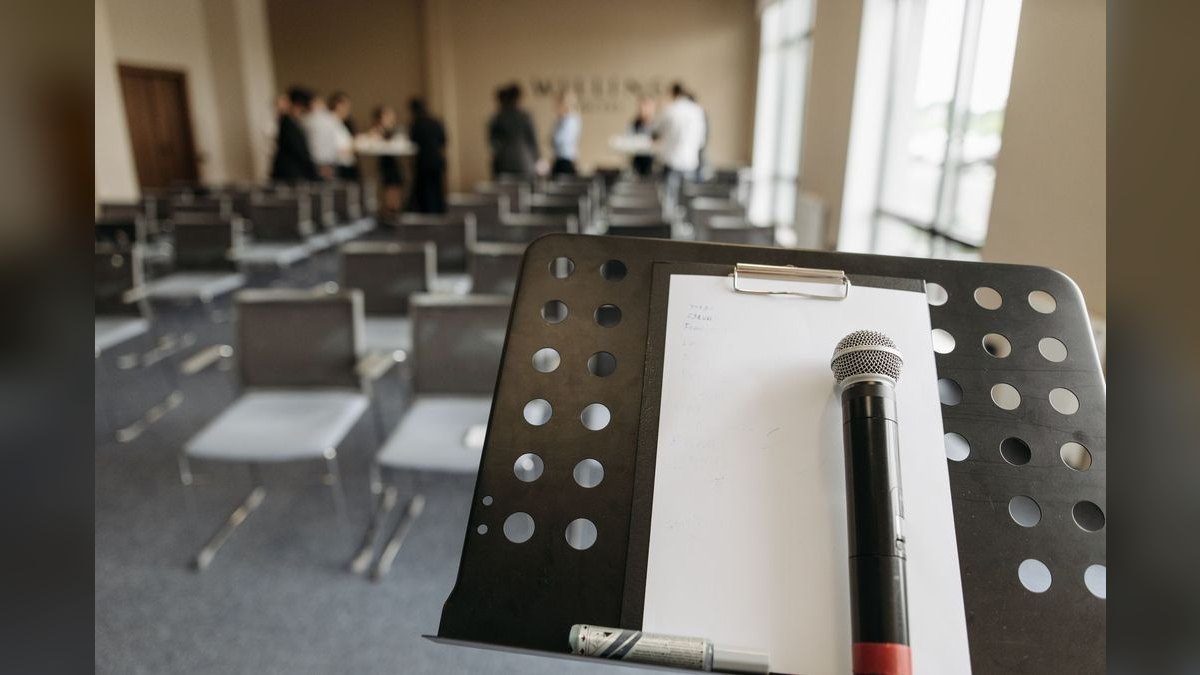
The second best practice is to rehearse with specific feedback mechanisms. Recording the speech on video allows the speaker to observe their body language, pacing, and vocal variety. Watching the playback without sound reveals visual habits, such as fidgeting or avoiding eye contact. Listening without video highlights verbal tics, such as excessive use of "um," "like," or "you know." The third practice is to rehearse under pressure. Simulating the adrenaline of a live audience by rehearsing in front of a small, critical group of colleagues or friends can help the speaker build tolerance for performance anxiety. Finally, the speaker should rehearse the opening and closing lines from memory, without notes, to ensure they can hold the audience's eyes during these critical moments. The middle of the speech can be guided by notes, but the first and last 60 seconds should be fully internalized.
How Does a Keynote Opening Set the Tone for the Entire Conference?
The keynote opening functions as the emotional and intellectual compass for the entire conference, establishing the norms, expectations, and energy that will carry through every subsequent session. A well-crafted opening signals to attendees what kind of experience they are about to have. For example, a keynote that opens with a humorous, self-deprecating story sets a tone of approachability and encourages informal networking. In contrast, a keynote that opens with a sobering statistic about industry challenges sets a tone of urgency and shared purpose, prompting attendees to approach sessions with a problem-solving mindset.
The keynote also establishes the social contract for the event. When the speaker explicitly encourages behaviors like asking "stupid" questions, approaching strangers, or sharing failures, they give attendees permission to step outside their comfort zones. This is particularly important for conferences where attendees may feel intimidated by the expertise of others. The speaker's energy level is equally influential. A high-energy, enthusiastic delivery is contagious and motivates attendees to bring their best selves to the event. Conversely, a low-energy or overly formal opening can dampen enthusiasm and create a passive atmosphere. For more insights on how to tailor your opening to different event types, explore our article on A Speech for a Quarterly All-Hands Opening. Ultimately, the keynote opening is the first and most powerful opportunity to shape the collective experience of the conference, making it a responsibility that should not be taken lightly.
Related questions
How long should a conference opening keynote last?
A conference opening keynote typically lasts 10 to 20 minutes for optimal energy and impact, though some events schedule up to 45 minutes for deeper storytelling or audience interaction.
What is the best way to start a keynote speech?
The best way to start a keynote speech is with a strong hook—an unexpected statistic, a personal story, or a provocative question—that grabs attention within the first 10 seconds and establishes immediate relevance.
Should I use slides during my opening keynote?
Slides can be effective but should be minimal, with no more than 10-15 slides for a 30-minute talk, using high-quality images or short video clips rather than dense text to support your narrative.
How do I handle nerves before a keynote speech?
Practice deep breathing or power poses 5-10 minutes before going on stage, rehearse your opening lines aloud multiple times, and remember that most speakers find nerves fade after the first 60-90 seconds.
What's the ideal audience size for an opening keynote?
Opening keynotes work for audiences from 50 to several thousand; for smaller groups use direct eye contact and Q&A, while larger audiences rely on strong vocal projection and larger gestures.
FAQ
How do I end a keynote speech memorably? Close with a clear call to action or a single, powerful takeaway that ties back to your opening. Avoid trailing off with "thank you"—instead, pause, state your final line, and let the applause build naturally before transitioning to the next speaker or session.
What if I forget my lines during the keynote? Take a deliberate pause, take a breath, and if needed, acknowledge the moment with humor or pivot to a prepared safety line. The audience will respect your composure far more than they will remember the mistake itself.
Can I use humor in a conference opening keynote? Yes, humor is highly effective when it is authentic, relevant, and self-deprecating rather than at the expense of others. Avoid inside jokes or politically charged topics that might alienate part of the audience.
How much should I personalize my keynote for a specific audience? Maximum personalization is essential; reference the specific industry, company, or event theme by name, and include a tailored story or example that demonstrates you have done your homework about the audience.
What is the most common mistake in keynote openings? Starting with a generic thank-you or a lengthy list of acknowledgments is the most common mistake. It wastes the critical first moments and signals that the speaker prioritizes protocol over the audience's time.
Should I memorize my entire keynote speech? No, memorize only the opening and closing lines so you can hold the audience's eyes during those critical moments. The middle of the speech should be guided by notes or bullet points to allow for natural delivery.
How do I transition from my keynote to the next session? End with a clear, concise handoff that names the next speaker or session, states what attendees can expect, and thanks the audience for their presence. Avoid abrupt endings or trailing off.
What if the audience seems disengaged during my opening? Pivot by asking a direct question, increasing your energy level, or telling a more personal story. Reading the room and adjusting in real time is a skill that develops with practice and preparation.
Sources
- TED Talks: How to Write a TED Talk in 5 Steps
- Toastmasters International: Speech Contest Rules and Resources
- Harvard Business Review: How to Give a Killer Presentation
- National Speakers Association: Professional Speaking Resources
- Purdue Online Writing Lab: Speech Writing and Rhetorical Strategies
- Forbes: 10 Tips for Giving a Great Keynote Speech
- Inc.: The Science of Public Speaking
- American Psychological Association: The Psychology of Storytelling
Related on PULSE
This page will be disappearing soon. Save it to your device for $1 — or read it free while it is here.
@Kory-White- · if Venmo asks, the last 4 of my number are 2012
This page is gone.
This one is off the shelf now. $1 keeps it on your phone for good — the whole page, pictures and diagrams included.
 pulse-speechesA Speech for a Sales Kickoff
 pulse-speechesA Retirement Speech for a CEO
 pulse-speechesHow to Keep a Wedding Toast Under Three Minutes in 2027
 pulse-speechesA Toast for a Christening
 pulse-speechesHow to Structure a Best Man Speech in 2027
 pulse-speechesA Speech for a Team Offsite Kickoff
 pulse-speechesWhat Makes Reagan's "Tear Down This Wall" a Great Speech in 2027
 pulse-speechesA Speech for a Church Anniversary
 pulse-speechesA Wedding Speech for a Second Marriage
 pulse-speechesA Graduation Speech for a Kindergarten Graduation