
A Speech to Thank Volunteers at a Community Event
 Curated byKory White · Fractional CRO · Maryland
 PULSEKNOWLEDGE LIBRARY
To thank volunteers at a community event, your speech should express genuine gratitude for their time and effort, highlight a specific impact they made, and acknowledge the collective spirit that made the event possible. Keep it warm and concise—typically lasting one to two minutes. Mention the number of volunteers or hours contributed only if you know the exact figure; otherwise, use general terms like "many hands" or "countless hours." End with a sincere invitation to celebrate together. The most effective volunteer thank-you speeches balance heartfelt appreciation with concrete details that show you were paying attention, transforming a routine acknowledgment into a memorable moment that strengthens community bonds and inspires future participation.
How Should You Structure a Volunteer Thank-You Speech for Maximum Impact?
A well-structured volunteer thank-you speech follows a logical flow that builds emotional resonance and keeps the audience engaged from start to finish. Begin with a warm welcome that immediately acknowledges the volunteers' presence and effort, then transition into recognizing the specific work they accomplished. After establishing the context, highlight the tangible impact of their contributions—whether it's the number of meals served, the area of park cleaned, or the funds raised for a cause. This factual grounding makes your gratitude feel real and earned rather than generic.
The middle section of your speech should include one or two specific stories or examples that illustrate the volunteers' dedication. This is where you can name a particular person’s heroic effort or describe a moment when the team overcame a challenge together. Following the stories, express your gratitude directly and sincerely, using "I" and "we" statements that feel personal rather than rehearsed. Finally, close with a call to future action—inviting volunteers to return, bring friends, or stay connected with your organization. This structure ensures your speech has a clear beginning, middle, and end, leaving volunteers feeling both appreciated and motivated.
What Specific Details Make a Volunteer Thank-You Speech Memorable?
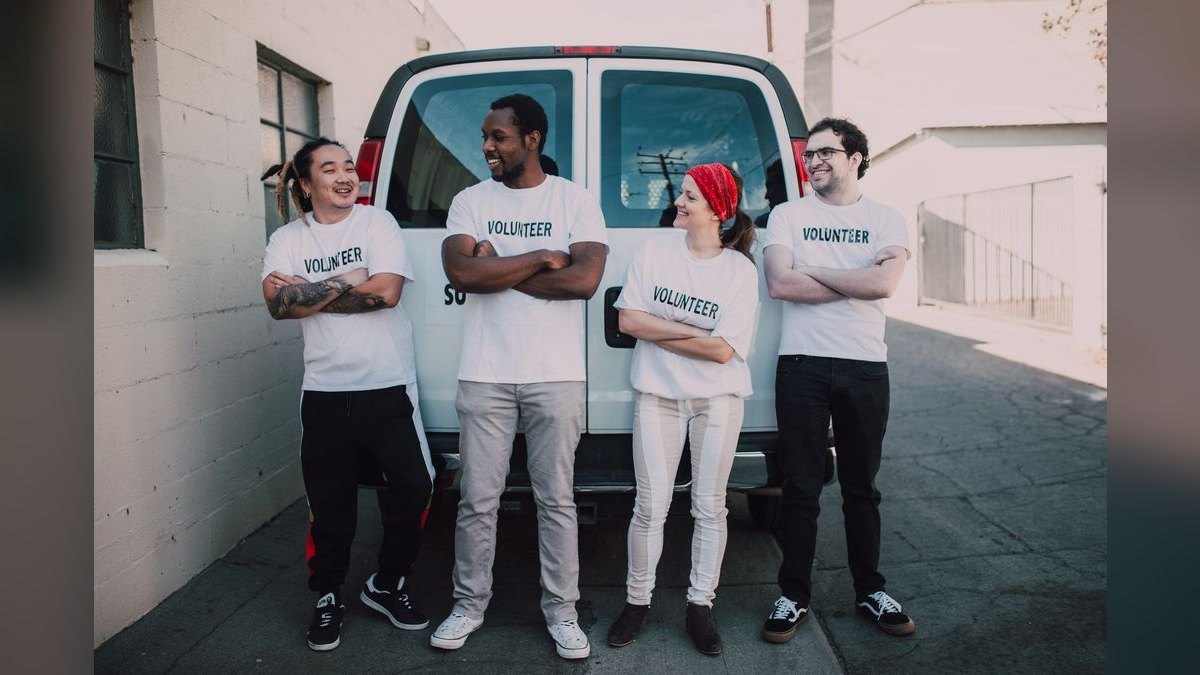
The difference between a forgettable thank-you and one that volunteers talk about for weeks lies in the specific details you include. Instead of saying "you all worked hard," mention the early morning hour they arrived or the unexpected weather they endured. Instead of "you made a difference," name the exact outcome—"because of you, 200 families received hot meals today." These concrete anchors give volunteers a clear picture of their contribution and show that you personally observed or understood their effort, which builds trust and deepens the emotional impact.
Including a single, well-chosen story about one volunteer's extraordinary act can elevate the entire speech. For example, describing how a volunteer stayed late to calm a distressed child or how a team worked through lunch to meet a deadline creates a vivid mental image that the whole audience can share. This approach works because human brains are wired to remember stories far better than lists of accomplishments. For more guidance on crafting memorable speeches for different audiences, explore our guide on speeches for community leaders or our tips on thanking donors at fundraisers.
How Can You Tailor Your Thank-You Speech to Different Types of Community Events?
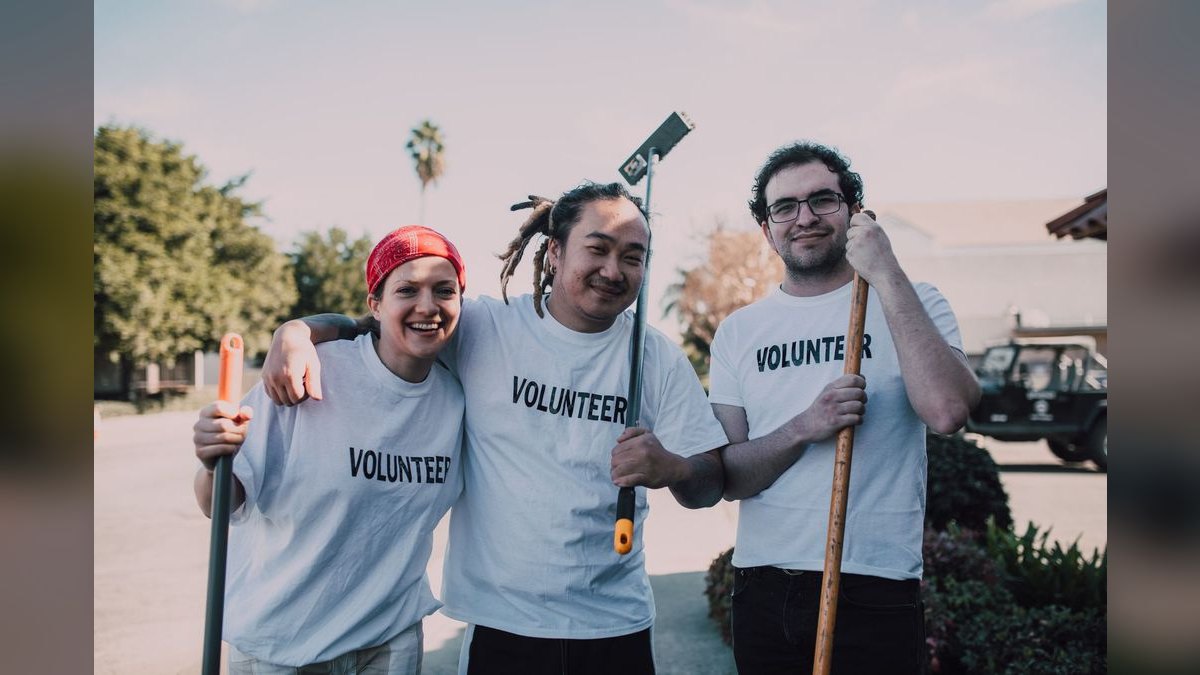
Not all community events share the same energy or emotional weight, and your speech should adapt accordingly. For outdoor hands-on events like park cleanups or food drives, use grounded, physical language that references the blisters, the early wake-up call, or the surprise rain shower everyone powered through. These concrete details show you were paying attention and make volunteers feel seen for their actual effort. For fundraising events or awareness walks, connect volunteer hours to tangible outcomes—"because of the 47 people who registered guests at the door, we raised enough to keep the shelter open for an extra month."
For cultural festivals or community celebrations, lean into the joy and diversity of the group by acknowledging different ages, backgrounds, and skills that came together. A volunteer who cooked 200 plates of food and a teenager who directed parking both deserve recognition, but the way you name their contribution should match the mood of the day. If the event was emotionally heavy—a memorial run, a disaster relief effort, or a fundraiser for a struggling family—your speech should honor that weight without becoming maudlin. Use quieter, more deliberate pacing, avoid forced jokes, and acknowledge the emotional energy volunteers invested. A simple line like "some of you showed up even though it was hard, and that means more than I can say" can carry enormous weight when delivered with genuine eye contact.
What Common Mistakes Should You Avoid When Thanking Volunteers?
One of the most common mistakes is accidentally centering the speaker instead of the volunteers. Phrases like "I was so impressed when I saw you all working" or "I want you to know how much I appreciate you" still put the focus on your feelings rather than their contributions. A stronger approach is to describe what the volunteers *did* and how it affected others. Instead of "I'm grateful for your hard work," try "the families who arrived this morning saw tables already set and smiles ready—that happened because of you." This shifts the emotional weight onto the community impact, not your personal opinion.
Another frequent error is making the speech too long or too generic. Volunteers are often tired and ready to go home after a long event, so a speech that drags past five minutes can feel like a burden rather than a gift. Keep it to 3-5 minutes at most, and avoid reading directly from a script in a monotone voice. Practice enough that you can make eye contact and speak naturally. Also avoid listing every single person by name unless the group is very small—instead, name one or two key individuals and thank the rest as a group. Finally, never end with a joke that deflates the moment or a rushed "so, yeah, thanks again." A warm, sincere, forward-looking close leaves volunteers feeling appreciated and eager to return.
How Can You Create a Closing That Inspires Volunteers to Return?
The final 30 seconds of your speech are what volunteers will remember as they pack up and head home. A strong closing does three things: it reinforces the emotional core of your gratitude, it gives a clear call to action for future involvement, and it ends on a note that feels complete rather than abrupt. Avoid trailing off with "so, yeah, thanks again" or rushing to hand the microphone back. Instead, pause, make eye contact with a few people in different parts of the crowd, and deliver your closing line slowly. One effective technique is to end with a shared vision for the next event—"next year, we're going to double the size of this festival, and I hope every single one of you is standing right here with me when we do."
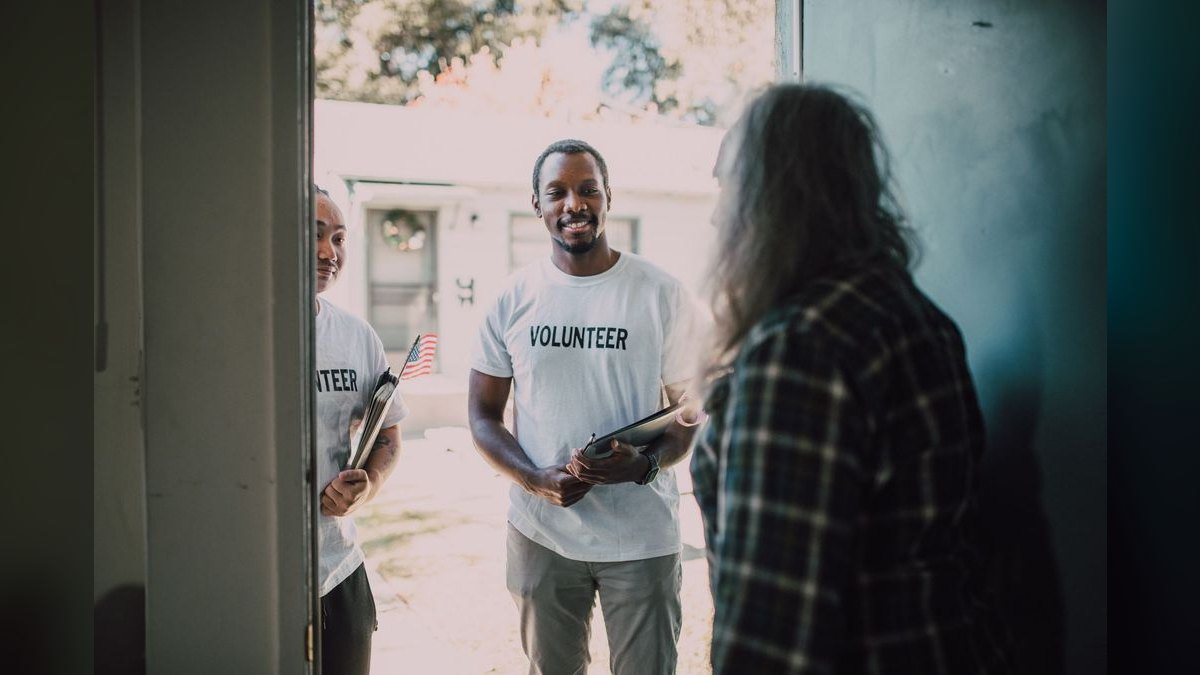
If your organization has a specific volunteer sign-up sheet or email list, mention it explicitly in the closing. "There are clipboard volunteers at the exit—please add your name if you want to help us plan the spring cleanup." Make it easy for them to say yes right now, while the good feelings from your speech are fresh. Another closing approach is to use a simple, vivid image that encapsulates the day's spirit. "I'll always remember the sight of all of you fanning out across the park at sunrise, carrying trash bags and coffee cups, ready to work. That image is what community looks like." This gives volunteers a mental picture to carry with them, one that reinforces their sense of purpose and connection to your cause.
Related questions
How long should a volunteer thank-you speech be?
Aim for 3-5 minutes when spoken aloud, which is roughly 400-700 words—long enough to feel sincere and cover key points, short enough to keep the audience engaged and respectful of their time.
Should I name specific volunteers in my speech?
Yes, but limit it to 1-3 names to avoid a long list. Choose people who went above and beyond or who handled a critical task, and keep the tone warm and appreciative rather than like a roll call.
Can I use humor in a volunteer thank-you speech?
Absolutely, as long as it's light and inclusive. A brief, self-deprecating joke or a funny group memory works well, but avoid anything that could embarrass a volunteer or undercut the sincerity of your message.
What if I get emotional while speaking?
That's completely natural and often appreciated by the audience. Pause, take a breath, and look at the group—a moment of genuine emotion can make your thanks more memorable and authentic.
How do I handle thanking volunteers at a virtual event?
Keep the speech slightly shorter (2-3 minutes) since attention spans online are shorter. Make eye contact with the camera, use specific names in the chat, and consider having volunteers unmute for a group thank-you at the end.
FAQ
How should I start a volunteer thank-you speech? Start with a warm, attention-grabbing opener that acknowledges the volunteers' presence and effort. A simple "Can I have everyone's attention for just a moment?" followed by a sincere "I want to thank each of you for being here today" works well. Avoid starting with a joke or a long preamble about the event's history—get straight to the gratitude.
What if I don't know exact numbers of volunteers or hours? Don't fabricate numbers. Instead, use general terms like "many hands" or "countless hours" that still convey the scale of effort without risking inaccuracy. You can also say "look around at this room" to let the visual of the crowd speak for itself.
Is it okay to mention future volunteer needs at the end? Yes, but only briefly and framed as an invitation, not a plea. For example: "If you'd like to help again, we'd love to have you back next season." This turns gratitude into an opportunity without making volunteers feel pressured or obligated.
How do I thank volunteers who worked behind the scenes? Acknowledge them specifically by saying something like "I also want to thank the people you may not have seen today—the ones who set up before dawn, washed dishes in the back, or managed the registration table. Your work was the foundation everything else was built on."
Can I use a written script or should I speak from memory? It's fine to have notes or a printed copy on stage, but practice enough that you can make eye contact and speak naturally. Reading every word from a page can feel stiff and impersonal. Highlight key phrases or bullet points to guide you without reading verbatim.
What if I'm not a confident public speaker? Focus on sincerity over polish. Practice the speech 2-3 times aloud, keep a printed copy nearby, and make eye contact with a few friendly faces in the crowd. Your genuine gratitude will shine through even if you stumble over a few words—volunteers care more about your heart than your delivery.
How do I close a volunteer thank-you speech effectively? End with a warm, forward-looking statement that invites future participation. A simple "Thank you from the bottom of my heart. Now let's give it up for our volunteers!" followed by leading the applause works perfectly. Avoid ending with a question or a trailing off—finish with confidence and clarity.
Should I thank volunteers individually if there are many? No—naming dozens of people becomes tedious and can make the speech feel like a roll call. Instead, name 1-3 key individuals who made extraordinary contributions, then thank the rest as a group with a sweeping gesture or a collective "to every single one of you."
Sources
- American Red Cross - Volunteer Appreciation Guidelines
- Toastmasters International - Public Speaking Resources
- Points of Light Foundation - Volunteer Engagement Best Practices
- Harvard Business Review - The Power of Gratitude at Work
- National Volunteer Week - Official Recognition Templates
- U.S. Department of Labor - Volunteer Recognition Programs
- Forbes - How to Give a Memorable Thank-You Speech
Related on PULSE
- [A 2-Minute Thank-You Speech for an Honor](/knowledge/sp0065)
- [A Speech to Thank Donors at a Fundraiser](/knowledge/sp0079)
- [A Speech for a Customer Appreciation Event](/knowledge/sp0202)
@Kory-White- · if Venmo asks, the last 4 of my number are 2012
 pulse-moviesTop 10 Movies on Netflix 2027
 pulse-moviesTop 10 Movies on Max 2027
 pulse-moviesTop 10 Fantasy Movies of All Time in 2027
 pulse-moviesTop 10 Documentaries of All Time in 2027
 pulse-moviesTop 10 Superhero Movies of All Time in 2027
 pulse-moviesTop 10 Romance Movies of All Time in 2027
 pulse-moviesTop 10 Westerns of All Time in 2027
 pulse-moviesTop 10 Musical Movies of All Time in 2027
 pulse-moviesTop 10 Thriller Movies of All Time in 2027
 pulse-moviesTop 10 Crime Movies of All Time in 2027