
A Speech to Thank Donors at a Fundraiser
 Curated byKory White · Fractional CRO · Maryland
 PULSEKNOWLEDGE LIBRARY
A speech to thank donors at a fundraiser must do more than express gratitude—it must connect each gift to a tangible human outcome, making every donor feel personally responsible for that impact. The most effective speeches open with a warm acknowledgment of the collective effort, share a single vivid story of a person or family helped, explicitly credit donors by category, and close with a forward-looking commitment to the mission. Avoid generic thanks or long lists of statistics; instead, let one authentic narrative and one clear "you did that" moment carry the emotional weight of the entire address.
This guide provides a complete, customizable speech template, practical delivery tips, and strategic variations for different event formats—all designed to help nonprofit leaders, board members, and volunteers deliver a sincere, impactful thank-you that leaves donors feeling proud, seen, and inspired to continue their support. By following the structure and techniques outlined here, you can transform a routine acknowledgment into a powerful moment of connection that strengthens donor relationships and reinforces the mission.
What Is the Ideal Structure for a Donor Thank-You Speech?
A successful thank-you speech follows a clear emotional arc that moves from appreciation to impact to forward momentum. Begin by grounding the audience in the shared moment—acknowledge their presence, the specific occasion, and the collective effort that brought everyone together. This opening should be warm, personal, and free of jargon, using phrases like "I'm grateful to look out at a room full of people who decided to do something generous instead of something easy." The goal is to immediately create a sense of belonging and shared purpose.
The core of the speech is a single, specific story of someone your organization has helped. This is where you connect dollars to human impact. Choose one real person or family—use a first name and one vivid detail ("Maria, who graduated last spring")—and describe how their life changed because of the donors' gifts. This narrative should take up about 40% of your speaking time and be delivered with genuine emotion, not recited from a script. The story should include a clear before-and-after contrast that highlights the transformation made possible by donor support.

After the story, explicitly thank donors by category—monthly sustainers, corporate partners, first-time givers, major donors—so each group feels personally recognized. Avoid a tedious roll call of names; instead, use tiered language like "from every $10 donation to every $10,000 gift, your support drives our mission." Close with a forward-looking statement that ties back to the evening's goal, not just a generic "thank you." A typical structure runs 3–5 minutes spoken, which is long enough to be meaningful but short enough to hold attention. For more on structuring speeches, see A Speech for a Charity Fundraiser.
How Can You Tailor the Speech for Different Donor Audiences?
The tone and content of your speech should shift depending on who is in the room. For a small, intimate gathering of major donors—such as a board-hosted dinner for 20–40 people—use a conversational, almost personal tone. Mention specific past gifts by name if appropriate, and speak directly to their long-term commitment. Phrases like "your sustained partnership is the foundation on which our mission stands" work well here, as they acknowledge the depth of their investment. In this setting, you can also reference specific board members or volunteers by name to create a sense of exclusivity and appreciation.

For a large public fundraiser, such as a gala with 200+ attendees, your language needs to be more energetic, inclusive, and slightly formal. Use shorter sentences and clearer transitions to keep the crowd engaged. For virtual or hybrid events, keep your speech even tighter—2–3 minutes maximum—and use visual aids or a brief video clip to maintain engagement. If your donors are primarily young professionals or community volunteers, avoid jargon and corporate-speak; instead, use language that emphasizes shared values and grassroots action.
Always test your speech aloud with a colleague who represents your target donor demographic to catch phrasing that might feel off-putting or overly sentimental. This practice helps ensure your message resonates authentically with the specific audience in attendance. For more guidance on crafting speeches for different audiences, see A Speech to Thank Volunteers at a Community Event.

What Are the Best Delivery Tips for a Sincere Presentation?
How you deliver the speech matters as much as the words themselves. Practice in front of a mirror or record yourself on your phone, focusing on pacing—many speakers rush through the emotional core of the speech. Pause for 2–3 seconds after mentioning a specific dollar amount raised or after sharing a beneficiary's story; silence lets the moment land. Make eye contact with a few friendly faces in different parts of the room rather than scanning the crowd or reading from notes. This technique creates a sense of personal connection with individual donors.
If you use a notecard, keep it to bullet points only—never a full script. Your voice should drop slightly in pitch at the end of sentences to convey sincerity, not rise as if asking a question. For virtual events, look directly into the camera lens, not at your screen, and position your face in the top third of the frame. A small, genuine smile at the start and end of your speech signals warmth without seeming rehearsed. Finally, have a glass of water nearby and take a sip before you begin—dry mouth is common and can make you sound nervous.

Body language also plays a critical role. Stand with your feet shoulder-width apart and use hand gestures to emphasize key points, but avoid nervous fidgeting or pacing. If you feel your voice wavering, take a slow breath and continue. The audience is on your side and wants you to succeed. For additional public speaking tips, check out Tips for Public Speaking at Charity Events.
How Do You Personalize the Speech for Maximum Impact?
Tailor the speech to the specific donor group in the room. If they are long-time supporters, reference the history of their commitment. If they are first-time givers, welcome them into the community. For a corporate sponsor, acknowledge their team's broader involvement. Use the name of your organization and the specific campaign or project funded. Avoid generic phrases like "your generosity means the world" without showing how. Instead, say something like, "Because of you, 50 children in our after-school program now have a safe place to learn every evening." This makes the gratitude feel earned and real.

The single most powerful swap you can make is replacing a vague "your donations help us serve families" with a specific, named person—like "Maria, who graduated last spring." This one change transforms a generic thank-you into a moment of shared pride. You can also incorporate specific details about the event itself, such as the total amount raised or the number of new donors who joined that evening. These concrete references ground the speech in the present moment and make the gratitude feel immediate.
Consider adding a brief anecdote from your own experience with the organization—a moment when you saw the impact firsthand. This personal touch builds trust and authenticity. For more on personalizing donor communications, check out How to Structure a Nonprofit Fundraising Speech.

What Are Common Mistakes to Avoid in Donor Thank-You Speeches?
The most common mistake is making the speech about the organization instead of the donors. Phrases like "we are proud to announce" or "our team worked hard" shift the focus away from the people who made the work possible. Instead, use language that centers the donors: "because of you," "your generosity made this happen," "you did that." Every sentence should reinforce that the donors are the heroes of the story.
Another frequent error is overloading the speech with statistics or program details. While one concrete number can be powerful—"we served 47 families this year"—listing multiple data points dilutes the emotional impact. Stick to one vivid story and one key outcome. Avoid reading directly from a script, which can feel impersonal and rehearsed. Finally, never end with a hard ask for more money in a pure thank-you speech. If the event's goal is ongoing support, frame it as an invitation to continue the partnership, not a demand for additional funds.
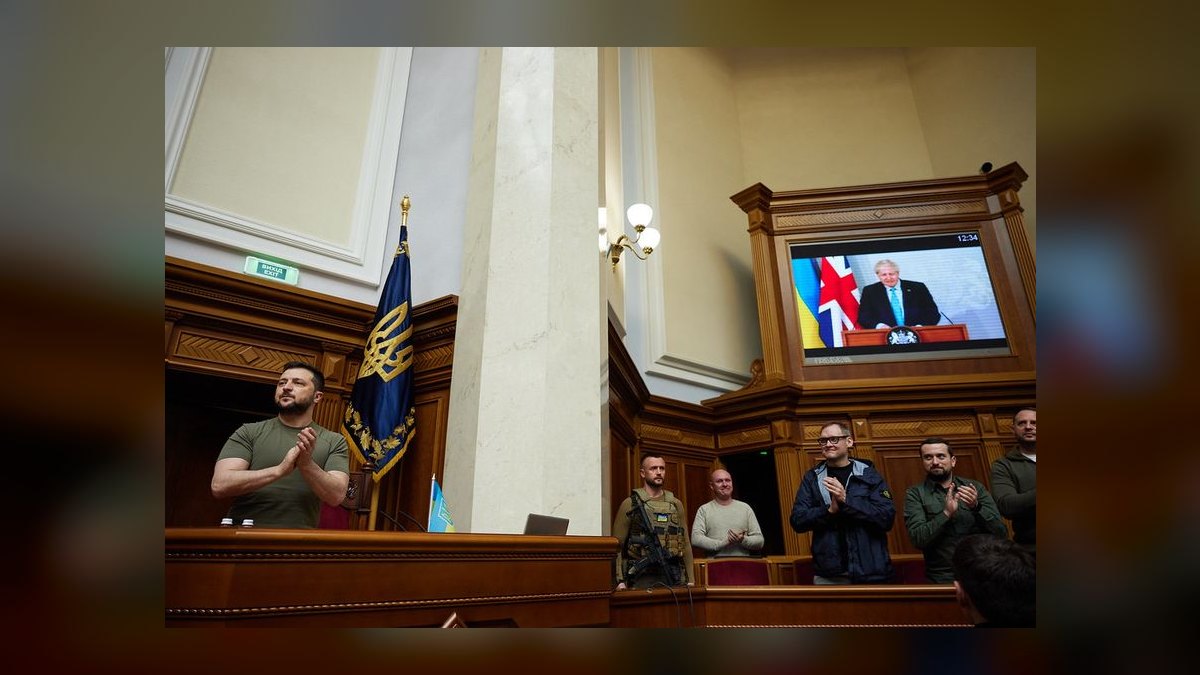
Other pitfalls include speaking too quickly, forgetting to acknowledge volunteers or staff, and using overly complex language. Keep sentences short and conversational. Avoid inside jokes or references that only a few people will understand. The goal is to make every donor in the room feel included and appreciated.
How Can You Adapt the Speech for Different Event Formats?
For a 2-minute short version, condense the speech to a warm opening, one impact statement, and a heartfelt thank-you. Example: "Good evening. I'm [name] with [organization], and I get the best job tonight—saying thank you. Because of the people in this room, we were able to [specific win] this year. That wasn't us in the office. That was you. So thank you—for trusting us, for showing up, for believing this work matters. We'll spend your generosity like it counts, because it does."
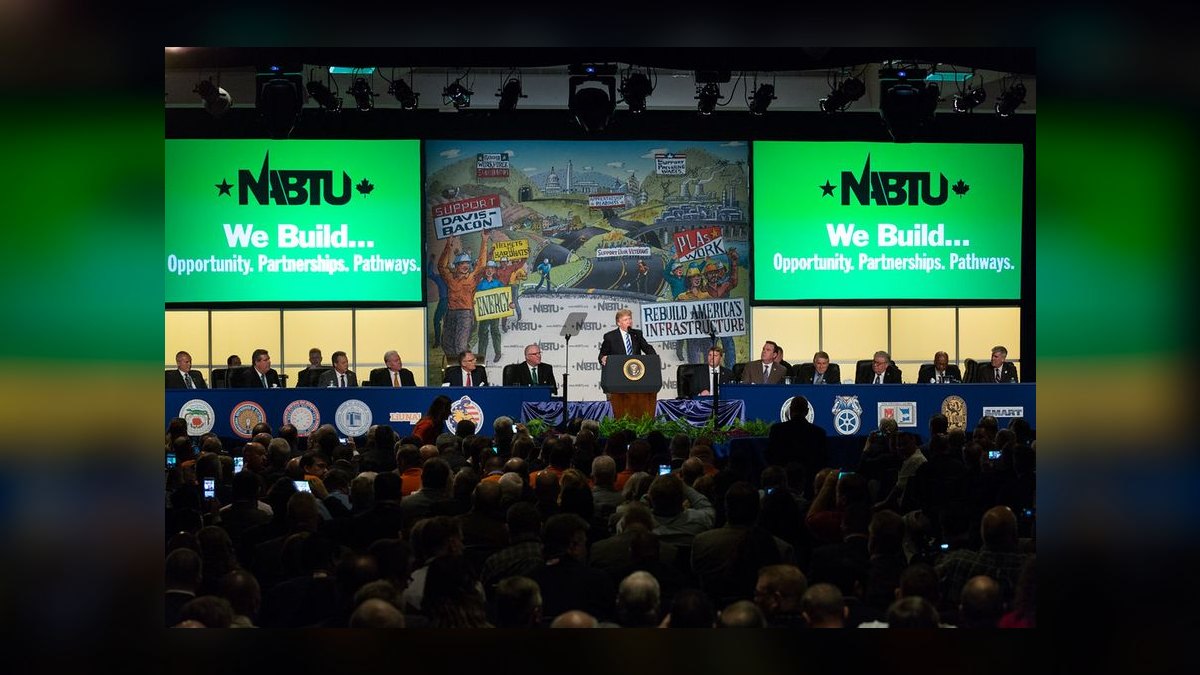
For a longer, more formal version suited to a board chair or major-gift gala, expand the language to include board acknowledgments and a broader vision statement. Example: "On behalf of the board of directors of [organization], it is my privilege to extend our deepest gratitude to every donor, sponsor, and volunteer in this room. Your investment this evening will directly fund [specific program], and your sustained partnership is the foundation on which our mission stands. We do not take it for granted."
For a virtual event, keep the speech under 3 minutes, use a static background, and hold a prop—like a photo of the person your organization helped—to maintain visual interest. For a breakfast meeting or afternoon reception, keep the tone lighter and shorter, focusing on gratitude rather than detailed program descriptions. Always match the energy level of the room and the time of day. For more on adapting speeches, see A Speech for a Charity Fundraiser.
Related questions
What are the key elements of a donor thank-you speech?
A donor thank-you speech should include a warm opening, a specific story of impact, explicit thanks by donor category, and a forward-looking closing. Avoid statistics overload and keep the focus on the donors' role in achieving the mission.
How long should a speech to thank donors be?
Aim for 3 to 5 minutes. That's enough time to express genuine gratitude, share a quick impact story, and name specific donor contributions without losing the audience's attention.
Should I mention specific donor names in the speech?
Yes, if you have permission and the donor list isn't too long. Naming top-tier donors or long-time supporters makes the thanks feel personal, but keep it to a handful of key individuals or groups to avoid a tedious roll call.
How do I handle thanking donors who gave different amounts?
Acknowledge every gift as meaningful, then highlight major donors or tiers without ranking publicly. Phrases like "from every $10 donation to every $10,000 gift, your support drives our mission" keep the tone inclusive and respectful.
What if I'm nervous about public speaking at a fundraiser?
Practice the speech aloud three to five times before the event, and keep a printed copy or note cards on stage. Focus on the donors' generosity rather than your performance—most audiences are rooting for you and won't notice small stumbles.
FAQ
How long should a speech to thank donors be? Aim for 3 to 5 minutes. That's enough time to express genuine gratitude, share a quick impact story, and name specific donor contributions without losing the audience's attention.
Should I mention specific donor names in the speech? Yes, if you have permission and the donor list isn't too long. Naming top-tier donors or long-time supporters makes the thanks feel personal, but keep it to a handful of key individuals or groups to avoid a tedious roll call.
What if I'm nervous about public speaking at a fundraiser? Practice the speech aloud three to five times before the event, and keep a printed copy or note cards on stage. Focus on the donors' generosity rather than your performance—most audiences are rooting for you and won't notice small stumbles.
Can I include a story about how the funds will be used? Absolutely—a brief, concrete example (like "this year's donations helped us provide 200 after-school scholarships") is powerful. Just avoid made-up numbers; use honest estimates or ranges if exact figures aren't available.
Should I end with a call to action? Only if the event's goal is ongoing or future giving. For a pure thank-you speech, a warm closing that reiterates gratitude and invites continued partnership works better than a hard ask.
How do I handle thanking donors who gave different amounts? Acknowledge every gift as meaningful, then highlight major donors or tiers without ranking publicly. Phrases like "from every $10 donation to every $10,000 gift, your support drives our mission" keep the tone inclusive and respectful.
What is the most common mistake in donor thank-you speeches? Making the speech about the organization instead of the donors. Shift the focus to "because of you" and "you did that" rather than "we are proud to announce."
How can I make the speech feel more personal? Use one specific, named person your organization helped—like "Maria, who graduated last spring"—and describe their story in vivid detail. This transforms a generic thank-you into a moment of shared pride.
Should I use humor in a thank-you speech? Light humor can work if it feels natural and appropriate for the audience. Avoid jokes that might fall flat or seem insensitive. A warm, genuine smile and a brief humorous observation about the event can help break the ice.
How do I handle technical difficulties during a virtual speech? Stay calm and acknowledge the issue briefly. Have a backup plan, such as a printed copy of your speech or a pre-recorded version. The audience will appreciate your professionalism and composure.
Sources
- The Nonprofit Times
- Charity Navigator
- Association of Fundraising Professionals (AFP)
- The Chronicle of Philanthropy
- Toastmasters International
- Harvard Business Review
- Nonprofit Quarterly
- Stanford Social Innovation Review
- Grantmakers for Effective Organizations
- National Council of Nonprofits
Related on PULSE
- [A 2-Minute Thank-You Speech for an Honor](/knowledge/sp0065)
- [A Speech for a Charity Fundraiser](/knowledge/sp0213)
- [A Speech to Thank Volunteers at a Community Event](/knowledge/sp0098)
@Kory-White- · if Venmo asks, the last 4 of my number are 2012
 pulse-moviesTop 10 Movies on Netflix 2027
 pulse-moviesTop 10 Movies on Max 2027
 pulse-moviesTop 10 Fantasy Movies of All Time in 2027
 pulse-moviesTop 10 Documentaries of All Time in 2027
 pulse-moviesTop 10 Superhero Movies of All Time in 2027
 pulse-moviesTop 10 Romance Movies of All Time in 2027
 pulse-moviesTop 10 Westerns of All Time in 2027
 pulse-moviesTop 10 Musical Movies of All Time in 2027
 pulse-moviesTop 10 Thriller Movies of All Time in 2027
 pulse-moviesTop 10 Crime Movies of All Time in 2027