
A Wedding Speech for a Bridesmaid
 Curated byKory White · Fractional CRO · Maryland
 PULSEKNOWLEDGE LIBRARY
Quality
Certified
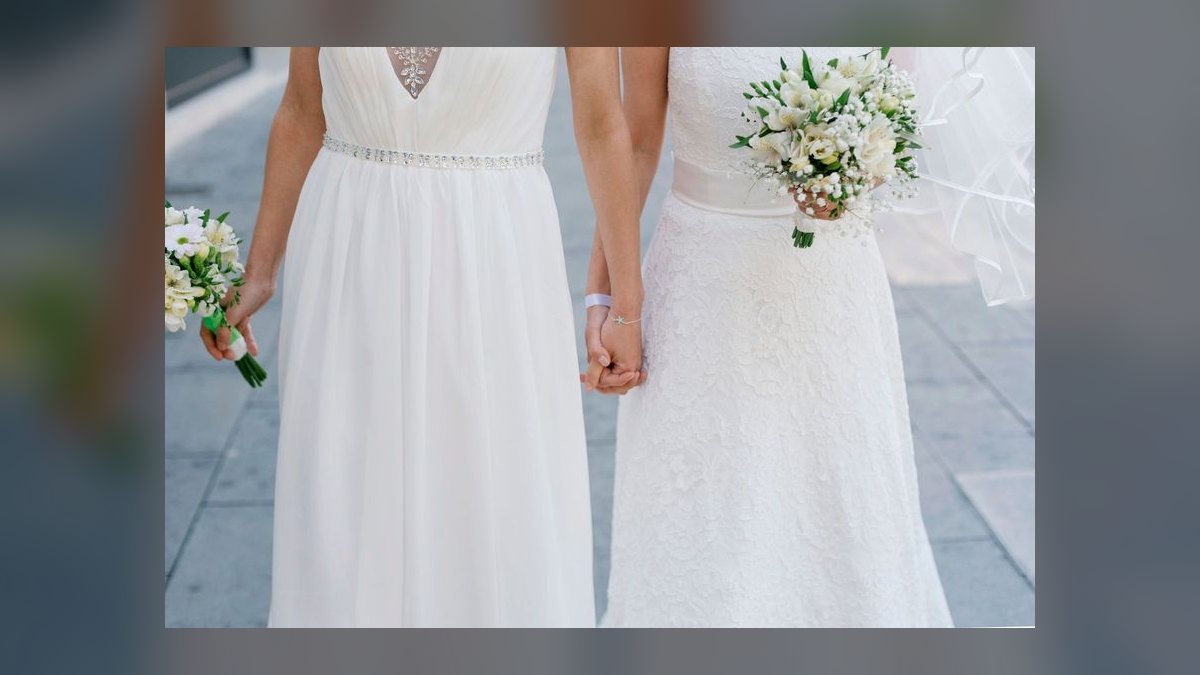
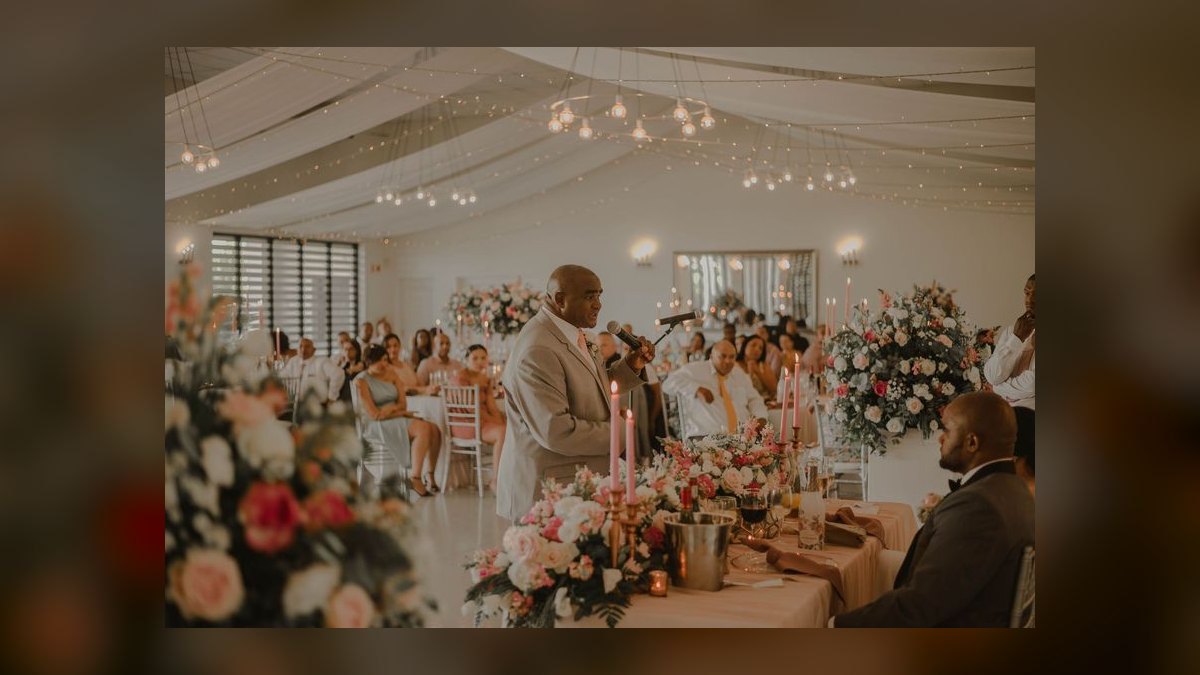
A wedding speech for a bridesmaid is a personal toast delivered during the wedding reception to honor the bride and celebrate the couple's union. This speech typically lasts three to five minutes and should blend heartfelt anecdotes about the bride with sincere well-wishes for the marriage. The most effective bridesmaid speeches balance warmth, humor, and authenticity, often concluding with a raised glass to the newlyweds. To craft a memorable toast, focus on one specific story that reveals the bride's character and seamlessly transitions into welcoming her partner, ensuring the entire room feels included in the celebration.
A bridesmaid's speech is more than a formality—it's a moment to publicly affirm the friendship that brought you to this day and to offer genuine support for the couple's future. While the structure may vary, the core elements remain consistent: a warm greeting, a personal story, praise for the couple, and a closing toast. The speech should feel natural and unforced, as if you're sharing a private moment with the bride while including every guest in the joy of the occasion. Timing is crucial; aim for approximately three minutes to keep the audience engaged while still delivering meaningful content.
How Should a Bridesmaid Structure Her Wedding Speech for Maximum Impact?
A well-structured bridesmaid speech follows a simple three-act framework that guides listeners from introduction to emotional connection to a clean finish. Act One opens with your identity and relationship to the bride—keep this to two or three sentences that ground you in the room. For example, "I'm Sarah, and I've been stealing Emma's fries since we were freshmen" immediately establishes familiarity without over-explaining. Act Two forms the emotional core: one short, vivid story that reveals the bride's character. This should be no longer than 30 seconds when spoken aloud and should hint at why she and her partner are right for each other. Choose a universal theme like support during hardship or a shared adventure to ensure all guests feel included.
Act Three is the toast itself—a pivot from story to celebration. Offer a sincere wish for the couple's future, then raise your glass. Keep language simple and direct: "To a lifetime of love, laughter, and stealing each other's fries." Practice this final line until it feels natural; your confidence here sets the tone for the entire room. This structure typically runs 2–3 minutes when delivered at a natural pace, long enough to be meaningful and short enough to hold attention. Avoid listing multiple stories or including inside jokes that exclude half the audience—instead, pick one moment that proves who the bride is and how her partner complements her.
What Specific Elements Make a Bridesmaid Speech Memorable and Heartfelt?
The most memorable bridesmaid speeches share three essential qualities: specificity, authenticity, and emotional arc. Specificity means replacing generic descriptions with concrete details—instead of saying "she's always there for me," share the exact moment she drove three hours for a bad day. This specificity creates a vivid picture that guests can connect with emotionally. Authenticity requires speaking in your natural voice rather than adopting a formal tone; the room will respond more warmly to genuine awkwardness than polished perfection. An emotional arc means guiding listeners from lighthearted introduction through deeper sentiment to a joyful conclusion—the speech should feel like a journey, not a list of compliments.
To achieve this, focus on one transformative moment in your friendship or in the couple's relationship. For instance, describe how you watched the bride become "softer and braver" after meeting her partner—this observation shows you see their love's impact without needing to declare it directly. Include a brief, affectionate nod to the partner, such as "you gained me, which I promise is a mixed blessing," to lighten the tone. The closing wish should be both ordinary and enormous—"slow mornings, inside jokes no one else will understand, a love that keeps choosing itself." This language resonates because it's relatable yet profound. Practice your speech aloud at least five times before the wedding, recording yourself to catch filler words like "um" and "like."

How Can a Bridesmaid Handle Nerves and Delivery Challenges During the Speech?
Nerves are normal and even beneficial when reframed as excitement. Your body's response—racing heart, shaky hands—is identical for both emotions; you choose the label. Before standing, press your feet firmly into the floor and feel the ground beneath you for three seconds. This grounding technique shifts focus outward and calms the nervous system. Speak 20% louder than feels natural, projecting from your diaphragm rather than your throat. In a reception hall with background noise, this ensures every guest hears you without straining. If using a microphone, hold it two to three inches from your mouth and speak across it, not directly into it, to avoid popping sounds.
Have a backup plan for forgotten lines: write the first sentence of each act on a single index card. If your mind goes blank, look at the couple and say something genuine like "I'm so happy to be here tonight"—this buys three seconds to find your place. If technology fails or another speech runs long, have a 30-second version ready: introduction, one line about the couple, and the toast. Grace under pressure is more memorable than a perfect speech. Practice your speech aloud at least five times in the week before the wedding—once in the shower for acoustics, once while driving, and once in front of a mirror. Record yourself and listen back to edit filler words. For more delivery techniques, see How to Keep a Wedding Toast Under Three Minutes.
What Should a Bridesmaid Include in a Short or Long Version of Her Speech?
A short version of a bridesmaid speech, suitable for crowded rooms or casual settings, should strip the speech to its essentials: introduction, one line about the couple, and the toast. For example: "To [the bride]—the friend who always shows up—and to [Partner], who finally gave her someone to show up for. I've never seen her happier. May you always be each other's 2 a.m. phone call. Cheers!" This 30-second version preserves the emotional core while respecting time constraints. The key is keeping the specific detail that defines your friendship—"always shows up"—and the intimate wish that connects to the couple's relationship.
For a longer, more formal version, add a second short story that illustrates the couple together, such as observing how they care for each other during a difficult moment. Include a brief thank-you to both families and to anyone who traveled far. For tone variations: a lighter version leans harder into gentle teasing and self-deprecating humor (like the "mixed blessing" joke), while a more solemn version trims humor and dwells on loyalty and the wish for hard days—better for smaller, intimate gatherings. Regardless of length, maintain the three-act structure and end with a raised glass. For additional speech templates, explore A Wedding Speech for a Vow Renewal or A Wedding Speech for a Same-Sex Wedding.
What Common Mistakes Should a Bridesmaid Avoid in Her Wedding Speech?
The most common mistake bridesmaids make is reading directly from a piece of paper without making eye contact. Instead, print your speech in large, bold font on a single index card or use your phone in airplane mode with a notes app. Hold it at chest height, not in front of your face. Practice glancing down for a key word, then looking up at the couple or audience for the full sentence. Another frequent error is including too many stories or inside jokes that exclude guests. Choose one vivid memory that reveals the bride's character and is understandable to everyone—a universal theme like support during a tough time or a shared adventure works best.
Avoid negative stories, ex-partners, or overly personal details that might make the couple uncomfortable. Also steer clear of rambling, reading verbatim from your phone, or drinking too much before you speak. The speech should feel like a love letter spoken out loud, not a stand-up routine or a therapy session. Don't forget to acknowledge the partner warmly—this shows you support the couple as a unit. Finally, avoid apologizing for nerves or the length of your speech; confidence, even if faked, commands respect. For more guidance on avoiding pitfalls, see A Wedding Speech for a Destination Wedding and A Wedding Speech for a Surprise Wedding.
Related questions
How do I personalize a bridesmaid speech without making it too long?
Focus on one specific, vivid memory that reveals the bride's character and keep it under 30 seconds when spoken. Replace generic details with concrete specifics—the broken radiator apartment, the 2 a.m. phone call—to make it personal without adding length.
What if I cry during the bridesmaid speech?
Pause, take a sip of water, and breathe—the room will wait for you. A few genuine tears are endearing and show authenticity. If you feel tears coming, stop and smile before continuing. Practice the first and last sentences so you can deliver them looking up.
Should I include the groom in my bridesmaid speech?
Yes—acknowledging the groom warmly shows you support the couple as a unit. Share a brief positive observation about how he complements the bride, but keep the spotlight mostly on your friendship with the bride. A line like "you gained the most loyal person I've ever met" works well.
How do I end a bridesmaid speech effectively?
End with a raised glass and a simple, sincere wish for the couple's future. Use language that feels both ordinary and enormous, like "slow mornings, inside jokes, a love that keeps choosing itself." Practice this final line until it feels natural.
Can I use humor in a bridesmaid speech?
Yes, light humor works well if it's kind and inclusive. A funny, short anecdote about the bride or couple can break the ice, as long as it's clearly affectionate and not embarrassing. Avoid inside jokes that exclude half the room.
FAQ
How long should a bridesmaid wedding speech be? Aim for 3 to 5 minutes when spoken at a natural pace, which translates to about 400–700 words. This allows you to share a few heartfelt stories without losing the audience's attention. Shorter is better than longer—guests appreciate brevity.
What’s the best way to start a bridesmaid speech? Open with a brief, warm introduction of yourself and your relationship to the couple. A simple line like "For those who don’t know me, I’m [Name], and I’ve been lucky to call [Bride] my best friend for [X] years" sets a friendly, inclusive tone.
Should I include humor in the speech? Yes, light humor works well if kept kind and avoid inside jokes that might exclude guests. A funny, short anecdote about the bride or couple can break the ice, as long as it's clearly affectionate and not embarrassing.
How do I handle nerves while giving the speech? Practice the speech aloud several times beforehand, and keep a printed copy or note cards as backup. Taking a few slow breaths before you begin and focusing on one friendly face in the crowd can help steady your voice.
Is it okay to mention the groom in a bridesmaid speech? Absolutely—acknowledging the groom warmly shows you support the couple as a unit. Share a brief positive observation about how he complements the bride, but keep the spotlight mostly on your friendship with the bride.
What should I avoid saying in a bridesmaid speech? Steer clear of any negative stories, ex-partners, or overly personal details that might make the couple uncomfortable. Also avoid rambling, reading verbatim from your phone, or drinking too much before you speak.
How can I make my speech unique? Swap generic details with specific, vivid memories from your friendship—the actual place you met, the exact moment she showed up for you, a small private joke you can nod to without explaining. Specificity creates connection.
What if I forget my lines during the speech? Have a backup plan: write the first sentence of each section on your index card. If your mind goes blank, look at the couple and say something genuine like "I'm so happy to be here tonight." This buys you time to find your place.
Sources
- Toastmasters International - Speechwriting for Special Occasions
- The Knot - Wedding Speech Tips for Bridal Party Members
- Brides Magazine - Bridesmaid Duties and Toast Advice
- Emily Post Institute - Wedding Speech Etiquette
- The Spruce - Tips for Writing and Delivering Wedding Toasts
- WeddingWire - Sample Speeches for Bridesmaids
- Psychology Today - Managing Public Speaking Anxiety
Related on PULSE
This page will be disappearing soon. Save it to your device for $1 — or read it free while it is here.
@Kory-White- · if Venmo asks, the last 4 of my number are 2012
This page is gone.
This one is off the shelf now. $1 keeps it on your phone for good — the whole page, pictures and diagrams included.
 pulse-speechesA Retirement Speech for a Police Officer
 pulse-speechesA Speech for a Sales Kickoff
 pulse-speechesA Toast for a 30th Birthday
 pulse-speechesWhat Makes Nelson Mandela's Inauguration Speech a Great Speech in 2027
 pulse-speechesWhat Makes Winston Churchill's "Their Finest Hour" a Great Speech in 2027
 pulse-speechesA Graduation Speech for a Graduate as the Class President
 pulse-speechesA Speech for Accepting an Industry Award
 pulse-speechesA Wedding Speech for a Small Backyard Wedding
 pulse-speechesHow to Tailor a Toast to the Audience in 2027
 pulse-speechesHow to Beat Public-Speaking Nerves in 2027