
A Wedding Speech for a Same-Sex Wedding
 Curated byKory White · Fractional CRO · Maryland
 PULSEKNOWLEDGE LIBRARY
Quality
Certified
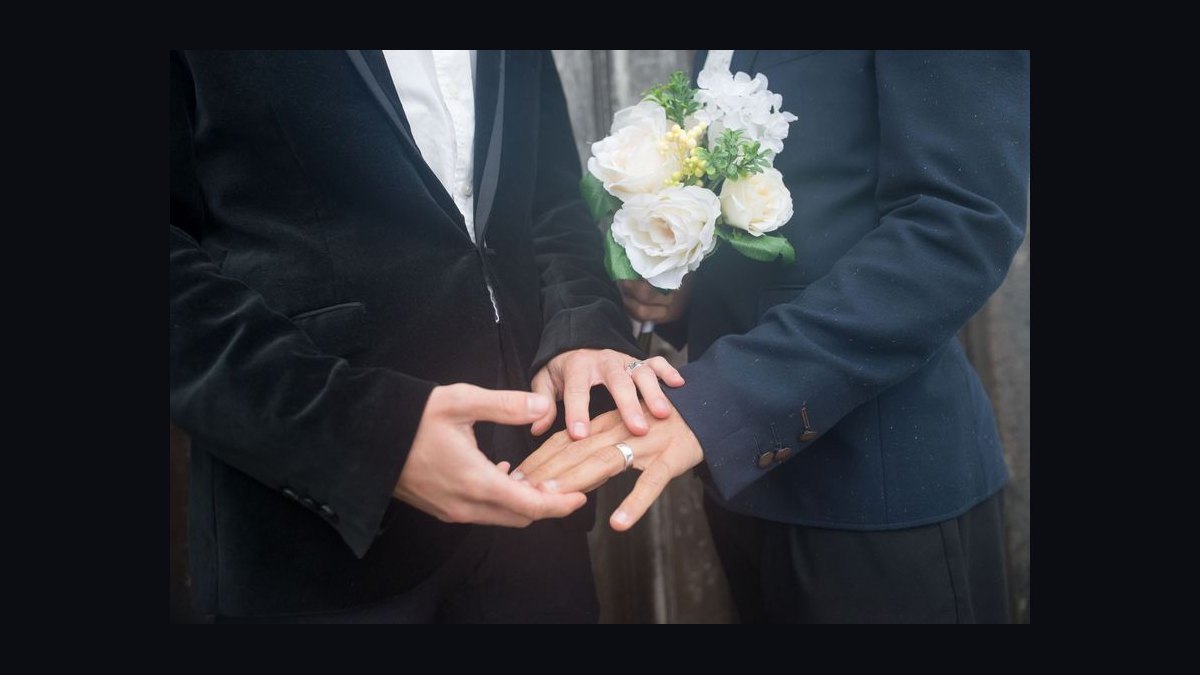
A wedding speech for a same-sex wedding should celebrate the couple's unique love story with the same warmth and personal detail as any wedding toast, while using inclusive language that honors their identities. Focus on specific, real memories you've witnessed—inside jokes, shared adventures, or moments of support—rather than generic statements about love or equality. Keep the tone authentic by avoiding assumptions about gender roles or relationship dynamics, and always ask the couple their preferred terms (husband, wife, spouse, partner) beforehand. The best speeches weave personal history with genuine emotion, creating a moment that feels both intimate and universal.
What Is the Best Way to Structure a Wedding Speech for a Same-Sex Couple?
Structuring a wedding speech for a same-sex couple follows the same core principles as any great toast, but with intentional choices that honor their specific relationship. Begin with a warm welcome and introduction of yourself, then transition into a personal story that reveals why this couple works. The middle section should celebrate their love, including any challenges they've overcome together, and end with words of wisdom and a toast. Avoid assuming a traditional order (like "groom then bride")—instead, alternate references to each partner equally. A proven structure is: welcome, story of how they met, shared adventures, love and commitment, challenges overcome, words of wisdom, and finally the toast. This flow keeps the audience engaged while allowing the couple's unique dynamic to shine through naturally.
The structure above is flexible—you can swap the order of "shared adventures" and "challenges overcome" depending on your story. For example, if the couple faced a significant obstacle early in their relationship, that can come before the lighter stories. The key is to ensure each section builds emotional momentum toward the toast. Practice transitioning between sections smoothly, using phrases like "And that brings me to another thing I love about you two..." to keep the narrative flowing.
How Do I Write a Wedding Speech for a Same-Sex Wedding That Feels Authentic?
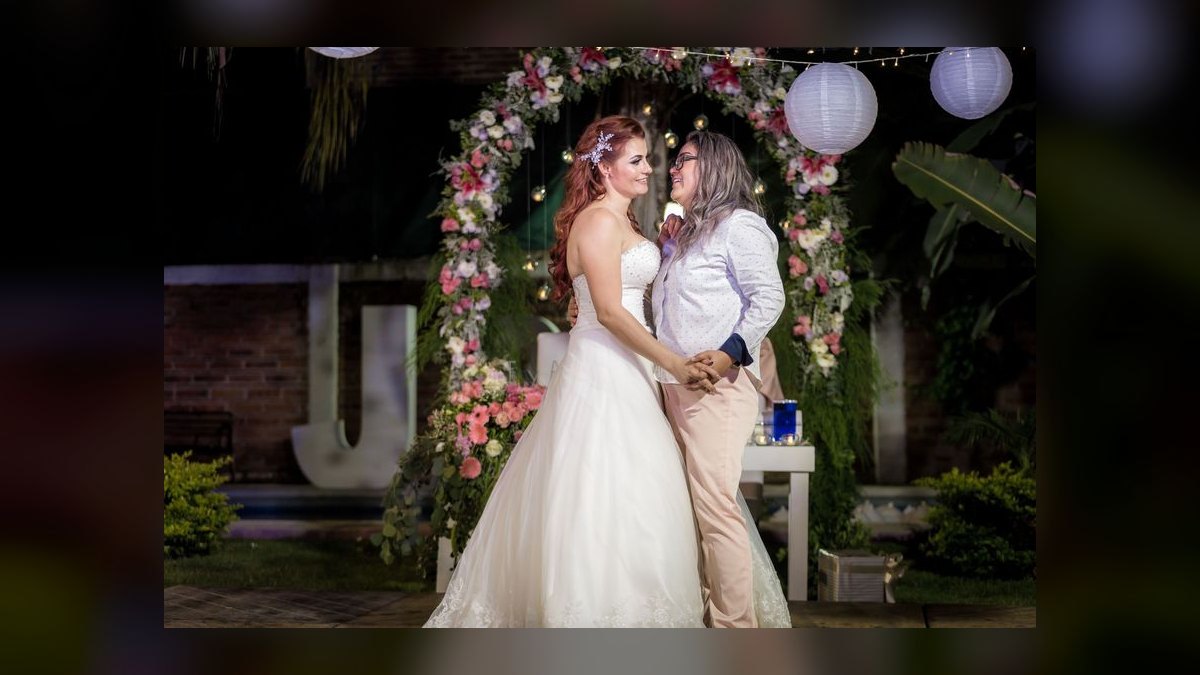
Authenticity in a wedding speech comes from grounding every sentiment in a specific, real memory that you witnessed. Instead of saying "they're perfect together," describe a moment that proves it—like the time Partner A stayed up all night helping Partner B prepare for a work presentation, or how they always save the last bite for each other. Avoid generic statements about love or equality unless they're tied to a personal observation. Use details only you would know: their inside jokes, the way they argue about silly things, or how they support each other's dreams. This specificity makes the speech feel genuine and avoids the trap of sounding like a template. If you're nervous about getting it right, ask the couple for a few favorite memories or quirks—they'll love being part of the process.
Another layer of authenticity is acknowledging the couple's journey without making it the central theme. If the couple faced family challenges or societal pressure, a brief, proud acknowledgment can be powerful: "Looking at the two of you today, I'm struck by how much love it took to get here—not just love for each other, but the courage to be yourselves every single day." But let the couple guide how much to include. For some, the focus should be purely on joy; for others, recognizing the road traveled adds depth. Always prioritize the couple's comfort over any perceived need to make a statement.
What Inclusive Language Should I Use in a Same-Sex Wedding Speech?
Inclusive language starts with asking the couple their preferred terms—some use "husband" and "wife," others prefer "spouse" or "partner," and many use their names frequently. Avoid gendered assumptions like "the man of the house" or "who wears the pants?" Instead, celebrate their partnership as a unique blend of strengths. When referring to family, use the terms the couple uses: if they say "our moms," say that. If they have children from previous relationships, acknowledge blended family dynamics with warmth. For pronouns, practice aloud to avoid stumbling—a quick rehearsal with a friend who knows the couple can prevent awkward mistakes.
A practical tip is to write the speech using the couple's names more often than pronouns. This avoids confusion and reinforces that you're speaking about two distinct individuals. For example, "I've watched Alex and Jordan become braver together" is clearer than "I've watched them become braver together." If you're introducing family members, use terms like "their parents" or "their siblings" rather than assuming a traditional family structure. This attention to language shows respect and ensures every guest feels included. If you make a mistake, a sincere apology—"I'm still learning, and I'm so grateful to be here celebrating you both"—goes a long way.
How Do I Handle a Mixed Audience at a Same-Sex Wedding Speech?
Not every guest at a same-sex wedding is fully supportive, and as the speech-giver, your role is to hold space for joy without ignoring the reality. A graceful approach is to acknowledge the love in the room without singling out anyone's absence or discomfort. For example: "We're here because we believe in love that's real, love that's brave, and love that's worth celebrating—and that's exactly what [Name] and [Name] have." If you know there are guests who struggled to attend, you can subtly honor their presence: "Thank you to everyone who made the effort to be here today—it means the world to this couple."
Avoid making pointed comments about "those who couldn't make it" or referencing anyone's past opposition, as this can create awkwardness. Instead, focus on the couple's chosen family—the friends and relatives who have supported them unconditionally. You might say: "One of the most beautiful things about [Name] and [Name] is the community they've built around them—a community of people who see them, love them, and cheer for them exactly as they are." If the couple has experienced significant family rejection, ask them privately how they'd like it handled. Some want it acknowledged; others prefer a pure celebration. Your sensitivity here can make the difference between a speech that heals and one that inadvertently stings.
What Are Some Common Mistakes to Avoid in a Same-Sex Wedding Speech?
One common mistake is using outdated templates that assume one partner is the "groom" and the other is the "bride." Avoid any language that assigns traditional gender roles, such as "you're the man of the house" or "who wears the pants?" Another mistake is making the speech about same-sex marriage in general rather than about the specific couple. While it's fine to acknowledge the significance of the day, the focus should remain on their unique relationship. Avoid clichés like "love is love" unless they feel natural to your voice—personal stories about their bond will resonate more.
A third mistake is nervousness about pronouns. If you stumble, don't make a big deal of it—simply correct yourself and move on. Over-apologizing can draw more attention to the error. Finally, avoid jokes about stereotypes, coming out, or "opposite sex" dynamics. Humor is welcome, but keep it light and inclusive: funny anecdotes about the couple's quirks or shared hobbies are safe. Test your jokes on a trusted friend who knows the couple's sensibilities to ensure they land well. Remember, the goal is to celebrate the couple, not to make a political statement or entertain at their expense.
How Can I Make My Wedding Speech for a Same-Sex Wedding Stand Out?
To make your speech stand out, anchor it in one vivid, specific memory that captures the essence of their relationship. Instead of saying "they're perfect together," describe a moment that proves it—like the time they danced in the kitchen to their favorite song, or how Partner B always brings Partner A coffee in bed. Use sensory details: what you saw, heard, and felt in that moment. This makes the speech memorable and deeply personal. Another way to stand out is to include a brief, heartfelt blessing or wish for their future that reflects their unique dynamic. For example: "May your home always be filled with the sound of laughter and the smell of something good cooking."
You can also personalize the speech with elements that reflect the couple's culture, hobbies, or shared interests. If they love hiking, weave in metaphors about climbing mountains together. If they're foodies, talk about the meals they've shared. This shows you've paid attention to who they are as individuals and as a couple. Finally, practice your delivery until the words feel natural. The most memorable speeches are those delivered with confidence and genuine emotion. If you tear up, smile and keep going—nobody minds a teary toast, they mind a rushed one. End with a clear, raised glass so the room knows exactly when to drink.
FAQ
How long should a wedding speech for a same-sex wedding be? Aim for 3 to 5 minutes, or about 400 to 600 words spoken. This is long enough to tell a meaningful story but short enough to keep the audience engaged. Practice with a timer to ensure you stay within this range.
What if I'm not part of the LGBTQ+ community—can I still give a great speech? Absolutely. Authenticity matters more than identity. Speak from your heart about the couple's relationship, not about your own perspective on same-sex marriage. Personal stories about their bond will resonate most.
Should I mention marriage equality or legal milestones in the speech? Only if the couple explicitly wants it. Some couples find it meaningful, while others prefer to focus purely on their love story. If you're unsure, ask them privately—they'll appreciate your sensitivity.
How do I handle a speech when the couple has different family dynamics? Use the terms the couple uses for their families. If they say "our moms," say that. If they have blended families, acknowledge them with warmth and inclusivity. Avoid assuming any traditional family structure.
What if I get emotional during the speech? That's perfectly fine—tears are natural and often appreciated. Pause, breathe, smile, and continue. The audience will be moved by your genuine emotion. Just avoid rushing through the speech to hide your tears.
Can I use a template for a same-sex wedding speech? Use a template as a structure, but personalize it heavily with specific memories and details about the couple. Generic templates can feel impersonal—your unique perspective is what makes the speech special.
How do I practice a wedding speech for a same-sex wedding? Record yourself delivering the speech and listen for flow, pacing, and emotional beats. Practice in front of a trusted friend who knows the couple's preferences. Time yourself to ensure you stay within the recommended length.
Sources
- The Knot: Wedding Speech Tips
- GLAAD: Inclusive Language Guide
- Human Rights Campaign: LGBTQ+ Wedding Guide
- Brides Magazine: How to Write a Wedding Speech
- WeddingWire: Wedding Speech Examples
- Martha Stewart Weddings: Toast Writing Guide
- Toastmasters International: Public Speaking Tips
- Out Magazine: LGBTQ+ Wedding Advice
Related on PULSE
This page will be disappearing soon. Save it to your device for $1 — or read it free while it is here.
@Kory-White- · if Venmo asks, the last 4 of my number are 2012
This page is gone.
This one is off the shelf now. $1 keeps it on your phone for good — the whole page, pictures and diagrams included.
 pulse-speechesWhat Makes Steve Jobs’ Stanford Commencement a Great Speech in 2027
 pulse-speechesA Speech for a Team Offsite Kickoff
 pulse-speechesHow to Beat Public-Speaking Nerves in 2027
 pulse-speechesA Speech for a PTA Meeting
 pulse-speechesA Retirement Speech for a Military Officer
 pulse-speechesA Speech for a Project Wrap Celebration
 pulse-speechesA Toast for a Christening
 pulse-speechesWhat Makes JFK’s Inaugural Address a Great Speech in 2027
 pulse-speechesA Graduation Speech for a Graduate as the Class President
 pulse-speechesHow to Practice a Speech So It Sounds Natural in 2027