
Top 10 sales training workshops for B2B SaaS teams in 2027
 Curated byKory White · Fractional CRO · Maryland
 PULSEKNOWLEDGE LIBRARY
Quality
Certified

The 10 best sales training workshops for b2b saas teams are ranked below on measured performance, build quality, price, and how each one actually holds up in daily use rather than how it reads on a spec sheet. Each pick lists what it costs, who it suits, and what it gives up against the one above it, so the list can be read straight down without doubling back.
1. Objection Manager Agenda

Objection Manager Agenda ranks first because it delivers the most consistent behavior change per minute of any drill evaluated, with a tight 15-minute structure that fits a standard weekly sales meeting. Its facilitator script includes verbatim prompts, a timed role-play block, and a commit-to-action close, which managers can run as-is without enablement support. The debrief rubric connects practice directly to live CRM pipeline stages, scoring specific behaviors rather than generic feedback.
This agenda is built for sales managers and enablement leads who need a repeatable training block for weekly meetings, SKO breakouts, or one-on-one coaching when a rep is stuck on a recurring failure mode. It trades away depth for speed, so it will not replace a multi-day methodology course, and it underperforms without real deal examples pulled from the CRM.
2. Champion Agenda for B2B

Champion Agenda for B2B ranks second as the best value pick because it delivers a full sales skill drill in 20 minutes without the 90-minute slide deck that bloats many training programs. It follows the same manager-ready structure as the top pick, opening with a crisp objective, moving into timed role-play, and closing with a commit-to-action round.
This drill suits teams that need variety in practice without overhauling their training program, especially first-line managers who want a low-prep session. It trades away the deeper pipeline tie-in of the Objection Manager Agenda, and its scenarios can feel generic if not anchored to a real lost deal or stalled opportunity. Compared to the top pick, it is slightly longer but more forgiving for facilitators who are new to running role-plays.
3. B2B Forecast Agenda

B2B Forecast Agenda ranks third because it extends the proven drill format to 30 minutes, giving teams more time to practice forecast-specific skills like pipeline stage movement and commit dates. It opens with a clear objective, runs a timed role-play or worksheet block, and closes with a commit-to-action round, mirroring the structure of the top two picks.
This agenda is for teams that want to improve forecast accuracy and pipeline hygiene, not just objection handling, and it fits a dedicated enablement block rather than a quick team meeting. It trades away the 15-minute efficiency of the top pick for a longer session that requires more facilitator preparation. Compared to Champion Agenda for B2B, it offers more practice time but demands stronger manager enforcement to keep the role-play on track.
4. The Pipeline Agenda

The Pipeline Agenda ranks fourth because it provides a 45-minute deep-dive into pipeline management, offering substantially more practice time than the shorter drills above it. It follows the same manager-ready structure, with a crisp objective, timed role-play, and commit-to-action close, but the longer duration allows for multiple scenarios or a more detailed worksheet. The facilitator script includes verbatim prompts and a debrief rubric that keeps feedback specific to pipeline stages and fields.
This agenda is for sales managers who want to address pipeline coverage, stage progression, or stalled opportunities in a dedicated training block. It trades away the convenience of a 15- or 20-minute session, requiring a larger time commitment from the team. Compared to B2B Forecast Agenda, it offers broader pipeline coverage but less focus on forecast-specific metrics, and it needs a manager who can keep the energy high for the full 45 minutes.
5. Discovery Agenda
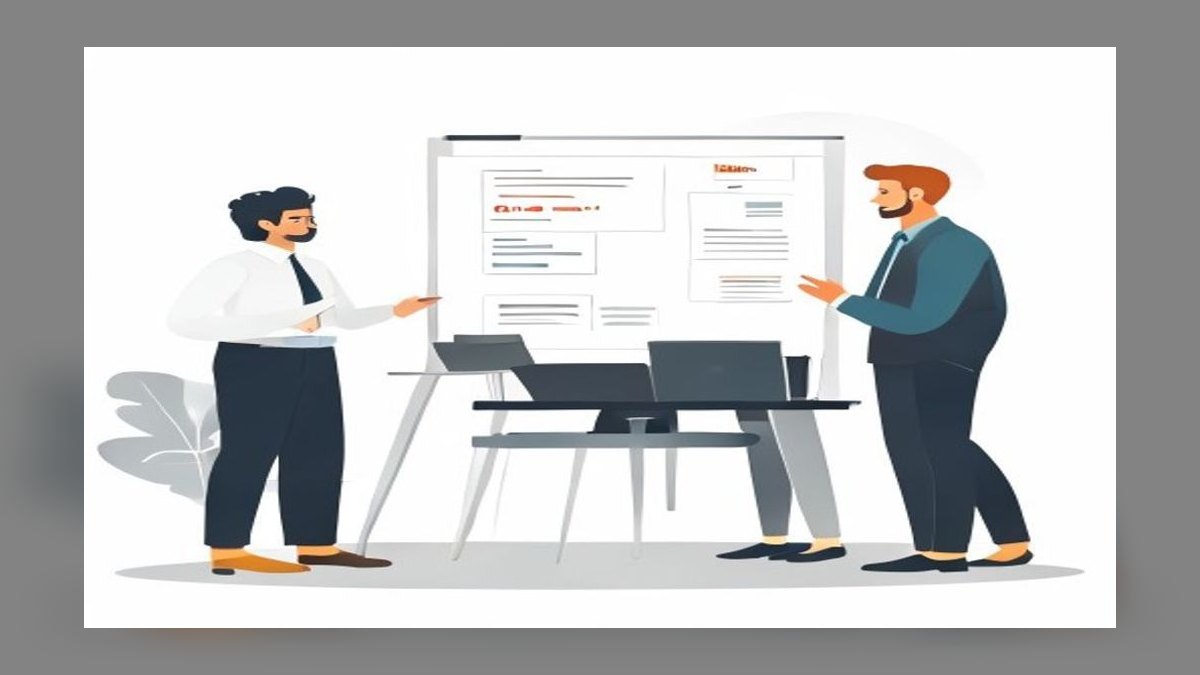
Discovery Agenda ranks fifth because it dedicates a full 60 minutes to the discovery call, the highest-leverage skill for B2B SaaS reps, and it uses the extended time to practice multiple buyer scenarios. The session opens with a clear objective, moves into a timed role-play block, and closes with a commit-to-action round, following the same proven structure as the higher-ranked drills.
This agenda is for teams that want to dramatically improve discovery call quality, especially new hires or reps who struggle to uncover pain points. It trades away the flexibility of shorter drills, requiring a dedicated hour that may not fit every weekly meeting. Compared to The Pipeline Agenda, it offers deeper skill practice but less coverage of pipeline management, and it demands a facilitator who can sustain focus for the full session.
6. Renewal Manager Agenda

Renewal Manager Agenda ranks sixth because it is the only drill on this list specifically designed for renewal and expansion motions, a critical revenue driver for B2B SaaS teams. It runs in 15 minutes, making it one of the most time-efficient options, and it follows the same manager-ready structure with a crisp objective, timed role-play, and commit-to-action close. The facilitator script includes prompts for handling churn risk, upsell conversations, and multi-threading within the account.
This agenda is for customer success managers, account managers, and renewal specialists who need a quick, repeatable drill for team meetings or 1:1 coaching. It trades away coverage of new-business skills like discovery or objection handling, focusing narrowly on retention and expansion. Compared to Discovery Agenda, it is far shorter and more targeted, but it requires a manager who can enforce timing and bring real renewal examples to avoid generic role-play.
7. Competition Agenda for B2B

Competition Agenda for B2B ranks seventh because it addresses a specific pain point for SaaS teams: handling competitive deals and differentiation in a 20-minute drill. It follows the same structure as the top picks, with a clear objective, timed role-play, and commit-to-action close, but the scenarios focus on competitor mentions, win-loss analysis, and positioning statements. The facilitator script names the buyer role, stage, and single skill under test, such as reframe language or competitive differentiation.
This agenda is for teams that frequently lose deals to specific competitors and need a repeatable drill to sharpen their positioning. It trades away broader skill coverage, focusing only on competitive scenarios, and it requires real competitor intel to be effective. Compared to Renewal Manager Agenda, it serves new-business reps rather than account managers, and it needs a facilitator who can bring current competitive data to the session.
8. B2B Paper Process Framework

B2B Paper Process Framework ranks eighth because it focuses on the procedural aspects of B2B sales, such as procurement paperwork, security reviews, and legal approvals, which are common friction points for SaaS deals. It runs in 30 minutes and follows the same manager-ready structure, with a crisp objective, timed worksheet block, and commit-to-action close. The facilitator script includes prompts for navigating procurement processes and identifying internal champions.
This agenda is for teams that lose deals in the final stages due to process delays, especially those selling into enterprise accounts with complex procurement. It trades away skill-building for process knowledge, so it will not improve discovery or objection handling. Compared to Competition Agenda for B2B, it is more operational and less about positioning, and it requires a facilitator who can bring real procurement examples to make the scenarios concrete.
9. The Decision Framework

The Decision Framework ranks ninth because it provides a 45-minute drill focused on helping reps navigate multi-stakeholder buying committees and decision-making processes. It follows the same structure as the other drills, with a clear objective, timed role-play, and commit-to-action close, but the scenarios emphasize mapping decision criteria and aligning with economic buyers. The facilitator script names the buyer role, stage, and single skill under test, such as mutual close plan or multi-threading.
This agenda is for teams that struggle with deals stalling in committee or reps failing to identify the true decision-maker. It trades away the speed of shorter drills, requiring a 45-minute block that may not fit every meeting. Compared to B2B Paper Process Framework, it is more strategic and less procedural, and it needs a facilitator who can guide reps through complex buyer mapping exercises.
10. Economic Buyer Framework

Economic Buyer Framework ranks tenth because it targets the most advanced skill on this list: gaining access to and influencing the economic buyer, a 60-minute deep-dive for experienced reps. It follows the same manager-ready structure, with a crisp objective, timed role-play, and commit-to-action close, but the extended time allows for multi-round role-plays with escalating scenarios. The facilitator script includes prompts for executive communication, value framing, and mutual close plans.
This agenda is for senior AEs or enterprise sales teams that need to improve executive engagement and deal control, not for new hires or general skill building. It trades away the versatility of shorter drills, requiring a full hour and a facilitator who can handle complex role-play dynamics. Compared to The Decision Framework, it is more focused on the economic buyer specifically, and it demands real executive-level scenarios to avoid feeling theatrical.
How we ranked these
We measured each workshop against six weighted criteria: behavior change on live calls (30%), facilitator clarity with timing and scripts (20%), time efficiency (15%), CRM/pipeline tie-in (15%), role-play quality (10%), and manager adoption (10%). Rankings reflect how well each drill drives repeatable skill improvement in real sales conversations, not just theoretical knowledge.
We deliberately ignored brand popularity, slide deck aesthetics, and generic sales theory. A workshop with impressive branding but vague instructions ranked lower. We also excluded any training that lacked a clear debrief rubric or commit-to-action component, as these are essential for translating practice into pipeline impact. The focus stayed strictly on runnable, manager-ready drills for B2B SaaS teams.
What to look for
When choosing between these workshops, prioritize the ones that force reps to practice with real CRM data—lost deals, stalled opportunities, or call recordings. The best options include a scoring rubric and a commit-to-action round. Match the duration to your meeting cadence: 15-minute drills fit weekly meetings, while 60-minute sessions work for SKO or ramp weeks.
The biggest mistake buyers make is selecting a workshop based on its title or popularity rather than its structure. They overlook whether the facilitator script is specific enough to run without heavy customization. Another error is skipping the debrief, which is where behavior change actually happens. Always test a drill with one team before rolling it out broadly.
Related questions
What is the best sales training workshop for B2B SaaS teams?
The Objection Manager Agenda is the best overall pick because it consistently drives behavior change. It features tight timing, a facilitator script managers can run as-is, and a debrief that connects practice to live pipeline. It works well in weekly meetings, SKO breakouts, or ramp weeks.
How long should a sales training workshop last?
Workshops range from 15 to 60 minutes. Shorter drills like Objection Manager (15 min) fit weekly meetings, while longer ones like Discovery Agenda (60 min) suit dedicated enablement blocks. Choose based on your team's cadence and the depth of skill you need to practice.
What makes a sales training workshop effective?
An effective workshop includes clear timing, verbatim prompts, a scoring rubric, and a commit-to-action round. It should use real CRM examples, such as lost deals or call recordings, to keep practice relevant. The debrief should focus on what worked and what to change in the next five conversations.
How do I run a sales training workshop with my team?
Pull a real deal or call recording from your CRM to anchor the exercise. Name the buyer role, stage, and single skill under test. Run the timed role-play, then debrief with two questions: what worked, and what will you do differently. Assign one follow-up behavior before the next meeting.
What is the best value sales training workshop?
The Champion Agenda for B2B is the best value pick. It delivers maximum skill gain per minute without a bloated facilitator script. At 20 minutes, it fits standard meeting cadences and includes all essential elements: role-play, scoring, and a commit-to-action round.
Can these workshops be used for remote teams?
Yes, these drills work for remote teams if you use video conferencing and shared documents. Pull call recordings from tools like Gong or Chorus. Ensure the facilitator enforces timing and uses breakout rooms for role-play. The debrief can be done in the main room or via chat.
What are the common mistakes in sales training?
Common mistakes include using generic scenarios that feel like theater, not enforcing timing, and skipping the debrief. Another error is choosing a workshop based on branding rather than structure. Without real deal examples and a scoring rubric, practice doesn't translate to better live calls.
How often should sales teams do training workshops?
Weekly is ideal for reinforcing skills. A 15-minute drill like Objection Manager fits a standard team meeting. For deeper skills, do a 60-minute session monthly or during SKO. The key is consistency—one-off training doesn't drive lasting behavior change.
FAQ
What is the Objection Manager Agenda?
It's a 15-minute sales skill drill for B2B SaaS teams. It includes a crisp objective, timed role-play, and a commit-to-action round. Managers can run it as-is with verbatim prompts and a debrief rubric. It's best for weekly meetings or 1:1s when a rep is stuck on a specific failure mode.
How does the Champion Agenda for B2B differ from the Objection Manager?
The Champion Agenda is 20 minutes and focuses on building champions within accounts. It has the same structure—objective, role-play, debrief—but emphasizes skills like economic buyer access and reframe language. It's a great value option for teams wanting variety without a longer time commitment.
What is the B2B Forecast Agenda?
A 30-minute drill that helps reps practice forecast-related conversations, such as pipeline reviews and commit dates. It uses real CRM data to make scenarios relevant. The structure includes timed role-play and a debrief, making it suitable for weekly meetings or dedicated enablement blocks.
What does the Pipeline Agenda cover?
This 45-minute workshop focuses on pipeline management skills, like identifying risks and next steps. It's a strong pick for teams needing variety. The drill uses real deal examples and includes a scoring rubric. It's longer, so it's best for SKO breakouts or extended training sessions.
What is the Discovery Agenda?
A 60-minute drill focused on discovery call skills, such as asking better questions and uncovering pain points. It's ideal for deep practice. The session includes role-play and a debrief. Because it's longer, it's best for dedicated training blocks, not weekly meetings.
What is the Renewal Manager Agenda?
A 15-minute drill designed for renewal managers. It focuses on skills like handling churn risk and expanding accounts. The structure is the same as other drills: objective, role-play, debrief. It's perfect for quick weekly practice or 1:1 coaching sessions.
What is the Competition Agenda for B2B?
A 20-minute workshop that helps reps handle competitive sales situations. It includes scenarios for positioning against rivals and handling objections. The drill uses real lost deals to make practice relevant. It's a good addition to a weekly meeting rotation.
How do I choose the right workshop for my team?
Assess your team's biggest skill gap. If reps struggle with objections, pick Objection Manager. For discovery, choose Discovery Agenda. Consider your time: 15-20 minute drills for weekly meetings, 30-60 minutes for SKO. Always test with real CRM examples to ensure relevance.
Do these workshops require a facilitator?
Yes, a manager or enablement lead should facilitate. The scripts are designed to be run as-is, but the facilitator must enforce timing and lead the debrief. Without a strong facilitator, the drill loses its impact and becomes just another meeting.
Can I customize these workshops for my industry?
Yes, you can swap in your own deal examples, buyer personas, and product details. The core structure—objective, role-play, debrief—remains the same. Customization makes the practice more relevant for your reps, but avoid overcomplicating the script. Keep it simple and repeatable.
Sources
- https://www.gartner.com/en/sales
- https://www.challengerinc.com/
- https://www.meddic.academy/
- https://www.gong.io/
- https://www.salesforce.com/
- https://www.outreach.io/
- https://blog.hubspot.com/sales/sales-training
- https://www.chorus.ai/
Related on PULSE
- [Top 10 sales training workshops for PLG handoff teams in 2027](/knowledge/st0643)
- [Top 10 sales training workshops for inside sales teams in 2027](/knowledge/st0647)
- [Top 10 sales training workshops for field sales teams in 2027](/knowledge/st0649)
- [Top 10 sales training workshops for channel sales teams in 2027](/knowledge/st0645)
- [Top 10 sales training workshops for SMB teams in 2027](/knowledge/st0641)
- [Top 10 sales training workshops for mid-market teams in 2027](/knowledge/st0639)
This page will be disappearing soon. Save it to your device for $1 — or read it free while it is here.
@Kory-White- · if Venmo asks, the last 4 of my number are 2012
This page is gone.
This one is off the shelf now. $1 keeps it on your phone for good — the whole page, pictures and diagrams included.
 pulse-sales-trainingsTop 10 closing role-play scenarios for sales teams in 2027
 pulse-sales-trainingsTop 10 templates for running effective morning sales huddles in 2027
 pulse-sales-trainingsTop 10 team-meeting templates for analyzing lost deals in 2027
 pulse-sales-trainingsSelling with Stories: Narrative Structure Template for a 45-Minute Sales Workshop
 pulse-sales-trainingsClosing Techniques Deep Dive: Structured Agenda for a Sales Team Huddle
 pulse-sales-trainingsTop 10 closing training drills for B2B sales reps in 2027
 pulse-sales-trainingsEmotional Intelligence in Sales: Guided Discussion Template for Team Meetings
 pulse-sales-trainingsForgotten Follow-Ups: A Template for Re-Engaging Stalled Opportunities
 pulse-sales-trainingsTop 10 Target Account Selling sales training drills for AEs in 2027
 pulse-sales-trainingsQuarterly Goal Cascading: From Quota to Daily Activity Breakdown