
Smart Home Installation Sales — 60-Min Training
 Curated byKory White · Fractional CRO · Maryland
 PULSEKNOWLEDGE LIBRARY
A 60-minute Smart Home Installation Sales Training teaches reps to run a use-case discovery interview, translate wishes into named scenes, present three budget tiers with financing, and close on a paid design agreement plus deposit. Design sells; spec sheets commoditize. Reps rehearse out loud, leave with written commitments, and log project value and subsystem attach rate.
The Friday night that costs you the project
Picture two integrators walking the same 4,200-square-foot house on the same Tuesday afternoon. Both are quoting the same rough scope: lighting control across the main floor, motorized shades in the great room and primary bedroom, distributed audio, a hardened network, and a control platform to tie it together. Both will land somewhere in the mid-five figures if they win.
The first integrator opens a folder. He starts naming processors, talks about how many keypad loads the panel supports, mentions matrix switching, and explains the difference between two protocols the homeowner has never heard of. Twenty minutes in, the homeowner's spouse has stopped listening and is scrolling on a phone. The integrator leaves a proposal with forty-three itemized line items and a total at the bottom. Within a week that proposal is sitting in a builder's inbox, forwarded to two competitors, and the conversation has collapsed into a per-item price fight. The network switch gets cut first because it's the line nobody understands. The project closes at a lower number, or it doesn't close at all.
The second integrator doesn't open anything. She asks where the family sits on a Friday night. She learns that the husband travels Sunday through Thursday and lands at 11pm, that the wife hates walking into a dark house, that there are two teenagers who leave every light in the basement burning, that there's an aging parent moving into the guest suite next spring who is nervous about technology, and that last winter a burst pipe went unnoticed for six hours. She writes down a verbatim quote: *"I can never find the remote, and I've stopped trying."* Only then does she talk about systems — and when she does, every subsystem she names is attached to a moment the family already described to her.
That second conversation is the entire content of the Smart Home Installation Sales Training. Everything downstream — the tiering, the financing, the deposit — works because discovery did its job. When the class is over, reps should be able to run that conversation cold, in a stranger's living room, without a spec sheet in their hands.
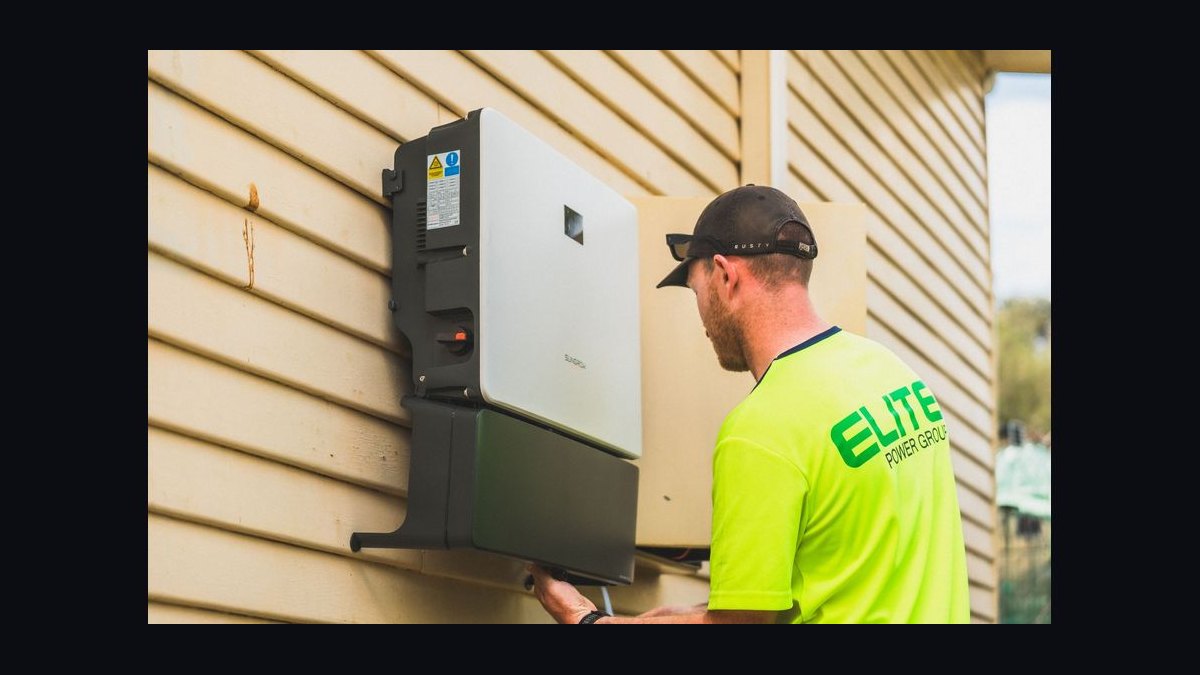
Run the session in a room with a whiteboard and a timer, not a slide deck. Sixty minutes breaks cleanly into five minutes of framing, fifteen on discovery, ten on scene translation, ten on budget and financing, fifteen on the close and objection reps, and five on written commitments. Every segment ends with a rep saying something out loud. A Training where nobody speaks is a Training nobody retains.
The framing segment is short and blunt. Put two columns on the board. On the left: the spec seller — lists components, quotes hardware, competes on price per box, gets value-engineered out of the foundation. On the right: the design seller — maps use cases, designs named scenes, prices the experience in tiers, protects margin. Underneath both, write the two numbers that actually matter to the business: average project value and subsystem attach rate. Unit price is not on the board. If a rep argues that the client "just wants a price," the answer is that the client wants a result and is using price as a proxy because nobody has offered them a result yet.
The framing principle to read aloud, straight from the consultative tradition that CEDIA built its certification path around: you are not specifying equipment, you are designing how a family will live in this home for the next decade. That sentence does more work than any product Training.
How the mechanism actually works
Discovery in custom integration is not qualification. Qualification asks about budget, timeline, and decision-maker. Discovery asks about Tuesday mornings and Friday nights. The output of a good interview is not a BANT summary — it's a list of moments the family already experiences badly, written in their own words, that the system will fix.
The mechanism is a fixed template the integrator fills in during the conversation. Fixed, because improvisation under pressure produces spec-sheet questions. Give every rep the same six prompts and have them practice on a partner in the room right now:
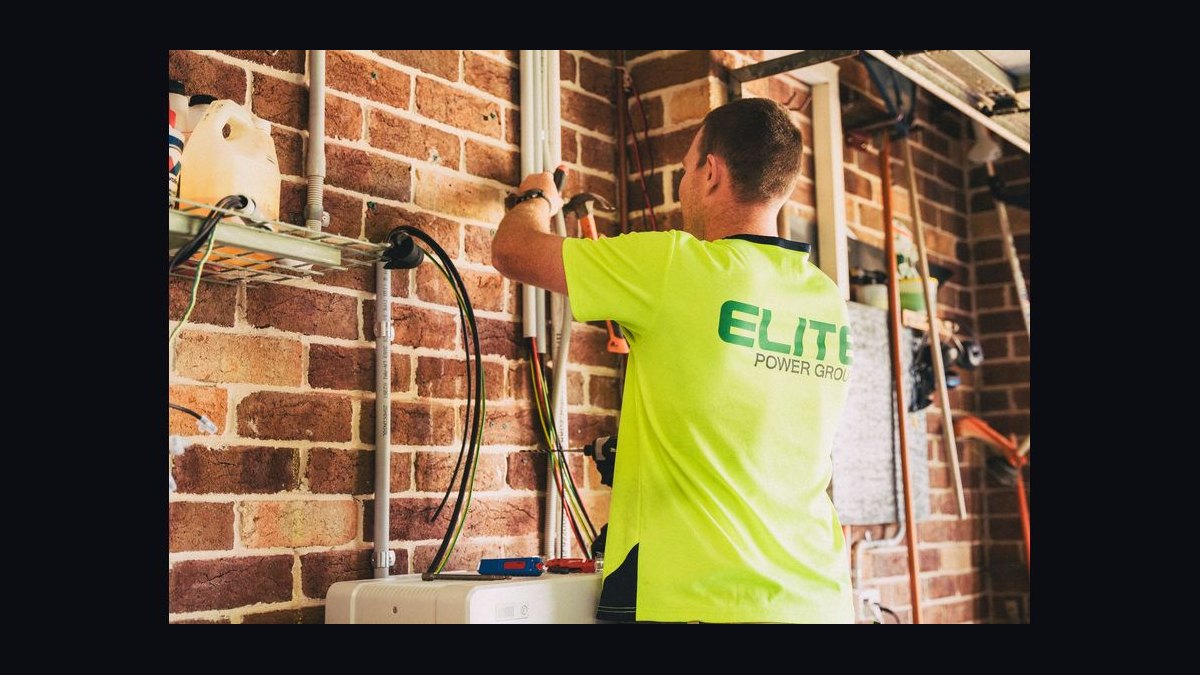
The morning scene. Who wakes first? What should happen without anyone touching a switch — shades to 40%, lights up slowly in the primary bath, coffee on, news audio in the kitchen? Note which rooms and in what order.
The leaving-the-house ritual. Is there one button that locks the doors, arms the system, drops the shades on the sun side, sets back the thermostat, and kills every light? Ask what currently gets forgotten. Forgotten things are billable.
The entertaining scene. Which rooms need audio and can they run independently? What lighting mood? Critically: does the client want guests to be able to control anything, or is that a nightmare scenario? The answer determines keypad placement and app permissions.
The pain point, verbatim. Write the exact sentence. *"The kids leave every light on."* *"The TV takes four remotes."* *"I can't hear the doorbell in the back of the house."* You will quote this back during the recap and again during the close.
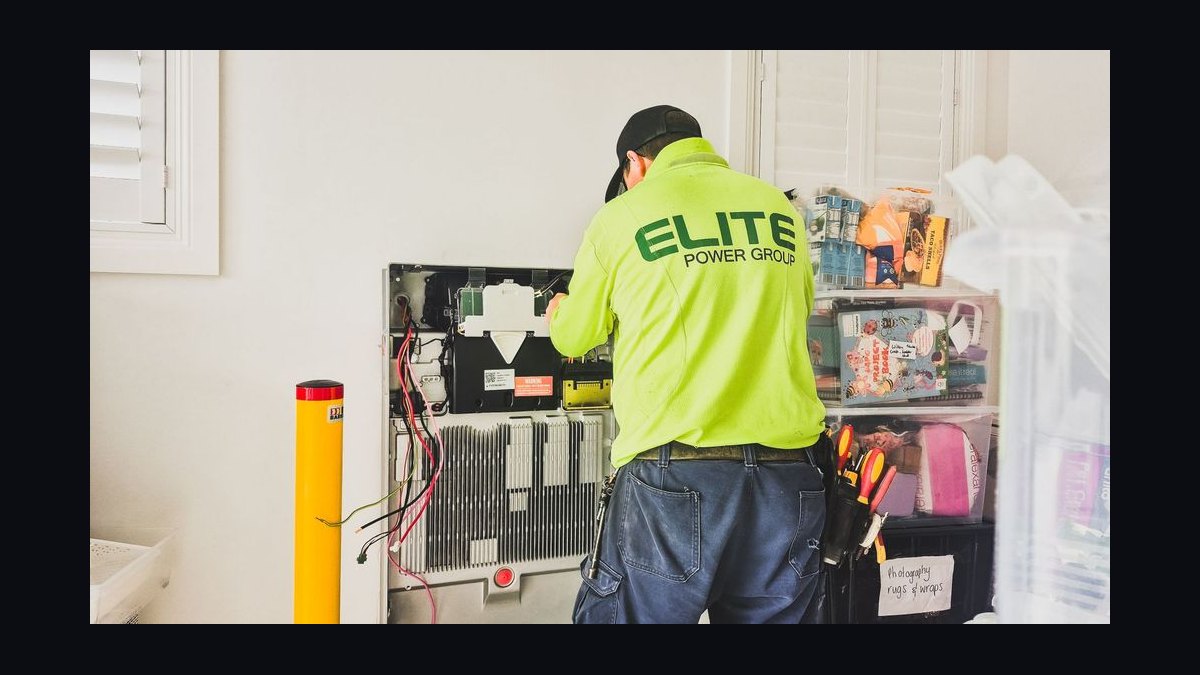
Who lives here and their tech comfort. A spouse who despises complexity is a design constraint, not a personality note. So is a teenager who will rewire things, or a parent moving in next year who needs a physical button rather than an app.
The non-negotiable. One thing that must work flawlessly or the whole project is judged a failure. Usually it's small and unglamorous — reliable Wi-Fi in the backyard, or the primary bedroom TV turning on without a hunt.
Coach the rule underneath all six: design around the moment, not the technology. Time of day and emotion produce better answers than any wiring survey. *"Show me where you sit on a Friday night"* outperforms *"how many zones do you want?"* every time.
Demonstrate the bad version so nobody guesses at it. *"Do you want Control4 or Savant?"* is an abdication. The client has no basis to answer, and asking transfers your expertise back to them. Platform selection is the integrator's recommendation after discovery, not a menu handed over during it.
Two adjacent notes worth ten seconds each in the room. First, this interview transfers almost perfectly to neighboring trades — home theater and AV, whole-house generators, pool and spa automation, security. Anyone selling a designed system into an occupied home benefits from the same structure, and reps who cross-sell between those categories should reuse the template rather than inventing a second one. Second, the interview is the best referral engine you own. Families repeat the questions you asked them to their neighbors far more often than they repeat the brands you quoted.

The translation step — turning wishes into named scenes — is where projects either elevate or commoditize. Name the scenes the way the family will actually refer to them: Good Morning, Goodbye, Movie Night, Goodnight, Guest Arriving. Never "Lighting Load 4." Tie every subsystem on the proposal to at least one named scene, so nothing reads as a random upsell; if a line item can't be attached to a scene the client described, either explain why it's foundational or cut it.
Design the network first and say so out loud. A Smart home on a weak network fails in ways the homeowner will blame on the control system, the integrator, and eventually the whole category. Treat robust networking as the foundation of the design, present it before anything else, and never let it become the negotiating chip.
Then present the system as a designed whole and break it into fundable phases afterward. The order matters. A whole design that gets phased still reads as a plan. A partial design that gets added to later reads as a mistake being corrected.
There is a short list of sentences that quietly destroy the consultative position. Read them aloud in the room, slowly, and have reps flag which ones they've said this month:

- *"It can do basically anything you want."* Vague, signals no real design, invites unbounded scope creep.
- *"We'll just add more later."* Undercuts the design fee and makes the system feel improvised.
- *"This brand is cheaper, so let's use it."* Moves the conversation onto price, permanently.
- *"You don't really need the better network gear."* The most common root cause of a Smart home that disappoints.
- *"Most people just use their phone for everything."* Devalues the dedicated control the project is justified by.
- Anything promising it will be *"easy to do yourself later."* That sentence trains the client to skip you on phase two.
Real numbers, ranges, and benchmarks
Abstractions don't change rep behavior. Numbers do. Work the math live so every integrator in the room sees what one well-designed project is worth against one commoditized one.
Take a designed whole-home project at $45,000 with a 35% blended margin across hardware, labor, and programming. That's roughly $15,750 of gross profit on a single job. A 10% deposit collected at design agreement is $4,500 in the door before procurement, which funds CAD, engineering time, and long-lead equipment rather than your line of credit.
Now the attach math, which is where the Training actually pays for itself. A lighting-led project that adds hardened networking and distributed audio can lift total project value 40–60% with very little incremental selling time, because the discovery interview already surfaced the moments those subsystems serve. You are not adding a pitch; you are pricing the moments the client described to you unprompted. Run the arithmetic on the board: a $28,000 lighting-and-shades job that attaches network and audio lands near $42,000, and at the same blended margin that's roughly $4,900 of additional gross profit generated by asking better questions.
Against that, price the downside honestly. A free, unpaid design handed over as a PDF is 100% of that gross profit at risk, because the design is the only thing you produced that a competitor can execute against. Design agreements exist to make the expensive part of your work non-transferable.

Ratios worth tracking per rep, monthly, in whatever CRM you already run:
- Average project value, trended over rolling three months. This is the headline metric of the Training.
- Subsystem attach rate — percentage of projects carrying networking, audio, shading, and control. Networking should approach 100%; if it doesn't, someone is discounting the foundation.
- Design agreements signed vs. proposals issued. If reps are still issuing free full designs, the close segment didn't take.
- Deposit collection rate and average days from agreement to deposit. Money that arrives three weeks late is a scheduling problem disguised as a Sales metric.
- Change-order value as a share of project value. A little is healthy discovery slack; a lot means the interview is missing scenes.
Ramp is the other number worth naming. Manager-led, rehearsal-based playbook sessions like this one consistently outperform self-paced modules on time-to-productivity for new sellers, which is why the format is sixty live minutes with a whiteboard and not a video assignment. The mechanism isn't mysterious — reps rehearse language out loud, get corrected in front of peers, and leave with a script they've physically said. A module they click through produces recognition, not recall.
For the tooling side, keep it deliberately thin. Whatever CRM you use — Salesforce, HubSpot, or a trade-specific system — the only fields that matter after this Training are project value, subsystems attached, design-agreement status, and deposit date. If a rep has to fill out fifteen fields after a living-room meeting, they'll fill out none. Record one live-role-play per rep per month on video and review it asynchronously; recorded rehearsal is the cheapest coaching artifact in the business.
Trade-offs and alternatives
Custom projects scare clients with a single total. The countermeasure is to price in tiers anchored to the use cases, not to the components, and to put financing on the table at the same moment rather than at the end.
Give reps the actual words to rehearse:
> Integrator: "Based on the scenes we designed, I'm going to show you this three ways so you can decide where to invest." > > *(Lay out Good / Better / Best, each described by which named scenes it delivers — never by which boxes it contains.)* > > Integrator: "The full design that nails everything you described lands in this range. The phased version that gets your top three scenes working now is about this." > > *(Pause. Say nothing. Let them react before you defend a number.)* > > Client: "That's more than I expected." > > Integrator: "I hear that. Two paths — we phase it so you fund it over time, or we use project financing so you get the whole experience now at a monthly payment. Which fits better?" > > Integrator: "Either way the design stays whole, so nothing gets ripped out later. Shall I prep the design agreement?"
The trade-off between phasing and financing is real and reps should be able to argue both sides. Phasing preserves cash and lets the client prove the value of the first scenes before funding the rest, but it costs you a second mobilization, risks a competitor sitting in your unfinished house, and often means running conduit or pre-wire you won't bill for eighteen months. Financing through an established home-improvement lender delivers the whole experience immediately, protects your scope from erosion, and keeps the system coherent, but it introduces a credit decision into the sale and a monthly payment the client will feel. Neither is wrong. Presenting only one is.
What is wrong is the third path reps default to under pressure: cutting the network or the control system to hit a number. Phase the aesthetic extras — the third-zone audio, the shades in the guest room, the outdoor speakers. Never phase the foundation. A client who ends up with beautiful lighting on an inadequate network has an unreliable house and will tell everyone about it.

Two more mechanics. Present financing as a normal option for any high-ticket home improvement, the same way a roofer or an HVAC contractor would; hiding it until the awkward end frames it as a rescue rather than a choice. And keep the itemized parts list in the back of the proposal, not on the screen during presentation. Sell the designed system; the bill of materials is documentation, not a Sales tool.
The close itself is a paid design agreement and a deposit — not a verbal yes, not a handshake at the door. Free designs get shopped and value-engineered. Paid designs get built. Rehearse the four objections that show up on nearly every project, and make each rep deliver the response out loud before they leave:
*"Can I just get a quote without paying for design?"* — "I can give you a ballpark range right now. The real design, the one you own, is what protects you from a system that doesn't do what you described. The design fee credits toward the project."
*"My builder said his electrician can handle this."* — "An electrician runs wire, and a good one is essential. A certified integrator designs how it all works together and owns the result. Who do you call when Movie Night stops working in year three?"

*"It's a lot of money."* — "It is. That's exactly why we tier it and finance it. Which three scenes are worth doing first?"
*"Can't I just buy the parts online?"* — "You can buy the parts. What you can't download is the design, the programming, and one number to call when something breaks."
Common pitfalls and how to avoid them
The most common failure is that reps nod through the session and then run their old meeting on Thursday. Prevent it with written commitments and a number. Every integrator leaves with three lines on an index card taped to their laptop: *I run the full use-case interview before naming a single product. I price every project in three tiers and present financing as a normal option. I close on a paid design agreement and deposit.* Underneath, their own target project value, written in their handwriting. Nobody leaves the room without stating that number aloud.
The second failure is a discovery interview that becomes an interrogation. Six prompts, delivered conversationally, in the room the family actually lives in — not a clipboard at the kitchen table with the integrator reading questions. If a rep can't run it while walking the house, they haven't rehearsed it enough.
Third: naming products too early. The moment a brand enters the conversation, the client starts researching that brand and comparing prices on it. Hold platform recommendation until after the scene recap. Then recommend one, tied to their tech comfort and their non-negotiable, and defend it.

Fourth: letting the design fee become negotiable. Once one rep waives it to win a job, every rep will, and within a quarter you're back to giving away engineering. If leadership won't hold the line, don't run the Training — it teaches a process the company won't support, which is worse than no Training.
Fifth: skipping the recap. Reps who capture six great use cases and then jump straight to pricing lose the compounding effect. The recap — reading the scenes back, in the client's own words, before any number appears — is what makes the price feel like it's attached to something. It takes ninety seconds and it changes the reaction to the total.
Sixth: no follow-through in the CRM. If project value and subsystem attach aren't logged, you cannot tell in ninety days whether this Training worked, and you'll be arguing about it from memory. Four fields. Log them.
One last coaching note for the room. The best integrators are invisible in the finished house — the family just lives somewhere that quietly does what they want, and never thinks about the equipment closet. That's the standard. Sell the invisibility, not the boxes. Smart Home Installation is a design discipline before it is a hardware transaction, and the reps who internalize that close more, at higher values, with fewer change orders.
Related questions
How long should the discovery interview take on site?
Budget 45–60 minutes walking the house, not sitting at a table. Shorter interviews miss the non-negotiable, which is the single most predictive item for satisfaction. Longer ones drift into product talk before the design work is done.
Should the design fee be refundable if they don't proceed?
Credit it toward the project if they proceed; don't refund it if they don't. The design is deliverable work product they own. Refunding it converts paid engineering back into free engineering with extra steps.
Does this Training work for retrofit projects, not just new construction?
Yes, and arguably better. Retrofit clients have lived with the frustrations, so the pain-point question produces sharper verbatim quotes. Adjust only the phasing conversation, since retrofit sequencing is constrained by walls and occupancy.
How often should we re-run this session?
Monthly at 60 minutes, with recorded role-play between sessions. Ramp gains come from repetition and correction, not from a single well-delivered Training. Rotate which segment gets the deep drill each month.
FAQ
What if the client refuses to pay a design fee?
Offer a ballpark range for free and reserve the detailed, client-owned design for a paid agreement that credits toward the project. Integrators who protect the design fee see far fewer projects shopped to competitors, because the transferable artifact stops being free.
Should I recommend a specific control platform or let the client choose?
Recommend. Choosing among the major platforms is your expertise, and handing the client a menu signals you have no opinion. Present the recommendation tied to their described use cases, their tech comfort, and their stated non-negotiable.
How do I stop a project from being value-engineered down to nothing?
Phase the aesthetic extras; never the network or the control foundation. Frame phasing as funding over time rather than cutting scope, and put financing on the table so the client can choose the whole experience if the monthly number works.
When should financing come up in the conversation?
At tier presentation, alongside phasing — not at the end after a price objection. Established home-improvement lenders are a normal part of any high-ticket residential project, and presenting financing early makes it a choice instead of a rescue.
What if a builder or electrician is already involved?
Position yourself as the system designer rather than a competitor for wire-pulling. Ask who the homeowner calls when a scene breaks in year three. That ongoing accountability, and the design that makes it possible, is what the integrator is actually being paid for.
How is this different from selling individual Smart devices?
A device is a transaction; this is a designed system with a discovery interview, a paid agreement, a deposit, and ongoing support. The Training optimizes for average project value and subsystem attach rate, not unit Sales, and those metrics move in opposite directions from device retail.
Sources
- https://cedia.net/ — Custom Electronic Design and Installation Association: certification paths, design standards, and integrator best practices.
- https://www.cta.tech/ — Consumer Technology Association: smart home market research and industry standards.
- https://www.cepro.com/ — CE Pro: State of the Custom Installation Industry reporting and integrator business benchmarks.
- https://www.parksassociates.com/ — Parks Associates: smart home adoption and professional integration market research.
- https://www.snapone.com/ — Snap One / Control4: authorized dealer sales, design, and system best-practice guides.
- https://www.savant.com/ — Savant Systems: certified integrator program materials and system design resources.
- https://www.crestron.com/ — Crestron: residential control system design documentation and dealer resources.
- https://www.synchrony.com/ — Synchrony: home improvement consumer financing program guidelines.
- https://www.hubspot.com/products/sales — HubSpot Sales Hub: CRM pipeline and opportunity tracking documentation.
Related on PULSE
- [Home Theater and AV Sales — 60-Min Training](/knowledge/st273)
- [Home Standby Generator Sales — 60-Min Training](/knowledge/st270)
- [Pool and Spa Installation Sales — 60-Min Training](/knowledge/st266)
- [Garage Door Installation Sales — 60-Min Training](/knowledge/st263)
- [Fence Installation Sales — 60-Min Training](/knowledge/st265)
- [Home Insulation and Energy-Audit Sales — 60-Min Training](/knowledge/st268)
This page will be disappearing soon. Save it to your device for $1 — or read it free while it is here.
@Kory-White- · if Venmo asks, the last 4 of my number are 2012
 sales-trainingTree Service Estimate Selling — 60-Min Training
 sales-trainingSeptic Service and Install Sales — 60-Min Training
 sales-trainingHome Theater and AV Sales — 60-Min Training
 sales-trainingConcrete and Foundation Repair Sales — 60-Min Training
 sales-trainingWater Treatment and Softener In-Home Sales — 60-Min Training
 sales-trainingPool and Spa Installation Sales — 60-Min Training
 sales-trainingMoving Company Estimate Selling — 60-Min Training
 sales-trainingHome Standby Generator Sales — 60-Min Training
 sales-trainingGarage Door Installation Sales — 60-Min Training
 sales-trainingResidential Security and Alarm Sales — 60-Min Training