
Flooring and Carpet In-Home Sales — 60-Min Training
 Curated byKory White · Fractional CRO · Maryland
 PULSEKNOWLEDGE LIBRARY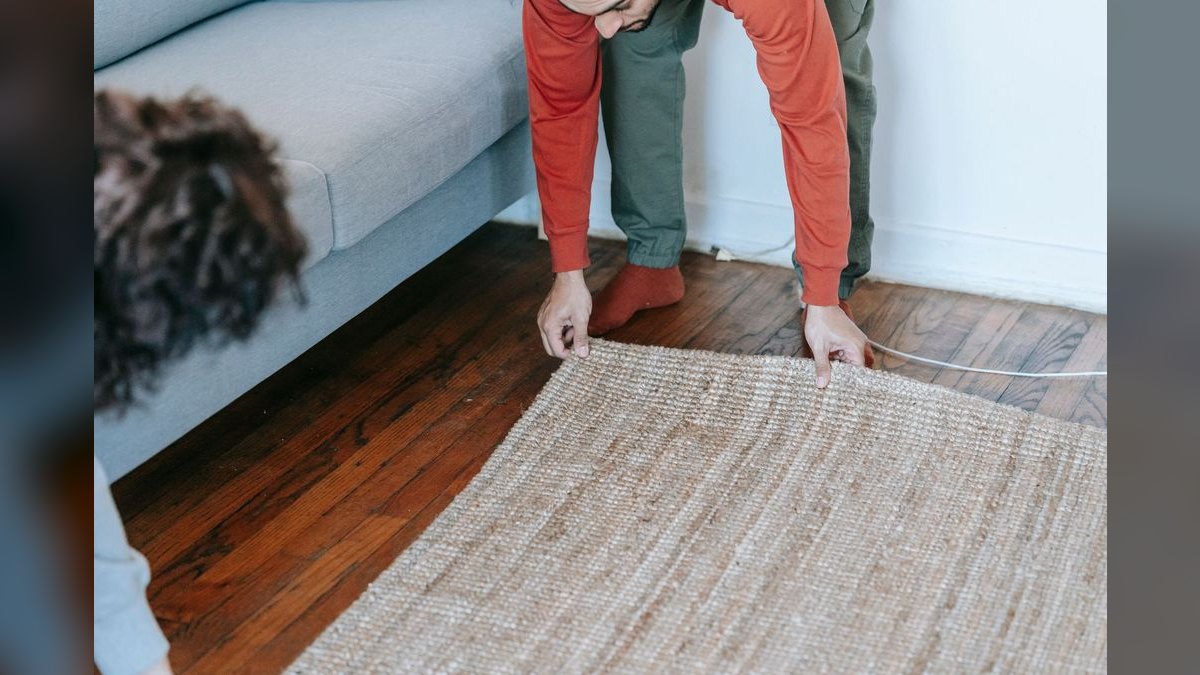
> The Sample-to-Room Close is a 60-minute training for flooring and carpet retail reps — the people who measure kitchens, walk LVP samples into living rooms, and quote pad-and-install in the customer's house — who need a repeatable in-home and showroom ritual instead of "here's a price, call me." The method runs a four-part arc: a diagnostic measure-and-discover walkthrough, a sample-laid-in-the-actual-room demonstration, a good-better-best quote that bundles pad and install, and a today financing close on the spot. Built on the World Floor Covering Association (WFCA) retail-selling standards, the Certified Flooring Installers (CFI) install-quality framework, and Tom Hopkins' in-home selling discipline, this session teaches reps to sell the finished floor — not the square-foot price.
---
Stack You'll Run This Training Inside
Every AE in the room operates inside the standard RevOps stack. Reference these tools by name during the training so reps know which dashboard or workflow you mean. Pin the dashboard you'll inspect in MindTickle on a shared screen before the meeting starts, queue the most recent recording from Apollo as the coaching artifact, and have Chili Piper open in a second tab for the post-meeting cadence updates. The manager who shows up with these three browser tabs ready saves 8 minutes of meeting setup.
- MindTickle at $45/user/month Pro — rep certification + assessments
- ZoomInfo at $15K-$60K annual contracts depending on credits — account + contact data
- Apollo at $59/user/month Basic, $99 Pro — data + sequencing combo
- Calendly at $12-$72/user/month — meeting scheduling
- Chili Piper at $22.50/user/month Spicy, $30 Hot — inbound concierge routing
- Slack at $8.75/user/month Pro, $15 Business+ — rep-manager async coaching
Benchmark Context
SaaStr ("2026 State of SaaS Sales") shows that AE-to-CSM handoff training reduced first-year churn by 22 percentage points when run as a recurring 60-minute joint session. Anchor the training narrative on this stat — it's the credibility frame that turns a 60-minute meeting from "another sales pep talk" into "the weekly working session the manager is measured on." Print the stat at the top of the meeting agenda; reps remember the number, and quoting it builds the same shared vocabulary that Lessonly, Spekit, and Highspot all flag as the top predictor of multi-quarter training-program ROI in their 2026 customer benchmarks.
Section 1 — Why the Square-Foot Price Loses (5 min)
Open with the truth every flooring rep already feels. Customers who only hear a per-square-foot number shop you against three competitors and the big box store by Saturday. The WFCA has spent 60+ years documenting the same pattern: the retailer who quotes *installed, in the home, with the sample in the room* wins the job, and the retailer who emails a spreadsheet loses it.
Set the frame on the whiteboard:
- The old way: Customer asks "how much per foot for LVP?" Rep says "$3.29." Customer leaves to comparison-shop. Deal dies.
- The new way: Rep measures, lays the sample in the actual room, quotes the finished installed floor with pad and trim, and closes financing before leaving.
- The number that matters: Not price-per-foot. Total installed project — carpet plus pad plus tack strip plus tear-out plus haul-away.
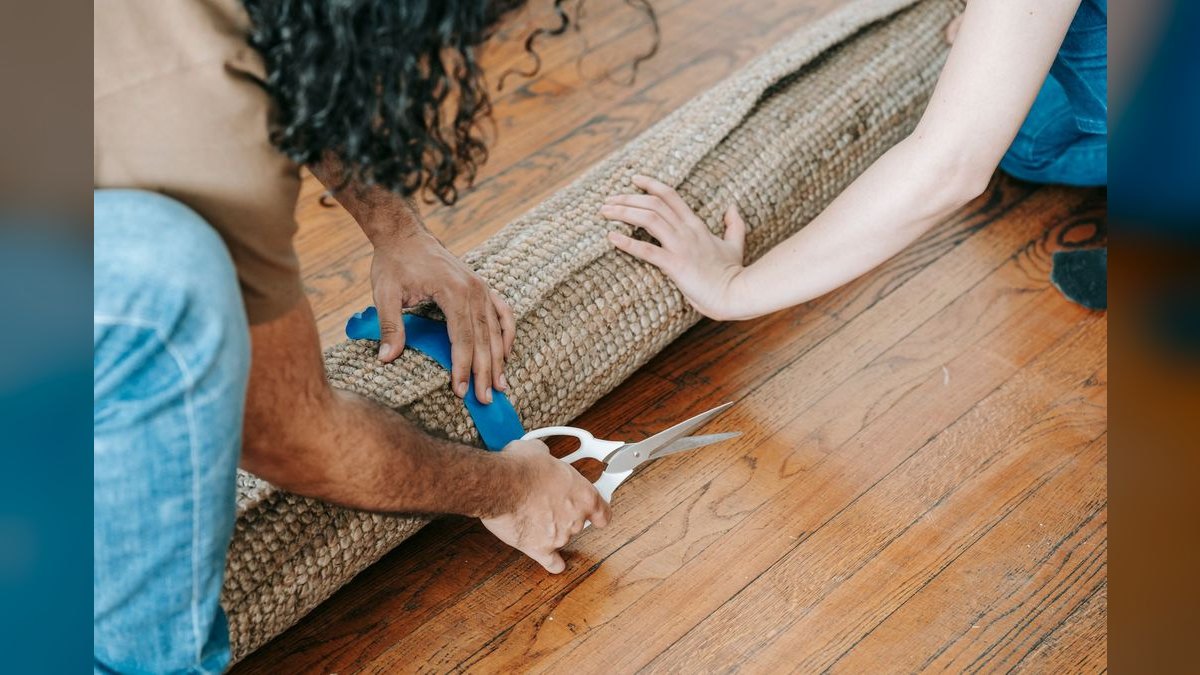
End the segment by stating the rule out loud: "We do not sell carpet. We sell a finished room the customer walks on barefoot." A typical residential job runs $3,000 to $9,000 installed — that is a considered purchase, and it is sold in the home, not over text.
---
Section 2 — The Measure-and-Discover Walkthrough (15 min)
The walkthrough is where the job is won. Reps do it wrong by measuring in silence. Walk the room through the verbatim template — have each rep fill it out for a real upcoming in-home appointment right now.
Verbatim In-Home Discovery Template (rep fills out while measuring, room by room):
> 1. Rooms in scope: [Living / hall / stairs / bedrooms] — [rough total SF] — [subfloor type] > 2. The trigger: What made you finally call us? [Pet stains / selling the house / new baby / flood] > 3. Traffic and household: [Kids / pets / wheelchair / elderly] — drives the product, not the price > 4. The look they pointed at: [The exact sample or Pinterest photo they showed me] > 5. Timeline: When does this need to be DONE by? [Holiday / move-in / event] > 6. Budget reality: "Most rooms like this land between X and Y installed — does that feel right, or are we tighter?"
Coach the WFCA measure-twice rule: always re-measure the widest point, and add 10% waste for carpet, 7-10% for LVP/hardwood for cuts and pattern match. A short measure that triggers a re-order is the fastest way to kill margin and trust.
Show the bad example: walking in, measuring, and saying "I'll email you a quote." That is not a sales call — that is a free measuring service for your competitor.

---
Section 3 — The Sample-In-The-Room Demonstration (10 min)
This is the part big-box stores cannot copy. Drill it.
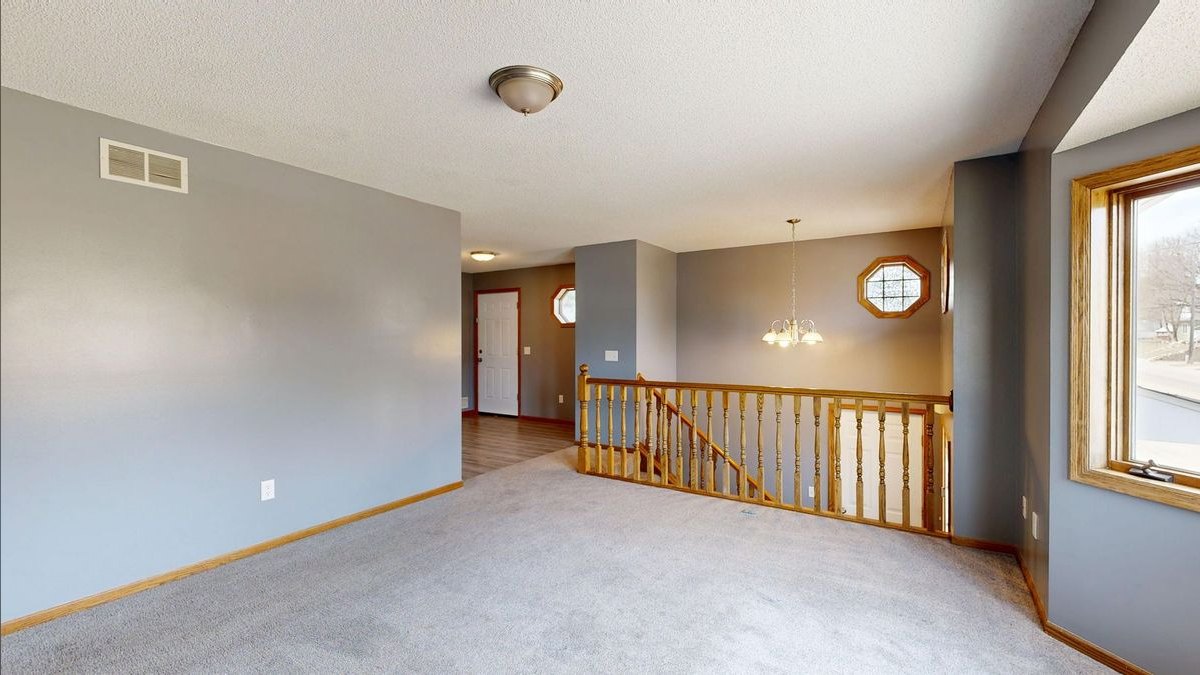
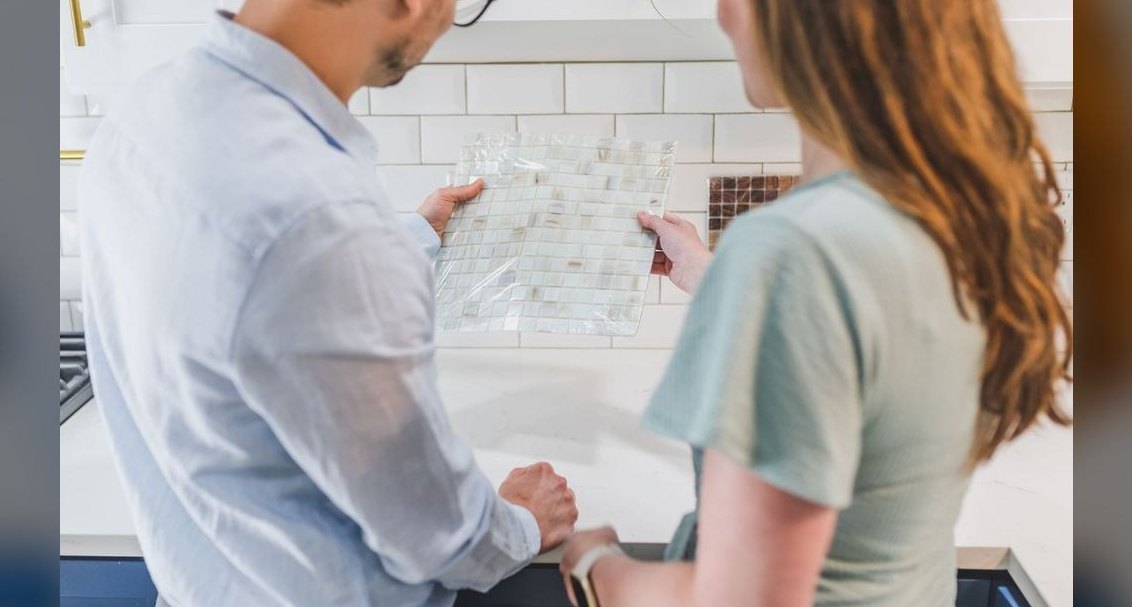
- Lay the actual sample on the actual floor, in the actual light, in the actual room. Carpet in the bedroom, LVP plank in the kitchen.
- Show the pad. Pull out the 8-pound rebond versus the premium memory pad and let them step on both barefoot. Pad is the single easiest upsell in flooring — $0.50 to $1.20 per foot of pure-feel upgrade.
- Hand them the plank. Let them flex an LVP plank and hear the click-lock. Let them run a hand over hand-scraped hardwood. Touch sells.
- Open the seam and texture conversation before they ask — get ahead of the objection.
What to NEVER say in the customer's home (read these aloud, slowly):
- "It's basically the same as the cheaper one" (you just talked yourself out of the upgrade margin)
- "This is our most expensive option" (price-frames it as a splurge instead of the right floor)
- "You could probably get it cheaper online" (hands the job to a competitor for free)
- "Pad doesn't really matter" (kills your easiest, highest-margin attach)
- "I'll have to check if we can install that fast" (signals you cannot deliver on their timeline)
- Anything trashing a competitor's product or installer (makes you look small; the WFCA retail-ethics standard forbids it)
Tom Hopkins' in-home rule is blunt: in the customer's living room, the sample on the floor does more selling than any line on the quote.
---
Section 4 — The Good-Better-Best Installed Quote (10 min)
Never present one number. Present three installed packages so the customer chooses *which*, not *whether*. Use the verbatim script at the kitchen table, samples still on the floor.
Verbatim Quote-Presentation Script (rep delivers at the table):
> Rep: "I measured everything and built you three complete options — every one includes tear-out, haul-away, the pad, and full install. No surprises later." > > [Lay three printed sheets down, cheapest on the left.] > > Rep: "Good is our builder-grade carpet, installed, at [$X]. Better is the stain-resistant nylon you stepped on with the upgraded pad at [$Y]. Best is the LVP you flexed in your hand — waterproof, pet-proof, installed at [$Z]." > > [Stay quiet. Let them touch the middle sheet. Count to five.] > > Rep: "Most families with [their dog / their kids] land on the Better or Best. Which of these feels like the floor you want to live on?" > > [Customer points. Rep does NOT discount yet.] > > Rep: "Great choice. We can have the crew here [date]. To lock that install date, we just need a deposit or we can set up financing right now — which is easier for you?"
Do NOT:
- Lead with the cheapest option or apologize for the price.
- Discount before the customer has even chosen a package — you trained them to wait for the cut.
- Quote material-only and "figure out install later." The WFCA standard is one finished number, every time.
---

Section 5 — Financing, the Math, and Closing Today (15 min)
Build the close on the whiteboard. The job dies in the 24 hours after you leave if you don't lock the deposit or the financing application in the home.
The math (a real 1,200 SF main-floor LVP job):
- 1,200 SF × $5.50/SF installed (material + pad + labor + tear-out) = $6,600 total project
- On 12-month no-interest financing, that is $550/month — but you reframe it.
- The customer's real comparison: $550/month versus replacing it again in 5 years when the cheap carpet mats down.
- Attach the premium pad at $0.85/SF = $1,020 added at near-pure margin, and the floor feels twice as expensive.
Common in-home objections (rehearse the comebacks):
- *"I need to think about it / talk to my spouse."* — "Totally fair. Both of you are here now — what's the one question I can answer so you don't have to schedule a second appointment?"
- *"The big box store quoted less."* — "They quote material. We quote your finished floor — tear-out, pad, install, and a real crew. Let's compare the *installed* numbers side by side."
- *"Can you do better on price?"* — "I can move you to the Better package and save you [$X], or I can hold this product and stretch it over financing so it's [$Y]/month. Which helps more?"
Have each rep practice asking for the deposit or the financing app out loud before leaving the room. No appointment ends without the ask.
---
Section 6 — Commitments and Close (5 min)
Each rep leaves with three written commitments, taped to the sample bag:
- I lay a sample in the actual room on every in-home appointment this week — no measuring in silence.
- I quote good-better-best installed, pad and labor included — never a bare per-foot number.
- I ask for the deposit or run financing in the home before I walk out — every single call.
Close by reading the WFCA retail principle aloud: *"The independent flooring retailer wins on the in-home experience the big box store cannot deliver — measured right, demonstrated in the room, installed by a real crew."*
Then pin the in-home checklist in the showroom back office.
---
FAQ
Q1: What if the customer only wants a phone quote and won't book an in-home visit? A: Offer a rough range by phone, then say the real number requires a measure: "Floors vary by subfloor and room — I'd hate to quote you wrong. The measure is free and takes 30 minutes." The WFCA position is that flooring is sold in the home, not over the phone.
Q2: How hard do I push the pad upgrade? A: Hard, but with a demo, not a pitch. Let them step on both barefoot. Pad is the easiest high-margin attach in flooring and the customer feels it instantly — never skip it.
Q3: What if I measure wrong and the job needs a re-order? A: You eat margin and risk the customer's trust. Follow the WFCA / CFI measure-twice rule and add proper waste — 10% carpet, 7-10% LVP and hardwood for cuts and pattern match.
Q4: Should I trash the big-box competitor's price? A: No. Reframe to installed total. Big box quotes material; you quote a finished floor with a real crew. Compare like for like and let the install win it.
Q5: The customer wants to "think about it" — do I just leave? A: Not without the ask. Both decision-makers are usually present at an in-home appointment. Answer the one open question and ask for the deposit or financing app before a second visit ever gets scheduled.
Q6: How is showroom selling different from in-home? A: Showroom lets them touch more product and you control the lighting; in-home lets you measure, see the real subfloor, and lay the sample in the actual room. The closing arc — demonstrate, quote installed, finance today — is identical.
---
Related on PULSE
- [Gutter and Gutter-Guard In-Home Sales — 60-Min Training](/knowledge/st264)
- [Water Treatment and Softener In-Home Sales — 60-Min Training](/knowledge/st269)
- [Replacement Window In-Home Sales — 60-Min Training](/knowledge/st262)
- [Kitchen and Bath Remodel In-Home Sales — 60-Min Training](/knowledge/st259)
- [Sales Forecasting Accuracy: Template for a Team Meeting Focused on Data Hygiene](/knowledge/st0796)
- [Selling with Stories: Narrative Structure Template for a 45-Minute Sales Workshop](/knowledge/st0792)
Sources
- World Floor Covering Association (WFCA), retail selling standards and consumer-education resources, wfca.org.
- Certified Flooring Installers (CFI), installation-quality and measurement standards, cficertified.com.
- Tom Hopkins, *How to Master the Art of Selling*, Grand Central Publishing, 2005 edition.
- National Wood Flooring Association (NWFA), hardwood installation and product guidelines, nwfa.org.
- Floor Covering Weekly, retail and residential flooring market reporting, 2024-2025.
- The Carpet and Rug Institute (CRI), carpet and cushion (pad) performance standards, carpet-rug.org.
- Tile Council of North America (TCNA), hard-surface install reference, tcnatile.com.
- FCNews (Floor Covering News), independent-retailer business reporting, 2024-2025.
This page will be disappearing soon. Save it to your device for $1 — or read it free while it is here.
@Kory-White- · if Venmo asks, the last 4 of my number are 2012
 sales-trainingPatio and Hardscape Design Sales — 60-Min Training
 sales-trainingResidential Painting Estimate-to-Close — 60-Min Training
 sales-trainingReplacement Window In-Home Sales — 60-Min Training
 sales-trainingKitchen and Bath Remodel In-Home Sales — 60-Min Training
 sales-trainingFence Installation Sales — 60-Min Training
 sales-trainingHome Insulation and Energy-Audit Sales — 60-Min Training
 sales-trainingGarage Door Installation Sales — 60-Min Training
 sales-trainingHome Standby Generator Sales — 60-Min Training
 sales-trainingPool and Spa Installation Sales — 60-Min Training
 sales-trainingWater Treatment and Softener In-Home Sales — 60-Min Training