
How do you train a sales team in IT Services / MSP in 2027?
 Curated byKory White · Fractional CRO · Maryland
 PULSEKNOWLEDGE LIBRARY
Train an IT Services/MSP sales team in 2027 by combining a 60-90 day technical ramp (shadowing vCIOs, learning your RMM and security stack) with structured discovery-call training on compliance, uptime, and total-cost-of-risk framing — not price. Layer in AI call-coaching, quarterly certification refreshers, and live deal reviews so reps sell outcomes, not tickets.
What MSP sales training actually is and why it matters
Selling IT Services is fundamentally different from selling a discrete product because the buyer isn't purchasing a thing — they're purchasing the absence of downtime, breach, and compliance failure, none of which they can see until it's too late. A rep who can't explain the difference between an RMM (remote monitoring and management) platform, an EDR (endpoint detection and response) tool, and a SOC (security operations center) feed will lose credibility with an IT director in the first five minutes. That's why MSP sales training in 2027 has to blend two disciplines most training programs keep separate: technical literacy and consultative sales process. A rep can have flawless SPIN-selling technique and still get eaten alive by a prospect's IT manager who asks a single follow-up question about patch cadence.
The stakes are higher than they were even three years ago. Cyber-insurance carriers now require documented security controls before issuing or renewing policies, which means a growing share of MSP deals are won or lost on the rep's ability to speak fluently about frameworks like NIST CSF, CIS Controls, or SOC 2 — not because the client cares about the framework itself, but because their insurer, auditor, or biggest customer is demanding proof. A sales team that hasn't been trained to translate "we run quarterly vulnerability scans" into "this keeps your cyber-insurance premium from tripling" is leaving revenue on the table and losing deals to competitors who can.

There's also a structural reason training matters more for MSPs than for most B2B sales orgs: churn in this vertical is brutal. Average rep tenure at small-to-mid MSPs runs 18-30 months, and every departure resets institutional knowledge about which service tiers map to which client verticals, which vendors your engineering team actually trusts, and which objections come up in your specific market. Training isn't a one-time onboarding event here — it's a continuous system that has to survive rep turnover, vendor stack changes (a shift from one RMM vendor to another can obsolete half your sales deck overnight), and the constant drift of what "good security" means as threat actors evolve.
The step-by-step process
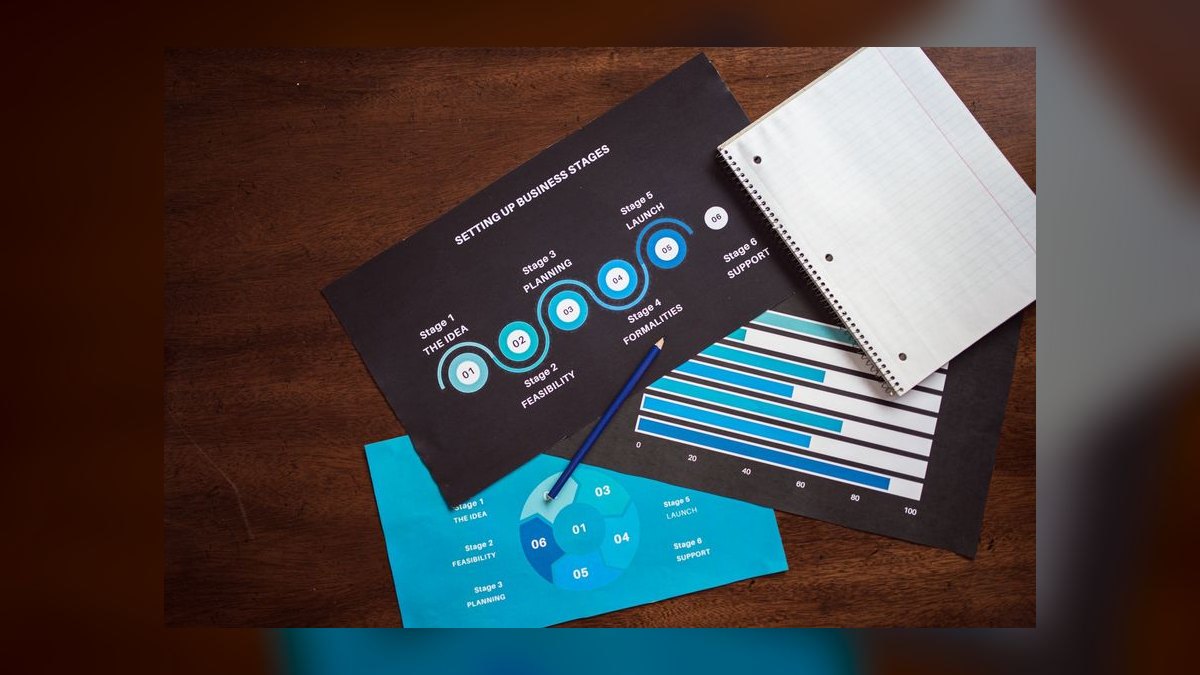
The most effective MSP training programs follow a sequence that moves reps from technical grounding to independent selling in stages, rather than throwing them into cold discovery calls in week one. A typical 2027-era build looks like this:

Weeks 1-2, stack immersion: the rep sits with engineering (not sales leadership) to understand what the company's core stack — RMM, PSA (professional services automation), backup/DR, EDR, email security, and any compliance-as-a-service offering — actually does day to day. This isn't a slide deck; it's watching a ticket get resolved, watching a backup restore test run, and sitting in on one incident response tabletop if the timing allows. Reps who skip this step consistently make promises in sales calls that engineering can't honor, which is the single fastest way to torch a new relationship.
Weeks 3-4, shadowing: the new rep sits silently on discovery calls, QBRs (quarterly business reviews), and renewal conversations run by a vCIO or senior AE. The goal is pattern recognition — hearing the same five objections come up across different verticals (healthcare worried about HIPAA, manufacturing worried about OT/IT convergence, professional services worried about e-discovery and cyber-insurance riders) and seeing how a strong rep reframes each one around business risk rather than technical spec.

Weeks 5-6, reverse shadowing: the new rep runs the call; the mentor sits in but stays silent unless the deal is at real risk. Debrief immediately after every call while it's fresh — what worked, what didn't, and specifically where the rep either overpromised technically or under-explained value.
Weeks 7-8, certification: reps sit for both vendor certifications (most core MSP tooling vendors — RMM, backup, EDR, and email security providers — offer sales-track certifications that take a few hours to a full day) and an internal certification built from your own battlecards, competitive positioning, and pricing logic. Vendor certs matter for co-op marketing dollars and channel credibility; internal certs matter because they force you to have actually written down your positioning instead of leaving it in senior reps' heads.

Weeks 9-12, supervised live selling: the rep runs real deals with AI-assisted call coaching (tools like Gong, Chorus, or MSP-specific equivalents) flagging talk-time ratio, unanswered technical objections, and missing next-steps in near real time, reviewed weekly with a manager. This is where most of the actual skill-building happens — everything before this point is preparation.
Ongoing: quarterly recertification as the stack changes, plus a recurring deal-review cadence (weekly pipeline review, monthly win/loss debrief) that keeps the training loop closed instead of treating onboarding as a one-time event.
Costs, timelines, and typical ranges
Budget and timeline expectations vary by MSP size, but a few ranges hold fairly consistently across the industry. Full ramp-to-quota time for a net-new sales hire in IT Services typically runs 90-150 days, meaningfully longer than the 60-90 days common in simpler SaaS sales because of the technical layer described above. MSPs that skip the stack-immersion step often see reps hit quota faster on paper but churn client relationships within the first year because they oversold capabilities the delivery team couldn't back up.
Vendor sales certifications are usually free or low-cost (many are bundled into partner-tier agreements and take 2-8 hours to complete), but the real cost is the opportunity cost of rep time — a rep isn't generating pipeline while certifying. Internal enablement content (battlecards, competitive positioning docs, ROI/TCO calculators, objection-handling scripts) usually takes a sales enablement lead or fractional consultant 40-80 hours to build from scratch for a mid-sized MSP, and needs a meaningful refresh (10-20 hours) every time the stack or pricing model changes materially, which for most MSPs is at least twice a year.

AI call-coaching platforms run roughly $50-150 per rep per month depending on features (transcription, scorecards, deal-risk flagging), and are increasingly treated as a training cost rather than a sales-ops cost because the coaching loop they enable — instant, specific feedback on real calls — compresses ramp time meaningfully versus relying solely on manager shadowing, which doesn't scale past a handful of reps per manager.
For a small MSP (under 10 reps), a reasonable annual training budget lands in the $15,000-40,000 range once you include enablement content development, AI coaching tools, occasional outside sales training (a two-day workshop from a consultative-selling firm runs $5,000-15,000 depending on group size), and the internal time cost of vCIOs and senior reps doing shadowing and mentorship. Larger MSPs (50+ reps) often justify a dedicated sales enablement hire, which changes the cost structure but generally produces faster, more consistent ramp times because the training content stays current instead of decaying between refreshes.
Where teams get it wrong
The most common and costly mistake is training reps to sell tickets and hourly rates instead of outcomes. A rep who leads with "we offer 24/7 helpdesk and $150/hour for project work" is competing on price against every break-fix shop in the market. A rep trained correctly leads with the client's actual exposure — average cost of an hour of downtime in their industry, the realistic timeline to detect and contain a ransomware incident without 24/7 monitoring, the compliance penalty exposure if a data-handling requirement lapses — and positions the service tier as risk transfer, not labor.
A second recurring failure is treating certification as the finish line rather than the starting line. Plenty of MSPs get reps through vendor certs and internal onboarding, declare training "done," and then wonder why win rates stall. Certification proves a rep can pass a test; it says nothing about whether they can handle a live prospect who pushes back on why your managed security stack costs more than the incumbent's break-fix arrangement. Skipping the supervised live-selling phase (weeks 9-12 above) is the single most common shortcut that produces certified-but-not-competent reps.

Third, many MSPs let technical accuracy training and sales process training live in separate, disconnected tracks — engineering runs a lunch-and-learn on the stack, sales leadership runs a separate workshop on discovery questions, and nobody ever combines the two into "here's how you use this technical fact to answer that specific objection." The fix is building objection-handling content that pairs each common pushback directly with the specific technical proof point that resolves it, rather than teaching technical facts and sales technique as parallel, unconnected curricula.
Fourth, teams under-invest in competitive training specific to their actual local competitors. Generic "how to sell against a competitor" training is close to useless in MSP sales because the buyer is almost always comparing you to a specific, known local or regional competitor, not an abstract category. Reps need live-updated battlecards on the two or three MSPs they actually lose deals to most often, including honest coverage of where those competitors are genuinely stronger — a rep caught flat-footed by a true competitive advantage loses more credibility than one who simply didn't know the competitor existed.

Finally, teams frequently forget that renewal and expansion selling is a distinct skill from new-logo acquisition and needs its own training track. The QBR is one of the highest-leverage sales motions an MSP has — it's where security stack upsells, additional user licensing, and service-tier upgrades get sold to an already-trusted client — yet many MSPs let QBRs default to a status update run by whoever handles the account, with no sales training applied to that conversation at all.
Decision framework: when to choose what
Not every MSP needs the same training mix, and the right investment depends heavily on team size, rep experience level, and how fast the stack is changing. Use rep tenure and deal complexity as the two main levers:

For a rep coming from another MSP with genuine technical fluency, compressing straight to the shadowing phase and skipping stack immersion is reasonable — the risk is assuming fluency that isn't actually there, so a short technical screening conversation before compressing the ramp is worth the hour it costs. For a rep new to the industry entirely, resist the temptation to compress the timeline even under pipeline pressure; a rep pushed into live selling before they understand the stack will make promises that cost far more in damaged client trust than the few extra weeks of ramp time would have cost in delayed quota attainment.
Team size should drive whether you build enablement content in-house or lean on outside resources. Small teams rarely have the bandwidth to build and maintain a full internal certification program, so borrowing heavily from vendor-provided sales certifications and a single outside consultative-selling workshop is usually the better use of limited time. Larger teams get a real return on a dedicated enablement function because the content stays current and the training loop (deal reviews, win/loss analysis, updated battlecards) becomes a continuous system rather than something that gets revisited only when a new hire starts.
Related questions
How long does it take to ramp a new MSP sales rep to full quota?
Typically 90-150 days for reps new to IT Services, shorter (60-90 days) for reps with prior MSP or managed-security sales experience who mainly need product and pricing training rather than technical grounding.
Should MSP sales reps get technical certifications, not just sales certifications?
A working-level understanding of vendor certifications (RMM, backup, EDR, email security) builds credibility fast with technical buyers, but reps don't need full engineering-grade certs — the goal is fluency, not implementation skill.
How do you train reps to sell security add-ons instead of just managed IT?
Pair each security offering (EDR, SOC monitoring, compliance-as-a-service) with a specific business-risk translation — cyber-insurance premium impact, breach-notification cost exposure, compliance-audit failure risk — and drill objection handling against that framing specifically.
What's the biggest difference between training SaaS reps and MSP reps?
MSP reps are selling risk transfer against an invisible threat (downtime, breach, compliance failure) rather than a visible feature set, which requires deeper technical grounding and much more emphasis on business-outcome framing than typical SaaS sales training.
FAQ
Do MSP sales reps need to understand cybersecurity frameworks like NIST or CIS Controls? Not at an implementation level, but reps need enough fluency to translate framework requirements into client-facing value — for example, connecting a client's cyber-insurance renewal requirements directly to specific controls your service already covers.
How often should MSP sales training content be refreshed? At minimum twice a year, and immediately any time there's a material change to your core stack (switching RMM or EDR vendors, adding a new service tier) since outdated technical claims in sales conversations damage trust quickly.
Is AI call coaching worth it for a small MSP sales team? For teams with more than two or three reps, yes — it scales feedback that would otherwise require a manager to personally listen to every call, and it catches specific patterns (unanswered technical objections, missing next steps) that manual review often misses.
Should new sales hires shadow engineering before making any sales calls? Yes — reps who skip technical immersion consistently overpromise capabilities the delivery team can't support, which damages client relationships faster than a slightly longer ramp period costs in delayed quota attainment.
How do you train reps to compete against cheaper break-fix IT shops? Train them to reframe the comparison around total cost of risk rather than hourly rate — the realistic cost of extended downtime or a security incident under a reactive break-fix model, versus the cost of proactive managed services.
What's the role of QBRs in ongoing sales training, not just account management? QBRs are one of an MSP's highest-leverage upsell moments, so training needs to treat them as a sales motion with its own skill set — identifying expansion opportunities and objection handling — not just a status-update meeting.
Sources
- https://www.comptia.org
- https://www.channelfutures.com
- https://www.channelpronetwork.com
- https://www.crn.com
- https://www.gartner.com
- https://www.nist.gov/cyberframework
- https://www.connectwise.com
- https://www.datto.com
- https://www.gong.io
Related on PULSE
- How do you structure a compensation plan for MSP sales reps?
- What's the ideal sales-to-technical ratio for a growing managed services provider?
- How do you build a QBR process that actually drives upsell revenue?
- What discovery questions uncover the most upsell opportunity in an existing MSP client?
- How do you compete against low-cost break-fix IT providers without cutting price?
- What KPIs should an MSP sales manager track weekly?
 sales-trainingHow do you train a sales team in Cybersecurity in 2027?
 sales-trainingHow do you train a sales team in SaaS & Software in 2027?
 sales-trainingHow do you train a sales team in Agriculture in 2027?
 sales-trainingHow do you train a sales team in Telecom in 2027?
 sales-trainingHow do you train a sales team in Hardware & Devices in 2027?
 sales-trainingHow do you train a sales team in Battery & Energy Storage in 2027?
 sales-trainingHow do you train a sales team in Solar & Renewables in 2027?
 sales-trainingWhat does a mid-market sales training program cost to build in 2027?
 sales-trainingWhat does a sales training program for a new B2B sales team cost in 2027?
 sales-trainingHow do you train a sales team in Energy & Utilities in 2027?