

What to Wear to a Cocktail Party vs. a Semi-Formal Event in 2027
 Curated byKory White · Fractional CRO · Maryland
Quality
Certified
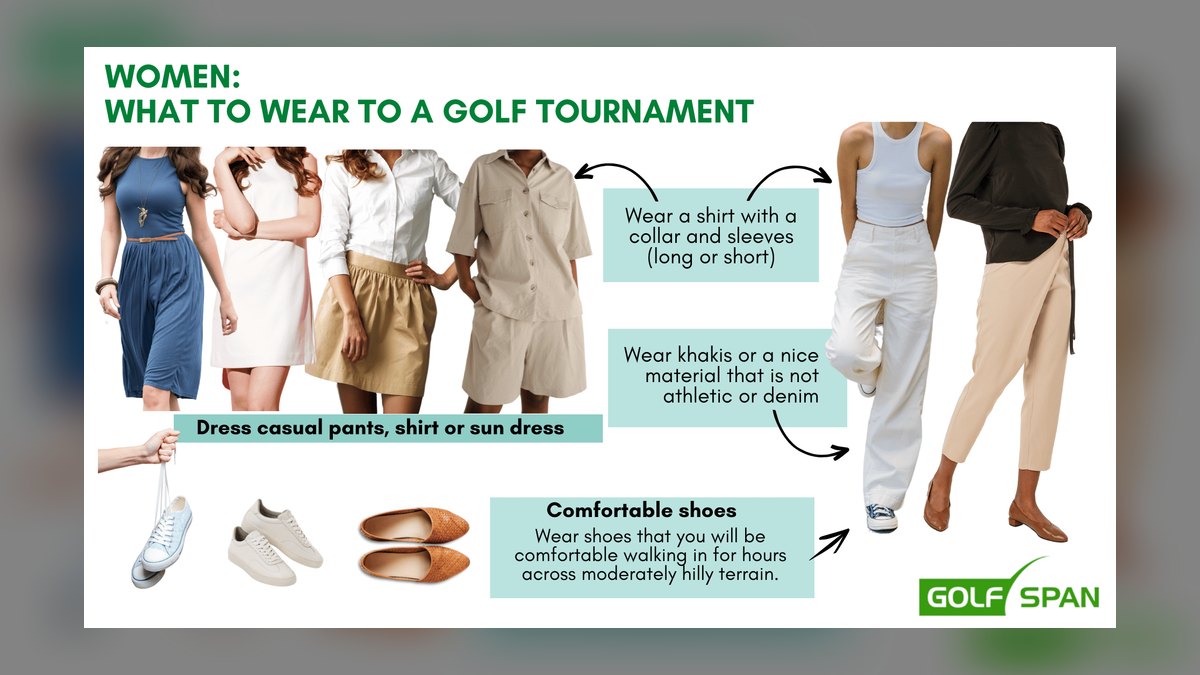
Cocktail attire in 2027 is the dressier of the two: a dark suit or tailored dress at or just above the knee, heeled or polished shoes, evening fabrics. Semi-formal sits one notch down and reads business-plus — suit optional tie, midi dress, or elevated separates. When the invitation says cocktail, add shine; when it says semi-formal, add structure.
The two dress codes side by side, and why they keep getting confused
The confusion between cocktail and semi-formal is not a modern invention — it comes from a genuine overlap in the historical dress-code ladder. Traditional codes ran white tie, black tie, black-tie optional, cocktail, semi-formal, business, casual. In older etiquette writing, "semi-formal" was actually the label for what we now call black-tie-optional evening wear: a tuxedo or dark suit for men, a short evening dress for women. Over the last several decades the term drifted downward in American usage, and today most hosts who write "semi-formal" on an invitation mean something closer to "dress up, but you do not need to look like you are attending a wedding reception." Cocktail, by contrast, held its position and became the standard dressy-but-not-black-tie code.
The practical result for 2027 is that the two codes are neighbors rather than twins. Cocktail is the more decorative of the pair. It permits — arguably invites — evening fabrics like satin, velvet, crepe, sequin, and jacquard; it accepts shorter hemlines; it welcomes statement jewelry, metallic shoes, and a clutch instead of a bag. Semi-formal is the more restrained neighbor. It leans on structure and quality of cut rather than surface shine: a well-fitted suit, a midi dress in a matte fabric, a jacket-and-trouser pairing that would not look absurd in a corporate lobby at 6 p.m.
A useful mental test is the "6 p.m. lobby test." Imagine standing in an office building lobby at six in the evening. If your outfit would read as slightly overdressed but not costume-like, you are in semi-formal territory. If it would clearly signal that you are on your way somewhere social — a bar, a gala reception, a launch party — you are in cocktail territory. That single test resolves most borderline cases faster than an hour of scrolling.

The second axis, and the one people forget, is time of day. Both codes shift with the clock. A cocktail party at 2 p.m. in a garden calls for lighter color, less shine, and often a dress in a woven fabric rather than a liquid satin. The same code at 8 p.m. in a hotel bar tolerates and rewards darker palettes, more metallic, and a heavier shoe. Semi-formal behaves the same way: a daytime semi-formal event nudges toward what people now call "business elevated," while an evening one nudges toward the low end of cocktail. The two codes actually converge in the evening and diverge during the day, which is why an invitation that specifies a start time is telling you more than it seems.
The third distinguishing axis is the host's intent. A corporate holiday party labeled "cocktail" is usually asking you to look polished without looking like you are competing with the executives. A friend's engagement Party labeled "cocktail" is asking you to look festive. The word is identical; the read is different. Reading the Event context — venue, host, guest list, purpose — is worth more than reading the label in isolation.
What actually works for a cocktail party
Start with the anchor pieces, because everything else follows from them. For a masculine-presenting cocktail outfit, the reliable core is a dark suit — navy, charcoal, deep green, or a muted burgundy for the more adventurous — in a fabric with some substance. A tie is optional at cocktail and has been for years; if you skip it, the shirt collar has to be structured enough to stand on its own, which usually means a spread or semi-spread collar in a crisp poplin rather than a soft button-down. Shoes: leather, polished, with a closed toe. Loafers work in the evening now; sneakers do not, regardless of how expensive they are.

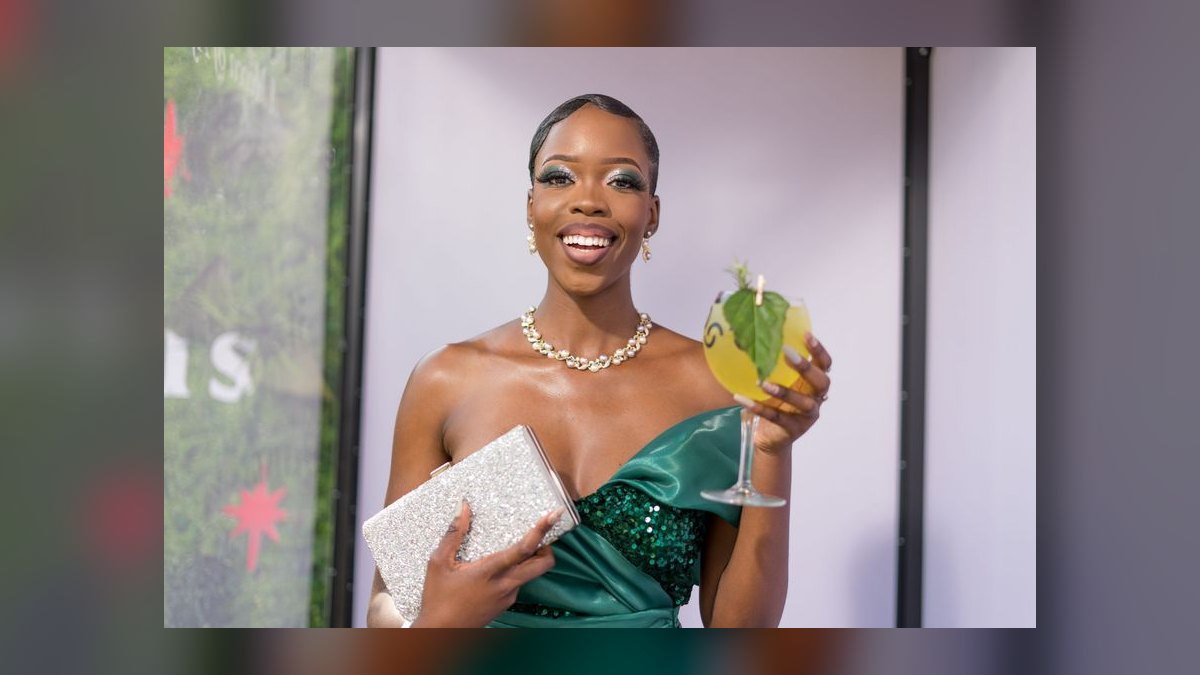
For a feminine-presenting cocktail outfit, the traditional anchor is a dress at or just above the knee. That length remains the safest single choice in the entire category. But the modern envelope is wider: a midi in an evening fabric reads perfectly cocktail, as does a jumpsuit in crepe or satin, as does a tailored trouser-and-camisole pairing under a sharp blazer. What makes any of these read cocktail rather than office is the fabric and the finishing — a satin-backed crepe instead of a suiting wool, a heel or an elevated flat instead of a commuter shoe, jewelry that is doing something rather than nothing.
Fabric is the lever most people underuse. The same silhouette in ponte knit reads work; in duchess satin it reads Party. If you own one dress you want to stretch across both codes, the fabric will do more of that work than the cut. Velvet is the strongest cold-weather cocktail fabric because it photographs richly and holds shape; crepe is the strongest year-round choice because it drapes without clinging and does not wrinkle in a car.
Color deserves its own note. Black remains the default and is never wrong at an evening cocktail party, but it is also the least memorable option in a room where half the guests chose it. Jewel tones — emerald, sapphire, garnet, amethyst — photograph well under warm indoor lighting, which is what most venues use. Metallics work but should be a single element rather than the whole outfit; a metallic shoe with a matte dress reads intentional, while a metallic dress with a metallic shoe and metallic bag reads like a costume.

Outerwear is the piece people forget until they are standing outside. A wool overcoat in a neutral is the safest topper for a cold-weather cocktail event. A puffer, however good, undercuts everything under it. If the venue has a coat check, the calculation is easy. If it does not — a rooftop bar, a backyard, a venue with a long outdoor queue — the coat becomes part of the outfit and needs to be chosen as such.
Layering also solves the biggest single practical failure at cocktail events: temperature. Rooms that hold a hundred people get warm fast, and the same room before the crowd arrives is cold. A jacket you can remove, a wrap you can drape, or a dress with sleeves you actually want to wear all handle that swing better than a strapless piece plus regret.
What actually works for a semi-formal event
Semi-formal rewards restraint and punishes shine. The masculine anchor is a suit — and unlike cocktail, the suit here does not have to be dark. Mid-grey, lighter navy, or a subtle pattern all work, particularly during the day. A tie is more expected at semi-formal than at cocktail, which is a genuine inversion of what most people assume. The reason is that semi-formal descends from business dress, and the tie is the business signal; cocktail descends from evening dress, where the open collar has been acceptable for a long time.
The feminine anchor at semi-formal is a dress in a matte or textured fabric at midi length, or a skirt-and-top combination with a defined waist, or a trouser suit in a fabric with a little presence. Hemlines can go longer here than at cocktail without reading as too formal; a floor-length dress in a simple fabric with minimal embellishment sits comfortably at semi-formal, whereas the same length in heavy beading tips into black-tie territory.

Shoes at semi-formal skew toward the closed and the structured: pumps, block heels, loafers, oxfords, ankle boots in a fine leather. Sandals are more of a daytime or warm-weather move here. The bag can be a proper handbag rather than a clutch, which is one of the small conveniences of the code — you can carry your actual things.
The most common semi-formal mistake is under-committing: wearing exactly what you wear to work, with no adjustment, and hoping the venue does the lifting. The fix is one deliberate upgrade. Swap the everyday blazer for one with a sharper shoulder. Change the shirt for silk. Add a real shoe. Put on jewelry you would not wear to a Tuesday meeting. One clear upgrade separates "I dressed for this" from "I came from the office."
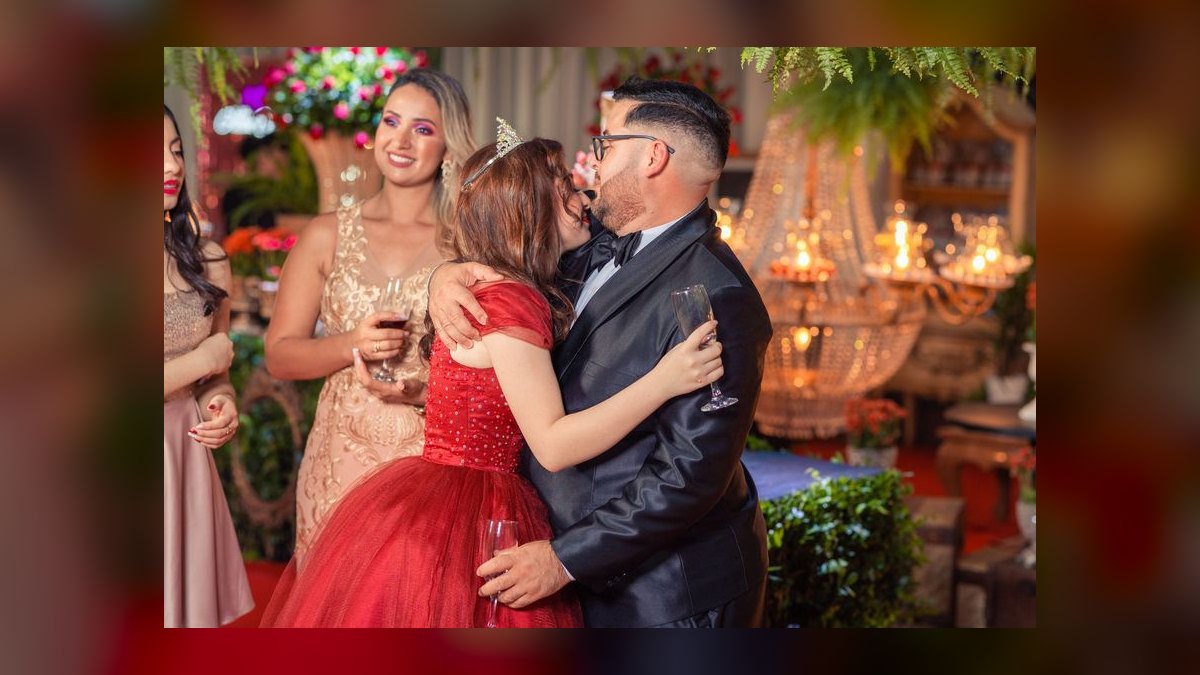
Weddings deserve a specific note because they generate more semi-formal confusion than anything else. A semi-formal wedding usually means a suit and tie for masculine guests and a midi or long dress for feminine guests — and it almost always means avoiding white, ivory, cream, and, at many weddings, anything close to the bridal party's stated colors. Cocktail weddings run slightly dressier and slightly shorter. If the invitation gives a code and a venue and they disagree — "semi-formal" at a barn, "cocktail" at a cathedral — the venue usually wins on practicality (shoes, ground, weather) and the code wins on formality level.
How to decide between them without asking the host
Most people can resolve the code in under two minutes with a small decision tree, using signals that are already in front of them: the invitation wording, the start time, the venue type, and the host relationship. The tree below is the version worth memorizing.

Three follow-up questions sharpen the result. First: will you be photographed? Group photos flatten texture and exaggerate shine, so a fabric that looks subtle in a mirror can look loud in a flash photo, and vice versa — matte fabrics photograph flatter, textured ones photograph richer. Second: will you be standing? Three hours upright on a hard floor changes the shoe calculation more than any style consideration. Third: is anyone you report to going to be there? That single fact usually caps how far you should push the outfit, in either direction.
When there is no code at all — increasingly common on digital invitations — the venue is the most reliable proxy, followed by the time, followed by what the host themselves is likely wearing. Hosts rarely dress below their guests. If you know the host's baseline, you know your floor.
Concrete numbers, ranges, and what a workable wardrobe costs
Numbers help more than adjectives here, so a few practical ranges. Hemline: cocktail's traditional safe zone is roughly knee-length to just above the knee, with midi as a fully accepted modern alternative; semi-formal tolerates midi to floor-length more comfortably. Heel height: three inches is a common upper bound for a full evening of standing, and block heels distribute weight far better than stilettos on grass, cobblestone, or old hardwood.
Timing: dress codes flip at roughly 5 to 6 p.m. in most American usage — before that, daytime rules; after that, evening rules. An invitation with a 6:30 p.m. start is an evening event no matter what the venue looks like in daylight.

Budget shape matters more than budget size. A workable dual-purpose wardrobe is built around three anchors and three multipliers. The anchors: one dark suit or one well-cut dress in a neutral evening fabric; one pair of polished closed-toe shoes; one neutral overcoat. The multipliers: a second shirt or top in a dressier fabric, one piece of jewelry or a tie that changes the register, and one jacket or wrap that changes the silhouette. Three anchors plus three multipliers produce far more distinct outfits than six random purchases, because each multiplier recombines with each anchor.
Tailoring is the highest-return spend in this entire category. Hemming trousers, taking in a jacket waist, and shortening dress straps are inexpensive relative to the garment and change how the outfit reads more than a price upgrade would. A moderately priced suit that fits beats an expensive suit that does not, every time, in every room. If you are allocating a fixed budget across a cocktail-and-semi-formal wardrobe, spending a meaningful slice of it on alterations rather than on an additional garment is almost always the better trade.
Rental and resale are the other structural levers. For a one-off event — a single wedding, a single company Party — rental removes the storage and the sunk cost, and it lets you wear something more formal than you would reasonably buy. For anything you will wear more than about three times, buying usually wins on cost per wear. The crossover point sits around three to four wears for most formal garments, though it moves with the item: shoes and outerwear cross over faster because they get worn outside the event category too.
There is also a maintenance line item people underestimate. Evening fabrics are disproportionately dry-clean-only, and a garment that needs professional cleaning after every wear has a real running cost. Crepe, wool, and many blends can be spot-cleaned and steamed; silk, velvet, and heavy embellishment usually cannot. If you are choosing between two otherwise equal pieces, the care label is a legitimate tiebreaker.
Sequencing an outfit, and the week-before checklist

Building the outfit in the right order prevents the most common failure mode, which is buying a beautiful centerpiece and then discovering nothing you own works with it. The sequence below runs from the fixed constraints outward to the flexible ones.
The week-before checklist is short but it catches nearly everything. Try the whole outfit on at once, at least five days out — not the individual pieces, the whole thing, including shoes and outerwear. Sit down in it. Walk a hallway in it. Raise your arms. Most fit failures reveal themselves in motion rather than in a mirror.
Then handle the unglamorous items. Steam or press everything, because creases from hanging read as sloppiness in photographs. Check the shoes for scuffs and for whether the soles have any grip at all — new leather soles are genuinely slippery on polished floors, and a light scuff on the sole with sandpaper fixes it. Confirm what you actually need to carry: phone, keys, card, lipstick or lip balm, and, if the venue is far, a charger. A clutch that cannot hold a phone is a decorative object, not a bag.
Two days out, check the weather and the venue's specifics. Outdoor portions, gravel paths, grass, and stairs all change the shoe answer. Coat check availability changes the outerwear answer. If the event has a seated dinner, the comfort calculation shifts toward waistbands and away from shoes; if it is a standing reception, it shifts the other way.
The adjacent scenarios are worth planning for in the same pass, because the wardrobe overlaps almost entirely. A "creative black tie" invitation is cocktail's dressier cousin and usually accepts a dark suit with an unexpected element. "Festive attire," which appears on December invitations, is cocktail with permission to add color, sparkle, or velvet. "Dressy casual" and "smart casual" sit below semi-formal and typically mean a blazer with no tie, or a dress in a casual fabric — a code where dark denim occasionally passes, though rarely at an evening Event. "Business formal" is semi-formal's weekday twin: same suit, more conservative accessories, no evening fabrics at all. Knowing where each of those sits relative to the two main codes means one wardrobe covers a surprisingly wide calendar.

One last sequencing note: decide the outfit before you decide the grooming. Hair and makeup that suit a strapless dress can look mismatched with a high-neck jumpsuit, and a beard trim or haircut timed too close to the event leaves no recovery window. Three to five days before is the standard advice for a haircut, precisely because it lets the cut settle.
Related questions
Is cocktail attire dressier than semi-formal?
Yes, in current American usage. Cocktail sits one rung above semi-formal on the ladder, permitting evening fabrics, shorter hemlines, and more decorative accessories. Semi-formal leans on tailoring and structure instead of shine, and expects a tie more often than cocktail does.
Can a man wear the same suit to both?
Almost always, yes. A dark navy or charcoal suit covers both codes. Wear it with a tie and a conservative shirt for semi-formal; drop the tie, add a spread-collar shirt and polished leather shoes, and it reads cocktail. The suit does not change — the styling around it does.
Are jeans ever acceptable at either?
No at cocktail, and effectively no at semi-formal. Dark, unwashed denim occasionally passes at "dressy casual" or a very relaxed host's daytime gathering, but both cocktail and semi-formal are explicitly above the denim line. If you are debating it, the answer is no.
Does the time of day really change the answer?
Substantially. Codes flip around 5 to 6 p.m. Before that, lighter colors and matte, woven fabrics; after that, darker palettes, evening fabrics, and heavier shoes. The same "cocktail" label produces two visibly different outfits at 2 p.m. and 8 p.m.
What if the invitation gives no dress code at all?
Read the venue first, the start time second, and the host's own likely outfit third. Hotels, ballrooms, and upscale restaurants imply cocktail; offices, clubs, and daytime venues imply semi-formal; homes and casual bars imply smart separates with one dressy element.
FAQ
How short can a cocktail dress be in 2027?
The traditional safe zone is knee-length to just above the knee, and that remains the least risky choice. Midi lengths are now fully accepted at cocktail and are often the better call for a corporate or professional-adjacent event. Anything substantially above mid-thigh reads as nightlife rather than cocktail, and it will look out of place at a hosted reception regardless of how well it is made.
Do I need a tie for a semi-formal event?
More often than for cocktail, which surprises people. Semi-formal descends from business dress, where the tie is the signal of the code; cocktail descends from evening dress, where an open collar has been acceptable for decades. If the semi-formal event is a wedding or anything with a ceremony component, wear the tie. If it is an evening reception with no ceremony, you have more latitude.
Can I wear black to a wedding with either code?
Yes, in most contemporary American and European contexts. The old prohibition has largely faded, and black is common at evening weddings. Two exceptions still apply: some cultural and religious traditions retain the prohibition, and a daytime outdoor wedding in summer is a context where black can read heavy. When in doubt for a wedding specifically, ask someone in the couple's circle rather than guessing.
What is the single most common mistake at each code?
At cocktail, it is overshining — metallic on metallic on metallic, or a fabric that photographs as costume under warm venue lighting. At semi-formal, it is under-committing: wearing an unaltered work outfit and hoping the venue elevates it. One deliberate upgrade fixes the semi-formal failure; subtracting one shiny element fixes the cocktail one.
Is it better to be overdressed or underdressed?
Slightly overdressed, by a clear margin. Being one notch above the room reads as respect for the host and is easy to soften — remove a tie, remove a jacket, remove a piece of jewelry. Being one notch below is not fixable on site, and it is more visible than people expect in group photographs, which is where most of these outfits end up being judged.
How do I handle a code I have never seen, like "festive" or "creative black tie"?
Map it to the nearest known rung. "Festive attire" is cocktail with permission to add color, velvet, or sparkle. "Creative black tie" is a step above cocktail — a dark suit with one unexpected element, or an evening dress with a distinctive silhouette. "Dressy casual" sits below semi-formal. When the mapping is genuinely unclear, dress to the venue and add one deliberate upgrade.
Sources
- https://www.brides.com/story/wedding-guest-dress-code-guide
- https://www.theknot.com/content/wedding-guest-attire-dress-code
- https://www.gq.com/story/dress-codes-explained
- https://www.esquire.com/style/mens-fashion/a26173/dress-code-guide/
- https://www.vogue.com/article/what-is-cocktail-attire
- https://www.harpersbazaar.com/fashion/trends/a40255866/cocktail-attire-guide/
- https://www.realsimple.com/beauty-fashion/clothing/dress-codes-explained
- https://www.britannica.com/topic/dress-code
- https://www.marthastewart.com/8047269/wedding-dress-codes-explained
Related on PULSE
- What to wear to a black-tie optional wedding
- Business formal vs. business casual: what actually changed
- How to build a ten-piece capsule wardrobe for events
- Renting vs. buying formalwear: the cost-per-wear math
- What "festive attire" means on a December invitation
- Dressing for an outdoor evening event in cold weather
This page will be disappearing soon. Save it to your device for $1 — or read it free while it is here.
@Kory-White- · if Venmo asks, the last 4 of my number are 2012
This page is gone.
This one is off the shelf now. $1 keeps it on your phone for good — the whole page, pictures and diagrams included.
 pulse-styleWhat to Wear to a Karaoke Night in 2027
 pulse-styleHow to Style White Sneakers for a Job Interview in 2027
 pulse-styleWhat to Wear to Yoga Class in 2027
 pulse-styleHow to Style a Midi Skirt for a Job Interview in 2027
 pulse-styleHow to Wear Dusty Rose with a Bomber Jacket in 2027
 pulse-styleHow to Style a Pleated Skirt for a Job Interview in 2027
 pulse-styleWhat to Wear to a Site Inspection in 2027
 pulse-styleWhat to Wear on a Muggy Summer Night in 2027
 pulse-styleHow to Style a Maxi Dress for a First Date in 2027
 pulse-styleCan You Wear Sneakers to Work in 2027?