
What is the best tech stack for an optometry practice in 2027?
 Curated byKory White · Fractional CRO · Maryland
 PULSEKNOWLEDGE LIBRARY
The best tech stack for an optometry practice in 2027 pairs an eye-care-specific EHR and practice-management platform — RevolutionEHR for most independents, Eyefinity for VSP-heavy practices — with three force multipliers: vision-plan eligibility and claims automation through VisionWeb, diagnostic-device image integration through Topcon Harmony or Zeiss Forum, and an automated recall engine. Everything else (payments, accounting, BI) is supporting cast around that spine.
The outcome you should expect
When an optometry practice gets this stack right, the visible outcome is a single continuous transaction instead of two disconnected ones. A patient checks in, the exam is documented and billed against a vision or medical plan, the diagnostic images from the OCT and fundus camera land in the chart automatically, and the same visit converts into an optical sale — frames, lenses, or contacts — without the front desk re-keying anything into a second system. The practice should be able to answer, from one dashboard, what percentage of exams convert into an optical purchase (capture rate) and what percentage of the patient base returns for their next annual exam (recall fill rate), because those two numbers describe whether the clinic side and the retail side are actually reinforcing each other.
The financial outcome follows directly from that operational one. A practice running a unified eye-care platform typically sees fewer denied vision claims because eligibility is checked in real time before the exam rather than discovered after a rejected claim, fewer lost contact-lens refills because the practice runs its own branded auto-reorder storefront instead of ceding that recurring revenue to a third-party retailer, and a materially fuller schedule because recall reminders are automated rather than dependent on staff remembering to call. None of this requires exotic technology — RevolutionEHR, Eyefinity, VisionWeb, and a recall tool like Weave or 4PatientCare have existed for years — the outcome comes from wiring them together correctly rather than running them as isolated point solutions.
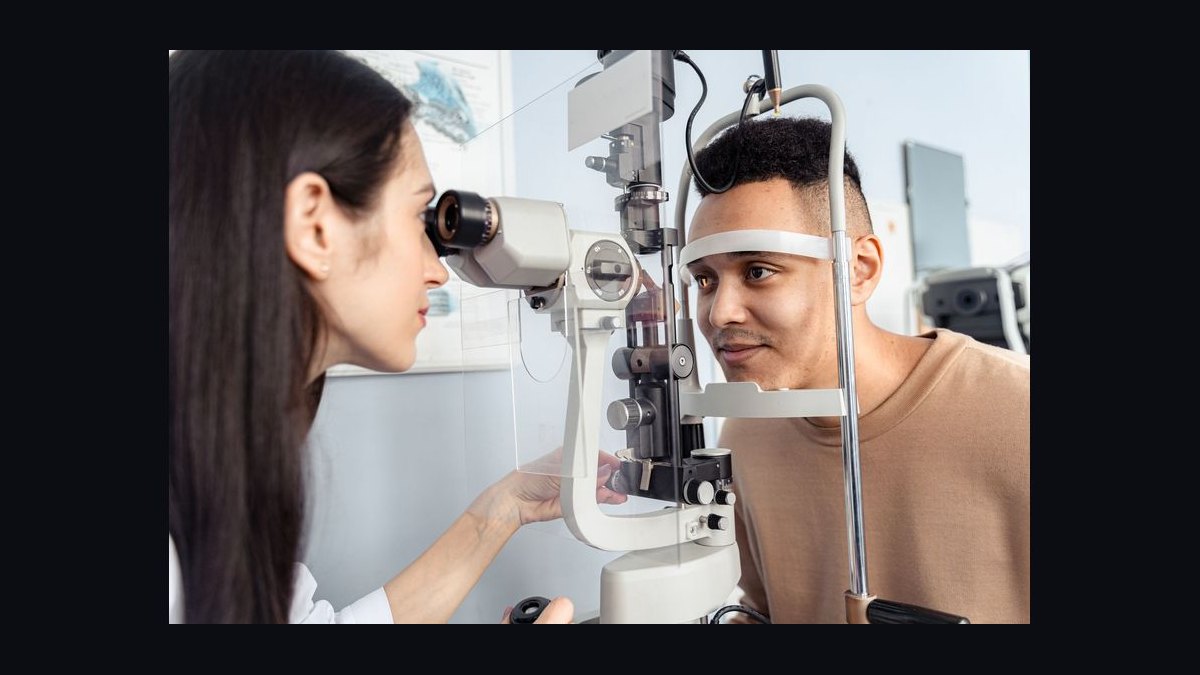
The outcome differs by scale, and it's worth being honest about that upfront. A solo OD with one or two lanes should expect a lean, mostly self-service stack: one EHR/PM system, one claims clearinghouse relationship, one recall tool, and a single-device image viewer, with QuickBooks handling the books. A three-to-fifteen-office group should expect the same architecture replicated consistently across every location, with a cross-location BI layer (typically Power BI) sitting on top so the owner can compare capture rate and recall fill rate location by location rather than practice by practice in isolation. A large chain or DSO — National Vision, MyEyeDr. — should expect something closer to a custom enterprise platform, because off-the-shelf eye-care software was not built to centralize revenue-cycle management and corporate buying power across hundreds of locations. In every case, though, the outcome you're building toward is the same: one patient record that spans the medical exam and the optical sale, and a recall engine that keeps bringing that patient back every year.
What drives that outcome
Three structural facts about optometry drive every decision in this stack, and understanding them explains why a generic medical EHR or a generic retail POS will underperform an eye-care-specific platform even when the generic tool is otherwise well built.
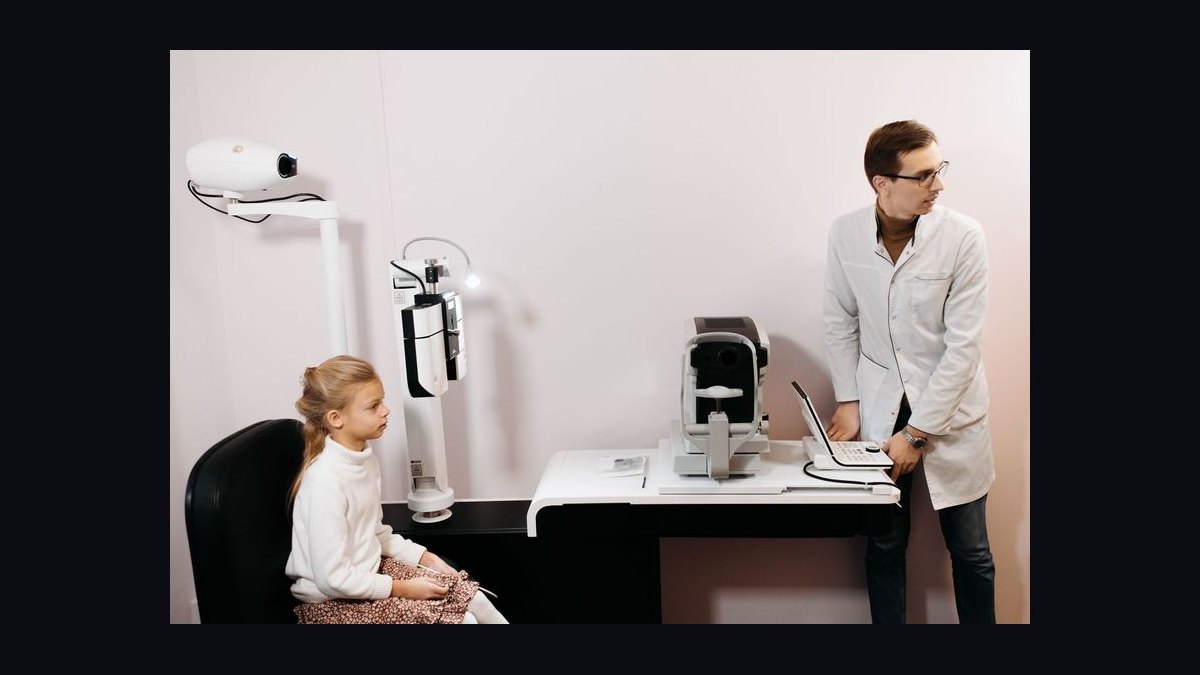
First, optometry runs two billing logics through one register. A medical or vision-plan claim (VSP, EyeMed, or a major medical carrier) has to be adjudicated with CPT and diagnosis codes, while the optical sale twenty feet away is retail commerce with sales tax, SKU-level frame inventory, and lens/coating options. A platform that only does clinical charting forces a second point-of-sale system, and the two ledgers rarely reconcile cleanly — staff end up re-entering the same visit twice. RevolutionEHR, Eyefinity, Compulink, and Crystal PM all carry both ledgers natively, which is the single biggest reason independents standardize on one of them rather than combining a generic EHR with a generic retail POS.
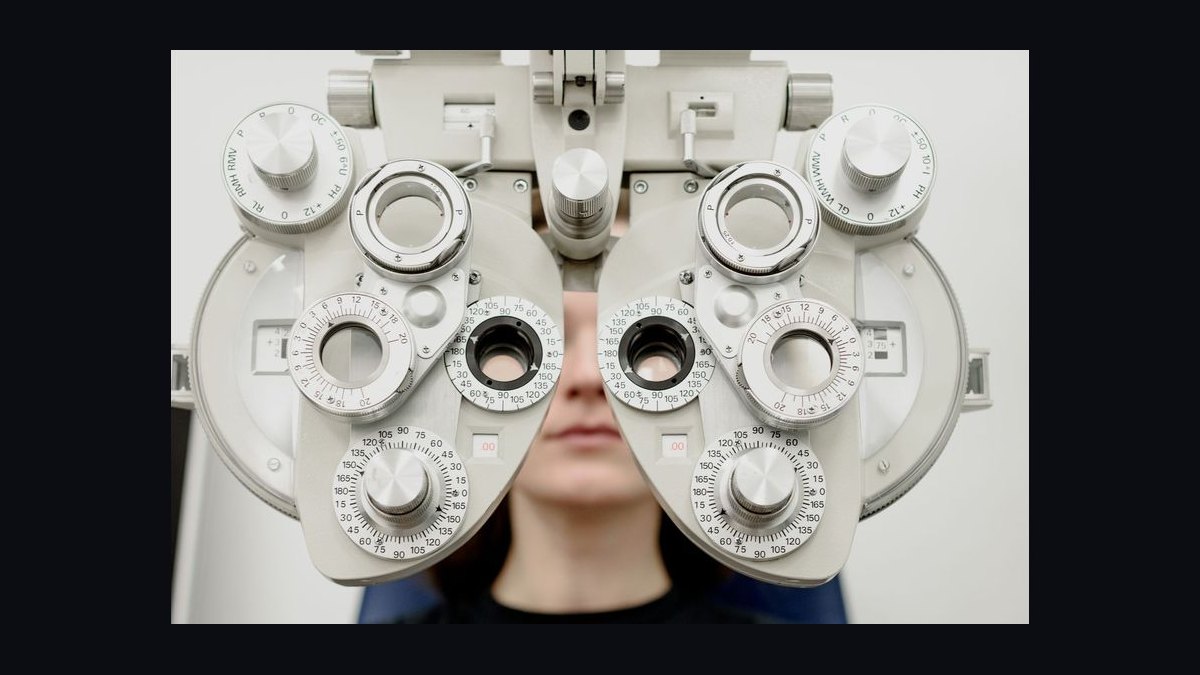
Second, the exam lane generates images that have to become part of the permanent chart, not files sitting on an instrument's local hard drive. A modern lane runs an autorefractor, a fundus camera, an OCT, and often a visual-field analyzer, and each of those instruments speaks its own format. Device-integration and image-management middleware — Topcon Harmony is the most widely deployed, with Zeiss Forum a strong alternative in a Zeiss-heavy lane (Cirrus OCT, Humphrey field analyzer) and Optos handling its own ultra-widefield retinal imaging — pulls every image into the EHR so the OD reviews the full picture from the exam screen instead of walking between device terminals.

Third, the annual exam is a recurring product with an expiration date, and the tech stack either protects that recurrence or leaks it. Eyeglass and contact-lens prescriptions expire yearly, which means every patient the practice sees becomes a scheduling problem exactly twelve months later. A recall/recare engine — 4PatientCare (optometry-native), Weave, Solutionreach, or Demandforce — automates that reminder cadence across text, email, and phone, and feeds directly into online booking so the reminder converts into a filled chair instead of a message the patient ignores.
Everything downstream of these three facts — payments, accounting, BI — is comparatively interchangeable. QuickBooks Online, CardConnect or Clearent for payments, and Power BI for cross-system reporting all do their jobs regardless of which EHR sits at the center. The vendor choice that actually matters is the core platform, because switching EHRs later means re-migrating years of charts, prescription history, and billing configuration.

Benchmarks and realistic ranges
Pricing and scope vary by practice size, and setting expectations against real ranges prevents both under-building and over-spending.
A solo practice running one or two lanes should expect a core EHR/PM subscription (RevolutionEHR or Crystal PM) in the range of $400-$700 per provider per month, a claims-clearing relationship through VisionWeb or the EHR's built-in submission running $100-$300 per month or per-claim fees, a recall tool in the $150-$400 per month range for a single location, and QuickBooks Online at $30-$200 per month depending on payroll needs. Diagnostic-device image integration is typically a one-time cost of $3,000-$10,000 plus annual support, scaling with the number of devices in the lane. All in, a lean solo stack runs roughly $700-$1,800 per month in recurring software spend, plus the one-time imaging setup.
A multi-location group of three to fifteen offices should expect the same components multiplied across sites, plus a cross-location BI layer. RevolutionEHR or Eyefinity's Uprise cloud platform at every location, VisionWeb lab ordering, Weave or Solutionreach recall at $300-$600 per location per month, ABB Optical Group's contact-lens e-commerce (typically wholesale margin plus a platform fee rather than a flat subscription), integrated payments, a consolidated QuickBooks instance, and Power BI at roughly $10-$20 per user per month for dashboarding. Realistic combined spend lands in the $4,000-$18,000 per month range depending on provider mix and location count, before per-lane imaging hardware.
A large optical chain or DSO — National Vision or MyEyeDr. at the top end — operates on a different order of magnitude entirely: a proprietary or heavily customized enterprise platform with integrated optical retail POS, centralized revenue-cycle management, and a data warehouse feeding enterprise BI, running anywhere from $50,000 to $500,000-plus per month in platform, integration, and engineering costs. That spend is justified by centralized buying power and standardization across hundreds of acquired or corporate locations — a scale at which off-the-shelf eye-care software genuinely cannot keep up.
The metric worth benchmarking regardless of size is optical capture rate — the percentage of exams that convert into an optical purchase — alongside recall fill rate, the percentage of due patients who actually rebook. These two numbers, pulled from the EHR and optical POS into Power BI or the EHR's native reporting, tell you whether the stack is functioning as designed rather than just running.
Risks, edge cases, and failure modes
The most common and costly mistake is picking a general medical EHR because it was recommended by a consultant unfamiliar with optometry's dual-ledger requirement. That platform can chart an exam but cannot ring up a frame sale, track frame-board inventory, or compute capture rate, so the practice ends up bolting on a second retail POS. The two systems never reconcile automatically, and the front desk re-keys every visit twice — a slow, error-prone workaround that an eye-care-native platform avoids from day one.
A second failure mode is orphaned diagnostic images: OCT scans, fundus photos, and visual-field results saved only to each device's local drive rather than pulled into the EHR through image-management middleware. This creates real medicolegal exposure if a prior scan can't be located during a follow-up visit, slows down exams because the OD has to walk between device terminals, and risks permanent data loss if a device fails or is replaced. Skipping the $3,000-$10,000 image-integration setup to save money is a false economy against the cost of re-scanning patients or defending a chart with missing imaging.
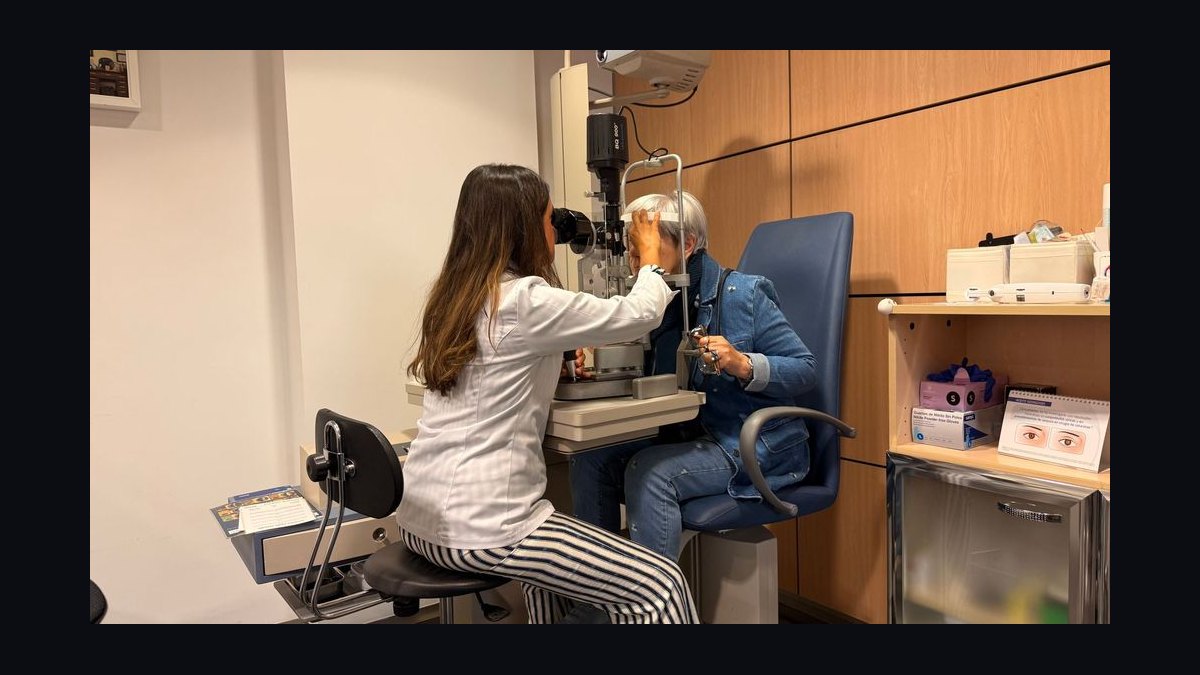
A third risk is treating recall as passive rather than automated. Because prescriptions expire on a fixed annual cycle, a practice that relies on patients remembering to rebook will see its schedule quietly leak revenue on both the exam and the downstream optical sale — the two are tied together, so a missed recall costs twice. Practices that automate multi-touch recall (text, email, and phone reminders through Weave or 4PatientCare) and actively track fill rate keep chairs full; practices that don't measure it usually don't notice the leak until revenue has already declined for a quarter or two.
A fourth, more insidious risk is surrendering the contact-lens annual-supply sale to online retailers by never building a branded reorder channel. If a practice doesn't offer a convenient, competitively priced auto-reorder option through ABB Optical Group or a CLX integration, patients default to Lens.com or 1-800 Contacts for refills — a recurring, high-margin revenue stream the practice loses permanently, often without realizing it's happening because the loss shows up as gradually declining contact-lens revenue rather than a single visible event.
Finally, a practice tied tightly to one vision plan's in-network lab should be cautious about over-customizing lab-ordering workflows around a single relationship; if that plan relationship changes, a practice locked into one lab portal rather than a multi-lab hub like VisionWeb faces a harder transition than one that kept its ordering pipeline vendor-neutral from the start.
A practical rollout plan
A 90-day implementation sequence keeps the buildout from stalling on scope, because trying to stand up the EHR, the diagnostic-device integration, and the recall engine simultaneously is how practices end up with a half-configured system in every layer.
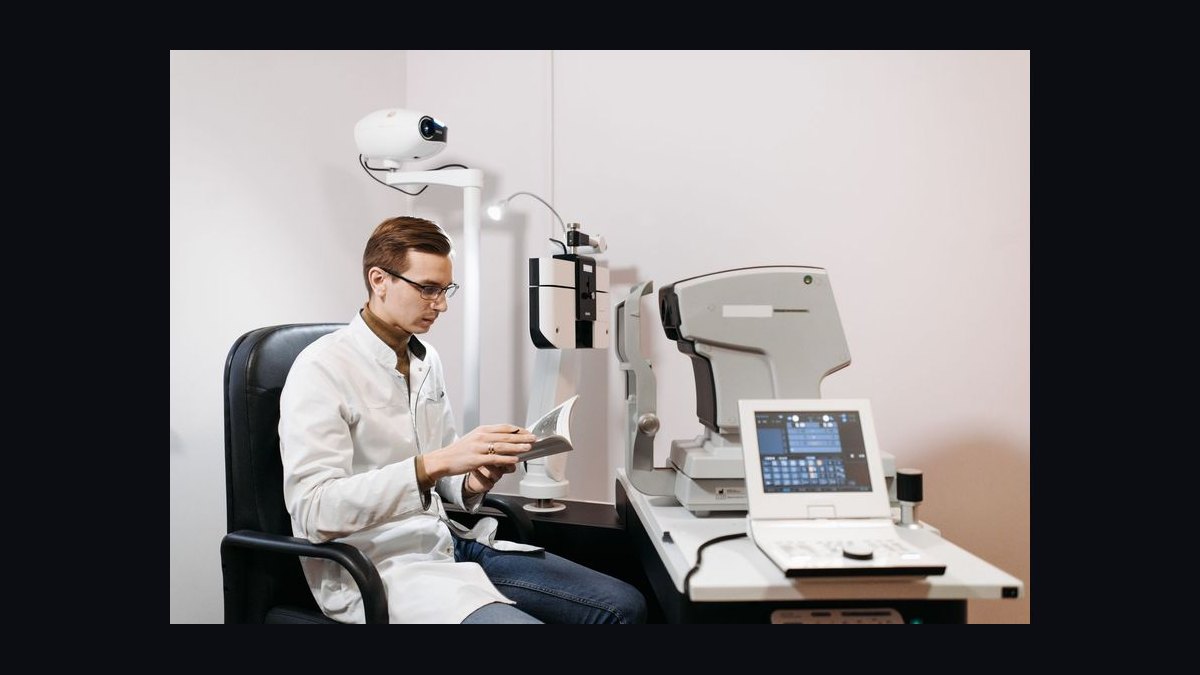
The first 30 days establish the system of record: select and configure the core EHR/PM platform (RevolutionEHR or Eyefinity), migrate existing patient charts and prescription history, and get vision and medical billing flowing through VisionWeb so claims clear correctly from the first exam onward. This phase is worth doing slowly and correctly, because every later phase depends on the chart data and billing configuration being right.
The next 30 days light up the exam lane and the retail floor: integrate the OCT, fundus camera, and visual-field analyzer into Topcon Harmony or Zeiss Forum so images flow automatically into the chart, configure the optical point-of-sale and frame-board inventory, connect lab ordering through VisionWeb, and launch the contact-lens e-commerce storefront through ABB Optical Group. This is the phase where the "clinic and store in one doorway" architecture actually becomes real for staff and patients.
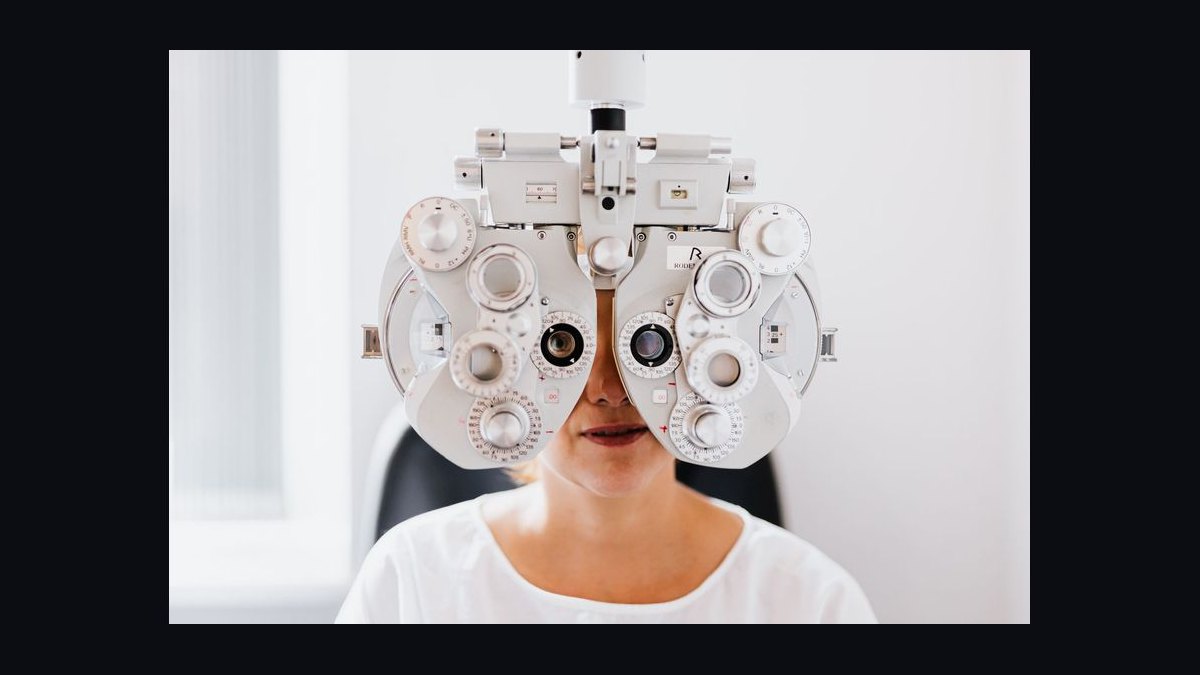
The final 30 days close the loop on retention and visibility: activate the recall engine and tie it to online booking so reminders convert directly into scheduled visits, connect payments (CardConnect or Clearent) into QuickBooks for clean accounting, and build the Power BI dashboard tracking capture rate, revenue per exam, and recall fill rate. Only at the end of this sequence does the practice have full visibility into whether the stack is actually producing the outcome it was built for.
Practices that try to compress this into 30 days almost always under-configure the recall engine or skip the image-integration step, which is exactly the pair of failure modes described above — so the sequencing matters as much as the vendor selection.
Related questions
Is RevolutionEHR or Eyefinity the better choice for a new practice?
Both handle the dual medical-and-optical ledger. RevolutionEHR is the cloud favorite among independents for its modern interface; Eyefinity is the stronger fit for practices deeply tied to VSP, since it's VSP-owned with the tightest claims connections. Choose based on insurance mix and cloud preference.
Can a practice skip diagnostic-device image integration to save money?
Not safely. Images left on a device's local drive create medicolegal risk and get lost when hardware fails. The $3,000-$10,000 one-time integration cost is small against the cost of a missing scan during a follow-up visit.
What's the fastest way to stop losing contact-lens sales to online retailers?
Launch a branded auto-reorder storefront through ABB Optical Group or a CLX integration so patients refill under the practice's own brand instead of defaulting to Lens.com or 1-800 Contacts.
How does a multi-location group's stack differ from a solo practice's?
Same core components — EHR/PM, VisionWeb, recall, ABB — replicated consistently across every location, plus a cross-location Power BI layer so capture rate and recall fill rate can be compared site by site.
FAQ
Should an independent optometry practice choose RevolutionEHR or Eyefinity? Both carry the dual medical-plus-optical ledger every optometry stack needs. RevolutionEHR is the cloud favorite among independents for its modern interface and all-in-one billing and optical workflow. Eyefinity is the natural pick for practices deeply tied to VSP, since it's VSP-owned and its claims connections are tightest; OfficeMate/ExamWRITER suits offices wanting on-premise control, while Uprise is its cloud answer.
Do I really need diagnostic-device image integration, or can staff just save images locally? Integration is worth the one-time cost. Images saved to a device's local drive are a medicolegal and continuity risk, slow the exam down, and disappear when hardware fails. Topcon Harmony, Zeiss Forum, or Optos pull images directly into the chart so the OD reviews everything from one screen.
How do I stop losing contact-lens sales to online retailers? Run a branded contact-lens e-commerce and auto-reorder store, typically through ABB Optical Group or a CLX integration. It lets patients refill annual supplies under the practice's own brand at competitive prices instead of handing that recurring revenue to a third-party retailer.
What is the single most important metric the tech stack should surface? Optical capture rate — the percentage of exams that result in an optical purchase — paired with recall fill rate. Capture rate shows whether the clinic-to-store handoff is working; recall fill rate shows whether the annual-exam cycle is functioning. Build both into a dashboard from EHR and optical POS data.
How much should a solo practice expect to spend on software monthly? A lean solo stack runs roughly $700-$1,800 per month: the core EHR/PM, claims clearing, one recall tool, a basic image viewer, and QuickBooks. Imaging integration is a separate one-time setup cost. The dual ledger and an automated recall engine are the two layers no practice, even a one-provider one, can skip.
Why do large chains run proprietary platforms instead of RevolutionEHR or Eyefinity? At hundreds of locations, off-the-shelf eye-care platforms can't centralize revenue-cycle management, corporate buying, and retail-scale point-of-sale the way a custom enterprise system can. Chains like National Vision and DSOs like MyEyeDr. consolidate acquired practices onto one in-house or heavily customized stack to standardize operations at a scale independents don't operate at.
Sources
- https://www.revolutionehr.com
- https://www.eyefinity.com
- https://www.visionweb.com
- https://topconhealthcare.com
- https://www.zeiss.com/meditec
- https://www.abboptical.com
- https://www.getweave.com
- https://www.solutionreach.com
- https://www.nationalvision.com
- https://www.myeyedr.com
Related on PULSE
- [The Veterinary Practice Management Stack in 2027](/knowledge/tk0487)
- [Top 10 Legal Practice Management Software for Solo Lawyers](/knowledge/tk0431)
- [The Essential Software Stack for a Modern Veterinary Practice](/knowledge/tk0346)
- [What is the best tech stack for a podiatry practice in 2027?](/knowledge/tk0111)
- [What is the best tech stack for an audiology or hearing aid practice in 2027?](/knowledge/tk0110)
- [What is the best tech stack for an orthodontics practice in 2027?](/knowledge/tk0102)
This page will be disappearing soon. Save it to your device for $1 — or read it free while it is here.
@Kory-White- · if Venmo asks, the last 4 of my number are 2012
 pulse-tech-stacksWhat is the recommended SOC-as-a-Service (SOCaaS) Provider sales and operations tech stack in 2027?
 pulse-tech-stacksTech Stack for Electrical Contractors in 2027
 pulse-tech-stacksWhat is the best tech stack for a roofing contractor in 2027?
 pulse-tech-stacksWhat is the recommended Vector Database vendor sales and operations tech stack in 2027?
 pulse-tech-stacksTech Stack for Auto Body Shops in 2027
 pulse-tech-stacksWhat is the complete software stack for a computer and phone repair shop in 2027?
 pulse-tech-stacksWhat is the recommended AI Coding Tools sales and operations tech stack in 2027?
 pulse-tech-stacksWhat is the best tech stack for a small-to-midsize manufacturing company in 2027?
 pulse-tech-stacksWhat is the best tech stack for a physical therapy clinic in 2027?
 pulse-tech-stacksWhat is the best tech stack for an auto parts distributor in 2027?