
What is the best tech stack for an electrical supply distributor in 2027?
 Curated byKory White · Fractional CRO · Maryland
 PULSEKNOWLEDGE LIBRARY
The best tech stack for an electrical supply distributor in 2027 centers on an electrical-native ERP — Epicor Eclipse for most counter-and-project distributors, Infor Distribution SX.e for larger or mixed-vertical houses — handling job reserves, wire-cut/reel tracking, and SPA/rebate capture, fed by IDEA IDW product data and Trade Service pricing, with a contractor B2B portal, Phocas analytics, and SPS Commerce EDI layered on top.
A 400-Amp Service Upgrade Bid Walks Through the Stack
Picture a mid-size electrical distributor's outside rep getting a request for quote on a 400-amp service upgrade and lighting retrofit for a three-story office building. The contractor's estimator built the takeoff in Conest, so the material list — switchgear, panelboards, breakers, THHN wire by the thousand feet, LED fixtures — arrives as a structured line-item bid rather than a phone call. This is the moment a general wholesale ERP starts to fail an electrical distributor and a purpose-built one starts to earn its price tag.
The rep loads the bid into Eclipse job management, where pricing gets locked against the quote date, not the eventual ship date. The contractor wins the job three weeks later. Now the order has to be reserved — the switchgear and panelboards are non-stock special orders with six-to-ten-week manufacturer lead times, so purchasing cuts POs immediately, while the wire gets pulled against tracked reels in the warehouse and reserved so a walk-in counter customer cannot accidentally sell it out from under the job. Over the following five months, material releases in stages as each floor's electricians are ready for it: rough-in wire first, then panelboards, then fixtures and trim. Every release has to reconcile against what was originally quoted, because if the electrician needs 40 more feet of 4/0 aluminum than the estimate assumed, that's a change order, not a shrug.
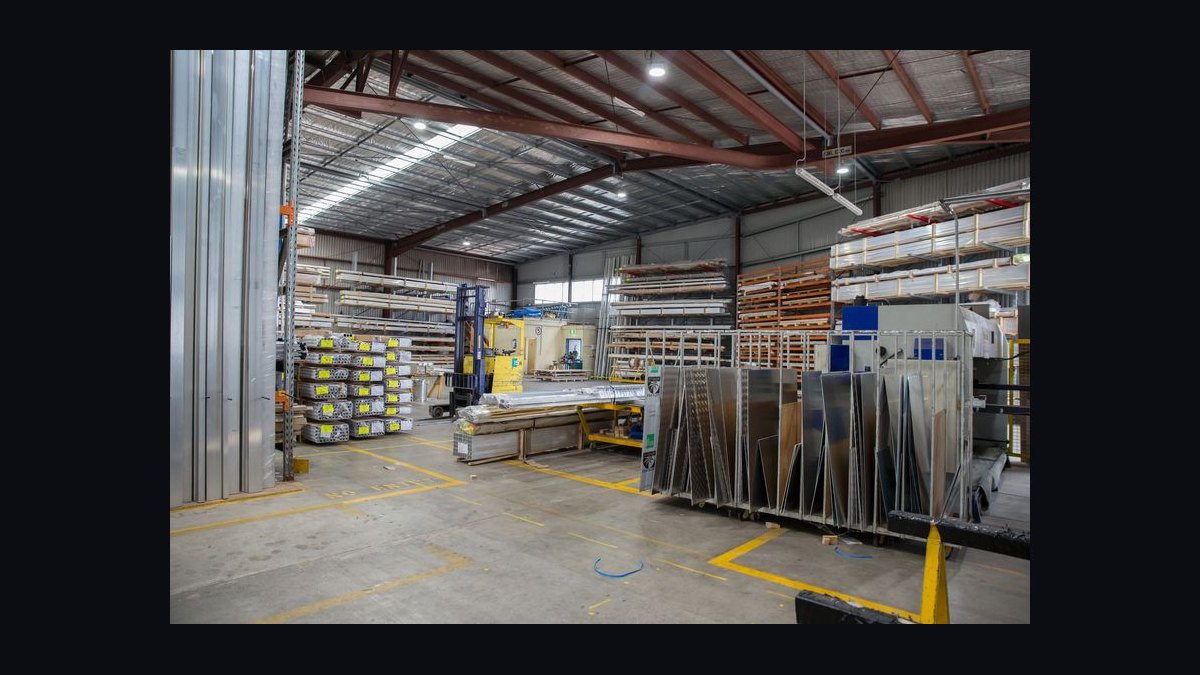
Layered under all of this is the manufacturer side: the switchgear line carries a special pricing agreement that knocks 12% off list for this specific job, and the fixture package earns a year-end volume rebate once total purchases cross a threshold. If the SPA isn't attached to the quote at entry, the distributor prices the job at list, underbids nobody, and simply eats margin it was entitled to. If the chargeback isn't filed the week material ships, the manufacturer's own systems may never catch the error. This single job — one bid, one reserve cycle, one wire cut, one SPA, one rebate accrual — is the entire reason the tech stack for an electrical supply distributor looks nothing like the stack a general industrial-MRO or JanSan wholesaler buys. A distributor running plain order-entry software would manage this job in spreadsheets, three separate email threads, and a will-call area nobody trusts.
How Job Reserves and Wire Cut Actually Flow Through the ERP
The mechanism only works if the data model treats a "sale" as something that can be partially committed, partially shipped, and partially unresolved for months — which is a fundamentally different object than the single-transaction sale a general ERP assumes.

When the bid is won, Eclipse (or SX.e) creates a job record that carries the locked pricing and a bill of material distinct from a normal sales order. Inventory gets soft-reserved to that job: the system knows the wire and switchgear are spoken for, but the warehouse hasn't picked or shipped anything yet. Non-stock items generate purchase orders tagged to the job so receiving knows exactly which bid a pallet belongs to when it lands. As the contractor calls for releases, the counter or outside rep pulls against the job reservation rather than creating a fresh order from scratch, which is what keeps the shipped-versus-quoted reconciliation clean at the end. Wire and cable get their own sub-workflow: a reel is received with a starting footage, every cut decrements that footage in real time, and the system tracks scrap and remaining length so nobody discovers a "700-foot reel" is actually 640 feet at the worst possible moment. Product data — the item's voltage rating, UL listing, NEMA rating, gauge — has to already exist cleanly in the system before any of this works, which is where the IDEA IDW feed and Trade Service pricing come in: they populate and continuously refresh that attribute and price data so the ERP, the counter staff, and the contractor-facing website are all quoting from the same accurate catalog instead of three different stale exports.
Once material starts moving, the SPA and chargeback path runs in parallel to the physical fulfillment path — that's deliberate, because the two most common failure points (a missed reserve and an unfiled chargeback) happen at different steps and need to be checked independently rather than assumed to succeed together.
What This Actually Costs, by Distributor Size
Pricing for an electrical distribution stack scales with branch count and transaction volume more than with any single feature, and the jump between tiers is large enough that sizing the purchase correctly matters as much as picking the right vendor.
A small or single-branch distributor doing roughly $1M–$15M in revenue typically runs DDI System Inform or a lighter Eclipse configuration, at around $1,500–$4,000/month for the core ERP, plus Unilog or basic enrichment for product content, an IDEA IDW membership in the low hundreds to low thousands per month, and basic reporting instead of a dedicated BI seat. All-in, this tier lands around $3,000–$9,000/month. A regional multi-branch distributor in the $15M–$200M range is where the full stack described above typically gets deployed: Eclipse quote-based licensing commonly runs $3,000–$8,000/month for a small multi-user branch and scales into six figures annually across several branches; Epicor Commerce or Unilog CIMM2 for the contractor portal adds roughly $1,500–$6,000/month; White Cup CRM runs about $50–$120 per user per month against Salesforce Enterprise's roughly $165 per user per month; Phocas BI runs $300–$600 per user per month versus Power BI Pro's $14 per user per month before the cost of building the distribution data model yourself; and SPS Commerce EDI adds $500–$2,500/month depending on trading-partner volume. Combined, this tier typically lands at $15,000–$60,000/month. At the top end, a $200M+ enterprise distributor is running Eclipse or SX.e enterprise licensing, a central data warehouse, Vendavo-class price optimization on commodity wire and gear, a dedicated channel-rebate platform on top of native SPA handling, a standalone WMS in major distribution centers, and a full BI and pricing-analytics team — realistically $80,000–$300,000+ per month across licenses, data feeds, and infrastructure.

Industry-level benchmarks reinforce why the spend is worth it. Broader construction-technology research has found that a majority of contractors still rely on spreadsheets for at least one mission-critical workflow, and integration gaps between point tools are consistently cited as the top pain point in field-facing operations — which is exactly the failure mode an electrical distributor invites by skipping job management or SPA capture. Distributors running a unified stack from quote to cash report meaningfully better labor and margin outcomes than those stitching together disconnected tools, which tracks with what NAED and Modern Distribution Management benchmarking has documented on rebate and SPA capture rates: distributors with the workflow wired into quoting recover a materially higher share of the rebates they're contractually owed than those handling it as a manual finance reconciliation after the fact.
Eclipse vs. SX.e vs. DDI Inform — and When Each One Loses
No single ERP is correct for every electrical distributor, and the decision usually comes down to how much of the business is counter-and-contractor project work versus industrial or multi-vertical distribution, because that changes which system's native strengths actually get used.

Epicor Eclipse wins for the classic electrical and plumbing wholesaler living on counter sales blended with contractor project orders — its job management, wire-cut, and reel-tracking functionality were built specifically for this pattern, and most regional electrical houses standardize on it for that reason. Infor Distribution SX.e wins when the distributor is larger, serves multiple verticals beyond electrical (industrial MRO, safety, automation), or needs deeper configurability for engineered and made-to-order product lines; it costs roughly the same as enterprise Eclipse but trades some of Eclipse's electrical-specific out-of-the-box workflows for broader flexibility. DDI System Inform is the right call only for small, single- or two-branch independents where full Eclipse is genuinely too heavy — it bundles counter, e-commerce, and CRM into a tighter, cheaper package, but it will not scale gracefully to a five-branch regional operation with complex multi-manufacturer rebate programs. Epicor Prophet 21 sits as a fourth option for mixed durable-goods distributors where electrical is one product line among several, but it is a weaker fit than Eclipse or SX.e for a distributor where electrical is the whole business.
The same trade-off pattern repeats at every layer of the stack. Native Eclipse SPA/rebate handling covers most distributors' needs, but a distributor running complex multi-manufacturer rebate programs with tiered thresholds and quarterly true-ups will eventually need a dedicated channel-rebate platform layered on top. Phocas ships a distribution-specific data model that plugs into Eclipse or SX.e with minimal setup, while Power BI is roughly twenty times cheaper per seat but requires building the margin-by-SKU and rebate-performance model from scratch — the right choice depends on whether the distributor has (or wants to build) in-house BI capability. White Cup understands distribution margin and rebate context natively; Salesforce is more powerful and more expensive, and only pays off once the distributor's selling motion is complex enough (industrial/engineered accounts, long sales cycles) to justify the integration cost.
Where Distributors Leave Margin on the Table
The most expensive mistakes in this stack are rarely about picking the wrong vendor outright — they're about skipping a workflow that looks optional until the first bad quarter exposes it.
The first and most common failure is buying a generic distribution ERP with no native job management or wire-cut tracking because it's cheaper up front. The distributor discovers within a few project cycles that it cannot reserve a multi-month job or cut cable off a tracked reel, and the workaround becomes a shadow spreadsheet for every bid plus a will-call area nobody can reconcile at month-end. The fix is to insist on electrical-native job management, cut-length tracking, and reel tracking as the first filter in vendor evaluation — before comparing price, before comparing user interface, before anything else — because a distributor that gets this wrong has effectively bought a system it will have to work around for years. The second failure is letting product data and the contractor portal rot: without a live IDEA IDW feed and ongoing enrichment, the web store ships with missing images, wrong voltage and NEMA attributes, and stale commodity wire pricing that hasn't tracked the day's copper move. Contractors who can't trust the online catalog call the counter instead of self-serving, which quietly pushes labor cost back onto staff who should be doing higher-value work. Treat IDEA syndication as a permanent operating process with an owner, not a one-time data load done during implementation.

The third and most financially damaging failure is treating SPAs and rebates as a finance department's cleanup job rather than a quoting-workflow requirement. When a special pricing agreement isn't attached to the quote at entry and the chargeback isn't filed the week project material ships, the distributor sells at what looks like break-even margin and only recovers the real profit if someone happens to remember to chase it down later — and by the time someone does remember, the claim window with the manufacturer may already be closed. This is pure lost profit, not a rounding error, and it's the single reason SPA/rebate management earns first-class status in this stack rather than living as a bolt-on. The fourth failure is under-tooling pricing on commodity wire and long-lead gear: copper-indexed wire prices move daily and switchgear gets bid months before it ships, so flat list-minus pricing either loses competitive bids or sells material below what it will cost to replace. Without margin-by-SKU visibility in Phocas — and, at enterprise scale, a real price-optimization layer — the distributor has no way to see which branches or product lines are quietly bleeding margin until the annual numbers come in low. The discipline here is a weekly, not quarterly, review of margin-by-SKU and rebate-program performance, because commodity pricing errors compound fast and go unnoticed for months under quarterly reporting cadences.
Related questions
What ERP do most electrical distributors actually run?
Regional and enterprise electrical distributors overwhelmingly run Epicor Eclipse or Infor Distribution SX.e because both natively handle job reserves, wire cut, and SPA capture. Small single-branch independents more often run DDI System Inform, which is lighter and cheaper but less scalable.
Is IDEA IDW mandatory or optional for an electrical supply distributor?
It's effectively mandatory at any real scale. Without it, a distributor hand-keys hundreds of thousands of SKUs, which reliably produces a stale, inaccurate contractor-facing catalog and mispriced commodity wire as copper moves daily.
How does wire-cut tracking differ from normal inventory management?
Normal inventory tracks whole units; wire-cut tracking decrements a specific reel's remaining footage with every cut, tracks scrap, and ties the reel back to its origin lot — a workflow general distribution ERPs don't support natively.
Do I need Salesforce, or is a distribution-specific CRM enough?
A distribution-specific CRM like White Cup is usually enough and reads ERP margin/rebate data natively. Salesforce only pays off once selling complexity (engineered/industrial accounts, long cycles) justifies its higher per-seat cost and integration work.
How much of an electrical distributor's margin actually comes from rebates?
It varies by manufacturer mix, but SPAs and back-end rebates routinely represent a meaningful double-digit share of true margin on project business — which is why unclaimed SPA/chargeback capture is treated as lost profit, not an accounting footnote.
FAQ
Why can't a general wholesale ERP like a basic NetSuite configuration handle an electrical distributor? General ERPs are built around single-transaction sales and can't natively reserve a multi-month project order, track cut-to-length wire off a specific reel, or capture special pricing agreements and chargebacks. An electrical distributor would end up rebuilding all three workflows in spreadsheets, which is exactly the failure mode electrical-native ERPs like Eclipse exist to prevent.
What is IDEA and why does the tech stack depend on it? IDEA (the Industry Data Exchange Association) operates the IDW, the electrical industry's standardized warehouse for item attributes, and coordinates standardized pricing exchange through Trade Service. It matters because it lets a distributor pull clean, consistent product and pricing data into the ERP and contractor portal instead of hand-keying catalogs and mispricing commodity wire.
Is project and bid quoting really more important than normal order entry for an electrical distributor? Yes, for any distributor serving contractors — contractor business arrives as multi-line bids that are won, reserved against a job, and released in stages over months. If the ERP can't hold locked pricing, reserve inventory to the job, and reconcile shipped-versus-quoted, the distributor can't profitably serve contractor accounts at all.
What's the realistic cost difference between a small independent's stack and a regional distributor's stack? A small single-branch distributor typically spends $3,000–$9,000/month all-in on DDI Inform or a light Eclipse setup with basic data and reporting. A regional multi-branch distributor running the full Eclipse-plus-portal-plus-Phocas stack typically spends $15,000–$60,000/month, scaling with branch count and user seats.
Do SPAs and rebates genuinely require different software, or can accounting just track them manually? They require the capture point to live inside the quoting and shipping workflow, not in accounting after the fact. If the SPA isn't attached at quote entry and the chargeback isn't filed when material ships, the distributor recovers the margin only by luck — native Eclipse SPA/rebate handling exists specifically to prevent that gap.
When does a standalone WMS make sense for an electrical distributor instead of the ERP-native warehouse module? Only at large multi-branch distribution centers with very high pick volume. Most single and regional electrical distributors are well served by the ERP-native warehouse and counter modules with mobile barcode scanning, and a standalone WMS is a six-figure enterprise project that isn't justified below that scale.
Sources
- https://www.epicor.com/en-us/erp/eclipse/
- https://www.infor.com/products/cloudsuite-distribution
- https://www.ddisystem.com/
- https://www.idea4industry.com/
- https://www.unilog.com/
- https://www.phocassoftware.com/
- https://www.spscommerce.com/
- https://www.truecommerce.com/
- https://www.naed.org/
- https://www.mdm.com/
Related on PULSE
- [What is the best tech stack for a janitorial and sanitation supply distributor in 2027?](/knowledge/tk0092)
- [Tech Stack for Electrical Contractors in 2027](/knowledge/tk0309)
- [What is the best tech stack for a commercial electrical contractor in 2027?](/knowledge/tk0071)
- [What is the best tech stack for a field services company (HVAC, plumbing, or electrical) in 2027?](/knowledge/tk0012)
- [The Supply Chain Visibility Stack in 2027](/knowledge/tk0507)
- [Cloud-Native Stack for Enterprise Supply Chain Management](/knowledge/tk0467)
This page will be disappearing soon. Save it to your device for $1 — or read it free while it is here.
@Kory-White- · if Venmo asks, the last 4 of my number are 2012
 pulse-tech-stacksWhat is the best tech stack for a roofing contractor in 2027?
 pulse-tech-stacksWhat is the recommended AI Coding Tools sales and operations tech stack in 2027?
 pulse-tech-stacksWhat is the best tech stack for a nonprofit organization in 2027?
 pulse-tech-stacksWhat is the best tech stack for a multi-provider medical practice in 2027?
 pulse-tech-stacksWhat is the recommended SOC-as-a-Service (SOCaaS) Provider sales and operations tech stack in 2027?
 pulse-tech-stacksWhat is the recommended AI Code Review sales and operations tech stack in 2027?
 pulse-tech-stacksWhat is the best tech stack for a commercial security & alarm monitoring company in 2027?
 pulse-tech-stacksTech Stack for Handyman Services in 2027
 pulse-tech-stacksWhat is the best tech stack for a tax preparation service in 2027?
 pulse-tech-stacksTech Stack for Electrical Contractors in 2027