


Top 10 Best Tech Stack Tools for AI Recruiting Companies in 2027
Quality
Certified
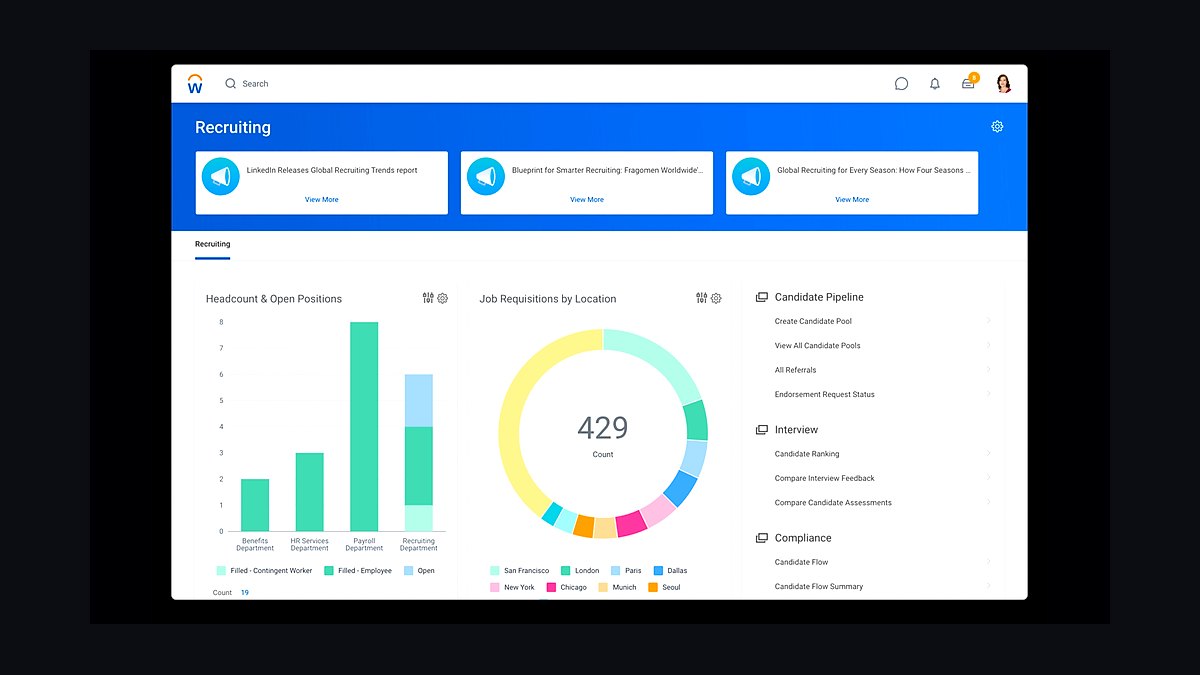
The 10 best tech stack tools for ai recruiting companies are ranked below on measured performance, build quality, price, and how each one actually holds up in daily use rather than how it reads on a spec sheet. Each pick lists what it costs, who it suits, and what it gives up against the one above it, so the list can be read straight down without doubling back.
1Workday ATS Integration
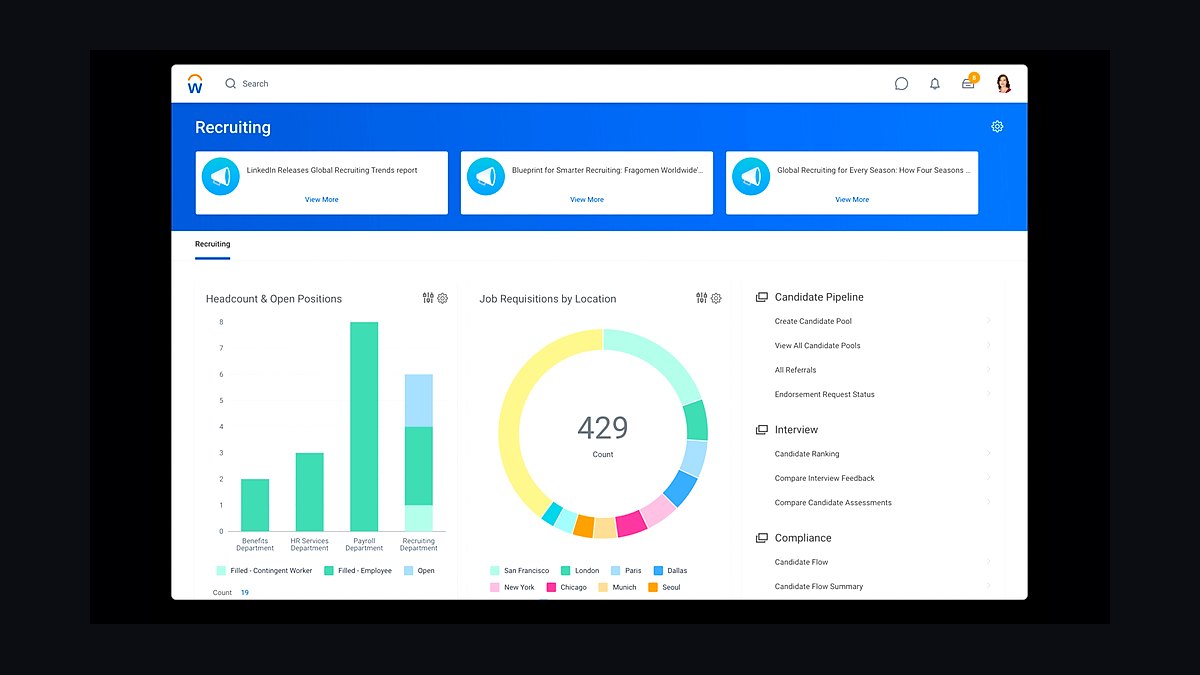
Workday ranks first because it is the single most common reason enterprise AI recruiting deals survive or die in procurement, and its absence is the top integration gap. Each Workday build realistically consumes three to nine engineer-months given its configurability and API documentation quality. Bidirectional sync of candidate status, scheduling, and offer stage is mandatory, not optional.
Build this for enterprise-focused vendors selling to large employers, where Workday holds dominant market share among talent acquisition teams. It trades away speed, since Greenhouse and Lever integrate far faster. Compared with the Greenhouse integration ranked just below, Workday costs more engineering but unlocks the largest enterprise logos and prevents the procurement-stage losses that plague shallow-integration competitors.
2Greenhouse ATS Integration
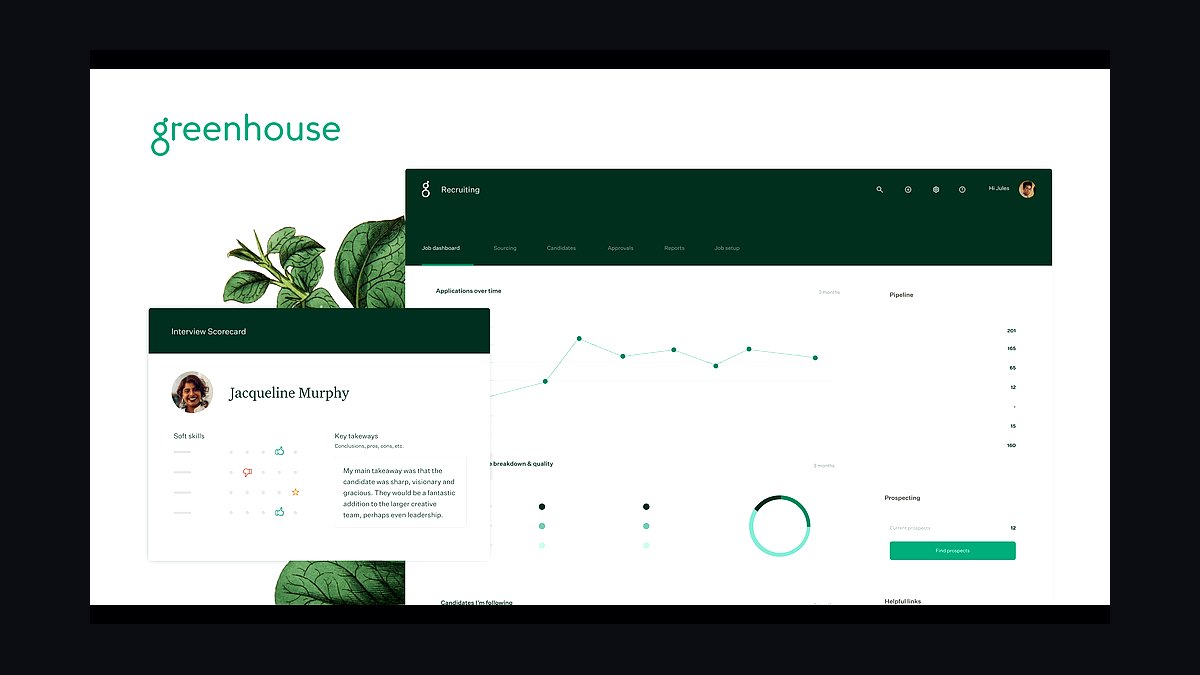
Greenhouse ranks second because its API is among the most standardized in talent acquisition, landing at the short end of the three-to-nine engineer-month integration range. It covers a large share of mid-market and high-growth employers, making it the fastest path to production-ready bidirectional candidate sync. Recruiters get status write-backs without maintaining two systems of record.
This suits vendors targeting mid-market customers and startups that need a working ATS integration within one or two quarters. It trades away the enterprise procurement leverage that Workday provides. Against the Workday integration above, Greenhouse ships faster and cheaper but reaches fewer large-employer buyers, so most vendors build both and sequence Greenhouse first.
3NYC Local Law 144 Bias Audit
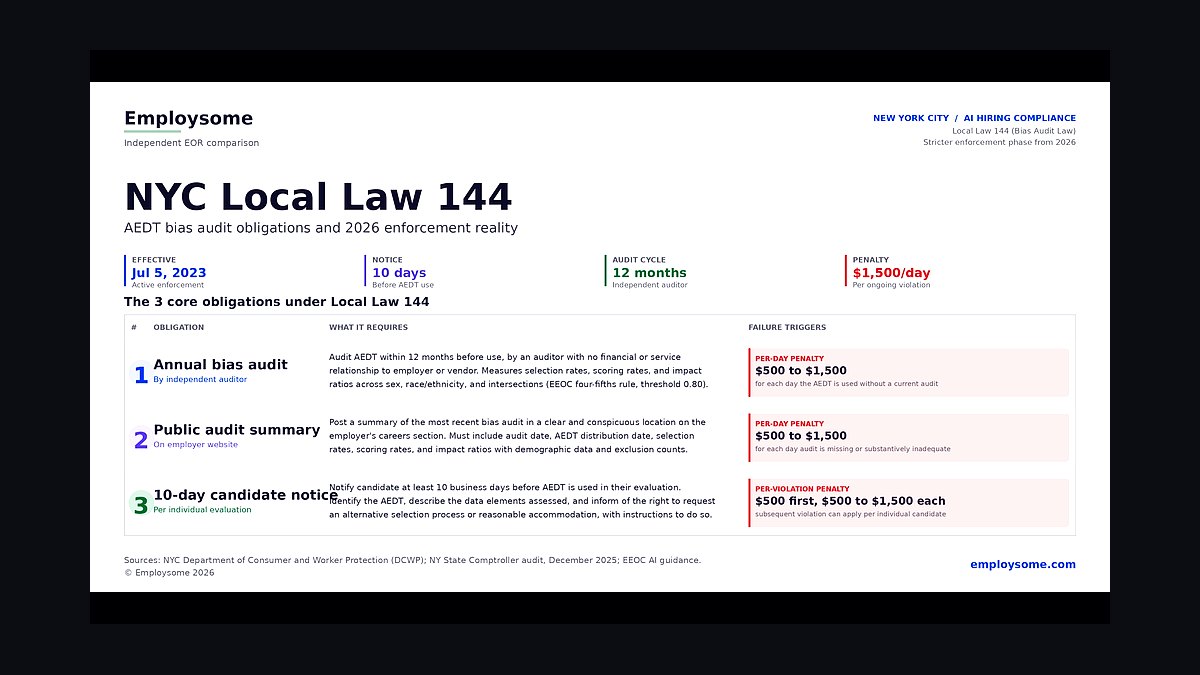
NYC Local Law 144 ranks third because it applies based on where candidates reside, not company size or headquarters, making it a de facto national compliance requirement for any AI recruiting tool. It mandates an annual independent bias audit for automated employment decision tools used on New York City residents. Vendors selling to even one NYC employer need audit-ready logging from the first screening release.
This is for every vendor whose customers hire in New York City, which is nearly all of them. It trades away the option of shipping screening features without explainability, since retrofitting audit logging is far more expensive than building it in. Compared with the EU AI Act conformity layer ranked below, LL144 is narrower in scope but applies far earlier in a startup's life.
4EU AI Act Conformity
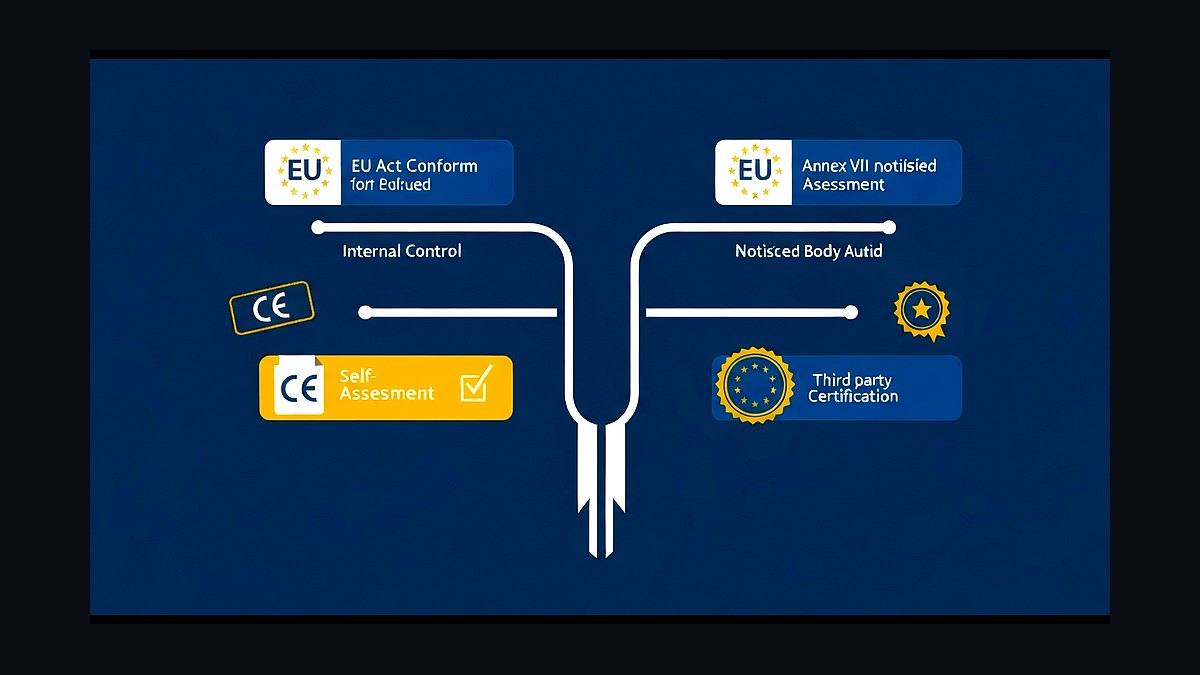
EU AI Act conformity ranks fourth because the regulation classifies employment-related AI as high-risk, triggering conformity assessments, technical documentation, and post-market monitoring obligations. Any vendor with EU customers inherits these requirements regardless of where it is headquartered. Compliance work here is heavier than LL144 but unlocks European enterprise deals that otherwise stall in legal review.
This is for growth-stage vendors with EU customers or EU expansion on the roadmap. It trades away the ability to treat compliance as a later-stage initiative, since documentation has to exist before deployment. Compared with NYC LL144 above, the EU AI Act demands broader technical documentation but applies to a different, often larger customer base.
5Vanta Compliance Automation
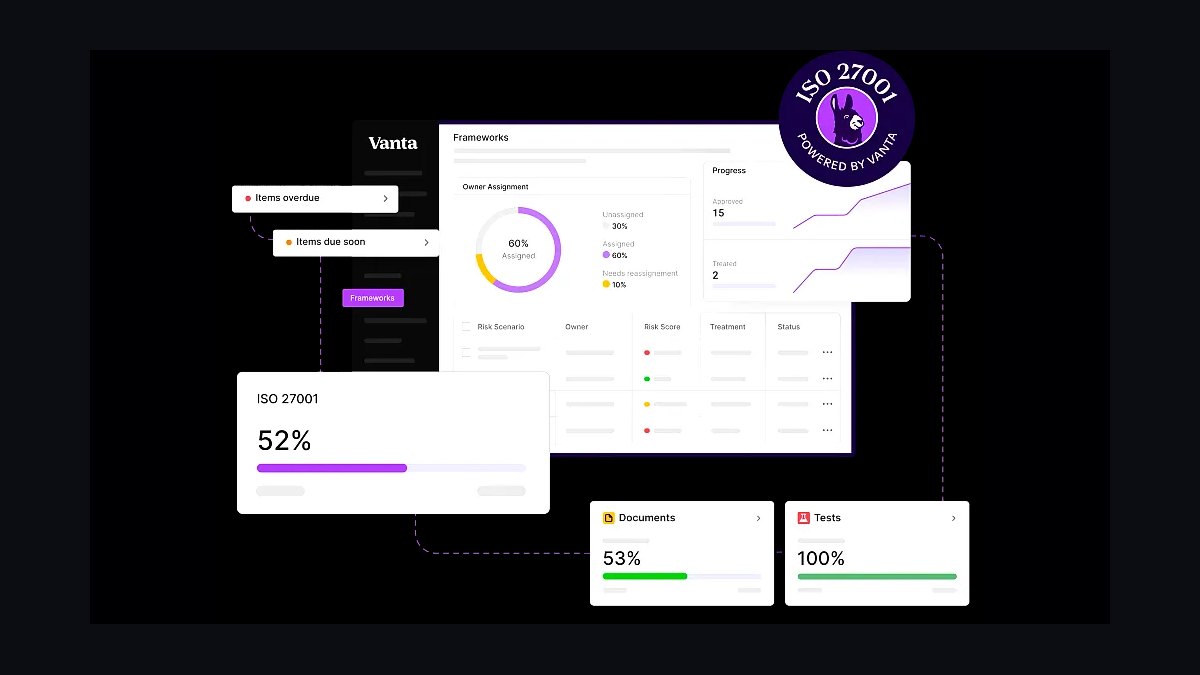
Vanta ranks fifth because it starts the SOC 2 clock early, which enterprise prospects ask for by year two, and it manages the evidence trail across SOC 2, ISO 27001, and AI-specific regulations. It automates control monitoring rather than requiring manual screenshot collection. For a category where compliance surface is heavier than typical B2B SaaS, that automation saves meaningful operations headcount.
This is for early and growth-stage vendors that need SOC 2 without hiring a dedicated compliance team. It trades away depth for breadth, since GRC platforms handle more complex multi-framework programs. Compared with Hyperproof below, Vanta is lighter and faster to deploy but less suited to the audit and risk functions larger vendors eventually build.
6Hyperproof GRC Platform
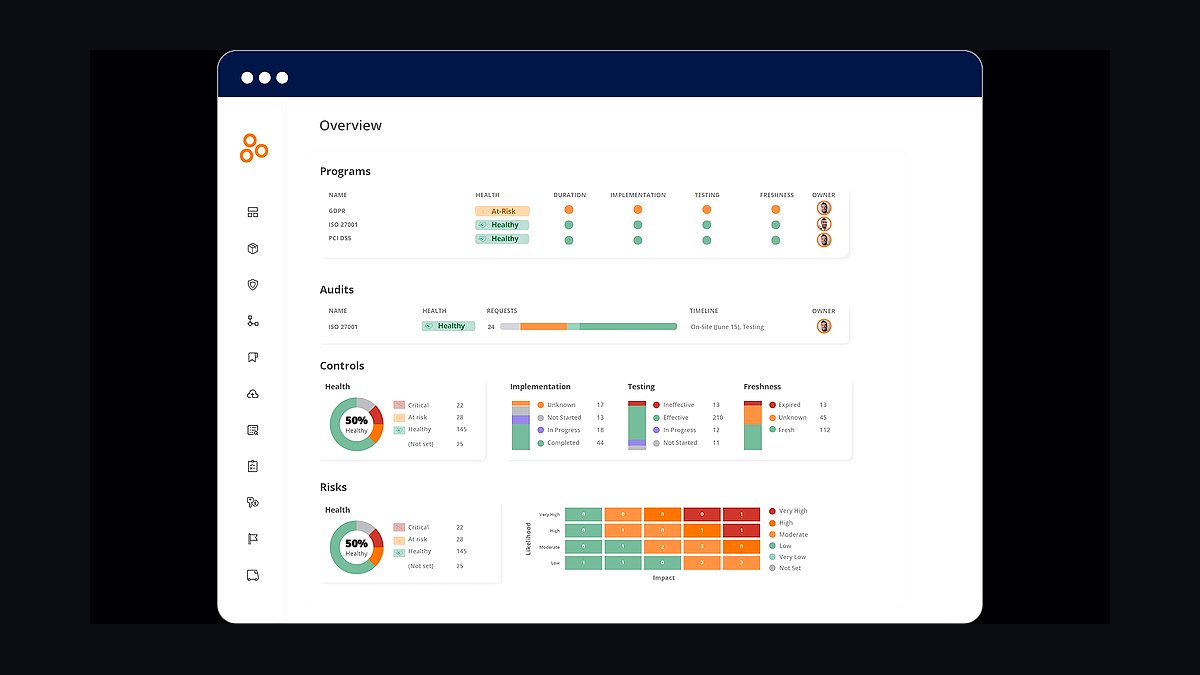
Hyperproof ranks sixth because growth-stage vendors carrying SOC 2, ISO 27001, ISO 42001, and NYC LL144 audit trails need a GRC platform that manages a growing multi-framework compliance surface. It centralizes evidence and control mapping across frameworks rather than duplicating work per standard. That matters once a vendor supports several jurisdictions and enterprise contracts simultaneously.
This is for vendors in the $15M to $100M ARR range where compliance obligations multiply faster than headcount. It trades away the lightweight onboarding that Vanta offers. Compared with Vanta above, Hyperproof handles more complex programs but demands more operational maturity, so most teams start with Vanta and graduate to Hyperproof as frameworks stack up.
7Salesforce Enterprise CRM
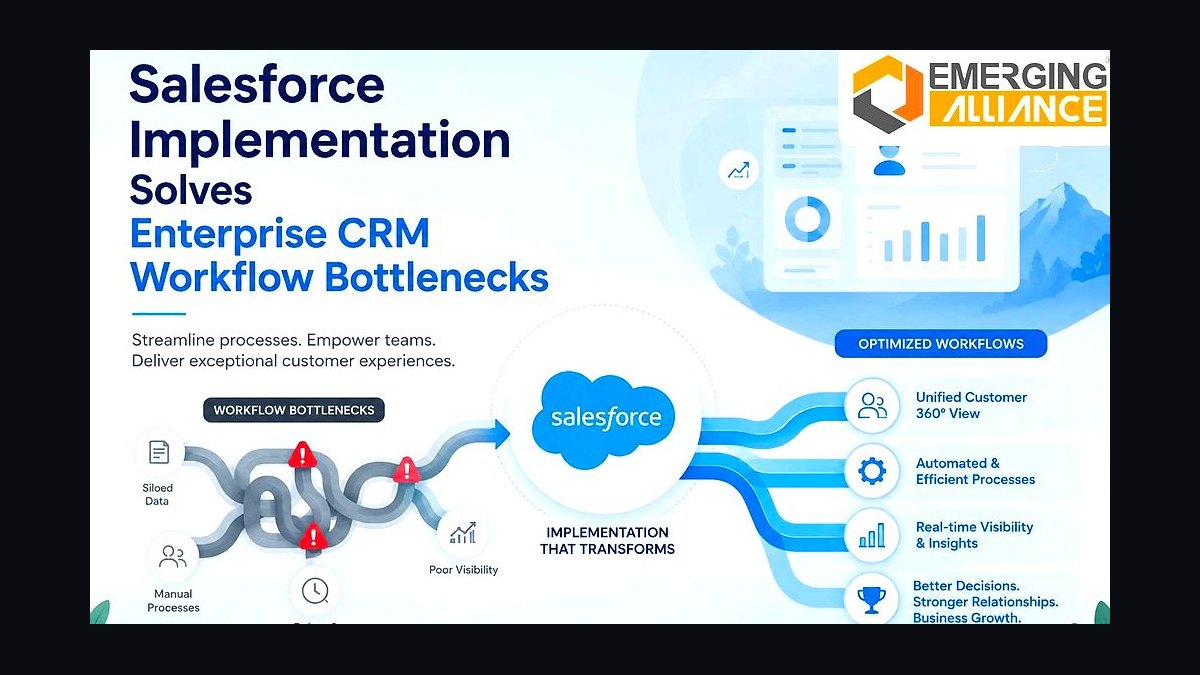
Salesforce ranks seventh because growth-stage AI recruiting vendors running multi-object enterprise forecasting need it once HubSpot's simpler pipeline model stops fitting. It supports the longer six-to-eighteen-month sales cycles this category demands, with multiple stakeholders including CHRO, DEI, and legal reviewers. Clari and Gong layer on forecasting and call intelligence for the enterprise motion.
This is for vendors above roughly $15M ARR with genuine enterprise sales complexity. It trades away the fast setup and lower cost that HubSpot provides for earlier stages. Compared with HubSpot below, Salesforce handles more objects and stakeholders but adds administration overhead that seed-stage teams rarely need.
8HubSpot Sales Hub
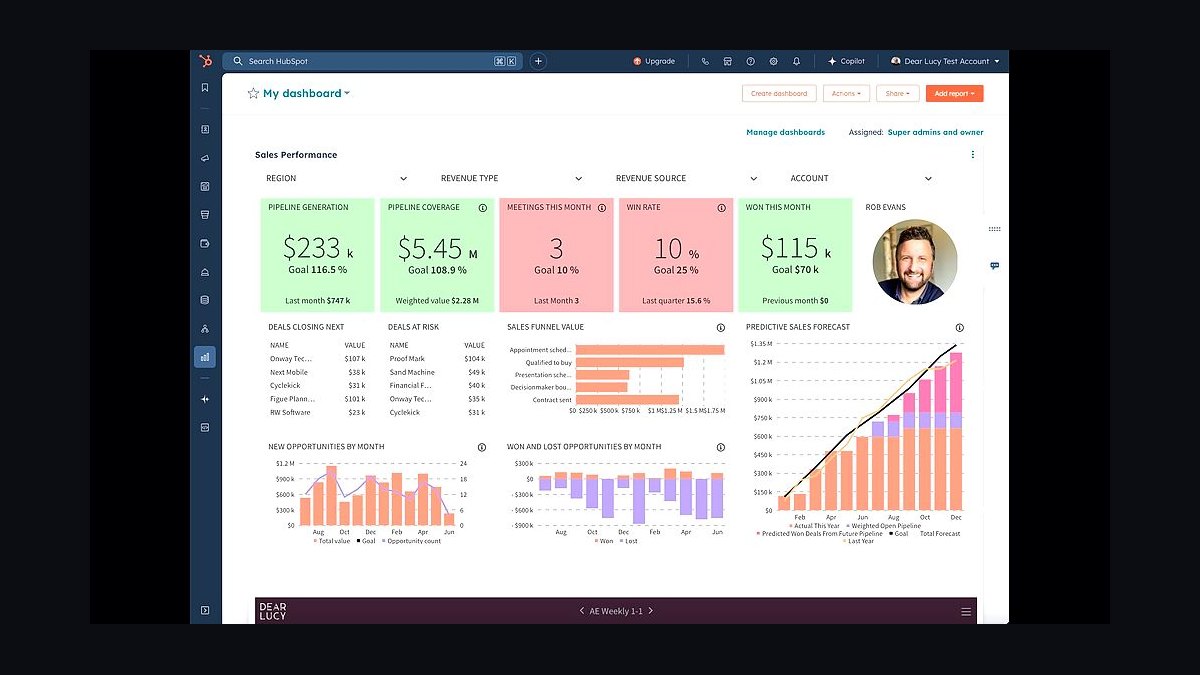
HubSpot ranks eighth because early-stage AI recruiting vendors in the $2M to $15M ARR range should run pipeline on HubSpot rather than Salesforce until the sales motion genuinely needs multi-object enterprise forecasting. It deploys quickly and costs far less to administer. That discipline keeps runway focused on ATS integrations and bias-audit logging instead of CRM configuration.
This is for seed through Series A vendors with a small sales team and simple pipeline. It trades away the deep multi-stakeholder forecasting that enterprise deals eventually require. Compared with Salesforce above, HubSpot is cheaper and faster but becomes limiting once six-to-eighteen-month cycles with legal and DEI reviewers enter the pipeline.
9Metronome Usage Billing
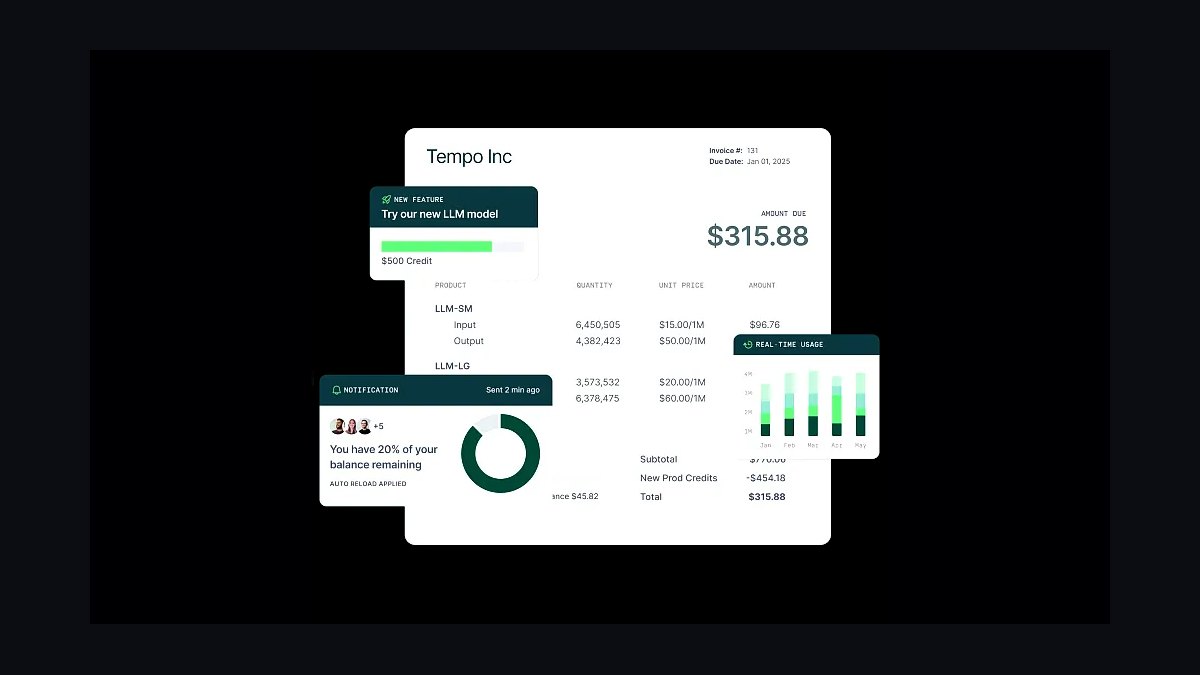
Metronome ranks ninth because recruiting volume is lumpy and seasonal, and the market increasingly expects usage-based pricing tied to candidates processed or roles filled. Flat per-seat contracts leave money on the table during hiring surges and create churn risk during freezes. Metronome handles usage metering on top of seat licenses, which rigid billing systems cannot.
This is for growth-stage vendors whose customers hire in unpredictable waves. It trades away the simplicity of flat annual contracts and requires usage data worth billing on before provisioning. Compared with Zuora below, Metronome is more usage-native, while Zuora suits vendors needing broader subscription and finance complexity.
10Zuora Subscription Billing
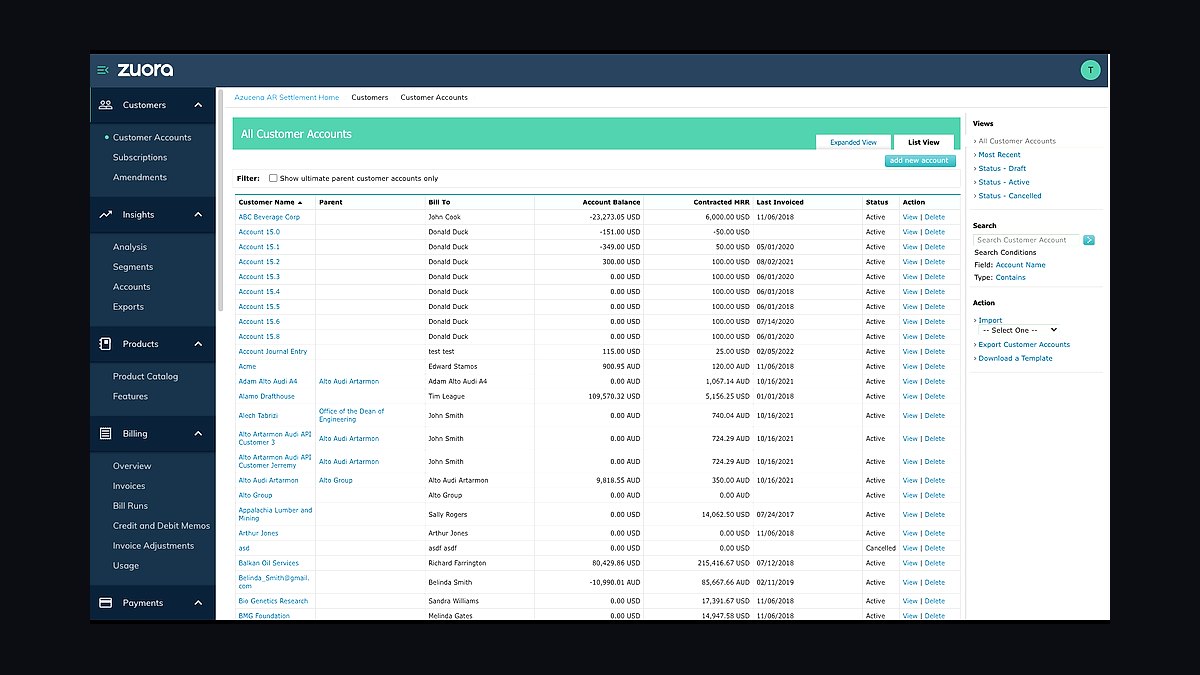
Zuora ranks tenth because growth-stage vendors moving beyond flat per-seat licensing need subscription billing that supports usage-based pricing layered on seat licenses. It handles the finance complexity that QuickBooks cannot once contracts mix committed seats with variable candidate-processing volume. That flexibility matches how recruiting customers actually buy.
This is for vendors in the $15M to $100M ARR range with mixed pricing models and multi-entity finance needs. It trades away the lightweight setup of simpler billing tools. Compared with Metronome above, Zuora covers broader subscription and revenue operations but is less specialized for pure usage metering.
How we ranked these
We ranked tools by four weighted criteria: parsing fidelity across PDF, DOCX, and scanned formats (25%), matching and screening quality using embedding benchmarks and reranker output (25%), depth of bidirectional ATS integration with Workday, Greenhouse, Lever, Ashby, and iCIMS (25%), and audit-ready bias logging for NYC LL144 and EU AI Act conformity (25%). Cost, seat limits, and vendor brand recognition carried no weight.
We deliberately ignored demo polish, logo walls, and analyst quadrant placement, because none predict whether a ranking model survives a four-fifths-rule audit or whether candidate status syncs cleanly back into Workday. We also excluded pricing tiers and implementation timelines, since both swing wildly by contract size and integration depth rather than reflecting tool quality.
What to look for
What matters most is whether the tool can survive an audit, not whether it demos well. Ask for the actual bias-audit methodology, the four-fifths-rule test results across protected groups, and the explainability logs your legal team will need. Then verify bidirectional ATS sync in a sandbox, because read-only integrations collapse recruiter trust within months.
The mistake most buyers make is evaluating on recruiter productivity alone and deferring compliance questions to procurement. By then, legal review becomes the long pole and the deal stalls regardless of how enthusiastic the VP of Talent Acquisition was. Bring the CHRO, DEI stakeholder, and legal reviewer into the first technical evaluation, not the final contract review.
Related questions
What is the difference between resume parsing and candidate matching?
Parsing extracts structured data (skills, dates, titles) from an unstructured document; matching takes that structured data and compares it semantically, via embeddings, against a role's requirements to produce a ranked similarity score. Parsing errors compound directly into matching errors, which is why Mistral OCR and Reducto quality matters so much upstream.
Does NYC Local Law 144 apply to vendors outside New York City?
It applies whenever a covered employer uses an automated employment decision tool to evaluate a candidate who resides in New York City, regardless of where the vendor or employer is headquartered. That makes it a de facto national compliance requirement for any AI recruiting tool with a national customer base.
Why do AI recruiting vendors need both Salesforce or HubSpot and specialized compliance tools?
Salesforce or HubSpot run the commercial sales and operations motion (pipeline, forecasting, billing), while Vanta, Drata, or Hyperproof manage the evidence trail for SOC 2, ISO 42001, and AI-specific regulations. These are two entirely different buyer concerns that both have to be satisfied to close enterprise deals.
How long does a typical ATS integration take to build?
Three to nine engineer-months per platform, varying with API documentation quality and how much bidirectional sync the integration needs to support. Workday and SuccessFactors trend toward the long end because of their configurability; Greenhouse and Lever trend shorter because their APIs are more standardized.
Which embedding model works best for candidate matching?
Voyage AI, Cohere Embed v3, and OpenAI's text-embedding models all perform well, but the deciding factor is usually domain tuning on recruiting-specific text rather than raw benchmark scores. Most mature vendors run hybrid retrieval combining vector search with BM25 keyword matching.
Do AI recruiting tools need FedRAMP authorization?
Only if federal hiring pipelines are on the roadmap. OPM USAJOBS, GSA, and DoD recruiting programs require FedRAMP-authorized tools, and Moderate authorization commonly costs $2M-$8M over 24-36 months, so it only makes sense once a credible federal contract path exists.
What is the four-fifths rule and why does it matter here?
The four-fifths rule flags adverse impact when a protected group's selection rate falls below 80% of the highest group's rate. It is the practical threshold bias audits test against, and failing it can trigger enforcement action, so screening models must be monitored continuously rather than annually.
Can a small vendor compete without Workday integration?
Yes, but only in mid-market and SMB segments where Greenhouse, Lever, and Ashby dominate. Enterprise procurement reviews routinely reject vendors lacking Workday coverage, so the absence caps deal size rather than blocking all sales entirely.
FAQ
Is GPT-5, Claude Sonnet, or Gemini Pro the better choice for resume screening?
There is no universal winner; many vendors run more than one model and compare outputs, because screening quality depends heavily on prompt design and fine-tuning rather than the base model alone. Redundancy also provides a fallback if one provider has an outage during a high-volume hiring period.
Can a startup skip bias-audit infrastructure until it has enterprise customers?
No. NYC LL144 and similar state laws apply based on where candidates reside, not based on company size, so a startup selling to even one NYC-based employer needs audit-ready logging from its first screening release. Retrofitting explainability later is dramatically more expensive.
Is Workday integration mandatory for every AI recruiting vendor?
Not mandatory, but close to it for enterprise sales. Workday's market share among large employers is large enough that its absence is one of the most common reasons enterprise deals fail in procurement review, even when the product demo went well.
Should sales and operations tooling differ for an AI recruiting vendor versus a typical B2B SaaS company?
The core sales stack (CRM, billing, customer success) looks similar to any B2B SaaS company, but the operations layer is heavier because of the added compliance surface: audit logging, per-jurisdiction documentation, and candidate-notice mechanisms that a typical SaaS operations team never has to build.
What happens if a bias audit finds adverse impact above the four-fifths threshold?
The vendor and its customer typically need to pause or modify the affected screening process, document remediation steps, and in jurisdictions like New York City this can trigger a compliance review. Proactive continuous monitoring is strongly preferred over discovering adverse impact only during the annual audit.
Is FedRAMP worth pursuing for a mid-stage AI recruiting vendor?
Only if a federal hiring pipeline is genuinely on the roadmap. The 24-36 month timeline and multi-million-dollar cost only make sense once there is a credible path to OPM, GSA, or DoD recruiting contracts; pursuing it speculatively diverts resources from integrations and audit work that close commercial deals.
How should usage-based pricing be structured for an AI recruiting product?
Tie billing to candidates processed or roles filled rather than flat seats, because recruiting volume is lumpy and seasonal. Metronome and Zuora exist in this stack specifically to handle that variability, which rigid annual-seat contracts handle poorly during both hiring surges and freezes.
What is the biggest mistake buyers make when evaluating these tools?
Pitching only recruiter productivity gains and skipping the compliance conversation. A CHRO sponsor, a DEI stakeholder needing bias-mitigation evidence, and a legal reviewer needing regulatory documentation are all in the room, and legal review becomes the long pole regardless of demo enthusiasm.
How often do ATS APIs break integrations?
Workday and similar platforms push API updates that silently break field mappings, sometimes without advance notice. A vendor without a dedicated integration test farm and fast hotfix channel can watch hundreds of customers lose candidate sync overnight, which is an operations failure as much as an engineering one.
Do I need separate tools for parsing, matching, and screening?
Not necessarily. Many vendors bundle all three, but the underlying components (OCR parsing, embedding-based retrieval, LLM reranking) are distinct enough that quality varies independently. Evaluate each layer separately rather than trusting a single vendor score.
Sources
- https://www.eeoc.gov/artificial-intelligence
- https://www.nyc.gov/site/dca/about/automated-employment-decision-tools.page
- https://digital-strategy.ec.europa.eu/en/policies/regulatory-framework-ai
- https://www.workday.com
- https://www.greenhouse.com
- https://www.lever.co
- https://www.vanta.com
- https://www.iso.org/standard/81230.html
- https://www.salesforce.com/sales/
- https://www.hubspot.com
Related on PULSE
This page will be disappearing soon. Save it to your device for $1 — or read it free while it is here.
@Kory-White- · if Venmo asks, the last 4 of my number are 2012
This page is gone.
This one is off the shelf now. $1 keeps it on your phone for good — the whole page, pictures and diagrams included.
 pulse-tech-stacksTop 10 Best Tech Stack Tools for Family Offices in 2027
 pulse-tech-stacksTop 10 Best Tech Stack Tools for Multi-Provider Medical Practices in 2027
 pulse-tech-stacksTop 10 Best Tech Stack Tools for Commercial Trucking and Carrier Fleets in 2027
 pulse-tech-stacksTop 10 Best Tech Stack Tools for Post-Quantum Cryptography Vendors in 2027
 pulse-tech-stacksTop 10 Best Tech Stack Tools for Childcare and Daycare Centers in 2027
 pulse-tech-stacksTop 10 Best Tech Stack Tools for Fitness Studios and Gyms in 2027
 pulse-tech-stacksTop 10 Best Tech Stack Tools for Commercial Plumbing Contractors in 2027
 pulse-tech-stacksTop 10 Best Tech Stack Tools for Specialty Pharmacies in 2027
 pulse-tech-stacksTop 10 Best Tech Stack Tools for AI Video Generation Companies in 2027
 pulse-tech-stacksTop 10 Best Tech Stack Tools for Oil Change and Quick Lube Shops in 2027