


Top 10 Best Tech Stack Tools for Med Spas and Aesthetics Practices in 2027
Quality
Certified
The 10 best tech stack tools for med spas and aesthetics practices are ranked below on measured performance, build quality, price, and how each one actually holds up in daily use rather than how it reads on a spec sheet. Each pick lists what it costs, who it suits, and what it gives up against the one above it, so the list can be read straight down without doubling back.
1Aesthetic Record
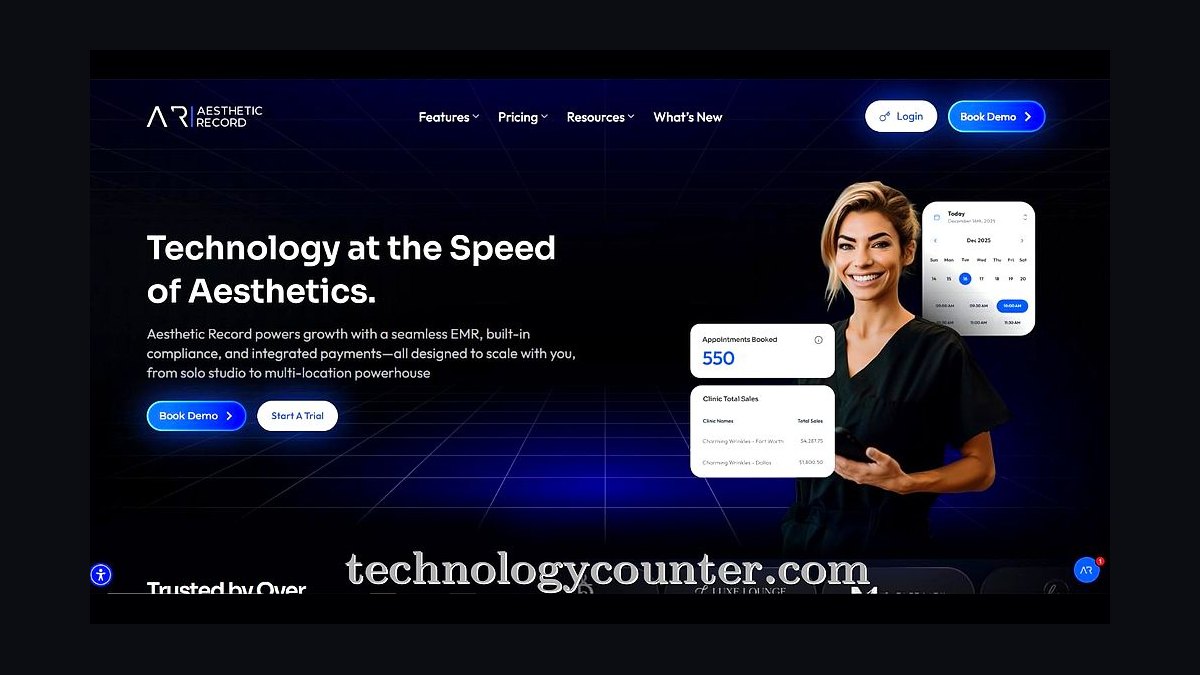
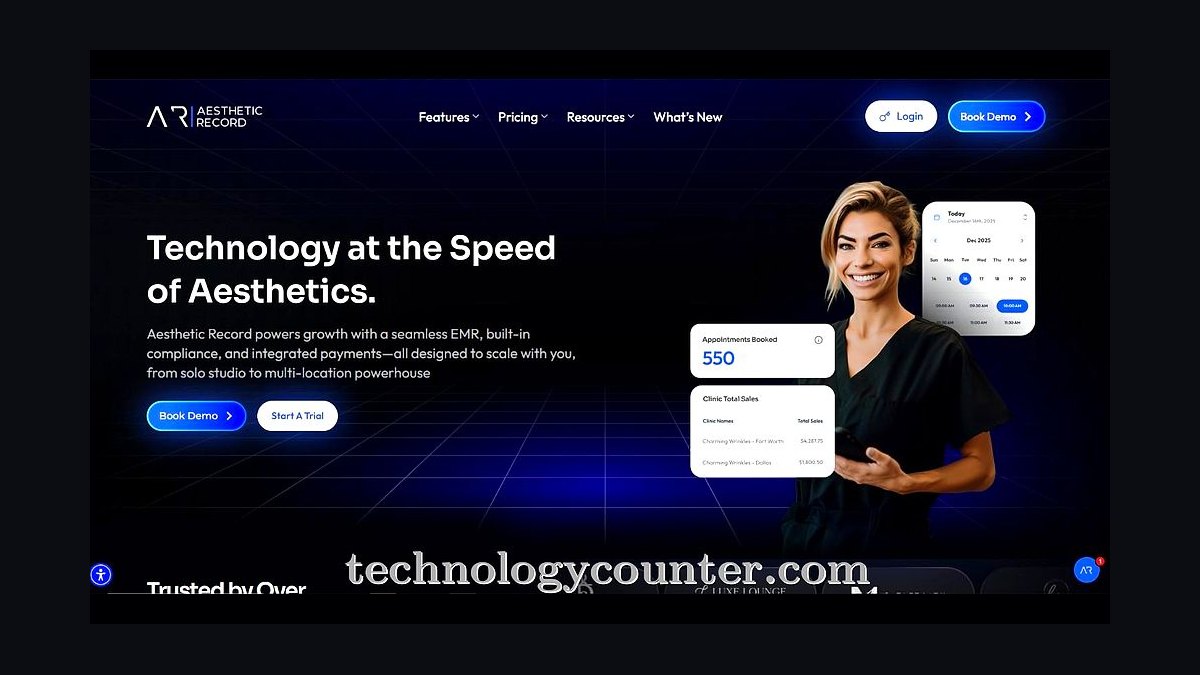
Aesthetic Record ranks first because it is the cheapest credible clinical EMR built for aesthetics, at $15 per user per month plus a $399 one-time startup fee, with a reported base above 9,000 accounts. E-prescribing adds $40 per prescriber monthly and EPCS controlled-substance prescribing adds $45. It ships a native RepeatMD connector, so banked credits sync without an API bridge.
It suits solo injectors and groups up to roughly three locations that need clinical depth, photo workflow, and audit-trailed consent more than consumer booking polish. It trades away front-desk booking UX against Boulevard. Compared with Boulevard at $410-$468 per location monthly, it costs a fraction but requires more configuration work on intake and marketing handoffs.
2Boulevard Aesthetics Bundle
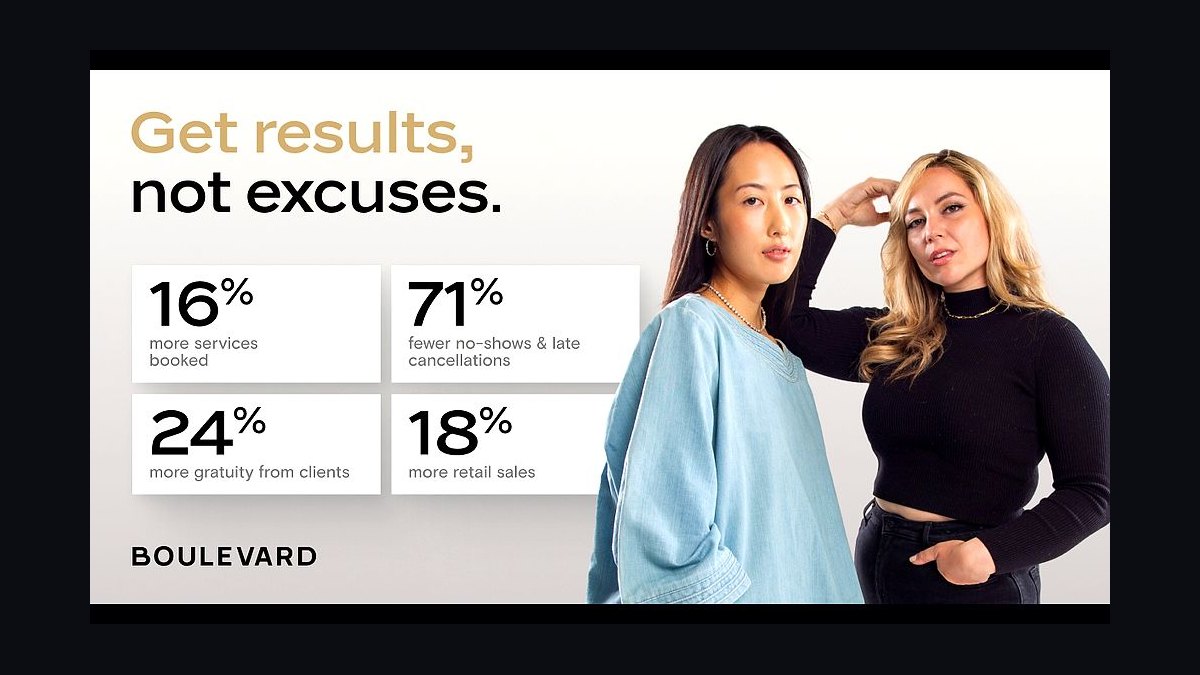
Boulevard ranks second because it wins decisively on consumer-facing booking UX and front-desk workflow, the bottleneck for retail-clinical hybrids competing with salons. The Aesthetics Starter Bundle runs $410 per location monthly, stepping to $468 for the full Aesthetics Bundle, or roughly $369-$421 annually, on a 12-month contract with 2.65% plus 15 cents card-present processing.
It is built for practices whose limiting factor is online booking conversion, not clinical charting depth. It trades away e-prescribing depth and price against Aesthetic Record. Its RepeatMD connection requires an API bridge that typically takes four to six weeks to configure, which is why running both platforms only pencils out above roughly $3M in annual revenue.
3RepeatMD

RepeatMD ranks third because membership infrastructure drives retention economics more than any other layer, and it runs a $2,499 one-time platform license, discounted to about $1,999 for qualifying members, across more than 4,000 practices. It powers a branded patient app, banked-credit tracking, and AI treatment recommendations. Users typically run two to three times the membership ARR of EMR-native operators.
The license pays back inside the first 25 to 40 enrolled members, making it right for practices with any recurring-revenue ambition. It trades away simplicity, since it must read package and credit balances from the EMR, and connector quality matters more than almost any other integration. It sits above GoHighLevel because membership revenue compounds while campaigns reset monthly.
4GoHighLevel
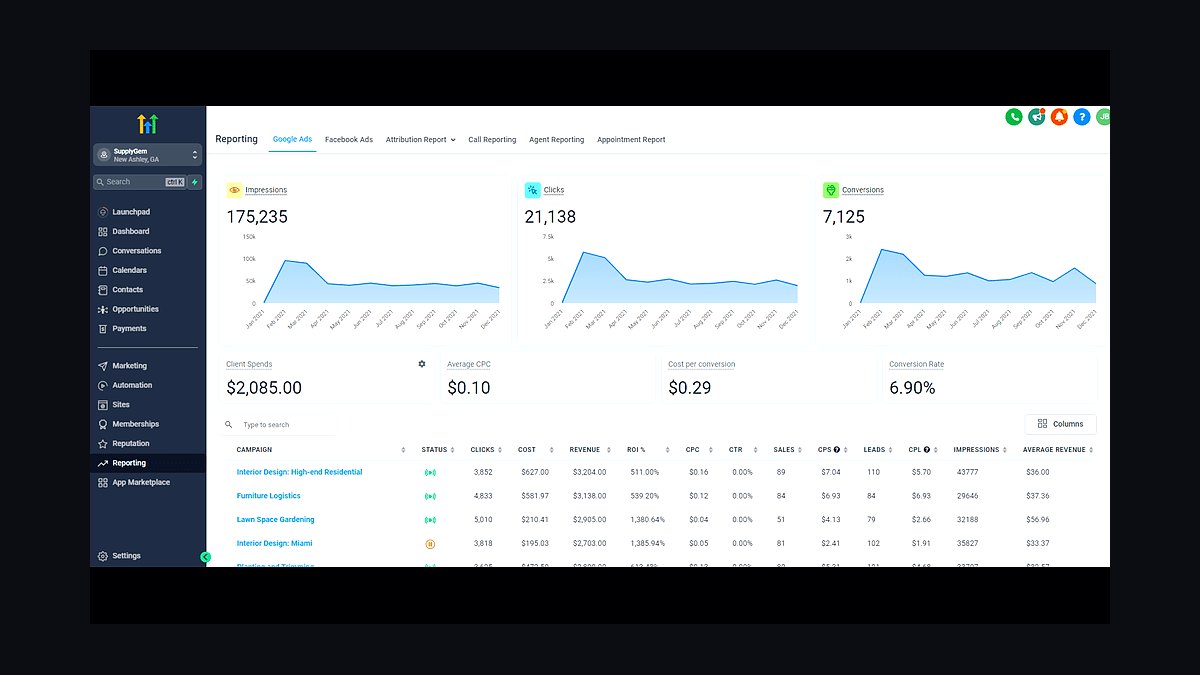
GoHighLevel ranks fourth because reactivation campaigns that fund the entire software budget live in the CRM layer, not the clinical system. It runs $97 monthly on Starter and $297 on Unlimited, and the Unlimited tier is the one that signs a Business Associate Agreement, a detail aesthetics operators frequently miss. EMR-native email opens at 4-8% against 22-30% for a dedicated CRM.
It fits practices capturing Instagram DMs, Google Ads clicks, and referral forms that need two-way SMS and missed-call text-back. It trades away simplicity, requiring correct configuration with no PHI in plain-text SMS and encrypted custom fields. Migrating from Mailchimp, ManyChat, Calendly, and a review tool commonly kills $500-$700 monthly in subscriptions, offsetting most of the cost.
5Nextech Med Spa
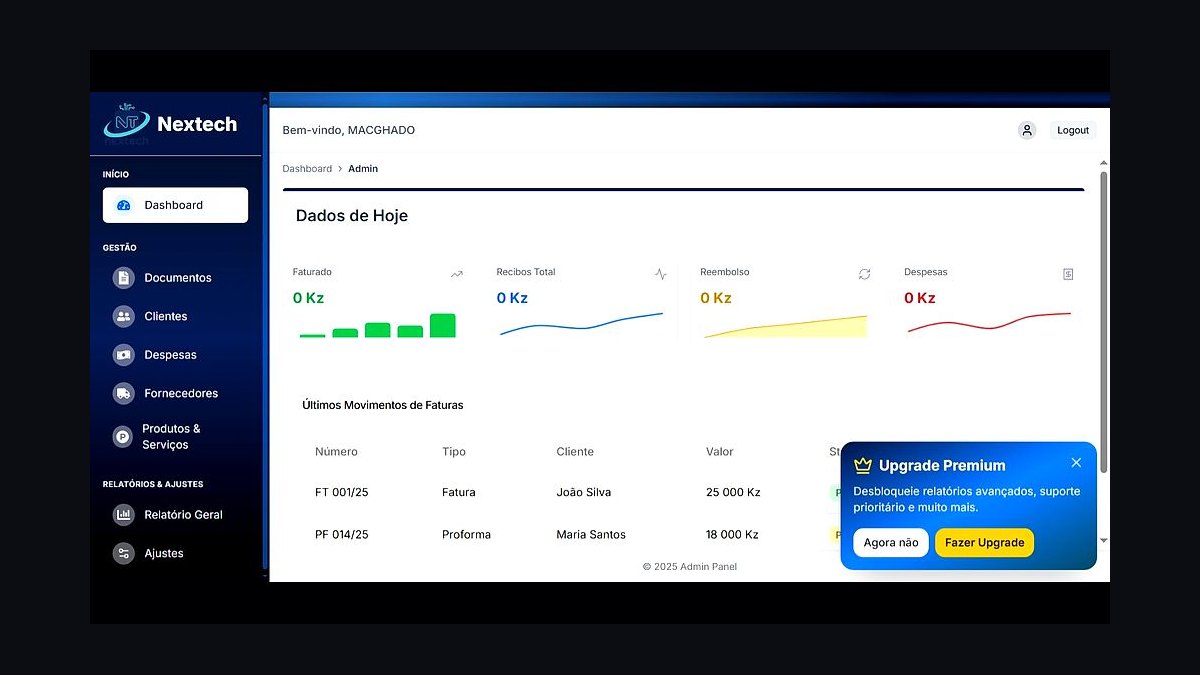
Nextech ranks fifth because it serves multi-specialty groups that have outgrown Aesthetic Record's reporting ceiling, quoting custom pricing generally between $300 and $650 per provider or location monthly. It is aimed at groups with four or more locations or practices blending med spa with plastic surgery or dermatology, and it handles commission splitting and multi-location rollups that cheaper EMRs lack.
It is wrong for solo operators, who would overpay for capability they will not use. It trades away fast implementation, since deployments run four to six months. Compared with PatientNow directly below, Nextech leans toward surgical and dermatology workflows, while PatientNow leans toward the aesthetics and wellness side of the same multi-location tier.
6PatientNow
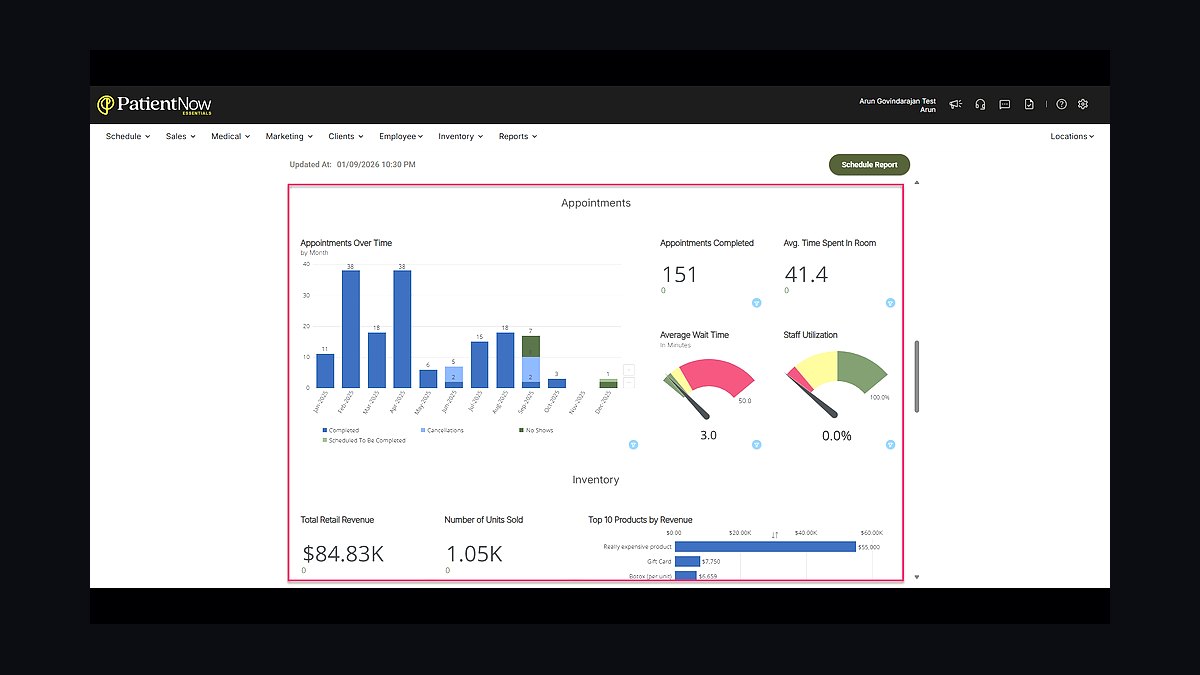
PatientNow ranks sixth because it covers the same four-plus-location tier as Nextech but tilts toward aesthetics and wellness rather than surgical specialties, quoting custom pricing generally between $400 and $700 per provider or location monthly. It ships native manufacturer rebate reconciliation for programs like Allergan's Alle and Galderma's Aspire, recovering promo codes that routinely represent 2-5% of unmatched revenue.
It fits established groups that need consolidated reporting across locations and can absorb a lengthy implementation. It trades away affordability and speed against Aesthetic Record, and its custom quoting makes budgeting harder. Compared with Nextech directly above, it is the better fit when the practice is injectables-heavy rather than surgery-heavy.
7JotForm HIPAA
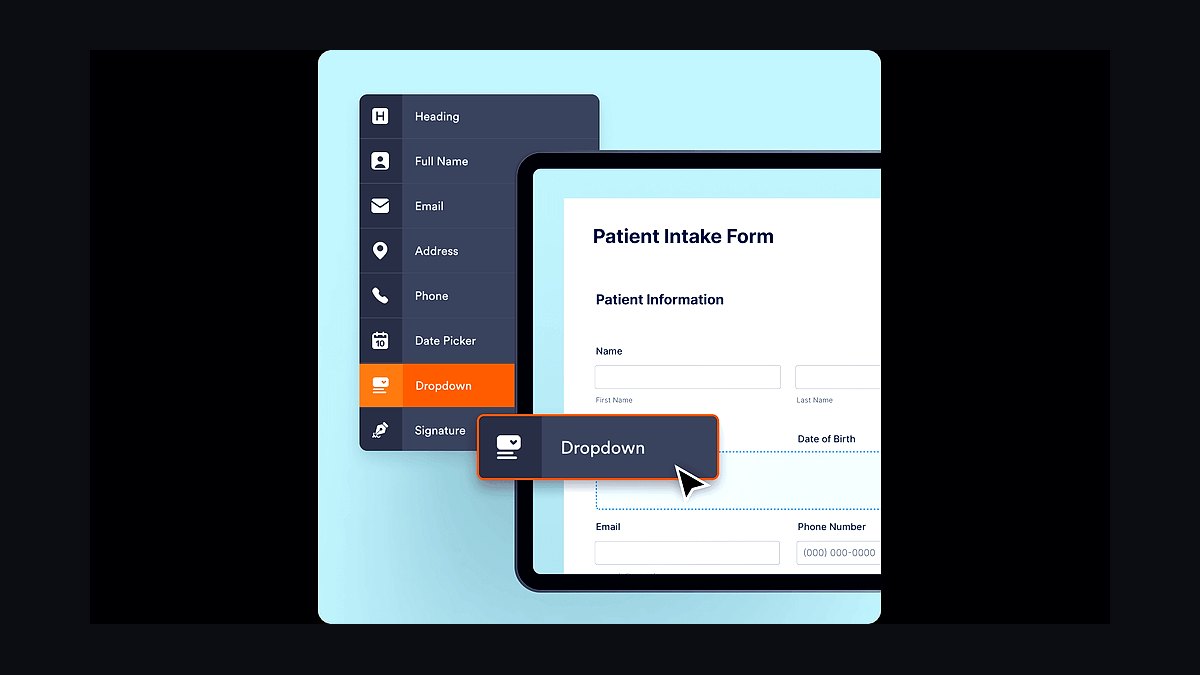
JotForm HIPAA ranks seventh because complex intake is where generic EMR forms break down, and it runs $99 monthly for HIPAA-grade forms including GLP-1 history, license uploads, and ID verification. It sits between the marketing CRM and the EMR, collecting signed consent and documents before the patient ever sits in a chair, which keeps the clinical chart clean.
It fits practices adding GLP-1 programs, telehealth-style intakes, or state license verification that native EMR fields cannot handle. It trades away the single-system simplicity of native forms, adding one more integration to maintain and one more place PHI lives. Compared with Cherry directly below, it handles pre-visit data collection rather than post-visit payment, and both plug into the same EMR.
8Cherry Financing
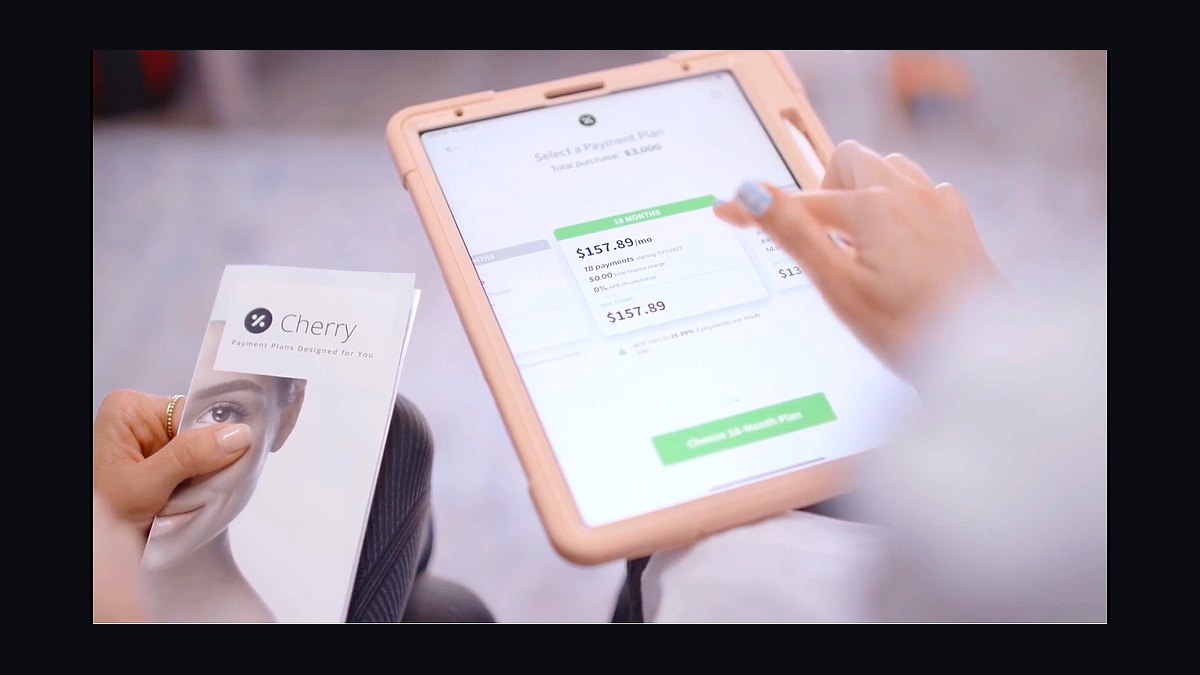
Cherry ranks eighth because patient financing converts large treatment plans that would otherwise shrink at the front desk, and it carries no monthly subscription, charging merchant fees only. It approves up to 90% of applicants for six-week zero-interest plans up to $50,000 or six-to-sixty-month terms at 0% to 5.99% APR, which covers everything from a single syringe to a full laser package.
It fits practices selling packages, memberships, and multi-session laser or body treatments where upfront cost blocks conversion. It trades away margin through merchant fees and adds a credit application step to checkout. Compared with QuickBooks Online Plus below, it sits on the revenue side of the stack, triggering at the point of sale rather than closing the books afterward.
9QuickBooks Online Plus
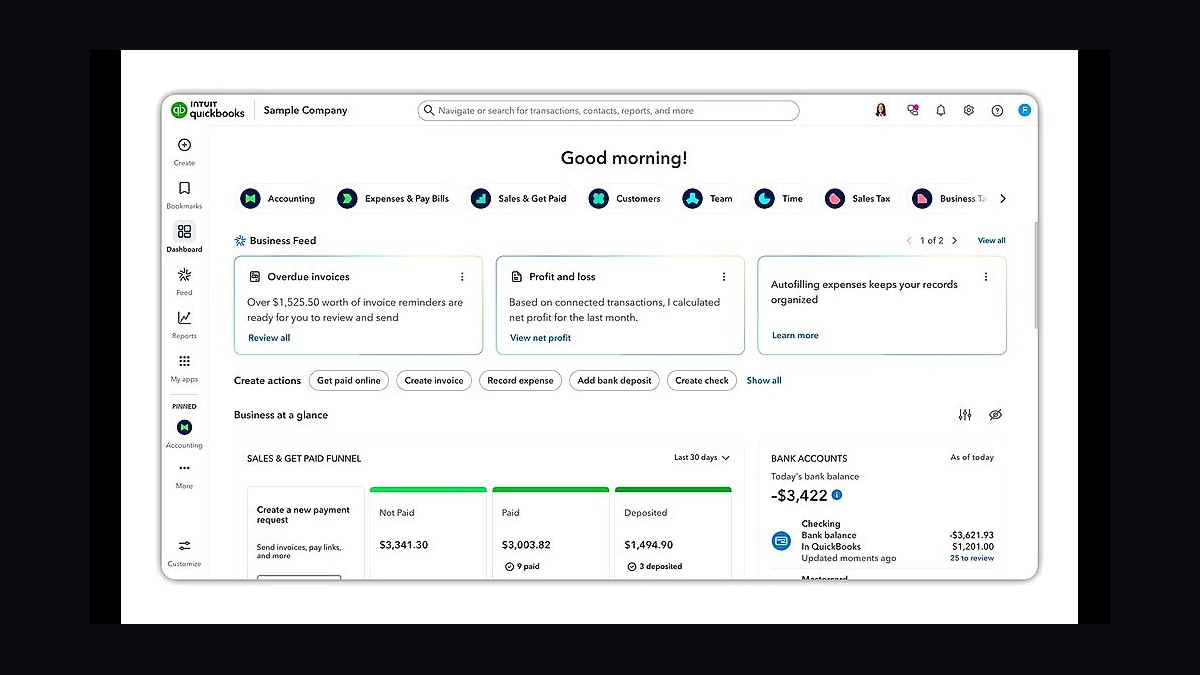
QuickBooks Online Plus ranks ninth because the loop from lead to chart to cash to books only closes when daily sales summaries land in accounting, and it runs $99 monthly. Sales flow out of the EMR either manually or through an automation layer like A2X or Synder, which matters once transaction volume makes manual entry error-prone.
It fits any practice that needs clean books for lender reporting, tax filing, or multi-location consolidation. It trades away aesthetics-specific reporting, since it knows nothing about treatment categories, injector commissions, or membership deferrals. Compared with Gusto Plus directly below, it owns revenue and expenses while Gusto owns payroll, and both sit downstream of the EMR rather than feeding it.
10Gusto Plus
Gusto Plus ranks tenth because injector and esthetician payroll, including commission splits and contractor payments, is the last layer most practices automate, and it runs $80 monthly base plus $12 per employee. It handles the W-2 and 1099 mix common in aesthetics, where a medical director may be contracted while front desk staff are employees.
It fits practices with five or more staff where manual payroll and commission reconciliation eats administrative hours. It trades away treatment-level commission logic, so injector splits still need to come from the EMR's reporting. Compared with QuickBooks Online Plus directly above, it covers people costs rather than the full ledger, and the two are typically run side by side.
How we ranked these
We ranked tools by five weighted factors: clinical compliance depth (25%), integration quality with the EMR as system of record (20%), total cost of ownership across year one (20%), membership and retention capability (20%), and front-desk workflow efficiency (15%). Pricing was verified against vendor pages and third-party comparisons, and each tool was scored on how cleanly it hands off data to the next layer in the stack.
We deliberately ignored vendor marketing claims, demo-only feature lists, and awards or review-site badge counts, since none predict fit for a specific practice size. We also excluded subjective aesthetics like interface polish and brand familiarity. What matters is whether a tool owns exactly one job, syncs accurately, and survives a compliance audit — not how it looks in a sales deck.
Related questions
What's the fastest way to go from zero to a working med spa tech stack?
Sign the EMR contract first and get card-on-file live within 30 days. Add the membership engine and marketing CRM in the following 30 days, then activate financing and rebate reconciliation in the final 30 days of a 90-day rollout. Sequencing matters because every later tool reads data the EMR owns.
Do I need a separate CRM if my EMR has email built in?
Yes if growth matters. EMR-native email typically opens at 4–8%, while a dedicated marketing CRM like GoHighLevel runs 22–30%. The reactivation campaigns that fund the rest of the software budget live in the CRM layer, not the clinical chart, so skipping it to save $97–$297 monthly is usually a costly shortcut.
Can a med spa run on salon software like Mindbody or Vagaro?
Only if it performs zero injectables and zero prescriptions. Those tools are not architected as HIPAA Business Associates — no e-prescribing, no controlled-substance logging, no audit-trailed consent storage. The moment a needle or prescription pad enters the room, the practice needs a true clinical EMR for medical-board and liability protection.
How much should a solo practitioner budget for software?
Roughly $420–$650 per month in ongoing software costs, plus about $2,900 in year-one setup and licensing fees for the EMR and membership platform combined. A one-to-three-location group lands at $2,400–$3,200 monthly, and a four-to-ten-location group runs $8,500–$14,500 monthly before paid media.
Which integration in the stack breaks most often?
The EMR-to-membership connector. If banked credits and package balances don't sync accurately between the clinical chart and the membership platform, the front desk absorbs the error every visit and member trust erodes fast. Aesthetic Record ships a native RepeatMD connector; Boulevard requires an API bridge taking four to six weeks to configure.
Is Boulevard worth roughly $468 per month when Aesthetic Record starts at $15 per user?
It depends on the bottleneck. If consumer booking experience and front-desk workflow limit growth, Boulevard wins. If clinical depth, e-prescribing, or photo documentation limit it, Aesthetic Record wins. Running both together only pencils out above roughly $3M in annual revenue, where the UX gain justifies the fragile API bridge.
How do manufacturer rebate programs like Alle and Aspire fit into the stack?
Both reconcile directly through the EMR in 2027, and most major platforms ship native sync. A membership engine can layer loyalty-redemption logic on top so members don't double-dip. Reconciling weekly rather than monthly keeps the unmatched-promo backlog manageable, since unreconciled codes routinely represent 2–5% of revenue.
Does a marketing CRM like GoHighLevel create HIPAA exposure?
It can sign a Business Associate Agreement on its higher-tier plan, making it HIPAA-capable when configured correctly — no PHI in plain-text SMS, encrypted custom fields, proper access controls. Running a medical practice on the entry-level plan without a BAA is a genuine compliance gap that auditors flag.
FAQ
Do I really need a separate membership platform, or can my EMR handle it?
Most EMRs can technically run memberships, but banked-credit math, rollover logic, and the member-facing app experience are consistently weaker than a dedicated platform. Operators on a dedicated membership engine typically run two to three times the membership ARR of EMR-native users, and the license fee often pays back within the first 25–40 enrolled members.
What's the single highest-leverage integration to get right first?
The EMR-to-membership connector. If banked credits and package balances don't sync accurately between the clinical chart and the membership platform, the front desk absorbs the error every single visit and member trust erodes quickly. Native connectors beat API bridges on both accuracy and setup time.
How long does a full stack implementation actually take?
A 90-day rollout is realistic for a solo or two-location practice: EMR and card-on-file in 30 days, membership engine and CRM in the next 30, financing and rebate reconciliation in the final 30. Nextech and PatientNow implementations run four to six months, which is why they fit larger groups rather than solo operators.
What happens if I skip card-on-file at membership enrollment?
Failed-payment rates climb to 18–24% by the third billing cycle, effectively losing the member before the relationship compounds. Membership ACH billing requires a captured card or bank account the day a patient signs up. Practices that defer collection consistently report higher churn and more front-desk collection calls.
Are consent forms and photos really a software decision?
Yes. The 2027 plaintiffs' bar has moved aggressively into aesthetics litigation, and a signed digital consent plus timestamped pre/post photos inside the EMR is the practice's entire legal defense. If those records live in Dropbox or on an injector's personal phone, that defense effectively does not exist in court.
When does a practice outgrow Aesthetic Record?
Usually when reporting needs outpace its multi-location rollup, or when the practice blends med spa with plastic surgery or dermatology. Nextech and PatientNow sit a tier up for four-plus-location groups. A solo practice paying Nextech-level pricing is almost always overpaying for capability it will not use.
Should I run Boulevard and Aesthetic Record together?
Some multi-location groups do — Boulevard for consumer booking, Aesthetic Record for the clinical chart — but the required API bridge is genuinely fragile. In practice it only pencils out above roughly $3M in annual revenue, where the operational complexity is worth the booking UX gain.
How do I avoid double-tracking membership balances?
Pick one system as the source of truth for banked credits — almost always the dedicated membership platform — and make every other tool read from it. Two systems both thinking they own the same balance is the most common cause of front-desk reconciliation hours and member disputes over lost units.
What's the most expensive shortcut owners take?
Skipping the marketing CRM to save $97–$297 monthly. EMR-native email opens at 4–8% versus 22–30% on a dedicated CRM, and the reactivation campaigns that pay for the entire stack live in that layer. The savings are real; the lost revenue is larger.
Does financing like Cherry add monthly software cost?
No. Cherry carries no monthly subscription, charging merchant fees only while approving up to 90% of applicants for six-week zero-interest plans up to $50,000 or six-to-sixty-month terms at 0%–5.99% APR. It layers onto the EMR's POS without adding a recurring line item to the software budget.
Sources
- https://www.aestheticrecord.com/subscription-pricing/
- https://www.capterra.com/p/162938/Aesthetic-Record/
- https://www.joinblvd.com/pricing
- https://pabau.com/blog/boulevard-pricing
- https://www.nextech.com/medspa
- https://www.mangomint.com/pricing/
- https://repeatmd.com/solutions/memberships
- https://www.gohighlevel.com/pricing
- https://withcherry.com/medical-aesthetics
- https://www.healthcareittoday.com/2026/01/29/best-value-software-platforms-for-med-spa-management-features-and-pricing-compared/
Related on PULSE
This page will be disappearing soon. Save it to your device for $1 — or read it free while it is here.
@Kory-White- · if Venmo asks, the last 4 of my number are 2012
This page is gone.
This one is off the shelf now. $1 keeps it on your phone for good — the whole page, pictures and diagrams included.
 pulse-tech-stacksTop 10 Best Tech Stack Tools for Art Galleries in 2027
 pulse-tech-stacksTop 10 Best Tech Stack Tools for Agriculture and Farm Operations in 2027
 pulse-tech-stacksWhat is the recommended LLM API Provider sales and operations tech stack in 2027?
 pulse-tech-stacksTop 10 Best Tech Stack Tools for Ambulatory Surgery Centers in 2027
 pulse-tech-stacksWhat is the best tech stack for a community bank in 2027?
 pulse-tech-stacksTop 10 Best Tech Stack Tools for Auto Parts Distributors in 2027
 pulse-tech-stacksWhat is the best tech stack for an excavation or site work contractor in 2027?
 pulse-tech-stacksTop 10 Best Tech Stack Tools for Quick Service Restaurant (QSR) Franchises in 2027
 pulse-tech-stacksTop 10 Best Tech Stack Tools for Medical Device Manufacturers in 2027
 pulse-tech-stacksWhat is the best tech stack for a med spa or aesthetics clinic in 2027?