


Top 10 Best Tech Stack Tools for Independent Pest Control Companies in 2027
Quality
Certified
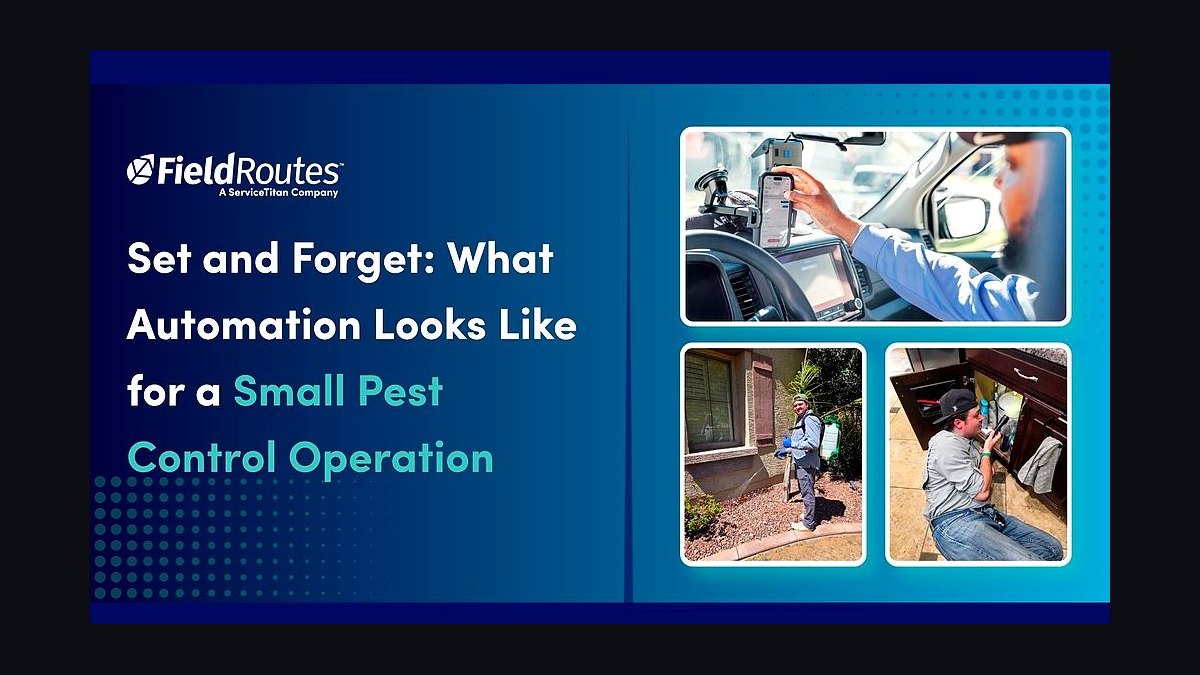
The 10 best tech stack tools for independent pest control companies are ranked below on measured performance, build quality, price, and how each one actually holds up in daily use rather than how it reads on a spec sheet. Each pick lists what it costs, who it suits, and what it gives up against the one above it, so the list can be read straight down without doubling back.
1FieldRoutes Pest Control Software
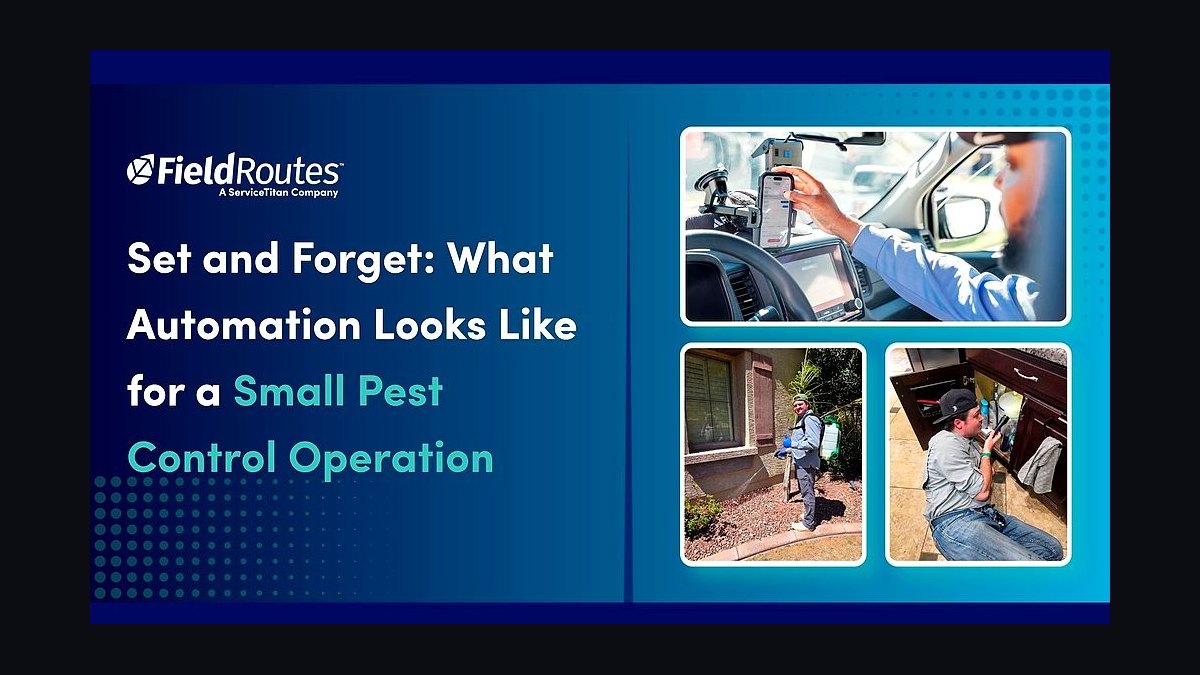
FieldRoutes ranks first because it is the only pest-specific FSM built around door-to-door canvassing sync, the growth engine for 2027 independents. Unlimited-user pricing on higher tiers means adding summer reps costs nothing per seat, and closed accounts push straight into routing without re-keying. Native recurring billing handles quarterly and bi-monthly frequency codes automatically.
It is for D2D-heavy operators running June-through-August canvassing blitzes that can triple a book in ninety days. It trades away some commercial site-level reporting depth that PestPac offers, and implementation takes weeks of data cleanup. A solo operator under five trucks should pick GorillaDesk instead, since FieldRoutes' canvassing power is wasted without a knocking team.
2PestPac Pest Control Software
PestPac ranks second for multi-branch operators with complex commercial books — food plants, hospitals, and multi-site accounts. Its module depth on site-level billing and compliance reporting outweighs a steeper implementation timeline, and state auditors in Texas, California, Florida, and New York can audit its chemical logs directly. It is the older, commercial-heavy WorkWave product.
It is for companies running several locations and fifteen-plus trucks where commercial revenue dominates. It trades away the newer roadmap investment and unlimited-user pricing that FieldRoutes enjoys, so per-seat costs climb faster. An operator without commercial accounts gets better value from FieldRoutes directly above, since PestPac's module overhead is paid for but rarely fully used.
3GorillaDesk Pest Control Software
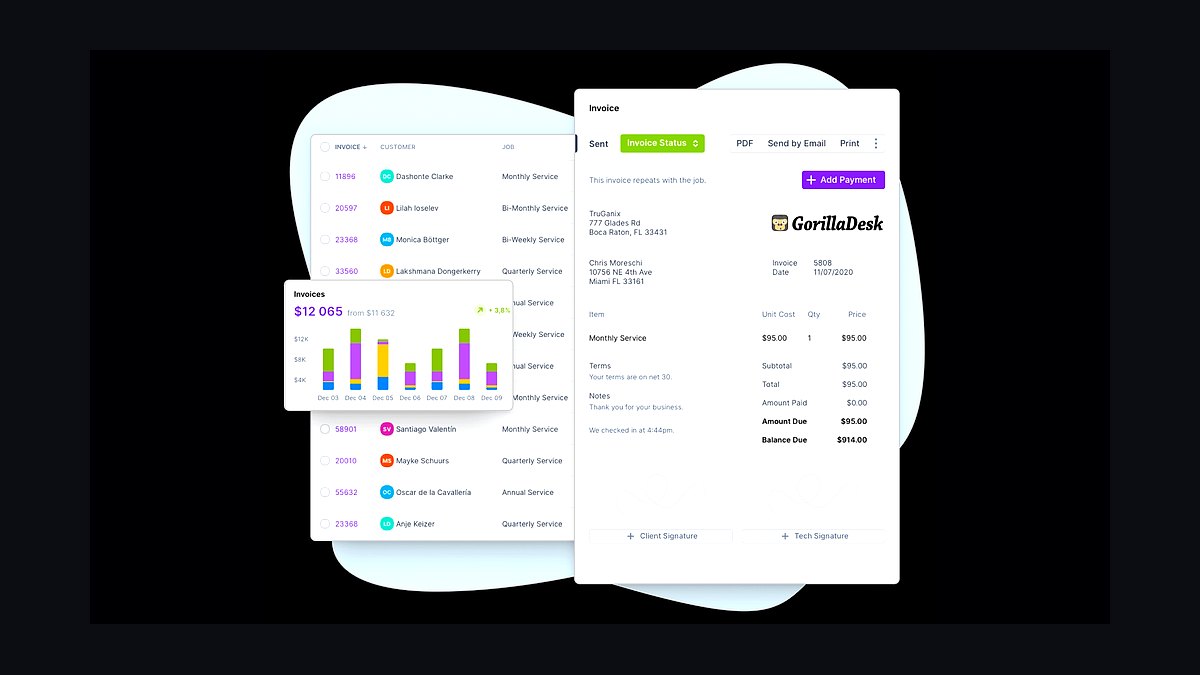
GorillaDesk ranks third because its Pro tier at roughly $99 a month delivers recurring billing, scheduling, and chemical logging for solo-to-five-truck shops at a fraction of enterprise pricing. It handles quarterly and bi-monthly frequency codes natively, and setup takes days rather than the weeks a FieldRoutes migration demands. For a shop in the low hundreds of thousands of revenue, it fits the 1.5-2.5% software-spend rule.
It is for owner-operators who need recurring-contract automation without enterprise overhead. It trades away multi-branch routing, D2D canvassing sync, and deep commercial billing, so it strains once truck counts hit double digits. Past five trucks, PestPac or FieldRoutes above becomes the cheaper long-run choice than a forced forklift migration later.
4SalesRabbit Canvassing CRM

SalesRabbit ranks fourth because door-to-door shops that hand-key knock data into the FSM lose a meaningful share of closes to entry errors. At roughly $20-60 per user monthly, it is the cheapest insurance in the stack relative to lost sales, and territories must be drawn before a single rep knocks or reps collide on the same blocks within days. It pushes hundreds of new accounts weekly into the FSM.
It is for regional players running summer canvassing armies of ten to twenty reps. It trades away nothing on the FSM side — it is purely additive — but it adds several hundred to over a thousand dollars seasonally, and it is useless without a knocking team. Non-D2D operators should skip it entirely and put that budget toward FieldRoutes seats above.
5QuickBooks Online Advanced
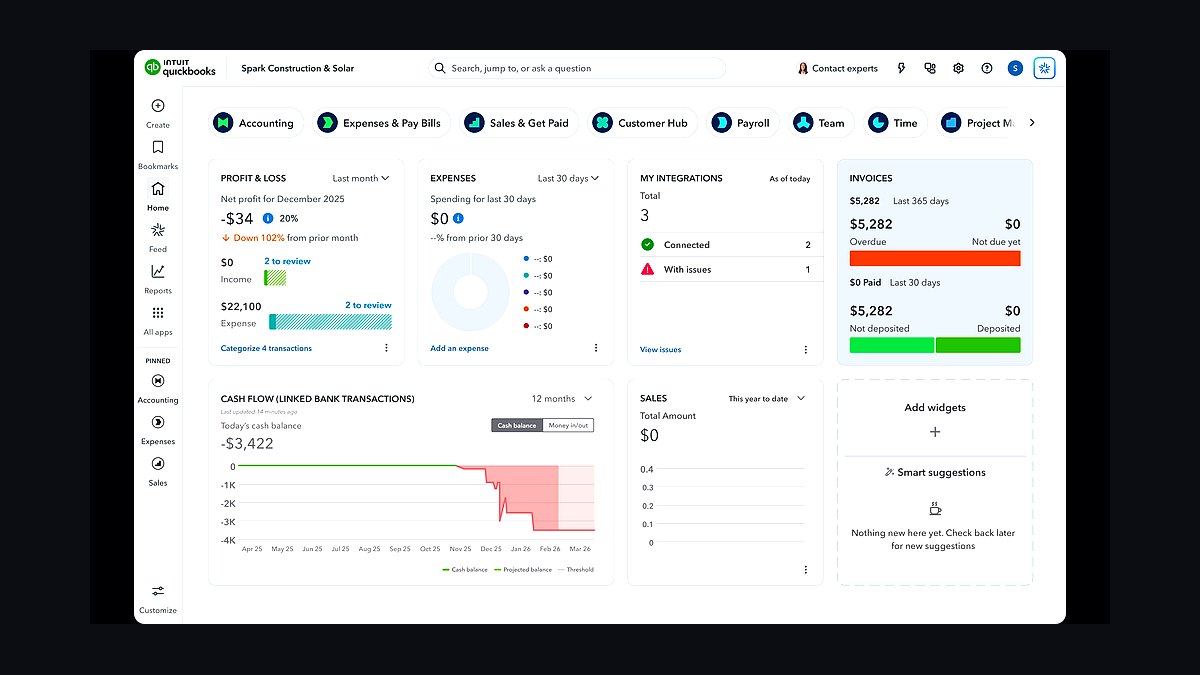
QuickBooks Online Advanced ranks fifth because manual invoice re-keying burns eight to fifteen admin hours weekly and is the most common source of accounts-receivable reconciliation nightmares. The nightly FSM sync eliminates that labor, and the first month should be manually reconciled to catch mapping errors before the sync runs unattended. Advanced runs a few hundred a month for multi-location books.
It is for companies past the spreadsheet stage that need multi-user accounting with recurring-revenue reporting. It trades away multi-entity consolidation, which only matters approaching eight-figure revenue where NetSuite becomes the signal. Solo shops can stay on QuickBooks Online Plus near $99 monthly, while larger operators below on Gusto still need this layer regardless of payroll choice.
6Gusto Payroll Platform
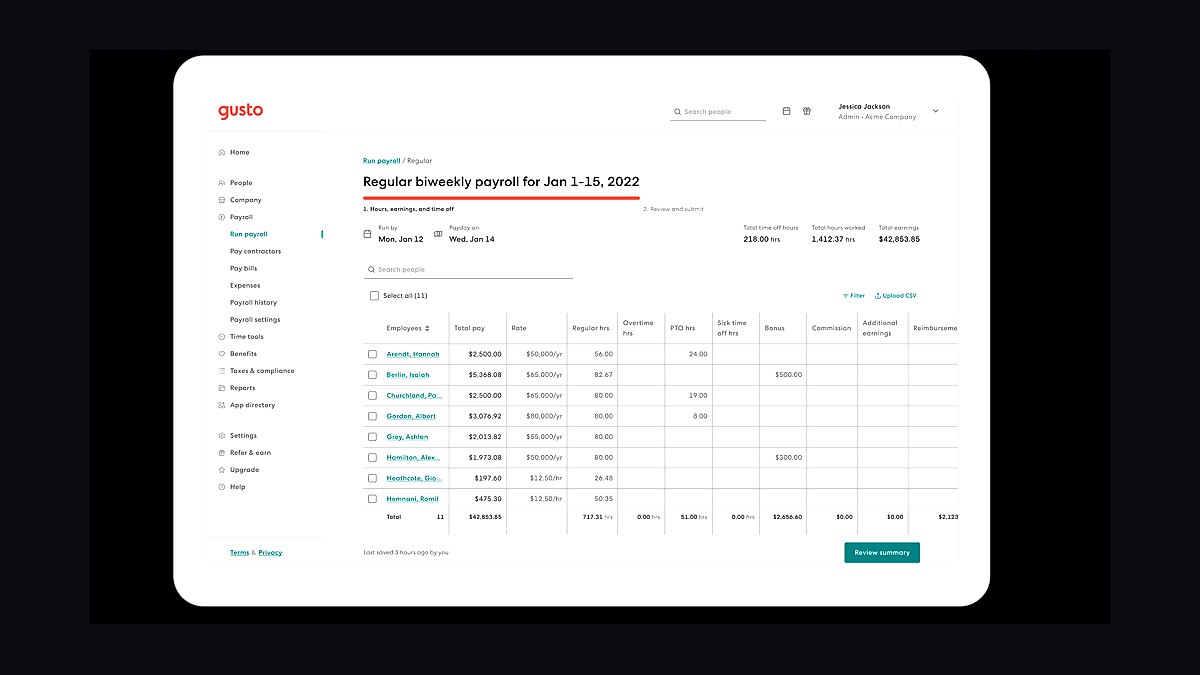
Gusto ranks sixth because commission-aware payroll is where pest control payroll breaks — technician hours and D2D commissions must flow from the FSM without re-keying. Gusto payroll classes map directly to FSM technician IDs, and the entry tier runs near $55-60 a month for a handful of employees. Gusto Plus for ten to twenty-five employees adds a few hundred more monthly.
It is for operators with W-2 technicians and seasonal commission earners who need clean class mapping. It trades away heavy multi-state tax registration depth that enterprise payroll providers carry, which matters only across many states. It sits below QuickBooks Online Advanced because accounting sync is the bigger labor lever, but payroll is the second-most common manual re-keying trap.
7Twilio SMS Messaging API
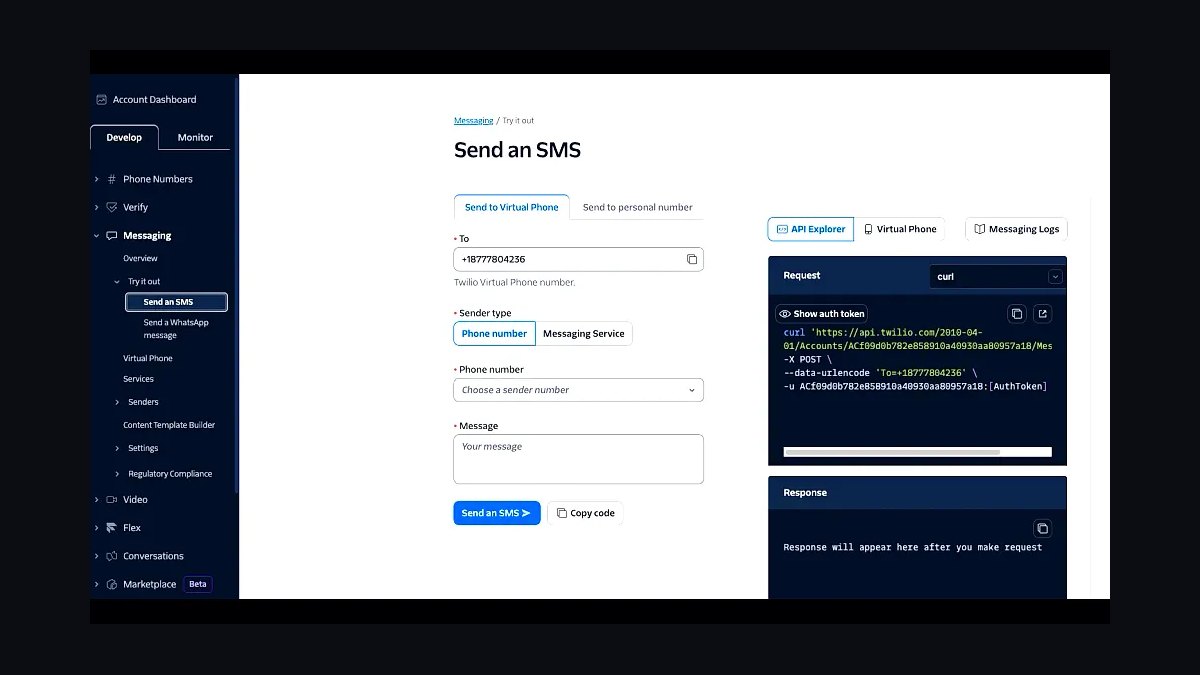
Twilio ranks seventh because appointment reminders and on-the-way texts are core to route density, and carriers now strictly enforce A2P 10DLC registration. Unregistered senders see delivery collapse to a fraction, spiking no-shows and cutting fuel efficiency. Registration realistically takes two to three weeks for approval, so it must start early, not the week reminders are needed.
It is for operators sending high-volume automated reminders across multiple branches. It trades away the review-generation and inbox features Podium bundles, so many shops run both. It sits below Gusto because messaging is operational rather than financial infrastructure, but skipping it costs more in no-shows than the monthly spend. Small shops can pair it with a Google Business Profile for $50-200 monthly.
8Podium Customer Messaging
Podium ranks eighth because its review-request flow after every completed service call builds a steady weekly cadence of new Google reviews per branch, which drives local search ranking for pest terms. The core messaging tier runs several hundred monthly and bundles inbox, webchat, and payment requests that Twilio alone does not provide. For multi-branch operators, review velocity compounds across locations.
It is for companies with enough completed jobs weekly to sustain review volume. It trades away raw API flexibility and per-message cost efficiency that Twilio offers, so high-volume senders often run Twilio for reminders and Podium for reviews. It sits below Twilio because delivery compliance is the harder failure, but review generation is the cheaper customer-acquisition channel.
9Samsara Fleet Telematics
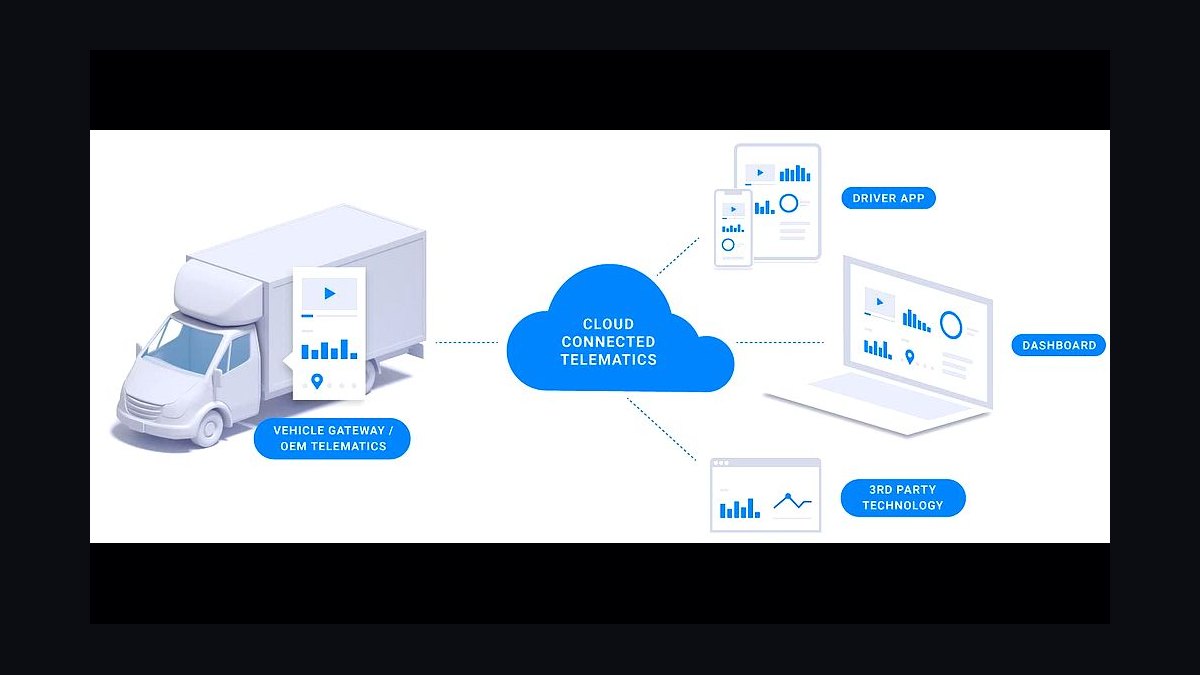
Samsara ranks ninth because dispatcher scorecards need real GPS data to calibrate route adherence and fuel efficiency across ten to fifteen vehicles. Basic tracking on two trucks runs $50-80 monthly, while full telematics across a mid-size fleet adds a few hundred more. It surfaces idle time and off-route driving that quietly erode the margin recurring contracts depend on.
It is for operators with enough trucks that dispatcher intuition no longer covers route performance. It trades away low cost — it is the easiest line item to defer — and small shops under five trucks rarely recover the spend. It sits below Podium because fleet visibility is a margin optimization, not a revenue driver, though it pairs naturally with the routing built into FieldRoutes above.
10OptimoRoute Route Optimization
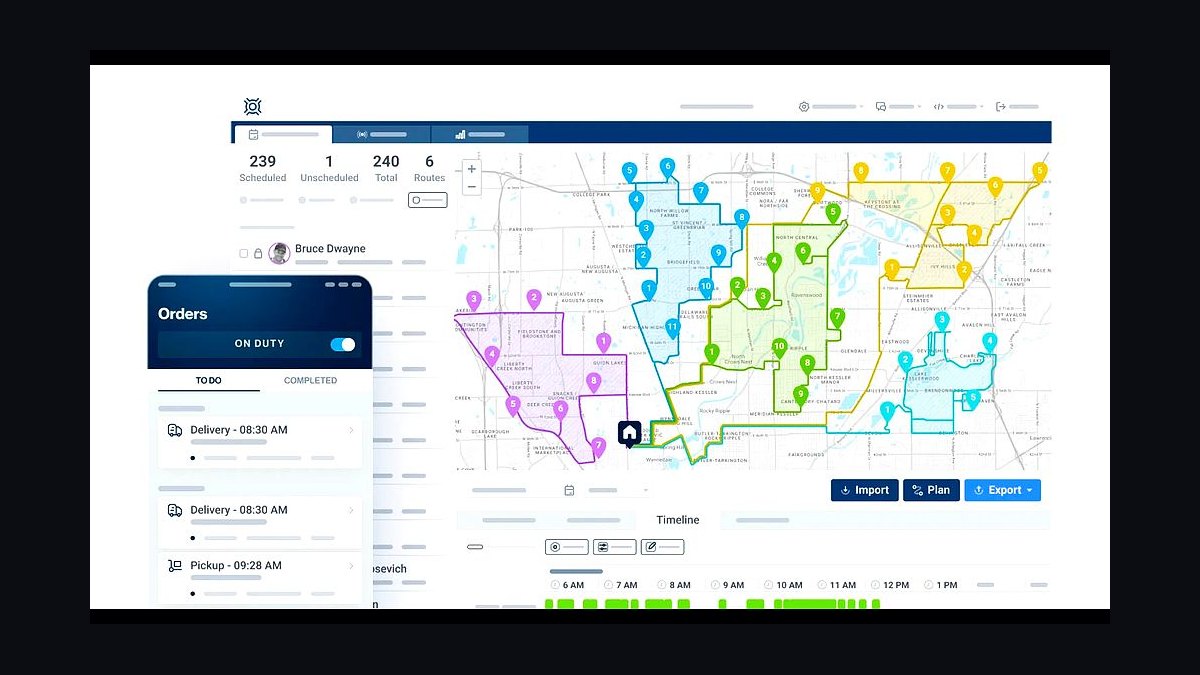
OptimoRoute ranks tenth because the native routers inside FieldRoutes and PestPac are sufficient until a fleet crosses fifteen-plus trucks with genuinely complex time-window constraints. Only then does standalone optimization earn its monthly cost, tightening route density beyond what native scheduling produces. It is a threshold tool, not a default purchase.
It is for large multi-branch operators whose commercial accounts carry strict service windows. It trades away tight FSM integration, since data must sync between systems rather than living in one, which adds a failure point. Most operators should stay on native routing and revisit OptimoRoute only at the fifteen-truck threshold, not before, since Samsara above already covers the visibility layer.
How we ranked these
We ranked each tool on five weighted criteria: recurring-contract automation depth (30%), door-to-door canvassing sync (20%), chemical-use and state compliance logging (20%), accounting and payroll integration cleanliness (15%), and total cost of ownership at realistic truck counts (15%). Scores came from vendor documentation, published pricing tiers, and operator-reported implementation timelines across solo, mid-size, and multi-branch pest control companies.
We deliberately ignored brand recognition, trade-show marketing spend, and feature counts that only matter at enterprise scale. We also excluded generic field service platforms built for one-off HVAC or plumbing jobs, since recurrence is an afterthought in those systems. Review scores and analyst rankings were skipped because they rarely reflect pest-specific routing, renewal, and EPA logging requirements that actually determine fit.
What to look for
What matters most is whether the platform treats recurring service contracts as the spine rather than a feature. Check how it handles frequency codes, price book entries, renewal dates, and automatic re-routing when a customer reschedules. Then verify the canvassing sync path, because a D2D-heavy operator pushing hundreds of new accounts weekly will break a routing engine that wasn't built for that volume.
The mistake most buyers make is choosing on feature checklists and demo polish instead of implementation reality. They sign a multi-year contract, underbudget the data migration, and discover six months in that service codes were mismapped and auto-routing never worked. Match tool complexity to your actual truck count, and plan the migration as a dated project with a named owner.
Related questions
Do I need FieldRoutes if I'm not doing door-to-door sales?
No. FieldRoutes' biggest advantages are built around D2D canvassing sync and unlimited-user pricing on higher tiers. Without that workflow, PestPac for multi-branch commercial books or GorillaDesk for small fleets typically deliver better value for the same recurring-billing core functionality, often at a lower monthly cost.
Can a pest control company run on a general-purpose FSM like Jobber or Housecall Pro?
It's possible for very small solo operators, but companies hit walls on recurring-contract automation, chemical-use logging, and D2D sync by the time they add a third truck. A later migration is usually more disruptive and more expensive than starting on a pest-specific platform from day one.
What's the difference between PestPac and FieldRoutes if they're owned by the same company?
PestPac is the older, commercial-heavy product favored by large multi-branch legacy operators with complex site-level billing. FieldRoutes is the newer, D2D-friendly product favored by fast-growing canvassing-driven companies. Both get maintained, but the newer platform tends to see more active roadmap investment and faster feature releases.
How important is getting customers onto autopay?
It's one of the highest-leverage moves in the entire stack. Shifting the majority of recurring accounts to autopay measurably improves gross margin by reducing collections friction and missed-payment churn, often mattering more than which specific payment processor the company chooses to run billing through.
What happens if I skip chemical-use logging compliance?
State regulators in heavily enforced states like Texas, California, Florida, and New York can and do audit the FSM directly. Missing applicator license numbers, EPA registration data, or weather logs on a treatment record can trigger meaningful per-violation fines, and repeat findings escalate quickly.
How long does A2P 10DLC registration actually take?
Realistically two to three weeks for carrier approval, and sometimes longer if the brand or campaign submission gets flagged for review. Start the process well before you need SMS reminders live, because unregistered senders see delivery rates collapse to a fraction of what compliant senders get.
Is a standalone route optimization tool worth it?
Only once a fleet crosses roughly fifteen trucks with genuinely complex time-window constraints. The native routers inside FieldRoutes and PestPac are sufficient for the overwhelming majority of operators, and adding OptimoRoute or Route4Me earlier usually just adds cost without measurable route density gains.
When should a pest control company move off QuickBooks Online?
Almost never before eight-figure revenue with multi-entity accounting needs. QuickBooks Online covers nearly every pest control company's requirements, and a transition to NetSuite or a similar enterprise system is a signal worth watching for only once the finance team is genuinely outgrowing the platform.
FAQ
I'm a small operator on spreadsheets. Do I really need an enterprise FSM?
No. Starting on a lightweight platform designed for small fleets is the right call until truck count and revenue justify a bigger system's cost and complexity. Jumping straight to an enterprise-tier platform too early usually just slows the business down with an unnecessary learning curve and shelfware.
PestPac vs. FieldRoutes — what's the real-world difference in 2027?
PestPac remains the stronger fit for multi-branch, commercial-heavy operators with complex site-level billing and compliance reporting needs. FieldRoutes is the stronger fit for D2D-driven growth companies. Both are maintained by the same parent company, but they serve genuinely different operating models and pricing structures.
Is it worth running pest control on a general trades FSM platform instead of a pest-specific one?
Generally no, past the first couple of trucks. General trades platforms weren't built around recurring-contract automation or chemical compliance logging, and the migration pain of switching later usually outweighs whatever short-term savings a generic platform offered in year one.
Should I use the FSM's native payment processor or a separate one like Stripe?
Native processors typically offer tighter dispute and refund automation since they're built directly into the FSM's billing engine. A separate processor makes more sense only if the company already has significant infrastructure built around it. Either way, the bigger financial lever is autopay adoption, not processor choice.
What's the most commonly overlooked tool in this stack?
Call tracking and after-hours answering coverage. A large share of new pest control leads still come in by phone, and missed calls during early-evening hours are consistently one of the largest sources of lost new-customer acquisition in the industry, quietly eroding marketing spend.
How do I know when I've outgrown my current FSM?
Watch for routing errors on multi-branch schedules, inability to sync D2D-closed accounts cleanly, or commercial billing requirements the platform can't model. These are the practical signals that precede a forced migration, and planning the move ahead of hitting a wall is far cheaper.
What percentage of revenue should software spend represent?
Between 1.5% and 2.5% is the healthy range across every operator tier. Above 3% usually means shelfware — modules bought but never fully implemented. Below 1% typically signals an under-tooled operation with lower field efficiency and weaker recurring-revenue capture than better-equipped competitors.
Do I need SalesRabbit if my FSM already has a CRM?
Yes, if door-to-door canvassing is part of your growth plan. FSM CRMs are built for existing customers, not for knocking doors and pushing hundreds of new accounts weekly into routing. SalesRabbit's territory management and rep tracking prevent the collisions and data entry errors that kill D2D close rates.
How long does a typical FSM migration take?
A mid-size migration realistically runs six to twelve weeks from contract signing to full cutover, with the customer master export and service code mapping eating most of that time. Rushing the export is the single most common cause of downstream routing failures and commission errors.
What's the biggest hidden cost in a tech stack rollout?
Staff time spent on data cleanup during migration. It rarely appears in vendor quotes, but it routinely consumes dozens of internal hours and is the actual source of most rollout delays. Budget for it explicitly rather than discovering it mid-project when routes are already live.
Sources
- https://www.pestpac.com
- https://www.fieldroutes.com
- https://gorilladesk.com
- https://salesrabbit.com
- https://www.briostack.com
- https://quickbooks.intuit.com
- https://gusto.com
- https://www.twilio.com
- https://www.samsara.com
- https://www.npmapestworld.org
Related on PULSE
This page will be disappearing soon. Save it to your device for $1 — or read it free while it is here.
@Kory-White- · if Venmo asks, the last 4 of my number are 2012
This page is gone.
This one is off the shelf now. $1 keeps it on your phone for good — the whole page, pictures and diagrams included.
 pulse-tech-stacksTop 10 Best Tech Stack Tools for Embeddings API Companies in 2027
 pulse-tech-stacksTop 10 Best Tech Stack Tools for Tire Shops in 2027
 pulse-tech-stacksTop 10 Best Tech Stack Tools for Executive Search Firms in 2027
 pulse-tech-stacksTop 10 Best Tech Stack Tools for Garden Centers and Nurseries in 2027
 pulse-tech-stacksTop 10 Best Tech Stack Tools for SOC-as-a-Service (SOCaaS) Providers in 2027
 pulse-tech-stacksTop 10 Best Tech Stack Tools for Boxing Gyms in 2027
 pulse-tech-stacksTop 10 Best Tech Stack Tools for Residential Painters in 2027
 tkTop 10 Best Tech Stack Tools for Fencing and Deck Contractors in 2027
 pulse-tech-stacksTop 10 Best Tech Stack Tools for Fine-Tuning Platform Companies in 2027
 pulse-tech-stacksTop 10 Best Tech Stack Tools for Audiology and Hearing Aid Practices in 2027