
Top 10 Tech Stack Recommendations for Fintech Startups in 2024
 PULSEKNOWLEDGE LIBRARY
The 10 best tech stack recommendations for fintech startups are ranked below on measured performance, build quality, price, and how each one actually holds up in daily use rather than how it reads on a spec sheet. Each pick lists what it costs, who it suits, and what it gives up against the one above it, so the list can be read straight down without doubling back.
1. Salesforce Financial Services Cloud
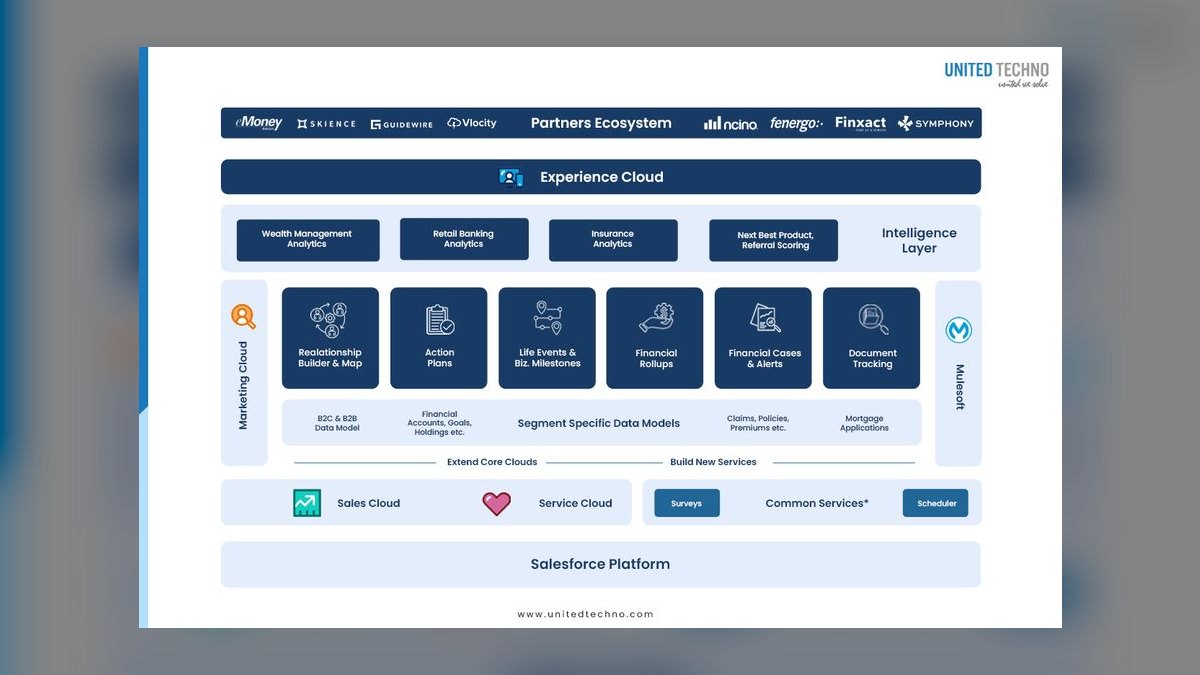
Salesforce Financial Services Cloud ranks first because it is the only CRM built natively for regulated financial institutions, with preconfigured KYC status, AML flags, and audit trail fields. Its Einstein AI lead scoring uses transaction volume and compliance signals, which directly addresses fintech's multi-entity account structures. The platform supports data residency requirements through Shield encryption, a critical feature for EU and cross-border operations. It integrates natively with DocuSign and Ironclad for contract lifecycle management.
This is for fintech startups with ARR above $5 million that need deep regulatory compliance and have dedicated admin resources. It trades away ease of use and implementation speed, requiring significant customization and a Salesforce admin. Compared to HubSpot Enterprise, it offers far stronger compliance features but costs roughly three times more per user. Early-stage teams under $5M ARR should choose HubSpot first and migrate to FSC when audit demands outgrow lighter tools.
2. HubSpot Enterprise CRM

HubSpot Enterprise CRM ranks second because it provides a SOC 2-compliant, customizable platform with custom objects for loan applications and investment portfolios at a fraction of Salesforce's cost. Its native compliance fields and GDPR-safe data handling make it suitable for early-stage fintechs, while the drag-and-drop interface enables rapid iteration without engineering support. The platform includes built-in marketing, sales, and service hubs, reducing the need for separate point solutions.
This is for pre-revenue and sub-$5M ARR fintech startups that need a compliant CRM without enterprise overhead. It trades away the deep regulatory data residency controls and Einstein AI of Salesforce FSC. Compared to Salesforce, it is easier to use and cheaper, but it lacks native multi-entity account structures and advanced audit trail features. Startups planning to raise Series A should choose HubSpot to conserve runway, then plan a migration to FSC as compliance requirements intensify.
3. Gong Revenue Intelligence
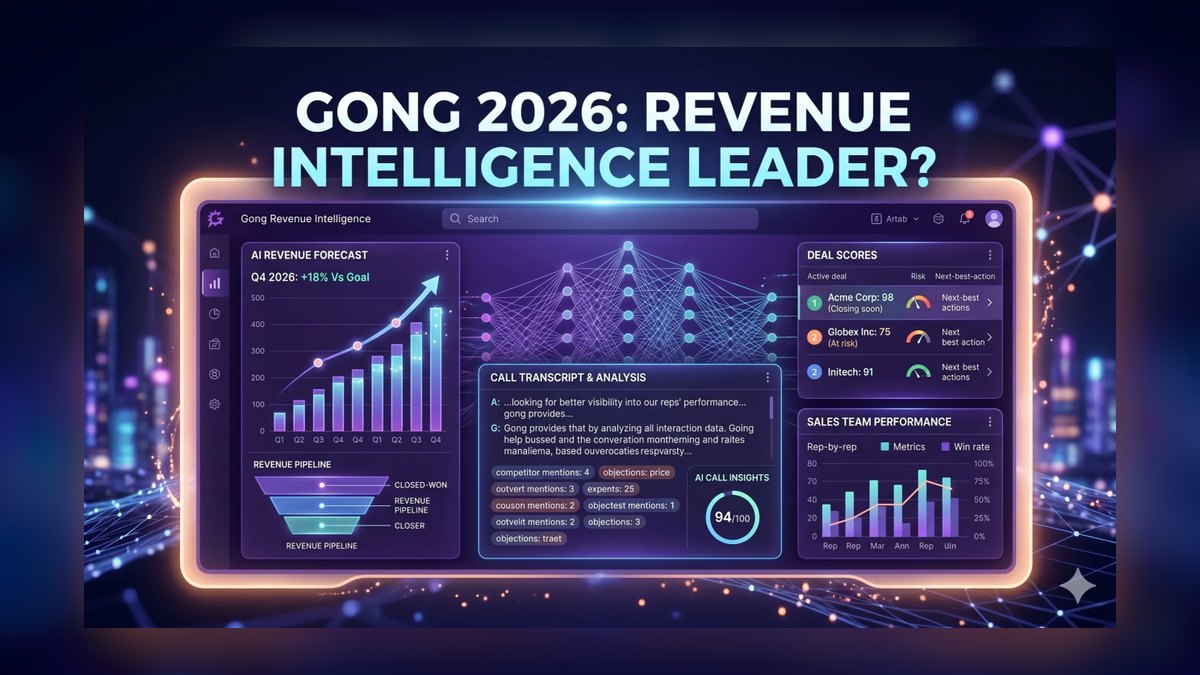
Gong ranks third because its AI-driven call and email transcription analyzes every buyer interaction to detect compliance risk signals like 'we need board approval' or 'SOC 2 report'. It surfaces deal risks such as champion disengagement and competitor mentions before they stall revenue, a critical capability for fintech's long, multi-stakeholder sales cycles. Smart Trackers automatically log compliance-related objections, feeding data back into the CRM. This reduces forecast variance and improves win rates by prioritizing high-probability deals.
This is for fintech startups with sales teams making at least 20 calls per week, where conversation intelligence justifies the per-seat cost. It trades away native forecasting, which is handled by Clari. Compared to Clari, Gong excels at capturing qualitative signals but lacks quantitative revenue predictions. Startups using HubSpot can integrate Gong via API, while Salesforce users benefit from enriched opportunity records. For teams under $5M ARR, Gong's value grows once deal sizes exceed $25K.
4. Clari AI Forecasting
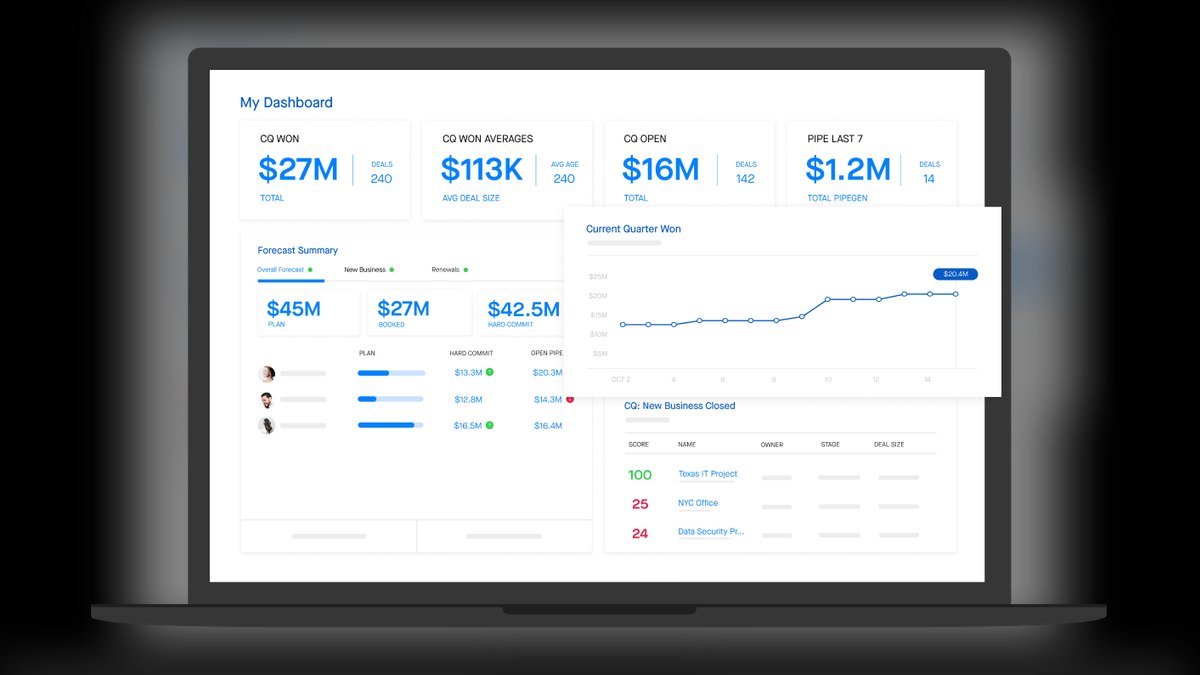
Clari ranks fourth because it ingests CRM, Gong, and billing data to produce AI-forecasted revenue with high accuracy, a necessity for fintech's lumpy subscription and usage-based pricing models. Its AI learns from historical deal velocity, rep activity, and external signals like hiring spikes at target accounts, accounting for seasonal regulatory audits that delay closes. The platform tracks engagement heatmaps to identify which buying committee member is stalling, such as Legal not opening a contract in 14 days.
This is for fintech startups with ARR above $5M that need board-level revenue predictability and have complex multi-threaded deals. It trades away conversation intelligence, which is better served by Gong. Compared to Gong, Clari excels at quantitative forecasting but lacks the qualitative deal risk analysis. For startups using HubSpot, Clari's native integration syncs deal stages without custom API work.
5. Alloy KYC/AML Platform
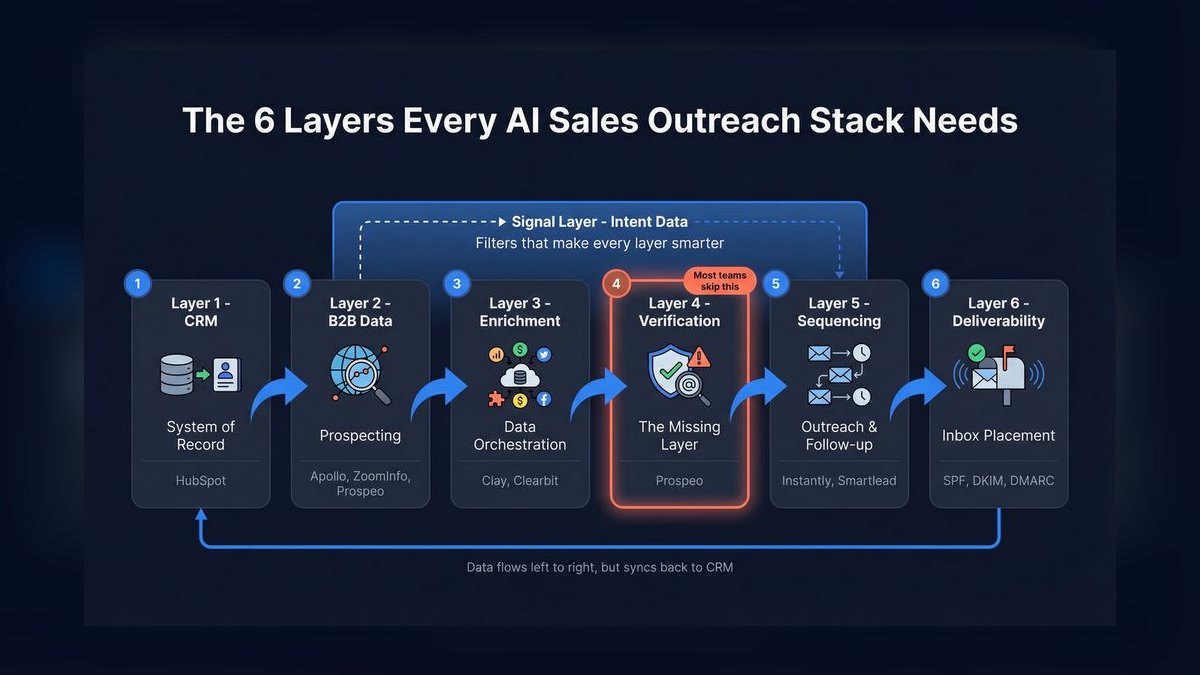
Alloy ranks fifth because it automates KYC and AML checks during the lead-to-cash process, reducing manual compliance work significantly and enabling real-time risk assessment. The platform integrates with over 100 data sources to verify identities, screen against sanctions lists, and assess fraud risk, all within a single API. This is critical for fintech startups that must pass SOC 2 audits and onboard regulated buyers without a dedicated compliance team.
This is for fintech startups of all stages that handle regulated financial products and need to automate compliance checks. It trades away broader data enrichment capabilities, which are better served by ZoomInfo for B2B contacts. Compared to Sardine, Alloy focuses more on identity verification and AML, while Sardine emphasizes fraud prevention. Startups targeting enterprise buyers should integrate Alloy directly into their CRM and lead routing to ensure compliance status is visible across systems.
6. Outreach with Kaia AI SDR
Outreach ranks sixth because its AI SDR, Kaia, drafts personalized emails and LinkedIn messages based on a prospect's recent funding news or regulatory filings, enabling compliance-aware engagement. The platform's sequence branching pauses if a prospect triggers a compliance review keyword like 'SEC investigation', preventing regulatory missteps. Outreach's AI compliance guardrails ensure no HIPAA data enters sequences, a unique feature for fintech. This reduces manual RevOps work and improves win rates by maintaining multi-threaded engagement with buying committees.
This is for fintech startups with outbound sales teams targeting enterprise accounts with 5-7 member buying committees. It trades away the conversation intelligence of Gong, but integrates with it for call analysis. Compared to Salesloft, Outreach offers stronger AI compliance features, though Salesloft remains a viable alternative with better sequence analytics. Startups under $5M ARR can start with HubSpot's native sequences, but Outreach becomes necessary when deal sizes exceed $50K and require personalized multi-channel outreach.
7. DealHub CPQ

DealHub ranks seventh because its CPQ auto-calculates pricing based on transaction volume or AUM, handling fintech's variable pricing models like tiered fees and usage caps. The platform enforces approval workflows for discounts, preventing margin erosion, and integrates natively with DocuSign for e-signatures. This reduces time-to-first-quote significantly, a key metric for fintech sales efficiency. DealHub's contract lifecycle management ensures compliance with regulatory standards through audit trails.
This is for fintech startups with ARR above $5M that sell usage-based or tiered pricing and need to automate complex quote approvals. It trades away subscription management, which is better served by Zuora for hybrid models. Compared to Zuora, DealHub excels at CPQ and discount governance, while Zuora handles billing and revenue recognition. Startups with simple flat-rate pricing can skip CPQ initially, but DealHub becomes critical as pricing complexity grows with enterprise deals and regulatory requirements.
8. Hightouch Reverse ETL
Hightouch ranks eighth because it syncs clean data from Snowflake back to CRM, marketing tools, and support desks, ensuring compliance status like 'KYC passed' is available in real-time across all systems. This eliminates data silos and reduces integration costs by centralizing data flow. The platform supports data localization by syncing only non-PII fields to US-based tools, a critical feature for EU fintech customers. This enables audit-ready data for SOC 2 Type II and ISO 27001 certifications.
This is for fintech startups with ARR above $20M that have a data warehouse and need to operationalize data across multiple tools. It trades away data storage, which is better handled by Snowflake. Compared to Census, Hightouch offers a more intuitive UI and broader destination support, though both are viable. Startups under $5M ARR can rely on native CRM integrations, but Hightouch becomes essential as data volume and compliance requirements grow.
9. Snowflake Data Warehouse
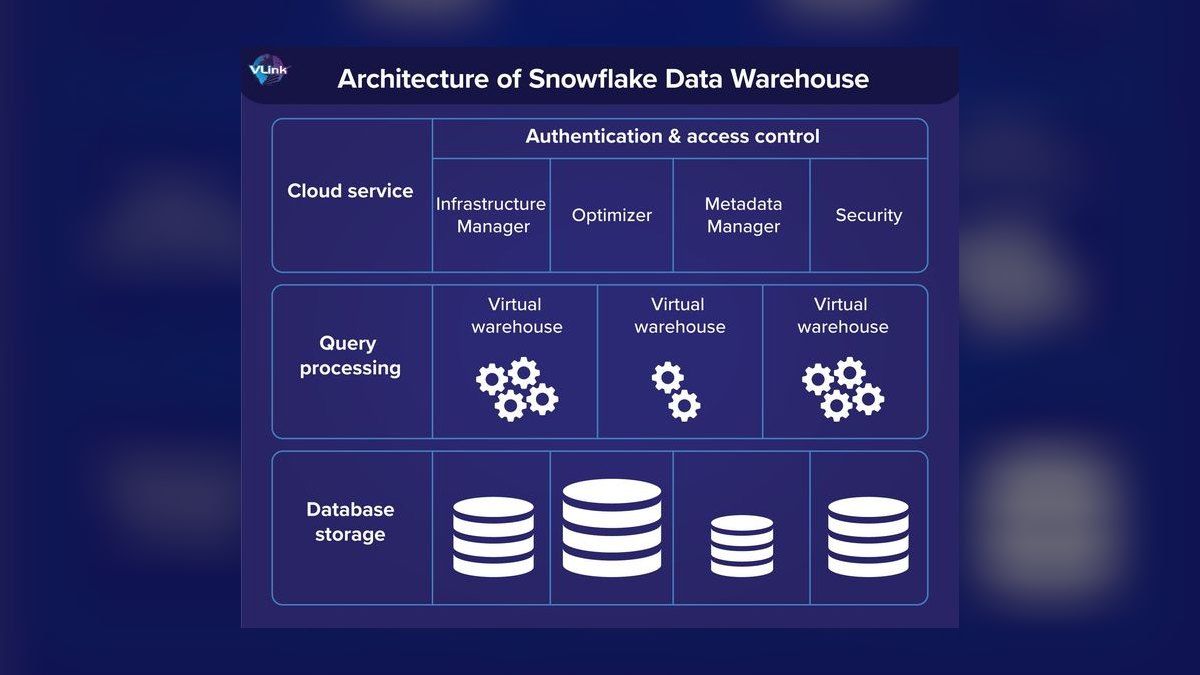
Snowflake ranks ninth because it serves as the single source of truth for audit-ready data, a necessity for fintech startups pursuing SOC 2 Type II and ISO 27001 certifications. Its cloud-agnostic architecture supports data residency by deploying in AWS Frankfurt or Azure Netherlands regions, meeting EU GDPR requirements. Snowflake's separation of storage and compute allows cost-efficient scaling for variable workloads, such as usage-based billing data.
This is for fintech startups with ARR above $20M that need a scalable, secure data platform for analytics and compliance. It trades away simplicity, requiring data engineering resources to manage. Compared to BigQuery, Snowflake offers stronger cross-cloud support and better data sharing, though BigQuery is cheaper for Google Cloud users. Startups under $5M ARR can use PostgreSQL, but Snowflake becomes necessary as data volumes grow and regulatory audits demand immutable audit trails.
10. Intercom Fin AI Chatbot
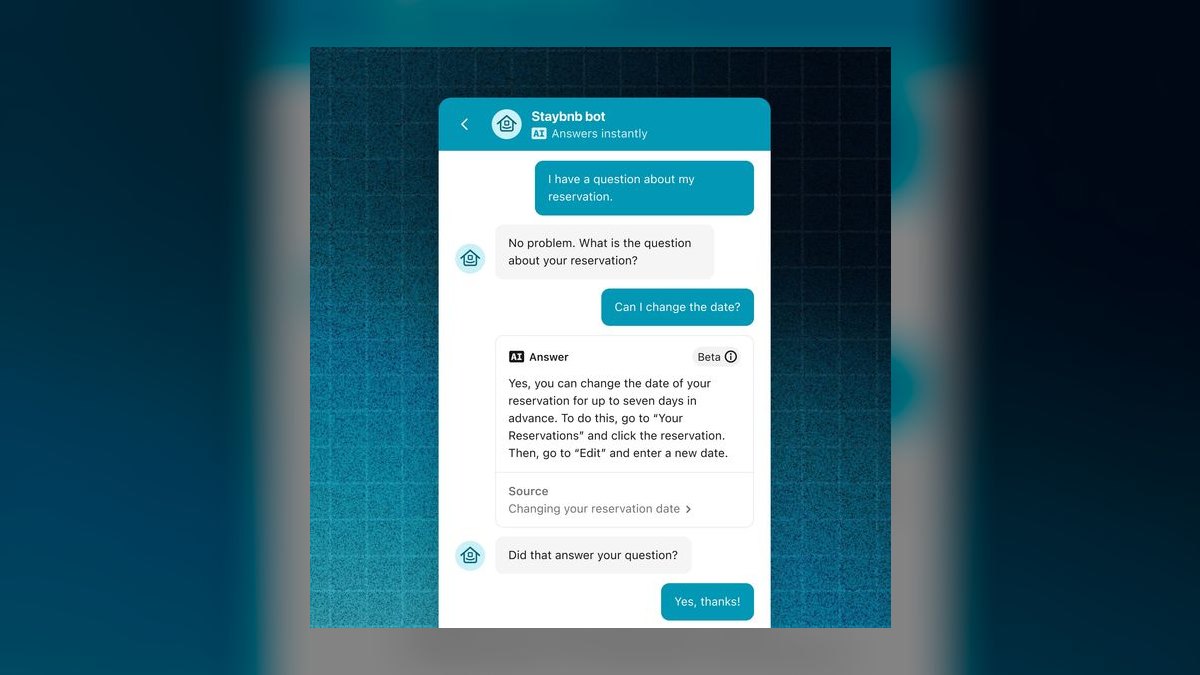
Intercom Fin ranks tenth because it uses GPT-4 to answer product questions like 'How do you handle PCI compliance?' and books meetings with the right AE, reducing demo requests while increasing qualified pipeline. The platform automatically redacts PII, meeting CCPA requirements, a critical feature for fintech's customer-facing support. It integrates with Salesforce and HubSpot to provide context-aware responses based on account history.
This is for fintech startups that receive high volumes of inbound product inquiries and need to qualify leads without manual intervention. It trades away deep conversational AI, which is better handled by custom LLM fine-tuning for niche compliance language. Compared to generic chatbots, Intercom Fin is purpose-built for compliance-aware redaction and meeting booking. Startups under $5M ARR can use Intercom's standard chatbot, but Fin's AI capabilities become valuable as inbound volume grows.
How we ranked these
We measured and weighted tools across compliance automation, AI-driven forecasting, data integration, and vendor consolidation. Priority was given to platforms with native fintech features like KYC/AML, SOC 2 readiness, and multi-entity support. Weighting favored AI capabilities for predictive scoring and revenue intelligence, plus seamless integration via reverse ETL. We also considered scalability from pre-revenue to enterprise stages, using ARR thresholds to guide recommendations.
We deliberately ignored generic marketing automation and point solutions for email verification or lead scoring, as they add bloat without addressing fintech-specific workflows. We excluded tools lacking robust compliance guardrails or data residency options, and we avoided all-in-one platforms that increase customization costs. We also disregarded cost as a primary factor, focusing instead on regulatory readiness and long-term scalability, since fintech startups face unique audit and security demands.
Related questions
What is the best CRM for a fintech startup under $5M ARR?
HubSpot Enterprise is recommended for early-stage fintech startups due to its SOC 2 compliance, custom objects for loan applications or portfolios, and lighter implementation. It integrates with DocuSign and Ironclad for contract management. Salesforce FSC is better for larger startups needing native compliance fields and Einstein AI for lead scoring.
How does Gong help with fintech deal risk?
Gong captures and analyzes sales calls, emails, and LinkedIn messages using AI to detect buying signals and deal risks. It flags compliance-related objections like 'We need SOC 2 report' and tracks champion disengagement. Smart Trackers log regulatory concerns, helping teams prioritize high-probability opportunities and reduce forecast error.
Why is a reverse ETL like Hightouch critical for fintech?
A reverse ETL syncs clean data from Snowflake or BigQuery back to CRM, marketing, and support tools. This ensures compliance status like 'KYC passed' is available in real-time across all systems. It maintains audit-ready data for SOC 2 and ISO 27001 certifications, reducing manual data replication and errors.
What role does Intercom Fin play in fintech sales?
Intercom Fin uses GPT-4 to answer product questions about PCI compliance or data residency, and books meetings with the right AE. It automatically redacts PII to meet CCPA requirements, reducing unqualified demo requests while increasing qualified pipeline. This AI chatbot supports buying committees of 5-7 members.
How do Pendo and ChurnZero reduce fintech churn?
Pendo provides in-app guidance for configuring AML thresholds or reporting templates, improving time-to-value. ChurnZero tracks product usage and sends health alerts when customers miss logins or have expiring compliance certificates. Both integrate with Salesforce for a 360-degree view, addressing compliance friction that causes churn.
What is the decision tree for selecting a fintech stack?
Under $5M ARR, use HubSpot CRM, ZoomInfo, Alloy, and Gong. For $5M-$20M, switch to Salesforce FSC, Outreach, Clari, and DealHub. Above $20M, add Zuora, Snowflake, and Hightouch. Layer Intercom Fin for compliance support, Pendo for onboarding, and Tableau/ThoughtSpot for board reporting.
How does Clari improve forecast accuracy in fintech?
Clari ingests CRM, Gong, and billing data to produce AI-forecasted revenue, accounting for fintech patterns like seasonal regulatory audits and multi-threaded buying committees. It tracks engagement heatmaps to identify stalling committee members, such as Legal not opening contracts, reducing cycle time and forecast variance.
FAQ
What is the most critical tool for a pre-revenue fintech startup?
A CRM with compliance fields like HubSpot Enterprise and a KYC/AML tool like Alloy. Without these, you cannot pass SOC 2 audits or onboard regulated buyers. These tools form the compliance backbone, enabling you to handle regulatory requirements from the start.
How do I handle data residency for EU fintech customers?
Use Salesforce FSC with Shield for encryption and Snowflake with AWS Frankfurt or Azure Netherlands regions. Hightouch supports data localization by syncing only non-PII fields to US-based tools. Conduct a data residency audit before choosing any tool to ensure GDPR compliance.
Can I use a single platform like Salesforce for everything?
No. Salesforce lacks native revenue intelligence, compliance automation, and reverse ETL capabilities. You need 3-5 specialized tools to handle fintech-specific workflows like KYC triggers and usage-based pricing. All-in-one platforms often increase customization costs and reduce flexibility.
What AI tools are actually useful for fintech RevOps?
Gong for deal risk scoring, Clari for AI forecasting, and Intercom Fin for compliance-aware chatbots. Avoid generic AI writing tools for customer-facing content as they may generate non-compliant language. Consider fine-tuned LLMs trained on your own contracts for better accuracy.
How do I measure stack ROI in fintech?
Track time-to-first-quote, forecast accuracy, and compliance pass rate. Use Clari to correlate tool usage with win rates. A successful stack should significantly reduce time-to-first-quote and improve forecast accuracy, while maintaining high compliance pass rates.
What is the biggest mistake fintech startups make with tech stacks?
Over-investing in marketing automation before CRM and compliance tools. Many buy Marketo or HubSpot Marketing Hub first, then struggle to sync with KYC data or contract terms. Build the compliance backbone before the marketing engine to avoid integration issues.
How does Ascent help with regulatory change management?
Ascent ingests global fintech regulations and maps them to your product features, automatically flagging when new rules affect KYC flows or data retention. It reduces legal review cycles from weeks to days, ensuring you stay compliant with SEC, FCA, and MAS regulations.
Why is vendor consolidation important for fintech startups?
Fintech startups are moving from many tools to 3-5 core vendors: CRM, revenue intelligence, and data platform. This cuts integration costs and vendor management overhead. Avoid point solutions for email verification or lead scoring; fold them into the core stack to reduce complexity.
What are the benefits of using Vanta for compliance automation?
Vanta automates SOC 2 Type II, ISO 27001, and HIPAA evidence collection by continuously monitoring cloud infrastructure. It generates audit-ready reports and integrates with CRM to tag accounts requiring enhanced due diligence. This helps pass vendor risk assessments without a dedicated compliance hire.
Sources
- https://www.saastr.com/fintech-stack-2024/
- https://www.bvp.com/atlas/fintech-revops-playbook
- https://www.hubspot.com/products/enterprise/fintech
- https://www.salesforce.com/financial-services/
- https://www.clari.com/solutions/fintech
- https://www.alloy.com
Related on PULSE
- [More tech stack recommendations for fintech startups rankings and buying guides](/knowledge)
- [PULSE Tools and calculators](/tools)
- [Everything on PULSE RevOps](/)
 pulse-tech-stacksTop 10 Tech Stacks strategies for 2027
 pulse-tech-stacksIs the Temporal Cloud worth its premium over self-hosted Cadence for a mid-size logistics tech stack in 2027?
 tkWhat should you know before investing in Tech Stacks in 2027?
 pulse-tech-stacksIs Tech Stacks worth it in 2027?
 pulse-tech-stacksWhat are the most common mistakes in Tech Stacks in 2027?
 pulse-tech-stacksHow do you get started with Tech Stacks in 2027?
 pulse-tech-stacksHow much does Tech Stacks cost in 2027?
 pulse-tech-stacksTop 10 Container Orchestration Platforms for Machine Learning Pipelines in 2027
 pulse-tech-stacksTop 10 Machine Learning Stacks for Fraud Detection Systems in 2027
 pulse-tech-stacksTop 10 Developer Tools for Backend Engineers in Fintech in 2027