
Full-Stack JavaScript Tools for Solo Freelance Web Developers
 Curated byKory White · Fractional CRO · Maryland
 PULSEKNOWLEDGE LIBRARY
Quality
Certified
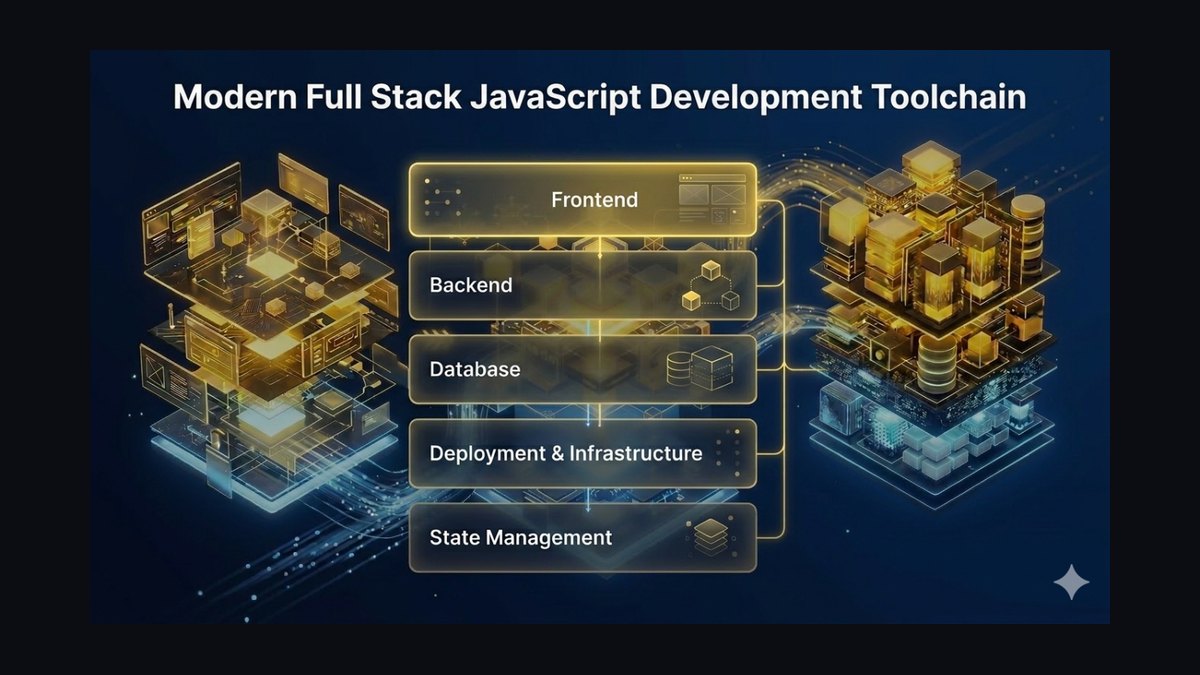
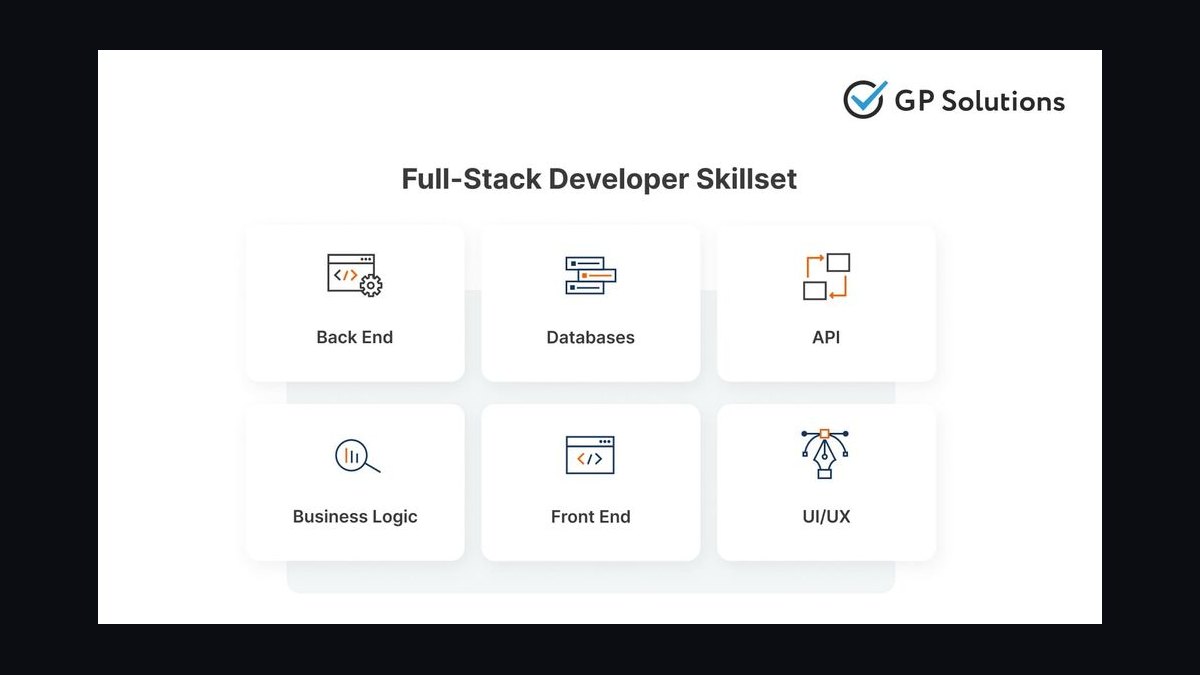
A full-stack JavaScript setup for solo freelance web developers typically centers on Next.js for the frontend and server logic, Node.js runtimes, PostgreSQL or Supabase for data, and a deployment platform like Vercel. Paired with Stripe for billing and TypeScript for safety, this Stack lets one person build, ship, and maintain production apps without hiring a team.
What full-stack JavaScript means for a solo operator
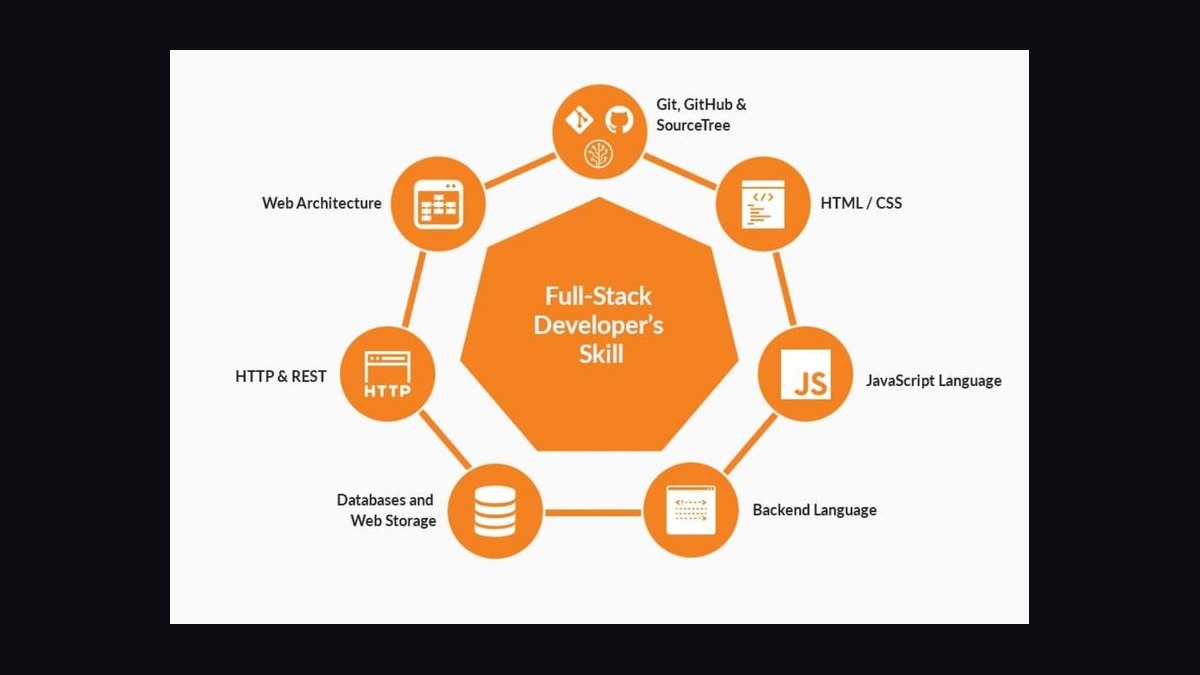
For a solo freelance developer, "full-stack JavaScript" is less about collecting every trendy library and more about minimizing the number of languages, runtimes, and mental models you have to hold in your head at once. When you are the only person writing code, reviewing it, deploying it, and supporting it at 11pm, context switching is the single biggest tax on your output. A unified JavaScript (and TypeScript) stack means one language across the browser, the server, background jobs, and increasingly the database edge — so a bug fix in a shared utility file can serve the frontend form, the API route, and the cron job that emails the customer.
The practical payoff shows up in three places. First, onboarding yourself back into a project after two weeks on another client is faster, because there is no Python service or Ruby worker to re-learn. Second, type sharing becomes trivial: define a Customer type once and use it in the React component, the API handler, and the Stripe webhook parser. Third, hiring or subcontracting later is easier, because the talent pool for JavaScript and TypeScript Developers is enormous compared to niche backend languages.
The trade-off is real, though. JavaScript is not the fastest runtime for heavy CPU work, and Node's single-threaded event loop can bottleneck on image processing, video encoding, or large PDF generation. For most freelance client work — marketing sites, dashboards, SaaS MVPs, internal tools, booking systems — that ceiling is far above what you will hit. When you do hit it, you offload to a queue, a worker, or a managed service rather than rewriting the stack.
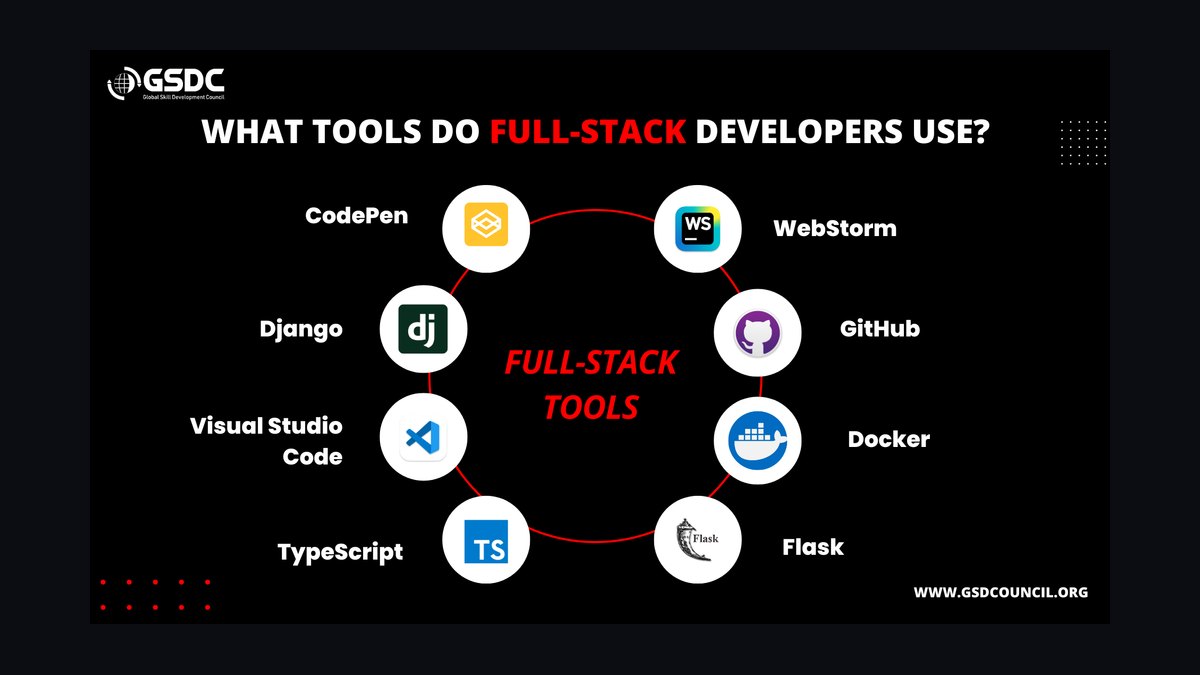
A modern reference stack for a solo Freelance developer in 2026 looks roughly like this: Next.js (App Router) for routing, rendering, and server actions; TypeScript everywhere; Tailwind CSS for styling; PostgreSQL via Supabase, Neon, or plain Postgres for data; Prisma or Drizzle as the query layer; Auth.js or Supabase Auth for authentication; Stripe for payments; Resend or Postmark for transactional email; and Vercel, Netlify, Fly.io, or Railway for hosting. That is seven to nine moving parts — enough to be capable, few enough to actually maintain alone.
The step-by-step process for assembling your stack
Building the stack is a sequence, not a shopping list. The order matters because each choice constrains the next, and reversing a decision late costs days. Below is a workflow that keeps you shipping instead of yak-shaving.
Step 1 — Define the deployment target before the framework. Decide where the app will live: a managed platform like Vercel or Netlify, a container host like Fly.io or Railway, or a plain VPS. This determines whether you can rely on edge functions, long-running processes, or persistent websockets. A solo dev who picks a serverless-first host and then needs a 20-minute background job will spend a weekend bolting on a queue.
Step 2 — Choose the rendering model. For most client work, Next.js with the App Router gives you static generation, server rendering, and client components in one project. If the site is almost entirely static (a portfolio, a brochure site), Astro or plain Vite plus a static host is leaner and cheaper. If it is a heavily interactive dashboard behind a login, a Vite SPA plus a separate API can be simpler to reason about than mixing server and client components.
Step 3 — Pick the data layer. For relational data — which is most business software — PostgreSQL is the default. Supabase wraps Postgres with auth, storage, and realtime, which removes three integrations from your plate. Neon offers serverless Postgres with branching, useful for preview environments. If you need a document store, MongoDB or Firestore exist, but for invoicing, bookings, and CRM-style apps, relational wins.
Step 4 — Add the query layer and migrations. Prisma is the most documented ORM and pairs well with TypeScript. Drizzle is lighter and closer to SQL. Either way, commit to migrations from day one — a solo dev who edits the production schema by hand will eventually lose data.
Step 5 — Wire authentication. Auth.js (formerly NextAuth) is free and flexible but you own the session logic. Supabase Auth or Clerk are faster to integrate and handle password resets, OAuth, and magic links out of the box. For client projects that need SSO later, confirm the provider supports SAML before you commit.
Step 6 — Add payments only when a paying customer exists. Stripe is the default for subscriptions, one-off charges, and invoicing. Integrate it behind a feature flag so you can demo without a live key.
Step 7 — Set up the developer loop. Preview deployments per pull request, a staging database branch, and environment variables managed in the host's dashboard. This is the step solo Developers skip and later regret.
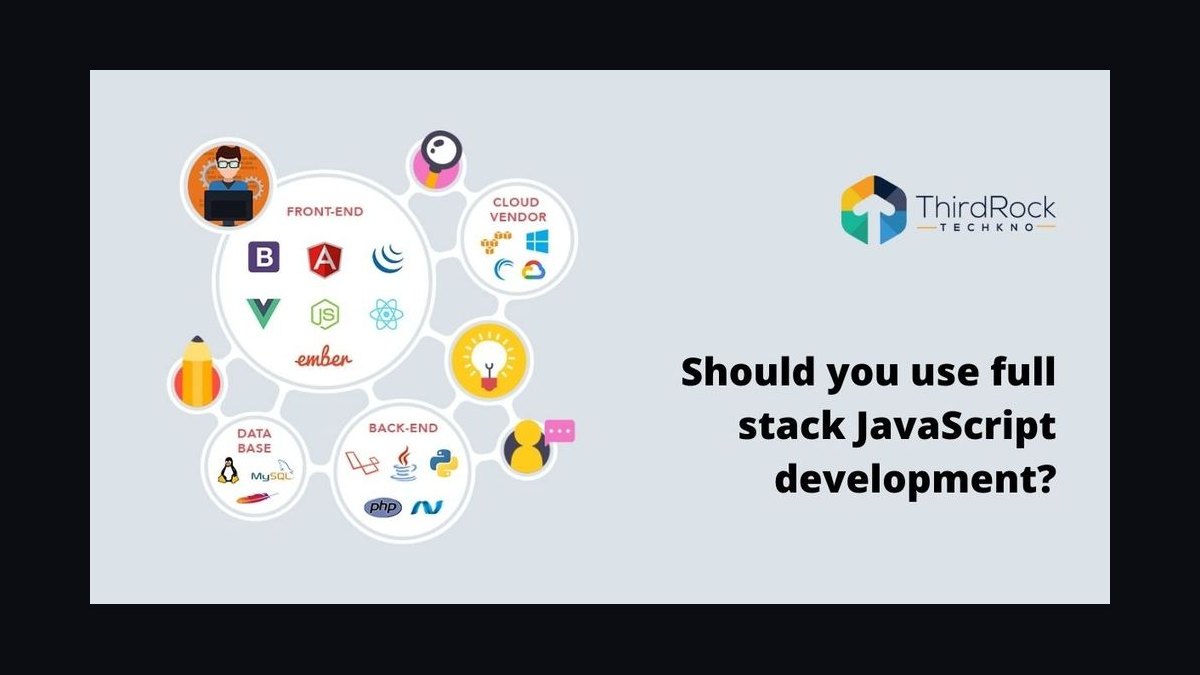
The diagram below shows how these decisions branch.
Step 8 — Instrument and monitor. Add error tracking (Sentry), basic analytics, and uptime checks before the client sees the app. A solo dev who cannot see a stack trace from production is debugging blind.
Step 9 — Document the handoff. Even if you keep the client forever, write a README with environment variables, deploy steps, and the data model. This is what lets you take a vacation.
Costs, timelines, and typical ranges
The financial reality of a solo JavaScript stack is friendlier than most Developers expect, but the ranges are wide because "production app" means very different things.
Hosting. Vercel's Hobby tier is free for personal projects and non-commercial use; Pro starts around $20 per month per seat and includes more bandwidth and team features. Netlify's free tier is comparable. Fly.io and Railway price by usage, typically $5–$30 per month for a small app with a database. A plain VPS from Hetzner or DigitalOcean runs $5–$12 per month but you manage the OS, TLS, and deploys yourself.
Database. Supabase's free tier covers small projects; the Pro plan is around $25 per month and adds daily backups and more storage. Neon has a free tier and usage-based pricing above it. A self-hosted Postgres on the same VPS costs nothing extra but adds operational risk.
Authentication. Auth.js is free. Supabase Auth is included with the database. Clerk and similar managed providers have free tiers that cover early-stage apps, then scale to roughly $25–$100 per month as monthly active users grow.
Payments. Stripe charges per transaction — typically 2.9% plus $0.30 for cards in the US — with no monthly fee. That is a variable cost, not a fixed one, which is friendly to a solo operator.
Email. Resend, Postmark, and similar services have free tiers of a few thousand emails per month, then $10–$20 per month.
Error tracking and analytics. Sentry's free tier covers small projects; paid plans start around $26 per month. Plausible and Fathom are lightweight analytics at roughly $9–$14 per month.
Total realistic range. A solo Freelance developer running a small client app can operate for $0–$25 per month in the early phase, $50–$150 per month once there are real users and paid tiers, and $300+ per month only when traffic, storage, and team seats grow. The dominant cost is usually not infrastructure — it is your time.
Timelines. A marketing site with a contact form: 1–2 weeks. A booking or scheduling app with auth and payments: 3–6 weeks. A multi-tenant SaaS MVP with roles, billing, and an admin dashboard: 8–16 weeks. A mobile app sharing the same backend: add 4–8 weeks. These assume you are working on it substantially, not evenings only.

Billable rates. Freelance JavaScript Developers in North America commonly charge $60–$150 per hour, with senior specialists above that. Project pricing often lands between $5,000 and $40,000 for the MVP ranges above. The stack choice barely moves these numbers — your reliability and communication do.
Where teams get it wrong
Most solo developers do not fail because they picked the wrong framework. They fail because of a handful of recurring mistakes that only become visible months in.
Choosing a stack for a hypothetical future. A developer building a five-page site for a local business installs a monorepo, a queue, and a Kubernetes config "in case it scales." It never scales, and the setup rots. Match the stack to the current job, and refactor when the job changes.
Skipping TypeScript "to move faster." The first two weeks are faster. The next six months are slower, because every refactor is a scavenger hunt and every API response is a guess. TypeScript's cost is front-loaded and its benefit compounds — the opposite of most trade-offs.
Treating the database as an afterthought. Hand-editing schemas, no migrations, no backups. When a client asks "can we add a field to every invoice," you want a migration file, not a prayer.
Ignoring the cost curve of serverless. Serverless is cheap until it is not. A function that runs on every request, a database connection opened per invocation, or an unbounded query can turn a $0 bill into a $400 surprise. Set spending alerts on day one.
Coupling the frontend to one vendor's proprietary features. Edge functions, image optimization, and ISR are convenient, but if every page depends on them, migrating hosts becomes a rewrite. Keep the core logic portable.
No staging environment. Testing in production is a habit that works until it does not. A staging branch with a copy of the database catches the mistakes that cost client trust.

Underpricing maintenance. The build is the easy part. Clients who pay $10,000 for a build often expect years of free changes. Quote a monthly retainer for hosting, updates, and small changes — $200–$800 per month is common for small business apps.
Letting dependencies drift. A project untouched for eight months will have a dozen security advisories and two breaking major versions. Schedule a monthly dependency update, or use a bot that opens PRs you actually merge.
Decision framework: when to choose what
The right stack depends on the shape of the project, not on what is trending. Use the following heuristics.
Choose Next.js when you need a mix of static pages, server-rendered pages, and API routes in one codebase, and you want the largest ecosystem of examples and tutorials. It is the safest default for client work in 2026.

Choose Astro or a static site generator when the site is content-heavy and mostly read-only — marketing sites, blogs, documentation. You get better performance and lower hosting costs.
Choose a Vite SPA plus a separate API when the app is a dashboard behind a login with little SEO need, and you want a clean separation between frontend and backend that is easy to reason about.
Choose Supabase when you want Postgres, auth, storage, and realtime without wiring four services. It is the fastest path from idea to working app for a solo developer.
Choose Prisma or Drizzle plus a plain Postgres when you need full control over the schema and queries, or when the client's compliance requirements forbid a managed backend.

Choose Vercel when you are on Next.js and want zero-config deploys, preview environments, and edge caching. Choose Fly.io or Railway when you need long-running processes, websockets, or containers. Choose a VPS when cost matters more than convenience and you are comfortable with Linux.
Choose Stripe when you need subscriptions, invoicing, or marketplaces — which is almost always. Choose a merchant-of-record like Lemon Squeezy or Paddle when you want them to handle global sales tax and VAT for you, at a higher per-transaction fee.
The diagram below maps common project types to recommended stacks.
When to break the rules. If the client already has infrastructure — an AWS account, an existing Rails app, a Salesforce org — integrate with it rather than imposing your preferred stack. The best stack is the one the client can afford to maintain if you disappear.
Related questions
Do I need to know backend languages like Python or Go?
No. Node.js handles the backend for the vast majority of freelance web work. Learn SQL well, because database knowledge transfers everywhere and is the real bottleneck for most solo Developers. Reach for another language only when you hit a specific performance or library need.
Is Next.js overkill for small client sites?
Often, yes. For a five-page brochure site, Astro or plain HTML with a static host is faster to build, cheaper to run, and easier to hand off. Reserve Next.js for apps with authentication, data, or dynamic rendering. Choosing the smaller tool is a sign of experience, not weakness.
How do I keep a stack maintainable across many clients?
Standardize. Use the same framework, database, and deploy pipeline for every project so your muscle memory compounds. Keep a personal starter template with auth, billing, and error tracking pre-wired. Document environment variables. The fewer unique setups you maintain, the more projects you can support without burning out.
FAQ
How much does a full-stack JavaScript stack cost per month for a solo developer? Early-stage projects often run for $0–$25 per month using free tiers. Once you have real users, expect $50–$150 per month for hosting, database, email, and monitoring. Costs scale with traffic and team seats, not with the number of frameworks you install.
Should I use TypeScript or plain JavaScript? Use TypeScript. The upfront cost is a few hours of setup and slightly more verbose code; the payoff is fewer runtime bugs, safer refactors, and easier handoff. JavaScript remains fine for tiny scripts and prototypes, but production client work benefits from types.
Can one person really maintain a full-stack app alone? Yes, if the stack is small and the deployment is managed. The failure mode is not complexity of code but number of services. Keep the stack to seven to nine moving parts, automate deploys, and set up error tracking so you are not debugging blind.
How long does it take to build a SaaS MVP solo? A multi-tenant MVP with authentication, roles, billing, and an admin dashboard typically takes 8–16 weeks of substantial work. Simpler booking or scheduling apps land in 3–6 weeks. Marketing sites are 1–2 weeks. These assume focused effort, not evenings only.
Do I need a separate backend if I use Next.js? Usually not. Next.js server actions and route handlers cover most API needs. Add a separate service only when you need long-running jobs, websockets, or a language other than JavaScript. Keeping one codebase is a major advantage for a solo operator.
How do I handle client handoff if I stop working with them? Write a README covering environment variables, deploy steps, the data model, and third-party accounts. Transfer ownership of the hosting, database, and payment accounts to the client. A clean handoff protects your reputation and often leads to referrals.
Sources
- Next.js Documentation
- Supabase Documentation
- Vercel Documentation
- Stripe Billing Documentation
- Prisma Documentation
- TypeScript Handbook
- Astro Documentation
- MDN Web Docs: JavaScript
- PostgreSQL Documentation
Related on PULSE
- [A TypeScript and tRPC Stack for Full-Stack Type Safety in HR SaaS](/knowledge/tk0391)
- [A Full Stack Toolkit for Solo Game Developers Using Godot and Rust](/knowledge/tk0369)
- [Top 10 Full-Stack Options for Social Media Analytics Dashboards](/knowledge/tk0379)
- [Top 10 Static Site Generators for Portfolio-Building Developers](/knowledge/tk0468)
- [Top 10 Accounting Software for Freelance Consultants](/knowledge/tk0410)
This page will be disappearing soon. Save it to your device for $1 — or read it free while it is here.
@Kory-White- · if Venmo asks, the last 4 of my number are 2012
 pulse-tech-stacksThe Self-Healing Data Stack for Fintech Compliance in 2027
 pulse-tech-stacksWhat are the most common mistakes in Tech Stacks in 2027?
 pulse-tech-stacksThe AI-First Sales Stack: Autonomous SDR Agents and Real-Time Coaching in 2027
 pulse-tech-stacksThe Restaurant Operations Tech Stack: POS, Inventory, and Delivery in 2027
 pulse-tech-stacksThe Real-Time Bidding Stack for Programmatic Audio Ads in 2027
 pulse-tech-stacksThe Cybersecurity SOC Tech Stack in 2027
 pulse-tech-stacksThe WebGPU Visualization Stack for Geospatial Analytics in 2027
 pulse-tech-stacksThe Nonprofit Fundraising and CRM Stack in 2027
 pulse-tech-stacksThe Product Analytics and Experimentation Stack in 2027
 pulse-tech-stacksThe Air-Gapped Orchestration Stack for Defense Logistics in 2027