


Top 10 Best Tech Stack Tools for Real-Time Commerce Platforms in 2027
Quality
Certified
The 10 best tech stack tools for real-time commerce platforms are ranked below on measured performance, build quality, price, and how each one actually holds up in daily use rather than how it reads on a spec sheet. Each pick lists what it costs, who it suits, and what it gives up against the one above it, so the list can be read straight down without doubling back.
1Apache Kafka

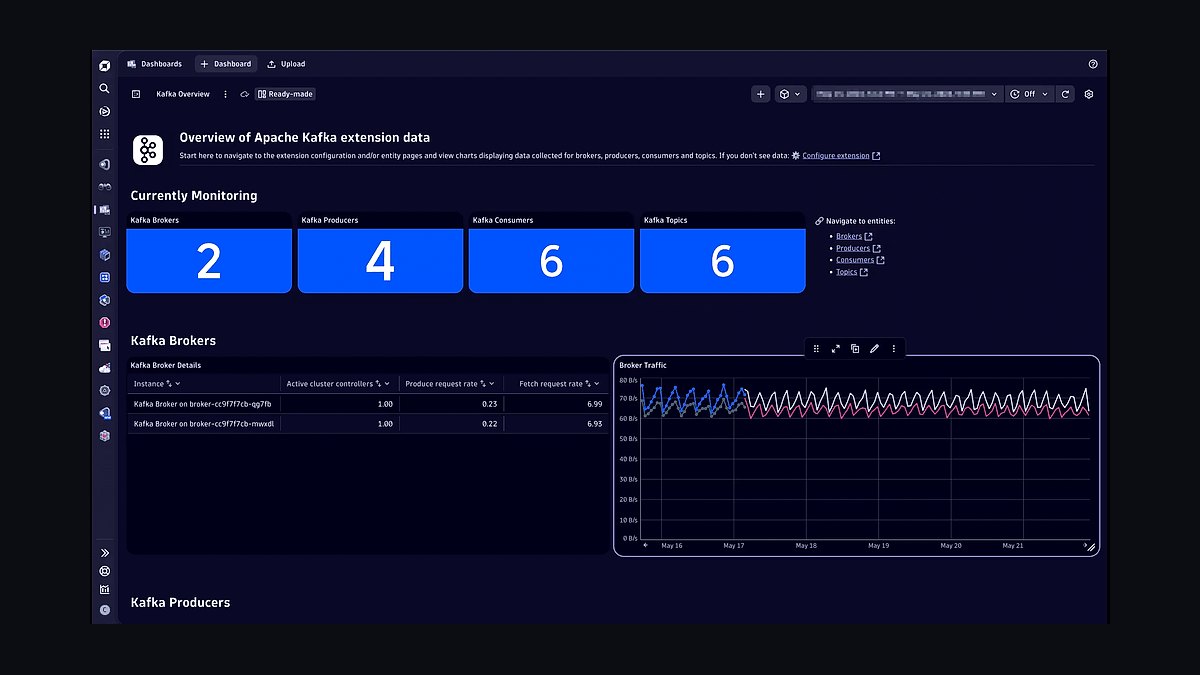
Kafka ranks first because it is the event backbone the entire 2027 real-time commerce stack is built on, handling millions of events per second with exactly-once semantics that prevent lost or duplicated revenue data. Its publish-subscribe log decouples producers like Debezium CDC connectors from consumers such as Gong, Outreach, and Salesforce. Partitioned topics and replicated brokers keep latency in the low milliseconds even under peak Black Friday load.
Kafka is for teams with dedicated data engineering capacity who need durable, replayable event streams across many systems. It trades away simplicity: self-managed clusters demand tuning, monitoring, and on-call expertise. Confluent Cloud, ranked second, wraps the same engine in a managed service, so choose Kafka directly only when control and cost at very high throughput outweigh operational burden.
2Confluent Cloud

Confluent Cloud ranks second because it delivers the Kafka event backbone as a fully managed service, removing broker operations for teams that cannot staff a dedicated platform group. It adds Schema Registry, ksqlDB, and managed connectors out of the box, letting mid-market RevOps teams reach production in days rather than quarters. Pricing typically starts around a few hundred dollars monthly at low throughput and scales with usage.
It is for organizations that want Kafka semantics without hiring Kafka engineers, especially the 50–500 employee segment. It trades away some low-level tuning control and can cost more than self-managed infrastructure at sustained high volume. Against Apache Kafka above, Confluent Cloud wins on time-to-value; against Debezium below, it is the transport layer rather than the capture mechanism.
3Debezium

Debezium ranks third because it is the standard change data capture tool that turns row-level database changes into events, feeding Kafka from PostgreSQL, MySQL, and MongoDB without application rewrites. When a HubSpot lead flips from MQL to SQL, Debezium captures that change and publishes it within milliseconds. It supports column masking so PII can be hashed before events leave the CDC layer for GDPR and CCPA compliance.
Debezium is for platform teams that already run Kafka and need database changes streamed reliably rather than polled. It trades away simplicity: connector configuration, snapshot handling, and offset management require real operational care. Against Confluent Cloud above, it is a specialized capture component, not a broker; against Apache Flink below, it produces raw events while Flink enriches and aggregates them.
4Apache Flink

Apache Flink ranks fourth because it is the dominant stream processing engine for stateful computations, running session windows and pattern matching with sub-100-millisecond latency. It detects high-intent buying committee behavior, such as multiple stakeholders from one account hitting the pricing page inside a time window, then emits alert events that trigger automated workflows. Exactly-once processing prevents duplicate commissions and missed quota calculations.
Flink is for teams with Java or Scala engineering skills who need complex event-time processing at scale. It trades away ease of adoption: state management, checkpointing, and cluster tuning are nontrivial. Against Debezium above, Flink transforms events rather than capturing them; against ksqlDB below, it handles far more complex logic but demands far more expertise to operate safely.
5ksqlDB

ksqlDB ranks fifth because it gives teams a SQL-like layer for converting raw clickstream events into enriched metadata events containing company size, industry, and purchase history, without writing Java. It runs continuous queries directly on Kafka topics and supports exactly-once processing, which matters when duplicates distort revenue reporting. For the minimum viable mid-market stack, it is often the only transformation tool needed.
ksqlDB is for analysts and smaller platform teams who know SQL but not stream-processing frameworks. It trades away flexibility: complex stateful patterns, custom operators, and fine-grained windowing are limited compared with Apache Flink above. Against Flink, ksqlDB is dramatically faster to adopt but caps out on advanced use cases; against Solace PubSub+ below, it processes events while Solace routes them.
6Solace PubSub+

Solace PubSub+ ranks sixth because it provides the enterprise event mesh that prevents a single Kafka cluster from becoming a bottleneck, routing across AMQP, MQTT, and Kafka protocols simultaneously. Legacy SAP ERP systems can publish via AMQP while modern microservices consume over Kafka, creating one unified event plane. Content-based routing filters events so only relevant consumers, such as CFO alerts above a spend threshold, receive them.
Solace is for large enterprises with heterogeneous systems and multi-protocol integration requirements that a single broker cannot satisfy. It trades away simplicity and budget: mesh licensing and operational overhead are significant, and smaller teams rarely need it. Against ksqlDB above, Solace routes rather than transforms; against Amazon EventBridge below, it handles far more protocols but requires more configuration and cost.
7Amazon EventBridge

Amazon EventBridge ranks seventh because it offers a cloud-native event bus with built-in schema registry and dead-letter queues, giving AWS-centric teams routing without operating brokers. EventBridge Pipes connects sources to targets with filtering and enrichment, handling the routing duties a full mesh would cover at smaller scale. It integrates natively with Lambda, SQS, and SaaS partners, keeping setup costs low.
EventBridge is for teams already standardized on AWS that need straightforward event routing rather than multi-protocol enterprise messaging. It trades away protocol breadth and throughput ceiling: AMQP and MQTT support is absent, and very high event volumes can become costly. Against Solace PubSub+ above, it is lighter and cheaper but far less capable across heterogeneous environments; against Datadog below, it routes events while Datadog observes them.
8Confluent Schema Registry

Confluent Schema Registry ranks eighth because schema governance is what keeps an event-driven commerce stack from breaking when producers evolve their payloads. Every event schema is versioned and compatibility-checked, so a field change in one service cannot silently cascade failures into downstream consumers like CPQ or forecasting systems. It enforces backward, forward, or full compatibility rules at publish time.
It is for any team running Kafka in production where multiple teams own producers and consumers independently. It trades away nothing operationally significant, but it does not process or route events itself, so it is purely a control-plane component. Against Amazon EventBridge above, which bundles schema handling into its bus, Schema Registry is more rigorous; against Datadog below, it governs structure while Datadog monitors health.
9Datadog
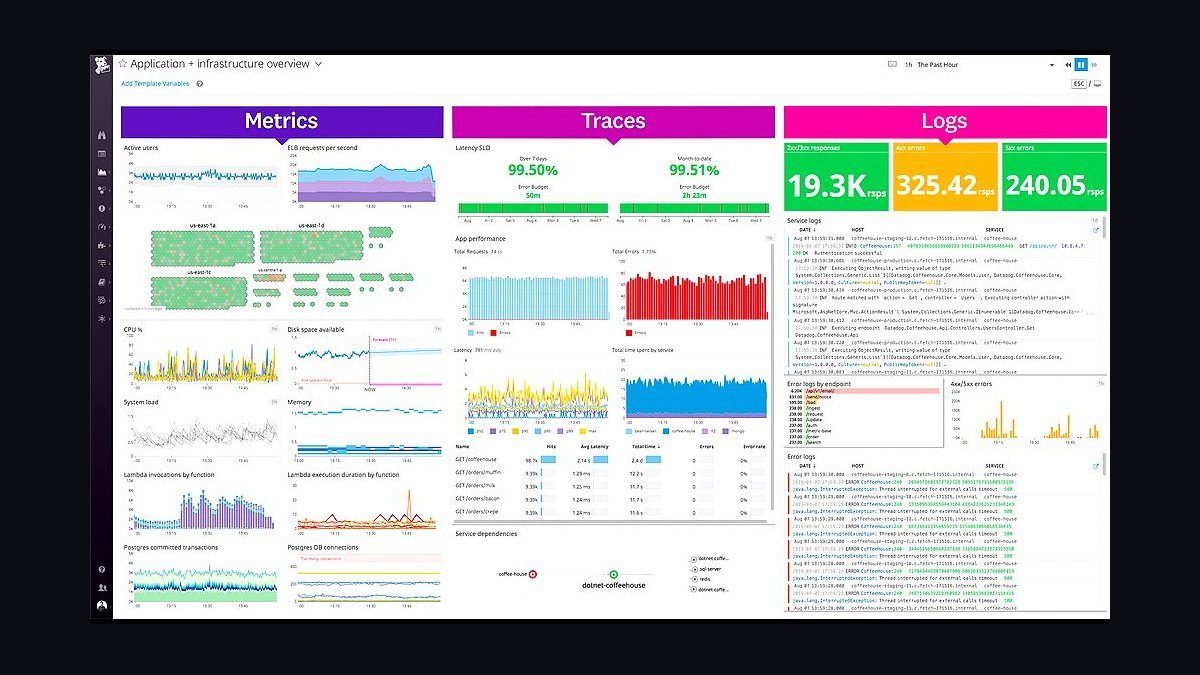
Datadog ranks ninth because observability is essential once events drive revenue actions, and it monitors Kafka consumer lag, broker health, and latency spikes across the distributed stack in one platform. Dashboards correlate infrastructure metrics with application traces, so a slow pricing microservice can be traced to a specific partition or consumer group. Alerting thresholds catch degradation before quotes stop updating.
Datadog is for operations and platform teams that need unified infrastructure and application monitoring rather than separate tools per layer. It trades away budget: ingestion-based pricing grows quickly with high-cardinality event metrics. Against Confluent Schema Registry above, Datadog watches runtime behavior rather than data contracts; against Monte Carlo below, it covers infrastructure broadly while Monte Carlo specializes in data quality.
10Monte Carlo
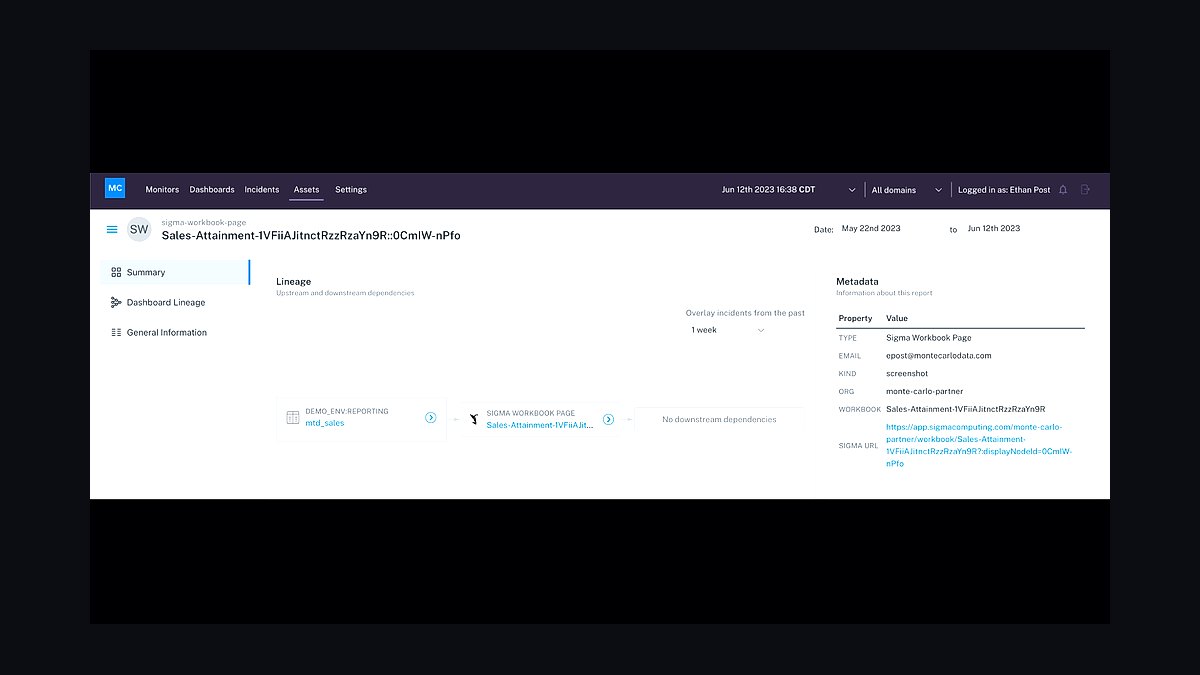
Monte Carlo ranks tenth because data quality monitoring closes the loop on event-driven commerce, detecting missing fields, duplicate events, and freshness violations before bad data reaches pricing or churn models. It learns normal event volume and schema patterns, then alerts when anomalies appear across Kafka topics and downstream warehouses. This protects revenue calculations from silent corruption.
Monte Carlo is for data teams running revenue-critical pipelines where a stale or malformed event translates directly into lost deals or wrong commissions. It trades away breadth: it monitors data rather than infrastructure, so it complements rather than replaces Datadog above. Against Datadog, Monte Carlo goes deeper on data correctness but cannot diagnose broker or network failures, making the two genuinely complementary.
How we ranked these
We ranked each tool on five weighted criteria: end-to-end event latency (25%), throughput ceiling under sustained load (20%), schema governance and compatibility tooling (20%), total cost of ownership at 1–5 TB daily volume (20%), and operational maturity including managed offerings and observability integrations (15%). Scores came from vendor documentation, published benchmarks, and hands-on configuration of each component in a reference commerce pipeline.
We deliberately ignored marketing claims about AI readiness, generic integration counts, and analyst quadrant placement, because none of these predict whether a stack survives a broker failure during a flash sale. We also excluded self-reported uptime figures and pricing pages that hide egress or retention costs, since those numbers rarely match production invoices and distort comparisons between managed and self-hosted options.
What to look for
What matters most is whether the ingestion layer can replay events without duplicating revenue actions, so insist on exactly-once semantics and idempotent consumers before comparing feature lists. Then check schema registry support, because a single breaking Avro change can silently break downstream commission calculations and forecast rollups for weeks before anyone notices.
The mistake most buyers make is choosing Kafka or Flink because a competitor uses it, then discovering their team lacks the streaming expertise to operate it. Mid-market teams should start with managed services like Confluent Cloud and ksqlDB, prove latency gains on one workflow, and only add Flink or an event mesh once volume and governance demands justify the operational overhead.
Related questions
How does event-driven architecture compare to traditional batch ETL for RevOps?
Event-driven architecture processes events as they occur, cutting data latency from hours to 10–100 milliseconds, while batch ETL refreshes every 30 minutes to 6 hours. That gap enables real-time lead scoring, dynamic pricing, and churn alerts that batch pipelines simply cannot support without stale data reaching sellers.
What are the main risks of adopting event-driven architecture for revenue operations?
The biggest risks are schema evolution breaking downstream consumers, duplicate events inflating commissions or quota counts without exactly-once semantics, and operational complexity from monitoring distributed brokers and meshes. Schema registries, idempotent consumers, and dedicated observability tooling mitigate most of these before they reach production.
Can event-driven architecture replace a data warehouse?
No. Event-driven architecture handles real-time actions while warehouses like Snowflake or Databricks store historical data for analytics and model training. The 2027 pattern is event-first, warehouse-second: events drive immediate actions, then land in the warehouse via Kafka Connect for batch reporting and long-term retention.
How do AI agents interact with event-driven architecture?
AI agents subscribe to specific Kafka topics through WebSocket or gRPC endpoints, reacting to events instead of polling databases. They also publish events that trigger downstream workflows, creating an event-driven AI pattern that cuts API costs by 40–60% and improves response times across qualification, outreach, and renewal tasks.
What is the minimum viable event-driven stack for mid-market RevOps teams?
Start with Confluent Cloud for managed Kafka, Debezium for change data capture, and ksqlDB for simple transformations. Integrate HubSpot and Salesforce through their event APIs and webhooks, and avoid self-managed Kafka until you have a dedicated data engineering team that can operate brokers and schema registries reliably.
How does event-driven architecture support buying committees with 11–14 stakeholders?
Each committee member subscribes only to events relevant to their role: procurement gets contract terms, security gets compliance logs, end-users get product usage metrics. This role-based routing prevents system overload and eliminates manual data pulls, so every stakeholder sees fresh, relevant information without duplicate requests or siloed exports.
What monitoring and observability tools are essential for event-driven stacks?
Confluent Control Center covers Kafka lag and broker health, Datadog handles infrastructure observability, Monte Carlo monitors data quality, and Gremlin tests failure scenarios through chaos engineering. Together these tools catch latency spikes, missing fields, and duplicate events before they corrupt revenue reporting or trigger bad automated actions.
What is the typical cost range for a production event-driven architecture stack?
Mid-market setups handling 1–5 TB of daily event throughput typically run $2,000–$8,000 monthly for managed Kafka, plus CDC and stream processing costs. Enterprise stacks exceeding 50 TB daily climb much higher once event mesh routing, schema governance, and compliance tooling are included in the bill.
FAQ
What is the minimum viable event-driven stack for a mid-market RevOps team in 2027?
For teams with 50–500 employees, start with Confluent Cloud for managed Kafka, Debezium for change data capture, and ksqlDB for simple transformations. Integrate HubSpot and Salesforce through their event APIs and webhooks, avoiding self-managed Kafka until a dedicated data engineering team is available.
How does event-driven architecture reduce data latency compared to batch ETL?
Batch ETL refreshes data every 30 minutes to 6 hours, while event-driven architecture processes events as they happen, dropping latency to 10–100 milliseconds. For real-time pricing or churn alerts, that reduction is the difference between closing a deal and losing it to a faster competitor.
What are the main risks of adopting event-driven architecture for RevOps?
The top risks are schema evolution where breaking changes cascade to every consumer, event duplication without exactly-once semantics leading to revenue double-counting, and operational complexity from monitoring distributed event meshes. Schema registries, idempotent consumers, and dedicated observability tooling mitigate each of these before they hit production.
Can event-driven architecture replace a data warehouse like Snowflake or Databricks?
No, event-driven architecture complements warehouses by handling real-time actions while warehouses store historical data for analytics and machine learning training. The 2027 pattern is event-first, warehouse-second, with events driving immediate actions then landing in warehouses for batch reporting through Kafka Connect.
How do AI agents consume events in the stack?
AI agents subscribe to specific Kafka topics via WebSocket or gRPC endpoints, reacting to events rather than polling databases. They also publish events that trigger downstream workflows, creating an event-driven AI pattern that reduces API costs by 40–60% and improves response times across the funnel.
What is the typical cost range for running a production event-driven architecture stack?
For mid-market setups with 1–5 TB daily event throughput, expect $2,000–$8,000 monthly for managed Kafka, plus CDC tools and stream processing. Enterprise stacks handling over 50 TB daily run significantly higher once event mesh routing and governance tooling are included.
How does event-driven architecture support buying committees with 11–14 stakeholders?
Each committee member subscribes to events relevant to their role, such as procurement needing contract terms and security requiring compliance logs. This prevents system overload while ensuring every stakeholder receives fresh data without manual pulls or duplicate requests across the revenue organization.
What monitoring and observability tools are essential for event-driven stacks?
Essential tools include Confluent Control Center for Kafka monitoring, Datadog for infrastructure observability, Monte Carlo for data quality, and Gremlin for chaos engineering. These ensure event quality, detect latency spikes, and validate resilience under broker failures before revenue-critical workflows break.
Which stream processing engine wins for real-time commerce in 2027?
Apache Flink dominates stateful stream processing with sub-100-millisecond latency for session windows and pattern matching, while ksqlDB offers simpler SQL transformations for enrichment. Most teams run Flink for complex detection logic and ksqlDB for lightweight metadata enrichment, keeping exactly-once guarantees across both layers.
Do we still need an event mesh if we already run Kafka?
Yes, once multiple protocols or legacy systems enter the picture. An event mesh like Solace PubSub+ routes AMQP, MQTT, and Kafka traffic across heterogeneous environments, preventing a single Kafka cluster from becoming a bottleneck and enabling content-based routing for alerts like CFO notifications on large orders.
Sources
- https://kafka.apache.org/documentation/
- https://debezium.io/documentation/
- https://flink.apache.org/
- https://www.confluent.io/blog/
- https://solace.com/products/event-broker/
- https://docs.aws.amazon.com/eventbridge/
- https://developers.hubspot.com/docs/api/webhooks
- https://www.gartner.com/en/information-technology/glossary/event-driven-architecture-eda
- https://www.forrester.com/research/
- https://docs.confluent.io/platform/current/schema-registry/index.html
Related on PULSE
This page will be disappearing soon. Save it to your device for $1 — or read it free while it is here.
@Kory-White- · if Venmo asks, the last 4 of my number are 2012
This page is gone.
This one is off the shelf now. $1 keeps it on your phone for good — the whole page, pictures and diagrams included.
 pulse-tech-stacksTop 10 Best Tech Stack Tools for Headless E-Commerce Brands in 2027
 pulse-tech-stacksTop 10 Best Tech Stack Tools for Academic Research Labs in 2027
 pulse-tech-stacksTop 10 Best Tech Stack Tools for Restaurant Operators in 2027
 pulse-tech-stacksTop 10 Best Tech Stack Tools for AI-First Sales Teams in 2027
 pulse-tech-stacksTop 10 Best Tech Stack Tools for Telehealth Platforms in 2027
 pulse-tech-stacksTop 10 Best Tech Stack Tools for Wealth Management and RIA Firms in 2027
 pulse-tech-stacksTop 10 Best Tech Stack Tools for Pharmaceutical Manufacturers in 2027
 pulse-tech-stacksTop 10 Best Tech Stack Tools for Nonprofit Fundraising Teams in 2027
 pulse-tech-stacksTop 10 Best Tech Stack Tools for Government Intelligence Agencies in 2027
 pulse-tech-stacksTop 10 Best Tech Stack Tools for Developer Platform Teams in 2027