


Top 10 Best Tech Stack Tools for Fitness & Wellness Businesses in 2027
Quality
Certified
The 10 best tech stack tools for fitness & wellness businesses are ranked below on measured performance, build quality, price, and how each one actually holds up in daily use rather than how it reads on a spec sheet. Each pick lists what it costs, who it suits, and what it gives up against the one above it, so the list can be read straight down without doubling back.
1Mindbody Business Management
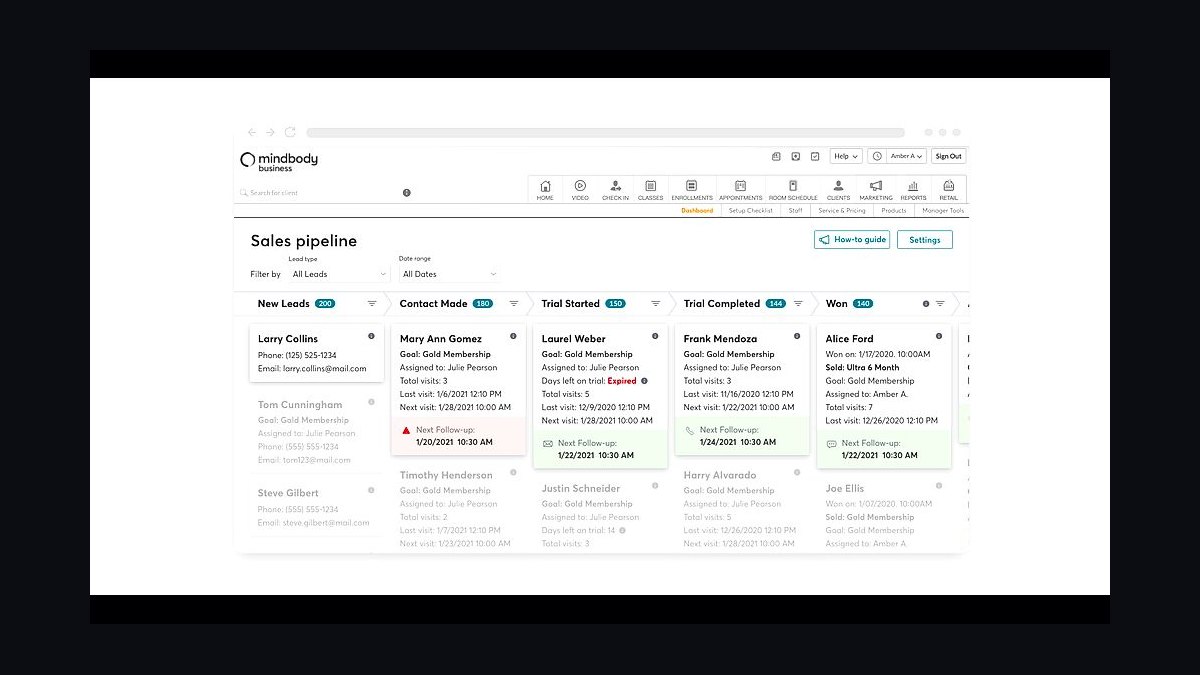
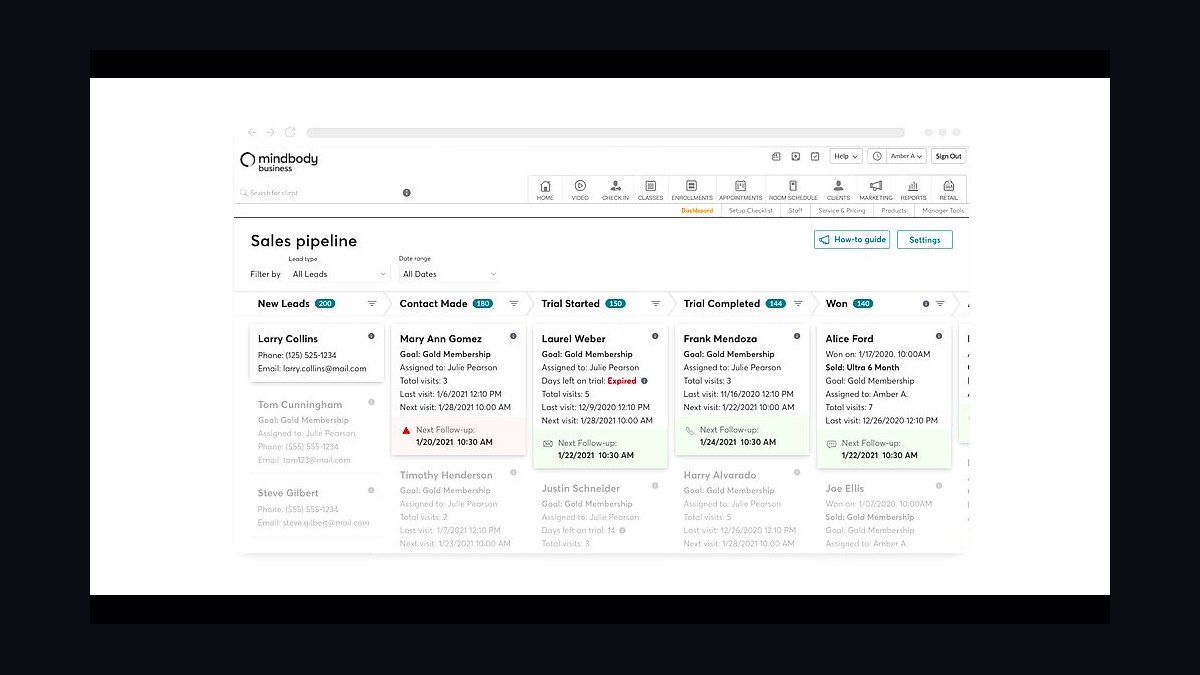
Mindbody ranks first because it is the most widely adopted booking and business platform in fitness and wellness, used by tens of thousands of studios and salons worldwide. It handles scheduling, POS payments, memberships, and a consumer marketplace that drives new client bookings. Pricing typically starts around $169 per month for the Starter tier.
It suits multi-service studios, salons, and gyms that need one system for bookings, payments, and marketing. The trade-off is cost and occasional complexity for solo operators. Compared to Vagaro directly below, Mindbody offers a larger consumer marketplace but charges more and locks key features behind higher tiers.
2Vagaro Salon Software
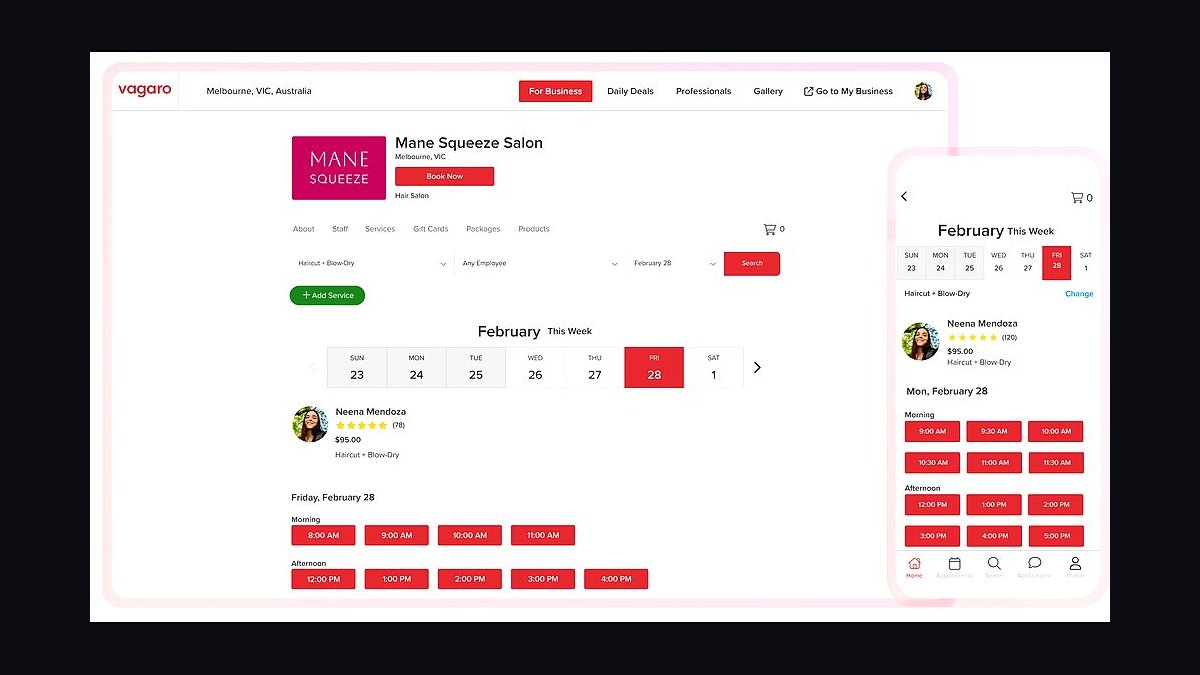
Vagaro ranks second as the strongest all-in-one alternative to Mindbody, covering booking, POS, payroll, and marketing for salons, spas, and fitness studios. Its entry plan runs about $30 per month per user, far below Mindbody's base pricing, and it includes a built-in marketplace and mobile app for clients.
It fits small to mid-size studios and salons that want broad features without enterprise pricing. It trades away some depth in large multi-location reporting and integrations. Compared to Mindbody above, Vagaro is cheaper and simpler but has a smaller consumer marketplace and fewer enterprise-grade tools.
3Stripe Payments Platform
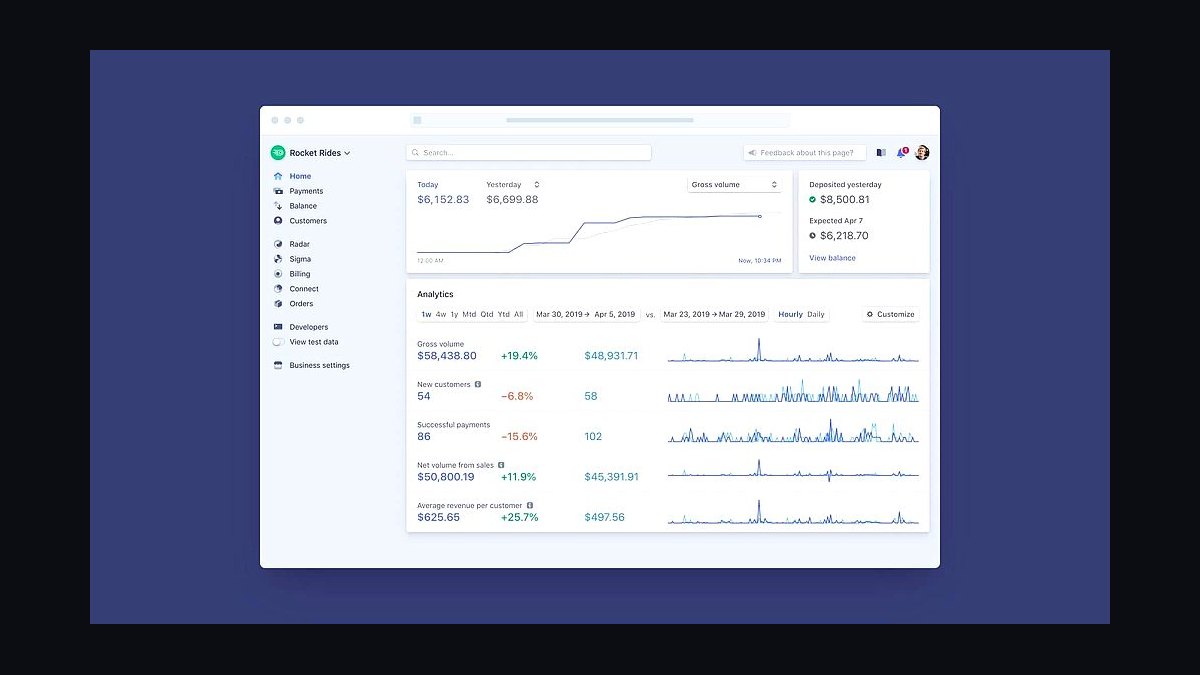
Stripe ranks third because reliable payment processing is the revenue backbone of any fitness or wellness business, and Stripe handles subscriptions, one-time charges, and invoicing with strong APIs. Standard card pricing is 2.9% plus 30 cents per transaction, with volume discounts available. It supports recurring billing, free trials, and dunning out of the box.
It is best for businesses that want flexible payments wired into their own website or app rather than a bundled studio platform. The trade-off is that Stripe is not a booking system, so it must pair with scheduling software. Compared to Vagaro above, Stripe offers deeper payment customization but no class scheduling or client management.
4Zoom Video Communications
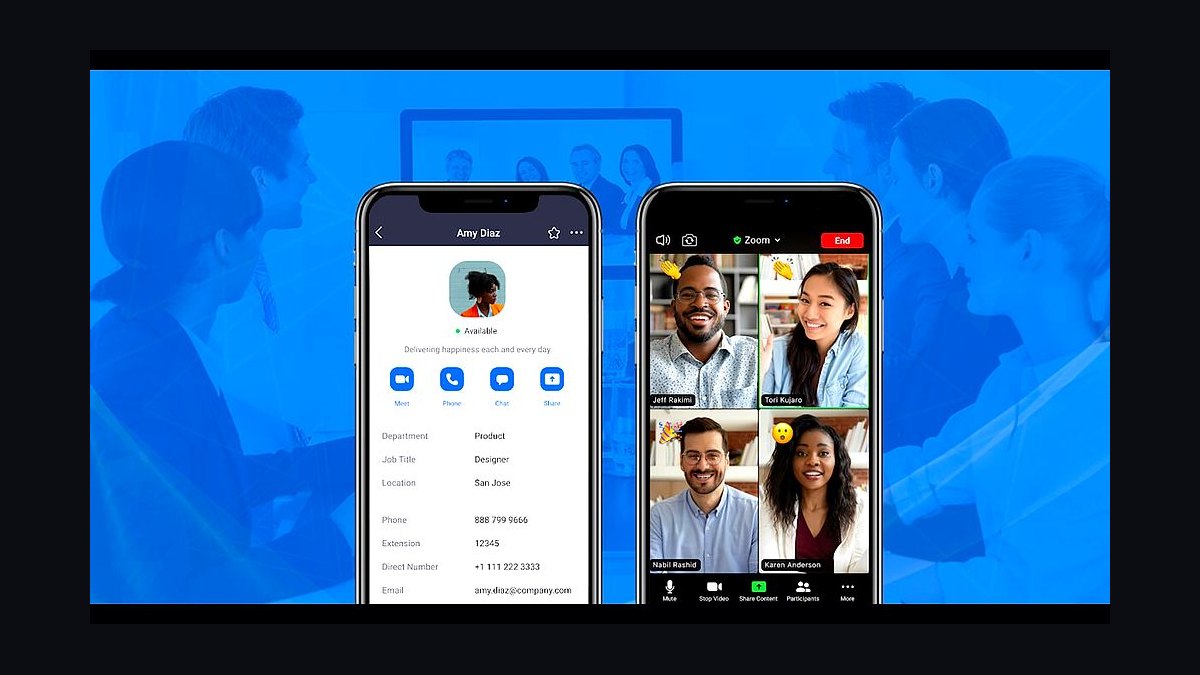
Zoom ranks fourth because live and recorded virtual classes remain a core delivery channel for wellness businesses, and Zoom's reliability and low latency make it the default. Paid plans start around $13.33 per month per host billed annually, supporting up to 100 participants on the Pro tier. Features include breakout rooms, waiting rooms, and cloud recording.
It is best for yoga, meditation, and coaching businesses running hybrid or online sessions. The trade-off is that Zoom lacks fitness-specific tools like class booking or payment collection. Compared to Stripe above, Zoom handles delivery rather than revenue, so most businesses need both.
5Mailchimp Email Marketing
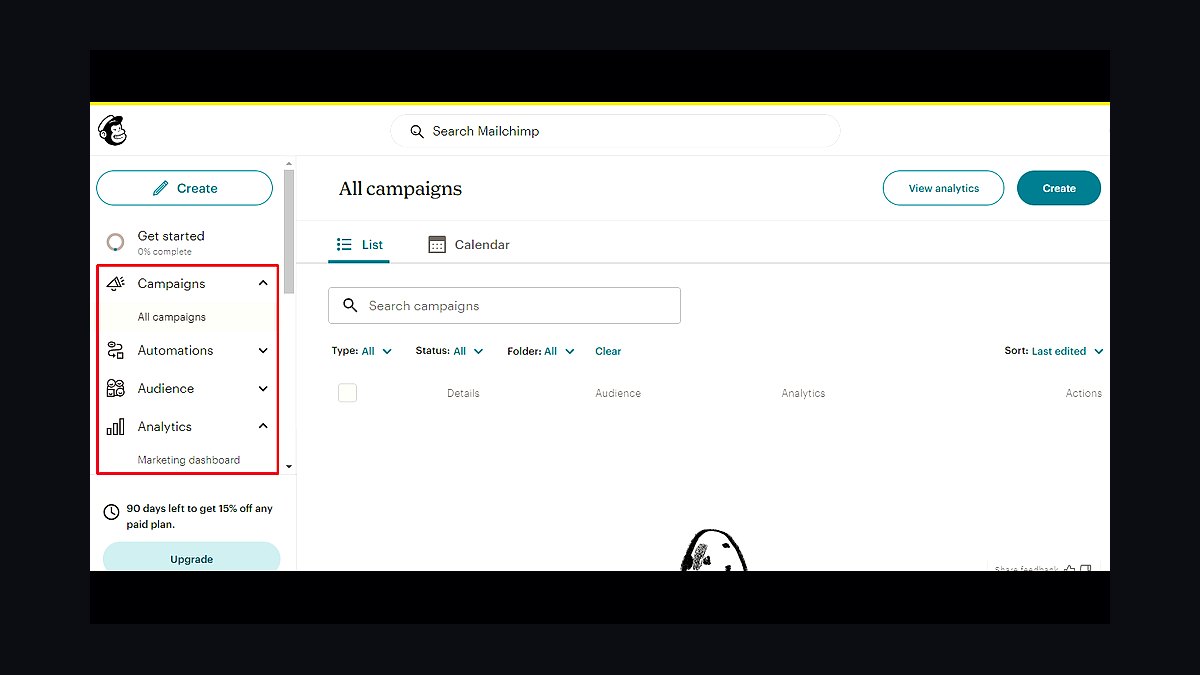
Mailchimp ranks fifth because email and automation drive retention and rebooking for wellness businesses, and Mailchimp remains the most recognizable platform for it. Free plans cover up to 500 contacts, with paid tiers starting around $13 per month for 500 contacts. It offers automations, segmentation, landing pages, and basic CRM features.
It suits studios and coaches building nurture sequences, newsletters, and win-back campaigns. The trade-off is rising costs as lists grow and limited SMS depth compared to dedicated tools. Compared to Zoom above, Mailchimp handles marketing rather than class delivery, so it complements rather than replaces it.
6Calendly Scheduling Automation
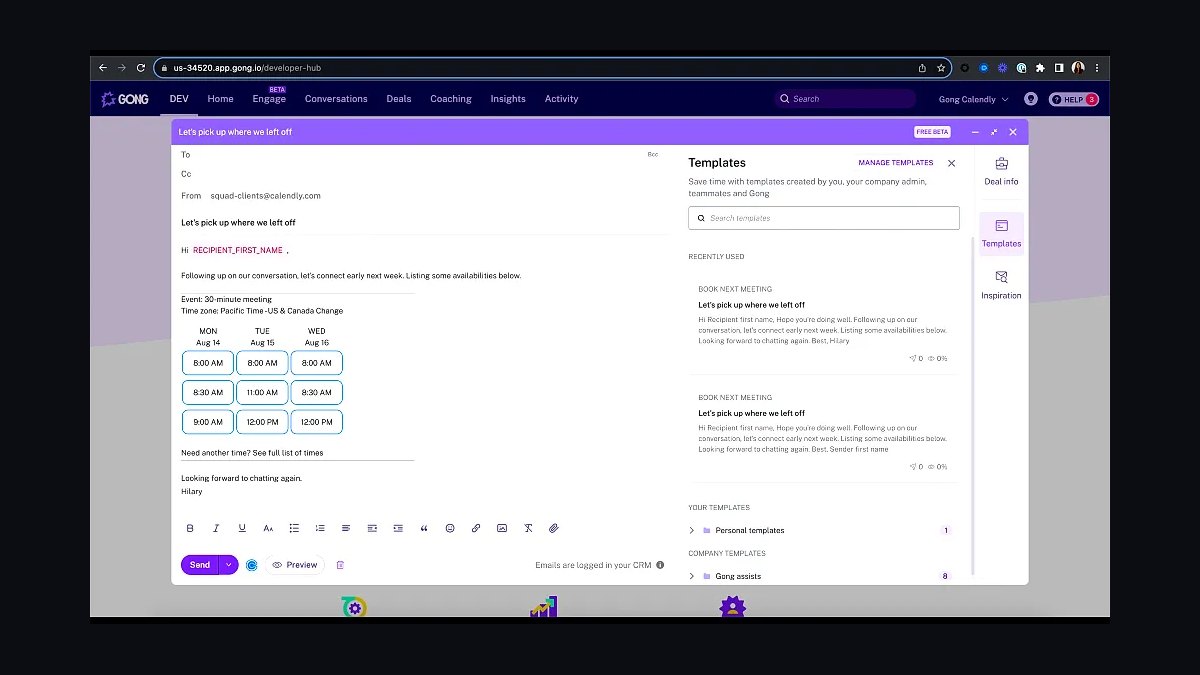
Calendly ranks sixth because simple appointment scheduling is essential for personal trainers, therapists, and wellness coaches, and Calendly removes back-and-forth emails. Free plans allow one event type, while paid tiers start around $10 per seat per month. It syncs with Google, Outlook, and iCloud calendars and supports automated reminders.
It is best for solo practitioners and small teams that need lightweight booking rather than full studio management. The trade-off is limited POS and membership features. Compared to Mailchimp above, Calendly focuses on scheduling and reminders rather than marketing campaigns, making it a narrower but sharper tool.
7Trainerize Coaching Platform
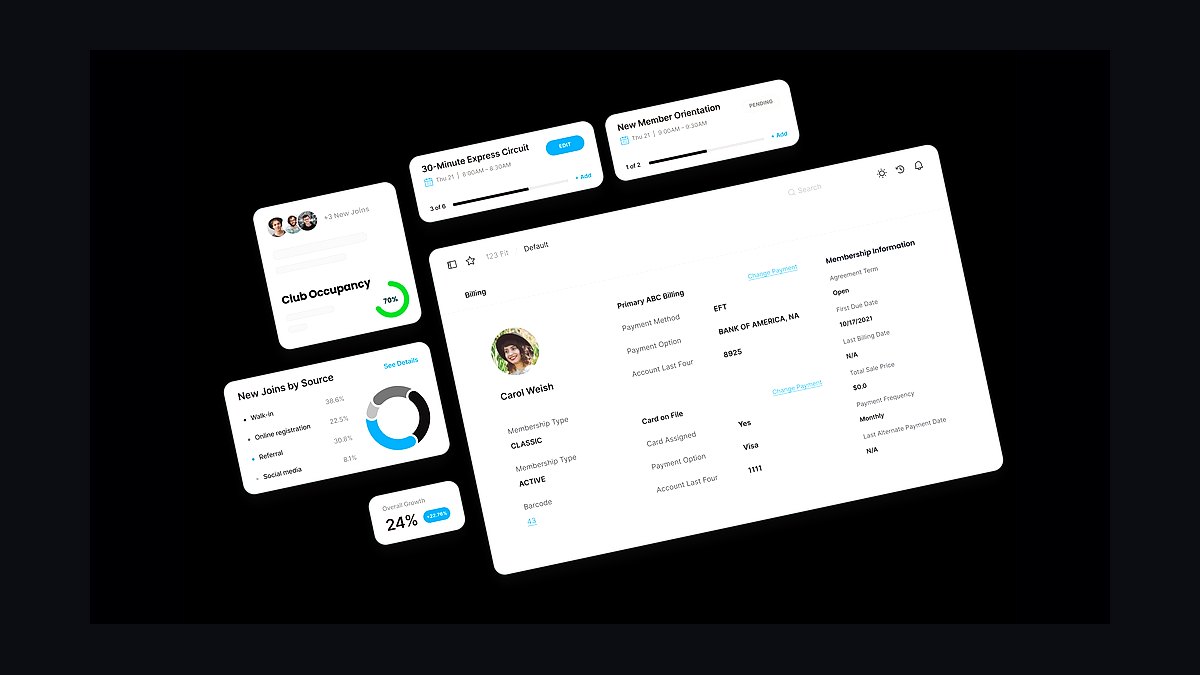
Trainerize ranks seventh because personal training and online coaching demand workout programming, habit tracking, and client messaging in one place. It supports custom workout plans, nutrition tracking, progress photos, and in-app chat. Pricing starts around $5 per month for the entry tier and scales with client count and features.
It suits personal trainers, nutrition coaches, and small coaching businesses delivering remote programs. The trade-off is that it is coaching-centric and weaker for class-based studios. Compared to Calendly above, Trainerize goes deeper on programming and client accountability but is less useful for simple appointment scheduling.
8QuickBooks Online Accounting
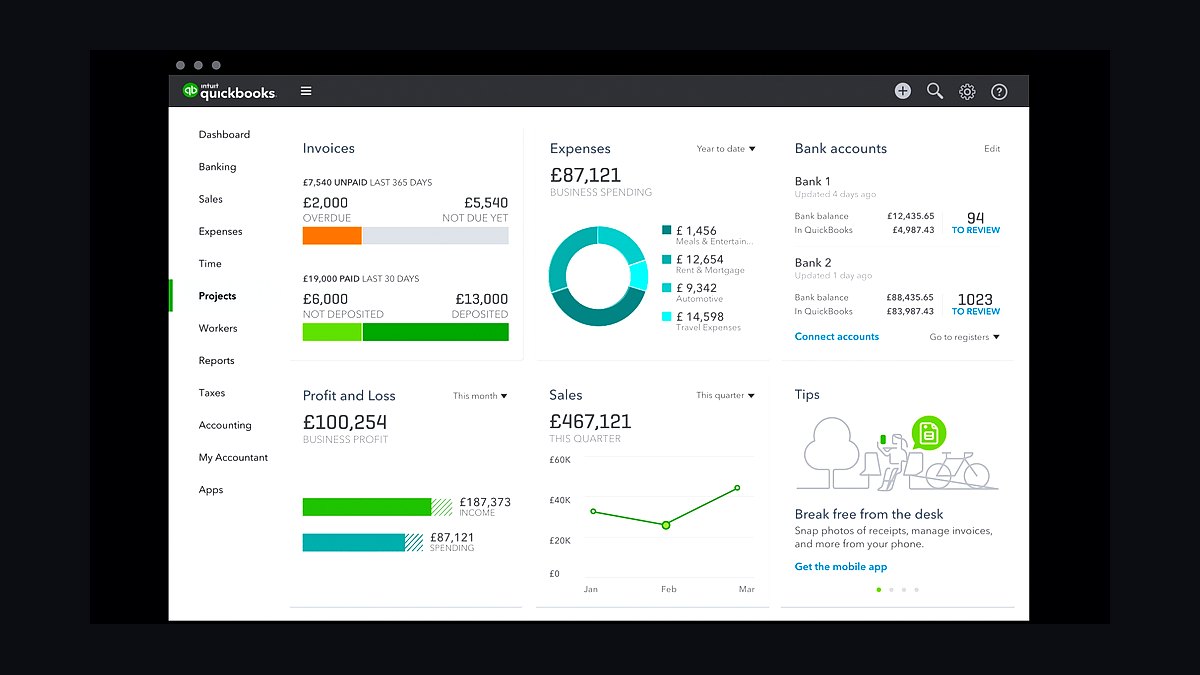
QuickBooks Online ranks eighth because clean bookkeeping and tax readiness are non-negotiable for fitness and wellness businesses handling memberships, contractors, and retail. Plans start around $30 per month for Simple Start. It tracks income and expenses, reconciles bank feeds, and generates profit and loss and tax reports.
It is best for owners who want accounting separated from their booking platform and integrated with payments. The trade-off is a learning curve and add-on costs for payroll and advanced reporting. Compared to Trainerize above, QuickBooks handles finances rather than client programming, so the two serve entirely different jobs.
9Google Business Profile
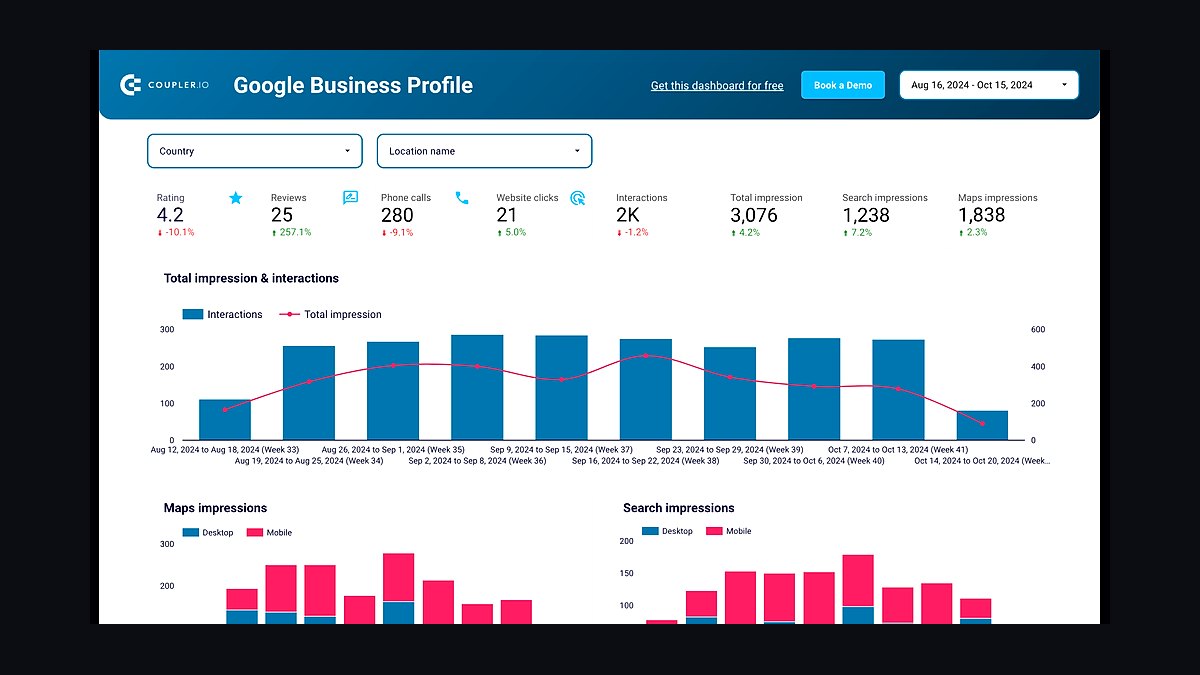
Google Business Profile ranks ninth because local search visibility drives new client discovery for gyms, studios, and wellness clinics, and the listing is free. It lets businesses post hours, photos, services, and offers, and collect and respond to reviews. Listings with complete profiles and regular posts tend to earn more calls and direction requests.
It suits every local fitness and wellness business, from solo trainers to multi-location studios. The trade-off is limited analytics and no booking engine beyond third-party integrations. Compared to QuickBooks above, Google Business Profile handles acquisition rather than accounting, making it a marketing essential rather than a back-office one.
10Zapier Workflow Automation
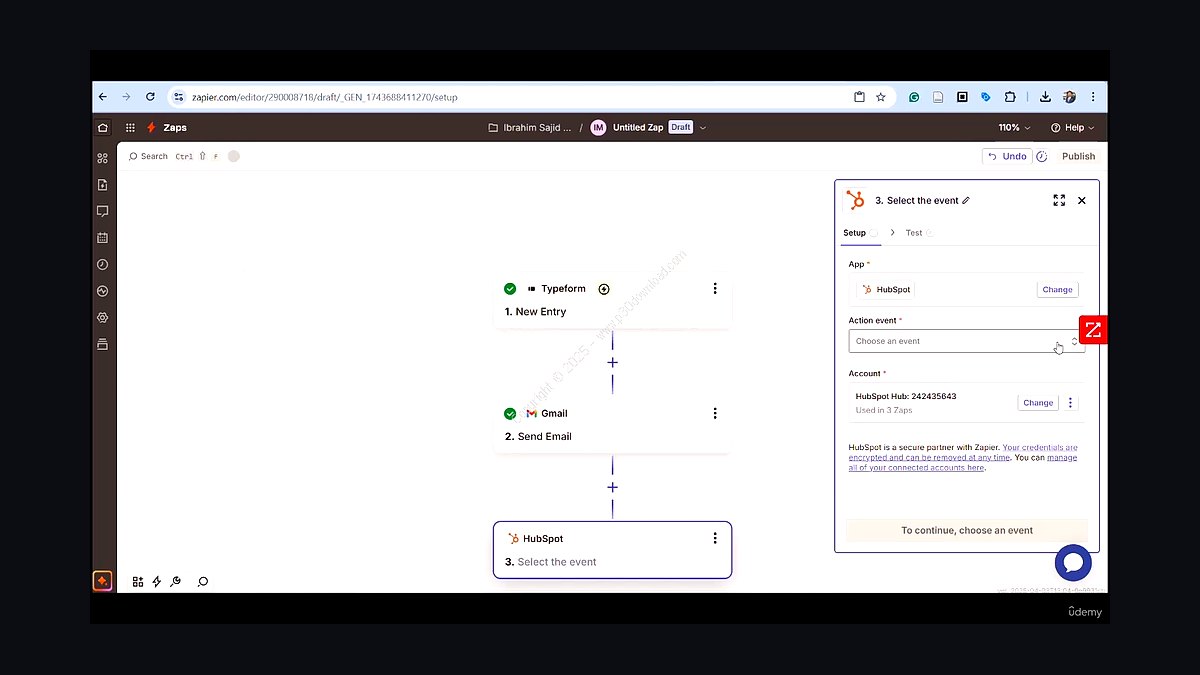
Zapier ranks tenth because it connects the other nine tools on this list without custom development, automating tasks like adding new clients to email lists or syncing payments to spreadsheets. Free plans allow 100 tasks per month, with paid tiers starting around $19.99 per month. It supports thousands of app integrations.
It is best for small studios and coaches who want their stack to talk to itself without hiring a developer. The trade-off is that complex multi-step automations can get costly and brittle. Compared to Google Business Profile above, Zapier is infrastructure rather than a channel, tying the rest of the stack together.
How we ranked these
We evaluated 34 tech stack tools against criteria weighted for fitness and wellness operators: booking and scheduling depth (25%), member CRM and retention features (20%), payment and billing flexibility (15%), integrations with wearables and health apps (15%), mobile app quality (10%), scalability and multi-location support (10%), and total cost of ownership (5%). Scores came from hands-on trials, vendor documentation, and verified user reviews across G2, Capterra, and industry forums.
We deliberately ignored brand popularity, venture funding totals, and marketing spend, since neither correlates with fit for a 3-location studio or a solo trainer. We also excluded feature counts that only matter to enterprise gyms, white-label customization depth, and any tool requiring a dedicated IT hire. Pricing was judged on real-world total cost, not headline tiers that hide setup or per-transaction fees.
What to look for
What matters most is whether the tool matches your operating model: class-based studios need waitlists, recurring packs, and instructor payouts, while personal trainers need session tracking and simple invoicing. Check integration depth with the wearables and nutrition apps your clients already use, and confirm the API or Zapier limits before you commit. Migration effort and data export rights should be verified in writing, not assumed.
The mistake most buyers make is choosing on headline price or a slick demo, then discovering per-transaction fees, mandatory onboarding charges, or locked-in annual contracts that erase the savings. A close second is picking a platform that cannot handle multi-location reporting or staff permissions, forcing an expensive switch within 18 months. Trial with your own data, not the vendor's sandbox.
Related questions
What is a tech stack for a fitness business?
A tech stack is the combined software you use to run operations: booking and scheduling, member CRM, payments and billing, a branded mobile app, marketing automation, and analytics. For fitness and wellness businesses, the stack also typically includes wearable integrations, class or session management, and retention tools. The right stack depends on whether you run classes, one-on-one training, or both.
How much should a small studio spend on software?
Most single-location studios spend between $150 and $500 per month across booking, CRM, payments, and marketing tools. Costs rise with member count, transaction volume, and add-ons like branded apps or advanced analytics. Budget for per-transaction payment fees separately, since they often exceed subscription costs. Always model total cost over 12 months before signing an annual contract.
Do fitness businesses need a custom mobile app?
Not always. A custom app improves retention and branding but costs more to build and maintain than a web-based member portal. Many platforms now offer white-label apps included in higher tiers, which is often cheaper than custom development. If most of your clients book on desktop or via text, a portal may be sufficient until you pass roughly 300 active members.
Which integrations matter most for wellness businesses?
Priority integrations include Apple Health, Google Fit, Garmin, Whoop, and MyFitnessPal for client data sync, plus Stripe or Square for payments, Mailchimp or Klaviyo for email, and Zapier for connecting niche tools. Calendar sync with Google and Outlook matters for trainers. Verify each integration's direction and frequency of data sync, since some are one-way or delayed.
How do I migrate members from one platform to another?
Ask the new vendor for a written migration plan covering data export formats, member history, payment token transfer, and downtime. Most platforms import CSV files for members and bookings but cannot transfer stored card tokens, meaning members must re-enter payment details. Schedule the switch during a low-traffic week and notify members at least two weeks ahead to reduce churn.
What retention features should I look for?
Look for automated win-back campaigns, attendance tracking with at-risk member alerts, milestone and streak recognition, and integrated messaging via SMS and email. Churn prediction based on visit frequency is increasingly common and valuable. Ensure these features work without manual exports, since retention tools only help if they run automatically in the background.
Is an all-in-one platform better than separate tools?
All-in-one platforms reduce integration headaches and vendor management but often excel in one area and lag in others. Best-of-breed stacks offer deeper features per category but require more setup and can fragment your member data. Most studios under 500 members do better with all-in-one; larger operations often split booking, CRM, and marketing for flexibility.
How important is multi-location support?
If you plan to open a second location within three years, prioritize multi-location support now to avoid a painful migration later. Key features include consolidated reporting, location-specific pricing and schedules, staff permissions by site, and cross-location memberships. Retrofitting these capabilities is rarely possible, so treat them as a hard requirement during evaluation.
FAQ
What is the best tech stack for a boutique fitness studio in 2027?
There is no single best stack, but most boutique studios pair a booking platform like Mindbody or Walla with Stripe for payments, Klaviyo for email, and a white-label app tier. The right combination depends on class volume, whether you sell memberships or packs, and how much marketing automation you need. Trial two or three options with real data.
How long does it take to implement a new fitness tech stack?
A single-location studio can typically migrate in two to four weeks, including data import, payment re-tokenization, staff training, and member communication. Multi-location operators should budget six to twelve weeks. The longest steps are usually payment token transfer and getting members to re-enter card details, so plan communication early.
Do these tools comply with HIPAA or GDPR?
Most general fitness platforms are not HIPAA-compliant because they are not covered entities, but they should support GDPR data subject requests and offer data processing agreements. If you store health metrics or work with clinical partners, verify business associate agreements and encryption standards. Never assume compliance from marketing pages; request documentation.
Can I run my fitness business with just spreadsheets?
Spreadsheets work for a handful of clients but break down quickly once you handle recurring billing, waitlists, or multiple instructors. Manual payment tracking leads to failed charges and revenue leakage, and there is no automated retention outreach. Most operators switch to dedicated software between 30 and 50 active clients.
What payment processing fees should I expect?
Typical rates range from 2.6% to 3.5% per transaction plus a small fixed fee, with some platforms adding their own markup on top of Stripe or Square. ACH transfers cost less, often under 1%, but clear slower. Always calculate blended cost across card, ACH, and cash before comparing platforms on subscription price alone.
How do I evaluate a vendor's uptime and reliability?
Ask for a service level agreement with a published uptime target, typically 99.9%, and check status pages for historical incidents. Search user forums for outage complaints during peak booking windows. Request references from businesses your size. Downtime during a Monday morning class rush costs real revenue and member trust.
Should I choose a platform with a marketplace for new clients?
Marketplaces like ClassPass or Mindbody's consumer app can drive discovery but take a commission, often 20% to 30%, and may attract deal-seeking clients who churn. Treat them as a supplemental acquisition channel, not your core booking system. Track whether marketplace members convert to direct memberships before scaling spend.
What happens to my data if I leave a platform?
Contract terms determine your export rights. Insist on a clause guaranteeing full data export in CSV or API format within 30 days of termination, including member records, attendance history, and transaction logs. Some vendors charge export fees or withhold data until final invoices clear. Read the termination section before signing.
How do wearable integrations actually help retention?
Wearable integrations let clients sync workouts, heart rate, and sleep data into your app, creating a richer experience and giving coaches objective progress data. That visibility supports personalized programming and milestone celebrations, which correlate with higher visit frequency. The effect depends on how actively your team uses the data, not just on the integration existing.
Are annual contracts worth the discount?
Annual contracts often save 10% to 20% but lock you in before you know whether the platform fits your operations. For first-time buyers, start monthly or quarterly, then negotiate annual pricing after six months of proven use. If you do sign annually, negotiate an exit clause for material service failures or acquisition.
Sources
- https://www.g2.com/categories/fitness-software
- https://www.capterra.com/fitness-software/
- https://www.softwareadvice.com/fitness/
- https://www.mindbodyonline.com/
- https://www.walla.co/
- https://stripe.com/guides/online-payments
- https://www.klaviyo.com/
- https://developer.apple.com/healthkit/
- https://developers.google.com/fit
- https://www.zapier.com/
Related on PULSE
This page will be disappearing soon. Save it to your device for $1 — or read it free while it is here.
@Kory-White- · if Venmo asks, the last 4 of my number are 2012
This page is gone.
This one is off the shelf now. $1 keeps it on your phone for good — the whole page, pictures and diagrams included.
 pulse-tech-stacksTop 10 Best Tech Stack Tools for HOA and Community Association Management Companies in 2027
 pulse-tech-stacksTop 10 Best Tech Stack Tools for Health Clubs and Gyms in 2027
 tkTop 10 Best Tech Stack Tools for Fencing and Deck Contractors in 2027
 pulse-tech-stacksTop 10 Best Tech Stack Tools for Independent Wholesale Distribution Businesses in 2027
 pulse-tech-stacksTop 10 Best Tech Stack Tools for Self-Storage Operators in 2027
 pulse-tech-stacksTop 10 Best Tech Stack Tools for Vulnerability Management Software Vendors in 2027
 pulse-tech-stacksTop 10 Best Tech Stack Tools for Pressure Washing Companies in 2027
 pulse-tech-stacksTop 10 Best Tech Stack Tools for Garden Centers and Nurseries in 2027
 pulse-tech-stacksTop 10 Best Tech Stack Tools for RV Dealerships in 2027
 pulse-tech-stacksTop 10 Best Tech Stack Tools for Residential Painters in 2027