

How Many Employees Should I Schedule Each Shift at My Deli?
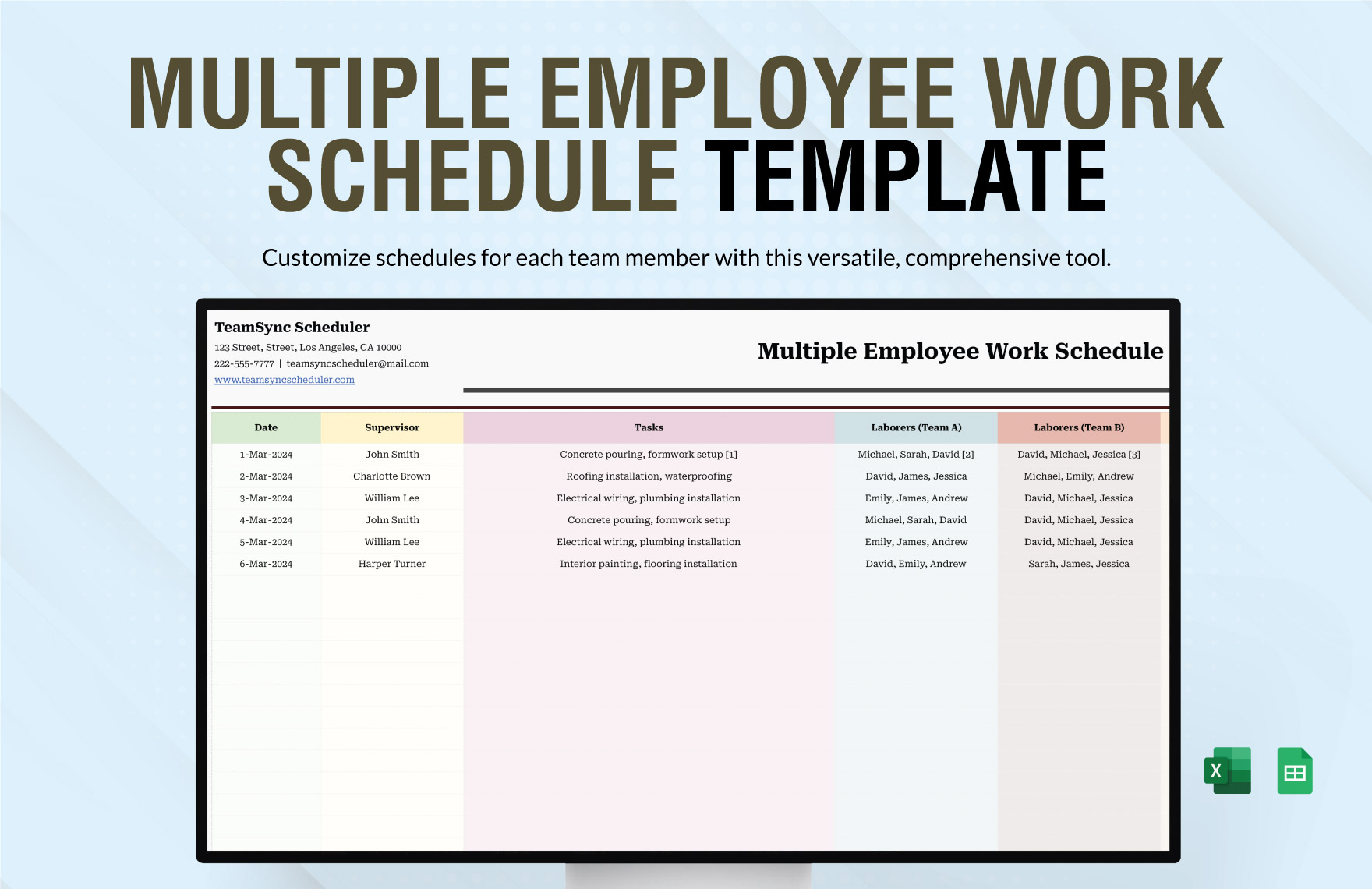
Divide each shift's average gross profit by a per-employee gross-profit target — roughly $150 per full shift in a typical deli — to get headcount. A Friday lunch producing $1,200 in gross profit needs eight people; a $450 Monday dinner needs three. Then stack those bodies against your actual hourly receipt curve, not habit.
This vs. the common alternatives
Most deli owners land on one of four scheduling methods, and only one of them survives a bad quarter.
Method one: habit. "We've always run four on lunch." It's the default in independent food retail because it requires no math and no argument. The problem is that habit encodes a demand curve from whenever the habit formed — often three years and two menu changes ago. If you added catering, opened an hour earlier, or a competitor closed down the block, the four-person lunch is either bleeding labor dollars or bleeding customers who walked because the line hit the door. Habit also breeds favoritism: the manager schedules friends onto the easy dinner and the new hire eats every Saturday. You cannot argue with a schedule that has no stated logic, which is exactly why it persists.
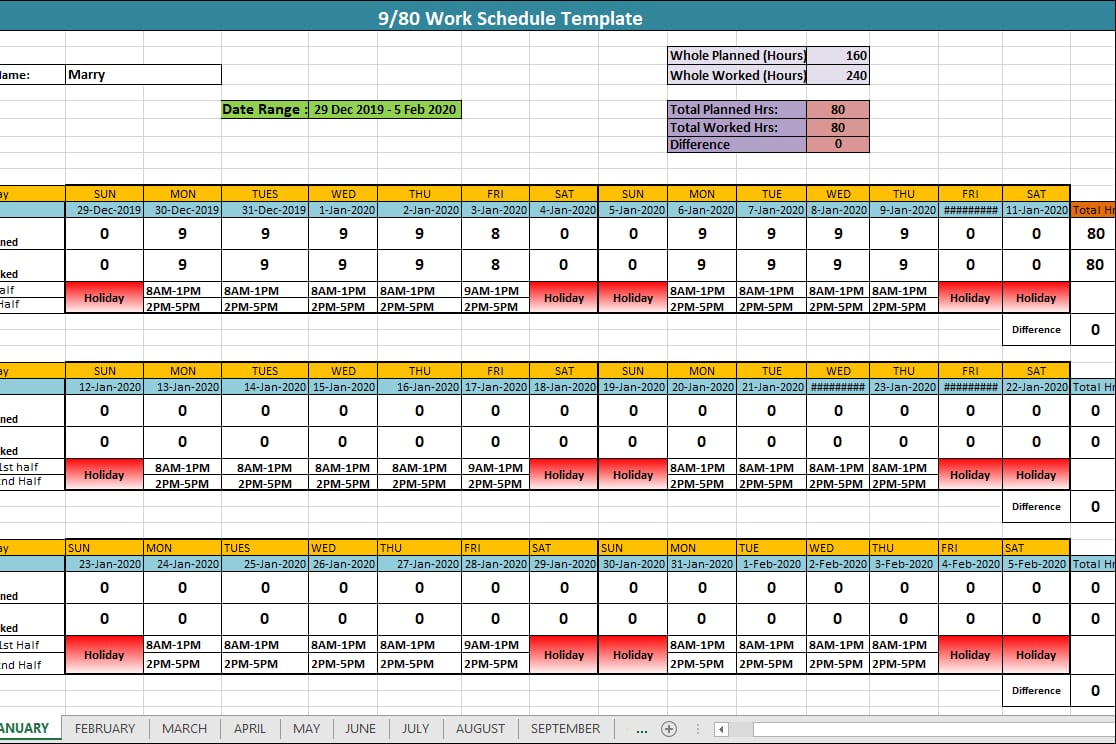
Method two: labor percentage. Set a target — say labor at 25 to 30 percent of sales — and staff until you hit it. This is the standard restaurant-industry approach and it's a real improvement over habit because it ties bodies to dollars. Its weakness is that it's a *rearview* control. Labor percentage tells you at the end of the week whether you overspent; it does not tell you on Tuesday how many people to put on next Friday's lunch. It also averages across the week, so a brutally overstaffed Monday and an understaffed Friday can net out to a beautiful 27 percent while both shifts were wrong.
Method three: sales-per-labor-hour (SPLH). Divide net sales by hours worked and manage to a target — many counter-service operators run somewhere in the $40 to $80 SPLH range depending on ticket average. SPLH is genuinely useful and it's what most POS-integrated scheduling tools optimize toward. Its limitation for a deli is that it uses *sales*, not *gross profit*. A shift heavy on premium imported meats and a shift heavy on $3 fountain drinks can post identical sales with wildly different margin. In a business where food cost swings 20 points between a house-roast turkey and a case-priced deli salad, sales-per-hour flatters the low-margin shifts.
Method four: gross profit per employee per shift. This is the one that holds up. You agree on a floor — the gross profit an average person should produce on an average shift doing average work — and you divide. In a deli, $150 per full shift is a defensible starting floor, lower than what you'd set in furniture or jewelry because food margins are tighter and ticket averages are small. The number becomes a shared yardstick: leadership, owner, and every person behind the case are all reading the same scoreboard.
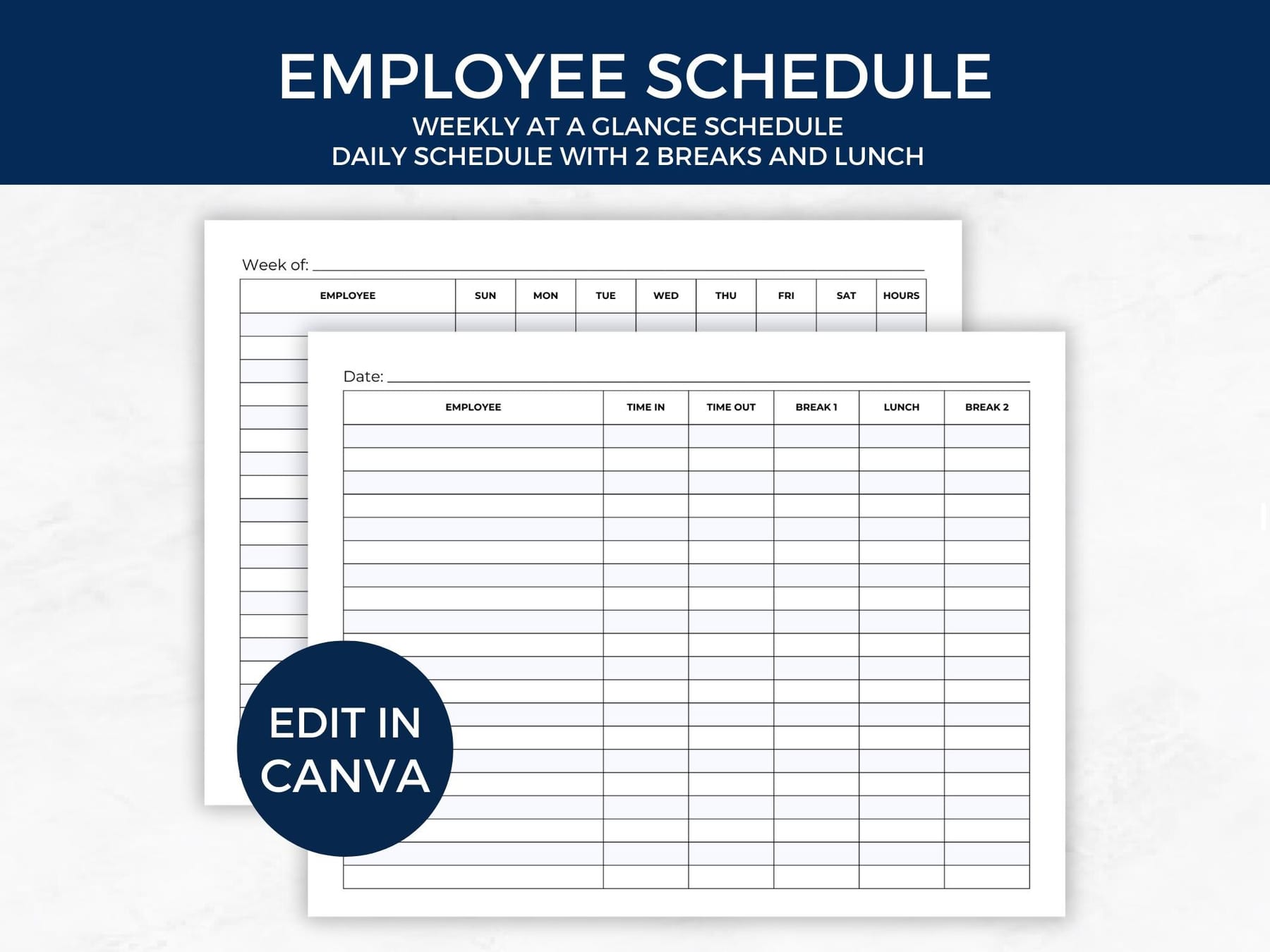
The reason this method beats the others is that gross profit is the only number that already contains both volume *and* margin. Sales ignores what you paid for the pastrami. Labor percentage tells you afterward. Habit tells you nothing. Gross profit divided by a per-head target is forward-looking, argument-proof, and it survives menu changes automatically — if your margin improves, the same headcount produces more, and the math tells you before your P&L does.
Worth naming the adjacent case: this same division works for any counter-service operation where employees take the order and ring the sale. A pizza shop, a bagel counter, a butcher case inside a grocery, a coffee bar. The per-head target moves — a shop with a $6 average ticket and a shop with $14 will not share a floor — but the mechanic is identical. It's the same discipline a RevOps team applies when it sets quota coverage on a sales floor: agree on the productivity number one person should carry, then divide the opportunity by it to size the team.
How to choose between them
Pick your method by what data you actually have and how much variance your week carries.
If you have COGS by day, use gross profit division. You need one thing: the ability to pull sales and cost of goods for a shift. Most modern POS systems with inventory or recipe costing give you this. If yours doesn't, you can approximate — take your blended food cost percentage (most delis land somewhere in the 28 to 35 percent range once you account for waste and shrink on sliced product) and apply it to shift sales. That approximation is imperfect but it's directionally far better than sales alone, and you can refine it later by pulling true COGS quarterly and back-checking your assumption.
If you have no COGS visibility at all, run SPLH as a bridge. Set a sales-per-labor-hour target, staff to it, and simultaneously start the work of getting real cost data. Treat SPLH as a temporary scaffold, not a destination.
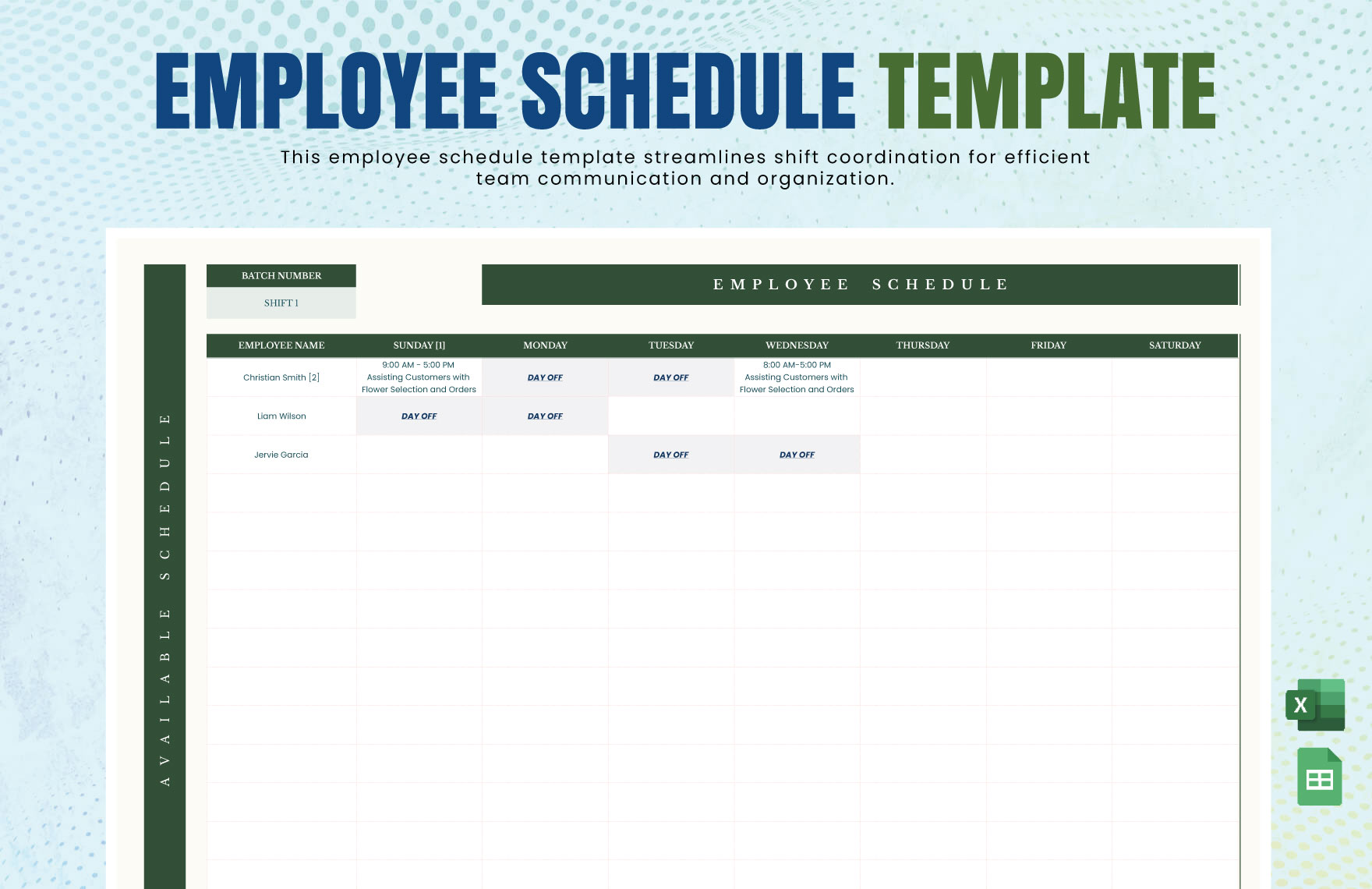
If your week is highly variable, extend the lookback. A trailing three-month average smooths ordinary noise. If you're in a seasonal market — a beach town deli, a shop next to a school that empties in June, a downtown counter that dies when offices go remote for the summer — pull six months and then segment: compute a separate average for the in-season and off-season windows rather than blending them into a mushy middle that's wrong in both directions.
If your shifts have wildly different lengths, normalize per hour. The $150 floor assumes a full shift, call it eight hours. A four-hour part-timer carries roughly $75. If your roster is a patchwork of three-hour after-school slots and six-hour openers, convert the target to a per-hour number — $150 over eight hours is about $18.75 in gross profit per employee-hour — and multiply by the hours each person is actually on the clock. This normalization matters enormously in a deli, where part-time is the norm rather than the exception.
One more selection criterion people skip: who has to *use* the schedule. If your counter manager builds it and you only review it, the method has to be explainable in one sentence, or it will quietly revert to habit within a month. "Shift gross profit divided by one-fifty" passes that test. A weighted forecasting model with seasonality coefficients does not, no matter how much more accurate it is on paper. Pick the most sophisticated method your actual operators will still be running in ninety days.
Costs, timelines, and expected impact
What it costs to run the math. Nothing, if you do it in a spreadsheet. The inputs are a POS sales export and a COGS figure, both of which you already own. Budget three to four hours for the first build — most of that is pulling and cleaning the trailing data, not the arithmetic — and about twenty minutes a week to refresh once the sheet exists.
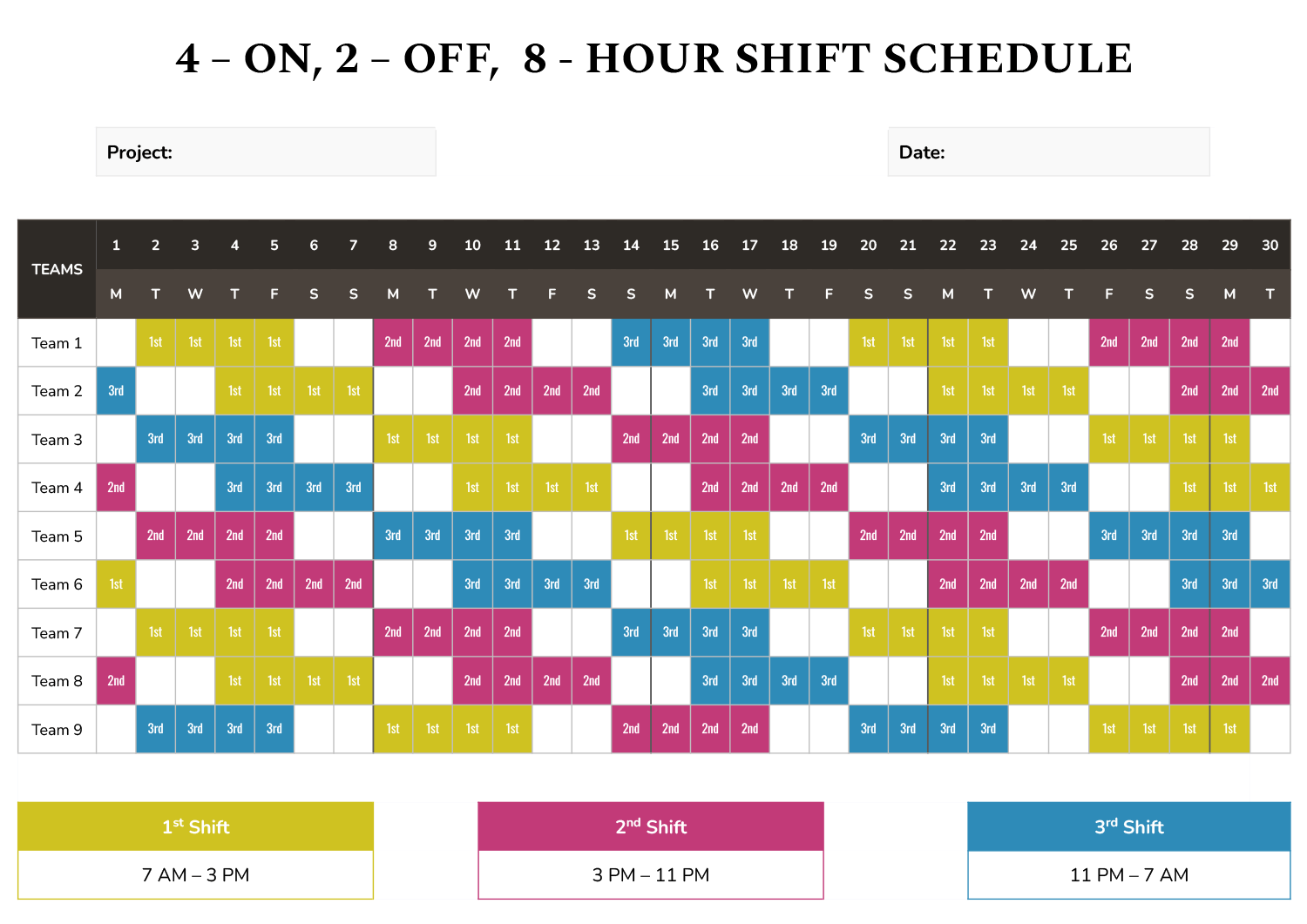
What it costs to run it in software. The scheduling tool market for small food operators is well-populated and cheap at the bottom. Several vendors offer a genuinely functional free tier for a single location with a small roster — enough to publish schedules, handle availability, and run a time clock. Paid tiers generally split into two pricing models, and which one you want depends entirely on roster shape:
- *Per-location pricing* runs roughly in the $25 to $100 per location per month band across common vendors. This is the right structure for a deli with a large, churning part-time roster — twenty names on the books, half of them students, costs the same as five names.
- *Per-user pricing* typically runs a few dollars per employee per month, scaling into the higher single digits when you add time-and-attendance and labor compliance modules. Better when your crew is small and stable.
Do the arithmetic before you sign. A twenty-two-person roster at $4.50 per user is roughly $99 a month; the same shop on a $35 per-location plan is $35. At the other end, a six-person operation is often cheaper per-user. This is the single most common overspend in small-operator scheduling software.
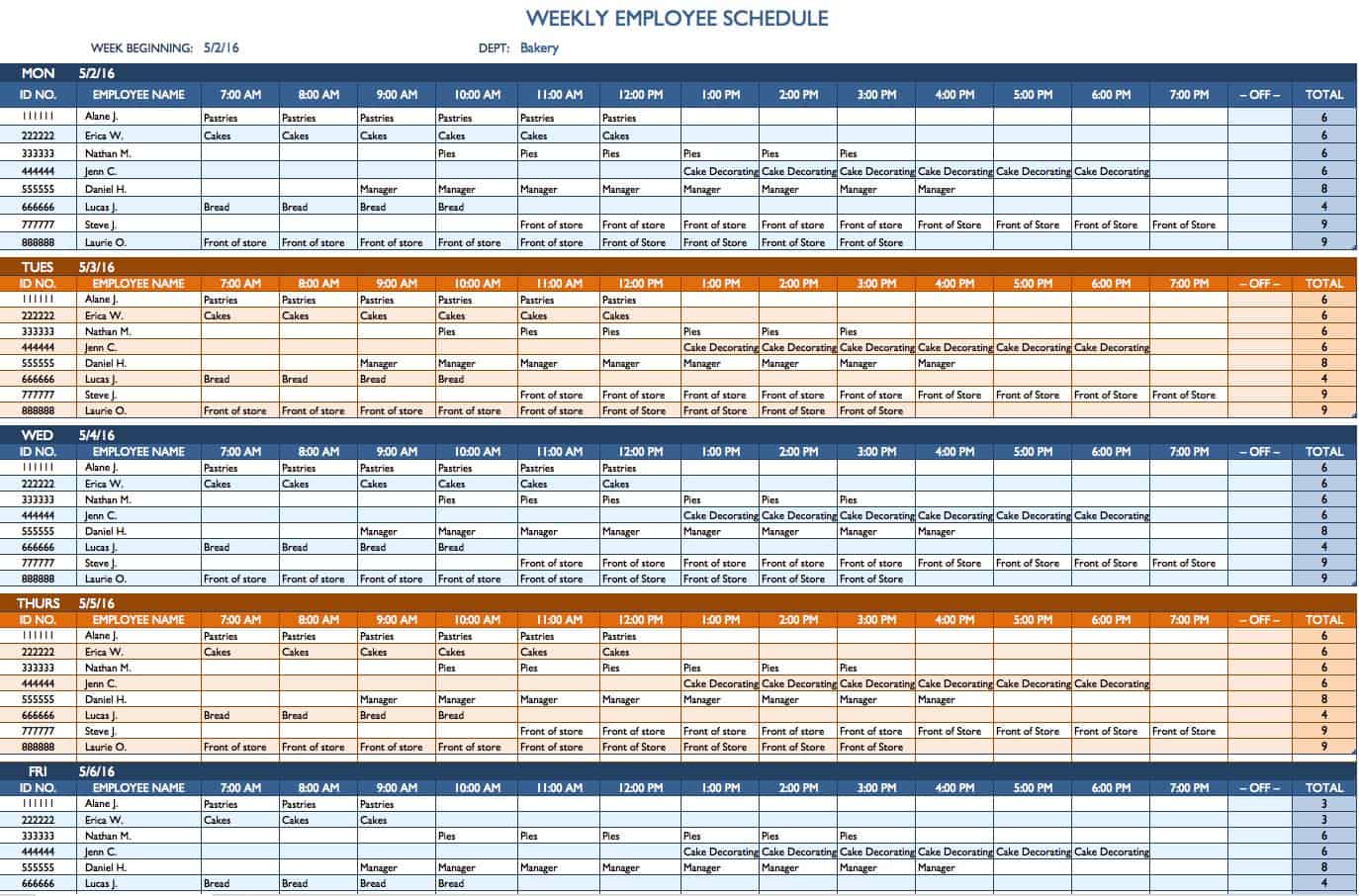
Timeline to see results. You will see the labor line move within two full pay periods, because the biggest wins come from removing the chronically overstaffed shifts — usually a mid-afternoon lull where three people are wiping the same case — and those cuts land immediately. The revenue side takes longer, typically a full quarter, because adding coverage to an understaffed peak only pays once customers who previously walked start coming back and telling people the line moves now.
Expected impact, stated honestly. The gain comes from two places and they are not symmetric. Cutting overstaffed shifts is a hard, immediate, measurable dollar saving — you can count it on the next payroll run. Fixing understaffed peaks is a slower and softer gain: fewer walkaways, higher attach rate on sides and drinks because the person behind the case has three seconds to ask, better online ratings because nobody waited eleven minutes for a turkey club. I won't put a percentage on that second bucket; anyone who does is guessing. What I will say is that in a deli the peak is where nearly all the gross profit is created, and understaffing it is the more expensive of the two errors even though it's invisible on the P&L.
Hidden costs to plan for. Overtime is the big one. If your math says Friday lunch needs eight and you only have six people who can legally work a fifth day, the eighth body costs time-and-a-half, not straight time — and your gross-profit division assumed straight time. Build the check into your weekly refresh: any shift where the required headcount forces someone past 40 hours needs a hiring conversation, not a scheduling fix. Minor labor law is the second. If you staff after-school shifts with sixteen-year-olds, hour restrictions and break rules will constrain your schedule regardless of what the math wants, and violations carry real penalties. Verify current rules with your state labor department — they differ meaningfully by state and they change.
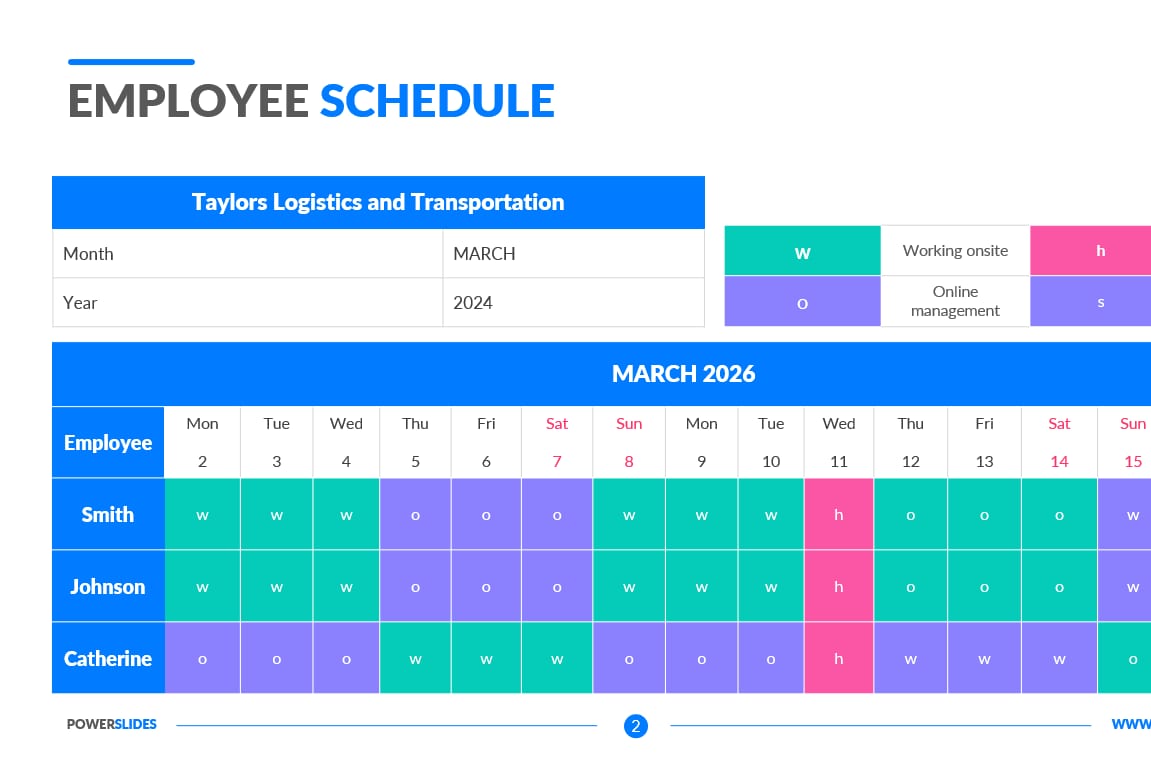
Implementation and handoff details
Here's the build, step by step, in the order that actually works.
Step one: set the per-employee number and say it out loud. Sit down with whoever runs the counter and agree on the gross profit an average employee should produce on an average shift. Then state it to the team in plain language: *"In this deli, if you show up, build sandwiches at an average pace, and give average service, you should produce about $150 in gross profit on a full shift."* That framing matters. It's a floor for average work, not a stretch goal — the people who want the good shifts and the good tips clear it doing ordinary work, then beat it by attaching the side, the drink, and the half-pound to go. A target that only your top performer can hit is a demoralizer, not a standard.
Step two: pull gross profit by shift and by weekday. Trailing three to six months. Build a simple grid: rows are shifts (open, lunch, mid-afternoon, dinner, close), columns are the seven weekdays. Every cell is an average gross profit figure. This grid is the whole asset — everything downstream is division.
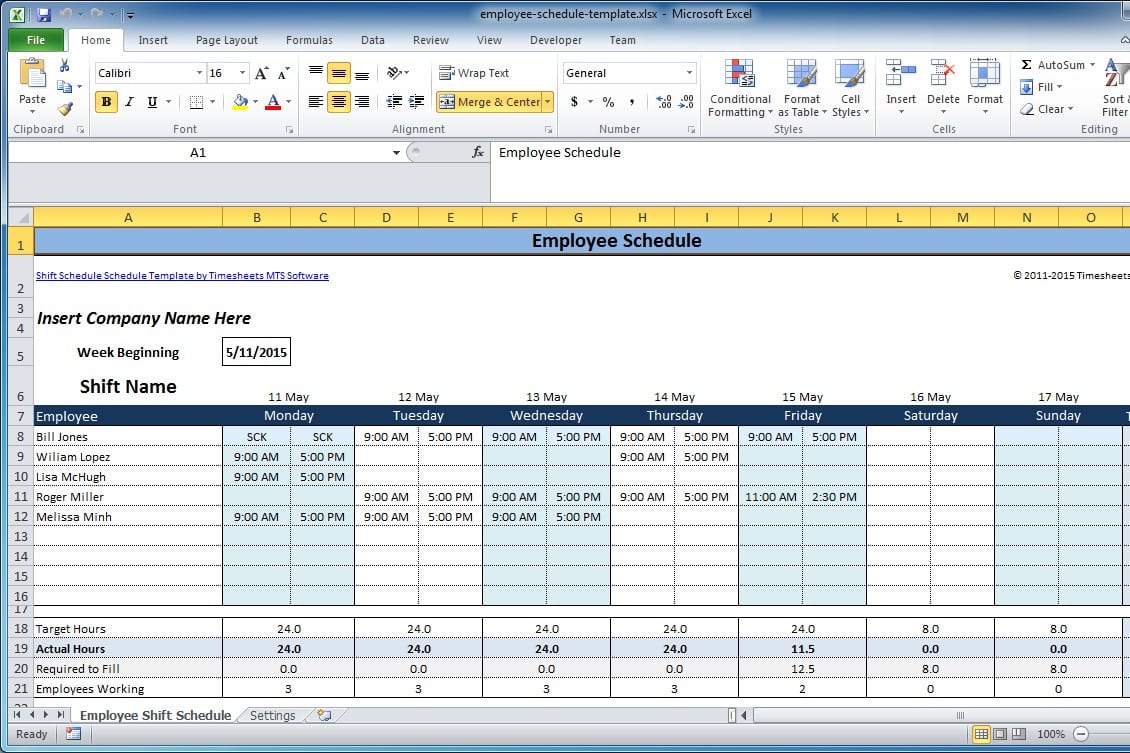
Step three: divide. Each cell divided by your per-employee target is that cell's headcount. $1,200 Friday lunch ÷ $150 = 8. $450 Monday dinner ÷ $150 = 3. Round up, never down; the formula produces a floor and a floor with no slack breaks the first time someone calls out.
Step four: place the bodies against the receipt curve. The division tells you *how many*. The hourly sales data tells you *when*. Deli revenue is famously not flat — it stacks into a hard wall roughly between 11 a.m. and 1:30 p.m., with a smaller pre-dinner pickup bump and a dead mid-afternoon trough. So you stagger: a prep-and-open crew early to get meats sliced and pans full, the full eight bodies landing dead-on the lunch wall, a taper through the lull, a lean close. Never spread the day's headcount evenly across open hours — that's how you end up with four people idle at 3 p.m. and two people drowning at noon.
Step five: add the float and the break math. Every schedule built purely from the formula breaks on contact with reality because people take breaks. If your eight-person lunch has each person off the line for thirty minutes, you're effectively running seven-and-a-half. Add one float body on any shift where the formula returns four or more, and stagger breaks so nobody leaves the line during the peak ninety minutes. On a three-person shift, breaks come during the trough or they come during a rush — plan which.
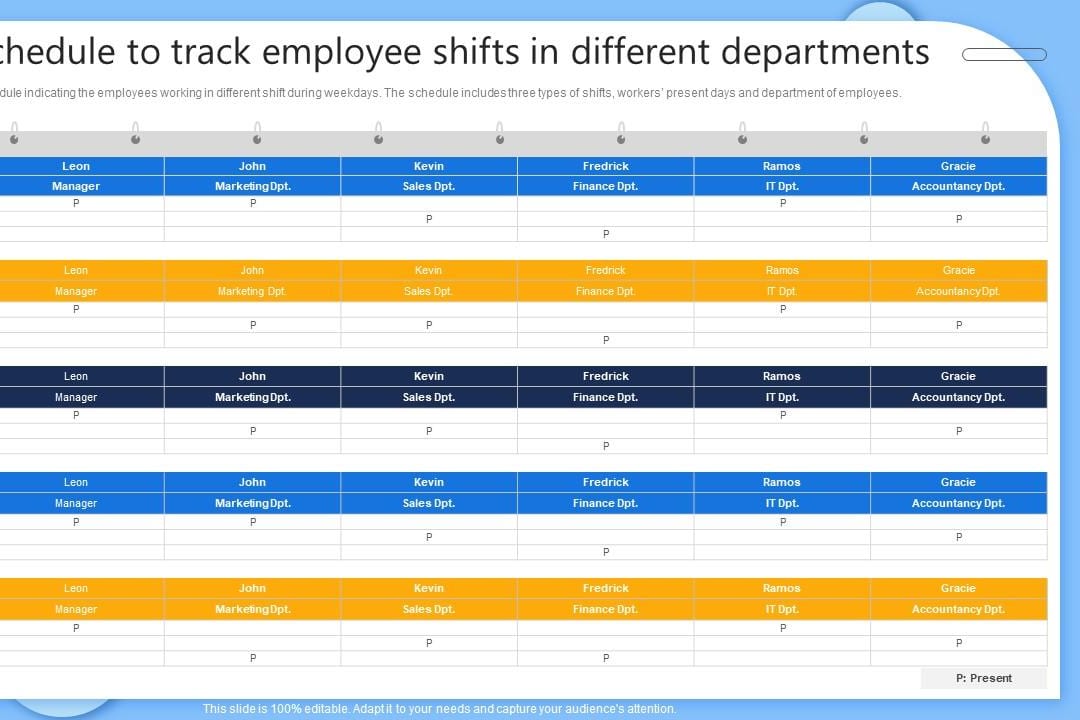
Step six: publish, then measure variance. Publish at least a week out; late schedules are the number-one driver of no-shows in hourly food work. Then, every week, compare what the formula predicted to what actually happened. If Friday lunch consistently produces $1,500 and not $1,200, your grid is stale and eight should be ten. The refresh is the discipline that keeps this from decaying back into habit.
Handoff to the person who owns it. Whoever builds the schedule weekly needs three things in writing: the per-employee gross-profit target, the current shift-by-weekday grid, and the rule that the grid gets refreshed quarterly. Without the third item, the grid ossifies and you're back to habit wearing a spreadsheet's clothes. Put the refresh on the calendar as a recurring task, not as an intention.
Where this connects upstream and downstream. Upstream, your schedule is a demand forecast, which means it should talk to your ordering. If Friday lunch needs eight people, it also needs proportionally more roast beef, more rolls, more of everything that moves at peak — the same grid that sizes labor should inform the standing order. Downstream, the schedule sets your prep plan: an eight-person lunch requires the meats sliced and the pans built *before* 11 a.m., which means the opening crew's job is defined by the peak that follows it, not by the clock. Operators who wire those three together — order, prep, staff — off one demand grid stop having Fridays where they had the people but ran out of pastrami at 12:40.
Related questions
What if my deli's gross profit per shift is much lower than $150 per person?
Then lower the target. $150 is a starting floor for a typical deli, not a rule. If your ticket average and margin support $100, use $100 — the division works identically. Set the number from your actual costs and volume, not from someone else's shop.
How do I schedule when the same shift covers both lunch and dinner?
Don't staff the block; staff the peaks inside it. Pull hourly receipts, find the one-to-two-hour spikes, and concentrate headcount there with a taper between. A shift labeled 11 a.m. to 7 p.m. usually contains two separate demand events and a dead zone.
Should I include the owner or manager in the headcount?
Only for the hours they're genuinely on the line producing. A working owner who slices through the lunch rush counts. An owner doing paperwork in the back with one eye on the floor does not — counting them inflates your coverage and understaffs the peak.
Does this method work for catering-heavy weeks?
It works, but catering has to be handled separately. Large orders consume labor at prep time, not at the register, so they distort the shift they're built during. Pull catering out of your retail grid, staff it as its own line, and add the prep hours explicitly.
FAQ
Can I use this formula with part-time staff working different shift lengths?
Yes — convert the target to a per-hour figure first. A $150 full-shift target across eight hours is about $18.75 in gross profit per employee-hour. A four-hour part-timer carries roughly $75, a six-hour opener about $112. Multiply the per-hour target by scheduled hours to get each person's contribution, then sum against the shift's expected gross profit.
What if my gross profit swings hard week to week?
Use a trailing three-to-six-month average to smooth it. If one Friday lunch does $1,400 and the next $900, the average is the more reliable planning number. Revisit quarterly to catch seasonal shifts, and if your market has a genuine on-season and off-season, compute two separate averages rather than blending them.
Do I have to schedule exactly the number the formula returns?
Treat it as a floor, not a ceiling. If the math says three for a slow Monday but one person handles deliveries and another takes a break, schedule four. The formula's job is preventing chronic understaffing and exposing chronic overstaffing — it isn't a hard cap, and rounding up is almost always the cheaper error at the peak.
Is this method only for delis, or does it transfer?
It transfers to any counter-service operation where employees take orders and ring sales — bagel shops, pizza counters, butcher cases, coffee bars. Only the per-employee target changes, and it moves with ticket average and margin. The underlying logic is the same one RevOps teams use to size a sales floor: agree on per-head productivity, divide the opportunity by it.
How far ahead should I publish the schedule?
At least one week, ideally two. Late schedules are a leading cause of no-shows and turnover in hourly food work, and turnover is expensive in a deli where slicer competence and sandwich speed take weeks to build. Note that some cities and states have predictive-scheduling laws with specific notice requirements and penalties — check your local rules.
What's the fastest way to find out if I'm currently overstaffed?
Pull last month's sales by hour and overlay your actual clock-in data. The gaps jump out immediately: look for stretches where three or more people were on the clock during hours that produced almost no revenue. Mid-afternoon in a deli is the usual culprit, and it's typically the first place to cut.
Sources
- U.S. Bureau of Labor Statistics — Occupational Employment and Wage Statistics, food preparation and serving occupations: https://www.bls.gov/oes/current/oes_stru.htm
- U.S. Department of Labor, Wage and Hour Division — Fair Labor Standards Act overtime pay: https://www.dol.gov/agencies/whd/overtime
- U.S. Department of Labor — Youth and labor / child labor rules for nonagricultural employment: https://www.dol.gov/general/topic/youthlabor
- National Restaurant Association — industry research and operations resources: https://restaurant.org/research-and-media/research/
- U.S. Small Business Administration — managing your business and hiring guidance: https://www.sba.gov/business-guide/manage-your-business
- Cornell University, School of Hotel Administration — Center for Hospitality Research publications: https://cha.cornell.edu/
- IRS — Employer's Tax Guide (Publication 15) for payroll and wage obligations: https://www.irs.gov/publications/p15
- U.S. Census Bureau — Monthly Retail Trade Survey, food services and drinking places: https://www.census.gov/retail/index.html
Related on PULSE
- [What labor percentage should a small food business target?](/knowledge/tl21653)
- [How do I forecast hourly sales for a counter-service shop?](/knowledge/tl21652)
- [What is sales per labor hour and how do I use it?](/knowledge/tl21651)
- [How do I set a per-employee productivity target?](/knowledge/tl21650)
- [How far in advance should I publish employee schedules?](/knowledge/tl21649)
 pulse-toolsHow Many Attendants Should I Schedule Each Day at My Car Wash?
 pulse-toolsHow Many Employees Should I Schedule Each Shift at My Smoothie Bar?
 pulse-toolsHow Many Employees Should I Schedule Each Day at My Wine Shop?
 pulse-toolsHow Many Staff Should I Schedule Each Shift at My BBQ Restaurant?
 pulse-toolsHow Many Employees Should I Schedule Each Day at My Butcher Shop?
 tlHow Many Baristas Should I Schedule Each Shift at My Coffee Shop?
 pulse-toolsHow Many Staff Should I Schedule Each Shift at My Sushi Restaurant?
 pulse-toolsHow Many Crew Members Should I Schedule Each Shift at My Hamburger Franchise?
 pulse-toolsHow Many Staff Should I Schedule Each Day at My Pharmacy?
 pulse-toolsHow Many Employees Should I Schedule Each Day at My Grocery Store?