
Top 10 Best Towns to Live in Minnesota in 2027
 Curated byKory White · Fractional CRO · Maryland
 PULSEKNOWLEDGE LIBRARY
The Best Overall town to live in Minnesota is Edina, a polished first-ring Minneapolis suburb where top-rated schools, a walkable 50th & France shopping district, and deep park access justify a median home price near $560,000. The Best Value pick is Rochester, where a median home around $300,000, anchor-employer stability from the Mayo Clinic, and a low cost of living deliver the strongest quality of life per dollar in the state.
This list is built for families, young professionals, and commuters who want strong schools, low crime, and easy access to the Twin Cities metro or a thriving outstate hub. Every pick below uses real, publicly reported data on population, home prices, income, schools, and commute times across the Minneapolis–St. Paul metro and greater Minnesota.
How We Ranked the Top 10
We weighted each town against the priorities Minnesota buyers consistently cite to real-estate agents and survey firms. We leaned on published data from Niche, the U.S. Census Bureau, Zillow, GreatSchools, BestPlaces, and county records. The weighting:
- Affordability and home value — 25%
- Schools — 20%
- Safety — 20%
- Jobs and commute — 15%
- Amenities and lifestyle — 10%
- Community feel — 10%
A town that nails schools but prices out most buyers, or offers cheap homes with weak safety, drops fast. The winners balance all six.
1. Edina 🏆 BEST OVERALL
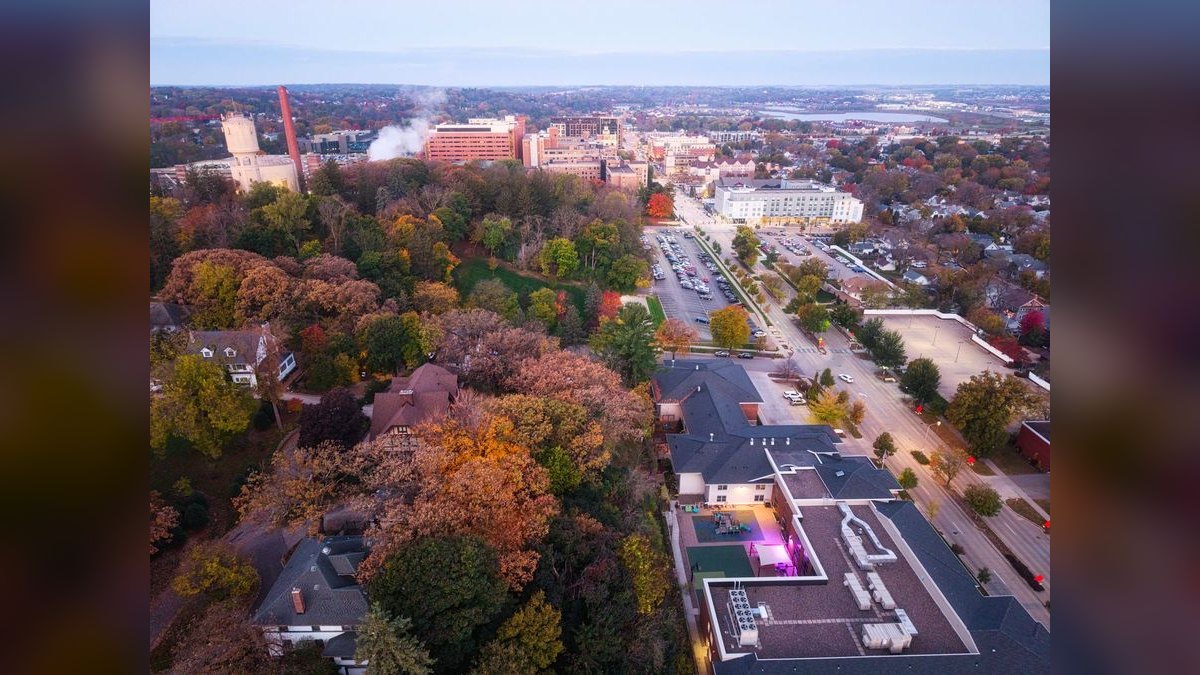
County: Hennepin | Median home: $560,000 | Best for: Families who want top schools and a walkable, upscale suburb close to downtown
Edina has long set the bar for Minnesota suburbs, and the case still holds. With a population near 53,000, it sits just southwest of Minneapolis, putting downtown jobs roughly 15–20 minutes away via Highway 100 or Crosstown 62. The Edina Public Schools district is among the best in the state, with high graduation rates and strong test scores feeding into Edina High School. The median household income tops $115,000, crime is consistently low, and the town feels genuinely walkable around the 50th & France district and the Galleria, where boutiques, restaurants, and cafes draw visitors from across the metro. Parks, the Edina Aquatic Center, and the Braemar Golf Course round out a lifestyle that pairs convenience with polish. The vibe is established, well-kept, and family-centered without feeling sleepy.
Pros:
- Among the highest-rated public school districts in Minnesota
- Walkable 50th & France and Galleria shopping districts
- 15–20 minute commute to downtown Minneapolis
- Low crime and strong, stable home values
Cons:
- Home prices are among the highest in the metro
- Older housing stock often needs updating
Verdict: Edina wins on balance — elite schools, walkability, low crime, and a short commute with no real weak spot.
2. Eden Prairie
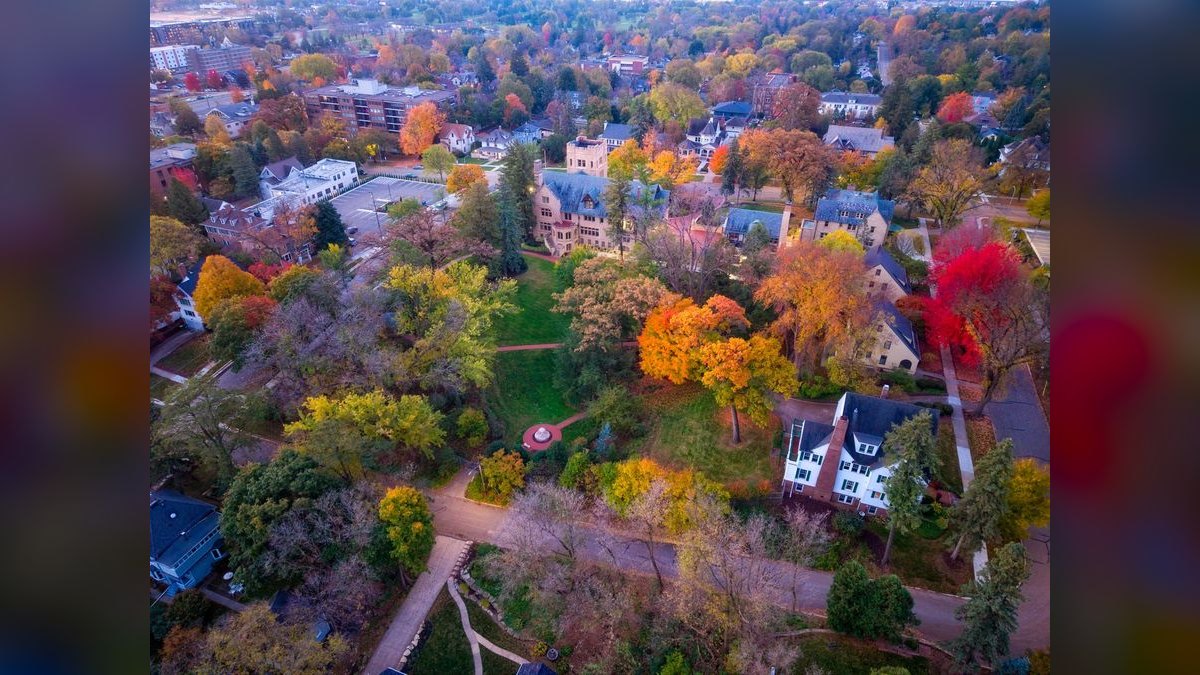
County: Hennepin | Median home: $480,000 | Best for: Professionals who want top schools, jobs, and lakes
Eden Prairie, with a population near 64,000, has topped national "best places to live" lists and earns its reputation. The Eden Prairie Schools district rates highly, and the town blends a major employment base — including corporate campuses and the Eden Prairie Center mall — with abundant green space. There are more than 170 miles of trails, 17 lakes, and the Staring Lake amphitheater for summer concerts. The median household income approaches $110,000, crime is low, and the commute to downtown Minneapolis runs about 25 minutes via I-494 and Highway 212. It is suburban and spread out, but the amenities and school quality make it a perennial family favorite.
Pros:
- Highly rated Eden Prairie school district
- 170+ miles of trails and 17 lakes
- Strong local job base and corporate campuses
- Low crime with consistent home-value growth
Cons:
- Car-dependent with limited walkable districts
- Larger lot sizes mean less neighborhood density
Verdict: A standout for active families who want schools, jobs, and outdoor access in one well-run suburb.
3. Wayzata

County: Hennepin | Median home: $720,000 | Best for: Buyers who want lakefront living and a charming downtown
Wayzata is small — a population near 4,700 — but punches far above its size thanks to its setting on the north shore of Lake Minnetonka. The walkable downtown along Lake Street is packed with upscale restaurants, boutiques, and the lakefront Wayzata Beach and depot. Homes here are pricey, with a median near $720,000 and lakefront properties reaching well into seven figures, but the Wayzata Public Schools district consistently ranks among Minnesota's elite. The median household income exceeds $130,000, crime is very low, and downtown Minneapolis sits about 20 minutes east via I-394. The vibe is refined, scenic, and walkable in a way few Minnesota suburbs match.
Pros:
- Lakefront setting on Lake Minnetonka
- Charming, genuinely walkable downtown
- Top-ranked Wayzata school district
- Very low crime and strong resale demand
Cons:
- One of the highest costs of entry in the state
- Very limited inventory of affordable homes
Verdict: The premier lakeside pick — ideal if a walkable downtown and water views top your list and budget allows.
4. Minnetonka
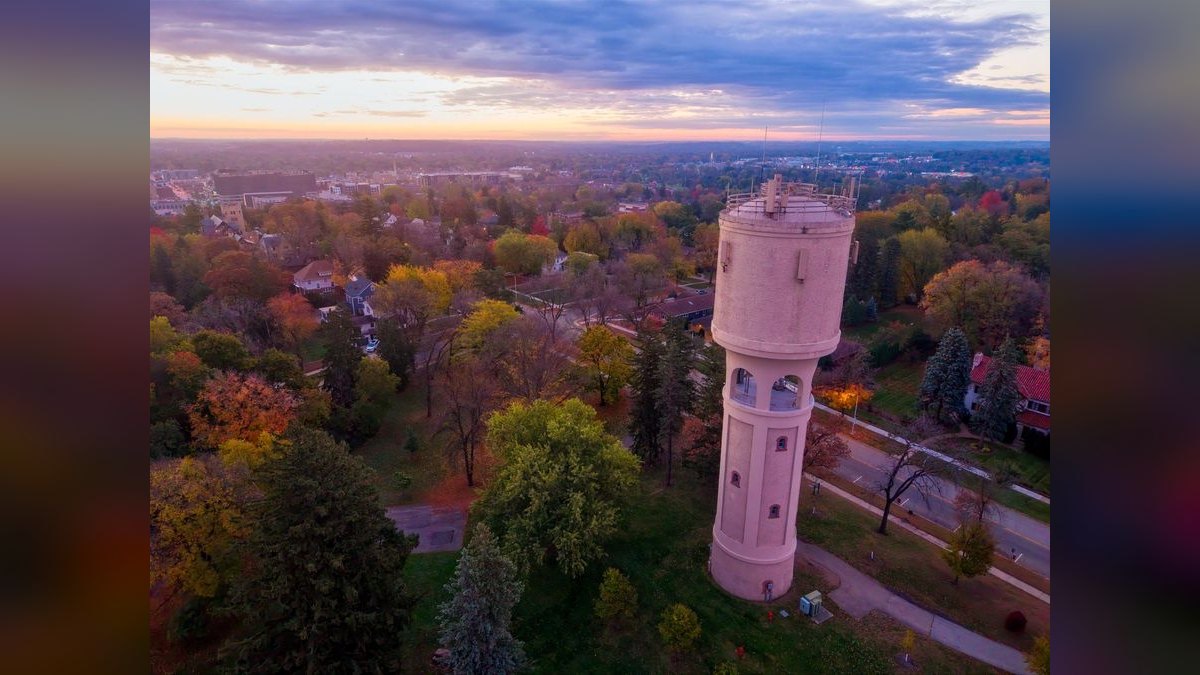
County: Hennepin | Median home: $470,000 | Best for: Families who want wooded lots, lakes, and good schools
Minnetonka, with a population near 53,000, offers a leafy, lake-dotted alternative to its flashier neighbor Wayzata. The town is split between the well-regarded Minnetonka and Hopkins school districts, both of which rate strongly. Wooded lots, Lake Minnetonka access, and the Ridgedale Center shopping hub define daily life, and the median household income tops $105,000. Crime is low, and the commute to downtown Minneapolis runs about 20 minutes via I-394. Buyers get mature trees, larger lots, and lake access for less than Wayzata or Edina, making Minnetonka a frequent compromise pick for established families.
Pros:
- Wooded lots with Lake Minnetonka access
- Two strong school districts to choose from
- 20-minute commute to downtown Minneapolis
- More space and value than neighboring Wayzata
Cons:
- Spread out and car-dependent
- Fewer walkable downtown amenities than Wayzata
Verdict: A leafy, lake-adjacent value within the elite west-metro suburbs — great for space-seeking families.
5. Woodbury
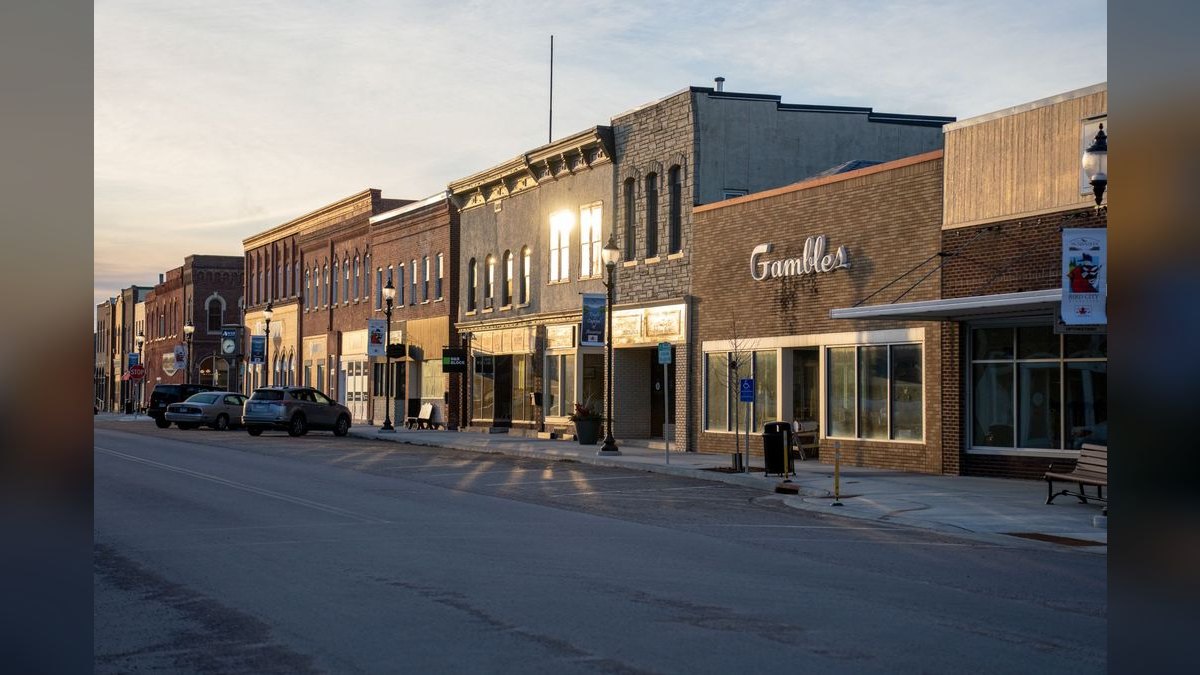
County: Washington | Median home: $440,000 | Best for: East-metro families who want newer homes and amenities
Woodbury is the east metro's growth star, with a population near 80,000 that has expanded rapidly thanks to newer housing and easy I-94 access to St. Paul, about 15–20 minutes away. The South Washington County school district serves the area well, and the town is loaded with amenities: the HealthEast Sports Center, Central Park, the CityWalk trail system, and major retail at Woodbury Lakes and Tamarack Village. The median household income tops $110,000, and crime stays low. Newer construction means modern floor plans and lower maintenance than older inner-ring suburbs, drawing families who want move-in-ready homes near St. Paul.
Pros:
- Newer housing stock and modern amenities
- 15–20 minute commute to St. Paul via I-94
- Extensive parks, trails, and retail
- Low crime with strong family appeal
Cons:
- Rapid growth has stretched some infrastructure
- Sprawling layout limits walkability
Verdict: The east-metro pick for families who want newer homes, amenities, and a quick St. Paul commute.
6. Maple Grove
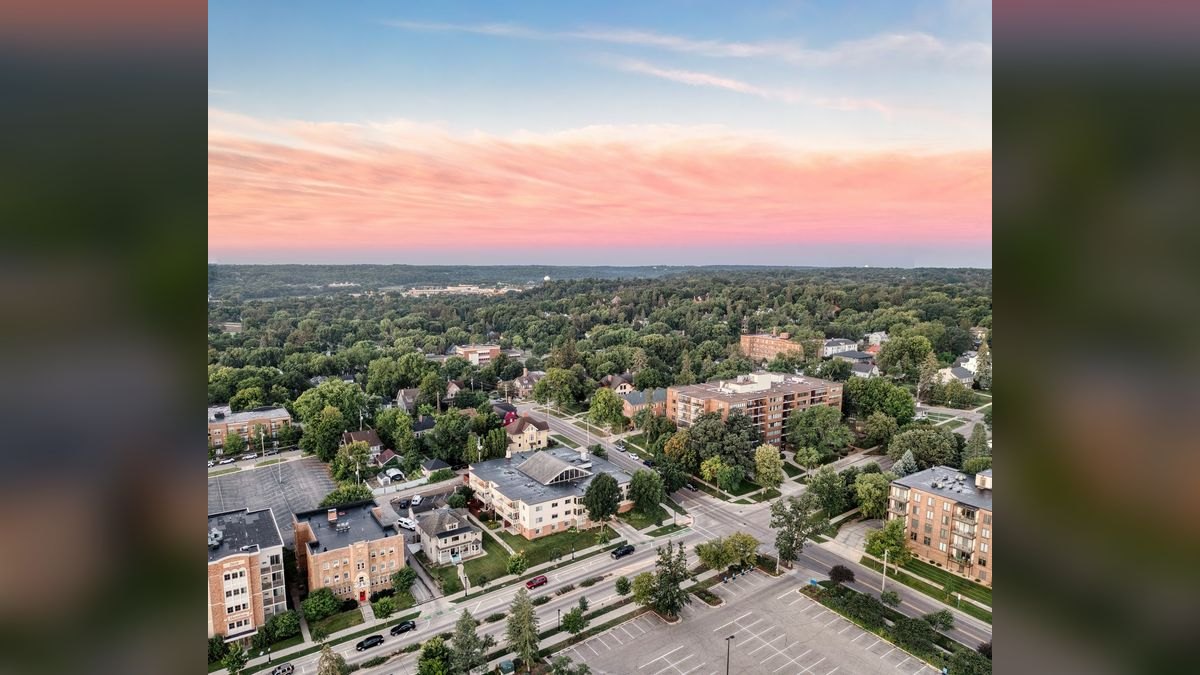
County: Hennepin | Median home: $420,000 | Best for: Northwest-metro families who want retail, parks, and value
Maple Grove, with a population near 71,000, anchors the northwest metro and pairs strong amenities with relative affordability. The Osseo Area Schools district serves the area, and the town is a regional shopping destination thanks to The Shoppes at Arbor Lakes and the Maple Grove Arboretum. Outdoor access is excellent, with the Elm Creek Park Reserve — one of the largest in the metro — on its doorstep. The median household income tops $105,000, crime is low, and the commute downtown runs about 25 minutes via I-94 and Highway 169. For buyers who want suburban amenities without west-metro prices, Maple Grove delivers.
Pros:
- Major retail and dining at Arbor Lakes
- Adjacent to the huge Elm Creek Park Reserve
- More affordable than west-metro peers
- Low crime and steady home-value growth
Cons:
- Longer commute than inner-ring suburbs
- Heavy retail traffic on weekends
Verdict: A well-rounded northwest-metro value — strong amenities and parks at a friendlier price.
7. Rochester 💎 BEST VALUE

County: Olmsted | Median home: $300,000 | Best for: Buyers who want big-city amenities, jobs, and affordability outstate
Rochester is Minnesota's value champion. With a population near 122,000, it is the state's largest outstate city and the home of the Mayo Clinic, which anchors an unusually stable, recession-resistant job market. A median home price near $300,000 buys far more house than anywhere in the metro, while the median household income tops $75,000 and the cost of living sits below the state average. The Rochester Public Schools district is solid, crime is moderate-to-low, and the ongoing Destination Medical Center initiative is pouring billions into downtown amenities. Commutes are short by metro standards, and the Rochester International Airport adds convenience. For buyers willing to live outside the Twin Cities, the value is unmatched.
Pros:
- Median home near $300,000 — far below metro prices
- Mayo Clinic anchors a stable, high-paying job market
- Low cost of living and short commutes
- Billions in downtown investment via Destination Medical Center
Cons:
- 80+ miles from the Twin Cities metro
- Winters and outstate isolation aren't for everyone
Verdict: The clear value leader — Mayo-anchored stability and big-city amenities at a fraction of metro prices.
8. Northfield

County: Rice | Median home: $340,000 | Best for: Families who want a college-town feel south of the metro
Northfield, with a population near 21,000, is a classic Minnesota college town, home to both Carleton College and St. Olaf College. That academic anchor gives the historic downtown along the Cannon River an unusual mix of culture, bookstores, and restaurants for a town its size. The Northfield Public Schools district rates well, the median household income tops $70,000, and crime is low. A median home near $340,000 keeps it affordable, and the commute to the southern metro runs about 40 minutes via I-35. The vibe is walkable, friendly, and intellectually lively — a draw for families and retirees who want charm without metro prices.
Pros:
- Historic, walkable downtown on the Cannon River
- Two respected liberal-arts colleges in town
- Affordable median home near $340,000
- Low crime and a strong sense of community
Cons:
- 40-minute commute to the southern metro
- Smaller local job market outside the colleges
Verdict: A charming college-town pick — walkable, cultured, and affordable for families who don't need a daily metro commute.
9. Stillwater

County: Washington | Median home: $420,000 | Best for: Buyers who want historic charm on the St. Croix River
Stillwater, with a population near 19,000, bills itself as the birthplace of Minnesota and delivers some of the most scenic riverfront living in the state along the St. Croix River. The historic downtown is packed with antique shops, restaurants, and the famous lift bridge, drawing weekend visitors year-round. The Stillwater Area Schools district rates well, the median household income tops $90,000, and crime stays low. A median home near $420,000 reflects the charm and the views, and the commute to St. Paul runs about 30 minutes via Highway 36. The vibe is historic, walkable, and tourism-friendly without losing its small-town core.
Pros:
- Scenic St. Croix riverfront and historic downtown
- Walkable shops, restaurants, and the lift bridge
- Strong Stillwater Area school district
- Low crime with a tight community feel
Cons:
- 30-minute commute to St. Paul
- Tourism traffic crowds downtown on weekends
Verdict: The river-town charmer — perfect for buyers who want history, walkability, and scenery near the east metro.
10. Plymouth
County: Hennepin | Median home: $470,000 | Best for: Northwest-metro families who want lakes, trails, and top schools
Plymouth, with a population near 81,000, rounds out the list as one of the metro's largest and most consistently praised suburbs. It is split among the strong Wayzata and Robbinsdale school districts, and it offers an exceptional park system with the French Regional Park, Medicine Lake, and miles of trails. The median household income tops $110,000, crime is low, and the commute downtown runs about 20–25 minutes via I-494 and Highway 55. With abundant lakes, modern housing, and easy access to both the northwest and west metro, Plymouth is a dependable family choice that rarely disappoints.
Pros:
- Access to top Wayzata-area schools
- Medicine Lake, French Regional Park, and extensive trails
- 20–25 minute commute to downtown Minneapolis
- Low crime and strong, stable home values
Cons:
- Spread out and car-dependent
- Fewer walkable downtown districts
Verdict: A reliable, lake-rich family suburb — strong schools and parks make it a safe long-term bet.
Which Town Is Right for You?
What to Look For When Choosing a Town in Minnesota
- School district boundaries — Many Minnesota suburbs straddle two districts, so confirm exactly which one serves a specific address before buying. The difference can swing home value and daily life.
- Commute and highway access — Winter driving makes a 15-minute commute feel very different from a 40-minute one. Check proximity to I-494, I-94, Highway 100, or I-35 for your specific job.
- Property taxes — Rates vary meaningfully by county and city; Hennepin and Washington county levies differ, so factor the annual tax bill, not just the sticker price.
- Lake and park access — Minnesota's quality of life leans on its water and trails. Confirm whether lake access is public, association-only, or private before paying a premium.
- Housing age and condition — Inner-ring suburbs like Edina and Minnetonka have older stock that may need updating, while Woodbury and Maple Grove offer newer construction.
- Winter readiness — Snow-removal services, garage availability, and heating costs matter more here than in most states.
What matters less than marketing implies: glossy "best suburb" badges and trendy new developments. A short commute, the right school boundary, and a manageable tax bill will shape your daily life far more than a town's reputation.
FAQ
What is the best town to live in Minnesota overall? Edina earns our top spot for combining elite Edina Public Schools, a walkable 50th & France district, low crime, and a 15–20 minute commute to downtown Minneapolis, all with strong, stable home values.
What is the best-value town to live in Minnesota? Rochester is our value leader, with a median home near $300,000, Mayo Clinic-anchored job stability, and a low cost of living that stretches a paycheck far further than the Twin Cities metro.
Which Minnesota suburbs have the best schools? Edina, Wayzata, Eden Prairie, Minnetonka, and Plymouth all feed highly rated districts; Wayzata and Edina consistently rank among the very best in the state.
Which Minnesota town is best for lake living? Wayzata offers the premier lakefront experience on Lake Minnetonka with a walkable downtown, while Minnetonka and Plymouth provide lake access for less.
Where can I find affordable homes near the Twin Cities? Maple Grove, Woodbury, and Northfield offer relatively affordable homes with strong amenities; outstate, Rochester delivers the most house for the money.
Which Minnesota town has the best downtown? Stillwater and Wayzata lead for walkable, scenic downtowns — Stillwater along the St. Croix River and Wayzata on Lake Minnetonka — while Northfield offers a lively college-town core.
Bottom Line
For Minnesota, Edina is our Best Overall town — elite schools, walkability, low crime, and a short Minneapolis commute with no real weak spot. Rochester, with a median home near $300,000 and Mayo Clinic stability, is our Best Value, delivering the most quality of life per dollar in the state.
If your priorities lean toward lakefront living, a historic downtown, or newer east-metro homes, use the decision tree above to route yourself to Wayzata, Stillwater, or Woodbury instead. Buy on school boundaries, commute, and total cost — not reputation alone — and you'll be happy for years.
Related on PULSE
- [10 Best Lake Towns to Live in 2027](/knowledge/tn0141)
- [10 Best Affordable Cities to Live in 2027](/knowledge/tn0140)
- [10 Best Cities for Young Professionals to Live in 2027](/knowledge/tn0139)
- [10 Best College Towns to Live in 2027](/knowledge/tn0138)
- [10 Best Beach Towns to Live in 2027](/knowledge/tn0137)
- [10 Best Mountain Towns to Live in 2027](/knowledge/tn0136)
Sources
- Niche — Best Places to Live in Minnesota
- U.S. Census Bureau — Minnesota QuickFacts
- Zillow — Minnesota Home Values
- Realtor.com — Minnesota Housing Market
- BestPlaces — Minnesota Cost of Living and Crime
- GreatSchools — Minnesota School Ratings
- Money — Best Places to Live
- Livability — Top Places to Live
- Olmsted County / City of Rochester, MN
- City of Edina, MN — Official Site
*best towns to live in Minnesota review — where to live, rankings, home prices, schools, and a review of the best places to live in MN.*
People also search for: best towns to live in minnesota · top towns to live in minnesota · top rated towns to live in minnesota · top ranked towns to live in minnesota · highest rated towns to live in minnesota · towns to live in minnesota reviews
Read it free — or make it yours for $1.
@Kory-White- · if Venmo asks, the last 4 of my number are 2012
 pulse-townsTop 10 Best Suburbs of Houston in 2027
 pulse-townsTop 10 Best Suburbs of Charlotte in 2027
 pulse-townsTop 10 Best Towns to Live in New Hampshire in 2027
 pulse-townsTop 10 Best Suburbs of Salt Lake City in 2027
 pulse-townsTop 10 Best Suburbs of Chicago in 2027
 pulse-townsTop 10 Best Towns to Raise a Family in Maryland in 2027
 pulse-townsTop 10 Best Suburbs of Atlanta in 2027
 pulse-townsTop 10 Best Suburbs of Phoenix in 2027
 pulse-townsTop 10 Best Towns to Live in the American South in 2027
 pulse-townsTop 10 Best Towns to Live in Oregon in 2027