

How Much Does It Cost to Buy a Home in a Suburb in 2027?

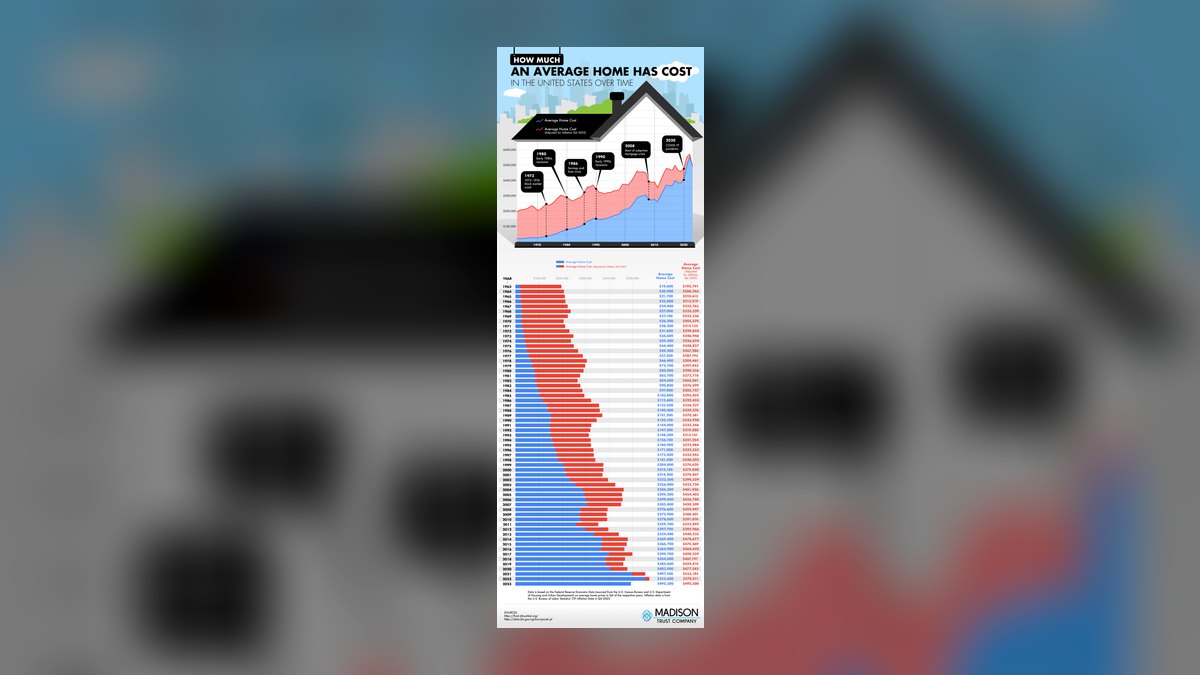
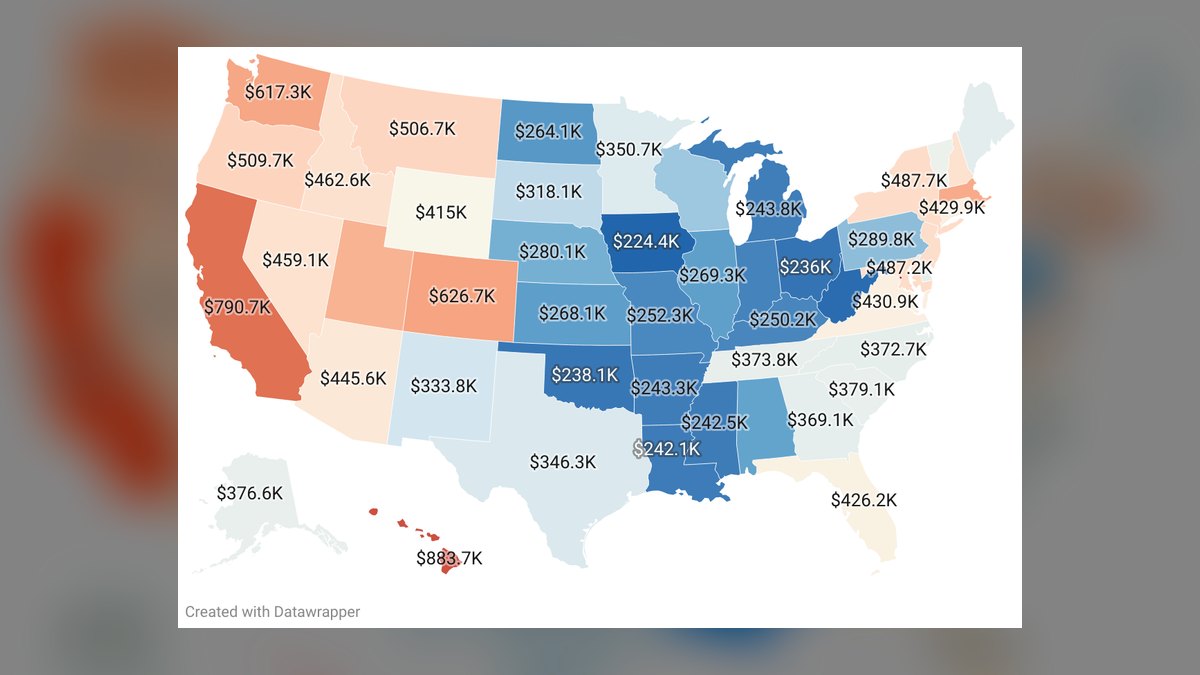
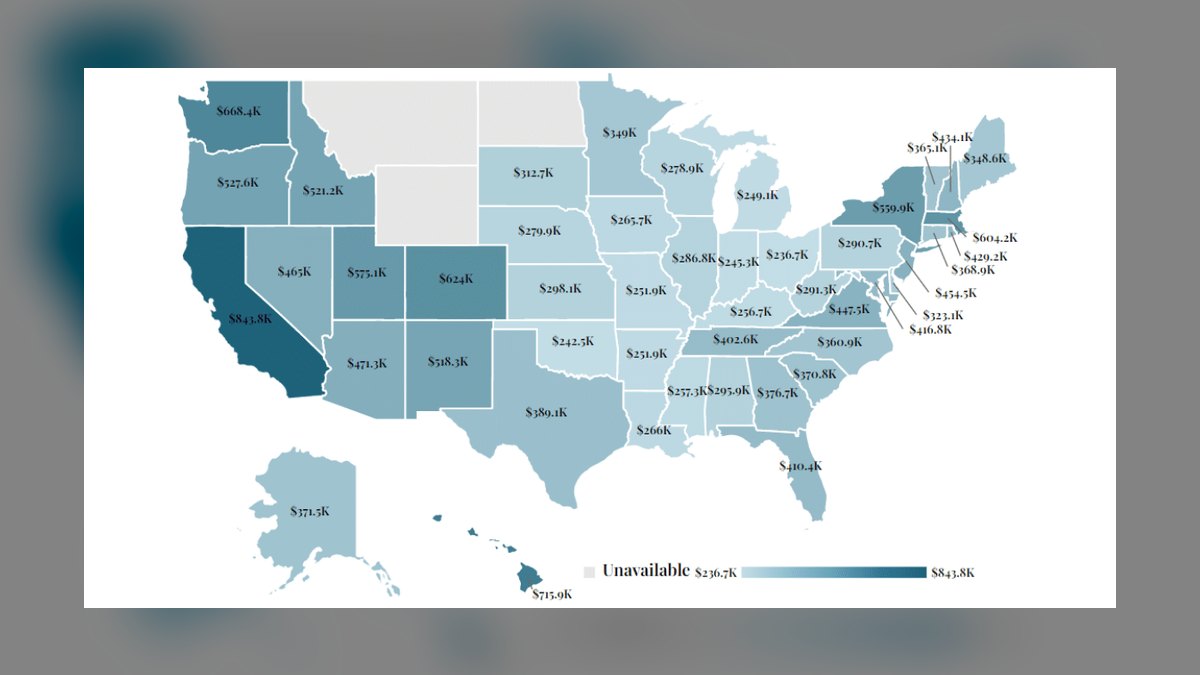
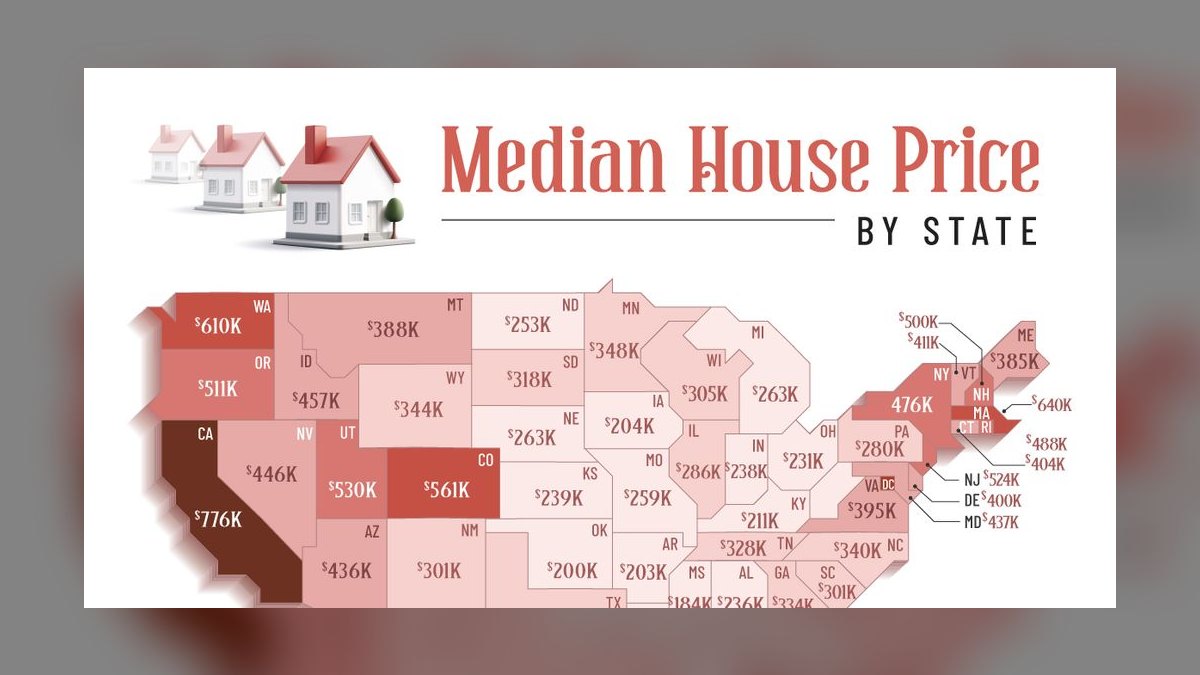
Buying a suburban home in 2027 realistically means a purchase price in the mid-$300,000s to low-$500,000s in most U.S. metros, plus 2–5% in closing costs and a down payment between 3% and 20%. All-in monthly carrying cost — principal, interest, taxes, insurance — typically lands between $2,400 and $3,600.
Two paths into a suburb: buy the finished product or buy the fixable one
Almost every suburban purchase in 2027 resolves into one of two strategies, and the difference between them is worth roughly $60,000 to $120,000 in lifetime cost. The first path is the move-in-ready resale or new-build in an established or newly platted subdivision. The second is the older, structurally sound but cosmetically dated house — often 1960s–1990s stock in an inner-ring suburb — bought at a discount and improved over three to seven years.
The move-in-ready path buys certainty. You know the monthly payment on day one, you know the roof age from the disclosure, and if it's new construction you usually get a builder warranty covering workmanship for a year and structural elements for eight to ten. What you pay for that certainty is a premium over comparable older stock in the same school district — commonly 10% to 25%, and higher in metros where new supply is constrained by lot availability rather than by demand. You also inherit whatever the builder chose to economize on: builder-grade HVAC, thin insulation packages that meet code but not much more, and landscaping that will need $4,000–$10,000 of work to look like the model home.

The fixable path buys equity potential and monthly slack. An identical-footprint 1978 colonial two miles closer to the core might list $70,000 under the new build, and because older inner-ring suburbs frequently sit on larger lots with mature trees, the land component of the value is higher. The trade is that you are now the general contractor for a rolling sequence of deferred maintenance. A roof is $12,000–$28,000 depending on pitch, square footage, and material. A full HVAC replacement runs $8,000–$16,000 for a standard split system, more if ductwork is undersized. A panel upgrade from 100A to 200A — increasingly necessary if you plan on an EV charger or a heat pump — is $2,000–$4,500. Windows across a 2,000-square-foot house can eat $15,000–$30,000.
There is a third path worth naming because it distorts the comparison: the exurban new build twenty-five minutes further out. Builders push inventory outward when close-in lots price out, so the cheapest new construction in any metro is almost always at the edge of the commuting shed. It is genuinely cheaper on the purchase price — often 15% to 20% below the same builder's closer-in community — but the cost migrates into transportation. Two commuters adding fifteen miles each way, five days a week, adds roughly 7,500 annual miles per vehicle. At an all-in operating cost of $0.55–$0.70 per mile, that's $4,000–$5,000 a year per car, which is $330–$420 monthly that never shows up in a mortgage calculator.
Choosing between them without guessing
The decision is not really "new versus old." It's a question of which risk you'd rather hold: price risk (paying a premium for a known quantity) or execution risk (buying a discount you have to earn back with capital and time). The honest way to choose is to force both options onto the same monthly line and then stress the assumptions.
Start with total monthly outlay, not the mortgage payment. That means principal and interest, property tax, homeowners insurance, mortgage insurance if you're under 20% down, HOA dues, and a maintenance reserve. That last one is the item buyers skip and then discover the hard way. A defensible reserve on a newer home is 1% of value annually; on a 40-year-old home with original systems, budget 1.5% to 2%. On a $420,000 house, that's $350/month versus $525–$700/month — a swing large enough to flip which house is actually cheaper.
Then stress three variables. First, rate: if your qualifying rate moved a full point, does the payment still clear your comfort threshold? Second, insurance: premiums have moved sharply in wind-, wildfire-, and hail-exposed suburbs, and a quote is only good for the term. Get a real bindable quote before you remove contingencies, not a rule-of-thumb estimate. Third, taxes: in most states, the assessment resets or trues up after a sale, so the seller's current tax bill can badly understate yours. Ask the county assessor how reassessment works on transfer, and model the post-sale number.
Finally, weigh the horizon. Transaction costs on a round trip — roughly 2–5% to buy, 6–9% to sell once you include agent compensation and transfer taxes — mean a suburban home generally needs three to five years of ownership and modest appreciation just to break even against renting. If your job, family situation, or preferred district is likely to change inside that window, the fixable-house discount is largely theoretical: you won't be there long enough to harvest it.
mermaid flowchart LR A["12 to 6 months out"] --> B["Repair credit, cut utilization, hold job steady"] B --> C["6 to 3 months: shop 3 lenders in one window"] C --> D["Compare Loan Estimates on APR and lender fees"] D --> E["3 months: pick geography"] E --> F["School boundaries, commute, FEMA flood zone"] F --> G["Offer accepted"] G --> H["Inspection, sewer scope, radon"] H --> I{"Material defects found?"} I -->|Yes| J["Negotiate credit or price"] I -->|No| K["Proceed"] J --> K K --> L["Appraisal"] L --> M{"Appraises at contract?"} M -->|No| N["Renegotiate, bring cash, or exit"] M -->|Yes| O["Closing Disclosure review 3 days prior"] O --> P["Fund and close"] </parameter> </invoke>
How suburb type changes the whole equation
"Suburb" covers wildly different products, and the cost profile diverges sharply by type. Understanding which one you're shopping prevents comparing numbers that aren't comparable.
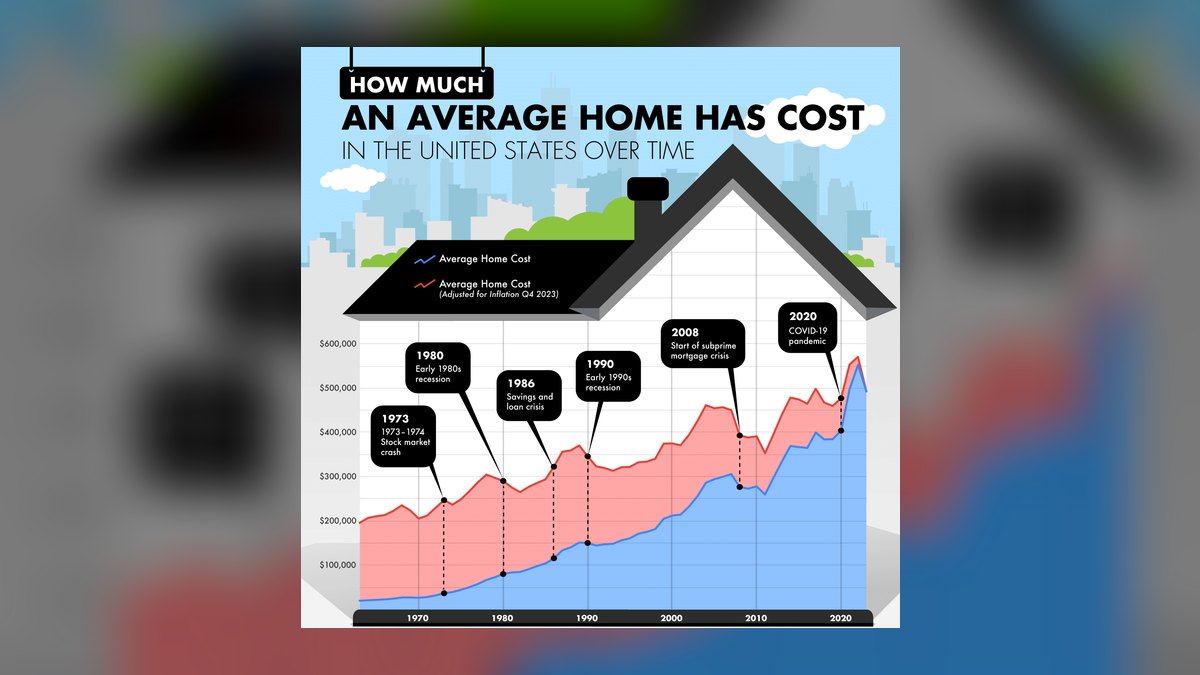
The inner-ring suburb — built out roughly 1945–1980, adjacent to the core city, often with its own small downtown — carries the highest price per square foot and the lowest transportation cost. Housing stock is smaller and older, lots are frequently generous, and infrastructure is mature, which cuts both ways: the streets and sewers exist, but they're aging, and municipalities increasingly fund replacement through assessments. These suburbs typically have the highest property tax rates of the three types because they have full municipal services and a slower-growing tax base.
The outer-ring or growth suburb — the 1990s-through-present subdivision belt — is where most inventory sits. Larger houses, smaller lots, HOAs nearly universal, and newer systems that won't need replacement for a decade. Prices per square foot are lower than inner-ring, but total prices are often higher because the houses are bigger. This is also where special assessment districts cluster, because the developer financed the roads and utilities through bonds that the homeowners repay.
The exurb — beyond the continuous built-up area, often on well and septic — is where the sticker price drops the most and the hidden costs concentrate the hardest. A well means a pump that fails every 10–15 years ($1,200–$3,000) and water testing you now perform yourself. A septic system means pumping every three to five years ($350–$700) and a drain field replacement that runs $8,000–$25,000 when it eventually fails. Propane instead of natural gas typically costs more per BTU delivered. Internet options may be limited to fixed wireless or satellite, which matters enormously if anyone works from home. And the transportation math from earlier applies at full force.
There's an adjacent product worth mentioning because it increasingly competes for the same buyer: the suburban townhouse or attached home. Prices commonly run 15–25% below detached houses in the same district, exterior maintenance moves into the HOA, and the smaller footprint cuts utilities. The trade is higher monthly HOA dues ($200–$450 is typical), shared walls, less land, and a resale market that tends to be softer than detached in downturns because the buyer pool is narrower.

One more adjacent scenario: buying a suburban home as a rental rather than a residence changes several inputs. Investment-property financing typically requires 15–25% down, carries a rate premium of roughly 0.5–0.875 points over owner-occupied, and does not qualify for FHA or VA. Insurance shifts to a landlord policy. But the cost stack you build for a residence is the same stack — you just add vacancy allowance (5–10% of gross rent), management (8–10% if you're not self-managing), and turnover cost.
Where buyers most often get the math wrong
The failure mode is almost never the mortgage payment. It's everything orbiting it.

Anchoring to the seller's tax bill. In states with acquisition-value assessment or homestead caps, a long-tenured seller's tax bill can be half of what a new buyer will owe. Call the assessor's office and ask directly: "If this property sells at $420,000, what is the estimated first-year tax bill?" They answer that question routinely.
Treating an insurance estimate as a quote. In hail, wind, and wildfire regions, carriers have restricted appetite and repriced hard. A generic estimate of $1,200 can come back as a bindable quote of $3,400 — or a declination — and by then you may be past your contingency deadline. Quote it during inspection, not after.

Skipping the maintenance reserve entirely. Most buyers budget to the payment and then finance the first roof on a credit card at 22%. A house is a depreciating asset sitting on an appreciating one; the structure genuinely wears out, and a reserve is not optional, it's deferred.
Ignoring the round-trip cost of a wrong-district purchase. Buying in a district you'll want to leave inside two years costs 8–14% of value round-trip. Rent for a year in the target area first if you're uncertain. The rent is cheaper than the transaction.

Maxing the pre-approval. Underwriting qualifies on gross income and doesn't know about your childcare, your 401(k) contribution, or your commute. The pre-approval ceiling is a legal maximum, not a recommendation. Buying 10–15% under it is the single most reliable predictor of whether the purchase feels comfortable in year three.
Assuming the buydown is permanent. Builder and lender incentives frequently use temporary buydowns that step the rate up in years two and three. Ask explicitly whether the rate is bought down for the life of the loan or for a term, and model the year-three payment, not the year-one payment.
Related questions
Is a bigger down payment always better?
No. Twenty percent eliminates PMI and lowers the payment, but draining reserves to reach it is riskier than carrying PMI for two or three years. Keep six months of full housing cost liquid after closing, then put the rest down.
How much income do I need for a $420,000 suburban home?
Roughly $110,000–$140,000 household gross, depending on state tax rates, insurance market, HOA dues, and other debt. Keep total housing under about 30% of gross and all debt under 40%.
Do new-construction homes really cost less to own?
Lower maintenance and better efficiency for the first decade, yes. But HOA dues, special district assessments, landscaping, and window treatments frequently erase the difference in the first two years.
Should I wait for rates to drop before buying?
Rates are unforecastable, and price often moves inversely to them. Buy when your reserves, horizon, and job stability line up. Refinancing a rate is possible later; re-buying a house at a lower price is not.
What does an HOA actually cover?
Typically common-area maintenance, shared amenities, and covenant enforcement. Rarely your roof or systems unless it's an attached-home association. Read the reserve study — an underfunded association means future special assessments.
FAQ
How much cash do I actually need to buy a suburban home? Plan on the down payment plus 2–5% closing costs plus $3,000–$8,000 in immediate post-close expenses, and then keep three to six months of full housing cost in reserve on top of that. On a $420,000 house at 10% down, that's roughly $42,000 down, $12,000–$18,000 in closing, and $10,000–$20,000 in reserve — call it $65,000–$80,000 to do it comfortably. Low-down-payment programs cut the first number substantially but not the other two.
Why is the Cost of insurance suddenly such a large line? Carriers have repriced against higher rebuild costs and higher claim frequency in wind, hail, and wildfire regions. Labor and materials cost more than they did, so the replacement-cost figure driving your premium is higher even on an unchanged house. Some carriers have also narrowed where they'll write at all, which reduces competition in affected suburbs. Always get a bindable quote before your contingency expires.
Is it cheaper to buy in the Suburb or stay in the city? Per square foot, the suburb is almost always cheaper. Per household, it depends on transportation. If moving out adds two long commutes, $600–$800 monthly in vehicle operating cost can erase the housing savings. If the household works remotely or the commute is unchanged, the suburb usually wins on total cost, especially once you're comparing to a city rental with parking.
What's the single most common budgeting mistake? Omitting the maintenance reserve. Budget 1% of home value annually on newer construction and 1.5–2% on anything over roughly thirty years old. On a $420,000 Home that's $350–$700 monthly that most buyers never write down, and it's the reason the third year of ownership so often feels tighter than the first.
Do I need 20% down to buy in a competitive suburb? No. Conventional loans go to 3% for qualified first-time buyers, FHA to 3.5%, and VA and USDA to zero for eligible borrowers. Sellers sometimes prefer stronger down payments as a proxy for certainty, but a clean pre-approval, a realistic timeline, and a short inspection window compete effectively without a larger down payment.
How long do I need to stay for buying to beat renting? Generally three to five years. Round-trip transaction costs run 8–14% of value, so you need enough time for principal paydown and modest appreciation to cover them. Below three years, renting usually wins on pure math. Above five, ownership pulls ahead in most markets.
Sources
- https://www.consumerfinance.gov/owning-a-home/ — CFPB's buying-process guidance, Loan Estimate and Closing Disclosure explainers
- https://www.hud.gov/topics/buying_a_home — HUD homebuying resources and program eligibility
- https://www.census.gov/programs-surveys/ahs.html — American Housing Survey, housing characteristics and costs
- https://www.fhfa.gov/data/hpi — FHFA House Price Index, national and metro price trends
- https://www.freddiemac.com/pmms — Freddie Mac Primary Mortgage Market Survey, weekly mortgage rate data
- https://msc.fema.gov/portal/home — FEMA Flood Map Service Center, official flood zone determinations
- https://www.irs.gov/publications/p530 — IRS Publication 530, tax information for homeowners
- https://www.energy.gov/energysaver/energy-saver — DOE Energy Saver, home efficiency and utility cost guidance
- https://www.nar.realtor/research-and-statistics — National Association of Realtors research and housing statistics
- https://www.epa.gov/radon — EPA radon testing and mitigation guidance
Related on PULSE
- How much does it cost to rent versus buy in 2027?
- What are the real closing costs on a first home purchase?
- How do property taxes get reassessed after a home sale?
- What does homeowners insurance actually cover?
- How much should you budget for home maintenance each year?
- Is new construction worth the premium over an older home?
 pulse-recentWhat Is the Average Cost of Living in a Suburb in 2027?
 pulse-recentHow Much Does It Cost to Live in a Suburb in 2027?
 pulse-recentHow Much Does It Cost to Buy a Home in a Small Town in 2027?
 pulse-recentWhat Is the Average Home Price in a Suburb in 2027?
 pulse-townsTop 10 Best Towns to Live in the American South in 2027
 pulse-townsTop 10 Best Towns to Live in Virginia in 2027
 pulse-townsTop 10 Best Small Towns in Maryland in 2027
 pulse-townsTop 10 Best Suburbs of Philadelphia in 2027
 pulse-recentWhat Is the Average Cost of Living in a Small Town in 2027?
 pulse-townsTop 10 Best Towns on Maryland's Eastern Shore in 2027