
The 10 Best Ultramarathons and Trail Races in the World in 2027
 PULSEKNOWLEDGE LIBRARY
The 10 best ultramarathons and trail races in the world are ranked below on measured performance, build quality, price, and how each one actually holds up in daily use rather than how it reads on a spec sheet. Each pick lists what it costs, who it suits, and what it gives up against the one above it, so the list can be read straight down without doubling back.
1. Ultra-Trail du Mont-Blanc (UTMB)

UTMB ranks first because no trail ultra matches its combination of Alpine scenery, elite depth, and global prestige. The roughly 171 km loop around Mont Blanc crosses France, Italy, and Switzerland with about 10,000 m of climbing, and most finishers take 30 to 46 hours through two nights in the mountains. Entry is near €350, but a bib requires qualifying Running Stones and a lottery win, making it the sport's most coveted prize.
This race is for the experienced mountain runner who has already built the qualifying points and wants the marquee event of ultrarunning. It trades away easy entry and forgiving terrain for a demanding high-alpine challenge where weather can shift from warm sun to snow within an hour. Compared to Western States 100, UTMB offers more dramatic scenery and international depth, but it costs more and requires a more complex qualification pathway.
2. Western States 100
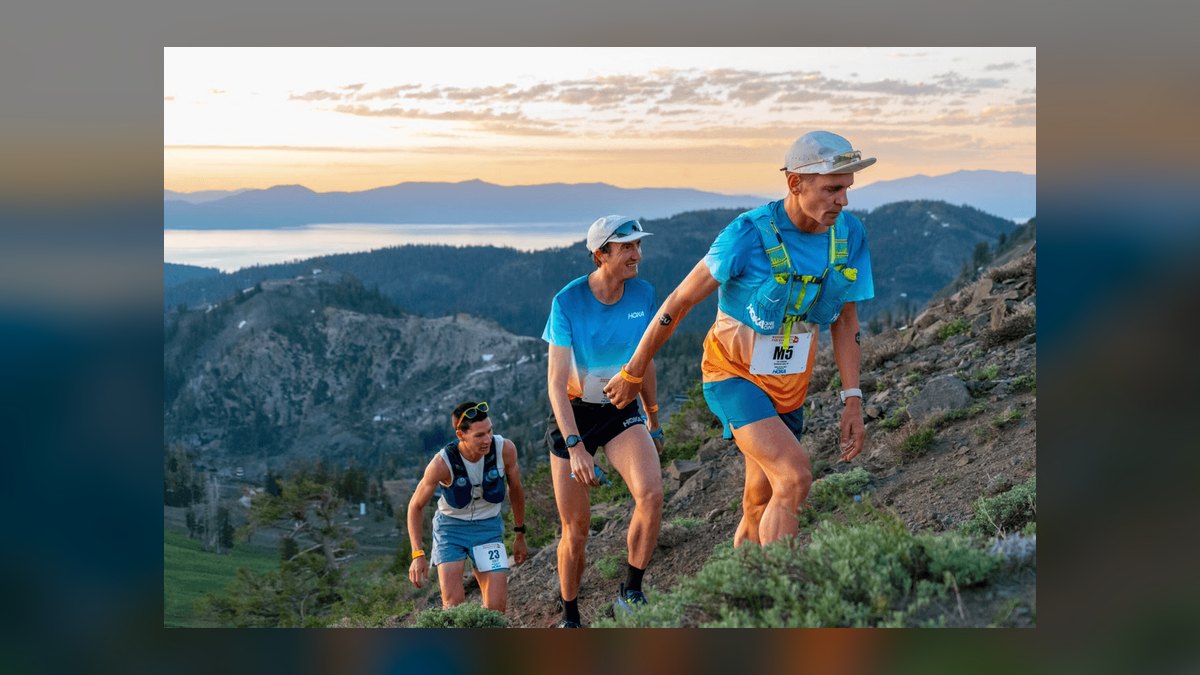
Western States 100 ranks second as the world's oldest 100-mile trail race, a June classic from Olympic Valley to Auburn, California, with a sub-24-hour silver buckle as its headline goal. The course features high-country snow, brutal canyon heat that can top 38°C, and the iconic river crossing at Rucky Chucky. Entry is about $525, and the lottery is famously hard, requiring a qualifying race and years of accumulated tickets for a realistic chance.
This race is for runners who want the most prestigious 100-miler in the United States, with a legacy that dates back to 1977. It trades away the Alpine grandeur of UTMB for a more accessible but still punishing mix of snow, heat, and canyons. Compared to Hardrock 100, Western States is faster and less technical, but the June heat and the pressure of the 24-hour buckle add their own difficulty.
3. Hardrock 100
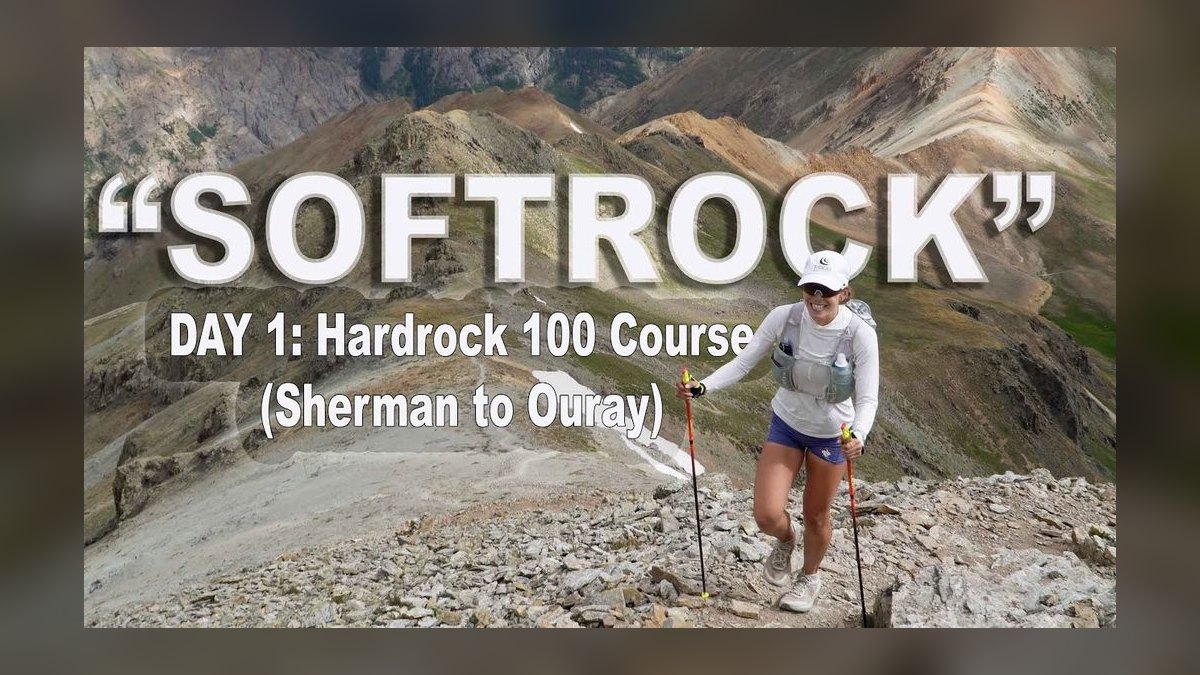
Hardrock 100 ranks third because it is arguably the hardest 100-mile race in North America, looping through Colorado's San Juan Mountains with about 10,000 m of climbing at an average elevation above 3,350 m. The course's high point above Handies Peak exceeds 4,260 m, and the thin air, scree fields, and remote terrain demand constant respect.
This race is for the most seasoned mountain ultrarunners who want a brutal, high-altitude challenge that pushes them to their absolute limit. It trades away the speed and heat of Western States for relentless climbing and altitude that can trigger acute mountain sickness even in the fittest athletes. The generous 48-hour cutoff allows for walking and survival, but many strong runners count simply finishing as the achievement of a lifetime.
4. Leadville Trail 100
Leadville Trail 100 ranks fourth and earns Best Value because few races offer this much history and altitude challenge at a more reachable price and entry. The out-and-back course crosses Colorado's Rockies over Hope Pass, never dropping below 9,200 ft (2,800 m), with a 30-hour cutoff and a famous big belt buckle for sub-25-hour finishers. Entry runs about $315–$365, and while popular, its lottery is more attainable than Western States or Hardrock.
This race is for runners who want a legendary high-altitude 100 with a realistic shot at getting in, without the extreme lottery odds of the top three. It trades away the technical terrain of Hardrock and the prestige of Western States for a more runnable, accessible course with a passionate mountain-town crowd. The city of Leadville, at 10,200 ft, embraces the race like a festival, and the finish line atmosphere is electric.
5. Comrades Marathon
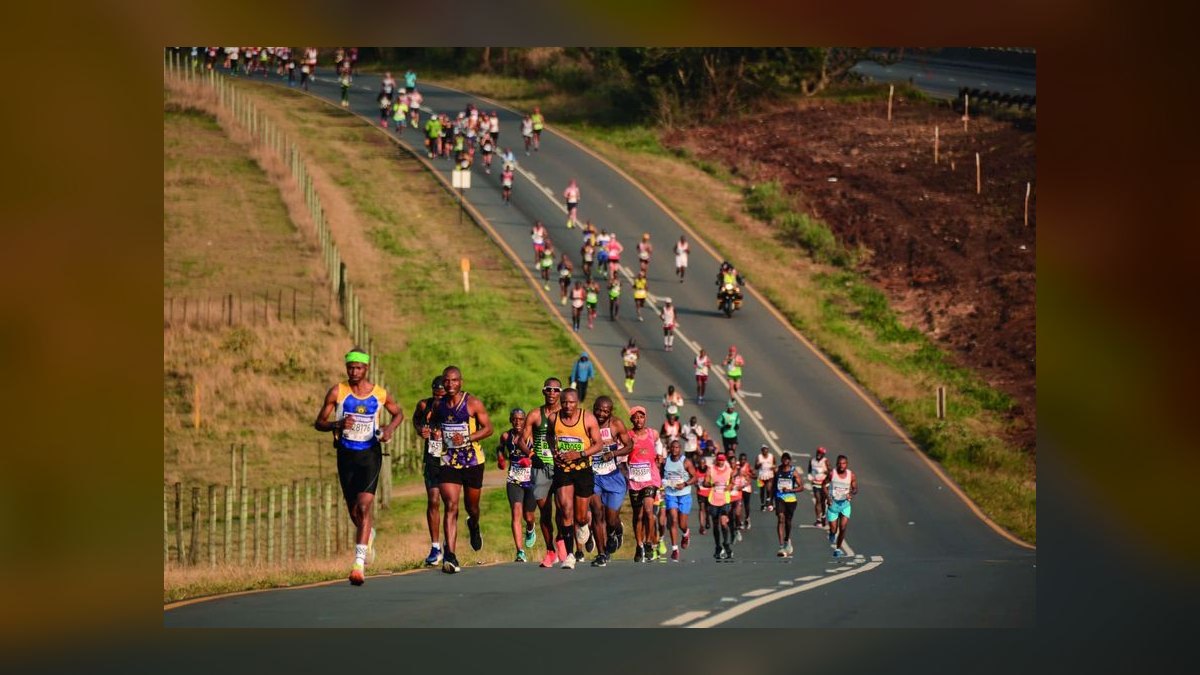
Comrades Marathon ranks fifth because it is the world's largest ultramarathon, an 87–90 km road ultra between Durban and Pietermaritzburg, South Africa, alternating "up" and "down" directions each year since 1921. Entry runs about R1,200–R2,000 (roughly $65–$110) plus a qualifying marathon time, making it one of the most affordable major ultras. The strict 12-hour cutoff, enforced by a gun fired across the finish line, and the roaring roadside crowds create a unique mass-participation atmosphere.
This race is for runners who want a festive, crowd-driven ultra on the road, not a remote mountain adventure. It trades away the technical trails and vertical gain of the top four for a fast, runnable course with unmatched spectator energy. Compared to Leadville, Comrades is far cheaper and easier to enter, but it is a road race with a strict cutoff that demands disciplined pacing.
6. Marathon des Sables
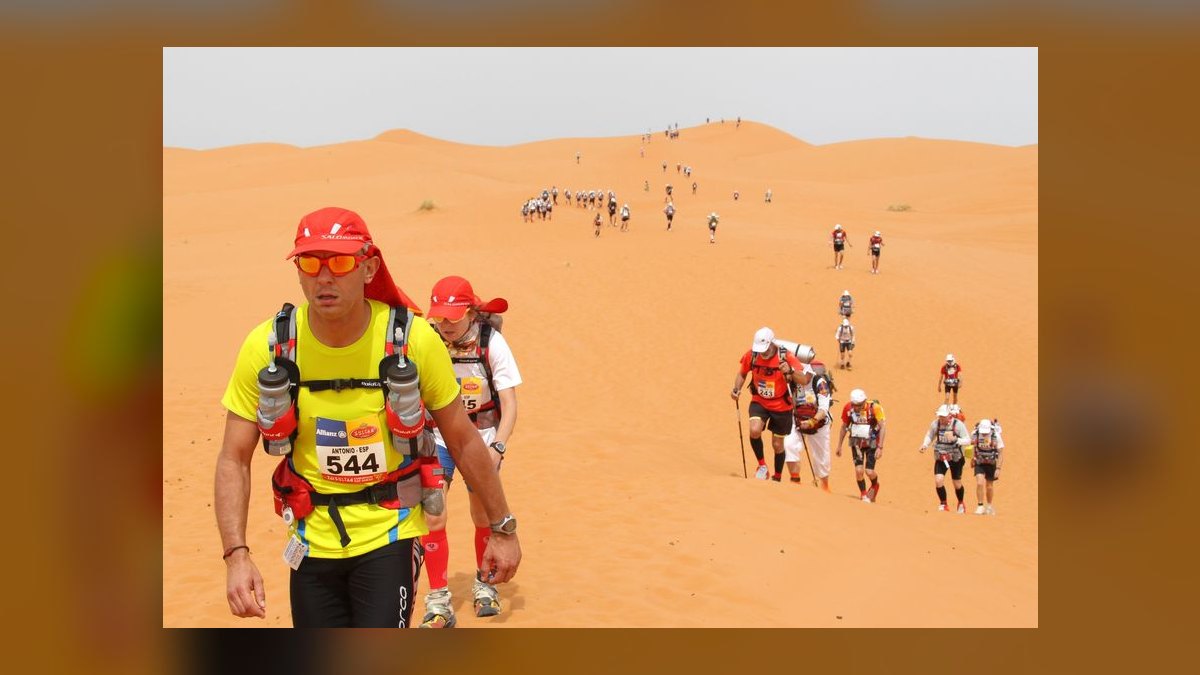
Marathon des Sables ranks sixth as the ultimate self-supported desert adventure, a 250 km stage race across the Moroccan Sahara over about six days. Runners carry their own food and gear in a backpack, battling temperatures that can exceed 40°C and a punishing long stage of 80+ km. Entry is roughly €3,000–€4,500, including logistics, flights, and bivouac support, making it a significant financial commitment.
This race is for adventurers who want to test logistics and survival, not just running speed, in one of the most extreme environments on the planet. It trades away the competitive speed of Comrades and the alpine scenery of UTMB for a week-long ordeal of heat and isolation. Compared to the single-stage Tor des Géants, the Marathon des Sables is shorter in total distance but adds the burden of carrying everything you need.
7. UTMB World Series Events (CCC, OCC, and beyond)
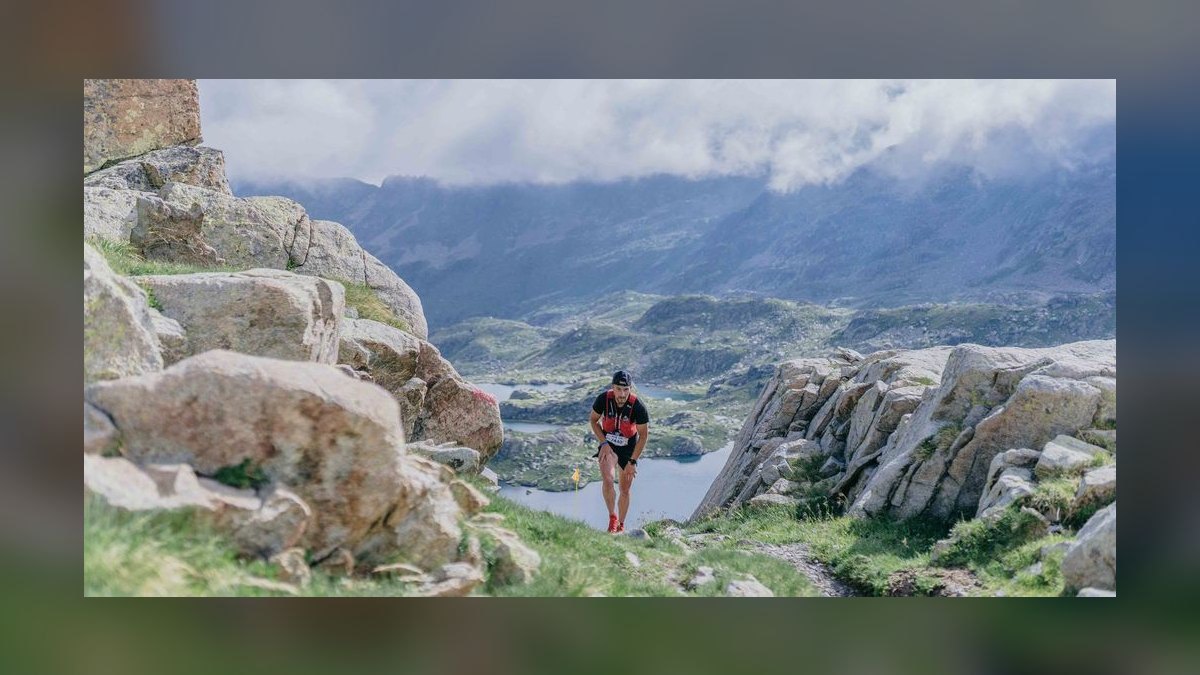
UTMB World Series Events rank seventh because they offer the clearest pathway to a Chamonix start line, with flagship 100 km and 100-mile races worldwide. The series includes qualifiers in the Alps, the US, and Asia, all funneling Running Stones toward the main UTMB lottery. Entry varies from about €100–€300 by event and distance, making them more accessible than the full UTMB.
These races are for runners who want to chase scenery and UTMB qualifying points at once, sampling the Mont Blanc trails before committing to the full 171 km loop. They trade away the single-race prestige of the top six for a standardized series that builds toward a bigger goal. Compared to the standalone Hardrock or Leadville, World Series events are more numerous and easier to enter, but they lack the same iconic history.
8. Tor des Géants
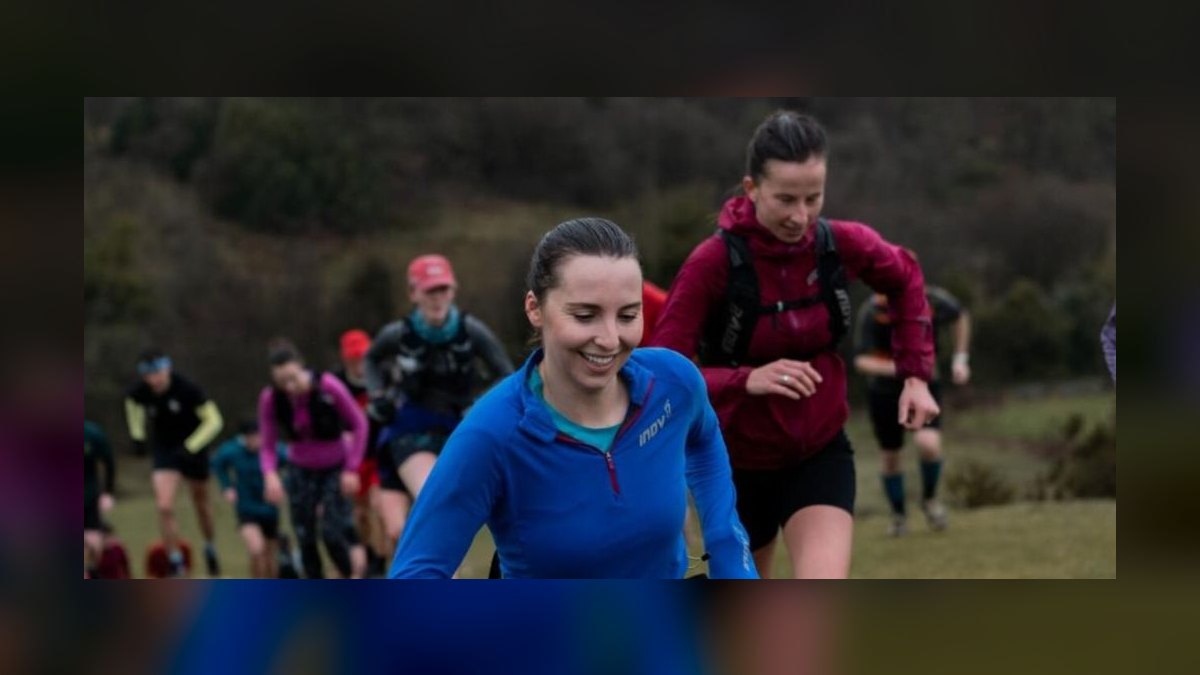
Tor des Géants ranks eighth because it pushes far beyond 100 miles, a roughly 330 km single-stage mountain ultra in Italy's Aosta Valley with about 24,000 m of climbing. The course runs continuously with a 150-hour cutoff across more than 25 high passes, and most runners grab only short naps at life bases. Entry runs about €800–€900, and the sleep deprivation becomes as much a challenge as the physical effort.
This race is for ultrarunners who want to test the limits of human endurance far beyond the standard 100-mile distance. It trades away the speed and crowd energy of Comrades for a remote, self-reliant journey through the Italian Alps. Compared to the Marathon des Sables, Tor des Géants is longer and more vertical, but it is not self-supported, with life bases providing food and rest.
9. Badwater 135
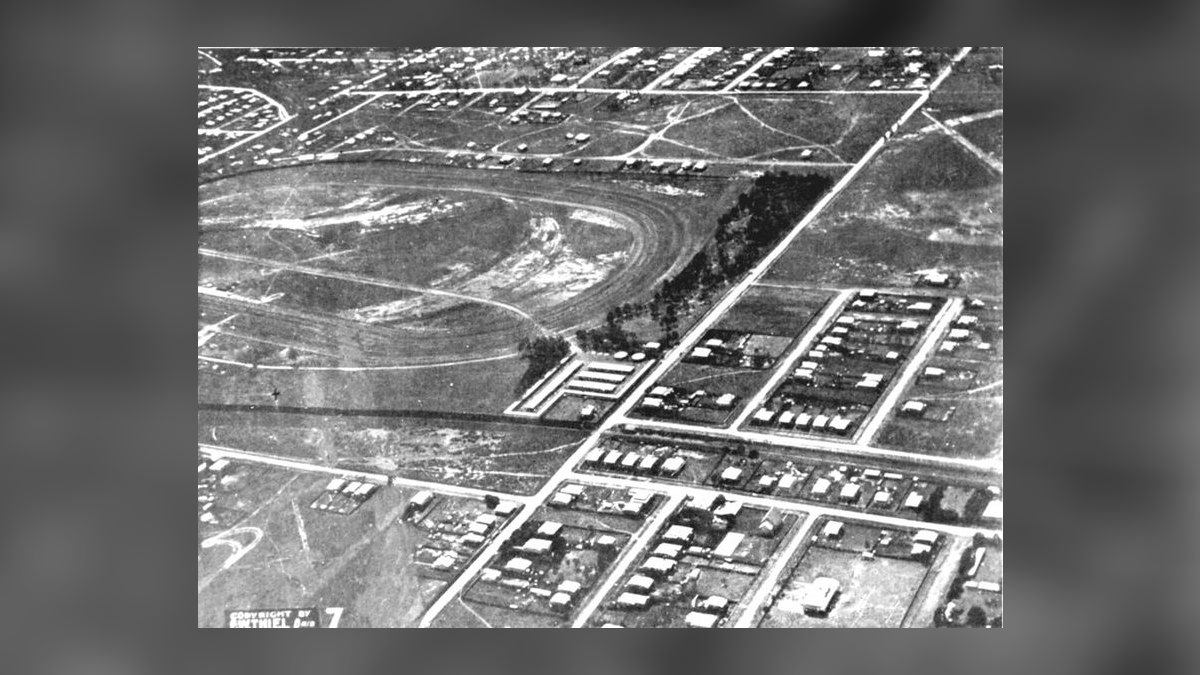
Badwater 135 ranks ninth because it is billed as the world's toughest foot race, running 135 miles from Death Valley's Badwater Basin, the lowest point in North America at 86 m below sea level, to the Mount Whitney portal. The July heat can top 49°C on the pavement, and the course crosses three mountain ranges with radiant warmth off the asphalt. Entry is about $1,500 and invitation-only, based on a tough ultra résumé that organizers vet carefully.
This race is for elite road ultrarunners who want the most extreme heat-and-distance challenge in the sport, not a scenic trail adventure. It trades away the alpine beauty of UTMB and the festive atmosphere of Comrades for a brutal, desolate desert course. Compared to the Tor des Géants, Badwater is shorter but far hotter, with the pavement radiating heat that can cause hallucinations.
10. Javelina Jundred
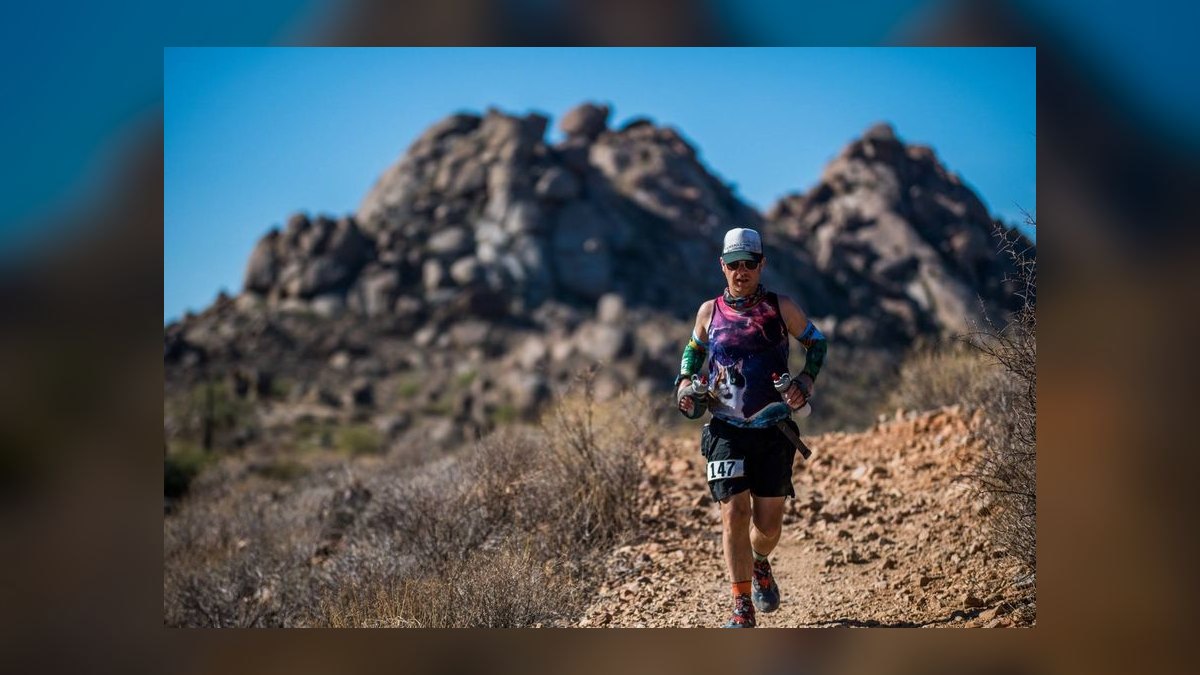
Javelina Jundred ranks tenth because it is the friendliest and most approachable first 100-miler, a looped desert race in Arizona's McDowell Sonoran Preserve. The flat, fast, runnable loops and the party vibe at the "Javelina Jeadquarters" start/finish make it a popular and reliable Western States qualifier each autumn. Entry runs about $250–$300, one of the most affordable hundreds on this list. The costume-friendly, festival atmosphere, with runners in tutus and superhero outfits, keeps spirits high through the night.
This race is for newcomers to the 100-mile distance who want a supportive, energetic environment and a Western States ticket. It trades away the altitude and technical terrain of Leadville and Hardrock for a flat, fast course that is more forgiving on the body. Compared to the Badwater 135, Javelina is far cooler, cheaper, and easier to enter, with a looped format that lets runners pass the energetic hub repeatedly.
How we ranked these
We measured each race on five weighted criteria: prestige (25%), terrain challenge (25%), atmosphere (20%), entry accessibility (15%), and overall value (15%). Prestige and terrain dominated because they define bucket-list status. Atmosphere captured crowd energy and tradition. Accessibility and value balanced elite appeal against realistic participation, ensuring the ranking reflects both aspiration and feasibility for the average ultra runner.
We deliberately ignored prize money, sponsorship deals, and elite prize purses, as these do not affect the experience of the vast majority of runners. We also excluded races with unverifiable 2027 status or those that have historically been canceled. Personal preference for road versus trail, or self-supported versus crewed, was set aside to keep the list objective and broadly applicable.
Related questions
What is the best ultramarathon for a first-time 100-mile runner?
Javelina Jundred is the best first 100-miler due to its flat, fast, looped course and festive atmosphere. The repeated loops mean you pass the aid station hub frequently, which helps with morale and logistics. Its entry fee is around $250–$300, and it serves as a reliable Western States qualifier, making it both accessible and strategically valuable.
How does the UTMB lottery system work?
To enter UTMB, you must first earn Running Stones by finishing UTMB World Series qualifying races. Each race awards stones based on distance and difficulty. You then submit your stones into the annual lottery, where more stones increase your chances. The lottery is held months before the race, and successful entrants pay the €350 entry fee.
What is the hardest 100-mile race in North America?
Hardrock 100 is widely considered the hardest 100-miler in North America. It features about 10,000 meters of climbing at an average elevation above 3,350 meters, with a high point over 4,260 meters. The thin air, technical scree fields, and 48-hour cutoff make finishing a monumental achievement, even for elite mountain runners.
Which ultramarathon has the most participants?
Comrades Marathon in South Africa is the world's largest ultramarathon, with tens of thousands of finishers each year. The 87–90 km road race alternates between 'up' and 'down' directions annually. Its entry fee is relatively low, around $65–$110, but requires a qualifying marathon time, and the 12-hour cutoff is strictly enforced.
What is the best value ultramarathon?
Leadville Trail 100 is the best value ultramarathon, with an entry fee of $315–$365. It offers a storied, high-altitude 100-mile course through the Colorado Rockies, including the double crossing of Hope Pass at 12,600 feet. Its lottery is more attainable than Western States or Hardrock, making it a realistic bucket-list race.
How do I qualify for Western States 100?
To qualify for Western States, you must first finish a qualifying race within a specified time, then enter the lottery. The lottery gives extra tickets for each year you apply without success, improving your odds over time. Entry costs about $525, and the race is held in June from Olympic Valley to Auburn, California.
What is the Tor des Géants and why is it so hard?
Tor des Géants is a 330 km single-stage mountain ultra in Italy's Aosta Valley with 24,000 meters of climbing. Runners have a 150-hour cutoff, meaning they go for days with minimal sleep, often only short naps at life bases. The relentless climbing over 25 high passes makes it as much a psychological challenge as a physical one.
What is the entry fee for Badwater 135?
Badwater 135 costs about $1,500 and is invitation-only. Organizers vet your ultramarathon résumé to ensure you have the experience for the extreme heat, which can exceed 49°C in Death Valley. The race covers 135 miles from Badwater Basin to Mount Whitney portal, with crews providing water and pacing through the night.
FAQ
How do I qualify for UTMB?
You must earn Running Stones by finishing UTMB World Series qualifying races, then enter the annual lottery for a Chamonix slot. The number of stones needed and lottery odds vary by year, so most runners spend one to two seasons collecting points before applying with a realistic chance.
What is the hardest ultramarathon in the world?
There is no single answer, but Hardrock 100 (altitude and climbing), Badwater 135 (extreme heat), Tor des Géants (330 km and sleep deprivation), and Marathon des Sables (self-supported desert) are all regularly cited as the toughest, each for a different reason, from thin air to soft sand.
How long does it take to finish a 100-mile trail race?
Elite runners can finish a mountain 100 in roughly 15–20 hours, while most participants take 24–32 hours and use the full cutoff window. Flatter races like Javelina are faster, while high-altitude, high-vertical races like Hardrock are far slower and have correspondingly generous cutoffs.
Do I need experience before running an ultramarathon?
Yes. Most 100-mile races require a qualifying ultra (often a 50-miler or 100 km) to even enter the lottery, and the marquee races demand a strong résumé. Beginners typically progress from a 50 km to a 50-miler before attempting 100 miles, building the durability the distance requires.
What is the entry fee for the Leadville Trail 100?
The Leadville Trail 100 entry fee is approximately $315–$365. This is significantly lower than races like Badwater ($1,500) or Marathon des Sables (€3,000+). Despite the lower cost, it offers a legendary high-altitude course with a 30-hour cutoff and a famous belt buckle for sub-25-hour finishers.
Is Comrades Marathon a trail race?
No, Comrades Marathon is a road ultramarathon, covering 87–90 km between Durban and Pietermaritzburg in South Africa. It is the world's largest ultramarathon, with tens of thousands of finishers. Its festive atmosphere and strict 12-hour cutoff make it a unique mass-participation event, distinct from remote trail races.
What is the Marathon des Sables?
The Marathon des Sables is a self-supported 250 km stage race across the Moroccan Sahara, run over about six days. Runners carry all their food and gear, facing temperatures over 40°C. Entry costs €3,000–€4,500, including logistics and bivouac support, and it's considered one of the toughest footraces on earth.
How does the Hardrock 100 lottery work?
The Hardrock 100 lottery requires you to have finished a qualifying race from an approved list. Entry costs about $235, and odds are among the worst in the sport. The race loops through Colorado's San Juan Mountains with 10,000 meters of climbing at high altitude, and the cutoff is a generous 48 hours.
What is the UTMB World Series?
The UTMB World Series is a collection of qualifying races worldwide, including 100 km and 100-mile events in the Alps, US, and Asia. Finishing these races earns Running Stones toward the UTMB lottery. Entry fees range from €100–€300, and companion races like CCC (101 km) and OCC (56 km) offer shorter distances on Mont Blanc trails.
What is the best ultramarathon for a bucket list?
UTMB is the best overall bucket-list ultramarathon, offering a 171 km loop around Mont Blanc with 10,000 meters of climbing. Its prestige, scenery, and emotional midnight start in Chamonix are unmatched. However, entry requires qualifying stones and a lottery win, so plan two or more years ahead.
Sources
- https://utmb.world
- https://www.wser.org
- https://hardrock100.com
- https://leadvilleraceseries.com
- https://www.comrades.com
- https://marathondessables.com
- https://www.irunfar.com
- https://www.badwater.com
Related on PULSE
- [More ultramarathons and trail races in the world rankings and buying guides](/knowledge)
- [PULSE Tools and calculators](/tools)
- [Everything on PULSE RevOps](/)
 pulse-travelHow much does an LG G5 OLED cost in 2027?
 pulse-travelTop 10 best TVs options in 2027
 pulse-travelHow do you get started with TVs in 2027?
 pulse-travelTop 10 TVs strategies for 2027
 pulse-travelWhat should you know before investing in TVs in 2027?
 pulse-travelWhat are the most common mistakes in TVs in 2027?
 pulse-travelWhat is the best way to approach TVs in 2027?
 pulse-travelIs TVs worth it in 2027?
 pulse-travelThe 10 Best Overwater Villa Resorts in Zanzibar, Mauritius & the Indian Ocean in 2027
 pulse-travelThe 10 Best Coffee Festivals and Expos in the World in 2027