

When is the best time to visit Japan for cherry blossom season in 2027?
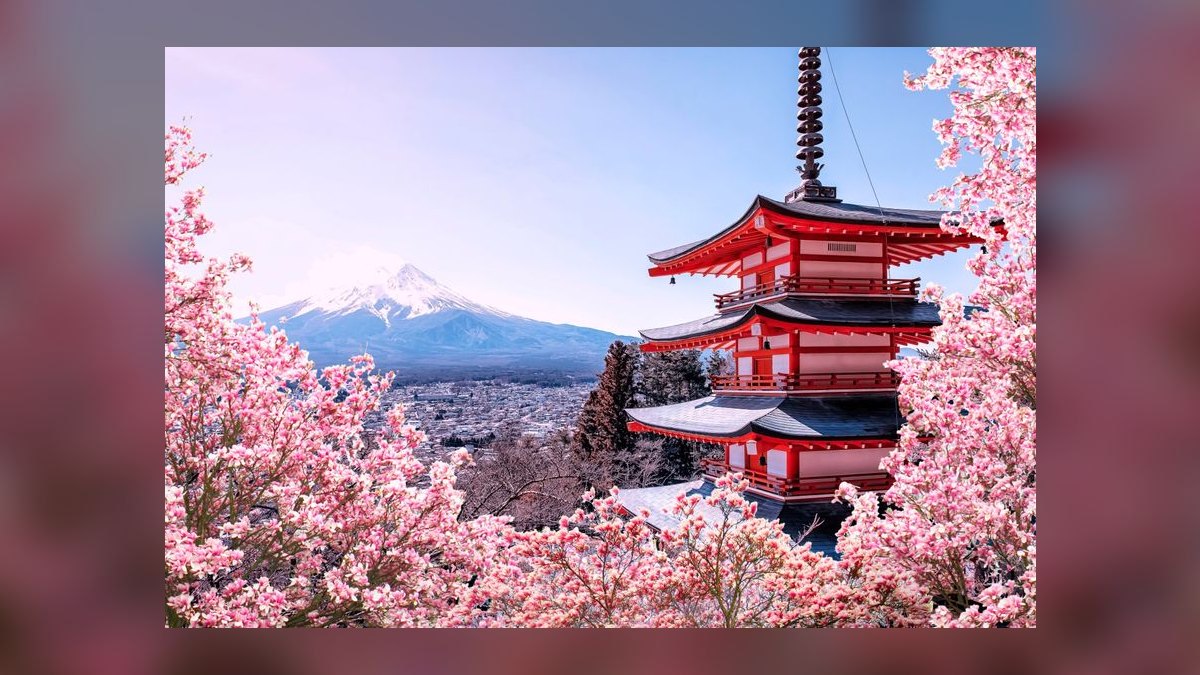
For cherry blossom season in 2027, the best time to visit Japan is during the last week of March through the first two weeks of April, with Tokyo and Kyoto typically reaching full bloom around April 1-5. Southern cities like Fukuoka bloom slightly earlier, while northern destinations like Sapporo peak in early May, giving you a multi-week window to catch the blossoms somewhere in the country.
The outcome you should expect
When you plan a cherry blossom trip to Japan for 2027, you are aiming for a roughly two-week window when the sakura are at their most spectacular. The typical progression runs from first bloom (kaika) to full bloom (mankai), with the entire cycle lasting about 10 to 14 days from the first pink petals appearing to the petals falling like snow. For most travelers, the ideal outcome is landing in Japan three to five days after the first bloom announcement in your target city, because that is when the trees are at roughly 50-80% openness, which photographs dramatically and feels immersive without the peak-crowd chaos.
In an average year, Tokyo's first bloom lands around March 24-26, with full bloom about a week later, around March 31-April 2. Kyoto runs two to three days behind Tokyo, while Osaka sits in between. If you book a trip for March 28 through April 8, 2027, you have a strong statistical chance of catching at least one city at or near full bloom. The Japan Meteorological Corporation typically releases its first official forecast in January, with updates in February and March, so you can refine your timing as the season approaches. Expect daytime temperatures in the 12-18°C range (55-65°F) during this window, with occasional rain showers that can accelerate petal fall.
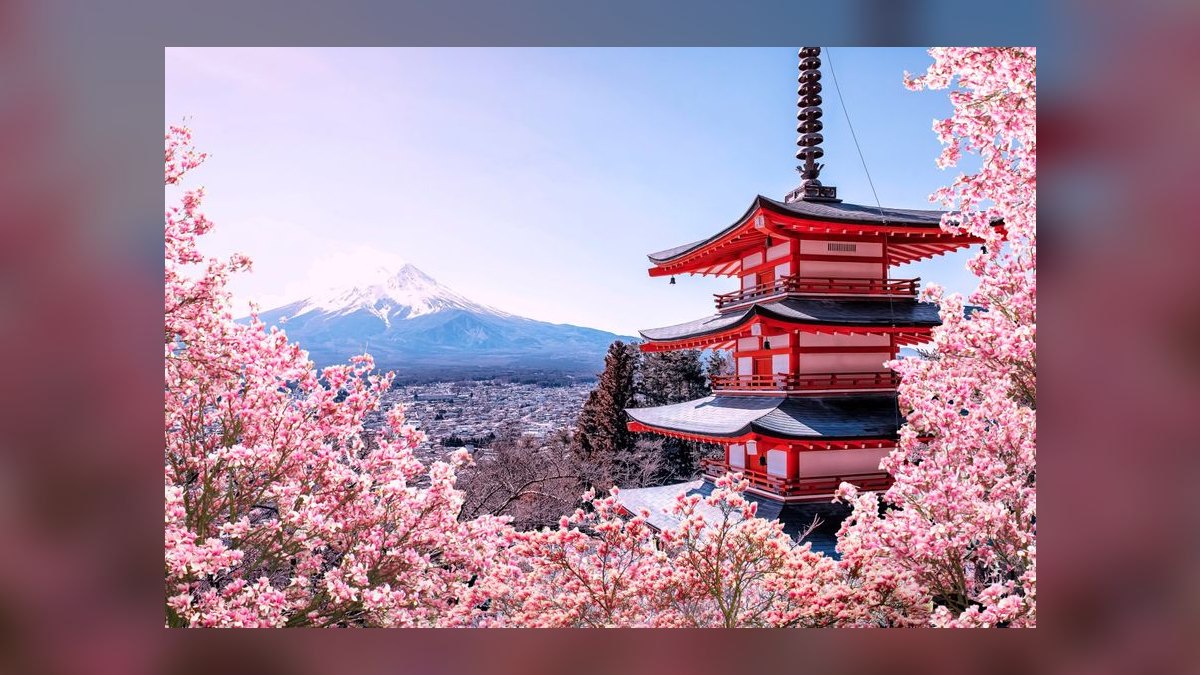
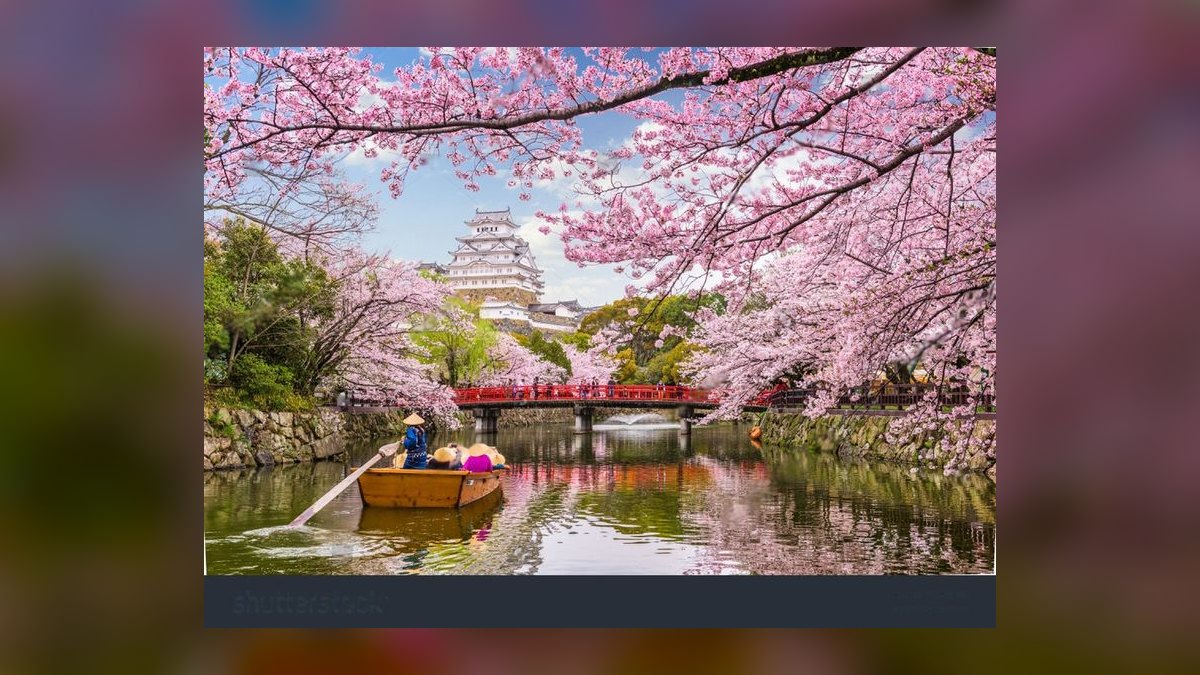
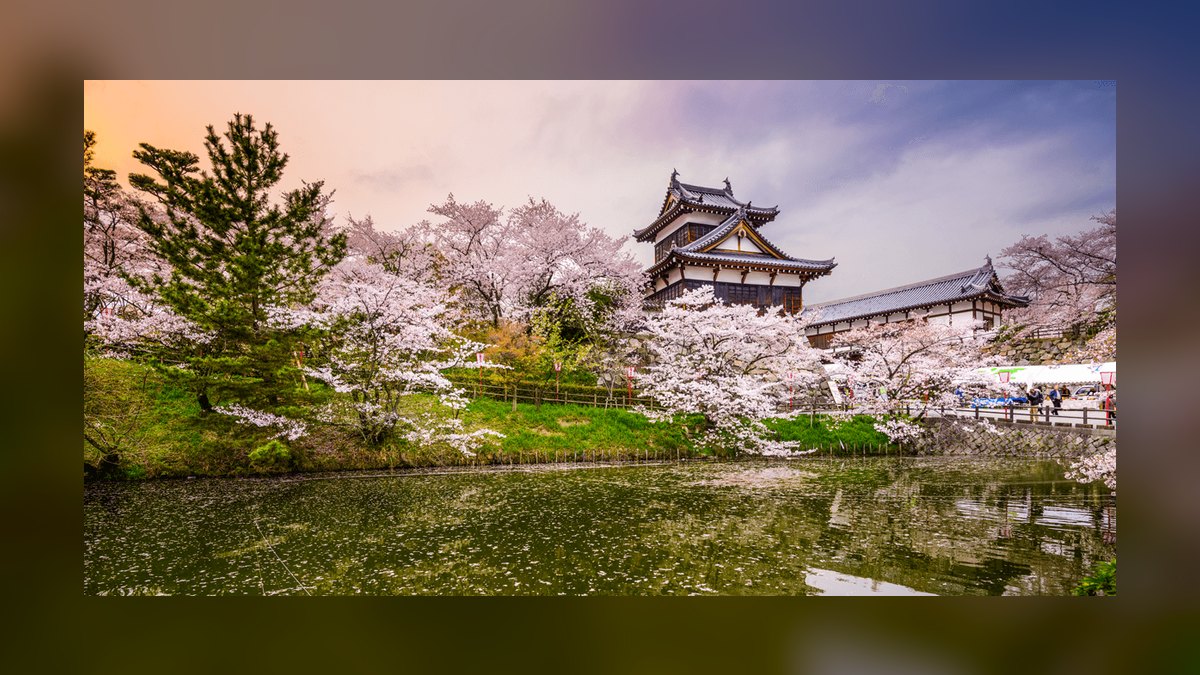
The practical outcome of a well-timed trip is that you will see the iconic scenes: the Philosopher's Path in Kyoto lined with weeping cherry trees, the Meguro River in Tokyo with its illuminated evening blossoms, and the castle grounds at Himeji or Osaka with pink canopies framing historic architecture. You will also contend with significant crowds—domestic tourism plus international visitors make this the busiest travel period in Japan—so booking flights and hotels eight to ten months in advance is not optional but essential. If your dates are flexible, you can chase the bloom northward, extending your trip into mid-April for Nagoya, Kanazawa, and the Japan Alps region, then into late April for Aomori and Hakodate, and finally early May for Sapporo.
What drives the bloom timing
The cherry blossom season in Japan is governed by a combination of temperature accumulation, geographic latitude, and elevation. The trees—primarily the Somei-Yoshino variety, which accounts for about 80% of planted cherry trees in urban Japan—require a period of winter chill to break dormancy, followed by warm spring temperatures to trigger bud development. The Japan Meteorological Agency tracks "blooming degree days," a cumulative measure of daily mean temperatures above a threshold, to predict when buds will open. Warmer-than-average winters and early springs push the bloom earlier; cooler conditions delay it.
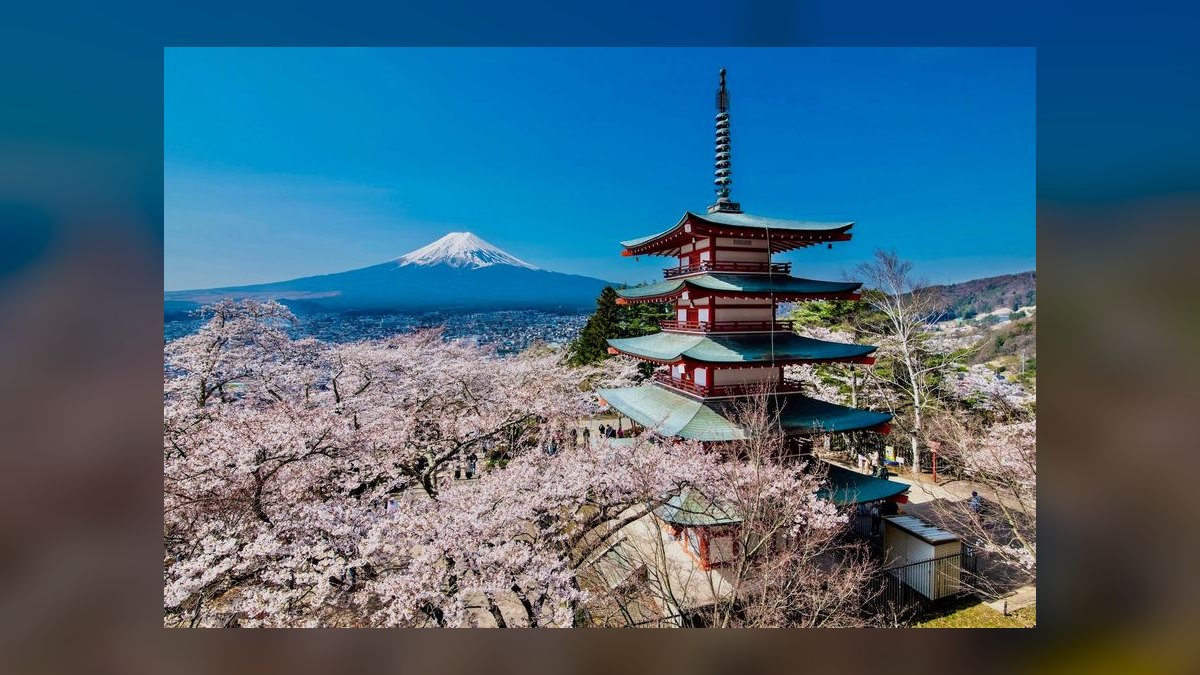
The bloom front moves from southwest to northeast. Fukuoka on Kyushu typically blooms around March 20-23, Tokyo around March 24-26, Kyoto and Osaka around March 25-28, and Sendai in northern Honshu around April 8-12. Sapporo on Hokkaido does not bloom until early May, usually May 1-5. This creates a roughly six-week window from late March to early May where some part of Japan is in bloom. Elevation also matters: mountain towns like Takayama and Matsumoto bloom one to two weeks later than the nearby lowland cities, and high-altitude spots like Mount Yoshino in Nara Prefecture have a staggered bloom that lasts longer because different elevations bloom at different times.
Climate change is shifting the averages earlier. Over the past 50 years, the peak bloom date in Tokyo has moved about five to seven days earlier, from around April 5-7 in the 1970s to March 31-April 2 in recent decades. In 2021 and 2023, Tokyo recorded some of the earliest blooms on record, around March 14-15. For 2027 specifically, forecasters will rely on December-February temperature data to refine predictions, but the long-term trend suggests you should plan for a slightly earlier window than historical averages. The JMC and the Weathernews company both publish seasonal forecasts in January, with updated versions in February and March, and these are the most reliable tools you have for adjusting your plans.
Benchmarks and realistic ranges
The most reliable benchmark for planning is the full bloom date, not the first bloom date, because full bloom is when the trees look their best—about 80-100% of the blossoms are open, creating the dense pink clouds you see in photographs. First bloom means just 5-6 flowers open on a single reference tree at the local meteorological station, which is not visually impressive. Full bloom typically arrives 7-10 days after first bloom, and the blossoms remain at full bloom for about 3-5 days before petals begin to fall. The entire visible season, from first bloom to petal fall, lasts roughly 10-14 days, though cooler, rainy weather can shorten it while dry, calm conditions extend it.
For 2027, here are the realistic date ranges based on the last 10 years of data and the warming trend:
- Fukuoka: first bloom March 18-23, full bloom March 26-30
- Hiroshima: first bloom March 22-26, full bloom March 30-April 3
- Osaka: first bloom March 24-28, full bloom April 1-4
- Kyoto: first bloom March 25-29, full bloom April 2-5
- Tokyo: first bloom March 22-27, full bloom March 30-April 3
- Nagoya: first bloom March 24-28, full bloom April 1-4
- Kanazawa: first bloom March 28-April 2, full bloom April 5-9
- Sendai: first bloom April 6-12, full bloom April 13-18
- Aomori: first bloom April 18-24, full bloom April 25-30
- Sapporo: first bloom April 28-May 3, full bloom May 3-8
These ranges have roughly a 70-80% confidence level based on historical patterns, but individual years can deviate by a week or more. The 2023 season was exceptionally early, with Tokyo blooming on March 14, while 2022 was closer to average with Tokyo blooming on March 21. A cold snap in late March can delay blooming by several days, and a warm February can accelerate it. If you have flexibility, the safest strategy is to book a trip that spans two weeks, from March 27 to April 10, which covers the full bloom window for Tokyo, Kyoto, Osaka, and Nagoya in most years. For a shorter trip of 7-10 days, aim for March 30-April 8, which puts you in the heart of the peak season for central Japan.
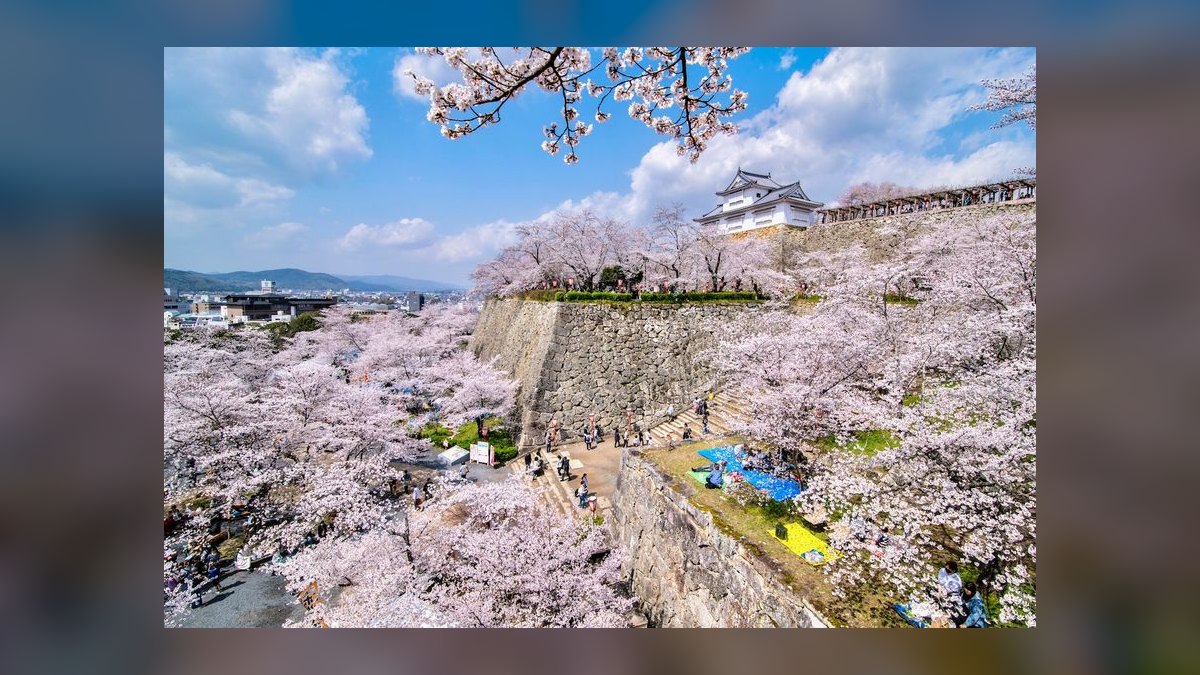
The trade-off with these peak dates is cost and crowding. Flights and hotels during the last week of March and first week of April run 30-50% higher than mid-March or late April prices. Popular viewing spots like Ueno Park in Tokyo, Maruyama Park in Kyoto, and the Osaka Castle grounds draw hundreds of thousands of visitors daily during full bloom. If you prefer a less crowded experience, consider visiting during the first bloom phase (March 22-28) when trees are 30-50% open—still beautiful, especially with early-morning light—or chase the later blooms in northern Honshu during mid-to-late April, when crowds are thinner and prices drop by 20-30%.
Risks, edge cases, and failure modes
The biggest risk in planning a cherry blossom trip is that you arrive too early or too late. Arriving too early means you see bare branches with tiny buds, which is anticlimactic after a long flight. Arriving too late means you see green leaves replacing the blossoms, which signals the end of the season—the trees transition from pink to green within about a week after full bloom. The most common failure mode is booking a fixed itinerary in early March, expecting the season to follow historical averages, only to find that a warm winter pushed the bloom into mid-March. The second most common failure is booking for mid-April, assuming the bloom lasts longer than it does, and finding that Tokyo and Kyoto are already past peak.
Weather is the primary wildcard. A single day of heavy rain and wind can knock petals off the trees, cutting the visible season short by 3-5 days. Conversely, a stretch of cool, dry weather can extend the full bloom period by several days. The cherry blossom front is also affected by the timing of the plum blossom season, which precedes it by 3-4 weeks—if you see plum blossoms still in full bloom in mid-March, the cherry blossom season will likely be delayed. Local microclimates matter too: urban areas like Tokyo run 1-2 degrees warmer than surrounding rural areas, so city trees bloom a day or two earlier than trees in parks on the outskirts.
Another failure mode is relying on a single forecast. The Japan Meteorological Corporation, Weathernews, and the Japan Weather Association all publish forecasts, but they can differ by 3-5 days in their predictions. As the season approaches, these forecasts converge, but you should check multiple sources and look at the trend, not just the absolute date. Also, be aware that the reference trees used for bloom announcements are specific trees at specific locations—the Somei-Yoshino tree at Yasukuni Shrine in Tokyo, for example—and your actual viewing spot may bloom a day or two earlier or later depending on its exposure to sun, wind, and building heat.
Finally, consider the risk of overplanning. If you lock down every city and date months in advance, you have no flexibility to chase the bloom. A better approach is to book a base in Tokyo or Kyoto for the first week, then decide on the second week based on real-time bloom reports. The Japan National Tourism Organization runs a live cherry blossom forecast map that updates daily, and local tourism boards post photos from major viewing spots. Use these to adjust your itinerary on the fly—if Kyoto peaks earlier than expected, swap your day trips to favor Kyoto first, then move to less-peaked areas.
A practical rollout plan for your 2027 trip
Start planning 10-12 months before your intended travel dates, which means around April-May 2026 for a late March-April 2027 trip. This is when flights for the following spring typically open for booking, and hotels in popular areas like Kyoto's Gion district or Tokyo's Shinjuku neighborhood begin accepting reservations. Aim to book flights by June 2026 to secure the best prices, and lock in refundable hotel rates where possible, because the exact bloom forecast will not be available until January 2027.
Six months out, around October 2026, finalize your itinerary structure. Decide whether you are doing a single-city trip or a multi-city route. For a first-time visitor, a Tokyo-Kyoto-Hiroshima route is classic, but consider the bloom timing: Tokyo and Kyoto peak nearly simultaneously, so you will see full bloom in both within the same week. If you want to extend the season, add a northern stop like Kanazawa or Sendai, which blooms 1-2 weeks later, giving you a second peak. Alternatively, start in Fukuoka in late March, catch the early bloom, then move to Kyoto and Tokyo as they peak in early April.
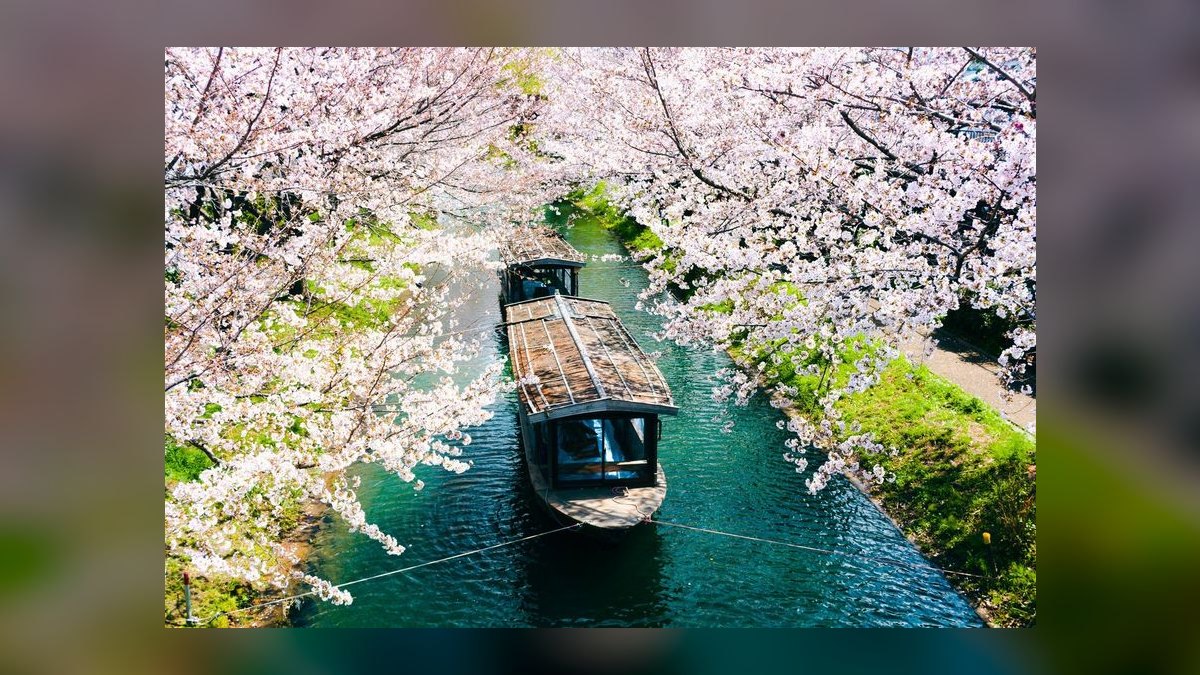
Three months out, around January 2027, the first official forecasts are released. Compare the Japan Meteorological Corporation, Weathernews, and Japan Weather Association predictions. If forecasts suggest an early bloom, shift your travel dates earlier if possible—many airlines and hotels allow free date changes within a window if you booked flexible fares. If forecasts suggest a late bloom, you can either adjust your dates or add northern destinations to your itinerary. This is also the time to book any special experiences: hanami parties in parks, river cruises along the Meguro River, and night illuminations at places like Kiyomizu-dera in Kyoto or Chidorigafuchi in Tokyo.
One month out, around late February 2027, the forecasts sharpen significantly. The JMC typically narrows its predictions to within 2-3 days of accuracy at this point. Confirm your daily itinerary, booking any reserved-entry attractions—some popular spots like the Arashiyama Bamboo Grove and certain temple gardens require advance tickets during peak season. Also, prepare for crowds: download offline maps, learn basic Japanese phrases for asking directions and ordering food, and pack layers because spring weather in Japan is notoriously variable, with warm sunny days followed by chilly, rainy ones.
During the final two weeks before departure, monitor the live bloom reports daily. The Japan National Tourism Organization's website and the Weathernews sakura map show real-time bloom status for hundreds of locations. If your target city is blooming early, rearrange your itinerary to hit the peak spots first. If it is blooming late, you can add a day trip to a higher-elevation or more northern location where the bloom is delayed. Keep your schedule loose enough for one or two day-of changes, and you will maximize your chances of seeing the blossoms at their absolute best.
Related questions
What are the exact cherry blossom forecast dates for 2027?
The official forecasts are released in January 2027 by the Japan Meteorological Corporation, Weathernews, and the Japan Weather Association. As of now, only historical averages are available, with Tokyo typically blooming around March 24-26 and reaching full bloom by April 1-3.
How long does cherry blossom season actually last in Japan?
The visible season lasts about 10-14 days from first bloom to petal fall in any single location. Full bloom, the peak viewing period, lasts only 3-5 days. However, the national season spans roughly six weeks, from late March in Fukuoka to early May in Sapporo.
Is it better to visit Tokyo or Kyoto for cherry blossoms?
Both are excellent, but they peak nearly simultaneously, so you cannot see both at full bloom without timing your trip carefully. Tokyo offers urban settings like Ueno Park and the Meguro River, while Kyoto provides temple gardens and the Philosopher's Path. Visit both if you have 10+ days.
What is the cheapest time to see cherry blossoms in Japan?
Late April is the most budget-friendly window for cherry blossoms, when you can catch the tail end of the season in northern Honshu cities like Sendai and Aomori. Prices drop 20-30% compared to the early April peak, and crowds are significantly thinner.
FAQ
Do cherry blossoms bloom at the same time every year?
No, the bloom date varies by up to two weeks from year to year, driven by winter and spring temperatures. Warmer winters push the bloom earlier, while cold snaps delay it. Over the past decade, the trend has been toward earlier blooms due to climate change, with Tokyo's average full bloom now around April 1.
Can I see cherry blossoms in Japan in late March 2027?
Yes, late March is typically the start of the peak season for central Japan. Tokyo and Kyoto usually see first bloom around March 24-29, with full bloom following in early April. If you visit in late March, you may catch the early stages of the bloom, which can be beautiful but less dramatic than full bloom.
What is the difference between first bloom and full bloom?
First bloom, or kaika, is declared when 5-6 flowers open on a designated reference tree at a meteorological station. Full bloom, or mankai, is declared when 80% or more of the blossoms are open. Full bloom is the visually spectacular stage and typically occurs 7-10 days after first bloom.
How accurate are cherry blossom forecasts?
The Japan Meteorological Corporation's forecasts are usually accurate to within 3-5 days when released in January, improving to 2-3 days by early March. Final forecasts issued just before the season can be accurate to within 1-2 days. However, unexpected cold snaps or warm spells can still shift the bloom by several days.
Should I book my trip before or after the forecasts are released?
Book your flights and hotels 8-10 months in advance for the best prices and availability, but choose refundable or flexible options. Once the January forecasts are released, you can adjust your dates if the predictions suggest a significantly early or late bloom. This gives you both cost savings and flexibility.
What happens if I miss the peak bloom in Tokyo and Kyoto?
You can still catch blossoms in other regions. Northern Honshu cities like Sendai (mid-April), Aomori (late April), and Sapporo (early May) bloom later. Also, higher-elevation spots like Mount Yoshino in Nara and the Japan Alps towns of Takayama and Matsumoto have delayed blooms. A northward itinerary can extend your season by 2-3 weeks.
Sources
- https://www.japan.travel/en/spot/ (Japan National Tourism Organization official site)
- https://www.jma.go.jp/jma/indexe.html (Japan Meteorological Agency)
- https://weathernews.jp/sakura/ (Weathernews cherry blossom forecast)
- https://www.japan-guide.com/e/e2011.html (Japan Guide cherry blossom forecast)
- https://www.nippon.com/en/features/h00120/ (Nippon.com cherry blossom season overview)
- https://www.timeout.com/tokyo/things-to-do/cherry-blossom-tokyo (Time Out Tokyo cherry blossom guide)
- https://www.insidekyoto.com/cherry-blossoms-kyoto (Inside Kyoto cherry blossom guide)
- https://www.japanrailpass.net/en/ (Japan Rail Pass official site for travel planning)
- https://www.climate.gov/news-features/understanding-climate/climate-change-global-temperature (NOAA climate data for warming trends)
- https://www.metoffice.gov.uk/weather/climate-change (UK Met Office climate change information)
Related on PULSE
- How to plan a two-week Japan itinerary that covers multiple bloom regions
- The best off-the-beaten-path cherry blossom spots in Japan for 2027
- Comparing hanami picnic etiquette and reserved-viewing options in Tokyo parks
- How to use the Japan Rail Pass effectively during peak sakura season
- Budget breakdown for a cherry blossom trip to Japan: flights, hotels, and daily costs
- What to pack for a spring trip to Japan: weather layers, photography gear, and shoes
 pulse-travelThe 10 Best International Art Fairs to Attend in 2027
 pulse-travelWhat drives the cost of a luxury resort stay in 2027?
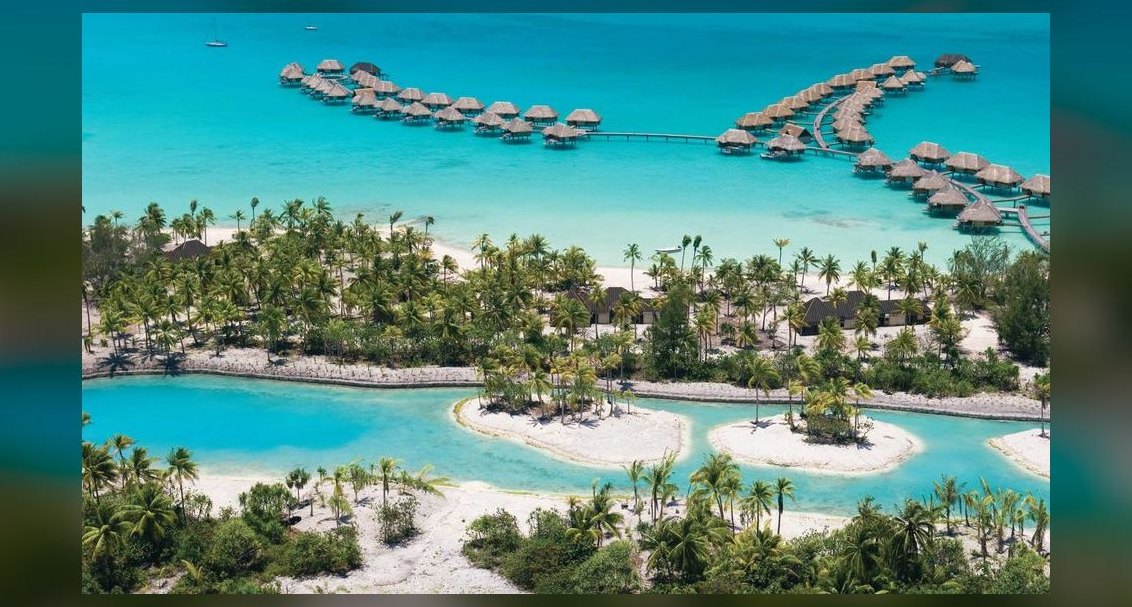 pulse-travelTop 10 Resorts in Bora Bora in 2027
 pulse-travelTop 10 Resorts in Egypt in 2027
 pulse-travelTop 10 Best Island Hopping Destinations in 2027
 pulse-travelThe 10 Best Rock and Metal Music Festivals in 2027
 pulse-travelTop 10 Resorts in Banff in 2027
 pulse-travelThe 10 Best Marathons in the United States for Runners in 2027
 pulse-travelThe 10 Best Ski Resorts in the Swiss Alps in 2027
 pulse-travelThe 10 Best Music Festivals in the United States in 2027