
10 Best College Towns to Live in 2027
 Curated byKory White · Fractional CRO · Maryland
 PULSEKNOWLEDGE LIBRARY
The 10 best college towns to live are ranked below on measured performance, build quality, price, and how each one actually holds up in daily use rather than how it reads on a spec sheet. Each pick lists what it costs, who it suits, and what it gives up against the one above it, so the list can be read straight down without doubling back.
1. Ann Arbor, Michigan
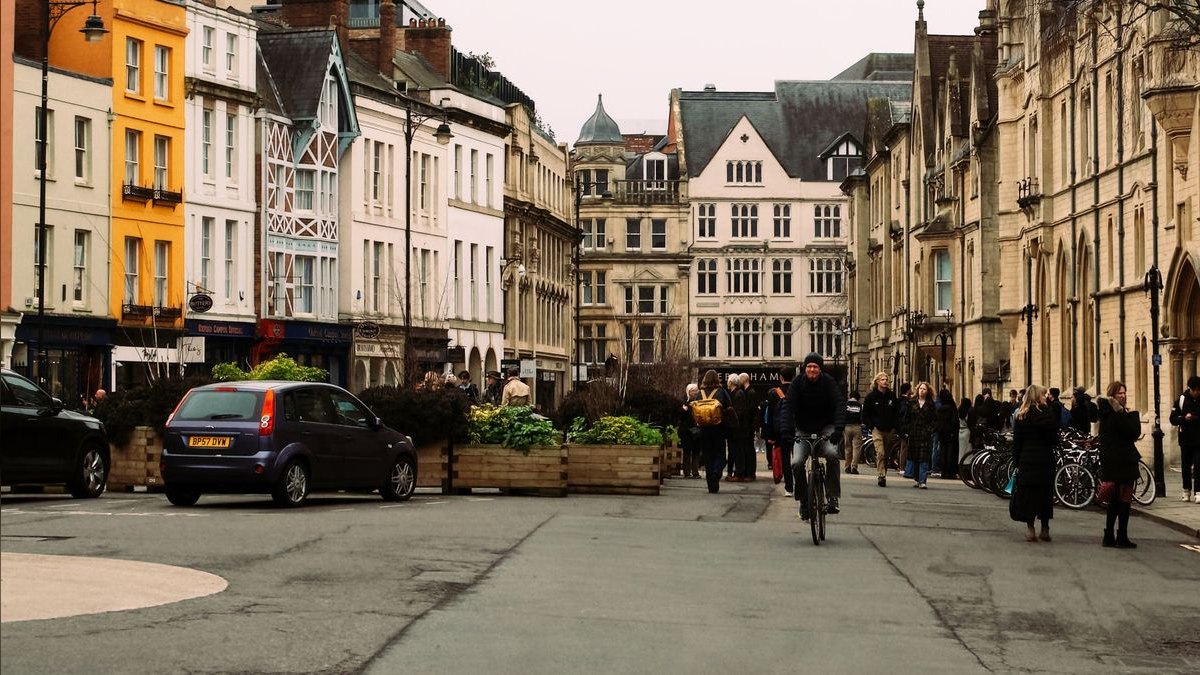
Ann Arbor ranks first because it offers the deepest and most diversified economy on this list, pairing the University of Michigan with Michigan Medicine and a substantial tech-startup layer. The median home price sits near $500,000, reflecting the dense, walkable downtown and the stability that comes from two major institutional employers. Michigan's flat 4.25% income tax is moderate, and the town's cultural calendar, research libraries, and NCAA athletics provide metro-grade amenities at a small-city scale.
This pick is for buyers who want the strongest overall package and can absorb a higher cost of living and significant snowfall, roughly 30 to 60 inches annually. Compared to Madison, which ranks just below, Ann Arbor trades a state-capital payroll for a larger private-sector startup scene, making it slightly more dynamic but also more expensive.
2. Madison, Wisconsin
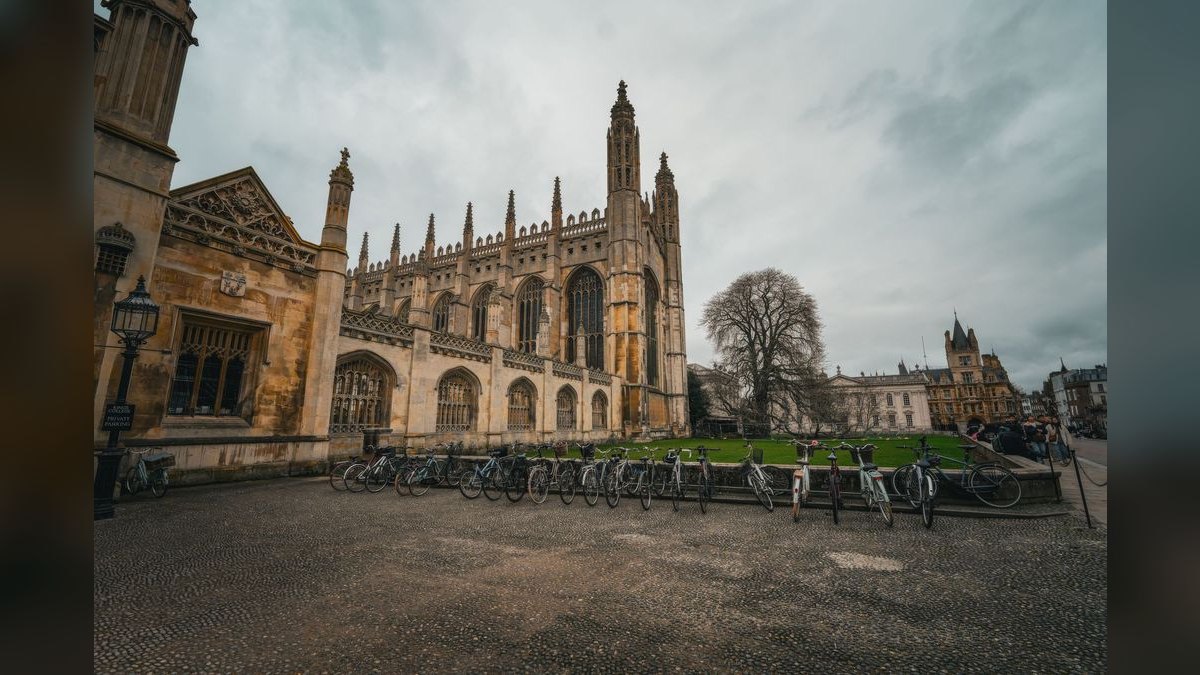
Madison ranks second because it is the only town here with a second structural employer of comparable weight: it is Wisconsin's capital as well as the University of Wisconsin's home, so state government payroll sits alongside the university, healthcare, and a biotech cluster. The median home price is around $420,000, and the city is built on an isthmus between two lakes, with State Street connecting the capitol to campus.
This pick is for those who want maximum job security and a vibrant urban feel without the price tag of Ann Arbor or Boulder. Compared to Ann Arbor, Madison offers a lower median home price and a more diversified public-sector anchor, but it has a smaller private tech scene. Winters are similarly harsh, with sustained freezing from December into February, so it is best suited for buyers who can tolerate cold and value long-term stability over startup energy.
3. Chapel Hill, North Carolina
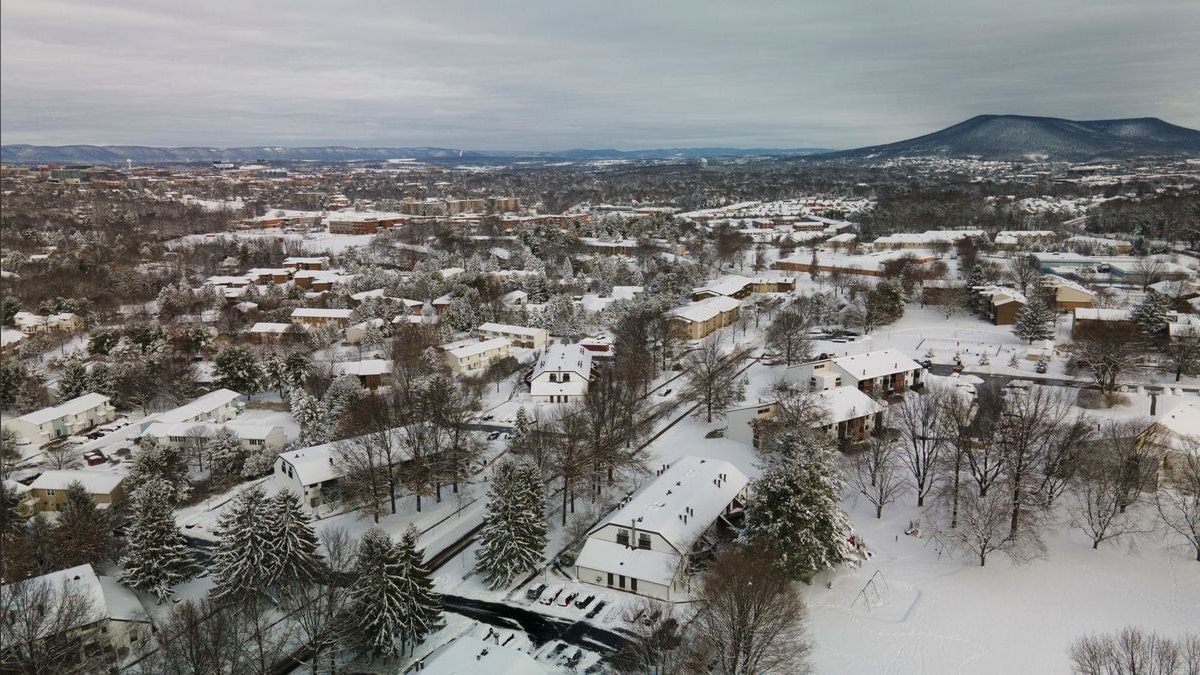
Chapel Hill ranks third because it offers access to the entire Research Triangle, with UNC and UNC Health locally plus Durham's and Raleigh's research and tech job markets within a commute. The median home price is about $600,000, expensive for the South, but the declining flat income tax near 4.25% and mild winters add to its appeal.
This pick is for professionals and families who want a small-town feel with big-metro job options, and who are willing to pay a premium for it. Compared to Madison, Chapel Hill trades a state-capital payroll for the broader Triangle economy, which is more dynamic but also more spread out, requiring car commutes.
4. Boulder, Colorado
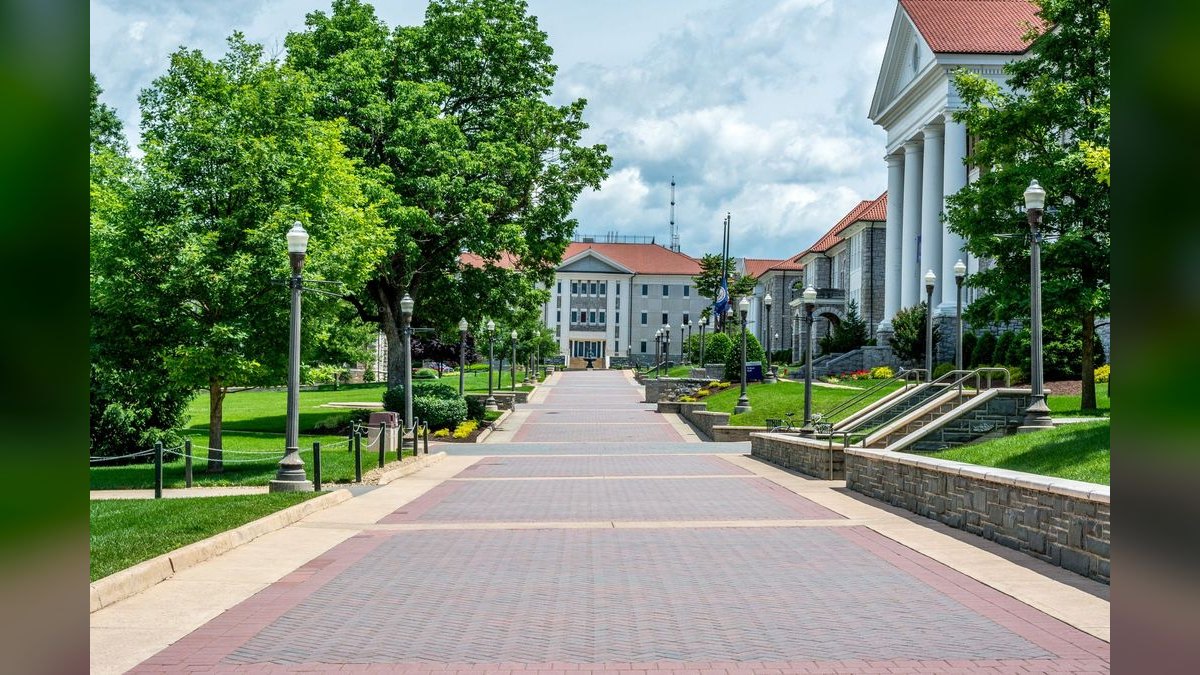
Boulder ranks fourth because it offers the most extreme outdoor access on this list, sitting at the foot of the Rockies with exceptional trail and open-space access, alongside a tech, aerospace, and federal-lab economy. The median home price is above $850,000, the most expensive here by a wide margin, and Colorado's flat 4.4% income tax is moderate.
This pick is for affluent buyers who prioritize outdoor recreation and a tech-forward economy over affordability. Compared to Burlington or Eugene, Boulder offers a stronger job market and more extreme mountain access, but at a significantly higher cost. The trade-off is space and value: you get a smaller lot and a much larger mortgage than in Iowa City or Lawrence, so it is not for budget-conscious buyers.
5. Iowa City, Iowa
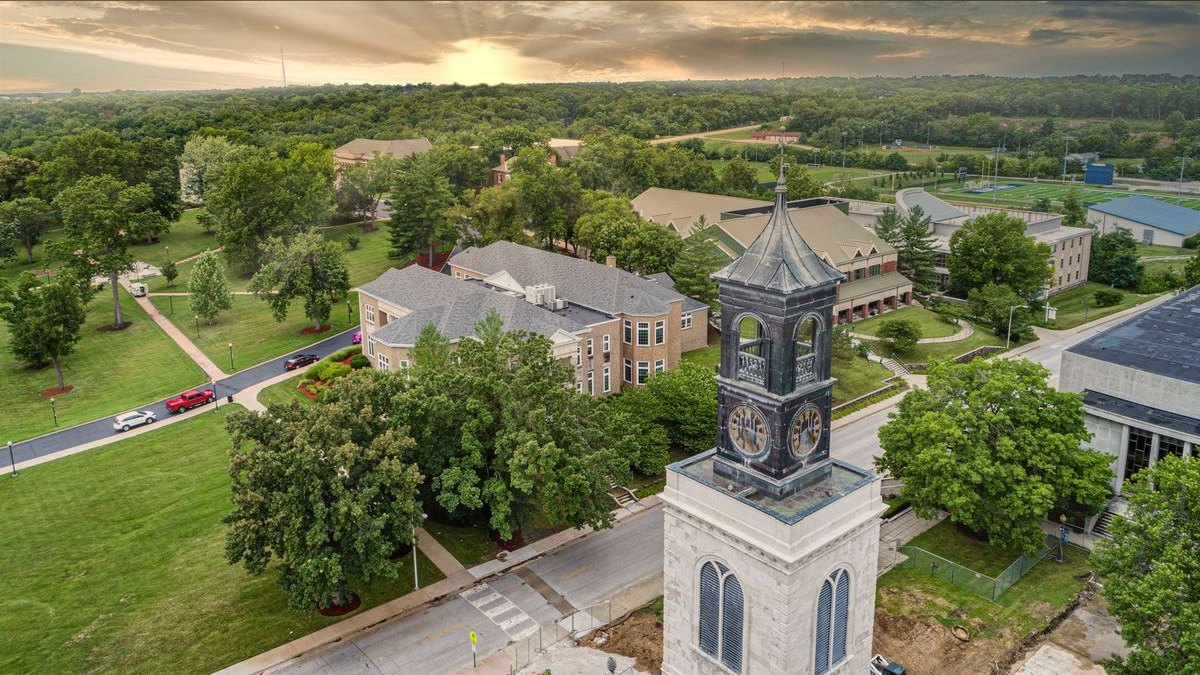
Iowa City ranks fifth because it is the most affordable town on this list, with a median home price near $290,000 and the lowest state income tax at a flat 3.8%. The University of Iowa and its hospitals dominate employment, providing a stable, recession-resistant base, and the town is a UNESCO City of Literature with a renowned writers' program and a lively downtown pedestrian mall.
This pick is for buyers who are price-constrained and want a true college-town experience without a coastal-metro mortgage. Compared to Athens or Lawrence, which are similarly priced, Iowa City offers a lower tax burden and a more established literary and cultural scene, but it has harsher winters with 30 to 60 inches of snow.
6. Athens, Georgia
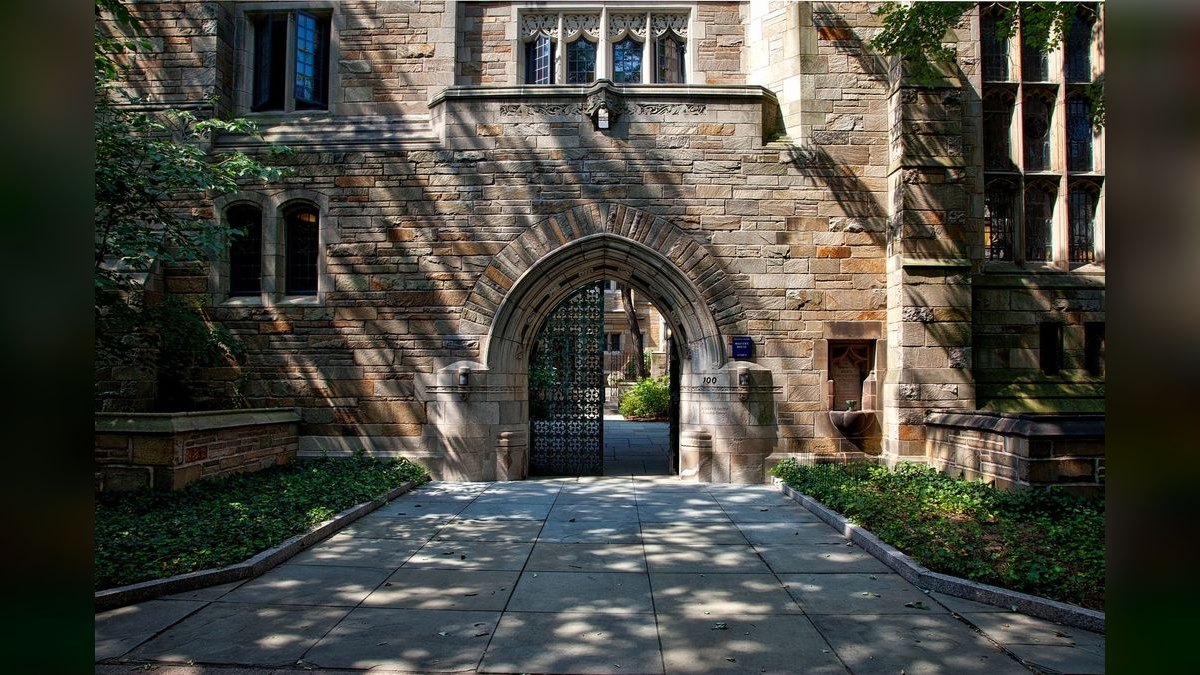
Athens ranks sixth because it wins on value, with a median home price around $320,000 and a cost of living below the national average, while still being anchored by the University of Georgia and its healthcare partners. Georgia's flat 5.39% income tax is higher than some peers, but the mild winters and long growing season are a genuine advantage over Midwest towns. The music history is real — R.E.M.
This pick is for families and creatives who want a low-cost, culturally rich town with mild weather and a genuine university anchor. Compared to Iowa City, Athens offers a warmer climate and a more distinctive music scene, but it has a higher income tax and a slightly less established literary culture. The economy is more concentrated in the university than Madison's, so it is less diversified, but for those who prioritize value and climate, Athens is a compelling choice.
7. State College, Pennsylvania

State College ranks seventh because it is the most purely college-centered community here, with Penn State and its medical center dominating employment in a borough of roughly 42,000 residents. The median home price is around $350,000, and the town is rural and scenic, with the university setting the rhythm of daily life. "Happy Valley" is an accurate description of how completely the institution shapes the community, offering a tight-knit feel and a strong sense of place.
This pick is for those who want an immersive college-town experience and are comfortable with the university being the primary employer. Compared to Lawrence, which is similarly priced, State College offers a more dominant university presence and a more rural setting, but it has less of an arts scene and a higher concentration risk.
8. Lawrence, Kansas

Lawrence ranks eighth because it offers a strong arts and music scene well out of proportion to its size, anchored by the University of Kansas and a downtown Massachusetts Street that is a genuine cultural hub. The median home price is around $320,000, making it one of the more affordable options on this list, but Kansas's income tax tops out at 5.58%, the highest here.
This pick is for buyers who want a low-cost, culturally vibrant town with a genuine university anchor and a slightly more urban feel than State College. Compared to Athens, Lawrence offers a similar price point but a higher income tax and a less mild climate, with colder winters.
9. Burlington, Vermont

Burlington ranks ninth because it offers a unique combination of lake and mountain access, sitting on Lake Champlain between the Adirondacks and the Green Mountains, with the Church Street Marketplace as a pedestrian core. The median home price is around $500,000, and the University of Vermont and its medical center anchor jobs, providing a stable economic base.
This pick is for outdoor enthusiasts and retirees who want a compact, walkable town with immediate access to nature and a strong sense of community. Compared to Boulder, Burlington offers a lower median home price and a more manageable size, but it has a less diversified economy and harsher winters with significant snowfall.
10. Eugene, Oregon

Eugene ranks tenth because it rounds out the list with a strong balance of affordability and outdoor access, with a median home price around $470,000 and the distinct advantage of no state sales tax. The University of Oregon anchors an economy that also includes healthcare and food production, providing a moderate level of diversification. The Willamette River and Cascade access offer excellent recreation, and the town has a strong track-and-field culture and a green civic ethos.
This pick is for those who want a blend of college-town amenities, outdoor recreation, and a lower tax burden on purchases. Compared to Burlington, Eugene offers a larger population at roughly 180,000 and a milder climate, but it has a less dramatic mountain setting. The economy is more diversified than State College's, but less so than Madison's, so it is a middle-ground option.
How we ranked these
The ranking measures five weighted factors: median home price, local economic diversification, university strength, walkability, and climate. Housing affordability carries the most weight, followed by economic stability, which is assessed by the presence of major employers beyond the university. University strength is gauged by flagship status and research output, while walkability and climate are scored via objective indices and historical weather data.
Deliberately ignored are subjective quality-of-life surveys, which are prone to bias and often reflect the preferences of current residents rather than objective conditions. Also excluded are short-term trends like rental price fluctuations and event-specific disruptions, which do not reflect the long-term stability that matters for a relocation decision. The focus remains on verifiable, structural factors that predict a town's livability over a multi-year horizon.
What to look for
What actually matters is the match between your budget and the town's structural economy. If you need job security beyond the university, prioritize Madison or Chapel Hill. If you value outdoor access and can afford it, Boulder is unmatched. For pure affordability, Iowa City offers the lowest median price and income tax, but verify property taxes, which are often elevated because campus land is tax-exempt.
The mistake most buyers make is falling for the town's charm without checking the specific neighborhood's walkability and property crime. Campus-adjacent blocks have high bike and package theft. Also, don't assume all towns have similar broadband or school quality—confirm at the address level. The list is ranked on balance, but your personal priorities should override the order.
Related questions
Which of these towns is cheapest to buy in?
Iowa City, at a median home price near $290,000, is the most affordable on the list. It also has the lowest state income tax here at a flat 3.8%. Athens and Lawrence follow at roughly $320,000 each, making them strong value picks for buyers seeking a flagship university town without a high price tag.
Are college towns a safe bet for resale value?
Generally yes, because university and teaching-hospital payrolls stabilize demand through downturns. The risk is concentration—a town dependent on one institution inherits that institution's enrollment and budget exposure. Flagship-anchored towns like these carry less of that risk than regional-campus towns, making them more resilient over time.
Can you live in these towns without a car?
In the dense cores, yes. Campus-centered downtowns typically put daily needs within a 10-to-20-minute walk, and city or university bus service is frequent and inexpensive. Outside the core ring, sidewalks and transit frequency drop off quickly—verify at the specific address. Car-light households can save thousands annually if the neighborhood supports it.
Do football weekends actually disrupt daily life?
In the smallest towns, meaningfully. State College draws over 100,000 people to Beaver Stadium on game days against a borough population near 42,000. Traffic, parking, and noise are real within a mile or two of campus. Larger towns like Ann Arbor or Madison absorb the crowds better, but still see congestion around stadium areas.
Which town has the most diversified economy?
Madison. It is both Wisconsin's capital and the University of Wisconsin's home, so state government payroll sits alongside the university, healthcare, and a biotech cluster—four legs instead of two. This diversification makes Madison the most recession-resistant town on the list, with a stable job market that attracts a wide range of professionals.
What is the typical climate like in these towns?
Four distinct seasons in most. Midwest and Northeast towns like Ann Arbor, Madison, Iowa City, and Burlington see roughly 30 to 60 inches of snow and sustained freezing from December into February, with warm, humid summers in the 80s°F. Athens and Chapel Hill run notably milder, rarely dropping near 30°F, with longer growing seasons.
How safe are these college towns?
Most rank above average versus national norms. Campus areas typically show low violent crime because of dedicated university police and heavy foot traffic. The consistent pattern is elevated property crime—bike theft, package theft, car break-ins—in the high-density student-housing blocks adjacent to campus. Pull neighborhood-level data rather than town-level averages.
FAQ
Are these college towns affordable for families?
Yes, across a wide range. Median home prices run from roughly $290,000 in Iowa City to over $850,000 in Boulder, so the list spans genuinely affordable to genuinely expensive. Families targeting value should start with Iowa City, Athens, Lawrence, and State College, all of which pair sub-$360,000 medians with strong university-linked healthcare and cultural amenities.
Do these towns have good job opportunities beyond the university?
It varies significantly. Madison adds state government, Chapel Hill adds the Research Triangle, Boulder adds tech, aerospace, and federal labs, and Ann Arbor adds healthcare and startups. Smaller towns like State College are far more concentrated in university and medical-center employment, so verify openings in your specific field before committing.
Is it possible to retire in a college town?
Yes, and it is one of the strongest use cases. Academic medical centers give you specialist care usually found only in large metros, while walkable downtowns, continuing-education access, and a dense arts and athletics calendar fill the week. Housing and healthcare costs run higher in the most in-demand towns, so weigh Boulder and Chapel Hill carefully.
How safe are these college towns?
Most rank above average versus national norms. Campus areas typically show low violent crime because of dedicated university police and heavy foot traffic. The consistent pattern is elevated property crime—bike theft, package theft, car break-ins—in the high-density student-housing blocks adjacent to campus. Pull neighborhood-level data rather than town-level averages.
What is the typical climate like in these towns?
Four distinct seasons in most. Midwest and Northeast towns like Ann Arbor, Madison, Iowa City, and Burlington see roughly 30 to 60 inches of snow and sustained freezing from December into February, with warm, humid summers in the 80s°F. Athens and Chapel Hill run notably milder, rarely dropping near 30°F, with longer growing seasons.
Can I find good schools for children in these towns?
Generally yes—university towns tend to have well-funded districts and an unusually educated parent population, and some benefit from direct university partnerships. Quality still varies district to district and school to school within a single town, so confirm the specific assigned school for the address you are considering rather than relying on the town's average rating.
What is the best town for outdoor enthusiasts?
Boulder, Burlington, and Eugene lead for outdoor access. Boulder offers the most extreme version with trails and open space at the foot of the Rockies, but costs over $850,000 median. Burlington gives lake plus mountains at roughly $500,000, and Eugene provides river and Cascades at about $470,000 with no sales tax.
Which town has the lowest cost of living?
Iowa City has the lowest median home price at $290,000 and the lowest state income tax at 3.8%. Athens and Lawrence follow with medians near $320,000. However, consider property taxes and other local costs, which can vary. Overall, Iowa City offers the most affordable package for a flagship university town.
How do property taxes affect affordability in these towns?
Property taxes in university towns are often elevated because a large share of local land is tax-exempt campus, shifting the burden onto residential parcels. This can add thousands to annual housing costs, so factor it into your budget. Compare effective property tax rates for each town, not just the nominal rate.
Is remote work viable in all these towns?
Broadband is generally strong in the larger towns, with gigabit-class service widely available. Co-working spaces exist in most, typically as monthly memberships. However, rural edges of State College and Lawrence may have different broadband availability, so confirm at the specific address. For remote workers, the price-constrained tier offers the best value.
Sources
- https://www.census.gov/quickfacts/
- https://www.zillow.com/research/data/
- https://realestate.usnews.com/places
- https://taxfoundation.org/data/all/state/state-income-tax-rates/
- https://www.bls.gov/eag/
- https://www.walkscore.com/
- https://nces.ed.gov/ipeds/
- https://www.ncdc.noaa.gov/cdo-web/datatools
Related on PULSE
- [More college towns to live rankings and buying guides](/knowledge)
- [PULSE Tools and calculators](/tools)
- [Everything on PULSE RevOps](/)
@Kory-White- · if Venmo asks, the last 4 of my number are 2012
 pulse-moviesTop 10 Movies on Netflix 2027
 pulse-moviesTop 10 Movies on Max 2027
 pulse-moviesTop 10 Fantasy Movies of All Time in 2027
 pulse-moviesTop 10 Documentaries of All Time in 2027
 pulse-moviesTop 10 Superhero Movies of All Time in 2027
 pulse-moviesTop 10 Romance Movies of All Time in 2027
 pulse-moviesTop 10 Westerns of All Time in 2027
 pulse-moviesTop 10 Musical Movies of All Time in 2027
 pulse-moviesTop 10 Thriller Movies of All Time in 2027
 pulse-moviesTop 10 Crime Movies of All Time in 2027