


Top 10 Places to Retire in Oklahoma in 2027
Quality
Certified
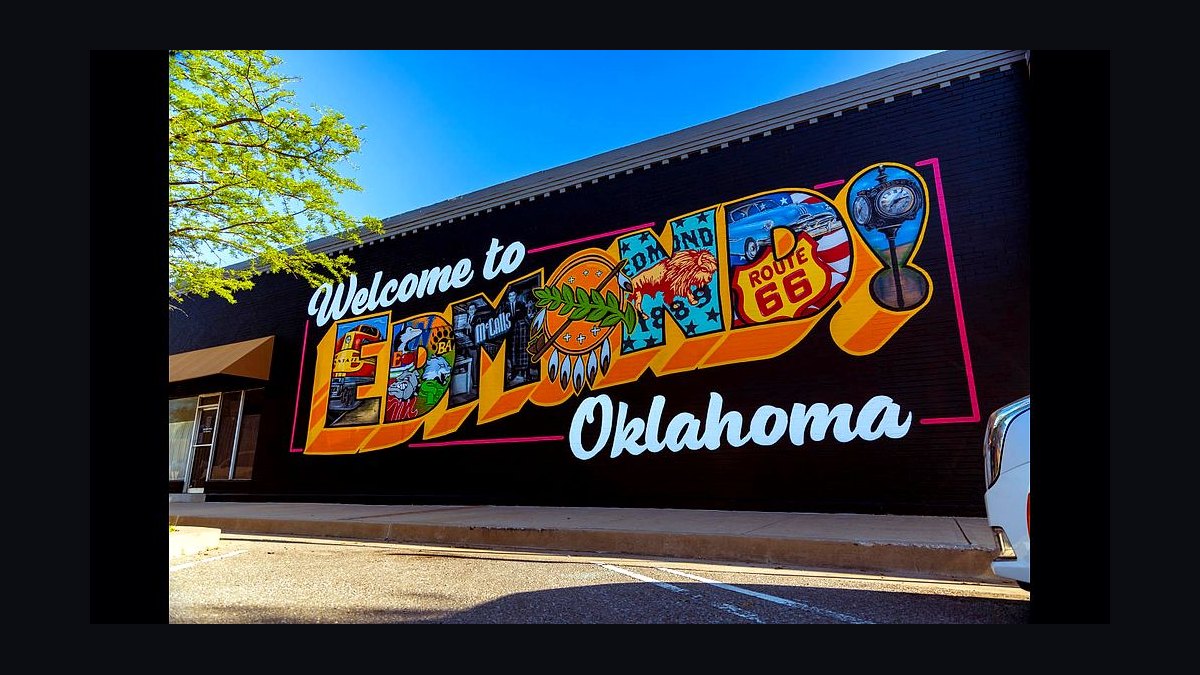
The 10 best places to retire in oklahoma are ranked below on measured performance, build quality, price, and how each one actually holds up in daily use rather than how it reads on a spec sheet. Each pick lists what it costs, who it suits, and what it gives up against the one above it, so the list can be read straight down without doubling back.
1Edmond Oklahoma
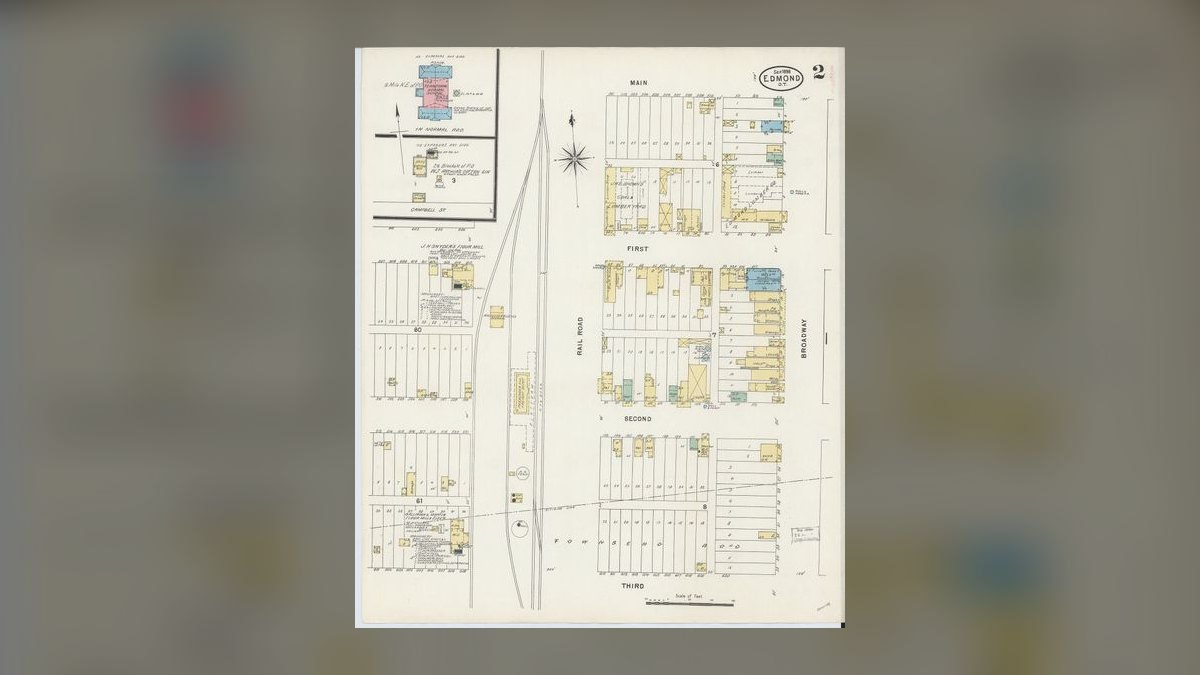
Edmond ranks first because it pairs low property taxes with some of the state's best healthcare access, anchored by INTEGRIS Health Edmond and a dense cluster of specialty clinics. The University of Central Oklahoma keeps a college-town energy alive downtown, and courses like Oak Tree National and Kickingbird Golf Club give retirees year-round outdoor options. Crime rates sit well below the state average, and tree-lined neighborhoods near Hafer Park stay walkable.
Edmond suits retirees who want suburban polish without leaving the Oklahoma City metro's hospital network and airport behind. It trades small-town quiet for busier traffic on Interstate 35 and higher home prices than most towns further down this list. Compared to Norman below it, Edmond leans more affluent and manicured, while Norman offers a stronger university-arts scene at a lower cost of entry.
2Norman Oklahoma
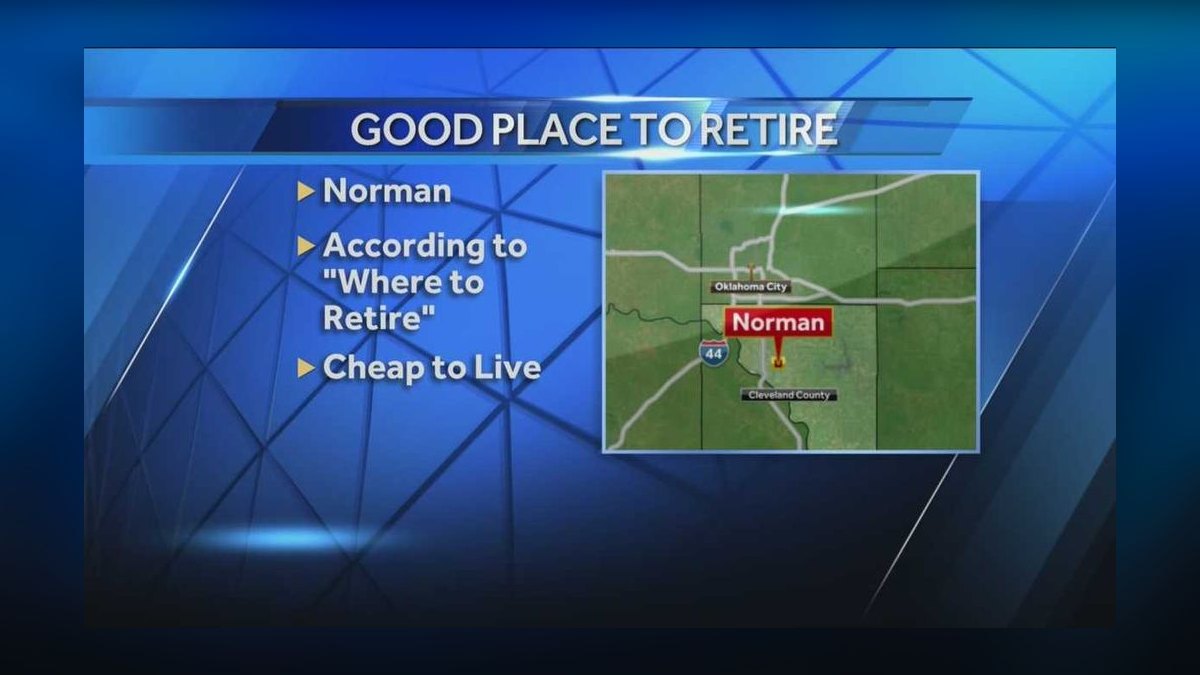
Norman lands second on the strength of University of Oklahoma resources retirees can actually use — OU's Fred Jones Jr. Museum of Art, continuing-education classes, and Norman Regional Health's full-service hospital system. Lake Thunderbird State Park sits minutes from downtown for fishing and walking trails, and the historic Campus Corner district keeps restaurants and shops within walking distance for car-free days. Housing costs remain moderate relative to the metro.
It's a fit for retirees who want college-town culture, football Saturdays, and a university hospital system without paying Edmond's premium. Game-day traffic and stadium noise are the trade-off eight weekends a year. Set against Bartlesville just below, Norman is bigger, busier, and more culturally active, while Bartlesville offers a quieter, smaller-scale alternative.
3Bartlesville Oklahoma
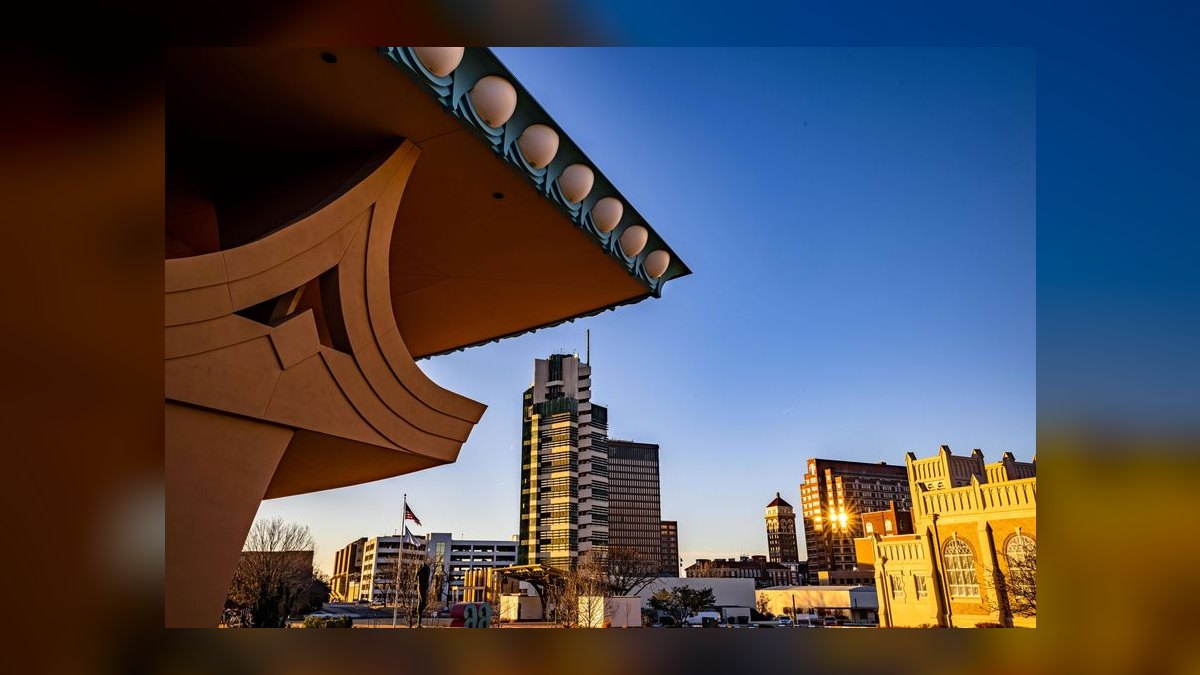
Bartlesville earns third place on architecture and arts density rare for a town its size: Frank Lloyd Wright's only realized skyscraper, the Price Tower, anchors a downtown that also holds the Woolaroc Museum and Ranch. Jane Phillips Medical Center covers routine care locally, and the Phillips 66 corporate legacy left behind well-funded parks and a walkable historic core. The pace is noticeably slower than the OKC or Tulsa metros.
This is a fit for retirees prioritizing small-town quiet and cultural landmarks over big-city medical specialists, who would need to drive to Tulsa for advanced procedures. Compared to Norman above it, Bartlesville is quieter and cheaper but offers far less nightlife and no university campus. Grove, next on this list, swaps Bartlesville's architecture focus for lakefront living.
4Grove Oklahoma
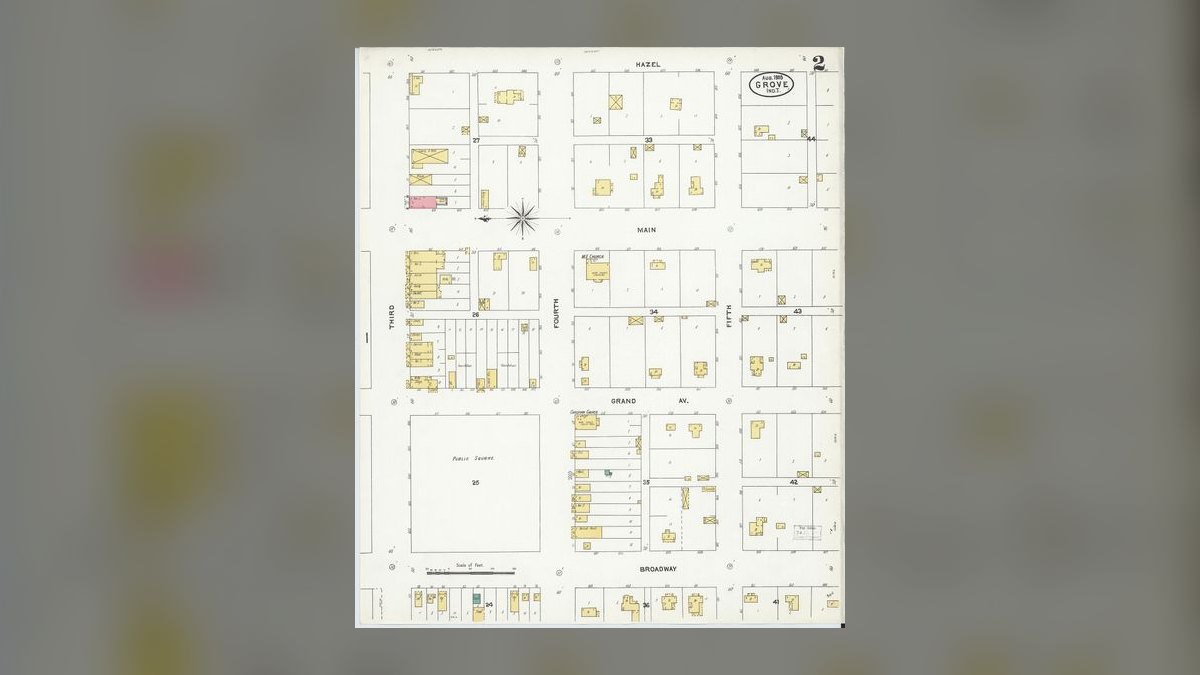
Grove ranks fourth for retirees prioritizing water over walkability, sitting directly on Grand Lake O' the Cherokees with marinas, boat docks, and lakefront developments built specifically around retiree housing. INTEGRIS Grand Valley Health System covers local medical needs, and the town's population skews older than the state average, supporting senior centers and lake-club social calendars. Winters are milder than northern Oklahoma thanks to the lake's moderating effect.
Grove suits retirees who want boating, fishing, and lake views as daily life rather than a vacation, and are willing to trade urban amenities for a 90-minute drive to Tulsa's larger hospitals. Against Bartlesville above it, Grove offers water recreation Bartlesville lacks; against Broken Arrow below it, Grove is smaller and further from a major medical center.
5Broken Arrow Oklahoma

Broken Arrow takes fifth as the largest Tulsa suburb, giving retirees big-metro hospital access — including Saint Francis and Ascension St. John facilities minutes away — without living inside Tulsa proper. The Broken Arrow Senior Center runs regular programming, and the Rose District downtown redevelopment added walkable restaurants and the Warren Theatre. Property taxes run moderate for a suburb of its size and services.
It fits retirees who want suburban safety and proximity to specialist medical care over lake or small-town charm. The trade-off is more traffic and less distinct local identity than a standalone town like Grove above it. Jenks, next on the list, offers a similar Tulsa-suburb position but on a smaller, more boutique scale.
6Jenks Oklahoma

Jenks ranks sixth on charm-per-square-mile: known as "America's Antique City," its small downtown strip holds antique shops and river-walk paths along the Arkansas River, plus the Oklahoma Aquarium as a rare metro-area attraction. Tulsa's hospital systems are a short drive away, so retirees get boutique-town living without losing specialist care access. The town's footprint is small enough to navigate largely on foot.
This suits retirees who want a compact, walkable downtown and don't need Broken Arrow's larger retail base or senior-specific programming. It's a smaller, quieter alternative to Broken Arrow above it, with less big-box shopping but a more distinct Main Street feel. Claremore below trades the Arkansas River walk for Will Rogers history.
7Claremore Oklahoma
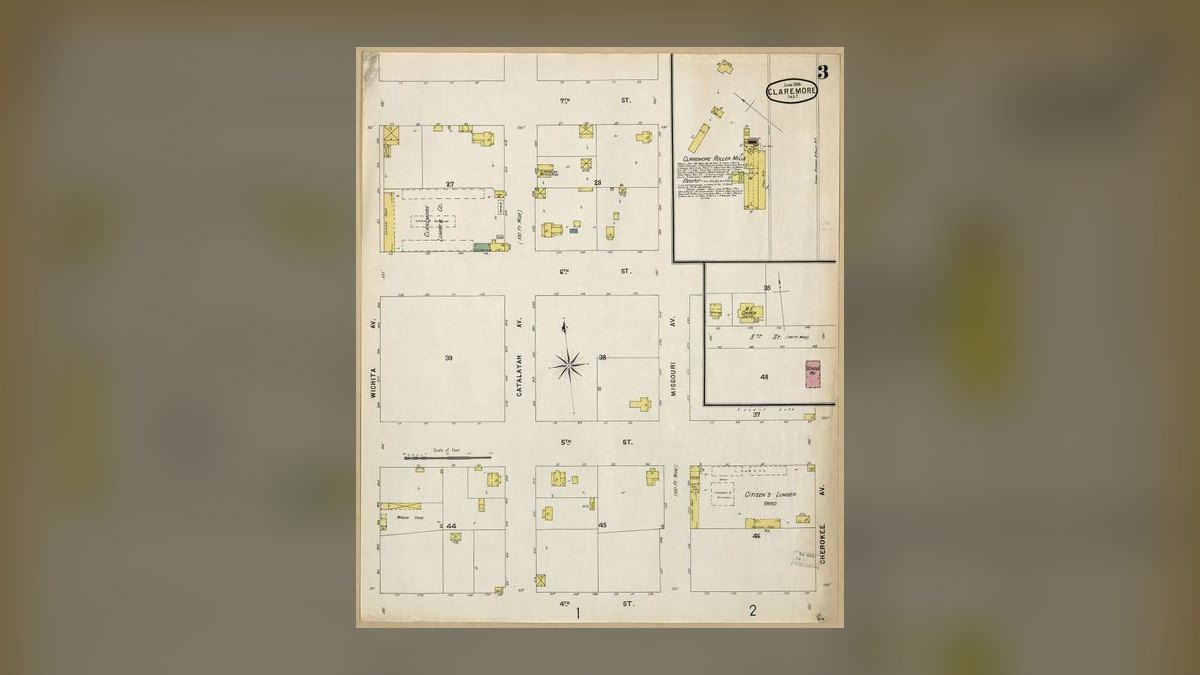
Claremore ranks seventh as the hometown of Will Rogers, with the Will Rogers Memorial Museum and his birthplace ranch both drawing steady tourism that supports a lively small downtown. The town's mineral-spring bathhouse history left behind a wellness-town identity, and Claremore Indian Hospital plus Hillcrest Hospital Claremore cover local medical needs. It sits close enough to Tulsa for specialist referrals without daily commuting.
Retirees drawn to Americana history and a genuine small-town pace over lakefront or suburban amenities will find Claremore a fit. It offers less shopping variety than Jenks or Broken Arrow above it. Stillwater, next on the list, swaps Claremore's Western heritage focus for a college-town identity centered on Oklahoma State University.
8Stillwater Oklahoma

Stillwater ranks eighth for retirees who want Oklahoma State University's continuing-education classes, Gallagher-Iba Arena events, and Stillwater Medical Center's hospital care in one town. The Botanic Garden at OSU and Boomer Lake Park give low-cost outdoor options, and cost of living stays below the national average despite the university presence. Game-day crowds several fall weekends are the main disruption to daily routine.
It fits retirees who valued Norman's university-town model above but want a smaller, less expensive alternative. Stillwater has fewer cultural institutions than Norman and a smaller hospital system overall. Ada, ranked below, offers a similar small-university feel but built around Chickasaw Nation infrastructure instead of a major state university.
9Ada Oklahoma
Ada ranks ninth because Chickasaw Nation Medical Center, headquartered here, gives the small town a hospital system disproportionate to its size, alongside East Central University's continuing-education and arts events. The Chickasaw Nation's economic investment supports well-kept parks and a stable local economy less dependent on oil-price swings than other Oklahoma towns this size. Housing costs remain among the lowest on this list.
Ada suits budget-conscious retirees who want reliable healthcare without metro-area prices, trading away the restaurant and entertainment variety found in Stillwater above it. It's a genuinely small town, so retirees wanting more social density should look higher on this list. Ponca City, ranked last here, offers a comparable small-town budget with more historical tourism draw.
10Ponca City Oklahoma
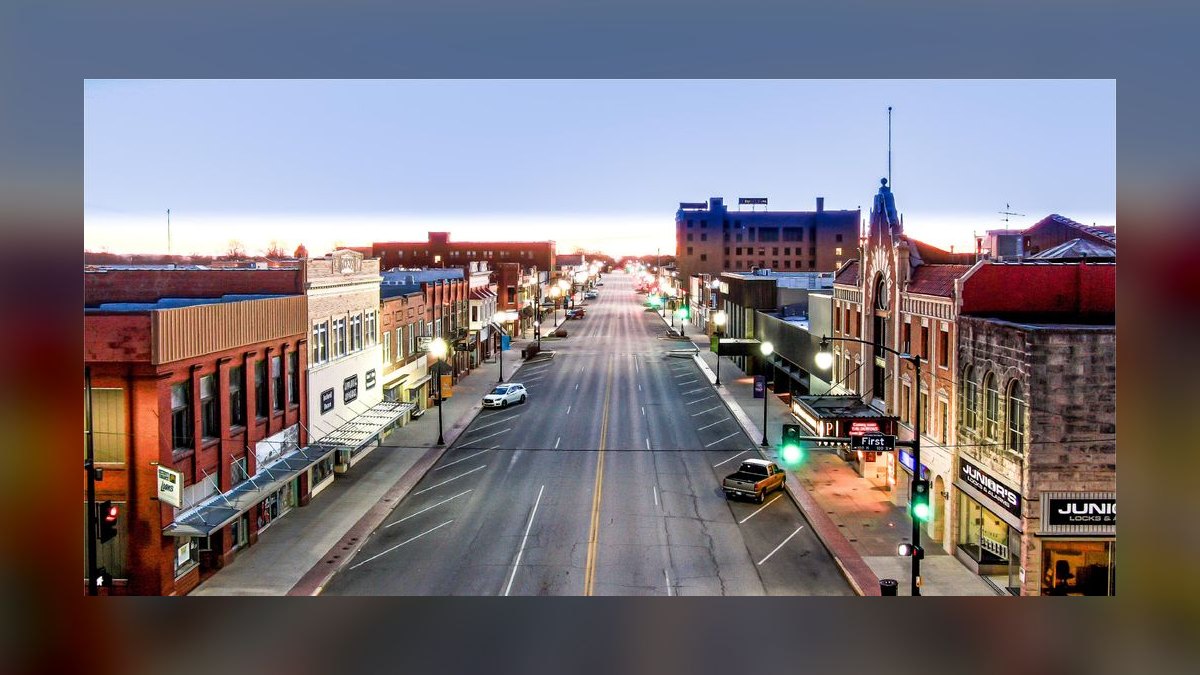
Ponca City rounds out the list on affordability and historical character: the Marland Estate Mansion and the 17-foot Pioneer Woman Statue and Museum give the small town outsized cultural landmarks, and Lake Ponca offers local fishing and trails. Ponca City Medical Center covers routine care, though specialist services require a drive to Tulsa or Oklahoma City. Cost of living runs among the lowest of any town here.
It fits retirees prioritizing budget above all else and comfortable with a longer drive for advanced medical care. Compared to Ada above it, Ponca City has more tourist-draw history but a less robust hospital system. Retirees who need Chickasaw Nation-level medical infrastructure nearby should choose Ada instead.
How we ranked these
Rankings weighted Oklahoma's tax treatment of retirement income first: Social Security is fully exempt from state tax, and residents can exclude up to $10,000 per person of pension, IRA, or 401(k) withdrawals. Layered on top were median home price, effective property tax rate (among the ten lowest nationally), proximity to a full-service hospital system, senior population share, and violent-crime rate per capita, since affordability, safety, and healthcare access matter almost equally to relocating retirees.
Deliberately ignored: nightlife density, public transit scores, and coastal or mountain scenery, since none of those drive a retiree's day-to-day quality of life in a car-dependent, landlocked state. Short-term rental yield and luxury real estate segments were excluded too, because this list ranks places to live out retirement, not investment property. University-town party reputations and college sports culture were noted only where they fed a broader amenity base, never scored on their own.
What to look for
What actually matters is the property tax senior valuation freeze, which locks the assessed value for qualifying homeowners over 65 below an income threshold, and proximity to a real hospital system rather than a satellite clinic thirty minutes further out. A walkable core with a grocery store and pharmacy within a ten-minute drive matters more once nighttime driving becomes a concern, even in towns that otherwise feel rural.
The mistake most buyers make is fixating on the sticker price of the home and ignoring Oklahoma's homeowners and wind and hail insurance premiums, which run well above the national average because of tornado exposure and can quietly erase the state's low-tax, low-property-tax advantage within a few years. Get an actual insurance quote before comparing towns on affordability, not a statewide average estimate figure.
Related questions
Does Oklahoma tax Social Security benefits?
No. Oklahoma fully exempts Social Security retirement benefits from state income tax, and has since before the state's broader 2022 retirement-income reforms. Retirees also get a $10,000 per-person exclusion on income from private pensions, 401(k) plans, IRAs, and most government retirement accounts, making the state one of the more tax-friendly options in the region for anyone living primarily off fixed retirement income.
How does Oklahoma's cost of living compare to neighboring states?
Oklahoma consistently ranks among the five cheapest states to live in, with a cost-of-living index roughly 10-15% below the national average, driven mostly by housing. Median home prices in most retirement-friendly towns sit well under $300,000, and utility and grocery costs track close to national norms, so the savings show up almost entirely in housing and property tax lines.
Are Oklahoma winters and tornado season a real retirement concern?
Tornado risk is real and seasonal, concentrated April through June, and every town on this list sits inside "Tornado Alley." Retirees typically manage it with storm shelters, common in new construction, and by choosing homes already fitted with safe rooms. Winters are milder than Midwest states further north, with occasional ice storms rather than sustained snow, which matters more for retirees who still drive daily.
What property tax breaks exist for Oklahoma retirees?
Homeowners 65 and older whose household income falls under a county-set limit can apply for a valuation freeze, locking the assessed value of their home so tax bills don't rise with market appreciation. Combined with Oklahoma's already-low average effective property tax rate, under 1% in most counties, this freeze is one of the more meaningful and underused retirement benefits in the state.
How good is healthcare access outside Oklahoma City and Tulsa?
Access drops off quickly outside the two metro areas; many smaller towns rely on a single regional hospital or critical-access facility for anything beyond primary care. Towns like Norman, Edmond, and Broken Arrow benefit from being close enough to OKC or Tulsa's larger hospital systems for specialist care, which is why proximity to a metro edge outweighs raw small-town charm for most relocating retirees.
Is Oklahoma a good state for retirees on a fixed income?
Yes, largely because of the combination of no Social Security tax, a $10,000 retirement-income exclusion, low property taxes, and below-average home prices. The tradeoff is higher-than-average homeowners and wind/hail insurance premiums and a state sales tax that runs above the national median, so the tax advantage shows up more in ownership costs than in day-to-day purchases.
What's the best Oklahoma town for retirees who want walkability?
Edmond and Norman have the most developed walkable downtown cores among the towns on this list, with grocery, pharmacy, and dining within a short walk or drive of established residential neighborhoods. Smaller towns like Bartlesville and Ponca City have compact historic downtowns too, but daily errands there still generally require a car, even for residents living close to the center.
Do Oklahoma retirement communities require an entrance fee?
It varies widely. Continuing care communities near Oklahoma City and Tulsa often charge entrance fees from $100,000 to $300,000-plus alongside monthly service fees, similar to national CCRC norms. Smaller towns tend to offer independent-living apartment communities with month-to-month rent instead of buy-in fees, which suits retirees who want lower upfront cost over the long-term equity model a CCRC entrance fee provides.
FAQ
What is the number one retirement destination in Oklahoma for 2027?
Edmond consistently tops most rankings due to its combination of low crime, strong healthcare access via nearby Oklahoma City hospital systems, a walkable downtown, and a large enough senior population to support dedicated senior centers and continuing-care communities, all while keeping median home prices under $350,000, well below comparable suburbs in states with similar amenities.
How much does it cost to live comfortably in retirement in Oklahoma?
Most financial planners estimate a comfortable retirement in Oklahoma's mid-size towns runs $45,000-$55,000 a year for a couple, including housing, healthcare premiums, and modest travel, versus $65,000-plus in higher-cost states. That gap widens further once state tax exemptions on Social Security and retirement account withdrawals are factored into net spendable income.
Is Oklahoma safer than the national average for retirees?
It depends heavily on the town; the state's overall violent-crime rate runs above the national average, driven largely by its two big metros. But suburbs like Edmond, Owasso, and Jenks post violent-crime rates well below the national average, which is why town-level, not statewide, crime data should drive any retirement relocation decision in Oklahoma.
Does Oklahoma have good options for retirees who need memory care or assisted living?
Yes; Oklahoma City, Tulsa, and their immediate suburbs host a wide range of assisted-living and memory-care facilities, many affiliated with larger senior-living operators active nationally. Availability thins out considerably in towns further from those two metros, so retirees anticipating future care needs should weigh proximity to a metro area heavily, even if a smaller town looks more appealing today.
What's the state income tax rate retirees pay in Oklahoma on other income?
Oklahoma's top marginal state income tax rate is 4.75% as of recent reforms, applied to income beyond Social Security and the retirement-account exclusion, such as rental income, capital gains, or part-time work earnings. That rate is mid-pack nationally, lower than most West Coast and Northeast states but higher than neighboring Texas, which has no state income tax at all.
Are there active adult (55+) communities in Oklahoma?
Yes, though fewer than in Sun Belt states like Florida or Arizona. Del Webb has an active 55+ community near Oklahoma City, and several smaller local developers run similar age-restricted neighborhoods around Tulsa and Broken Arrow. Selection is more limited, but prices for comparable homes run noticeably lower than equivalent 55+ communities in Florida, Arizona, or the Carolinas.
How far is Oklahoma from major airports for visiting family?
Will Rogers World Airport in Oklahoma City and Tulsa International Airport both offer direct flights to major hubs like Dallas, Denver, Chicago, and Atlanta, with connections to most of the country. Most towns on this list sit within a 30-60 minute drive of one of the two airports, which matters for retirees who expect frequent visits from out-of-state family.
Does Oklahoma tax retirement account withdrawals like a 401(k) or IRA?
Withdrawals are taxed as ordinary income above the $10,000 per-person exclusion, meaning a couple can shield up to $20,000 combined before owing any state tax on retirement account distributions. Above that threshold, withdrawals are taxed at Oklahoma's standard income tax brackets, topping out at 4.75%, still competitive against most neighboring states.
What's the biggest downside to retiring in Oklahoma?
Homeowners and wind/hail insurance premiums, driven by tornado and severe-storm frequency, run well above the national average and can offset a meaningful share of the state's low property-tax and low-home-price advantage. Retirees moving from lower-storm-risk states are often surprised by their first Oklahoma insurance quote, so it's worth pricing before committing to a specific home.
Should retirees rent or buy when first relocating to Oklahoma?
Renting for six to twelve months first is common advice among relocation specialists, since it lets retirees test a specific town's summer heat, storm season, and healthcare access before committing. Oklahoma's rental market in most retirement towns is affordable enough to make a trial year low-risk relative to the cost of an eventual mismatch.
Sources
- https://www.kiplinger.com/retirement
- https://smartasset.com/retirement
- https://www.bankrate.com/retirement
- https://www.aarp.org/retirement
- https://taxfoundation.org/location/oklahoma/
- https://www.census.gov/quickfacts/OK
- https://www.wallethub.com/edu/best-states-to-retire/45930
- https://www.usnews.com/real-estate
Related on PULSE
This page will be disappearing soon. Save it to your device for $1 — or read it free while it is here.
@Kory-White- · if Venmo asks, the last 4 of my number are 2012
This page is gone.
This one is off the shelf now. $1 keeps it on your phone for good — the whole page, pictures and diagrams included.
 pulse-livingTop 10 Places to Retire in Oregon in 2027
 pulse-living10 Best Mountain Towns to Live in 2027
 pulse-livingTop 10 Best Towns to Live in Minnesota in 2027
 pulse-living10 Best Active Adult (55+) Communities to Retire in 2027
 pulse-livingTop 10 Best Towns to Live in for Young Professionals in 2027
 pulse-livingTop 10 Best Towns to Live in Missouri in 2027
 pulse-livingTop 10 Places to Retire in Arizona in 2027
 pulse-livingTop 10 Best Towns to Retire in Maryland in 2027
 pulse-living10 Best Mountain Towns to Retire in 2027 (Scenery, Clean Air, Outdoor Life)
 pulse-livingTop 10 Places to Retire in Minnesota in 2027