


What should you know before investing in Nightlife in 2027?
Quality
Certified
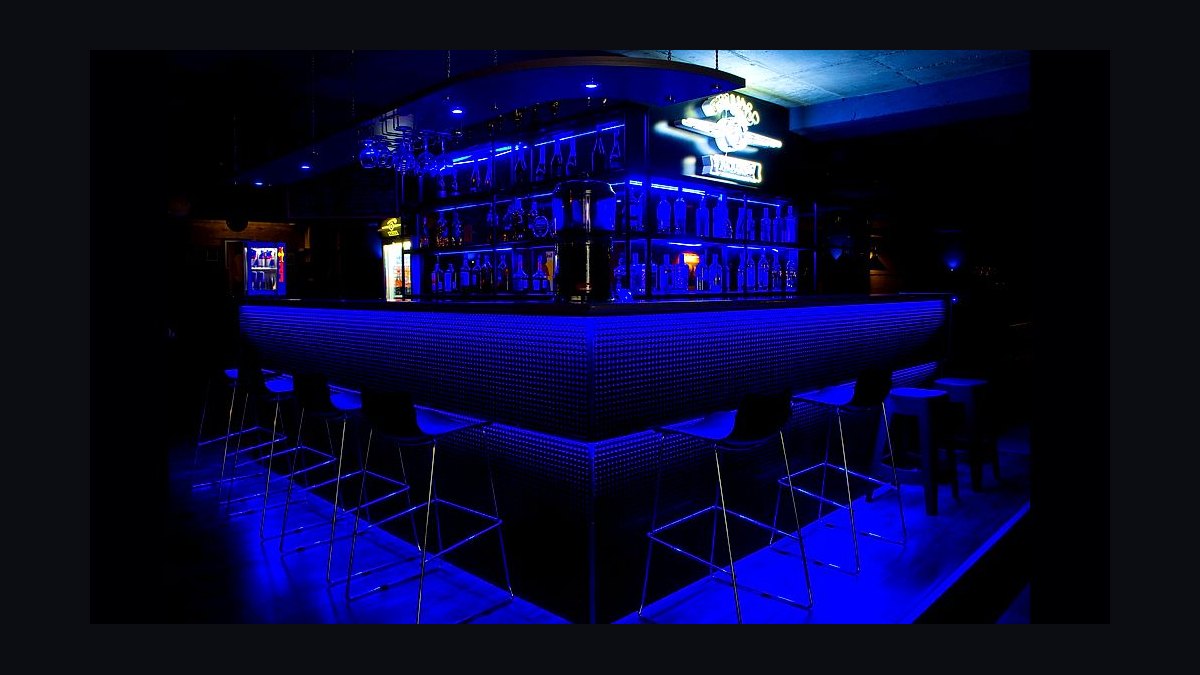
Nightlife investing in 2027 splits into two paths: buying an existing licensed venue with proven receipts, or building a new concept from a raw lease. Before committing capital, know your local licensing timeline, your true fixed-cost floor, and which weekends actually carry revenue. Cash flow, not concept, kills most venues.
Buying an existing venue versus building a concept from scratch
Every nightlife investment in 2027 resolves to one of two structures, and the differences are large enough that they change your entire underwriting model, your timeline, and the skills you need on the operating side.
Option A — acquire an operating, licensed venue. You buy the entity or the assets of a bar, lounge, or club that already holds a liquor license, a certificate of occupancy, a build-out, and (critically) a demonstrated sales history. You are purchasing risk-reduction. The license already exists and in most jurisdictions transfers with a review rather than a fresh application. The kitchen hood, grease interceptor, fire suppression, ADA restrooms, and sound system are already installed and already passed inspection — which is where a disproportionate share of build-out overruns hide. You can pull two or three years of POS exports, sales-tax filings, and distributor invoices and reconcile them against each other before you wire anything. The trade-offs: you inherit the venue's reputation, its lease, its staff dynamics, its deferred maintenance, and sometimes its unpaid vendor balances. You pay a premium for the license and the goodwill. And if the venue is for sale, you must answer honestly why — declining neighborhood, a lease renewal the seller can't get, an owner facing a license hearing, or a concept that has simply aged out.
Option B — build a new concept in a raw or shell space. You sign a lease, apply for a license, design the build-out, and open cold. You control the concept completely, you get a modern layout with the bar positioned for throughput rather than inherited from 1998, and you avoid buying anyone's goodwill. The trade-offs are timeline and financing risk. A new on-premise liquor license frequently involves published notice, a community or neighborhood board hearing, and a licensing board calendar — a process that commonly runs several months and, in constrained jurisdictions, considerably longer. During that period you are usually paying rent. Construction adds its own timeline, and any structural change to egress, occupancy load, or ventilation triggers plan review. You open with zero sales history, meaning your projections are the only thing your lender or investors have.
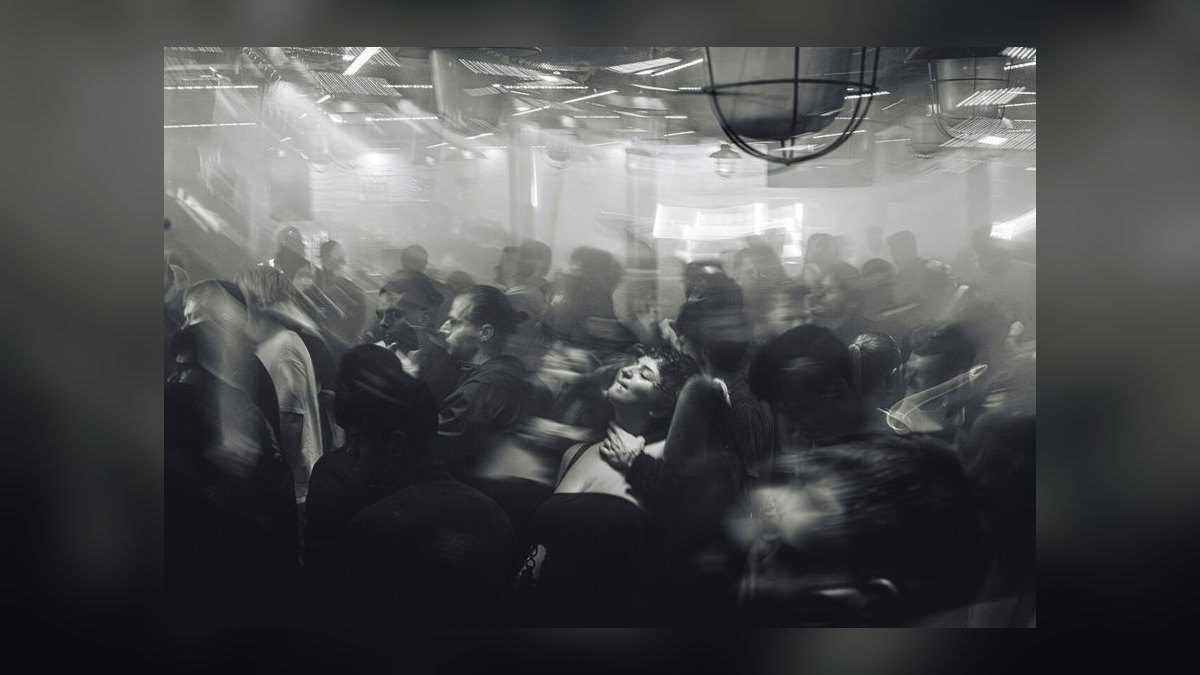
There is a real third structure worth naming, because it resolves a lot of the tension: lease an already-licensed space from a landlord who holds the license or has a licensed predecessor tenant. This is common in dense entertainment districts where the space has been continuously licensed for decades. You get much of Option A's regulatory head start without buying an operator's goodwill or their problems. The rent premium is real, and the lease terms are usually less negotiable, but for a first-time nightlife investor it is frequently the best risk-adjusted entry.
A fourth variant — buying into an operating venue as a minority capital partner rather than owning outright — deserves mention because so many first-time nightlife investors end up there by accident. You supply capital, an experienced operator supplies the license, the staff, and the daily management. This is genuinely the lowest-effort path, and it is also where investors lose money most quietly, because minority positions in privately held hospitality entities have almost no liquidity and almost no governance leverage. If you take this path, the operating agreement is the entire investment: define distributions, define what triggers a capital call, define your information rights (monthly P&L, not annual), and define what happens if the operator wants to open a second location using your venue's cash.
Choosing between acquisition, build-out, and a licensed shell
The decision is not primarily about which concept excites you. It is about which constraint binds hardest in your specific market: license availability, capital, or timeline. Work through them in that order.

Start with license availability, because it is the only one you cannot solve with money or patience in some markets. Call the state alcohol control board or the municipal licensing office and ask three questions: is there a quota or cap on on-premise licenses in this jurisdiction, what is the current queue time from application to hearing, and are there moratorium zones or overlay districts where new licenses are not being issued. If the answer is quota-limited, existing licenses trade on a secondary market and acquisition is effectively your only path — the license itself becomes a substantial line item on the purchase price. If licenses are freely issued, the calculus opens up and building becomes viable.
Then test your capital against the build-out. The honest question is not "can I afford the build-out estimate" but "can I afford the build-out estimate plus rent through an uncertain licensing period plus six to twelve months of operating losses after opening." Investors who fail rarely fail on the construction number. They fail because they capitalized to the opening date instead of to breakeven.
Then test the timeline against your lease. If your lease begins the day you sign but your license may take six months, you need either a rent-abatement period tied to license issuance or a contingency clause letting you exit if the license is denied. A landlord who refuses both is telling you something about how they expect this to go.
One more filter worth applying before you run that tree: be honest about whether you intend to work in the venue. Nightlife is an operating business with a demanding schedule, and the economics assume someone competent is present on the highest-revenue nights. If you are an absentee investor, acquisition with retained management or a minority position with a strong operating agreement are the realistic options — building a concept from scratch as a passive investor is how undercapitalized ventures become uncapitalized ones.
Where the money actually goes and where it actually comes from

Precise dollar figures vary enormously by market, so treat these as structural relationships to fill in with local quotes rather than as universal numbers. What matters is knowing which categories exist and roughly how they scale relative to one another.
Cost structure on the way in. A build-out has four cost blocks that dominate: the physical construction and finishes, the bar and back-bar equipment including refrigeration and draft systems, the mechanical work (HVAC, ventilation, and any sound isolation), and the soft costs (architecture, permits, expediting, legal, initial license fees). The mechanical block is the one that most consistently blows budgets, because adequate ventilation and sound isolation are invisible in a rendering and expensive in reality. If your concept involves amplified music near residential units, budget for sound attenuation as a first-class line item, not a contingency.
An acquisition compresses these into a purchase price plus the cost of whatever you change. The purchase price of an operating venue is typically negotiated as a multiple of a normalized annual cash-flow figure — usually seller's discretionary earnings or EBITDA — with the license valued separately if it is quota-limited and independently transferable. Small independent hospitality businesses generally trade at low single-digit multiples of discretionary earnings. Be extremely skeptical of any multiple justified by "potential" rather than by trailing receipts.

Cost structure on an operating basis. Nightlife P&Ls tend to organize around a few percentages you should learn for your own market: pour cost or beverage cost as a percentage of beverage revenue, food cost as a percentage of food revenue, total labor as a percentage of total revenue, and occupancy (rent plus triple-net charges) as a percentage of total revenue. Ask three operators in your market what theirs are, and treat any pro forma that assumes materially better ratios than local peers as fiction. Beverage carries a meaningfully better margin than food, which is why bar-forward concepts can survive rent that would crush a restaurant — but food drives dwell time, offsets over-service liability, and in many jurisdictions is required to hold certain license classes.
The costs new investors most reliably underestimate are: security staffing on peak nights, credit card processing on a high-volume/low-ticket business, liquor liability insurance (which is priced very differently from general liability and can move sharply after any incident), music licensing fees paid to performing-rights organizations, waste and grease removal, and the labor cost of the deep clean that has to happen after every busy night.
Revenue concentration is the number that should shape your entire model. Most traditional nightlife venues earn a large majority of weekly revenue in a narrow band of hours — Friday and Saturday nights, plus whatever local night carries (Thursday in college markets, Sunday in service-industry markets). Before investing, get the daypart breakdown, not just the annual total. Two venues with identical annual revenue are completely different investments if one earns it across seven days and the other earns it in twelve hours a week. Concentrated revenue means a single closed weekend — weather, a power outage, a citation — removes a material share of a month.
That concentration is also the strongest argument for revenue diversification, which in practice means: private event and buyout bookings (high-margin, contracted in advance, midweek), a food program that opens earlier dayparts, ticketed programming where you control the door, and space rental to promoters who bring their own audience. Each of these adds operational complexity, and none of them should be modeled as certain in year one, but a venue with a private-events pipeline has a floor that a pure weekend bar does not.

How to verify any of it during diligence. Do not accept a seller's summary spreadsheet. Ask for: POS exports at transaction level for at least twenty-four months, sales-tax returns for the same period, distributor statements from the two or three largest alcohol suppliers, the last three years of business tax returns, the full lease including all amendments, the license file including any citations or disciplinary history, and payroll records. Then reconcile: POS beverage revenue against distributor purchase volume (this catches both unrecorded sales and inflated books), POS revenue against sales-tax filings, and payroll against the staffing level the venue visibly runs. Sit in the venue on four different nights across two weeks and count the door yourself. If the counted traffic and the reported revenue disagree, believe your count.
Sequencing the first eighteen months
Order matters more than speed. The single most common structural mistake is signing a lease before confirming the license path, which converts a solvable regulatory question into a monthly cash burn.
Phase one — verify before you commit. Confirm zoning permits your use and your intended hours at the specific address. Confirm the license class you need and whether it is available. Pull the address's citation and complaint history. Identify the neighborhood association or community board that will be heard on your application and find out how they have voted on comparable applications. Get a preliminary read from a hospitality attorney licensed in that jurisdiction. None of this requires you to have signed anything.

Phase two — control the space on favorable terms. Negotiate the lease with a license contingency and a rent-abatement or reduced-rent construction period. Push for assignment rights (you will want to be able to sell the business later, and a lease you cannot assign destroys most of your exit value), an option to renew, and a personal-guarantee structure that burns off over time rather than running the full term. Lease terms determine your exit long before you think about exiting.
Phase three — license and build in parallel, carefully. File the license application immediately on lease execution. Begin design and permitting concurrently, but stage the capital: spend on drawings and permits before you spend on millwork and equipment, so that a license denial does not strand a fully built room. Hire your general manager and head bartender early enough that they participate in the bar design — the difference between a well-designed and badly designed service well is measurable in drinks per hour on your busiest night, which is exactly when your revenue is made.
Phase four — open deliberately. Run friends-and-family and soft-opening nights at reduced capacity to shake out POS configuration, kitchen timing, service-well flow, and door procedure before you invite a crowd. Opening at full capacity into an untested operation produces exactly the kind of viral bad night that a new venue cannot absorb. Plan for a post-opening trough: the initial curiosity crowd fades, and the real question is what your traffic looks like in months three through six. Your reserve exists for that window.
Phase five — instrument and adjust. From day one, track revenue per available hour by daypart, beverage cost by category, labor as a percentage of revenue by shift, average check, and door count versus revenue. Compliance instrumentation matters too: documented server training, incident logging, ID-check procedure, and camera retention. These are not bureaucracy — they are the evidence that protects your license and your insurance position when something goes wrong, and something eventually does.
The risks that are specific to this asset class

Nightlife carries risks that ordinary small-business underwriting does not price correctly, and you should know them before investing rather than after.
License risk is existential and asymmetric. Your license is the asset. A serious violation — over-service leading to harm, service to a minor, an after-hours violation, a violent incident — can lead to suspension or revocation, and a suspended license during peak season can end a venue that is otherwise profitable. This asymmetry is why compliance spending is not overhead; it is insurance on the underlying asset. Certified server training, a documented ID policy, retained camera footage, and an incident log are cheap relative to what they protect.
Liquor liability exposure differs from ordinary business liability. Many jurisdictions impose statutory liability on establishments that serve visibly intoxicated patrons who then cause harm. Coverage limits that look adequate for a retail business are not necessarily adequate here, and premiums respond sharply to claims history. Read the exclusions carefully — assault-and-battery coverage is frequently limited or excluded by default in hospitality policies and often has to be added deliberately.
Neighbor and noise risk compounds. Residential development adjacent to entertainment districts is a durable trend, and new residents complain about venues that predate them. Complaints drive inspections, inspections drive citations, citations drive license hearings. Investing in sound isolation, managing the sidewalk and queue, and building an actual relationship with the surrounding block are cheaper than the alternative. Ask specifically whether the venue you are acquiring has an active complaint history — it is a leading indicator.

Key-person risk is unusually high. In many venues a meaningful share of traffic follows a specific bartender, promoter, or booking relationship rather than the room. If you acquire, understand who actually carries the crowd, and whether they are staying. Non-solicitation terms and retention economics for key staff belong in the deal, not in a conversation after closing.
Concentration and discretionary-spend risk. Nightlife revenue is discretionary consumer spending concentrated into a few hours a week. It is sensitive to local economic conditions, to weather, to transit disruptions, and to whatever happens to the district around you. A cash reserve sized to several months of fixed costs is not conservatism; it is the minimum viable structure.
Shrinkage and cash-control risk. High-volume bar service with a large cash and card mix creates real opportunities for loss — overpouring, comped drinks that never get rung, voided transactions, and inventory walking out. Controls that actually work: measured pours or metered systems where the concept allows, weekly inventory counts reconciled against POS depletion, void and comp reports reviewed by someone who was not on shift, and periodic unannounced audits. Expect some variance; treat a persistent unexplained gap between theoretical and actual pour cost as a management problem rather than a rounding issue.
Related questions
How long does it take to get an on-premise liquor license?
It varies enormously by jurisdiction. Expect a process involving application, published notice, community input, and a board hearing. Some markets clear in weeks; quota-limited or hearing-heavy markets can run many months. Confirm the current queue with the licensing authority before signing a lease.
Should I buy the license separately from the business?
Only where licenses are independently transferable, which is jurisdiction-specific. In quota markets licenses trade separately and carry real value; elsewhere they attach to the premises or the entity. Ask your hospitality attorney how transfer works locally before structuring the deal.
What does a nightlife lease need that a retail lease does not?
A license contingency, an abatement or reduced-rent construction period, explicit permission for your operating hours and amplified sound, assignment rights so you can sell later, and clarity on who pays for ventilation, grease, and sound-isolation work.
Is a food program worth adding to a bar concept?
Often yes. Food opens earlier dayparts, increases dwell time and check size, reduces over-service liability, and in some jurisdictions is required for certain license classes. It also adds labor, equipment, waste, and inspection complexity — model it as a distinct business line.
How much operating reserve should a new venue hold?
Enough to cover fixed costs through the post-opening trough, not just to opening night. Fixed costs include rent, insurance, minimum staffing, utilities, and debt service. Undercapitalization at month four — not the build-out estimate — is the common failure mode.
FAQ
What should I know before investing in nightlife if I have no hospitality background?
That the operator matters more than the concept. Either partner with someone who has run a licensed venue in your market, or acquire a venue and retain its management. Nightlife punishes absentee ownership harder than most small-business categories because the highest-revenue hours require competent on-site decisions about service, security, and cash control.
How do I verify a seller's reported revenue?

Reconcile three independent sources: POS transaction exports, sales-tax filings, and distributor purchase invoices. Beverage purchases should imply revenue in the reported range at a plausible pour cost. Then count the door yourself on several nights. Where your count and the books disagree, trust the count.
Are quota-limited license markets worth entering?
They can be, because the same barrier that raises your entry cost limits your future competition. The trade-off is capital intensity and illiquidity — you are buying a scarce asset whose value depends on regulatory decisions you do not control. Understand the transfer rules before you pay for scarcity.
What insurance does a nightlife venue actually need?
General liability, liquor liability, property, business interruption, and workers' compensation as a baseline, with assault-and-battery coverage evaluated explicitly since it is often limited or excluded by default. Get quotes before closing — liquor liability pricing varies widely by concept, hours, and claims history, and can materially change your model.
How should I think about promoters and outside events?
They can fill midweek and bring audiences you cannot reach, but you are lending them your license. Contract for it: define who controls security and the door, who is responsible for compliance, how the split works, and what conduct terminates the arrangement immediately. Your license risk does not transfer with the party.
Can I exit a nightlife investment easily?
Not quickly. Sale usually means finding a buyer who can be approved for the license and accepted by the landlord, which is why assignable leases and clean license files matter. Build the exit into the entry: keep clean books, keep the license record clean, and keep the lease assignable from day one.
Sources
- U.S. Small Business Administration — Business licenses and permits
- Alcohol and Tobacco Tax and Trade Bureau (TTB)
- National Restaurant Association
- U.S. Bureau of Labor Statistics — Business Employment Dynamics (survival rates)
- Centers for Disease Control — Community Preventive Services on alcohol outlet density
- Cornell University School of Hotel Administration — Center for Hospitality Research
- ASCAP — Licensing for businesses
- BMI — Music licensing for bars and restaurants
- U.S. Department of Justice — ADA requirements for public accommodations
- National Institute on Alcohol Abuse and Alcoholism — Alcohol policy research
Related on PULSE
This page will be disappearing soon. Save it to your device for $1 — or read it free while it is here.
@Kory-White- · if Venmo asks, the last 4 of my number are 2012
This page is gone.
This one is off the shelf now. $1 keeps it on your phone for good — the whole page, pictures and diagrams included.
 pulse-nightlifeTop 10 Nightlife strategies for 2027
 pulse-nightlifeWhat are the most common mistakes in Nightlife in 2027?
 pulse-nightlifeTop 10 best Nightlife options in 2027
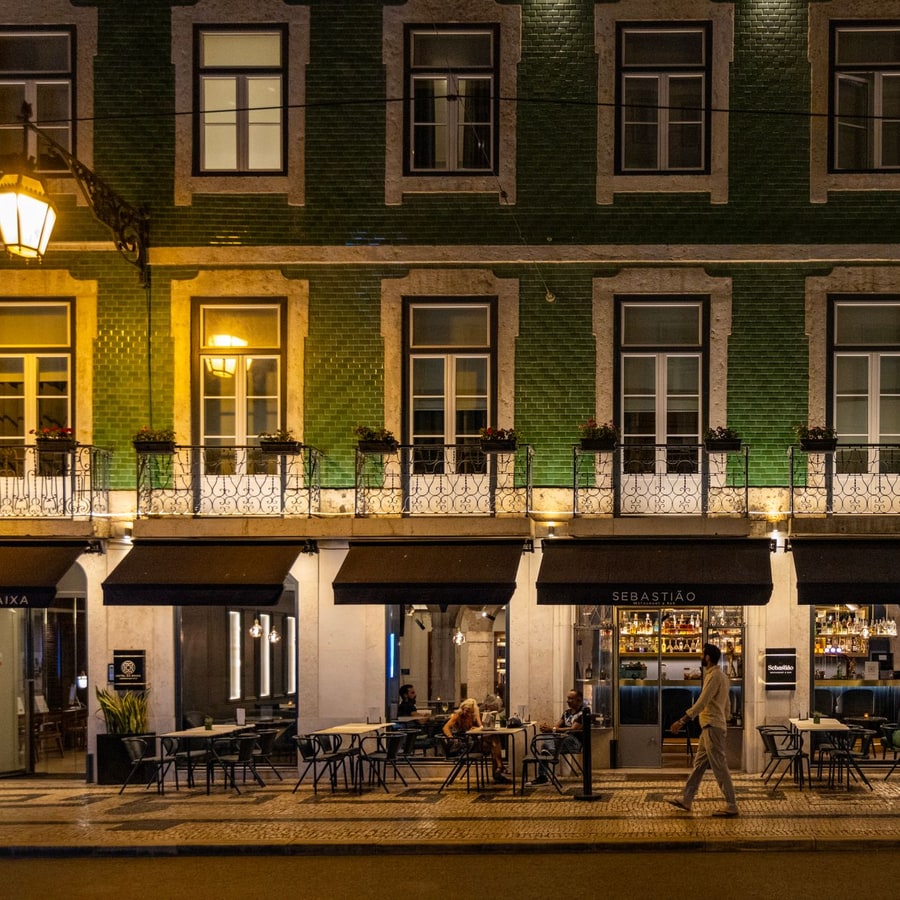 pulse-nightlifeHow do you get started with Nightlife in 2027?
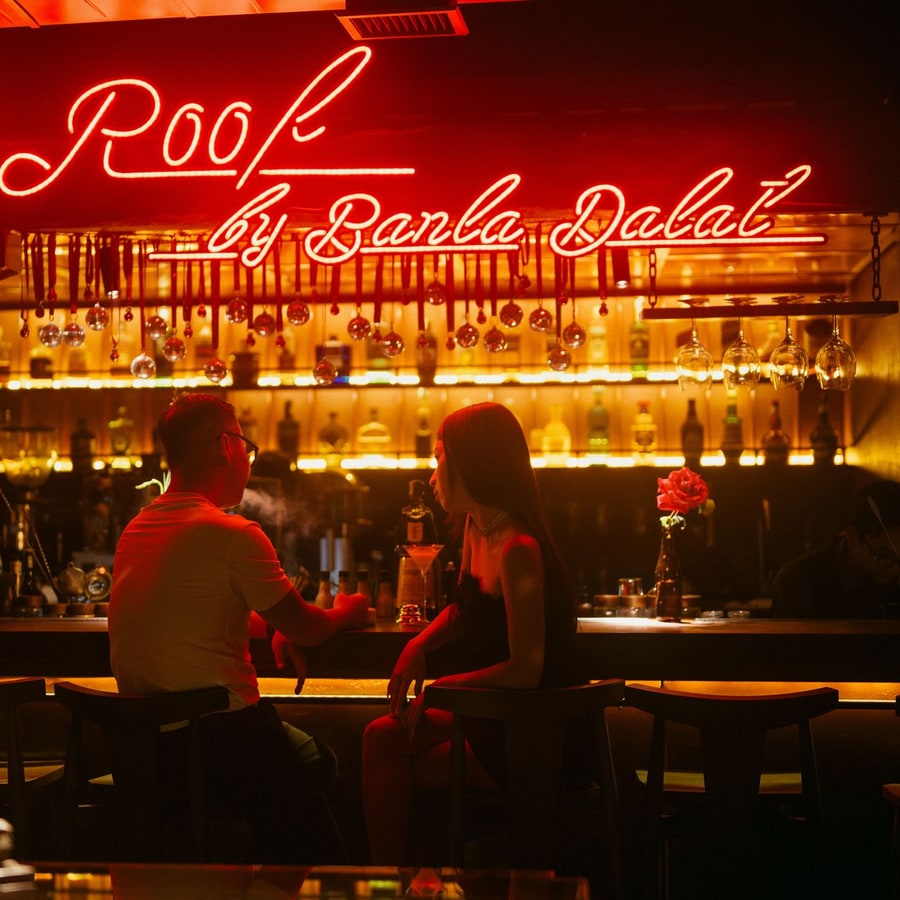 pulse-nightlifeIs Nightlife worth it in 2027?
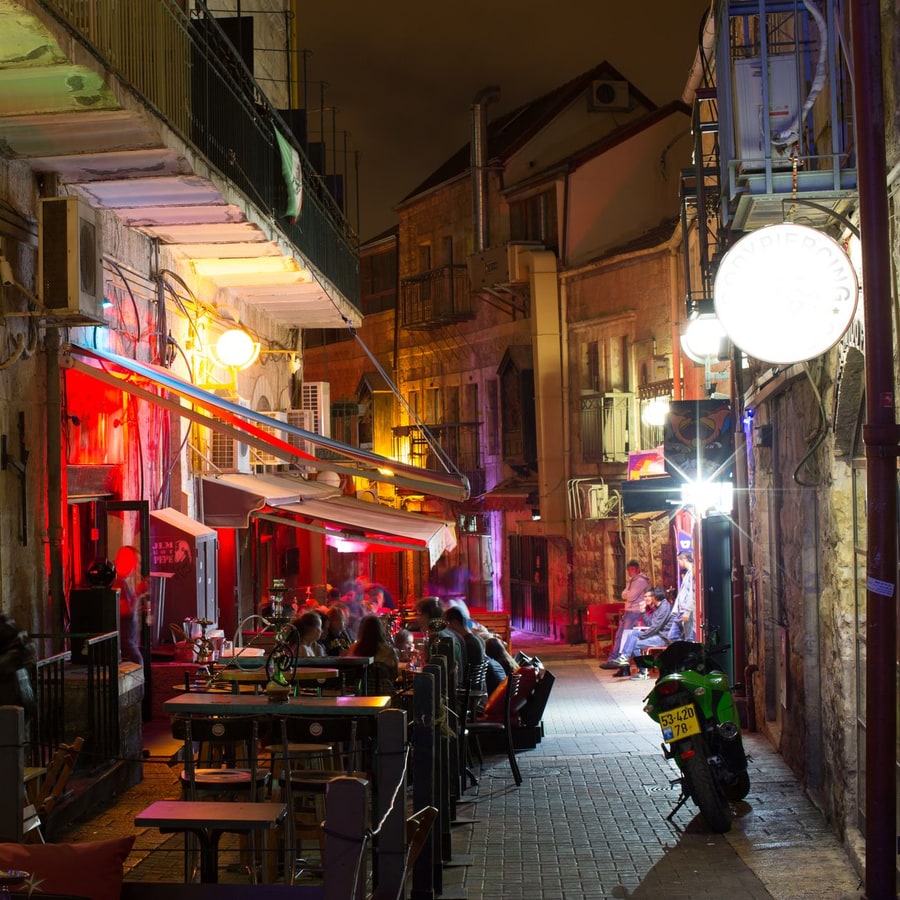 pulse-nightlifeWhat is the best way to approach Nightlife in 2027?
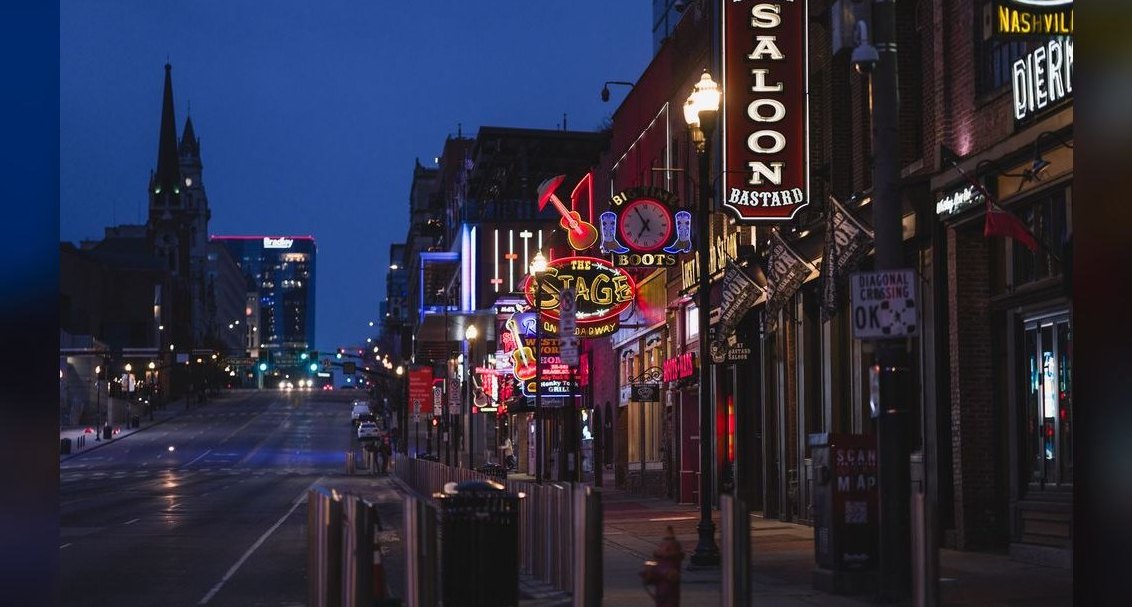 nlTop 10 Country Bars in Nashville in 2027
 pulse-nightlifeTop 10 Nightlife Spots in Savannah in 2027
 pulse-nightlifeThe 10 Best Beach Clubs in Tulum for 2027
 pulse-nightlifeTop 10 Nightlife Spots in Baltimore, Maryland in 2027