
What are the signs of a food allergy in cats and how do I switch their diet safely?
 Curated byKory White · Fractional CRO · Maryland
 PULSEKNOWLEDGE LIBRARY
Quality
Certified

Food-allergic cats itch relentlessly around the head, neck, and ears, develop recurring ear inflammation, over-groom into bald patches, and often vomit or pass loose stool year-round. Confirm it with an 8–12 week elimination diet using a novel or hydrolyzed protein, then switch foods gradually over 7–10 days while logging symptoms daily.
Novel protein versus hydrolyzed protein: the two real options
Once your vet agrees the signs point at food, you face exactly one meaningful fork in the road, and almost every other decision downstream flows from it. The elimination trial can be run on a novel protein diet or a hydrolyzed protein diet, and they fail in different ways.
A novel protein diet uses a single animal protein the cat has demonstrably never eaten — rabbit, venison, duck, or occasionally kangaroo depending on what your regional market stocks. The logic is simple: the immune system cannot mount an allergic response to a protein it has never been sensitized to. The appeal is palatability. Cats generally eat rabbit and duck readily, which matters enormously in a species that will starve itself rather than accept an unfamiliar bowl. The weakness is sourcing. "Novel" is only novel relative to that individual cat's dietary history, and modern commercial cat food is a promiscuous business — if your cat has eaten fifteen different flavors of grocery-store pâté across six years, genuinely novel proteins are thin on the ground. Worse, over-the-counter limited-ingredient diets are produced on shared manufacturing lines, and undeclared cross-contamination with chicken or fish is a documented, recurring problem in independent testing. A trial run on a contaminated food produces a false negative: the cat keeps itching, you conclude "not food," and you stop looking in the right place.
Hydrolyzed protein diets take the opposite approach. A conventional protein — often chicken or soy — is enzymatically chopped into peptide fragments small enough that the immune system no longer recognizes them as the intact allergen. Because the starting protein doesn't need to be exotic, sourcing is reliable and the manufacturing controls on veterinary-exclusive lines are tighter. The trade-off is taste and cost. Hydrolysis produces a bitter, slightly off flavor profile that a meaningful minority of cats simply refuse, and these are prescription products carrying prescription pricing. There's also a documented edge case: hydrolysis is not perfect, and a subset of severely reactive cats still respond to residual peptide fragments of the parent protein. If your cat's suspected allergen is chicken and the hydrolyzed diet is chicken-derived, that's a real, if uncommon, failure mode worth naming to your vet up front.

There is a third option people reach for that isn't really an option: home-cooked elimination diets. Nutritionally, a cat is an obligate carnivore with hard requirements for taurine, arachidonic acid, vitamin A in preformed retinol form, and specific amino acid ratios that a well-meaning owner cooking rabbit and sweet potato will get wrong within weeks. Home-cooked trials are legitimate but only when formulated by a board-certified veterinary nutritionist, which raises cost above the prescription route it was meant to undercut. Treat it as a fallback for cats that refuse both commercial paths, not as a starting point.
How to decide between them
The decision isn't a coin flip — it's driven by three inputs you already have: the cat's eating history, the cat's pickiness, and your household's ability to enforce absolute dietary control.

Start with dietary history. Sit down and actually write out every food, treat, dental chew, flavored medication, and table scrap the cat has consumed. Owners consistently under-report here, and the flavored pill pockets and the tuna-water splash on Sunday nights are exactly what break trials. If that list is short — a kitten raised on one or two chicken-based foods — a novel protein trial is clean and cheap and you should take it. If the list reads like a supermarket aisle, hydrolyzed is the safer bet because "novel" has effectively stopped existing for that animal.
Then weigh pickiness against enforcement. A cat that eats anything put in front of it tolerates a hydrolyzed diet fine. A cat that has refused three foods this year is a hepatic lipidosis risk if it stops eating for more than 48 hours, and palatability moves from convenience to a genuine safety constraint. Fatty liver disease is not a theoretical concern in cats — an overweight cat that goes off food for a few days can decompensate fast, and that risk outranks diagnostic elegance every time.
Finally, enforcement. If the cat goes outdoors, hunts, or lives in a house where a child or a well-meaning grandparent will slip it something, neither trial will produce interpretable results. Fix the household first — one designated feeder, treats physically removed from the house, neighbors told the cat is on a medical diet — or you will burn eight weeks and learn nothing.

The one branch owners skip is the flea step, and it is the single most common reason a diet trial "fails." Flea allergy dermatitis is triggered by saliva from bites you will never see on a fastidious groomer — a cat can be reactive with no visible fleas and no flea dirt. Running rigorous flea control on every animal in the household for two full months before or alongside the diet trial costs little and removes the biggest confounder in the picture.
The concrete numbers behind each path
Vague guidance is what makes owners abandon trials halfway. Here are the numbers that actually govern the process.
Trial duration. Cutaneous signs are slow. Skin turns over on a timescale of weeks, and inflamed ear canals take longer still. Plan for a minimum of eight weeks and be prepared to run twelve. Gastrointestinal signs move faster — many owners see vomiting frequency drop within one to two weeks, which is encouraging but is *not* sufficient evidence to call the trial early. If you stop at four weeks because the skin still looks bad, you've spent the money and the effort and thrown away the answer.

Improvement threshold. The realistic target is a 50% or greater reduction in signs, not perfection. Cats with concurrent environmental allergies often have a food component layered on top of an atopic baseline; removing the dietary trigger takes them from unbearable to manageable rather than to zero. Judge the trial against that partial-improvement bar, then treat the remaining fraction separately.
Transition schedule. The standard 7–10 day taper is the working default: roughly 75/25 old-to-new for two days, 50/50 for two days, 25/75 for two days, then 100% new food. For a cat with an already sensitive gut or a history of stress-related vomiting, stretch it to 14 days by holding each stage for three or four days instead of two. If a stage produces loose stool, back up one step, hold for three extra days, then advance again — never push forward through a reaction.
The re-challenge window. After a successful trial, feeding the original diet again should reproduce the signs within about 7 to 14 days. Many owners refuse this step because deliberately making the cat itch feels cruel. It's a defensible choice, but understand what you're giving up: without the challenge, you don't know whether the diet worked or whether the season simply changed, and you'll be guessing every time a future food decision comes up. A shortened challenge — stop the moment signs reappear — is a reasonable middle path to discuss with your vet.

Sequential ingredient testing. Once confirmed, identifying the specific culprit means reintroducing one protein at a time, each for one to two weeks, returning to the baseline trial diet between tests. Five candidate ingredients tested this way is a two-to-three-month project. It's worth doing if you want the freedom to feed ordinary commercial food long term; it's skippable if you're content staying on the trial diet indefinitely.
Cost shape. Veterinary therapeutic diets run materially higher per pound than grocery brands — expect a noticeable jump in monthly food spend, plus the initial workup and one or two recheck visits. Against that, weigh what you're currently spending on repeated ear cleanings, steroid courses, and antibiotics for secondary skin infections. Owners who've cycled through three rounds of symptomatic treatment often find the diet route is the cheaper path over a year, not the expensive one.

What the numbers don't say. Serum IgE blood tests and saliva or hair "food sensitivity" tests marketed direct to consumers do not reliably diagnose food allergy in cats. They generate long lists of flagged ingredients that don't correlate with what the animal actually reacts to, and following them leads owners into progressively narrower diets for no benefit. The elimination trial remains the only diagnostic that means anything.
Running the switch: sequencing, enforcement, and what breaks it
Diagnosis is the intellectual part. Execution is where trials actually die, and it dies in mundane ways.
Purge before you start. Before day one, physically remove every treat, dental chew, flavored supplement, and lickable tube from the house. Not "put them in a cupboard" — out. If the cat takes flavored medication, ask your vet whether it can be compounded into a neutral base or swapped for an unflavored tablet. Check the toothpaste. Check the joint supplement. Check the hairball paste, which is nearly always flavored. Anything that goes into the cat's mouth for the next eight weeks is either the trial food, water, or a documented exception you've cleared with your vet.
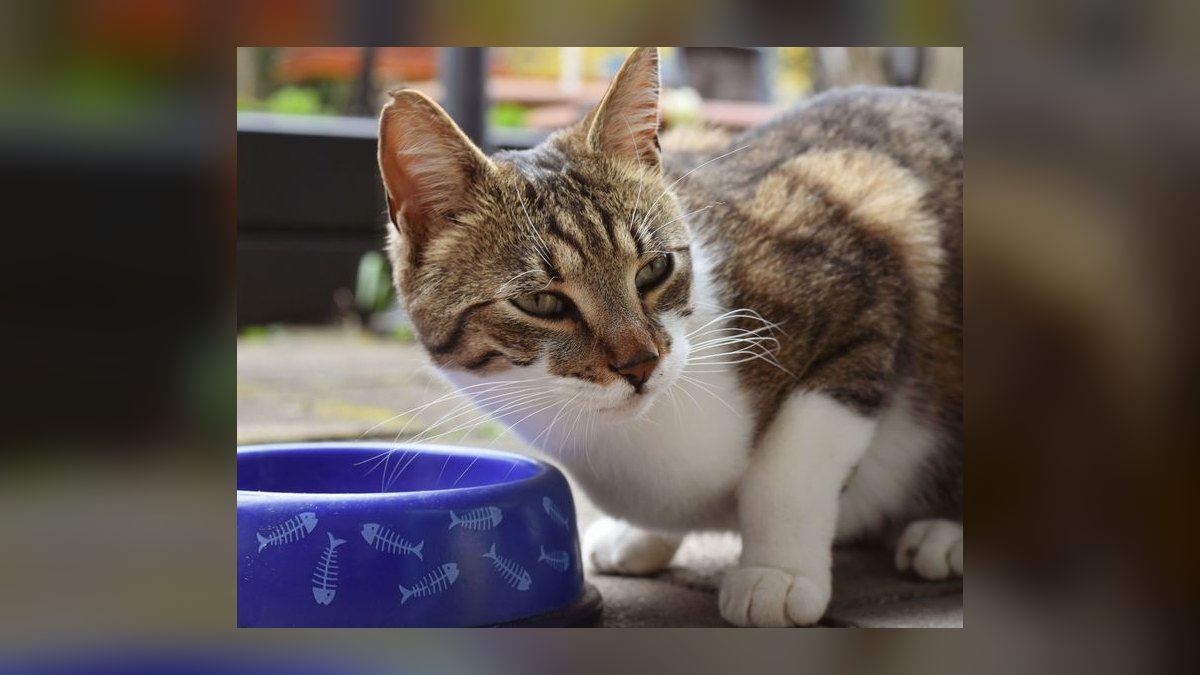
Separate multi-cat households. If you have more than one cat, they will eat each other's food, and the trial is over the first time it happens. The workable options are timed separate-room feeding, a microchip-activated feeder that opens only for the collar-free chipped cat, or — often simplest — putting every cat in the house on the trial diet for the duration. Free-feeding a shared bowl is incompatible with a diet trial, full stop.
Log daily, not from memory. Keep a one-line-per-day record: itch severity on a 1–10 scale, whether ears were scratched, stool consistency, and any vomiting. Snap a phone photo of the worst-affected patch of skin once a week under the same light. Human memory of gradual improvement is unreliable in both directions — owners abandon working trials because "it doesn't seem better," and they continue useless ones because they've talked themselves into progress. The log and the photos settle the argument at the eight-week recheck.
Handle refusal without panicking. If the cat rejects the new food, warm it slightly to release aroma, try the same diet in a different texture (many therapeutic lines exist as both dry and wet), and offer it in a wide shallow dish that doesn't press on the whiskers. Do not let a cat go without food for more than about 24 hours before calling your vet — appetite stimulants exist and are appropriate here, but they're a veterinary decision, not an internet one.

Sequence secondary infections deliberately. A cat that has been scratching for months usually has secondary bacterial or yeast infection in the skin and ears. Those need treating in parallel, and their resolution will improve the picture independently of diet — which muddies your read on the trial. Ask your vet to note the infection status at the start so you can separate "the antibiotics worked" from "the diet worked" at the eight-week mark.
Adjacent situations that use the same playbook
The elimination-and-taper logic isn't cat-specific, and understanding the neighboring cases sharpens how you run your own.
Dogs. The same trial structure applies, with two differences worth noting. Dogs are less neophobic, so palatability rarely constrains the protein choice, and dogs are far more likely to scavenge outdoors — which means the enforcement problem shifts from the food bowl to the walk. Owners of allergic dogs often need a basket muzzle during the trial for exactly this reason.

Non-allergic diet changes. The same 7–10 day taper governs any food switch: kitten to adult, adult to senior, dry to wet, or a move onto a renal or urinary therapeutic diet. Renal diets in particular are a hard sell — they're lower in protein and phosphorus and consequently less palatable — and cats with kidney disease are often already nauseated. There, stretch the transition to three or four weeks and expect to need anti-nausea support alongside it.
Inflammatory bowel disease. IBD and food allergy overlap so heavily that the diet trial is often the first diagnostic step for both, and a hydrolyzed diet is a common first-line therapy for IBD regardless of allergy status. If the trial improves GI signs but not skin signs, you may be looking at a food-responsive enteropathy rather than a cutaneous allergy — a different label with a similar management plan.

Environmental allergy interaction. Cats frequently carry both. The practical implication is that a partially successful diet trial is still a win: reducing total allergen load can pull a cat below the threshold where it itches, even when the environmental component is untouched. This is why the "50% improvement" bar matters and why abandoning a diet because it wasn't a complete cure is usually the wrong call.
Weight management overlap. Therapeutic diets are calorie-dense in some formulations and restricted in others. If your cat is overweight — and a large share of indoor cats are — the diet switch is a natural moment to reset portions to measured meals rather than a topped-up bowl. Weigh the food. Volume-based scoops drift upward over months in a way that measured grams do not.
Upstream: prevention. There's no proven way to prevent food allergy, but rotating proteins in a young, healthy cat preserves your options later. A cat that has eaten only chicken and turkey by age three leaves you a wide menu of genuinely novel proteins if trouble starts. A cat that has eaten everything leaves you with hydrolyzed diets and not much else.
Related questions
Can a cat suddenly become allergic to food it has eaten for years?
Yes, and it's the norm rather than the exception. Sensitization requires prior exposure, so allergies typically develop to familiar proteins — chicken, beef, fish, dairy — after months or years of eating them. A new reaction in a middle-aged cat on an unchanged diet is entirely consistent with food allergy.
Are grain-free diets better for allergic cats?
Not inherently. Grain allergy is uncommon in cats; animal proteins are the usual triggers. Grain-free formulas often substitute pea or potato protein, which can themselves provoke reactions. Choose a diet by whether its protein source is appropriate for your cat's history, not by whether the label says grain-free.
How is a food allergy different from a food intolerance?
Allergy is an immune-mediated reaction, usually producing skin signs alongside any GI upset. Intolerance is non-immune — a digestive failure such as lactose intolerance — and produces GI signs only. The elimination trial resolves both, but intolerance typically improves faster and doesn't cause itching.
Should I use an at-home allergy test kit before starting a trial?
No. Saliva, hair, and serum-based food sensitivity tests marketed to owners have not been shown to identify true dietary allergens in cats reliably, and they routinely flag ingredients the animal tolerates fine. Spend the money on the elimination diet instead.
What if my cat improves but then relapses months later?
Check for diet drift first — a new treat, a changed formulation, a family member feeding scraps. If the diet is genuinely unchanged, cats can develop new sensitivities to the trial protein over time, or a seasonal environmental component may have arrived. Both warrant a recheck.
FAQ
How do I know the itching is a food allergy and not just dry skin or stress?
True allergic itching is persistent, tends to concentrate around the head, neck, ears, and belly, and produces visible consequences — scabs, thinning fur from over-grooming, inflamed ear canals. Dry skin produces dandruff without that pattern, and stress-related over-grooming typically shows as symmetrical hair loss without inflamed skin underneath. The reliable differentiator is that food allergy signs run year-round and don't resolve with flea control alone. A vet exam that includes skin scrapings and cytology separates these quickly.
Can I use an over-the-counter limited-ingredient food instead of a prescription diet?
For long-term maintenance after the allergen is identified, often yes. For the diagnostic trial itself, it's risky. Over-the-counter limited-ingredient foods are manufactured on shared equipment, and testing has repeatedly found undeclared proteins in products whose labels list only one. Since a contaminated trial food yields a false negative that sends you down the wrong diagnostic path entirely, the veterinary-exclusive product is worth the cost for those eight to twelve weeks specifically.
What happens if I switch my cat's food too fast?
Expect vomiting, loose stool, or outright refusal. The feline gut microbiome adapts slowly, and cats form strong food preferences that an abrupt swap violates. The more serious risk is refusal: a cat that stops eating for several days — especially an overweight one — can develop hepatic lipidosis, a genuine emergency. That's the whole reason the taper exists. If you've already switched abruptly and the cat is vomiting, go back to the old food and restart the transition properly.
Do I need to keep my cat on the special diet forever?
That depends on whether you complete the ingredient identification step. If you know the trigger is, say, fish, you can feed any complete diet that excludes fish and read labels carefully. If you never isolate the culprit, staying on the trial diet indefinitely is the safe default. Both are legitimate. Cats do fine on veterinary therapeutic diets long term — they're formulated as complete maintenance foods, not short-course medicine.
Can I give any treats at all during the trial?
Only the treat form of the trial diet itself, if the manufacturer makes one, or plain pieces of the trial food set aside from the daily ration. Nothing else — no dental chews, no lickable tubes, no scraps, no flavored medications. A single chicken-based treat can restart the allergic response and reset your clock. If you need something for training or pilling, ask your vet what's compatible with the specific trial diet rather than improvising.
How soon after switching should I expect to see improvement?
Gastrointestinal signs often ease within one to two weeks. Skin signs are much slower — allow four to eight weeks before judging, and up to twelve for cats with severe or long-standing disease. Ear inflammation is typically the last thing to settle. Don't call the trial a failure before the eight-week mark, and bring your daily log to the recheck so the assessment rests on records rather than impressions.
Sources
- Cornell Feline Health Center — feline skin and allergy resources
- American Veterinary Medical Association — pet food and nutrition resources
- Tufts Cummings Veterinary Medical Center — Petfoodology
- WSAVA Global Nutrition Committee guidelines and toolkit
- Merck Veterinary Manual — food allergy in animals
- U.S. FDA Center for Veterinary Medicine — animal food and feeds
- International Cat Care — advice on feline health and nutrition
- Cornell University College of Veterinary Medicine — hepatic lipidosis information
- American Animal Hospital Association — nutritional assessment guidelines
Related on PULSE
- [How do I trim my cat's nails safely at home?](/knowledge/pt0106)
- [What is the safest cat collar with quick-release buckle for indoor cats?](/knowledge/pt0094)
- [Can cats eat freeze-dried minnows as a training treat?](/knowledge/pt0093)
- [Top 10 Probiotics for Cats in 2027](/knowledge/pt0016)
- [Top 10 fungal infection signs 2027](/knowledge/pt0309)
- [How do I safely treat tap water for a shrimp-only nano aquarium?](/knowledge/pt0071)
This page will be disappearing soon. Save it to your device for $1 — or read it free while it is here.
@Kory-White- · if Venmo asks, the last 4 of my number are 2012
 pulse-petsTop 10 Aquarium Substrates 2027
 petsTop 10 High-Tech Automated Fish Feeders for Busy Aquarium Owners in 2027
 pulse-petsTop 10 fish acclimation methods 2027
 petsTop 10 step-by-step aquarium water change procedures in 2027
 pulse-petsTop 10 Planted Tank LED Lights 2027
 petsTop 10 Gallons of Water Per Fish in 2027
 pulse-petsTop 10 best aquarium snail varieties 2027
 petsTop 10 Automatic Aquarium Dosing Pumps for Reef Tank Additives (2027)
 pulse-petsTop 10 driftwood for aquariums 2027
 pulse-petsTop 10 Aquarium Heaters 2027