
How to brush a cat's teeth if they hate the taste of toothpaste?
 Curated byKory White · Fractional CRO · Maryland
 PULSEKNOWLEDGE LIBRARY
Quality
Certified
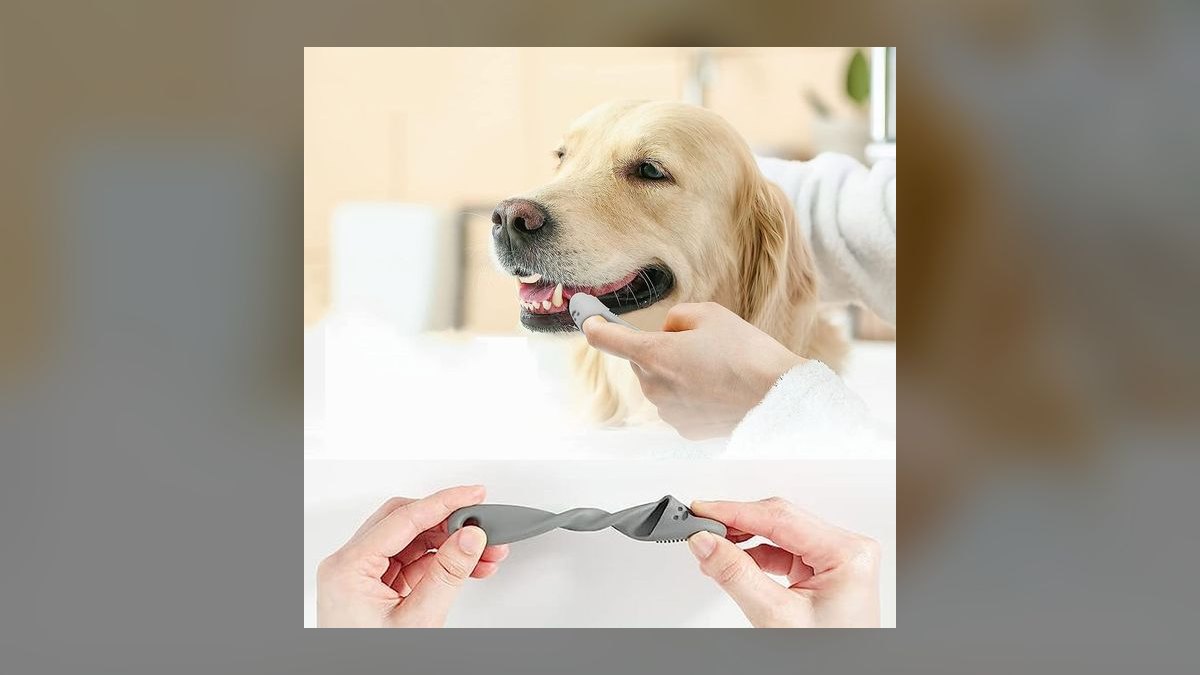
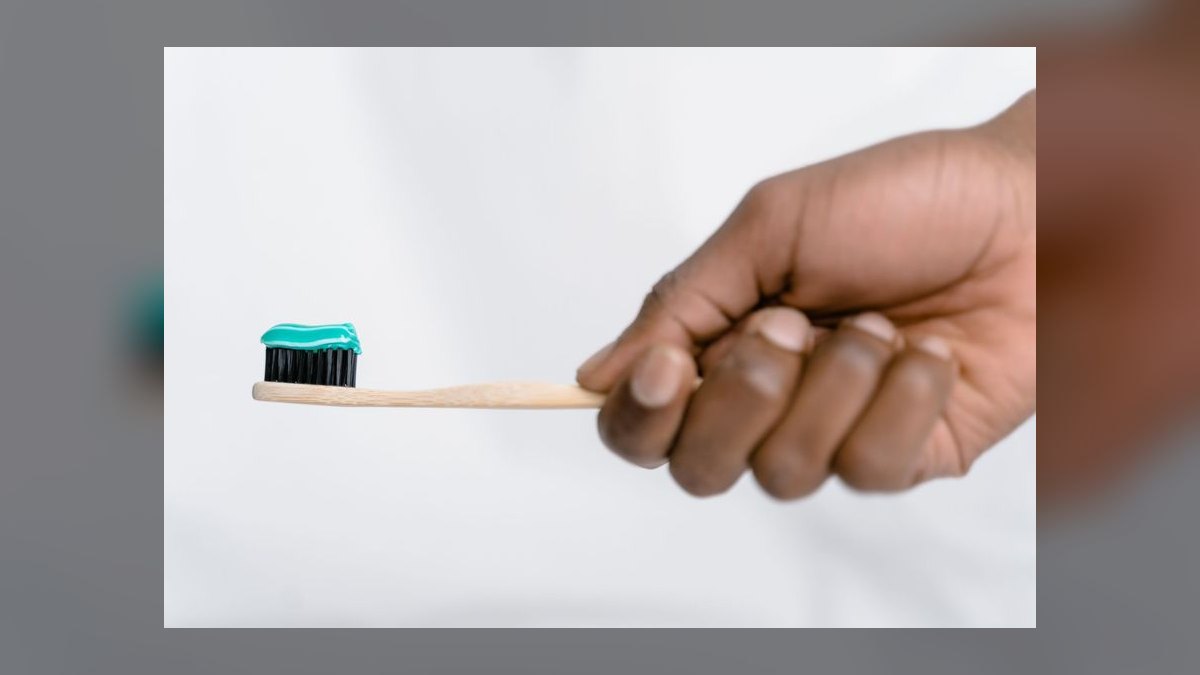
Skip the paste. Use a poultry- or fish-flavored enzymatic gel instead of mint, or brush with plain water and a silicone finger brush — mechanical scrubbing alone removes most plaque. Then rebuild the association: treat, five seconds of brushing, treat. Most cats accept the new routine within one to three weeks.
The outcome you should expect
Set the target honestly before you start, because the wrong expectation is what makes people quit in week two. You are not aiming for a two-minute human-style brushing with a cat lying serenely on its back. You are aiming for 10 to 30 seconds of contact along the outer surfaces of the upper canines and premolars, three to seven days a week, with a cat that walks toward you rather than away. That is the realistic ceiling for a home routine, and it is genuinely enough — the outer buccal surfaces are where feline plaque and calculus accumulate most heavily, and the tongue does meaningful work on the inner surfaces on its own.
The timeline breaks into three phases that most owners move through, though the pace varies enormously by cat. In the first phase — usually days one through four — you are not brushing at all. You are only trying to get the cat to voluntarily taste the new flavor off your finger. In the second phase, roughly days three through ten, you introduce the physical tool with the flavor already established as safe. In the third phase, from about day seven or ten onward, you are extending duration and coverage a few seconds at a time. A cat that has already had a bad experience with mint paste and a hard-bristled brush will move slower than a kitten starting fresh — expect to add a week or two, not to fail.
What "success" looks like at the 30-day mark is worth stating concretely. Your cat should tolerate the lip being lifted without pulling away. There should be visibly less soft yellow-white film along the gumline of the upper canines. Breath should be noticeably less sour. What will not happen: existing hardened tartar will not come off. Calculus that has already mineralized onto the enamel requires a scaler under general anesthesia at a veterinary clinic. Brushing prevents new plaque from hardening; it does not reverse what has already set. If you start brushing a seven-year-old cat with visible brown deposits, the honest sequence is a professional cleaning first, then brushing to protect the clean surface.
There is also an outcome you should expect that has nothing to do with teeth: a cat that tolerates having its mouth handled is dramatically easier to medicate, easier for a veterinarian to examine, and far more likely to have a problem caught early. Owners who build this habit tend to notice a fractured tooth, a red gumline, or a resorptive lesion months before it would otherwise surface. That early-detection benefit is arguably worth more than the plaque reduction itself, and it is the reason worth holding onto when week one is going badly.
What drives that outcome
Rejection of toothpaste is almost never one problem. It is usually three separate objections stacked on top of each other, and owners typically fix only the first one, conclude "my cat just hates brushing," and stop. Separating them is the whole game.
Objection one is flavor and smell. Cats are obligate carnivores with a comparatively small number of taste receptors and a very sharp nose. Mint, vanilla, and the sweetener profiles common in human toothpaste read to a cat as strongly not-food, and often as actively noxious. The fix is a genuinely meat-based flavor — poultry, malt, seafood — from a veterinary dental line, not a "cat-flavored" novelty product. Worth knowing: human toothpaste is not merely unappealing, it is unsafe. Fluoride is not meant to be swallowed, the foaming agents cause stomach upset, and xylitol, when present, is a serious toxin. Baking soda is also a poor idea — high sodium load and a taste cats reject anyway.
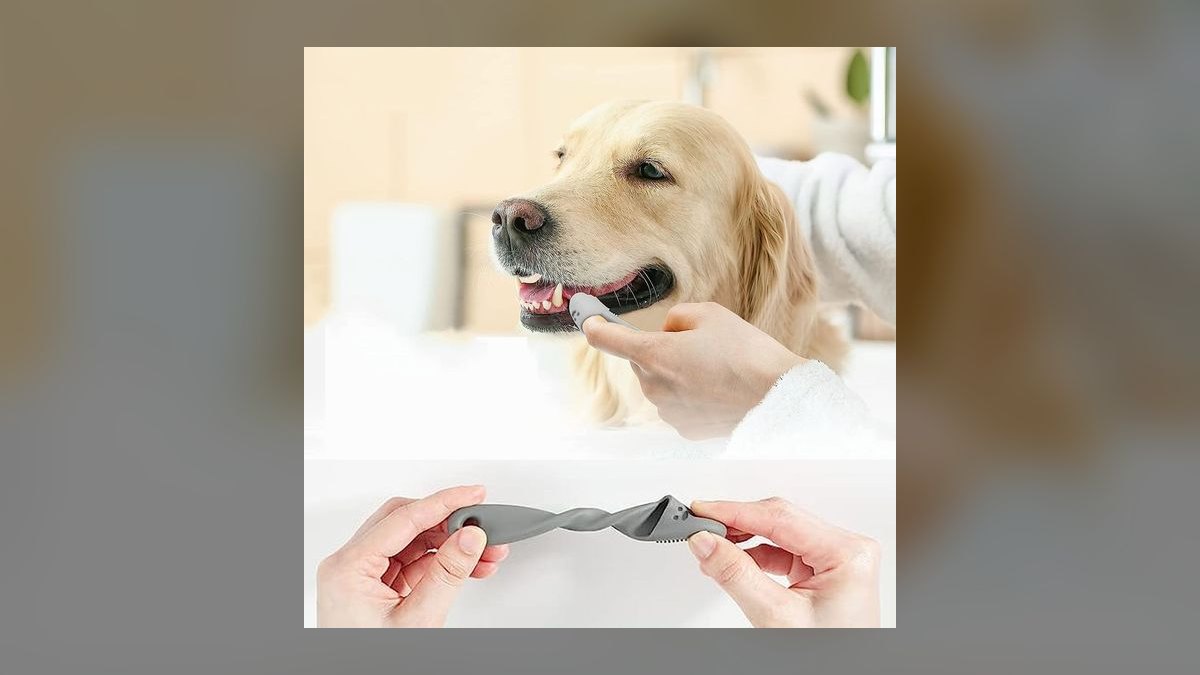
Objection two is texture and the gag reflex. Even with a perfect flavor, a stiff nylon-bristled brush pressed toward the back of a small mouth produces a gag. Cat mouths are shallow; the working space between the cheek and the outer tooth surface is narrow. A silicone finger brush with short, soft nubs sits flat against the gumline and, critically, gives you proprioceptive feedback — you can feel the pressure you are applying, which a handled brush hides from you. Many cats that "hate brushing" simply hate the sensation of a foreign rigid object, and they accept a finger that happens to be textured.
Objection three is the restraint, not the mouth at all. If your cat has been scruffed, wrapped in a towel, or pinned for pilling or nail trims, the approach itself is the trigger. In that case the cat is objecting before the paste is even open, and no flavor change will help. This is the objection most often misdiagnosed. The tell is timing: if the cat leaves when you sit down with the supplies, the problem is anticipatory, not gustatory.
Underneath all three sits the mechanism that makes the effort worthwhile. Plaque is a soft bacterial biofilm that starts reforming within hours of removal. Left alone, minerals in saliva harden it into calculus within roughly one to three days. Once it is calculus, a brush cannot touch it, and the rough surface accelerates further accumulation while irritating the gum margin into gingivitis. Brushing works because it interrupts the biofilm during its soft window. This is why frequency dominates duration: ten seconds daily beats two minutes on Sundays by a wide margin. It is also why the enzymatic gel is a bonus rather than the point — the glucose-oxidase and lactoperoxidase systems in those gels have modest antibacterial effect, but the bristle or nub disrupting the film mechanically is doing the majority of the work. If your cat hates every paste ever invented, you are losing the smaller half of the benefit, not the larger one.
Benchmarks and realistic ranges
Concrete numbers help you know whether you are on track or fooling yourself.
Frequency. Daily is the veterinary standard, and it is the only frequency that reliably stays ahead of the mineralization window. Three to four times weekly is the widely accepted practical floor that still produces measurable benefit. Once weekly is close to cosmetic. If daily is not happening, be honest about it and aim for a consistent every-other-day slot rather than an aspirational daily one you miss four times a week.
Session duration. Five to ten seconds per side in week one. Fifteen seconds per side by week three or four. Thirty to forty-five seconds total is a mature routine. Pushing past a minute with a cat is usually a sign you are overriding resistance rather than working with cooperation, and it tends to cost you the next three sessions.
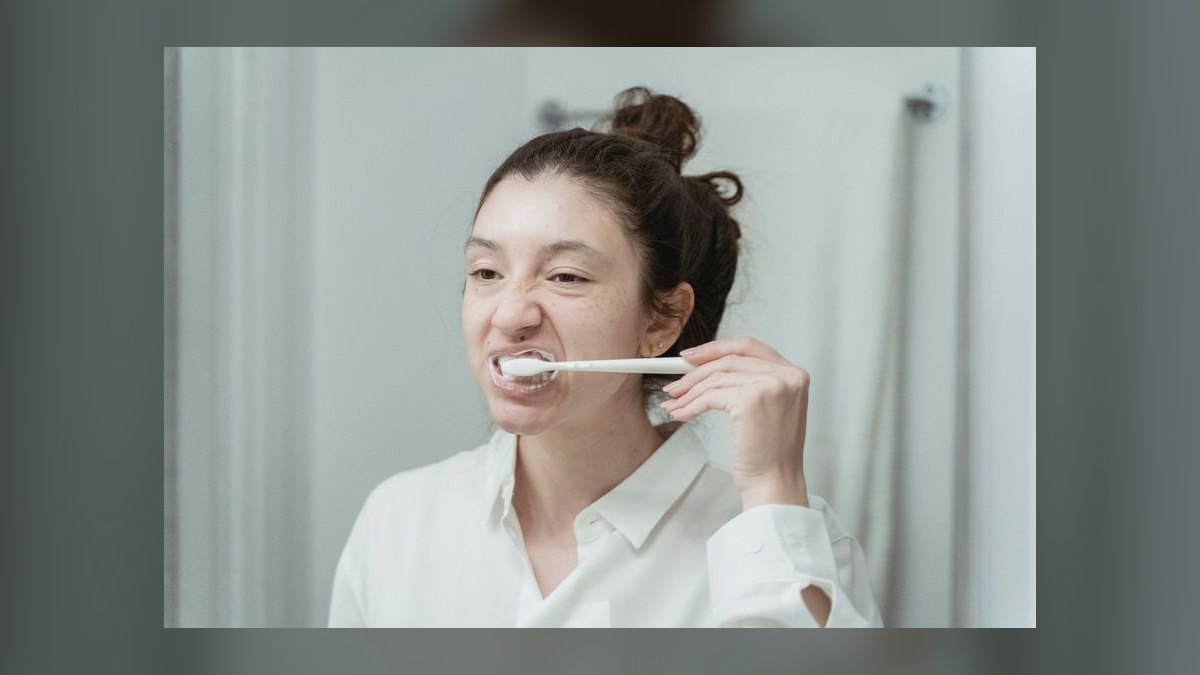
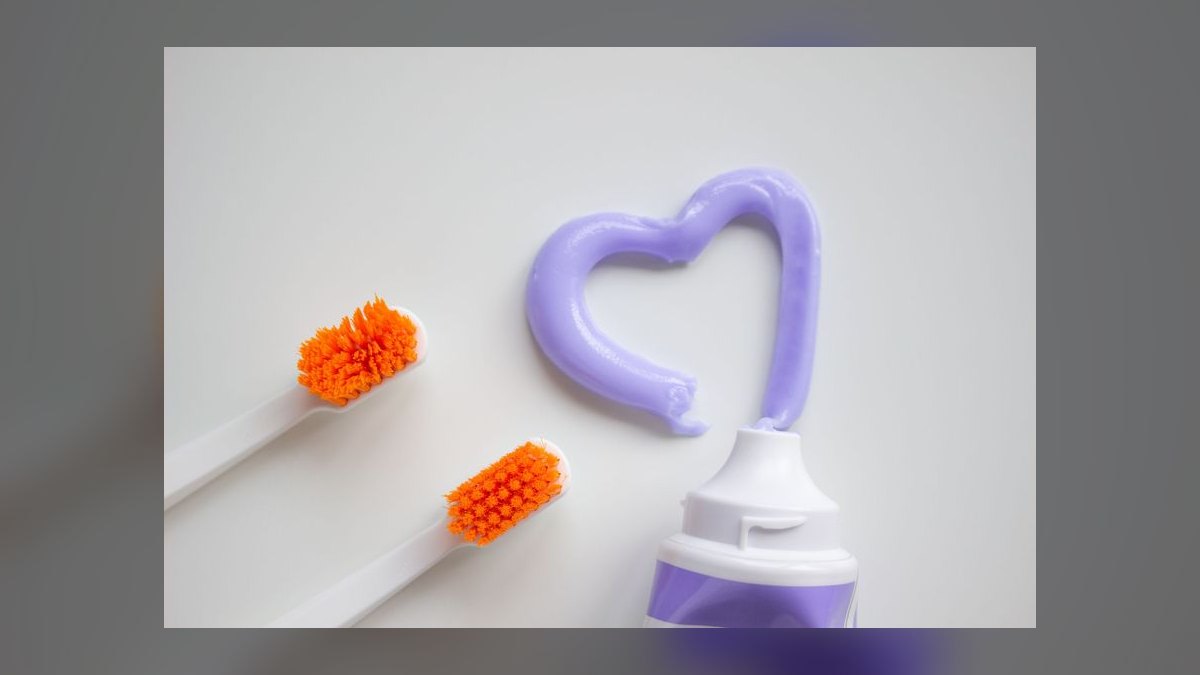
Product quantity. A pea-sized amount is the standard measure, and most owners use three times that. Overloading the brush makes the cat gag on volume alone and wastes gel. A tube of veterinary enzymatic gel commonly runs in the $10 to $20 range and, used correctly, lasts several months for one cat. Silicone finger brushes typically come in multipacks for under $10. Dental wipes run roughly $8 to $15 for a pack. None of this is expensive relative to a single professional cleaning, which in most of the U.S. lands somewhere in the several-hundred-dollar range and climbs well past a thousand once extractions and dental radiographs are involved.
Acceptance timeline. A young cat with no negative history often accepts a full routine in five to seven days. An adult cat with a bad brushing memory typically needs two to four weeks of graduated exposure. A cat with genuine oral pain may never accept it, and that is diagnostic information rather than a training failure — see the risks section.
Coverage. Outer surfaces of the upper canines and the upper fourth premolar — the big carnassial tooth on each side — are the highest-yield targets and where calculus reliably shows up first. If you only ever manage those four surfaces, you are capturing a disproportionate share of the benefit. Inner surfaces are a nice-to-have and are the first thing to abandon when a cat's patience is short.
Adjacent options and what they are actually worth. Products carrying the Veterinary Oral Health Council's seal have submitted data showing plaque or tartar reduction, which is a meaningfully higher bar than marketing copy. Dental diets with larger, fibrous kibble that shears rather than shatters do produce real mechanical benefit. Water additives and dental chews sit lower on the ladder — helpful as supplements, not substitutes. The honest ranking is: daily brushing first, VOHC-accepted dental diet second, chews and additives third, and doing nothing while intending to start next month a distant fourth. If your cat's toothpaste rejection is truly absolute, stacking a dental diet with water-only brushing is a defensible plan and far better than abandoning the effort entirely.
Risks, edge cases, and failure modes
Some cats should not be brushed right now, and knowing which ones prevents both injury and a permanently ruined association.
Pain is the most important edge case. Tooth resorption is remarkably common in adult cats — a large share of cats over five have at least one lesion — and it is genuinely painful. So is stomatitis, an inflammatory condition where the tissue at the back of the mouth becomes severely ulcerated. A cat with either condition is not rejecting the flavor. It is telling you that contact hurts. The warning signs: drooling with blood tinge, dropping food or chewing on only one side, pawing at the face, a sudden change from tolerant to violently resistant, or a strongly foul odor rather than merely stale breath. A cat that used to accept brushing and now fights it has changed medically until proven otherwise. Book the exam before you troubleshoot the technique.
Bite and scratch risk is real and underrated. Cat bites to the hand seed deep puncture wounds with oral bacteria into tendon sheaths and joint spaces, and they escalate fast — a hand bite that looks trivial in the evening can be a swollen emergency by morning. This is the single strongest argument against pushing a resistant cat with your bare finger in its mouth. If your cat has ever bitten during handling, do not use a finger brush; use a small handled brush or a gauze wrap, and stop at the first hard signal.
Reading the stop signals matters more than the technique. Tail thrashing, ears rotating flat or sideways, dilated pupils, a low growl, skin rippling along the back, or a rigid freeze all mean end the session now and reward anyway. Ending on your terms one second before the cat's terms is what preserves tomorrow's session. Pushing three seconds past the signal is what costs you a week.
Over-restraint is the most common self-inflicted failure. Scruffing an adult cat is no longer recommended for routine handling; it produces fear rather than the calm it appears to. Towel-wrapping is a veterinary restraint technique for necessary procedures, not a daily hygiene tool. If brushing requires a burrito wrap, the routine is not sustainable, and you are training the cat that the supplies predict being trapped.
Product missteps. Human toothpaste — fluoride, foaming agents, potential xylitol — is off the table. Chlorhexidine rinses and gels are effective antibacterials and are sometimes recommended by veterinarians for cats that cannot be brushed, but they are not a casual over-the-counter default; use them under veterinary direction, because taste rejection is high and long-term use has caveats. Do not improvise with essential oils; several are toxic to cats, who lack efficient hepatic glucuronidation for many compounds. If you are flavor-hacking a plain gel with tuna water or low-sodium broth, verify there is no onion or garlic in the ingredient list — both are toxic to cats and both hide in "natural flavor" broths.
Multi-cat households introduce a hygiene and a behavioral failure mode. Use a separate brush per cat and never double-dip the tube — squeeze gel onto the brush rather than dragging the brush across the nozzle. Behaviorally, cats watch each other; a cat that sees a housemate struggling will resist harder. Brush in separate rooms and stagger the sessions.
The plateau. Many owners get to fifteen seconds and stall for weeks. This is normal and not a failure. The correct response is to hold at the current duration for another two weeks rather than pushing, and to raise the value of the reward. A treat the cat gets at no other time — a single flake of freeze-dried chicken reserved exclusively for post-brushing — outperforms a generic treat by a wide margin precisely because of its scarcity.
Kittens are the enormous missed opportunity. A cat handled around the mouth from eight to sixteen weeks of age generally never develops the aversion in the first place. If you have any influence over a kitten in your household or a friend's, the highest-leverage intervention in this entire topic is thirty seconds of gum-touching a day before the cat is four months old.
A practical rollout plan
Treat the first two weeks as conditioning, not cleaning. Nothing you accomplish in that window matters for plaque; it matters entirely for whether the cat shows up in month three.
Days 1–3, flavor only. No brush in sight. Put a rice-grain amount of the new gel on your fingertip and offer it the way you would offer a treat, during a calm moment — after a meal, during a lap session, in the spot the cat already sleeps. If the cat licks it, that is the whole win; reward immediately with the high-value treat. If the cat sniffs and turns away, the flavor is wrong. Switch protein lines rather than persisting. If three flavors fail, accept it and commit to water-only brushing — this is a completely legitimate path, not a compromise.
Days 3–6, tool desensitization. Leave the finger brush near the food bowl so the cat encounters it in a neutral context. Then touch the brush — dry, no gel — to the cheek and outside of the lips, three seconds, treat, done. You are not opening the mouth. You are teaching the cat that the object appears and something good follows.
Days 5–10, first contact. Gel on the brush, lift the upper lip gently with the non-dominant hand from the side rather than the front, and run the brush along the outer gumline of the upper canine for three to five seconds. One side only. Treat. Stop even if the cat seems fine — stopping early while the cat is still willing is the entire technique.
Days 10–21, expansion. Add the second side. Then extend from the canine backward along the premolars. Add three to five seconds per week, not per session. Angle the brush at roughly 45 degrees toward the gumline, since the margin where tooth meets gum is where the biofilm that causes gingivitis actually lives. Use small circular motions, light pressure — you are disrupting a soft film, not scrubbing a pan.
Week 4 onward, maintenance. Lock the routine to a fixed anchor in the day — immediately before the evening meal works well, since a mildly hungry cat is a motivated cat and the meal itself becomes part of the reward. Keep the special treat exclusive to brushing. Do a visual check weekly: lift the lip in good light, look at the gumline for redness, and look at the upper carnassial for any brown deposit. Photograph it monthly on your phone; drift is invisible day to day and obvious across eight weeks of photos.
If the plan stalls at any point, the recovery move is always the same: shorten the session, raise the reward, and drop back one phase for a few days. Regression is cheap. Forcing is expensive.
Two adjacent workflows are worth folding in while you are building the habit. First, pair brushing with a quick full-body handling check — ears, paws, belly — since the same cooperative-care conditioning transfers directly to nail trims and ear cleaning, and you get three habits for the price of one. Second, if you already give a daily medication or supplement, stack brushing immediately adjacent to it. Habits attach far more reliably to an existing anchor than to a calendar reminder, which is the same reason a fixed pre-dinner slot outperforms a phone alert nobody obeys by day nine.
Related questions
Does brushing with just water actually work?
Yes, substantially. Mechanical disruption of the soft plaque biofilm is the primary mechanism; enzymatic gel is a secondary contributor. A water-only routine done daily beats a gel routine done weekly. If flavor rejection is absolute, water-only brushing is a legitimate long-term plan, not a fallback.
Can dental treats or water additives replace brushing entirely?
No, but they are meaningfully better than nothing. Look for products carrying the Veterinary Oral Health Council seal, which requires submitted plaque- or tartar-reduction data. Use them as a supplement layer, or as the primary strategy only for cats where brushing is genuinely impossible.
My cat drools heavily during brushing — is that a problem?
Mild drooling is a normal salivary response to a novel taste and texture, and usually fades within a week or two. Heavy drooling, blood-tinged saliva, or drooling paired with new resistance is different — that combination warrants a veterinary oral exam rather than a technique adjustment.
How do I brush around a cat that bites?
Do not use a bare finger. Cat bites to the hand carry serious infection risk. Use a small handled brush or gauze, work only from the side of the mouth, keep sessions to a few seconds, and stop at the first tail thrash or ear rotation. If biting persists, ask your veterinarian about non-brushing alternatives.
Is it too late to start with a senior cat?
It is not too late, but sequence matters. Have existing calculus and any resorptive lesions addressed professionally first, since brushing cannot remove hardened tartar and will hurt if there is an active lesion. Once the mouth is clean and comfortable, a gentle conditioning ramp works at any age.
FAQ
Can I use human toothpaste on my cat?
No. Human toothpaste is formulated to be spat out, and cats swallow everything. Fluoride at toothpaste concentrations is not meant for ingestion, foaming agents cause GI upset, and xylitol — present in some formulations — is a serious toxin. Use a veterinary enzymatic gel, or plain water on the brush.
What if my cat rejects every flavor I try?
Stop fighting it and switch to water-only brushing. The mechanical disruption of plaque is where most of the benefit lives; the gel is a modest enhancement. You can reintroduce a flavored gel after a few months of established routine, when the brush itself is no longer novel and the cat has no fresh reason to object.
How often is often enough if daily is unrealistic?
Three to four times per week is the practical floor that still delivers measurable benefit, because plaque needs roughly one to three days to mineralize into calculus. Consistency beats duration — ten seconds every other day outperforms a long session once a week by a wide margin. Pick a slot you will actually keep.
Why is my cat suddenly resisting after months of cooperating?
Treat that as a medical signal, not a behavioral one. Tooth resorption, a fractured tooth, and stomatitis all cause pain that turns a tolerant cat resistant within days. Pause brushing and book a veterinary oral exam, which usually requires dental radiographs since resorptive lesions often sit below the gumline where they are invisible.
Will brushing remove the brown tartar that's already there?
No. Once plaque mineralizes into calculus it bonds to the enamel and only a scaler under general anesthesia removes it. Brushing prevents new plaque from hardening and protects a professionally cleaned surface. If your cat already has visible deposits, get the cleaning first and start brushing afterward to defend the result.
Is there any option for a cat that absolutely will not tolerate anything in its mouth?
Yes — layer the non-contact options. A VOHC-accepted dental diet, dental chews, and a water additive together provide real if partial benefit. Ask your veterinarian about a chlorhexidine oral product for at-home use, and plan for professional cleanings on a schedule your vet sets based on how quickly that individual cat accumulates calculus.
Sources
- Cornell Feline Health Center — Brushing Your Cat's Teeth
- Cornell Feline Health Center — Feline Dental Disease
- Veterinary Oral Health Council — Accepted Products
- American Veterinary Medical Association — Pet Dental Care
- American Animal Hospital Association — Dental Care for Pets
- ASPCA Animal Poison Control — Xylitol
- American Association of Feline Practitioners — Feline-Friendly Handling Resources
- Cats Protection — Cat Dental Health
Related on PULSE
- [Top 10 Tips for Keeping Your Cat's Teeth Healthy Without Stress](/knowledge/pt0102)
- [How do I trim my cat's nails safely at home?](/knowledge/pt0106)
- [How often should I feed my adult cat wet food versus dry food?](/knowledge/pt0108)
- [How do I introduce a new cat to my resident cat peacefully?](/knowledge/pt0114)
- [What are the first steps to take if my dog eats something toxic?](/knowledge/pt0113)
This page will be disappearing soon. Save it to your device for $1 — or read it free while it is here.
@Kory-White- · if Venmo asks, the last 4 of my number are 2012
 petsTop 10 Automatic Aquarium Dosing Pumps for Reef Tank Additives (2027)
 pulse-petsTop 10 Aquarium Air Pumps 2027
 petsHow much does pet insurance typically cost for an adult mixed-breed dog?
 pulse-petsTop 10 Swordtail Varieties 2027
 petsTop 10 Aquarium Water Change Amounts by Tank Size in 2027
 pulse-petsTop 10 red aquarium plants 2027
 pulse-petsTop 10 Ember Tetra Tank Ideas 2027
 pulse-petsTop 10 Bronze Corydoras Beginner Picks 2027
 petsHow long does tap water need to sit out before it's safe to add to an aquarium in 2027?
 pulse-petsTop 10 Aquarium Heaters 2027