
What are the exact steps for a 25% water change in a heavily planted tank without stressing the fish in 2027?
 Curated byKory White · Fractional CRO · Maryland
 PULSEKNOWLEDGE LIBRARY
A 25% water change in a heavily planted tank in 2027 follows the same core logic as always, but with better tools: match temperature within 1–2°F, pre-treat and off-gas replacement water, drain and refill slowly, and never disturb the substrate or filter media. Done correctly, it removes dissolved waste without stressing fish or crashing CO2 and nutrient levels.
The outcome you should expect
A properly executed 25% water change on a heavily planted aquarium should be almost invisible to the fish. In a mature, well-maintained planted tank you are removing roughly a quarter of the water volume — on a 40-gallon tank that is about 10 gallons, on a 75-gallon it is roughly 18–19 gallons once you subtract substrate and hardscape displacement. The measurable outcome is a moderate drop in nitrate, dissolved organic compounds, and any accumulated hormones or pheromones, plus a small dilution of your fertilizer and CO2 equilibrium.
What you should *not* see: fish gasping at the surface, darting, hiding for hours, clamped fins, or a sudden algae bloom two days later. You should also not see your plants stall. A common failure in heavily planted tanks is treating the water change like a bare-bottom quarantine tank — draining 25% and refilling with cold, untreated, high-pH tap water in ten minutes. That produces a temperature swing, a pH swing, and a chlorine pulse all at once, and it will stress even hardy species.
The realistic best-case outcome in 2027 is a 20–40 minute procedure where the tank's parameters shift gently: nitrate drops by roughly 25% of whatever it was, GH and KH shift by about a quarter of the difference between tank water and replacement water, and temperature moves less than 2°F. Fish behavior stays normal. Plants keep pearling if you time the change before the photoperiod peaks. The whole point of the 25% figure is that it is large enough to matter for water quality but small enough that the ecosystem absorbs it without a visible shock.
What drives that outcome
Five variables determine whether a 25% change is a non-event or a stress event: temperature match, water chemistry match, the rate of refill, what you do to the replacement water before it enters the tank, and how much you disturb the substrate and filter during the drain.
Temperature is the single biggest lever. Fish are ectotherms, and a 5°F swing during a water change is far more stressful than a 5°F swing spread over a day. In a heavily planted tank this matters doubly because plant metabolism and CO2 uptake are temperature-linked. Match replacement water to tank temperature within 1–2°F. A simple thermometer in the bucket or a mixing valve on a utility sink solves this.
Chemistry match is second. If your tank runs at KH 4 and your tap is KH 10, a 25% change raises tank KH by roughly 1.5 degrees — usually tolerable. If your tank is soft and acidic from CO2 injection and your tap is hard and alkaline, a 25% change can move pH by 0.4–0.8 in an hour, which is a genuine stressor for soft-water species like cardinal tetras or discus. The fix is to pre-mix, use RO/DI blended with tap, or change less volume more often.

Refill rate is third. Pouring 10 gallons in 60 seconds creates a localized temperature and chemistry plume and can stir up mulm. Refilling over 10–15 minutes with a slow siphon, a drip line, or a pump throttled down keeps the transition gradual.
Pre-treatment is fourth. Chlorine and chloramine must be neutralized before the water touches the tank. Chloramine also releases ammonia when bound, so dose a conditioner that handles both. Letting water sit overnight only off-gasses chlorine, not chloramine, so do not rely on aging alone.
Substrate and filter disturbance is fifth. In a heavily planted tank the substrate is a living biofilter full of anaerobic and aerobic bacteria. Deep vacuuming or pulling up plants during a water change can release hydrogen sulfide pockets and mobilize nutrients into the water column. Drain from the water column, not from the gravel.

Benchmarks and realistic ranges
Concrete numbers make this repeatable. Here is what a well-run 25% change looks like in a heavily planted tank across common sizes.
Volume math. A "25% change" means 25% of the actual water volume, not the tank's rated capacity. A 40-gallon breeder with 2 inches of aquasoil and dense hardscape holds roughly 32–34 gallons of water. A 25% change is therefore about 8 gallons, not 10. A 75-gallon heavily planted tank with a thick substrate bed and large driftwood holds maybe 60–63 gallons; 25% is 15–16 gallons. Measuring the drained volume in a marked bucket removes the guesswork.
Temperature. Target tank temperature within 1–2°F. Tropical community tanks typically run 76–80°F; discus and rams 82–86°F; goldfish and many plants 68–74°F. If your tap comes out at 62°F in winter, you need to temper it. A 25% change with 15°F cold water can drop tank temperature 3–4°F in minutes.

pH. Aim for less than 0.3 pH movement during the change. CO2-injected tanks swing naturally between morning and evening; do the water change in the morning before the CO2 system has fully ramped, or turn CO2 off 30 minutes prior.
KH and GH. A 25% change moves tank KH and GH a quarter of the way toward the replacement water's values. Tank KH 3, tap KH 9 → post-change KH roughly 4.5. That is usually fine. Tank KH 1, tap KH 12 → post-change KH roughly 3.75, which is a large jump for soft-water fish.
Nitrate. If tank nitrate is 30 ppm and replacement water has 5 ppm, a 25% change lands you around 24 ppm. That is a modest reduction — which is why heavily planted tanks often need 30–50% weekly rather than 25%. The 25% figure works when your plants are doing the heavy lifting and nitrate is already low.

TDS. Total dissolved solids typically drop by about 25% of the difference between tank and source. Tank 350 ppm, source 150 ppm → post-change roughly 300 ppm. Useful for shrimp keepers and soft-water specialists.
Timing. Drain 8–16 gallons in 5–10 minutes with a siphon or pump. Refill over 10–15 minutes. Total procedure 20–40 minutes including pre-treatment and temperature matching. Anything under 10 minutes total is almost certainly too fast for a heavily planted tank.
Frequency. 25% weekly is a common baseline for moderately stocked planted tanks. Heavily stocked or high-tech CO2 tanks often need 40–50% weekly. Lightly stocked, heavily planted, low-tech tanks with fast-growing stems can sometimes run 25% every 10–14 days. Test nitrate and TDS to calibrate rather than guessing.
Risks, edge cases, and failure modes
The biggest risk in a heavily planted tank is not the water change itself — it is the substrate and filter disturbance that often accompanies it. Aquasoil and dirted substrates store nutrients and anaerobic bacteria. If you jam a gravel vacuum deep into the bed during a 25% change, you can release hydrogen sulfide (that rotten-egg smell), mobilize ammonia, and kill root-feeding plants. Drain from the water column. If you must vacuum, skim the top 1/4 inch lightly and only in open areas between plants.

Filter cleaning on the same day is a classic mistake. A 25% water change plus a filter media rinse removes too much nitrifying bacteria at once and can trigger a mini-cycle. If you clean the filter, do it a few days before or after the water change, and rinse media in tank water, not tap.
Chloramine is a 2027-relevant edge case because more municipal systems have switched to it. Chloramine does not off-gas. A conditioner that only binds chlorine leaves ammonia behind. Use a conditioner labeled for chloramine, and if you are doing a large change on a tank with a low biofilter capacity, consider dosing a bit extra.
Temperature shock is the most common acute failure. It shows up as fish darting, gasping, or going pale within minutes of the refill. In a heavily planted tank, a sudden cold pulse can also stall CO2 uptake and cause a pH spike. Always match temperature.

pH crash is the second. If your tank runs on the acidic side from CO2 and your tap is alkaline, a fast 25% refill can push pH up sharply, which is stressful for soft-water species and can trigger a bacterial bloom. Pre-mix or refill slowly.
Old plumbing is a subtle edge case. Copper and lead can leach from older pipes, and copper is lethal to shrimp and snails at very low concentrations. Run the tap for 60–90 seconds before collecting water, and if you keep invertebrates, test for copper or use RO/DI.
Seasonal swings matter too. In winter, tap water can be 20°F colder than in summer and can carry different disinfectant levels. In spring, many utilities do a chlorine/chloramine burn, which raises residual levels. Adjust your pre-treatment accordingly.

Finally, do not do a 25% change immediately after a large plant trim, a substrate rescape, or a medication course. Each of those already stresses the system. Space them out by several days so the fish are only dealing with one disruption at a time.
A practical rollout plan
Here is the exact sequence for a 25% change on a heavily planted tank, written so you can follow it step by step.
Before the change (10 minutes). Test tank nitrate, TDS, KH, and pH so you know your starting point. Turn off the CO2 system 30 minutes before you start — this lets dissolved CO2 equilibrate and reduces the pH swing during refill. Turn off the canister filter, heater, and any powerheads so they do not run dry during the drain. Lay down towels. Have your conditioner, thermometer, bucket or hose, and a slow-fill method ready.

Prepare the replacement water (5–10 minutes). Fill your bucket or run your hose into a holding container. Check temperature with a thermometer and adjust with a mixing valve or by blending hot and cold until it is within 1–2°F of the tank. Dose the full-tank-volume amount of conditioner, not just the replacement volume — conditioners are dosed for the whole tank because they neutralize residual disinfectant in the tank too. If you blend RO/DI with tap, aim for a KH and GH close to the tank's current values, or slightly lower if you are trying to soften over time.
Drain 25% (5–10 minutes). Siphon or pump from the water column. In a heavily planted tank, keep the intake above the substrate and away from plant roots. If you are using a gravel vacuum, only skim the surface of open substrate areas; do not plunge it into the bed. Mark your drain target on the bucket or use a pre-measured container so you stop at exactly 25%. On a 40-gallon breeder that is roughly 8 gallons; on a 75-gallon it is roughly 15–16.
Refill slowly (10–15 minutes). Introduce the replacement water gently. A siphon from a bucket placed above the tank, a drip line, or a pump throttled to a trickle all work. Direct the flow against a glass wall or a piece of hardscape so it does not blast the fish or stir up the substrate. Watch the fish during the refill — if they start acting distressed, slow down further. Slower is almost always safer.

Restart and observe (5–30 minutes). Turn the filter, heater, and powerheads back on. Restart CO2 at your normal schedule, not immediately at full rate — give the tank 30–60 minutes to stabilize. Watch the fish for at least 30 minutes. Normal behavior: exploring, feeding, chasing. Warning behavior: gasping at the surface, hanging in a corner, clamped fins, loss of color. If you see warning signs, check temperature and pH first, then correct slowly — never with a sudden large dose of anything.
Log it. Record volume changed, temperature, pH before and after, nitrate before and after, and anything you dosed. Over a few weeks this log tells you whether 25% weekly is enough for your stocking and plant load, or whether you need to move to 30–40%. In a heavily planted high-tech tank, 25% may be too little; in a lightly stocked low-tech tank it may be more than you need.
Special cases. If you keep shrimp, refill even slower and match TDS closely — shrimp are sensitive to sudden TDS shifts. If you keep discus or other soft-water fish, blend RO/DI to avoid pH and KH jumps. If you have a dirted tank, never vacuum the substrate during a water change. If your tap water is very different from your tank water, change 10% twice a week instead of 25% once — same weekly volume, gentler per-event shift.
Related questions
How do I know if 25% is the right volume for my tank?
Test nitrate and TDS before and after. If nitrate still climbs week over week, increase to 30–40%. If it stays stable or drops, 25% is working. Stocking, plant mass, and feeding drive this more than tank size.
Can I do a 25% water change while the CO2 system is running?
Turn CO2 off 30 minutes before draining and leave it off until 30–60 minutes after refill. Running CO2 during a change can cause a pH swing as fresh water dilutes dissolved CO2, and it risks gassing fish if the return flow is disrupted.
Is it safe to clean the filter on the same day as the water change?
No. Cleaning filter media and changing 25% of the water on the same day removes too much nitrifying bacteria and can trigger a mini-cycle. Separate the two tasks by several days, and always rinse media in tank water, not tap.
What if my tap water is very different from my tank water?
Change less volume more often — for example 10% twice a week instead of 25% once. Pre-mix RO/DI with tap to close the gap, and always refill slowly. Match temperature first, chemistry second.
Do I need to add fertilizer after a 25% water change?
If you dose EI or a similar estimative index, yes — water changes reset the tank and you re-dose afterward. If you dose lean or rely on substrate ferts, a 25% change removes only a quarter of the water column nutrients, so you can usually top up at your next scheduled dose.
FAQ
Do I really need to match temperature exactly?
Match within 1–2°F. Exact match is ideal but not always practical. A 1–2°F difference is a non-event for almost all tropical fish. A 5°F difference during a 25% change is a real stressor and can cause gasping, darting, and immune suppression. Use a thermometer, not your hand.
Can I just pour the new water straight into the tank?
You can, but in a heavily planted tank you should not. Pouring fast creates a localized cold or chemistry plume, stirs up mulm, and can knock fish around. Refill slowly over 10–15 minutes against a glass wall or hardscape. The extra five minutes is the cheapest insurance you can buy against stressing your fish.
What conditioner should I use in 2027?
Any reputable conditioner labeled to neutralize both chlorine and chloramine. Chloramine is increasingly common in municipal water and does not off-gas, so aging water is not enough. Dose for the full tank volume, not just the replacement volume. If you keep shrimp, choose one without added slime-coat polymers or aloe.
How often should I do a 25% change?
Weekly is the standard baseline for moderately stocked planted tanks. Heavily stocked or high-tech CO2 tanks often need 40–50% weekly. Lightly stocked, heavily planted, low-tech tanks can sometimes stretch to every 10–14 days. Let nitrate and TDS trends, not a calendar, set your schedule.
Will a 25% change hurt my plants?
No, if you do not disturb the substrate. Plants benefit from the removal of dissolved organics and the small nutrient reset. The risk is root damage from deep vacuuming and pH swings from poorly matched water. Drain from the water column and refill slowly, and your plants will not notice.
What is the biggest mistake people make?
Rushing. Fast drain, fast refill, cold water, untreated chloramine, and a filter rinse all in one session. Each of those alone is survivable; stacked together they create a multi-variable shock that fish cannot adapt to. Slow down, match temperature, pre-treat, and leave the substrate alone.
Sources
- EPA — Chloramine in Drinking Water
- USGS — Water Temperature and Aquatic Life
- NOAA — Water Quality and Aquaculture
- Center for Disease Control — Drinking Water Treatment
- University of Florida IFAS — Aquarium Water Quality
- World Health Organization — Guidelines for Drinking-water Quality
- Nature — Nitrogen Cycling in Aquatic Systems
Related on PULSE
- How to set up a low-tech planted tank that needs fewer water changes
- CO2 injection basics for heavily planted aquariums
- Diagnosing fish stress after a water change
- Substrate choices for planted tanks and how they affect maintenance
- Testing nitrate and TDS to calibrate your water change schedule
- Quarantine and acclimation routines that pair with weekly maintenance
This page will be disappearing soon. Save it to your device for $1 — or read it free while it is here.
@Kory-White- · if Venmo asks, the last 4 of my number are 2012
 petsTop 10 hypoallergenic cat breeds for allergy sufferers in 2027
 pulse-petsTop 10 Dog GPS Trackers — Best Overall + Best Value in 2027
 pulse-petsTop 10 aquarium heater placement 2027
 pulse-petsTop 10 common fish diseases 2027
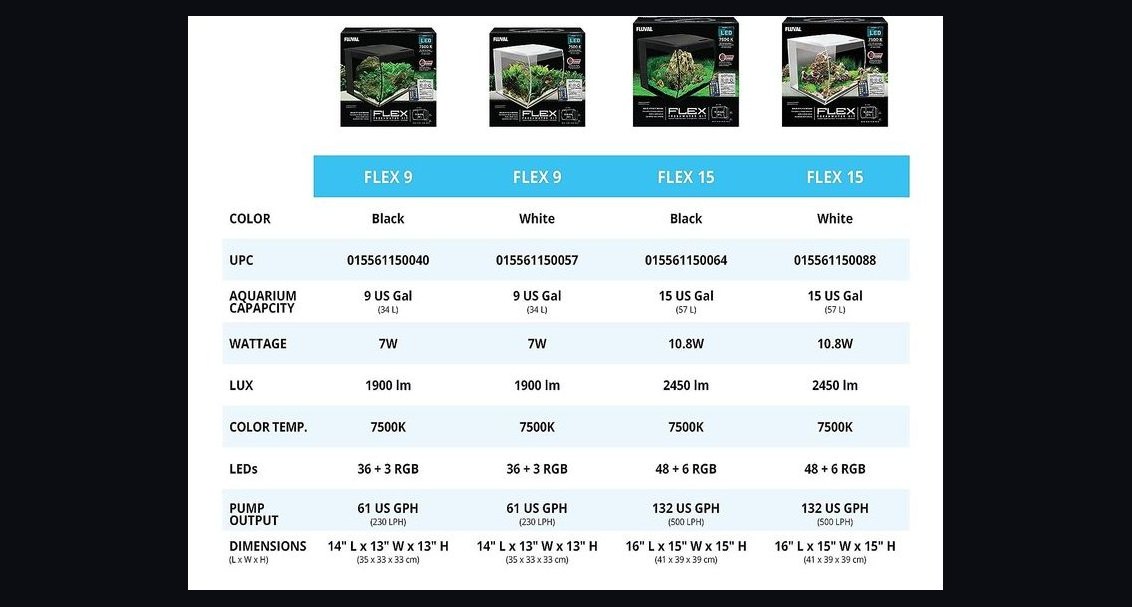 pulse-petsTop 10 10-Gallon Aquariums 2027
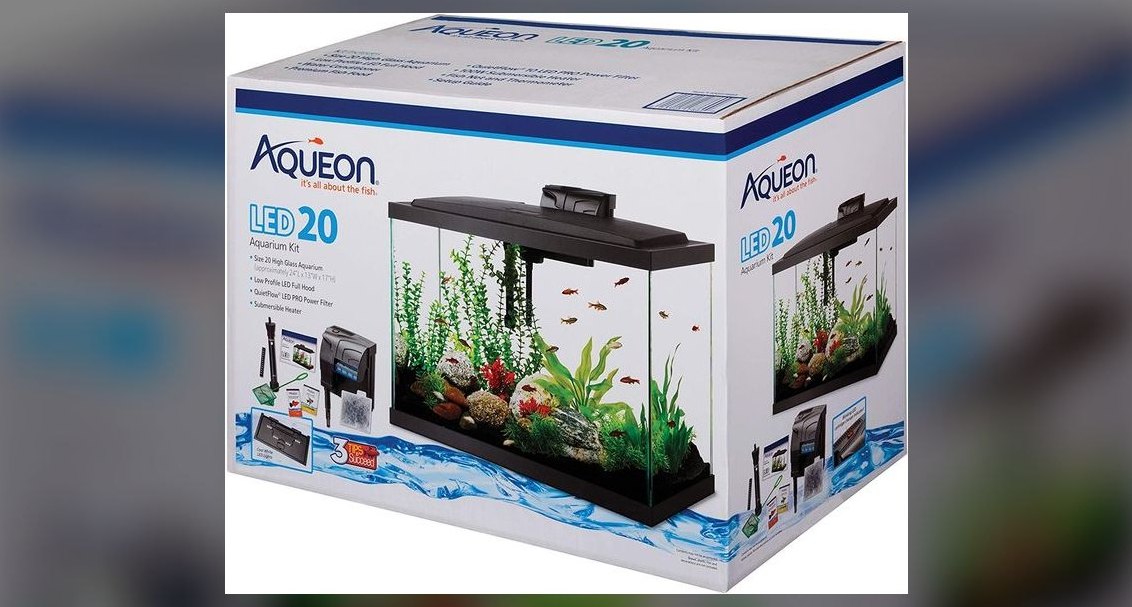 petsTop 10 how much water does a 75-gallon aquarium hold in 2027
 petsWhat is the easiest way to set up my first planted aquarium as a complete beginner in 2027?
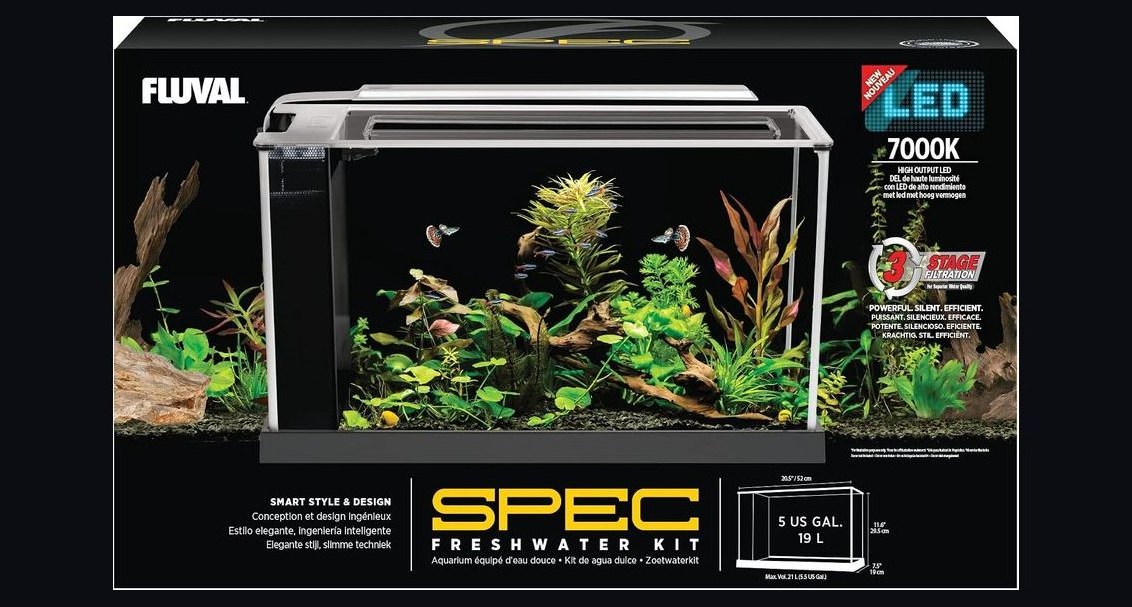 pulse-petsTop 10 aquarium tanks under 20 gallons 2027
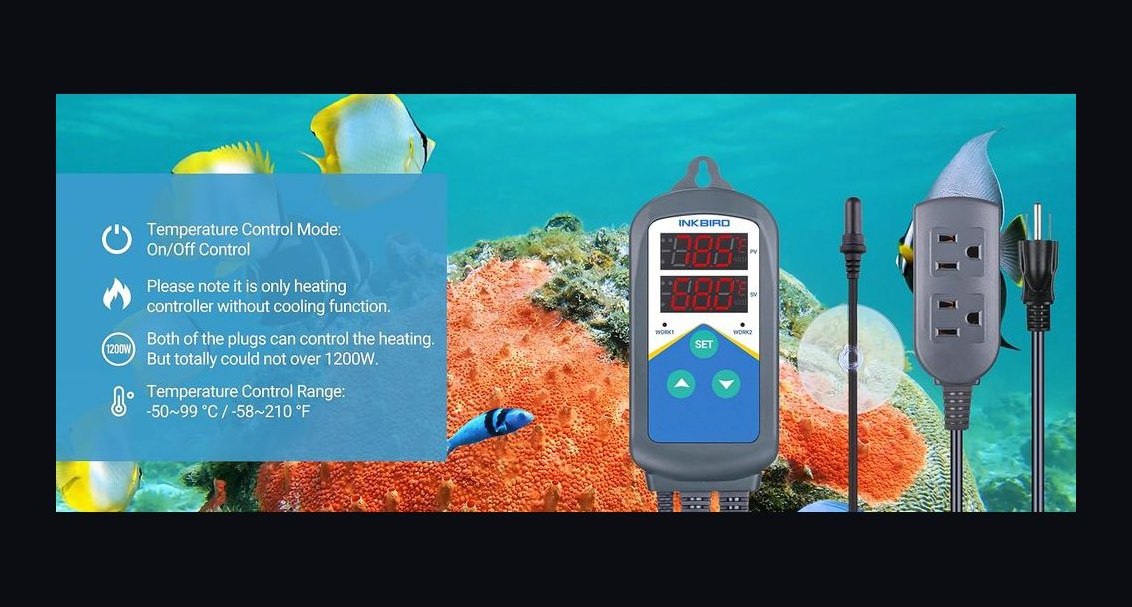 pulse-petsTop 10 best aquarium thermometers 2027
 pulse-petsTop 10 Planted Tank LED Lights 2027