
How do I dechlorinate tap water before adding it to a freshwater aquarium in 2027?
 Curated byKory White · Fractional CRO · Maryland
 PULSEKNOWLEDGE LIBRARY
Quality
Certified
Add a dechlorinator (water conditioner) to new tap water before it touches the tank — dose per the label for your tank volume, mix it in for about 60 seconds, then match temperature within 1-2°F before pouring it in. A conditioner containing sodium thiosulfate neutralizes free chlorine instantly and, if it also carries an amine-based binder, breaks down chloramine into safe ammonia the tank's biofilter can process. Never add fish to untreated tap water.
What it is and why it matters
Dechlorinating means neutralizing the disinfectants municipal utilities add to tap water — chlorine, chloramine, or both — before that water reaches a freshwater aquarium's fish, invertebrates, or biological filter. Utilities dose chlorine at roughly 0.2 to 4 ppm and chloramine (a more stable chlorine-ammonia compound many cities switched to because it doesn't evaporate as fast) at 0.5 to 4 ppm, both concentrations that are perfectly safe for humans to drink but directly toxic to fish gill tissue and lethal to the nitrifying bacteria that keep an aquarium's nitrogen cycle running.
This matters for three separate reasons that hobbyists often collapse into one. First, free chlorine burns fish gills on direct contact, causing labored breathing, flared gills, and lethargy within hours — it doesn't need to accumulate, a single untreated water change can do real damage. Second, chloramine is worse in a subtler way: it survives longer in the tank, and if you only neutralize the chlorine half without an amine-binding conditioner, you're left with free ammonia dumped straight into the water column, which is toxic at concentrations as low as 0.02 ppm for sensitive species. Third, both compounds are broad-spectrum antimicrobials by design — that's their entire job in the water treatment plant — so undechlorinated water added during a routine change can wipe out a meaningful fraction of the beneficial bacteria colonizing your filter media and substrate, functionally restarting your cycle.

The practical stakes rise every time water quality regulations or utility treatment methods shift. Some municipalities increase chloramine dosing seasonally to control microbial growth in warmer months, and drought-driven changes in source water (surface reservoir versus groundwater) can shift a utility's baseline disinfectant residual without any public notice reaching the average tank owner. That's exactly why "always dechlorinate before adding tap water, no exceptions" is treated as a non-negotiable aquarium-keeping rule rather than a sometimes-necessary step — you don't know what's in this week's water any more precisely than you know what was in last week's.
The step-by-step process
The mechanics are the same whether you're filling a new tank or doing a weekly 20% water change, and they're worth internalizing as a fixed sequence rather than reinvented each time.
- Draw the water. Fill a clean bucket or your change container with tap water at roughly the volume you need. Avoid galvanized metal containers — zinc and other metals can leach into standing water and add a second contamination problem on top of chlorine.
- Dose the conditioner before temperature matching, not after. Add a liquid dechlorinator dosed to the *total volume of water in the container*, following the bottle's ratio (most concentrated commercial conditioners run near 1 mL per 10 gallons for chlorine/chloramine neutralization, with higher doses recommended if you suspect heavy metals or elevated ammonia from chloramine breakdown). Stir or swirl for about 30-60 seconds; the sodium thiosulfate reaction with free chlorine is near-instantaneous, but giving it a full minute ensures uniform mixing in a large bucket.
- Adjust temperature. Let the treated water sit or use warm tap water blended in until it's within 1-2°F of the display tank's temperature. Adding cold dechlorinated water directly can shock fish and, over repeated instances, suppress immune response and invite ich outbreaks.
- Check pH and hardness drift if you're on well water or RO. Straight tap water is usually close enough to your tank's existing chemistry that this step is a formality; well water or reverse-osmosis-treated water needs a remineralizer or buffer added at this stage, before it goes in, not after.
- Introduce gradually. Pour the treated water in slowly along the tank glass or onto a plate/decoration to avoid disturbing substrate and stressed bottom-dwellers, and to prevent a sudden localized parameter shift near sensitive inhabitants.
- For new setups only — cycle before stocking. A freshly filled, freshly dechlorinated tank still has zero nitrifying bacteria. Dechlorination removes the disinfectant that would kill an established colony; it does nothing to build one. That takes a fishless cycle (ammonia dosing over 4-6 weeks) or seeded filter media from an established tank.
Costs, timelines, and typical ranges
Dechlorinator is one of the cheapest recurring costs in the hobby. A standard bottle of liquid conditioner (Seachem Prime, API Tap Water Conditioner, or Kordon AmQuel are the three most commonly recommended in the freshwater community) typically treats several hundred to over a thousand gallons per bottle depending on concentration, and most hobbyists spend well under the cost of a single fish per month on it even with weekly water changes on a mid-sized tank.

Time cost is almost entirely the mixing and temperature-matching step — figure 5 to 15 minutes of hands-on time per water change for a container-based routine, most of it passive waiting for temperature to equalize rather than active work. Chlorine neutralization itself is effectively instant once the conditioner contacts the water; chloramine-binding conditioners work just as fast on the chlorine portion but the ammonia they release lingers until your biofilter processes it, typically within 24-48 hours in an established, adequately stocked tank.
If you're setting up a brand-new tank rather than doing routine maintenance, the real timeline isn't dechlorination — that part is done in minutes — it's the nitrogen cycle that has to follow. Budget 4 to 6 weeks for a fishless cycle using bottled ammonia, or as little as a few days to two weeks if you're seeding the new filter with mature media, sponge, or substrate borrowed from an established, disease-free tank. Skipping straight from "dechlorinated" to "fully stocked" without an established or seeded biological filter is the single most common shortcut that produces a fish-in cycle crisis within the first week.
Some hobbyists layer in a reverse-osmosis/deionization (RO/DI) unit for source water instead of relying on conditioner alone, particularly in areas with heavy chloramine dosing, high metal content, or very hard/soft water that doesn't suit their livestock. That's a larger upfront cost — a basic home RO/DI unit runs from around a hundred dollars for entry units to several hundred for higher-capacity systems — plus ongoing membrane and filter replacement, and it still requires remineralization afterward since RO/DI strips essentially everything, including the minerals fish need. For the vast majority of freshwater setups, though, a quality liquid conditioner on straight tap water is the standard, sufficient, and far cheaper path.
Where teams get it wrong
The recurring mistakes cluster around a handful of specific misunderstandings, not general carelessness.

Treating only chlorine, not chloramine. Older or budget conditioners are formulated for chlorine alone. If your municipality switched to chloramine (many did over the last two decades specifically because it's more stable in distribution pipes), a chlorine-only product leaves the ammonia half of the chloramine molecule fully active in your tank. Always confirm your conditioner's label explicitly claims chloramine neutralization, and check your water utility's annual water quality report to know which disinfectant you're actually dealing with — it's public information every municipal supplier must publish.
Underdosing based on "eyeballing" volume. Guessing container volume instead of measuring it is the most common practical error; a 5-gallon bucket that's actually 4.5 gallons full gets treated as 5, and the shortfall compounds over repeated large water changes. Mark your buckets or containers with actual measured volume lines.
Adding conditioner to the tank after pouring water in, rather than before. Dosing the display tank directly assumes even mixing that doesn't happen fast enough in a large body of still water — a localized pocket of undiluted chlorine can pass right by a fish's gills before the conditioner fully disperses. Dose the change water in its container first.
Assuming dechlorination replaces water testing. A conditioner tells you nothing about your tank's actual ammonia, nitrite, or nitrate levels, or about GH/KH drift over time. Hobbyists who dechlorinate diligently but never test water chemistry still run into silent cycle crashes because dechlorination and cycling are two entirely separate problems being solved by two entirely different processes.
Forgetting invertebrates and plants have different tolerances. Shrimp, snails, and some plants are markedly more sensitive to trace copper and to chloramine breakdown byproducts than most fish. A conditioner that's "good enough" for a community fish tank may still stress a shrimp colony if it doesn't also bind heavy metals — check the label for that claim separately from chlorine/chloramine neutralization.
Skipping temperature and pH matching because "the chlorine's gone, so it's fine now." Neutralizing the disinfectant addresses only the chemical toxicity, not thermal or osmotic shock from a mismatched water change — those are independent stressors that combine with any residual chemistry gap to weaken fish right when they're least able to compensate.
Decision framework: when to choose what
Not every situation calls for the same product or process, and picking based on your actual water source and stocking plan avoids both under-treatment and needless expense.
If you're on municipal water, the first branch point is simply reading your utility's Consumer Confidence Report to find out whether they use chlorine, chloramine, or both — this is published annually and free to access. If chloramine is present, that alone rules out older chlorine-only products. If you're on a private well, the calculus flips: most private wells aren't chemically disinfected at all, in which case dechlorination is moot but hardness and pH buffering usually become the actual priority instead — though a growing number of well systems now run in-line chlorination or UV treatment, so it's worth verifying rather than assuming.

The second branch point is your livestock. Community fish tanks generally tolerate any reputable broad-spectrum conditioner. Shrimp-heavy or heavily planted tanks benefit from products explicitly marketed as detoxifying heavy metals, since copper in particular is lethal to most invertebrates at concentrations too low to affect fish, and old plumbing or brass fittings can introduce trace copper into otherwise clean municipal water.
Related questions
Do I need to dechlorinate water for a fish bowl the same way as a full aquarium?
Yes — volume doesn't change the chemistry. A bowl needs the same proportional dose of conditioner as a large tank; smaller volumes just mean smaller absolute doses and faster, more forgiving temperature matching.
Can I let tap water sit out to remove chlorine instead of using a conditioner?
Letting water sit can offgas some free chlorine over 24+ hours, but it does nothing for chloramine, which is stable and won't dissipate on its own — a chemical conditioner is required if your utility uses chloramine.
Does dechlorinated water need to be aged before adding beneficial bacteria supplements?
No — once chlorine and chloramine are neutralized, the water is immediately safe for bacterial supplements; aging addresses temperature and residual gas, not compatibility with bacteria products.
Is bottled or distilled water a substitute for dechlorinating tap water?
It can work in a pinch since it's already chlorine-free, but distilled and most bottled water lack the minerals fish need and require remineralization, making tap water plus conditioner the simpler standard choice.
How often should I retest my tap water's chlorine treatment method?
Check your utility's water quality report annually, and immediately after any boil-water advisory or major infrastructure work, since utilities sometimes temporarily raise disinfectant dosing during those events.
FAQ
Do all water conditioners neutralize chloramine, not just chlorine? No. Many older or economy-tier products only address free chlorine. Always check the label for an explicit chloramine claim, and cross-reference with your local water utility's disinfectant type before assuming a product covers you.
Will dechlorinated water harm my tank's beneficial bacteria? No — a conditioner formulated for aquarium use neutralizes disinfectants without harming nitrifying bacteria, which is precisely why it's necessary before a water change on an established, cycled tank; adding untreated tap water is what kills that colony.
How much conditioner should I use if I'm unsure of my exact water volume? Round up, not down. Slightly overdosing a reputable conditioner like Seachem Prime carries a wide safety margin and won't harm fish; underdosing leaves active chlorine or chloramine in the tank.
Can I dechlorinate an entire tank of water at once during a full teardown and refill? Yes, but dose conservatively and in stages if the tank is large, since even distribution matters more in a static tank than in a stirred bucket — consider adding a powerhead or filter return to help circulate the conditioner immediately after dosing.
Is it safe to add fish immediately after dechlorinating new tap water? Only if the tank is already fully cycled with an established bacterial colony and the temperature/pH match the fish's transport water. In a brand-new, freshly filled tank, dechlorination alone does not make the water safe for immediate full stocking — the nitrogen cycle still has to be established first.
Do chloramine-neutralizing conditioners remove the ammonia they create, or just make it non-toxic? The best conditioners (Prime is the most cited example) bind the ammonia into a less toxic form temporarily, but it still needs to be processed by nitrifying bacteria over the following day or two — the conditioner buys time, it doesn't eliminate the ammonia outright.
Sources
- https://www.epa.gov/dwreginfo/chlorine-and-chloramine-drinking-water-disinfection
- https://www.seachem.com/prime.php
- https://www.apifishcare.com/tap-water-conditioner
- https://www.cdc.gov/healthywater/drinking/public/water_disinfection.html
- https://www.aquariumcoop.com/blogs/aquarium/water-conditioner
- https://www.thesprucepets.com/dechlorinating-tap-water-for-aquariums-1378460
- https://www.practicalfishkeeping.co.uk/features/dealing-with-tap-water/
- https://www.fishkeepingworld.com/dechlorinate-water-for-fish-tank/
Related on PULSE
- How do I cycle a new freshwater aquarium before adding fish?
- What's the correct water change schedule for a community freshwater tank?
- How do I test and adjust GH and KH in a freshwater aquarium?
- Is a reverse-osmosis/DI system worth it for a home aquarium?
- How do I drip-acclimate new fish to a different tank's water chemistry?
- What causes ammonia spikes in an established freshwater tank?
This page will be disappearing soon. Save it to your device for $1 — or read it free while it is here.
@Kory-White- · if Venmo asks, the last 4 of my number are 2012
This page is gone.
This one is off the shelf now. $1 keeps it on your phone for good — the whole page, pictures and diagrams included.
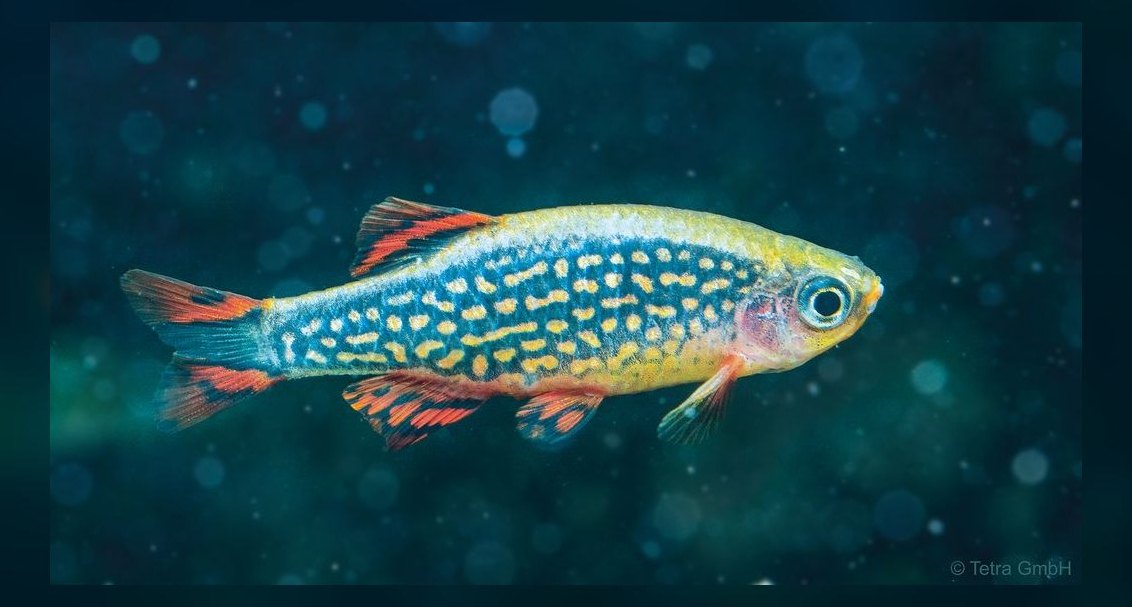 pulse-petsTop 10 Celestial Pearl Danios 2027
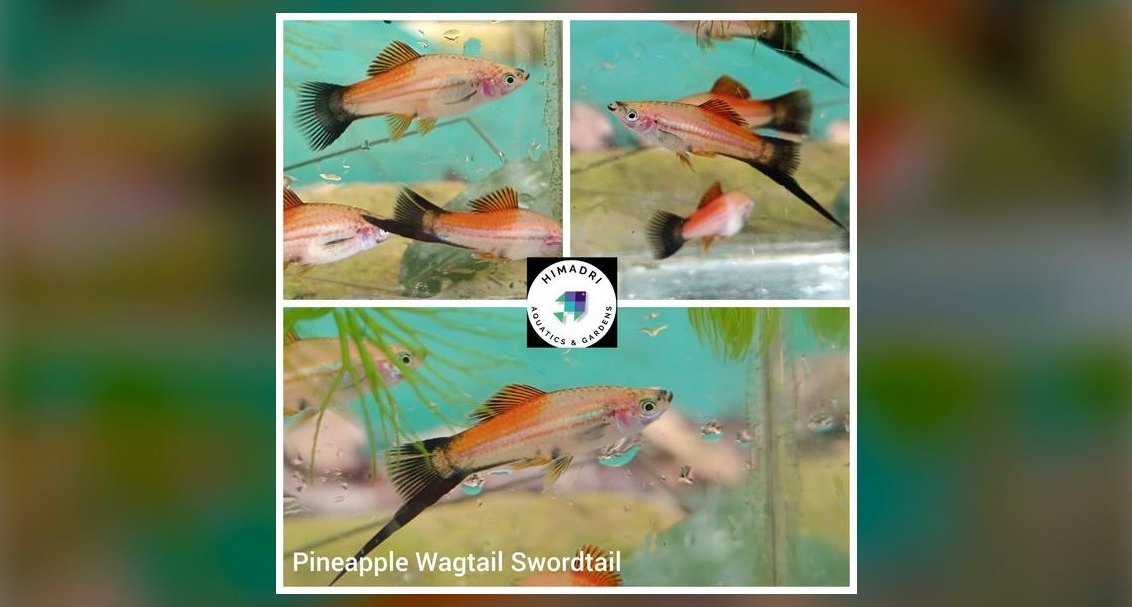 pulse-petsTop 10 Swordtail Varieties 2027
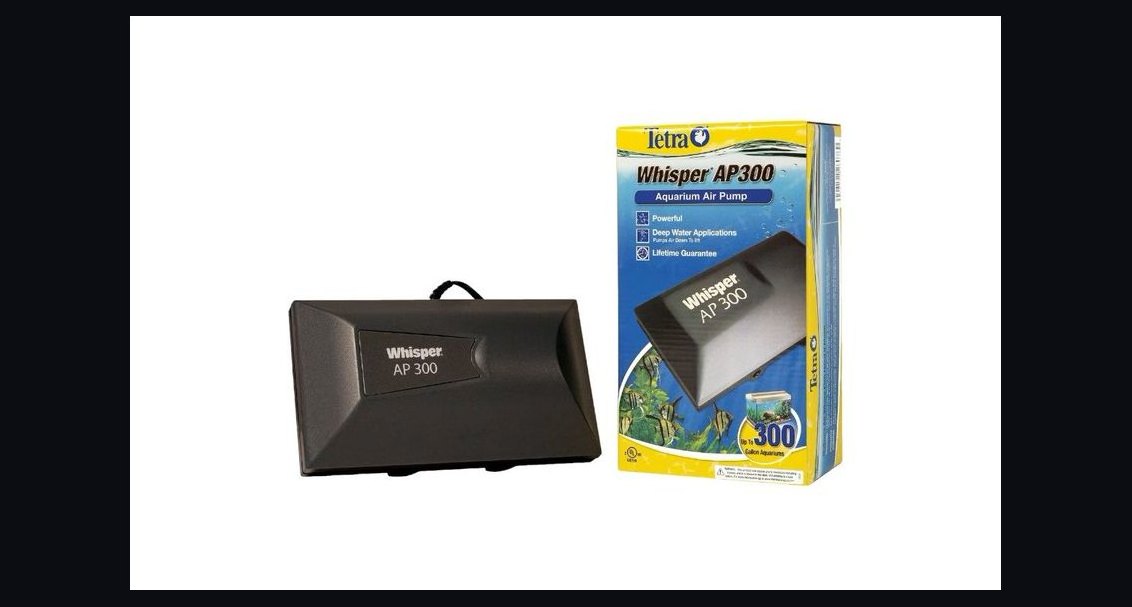 pulse-petsTop 10 Aquarium Air Pumps 2027
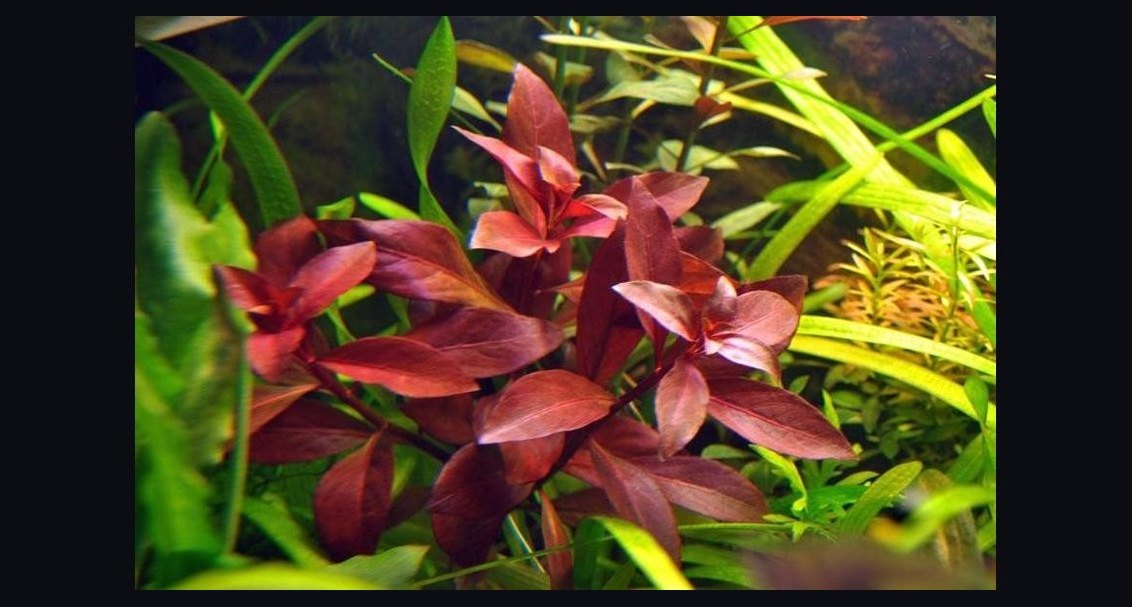 pulse-petsTop 10 red aquarium plants 2027
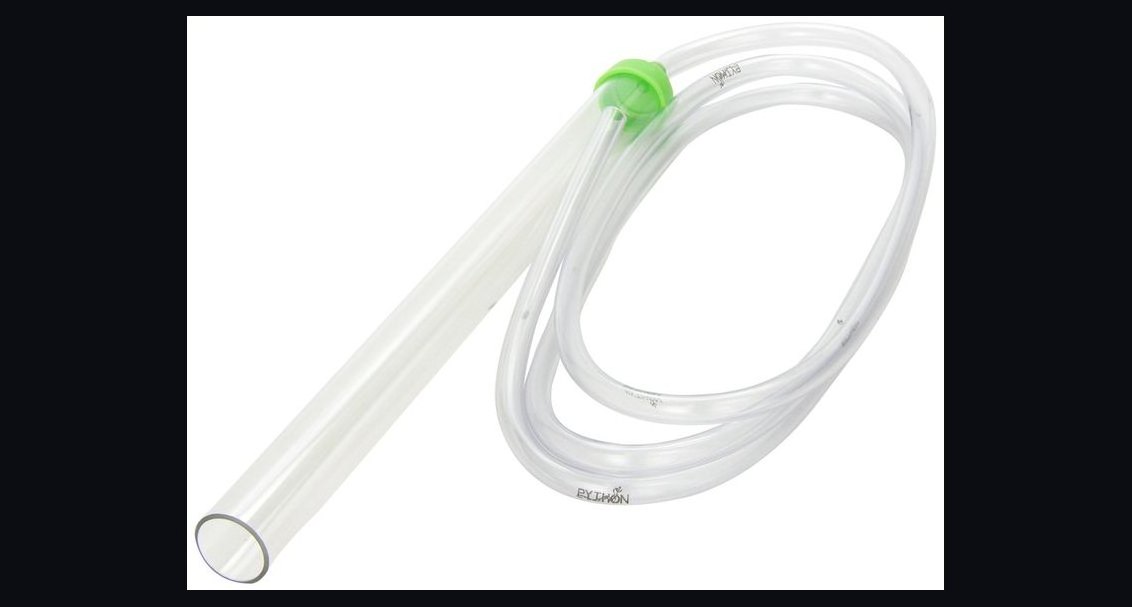 pulse-petsTop 10 aquarium siphon brands 2027
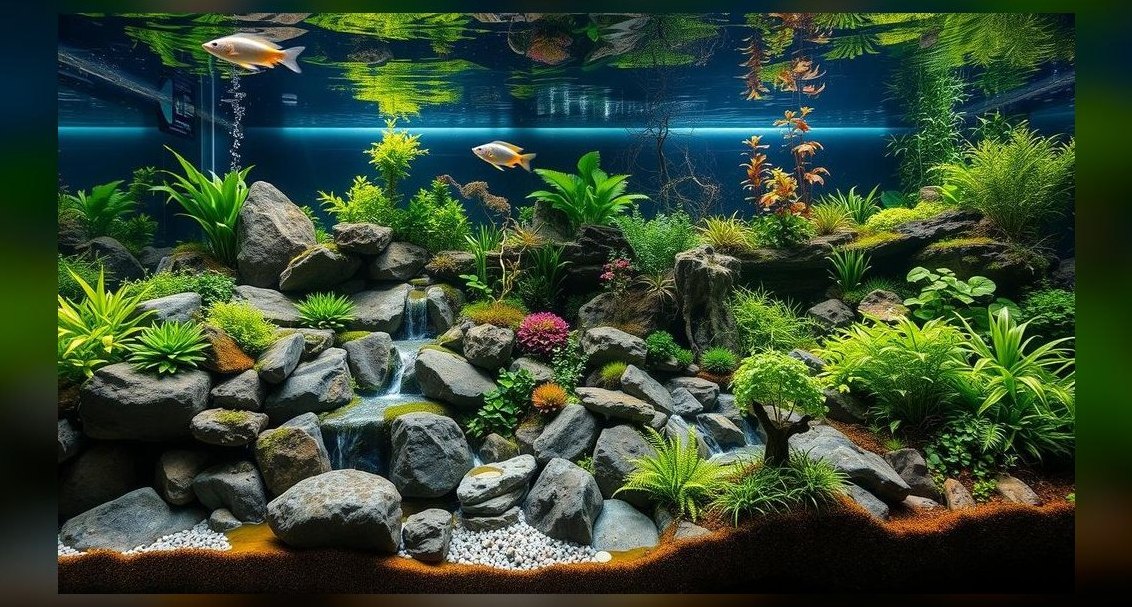 pulse-petsTop 10 nature aquarium styles 2027
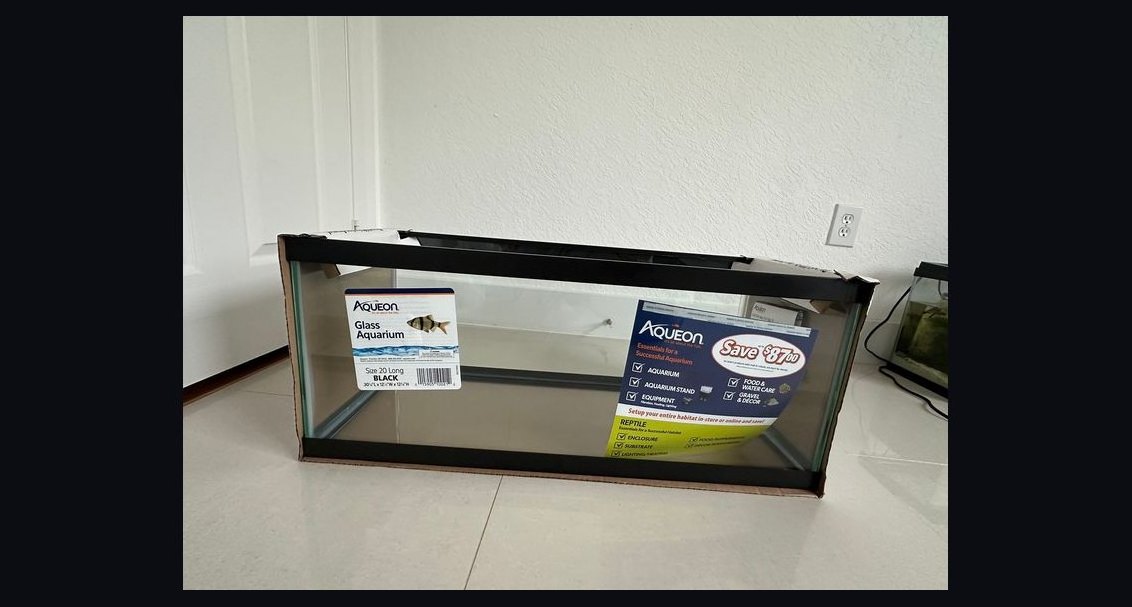 pulse-petsTop 10 20-Gallon Aquariums 2027
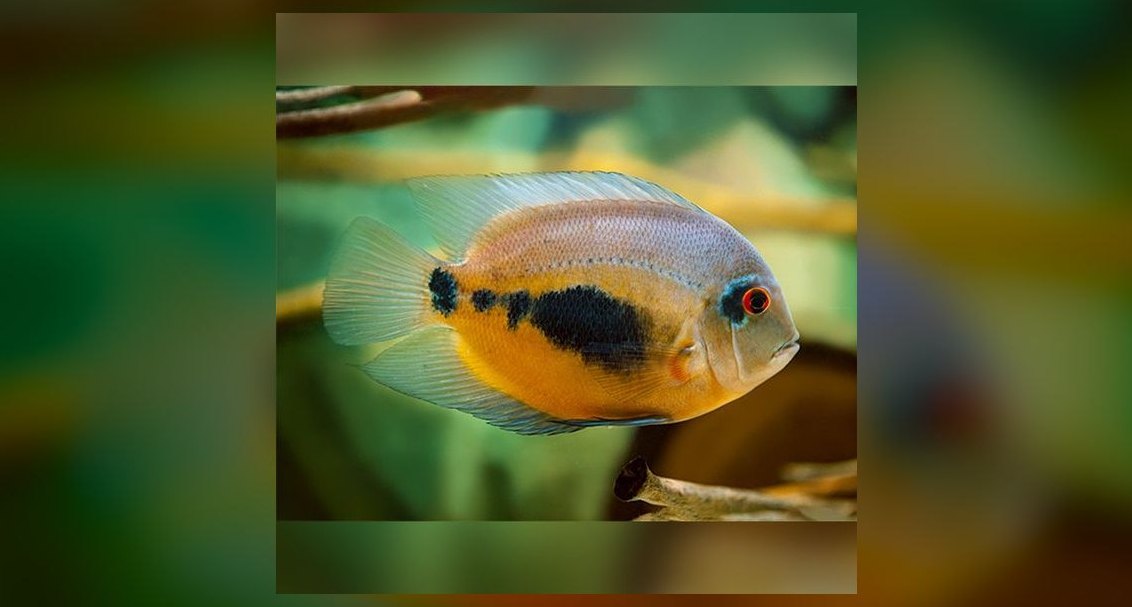 pulse-petsTop 10 Uaru Cichlid Herbivore Cichlids 2027
 pulse-petsTop 10 aquarium chiller brands 2027
 pulse-petsTop 10 CaribSea Substrates 2027