


When does a resort start being considered luxury in 2027?
Quality
Certified

A resort crosses into luxury in 2027 when service ratios, space, and consistency clear a threshold — roughly one staff member per room or better, generous square footage per guest, and a rate that sustains it. Price alone never qualifies a property; verified guest experience, design integrity, and repeatable delivery are what earn the label.
The outcome you should expect
When people ask when a resort *starts* being considered luxury, they usually expect a single number — a nightly rate, a star count, a review score. The honest answer is that the label is conferred at the intersection of four measurable things and one unmeasurable one, and the property does not cross over until all five move together.
The four measurable inputs are staffing density, physical space, consistency of delivery, and price position relative to its own market. The unmeasurable one is intent: whether the property was designed and is operated as a luxury asset, or whether it is an upper-upscale asset trying to charge luxury rates during a strong season.
Staffing density is the cleanest single tell. Upper-upscale resorts commonly run somewhere in the range of 0.4 to 0.7 employees per available room. Properties that the trade press, the ratings bodies, and guests all describe as luxury tend to sit at or above roughly one employee per room, and the highest tier — the small ultra-luxury properties, the safari camps, the private-island operations — can run two or three staff per key. That ratio is not a vanity metric. It is the mechanical reason a luxury property can honor an unscheduled request at 11 p.m. and an upscale property cannot. You cannot fake it with training, an app, or a service culture initiative. It shows up on the payroll line, and it is the first thing that gets cut when a property is being run for a near-term sale.
Physical space is the second. Luxury guest rooms in most markets start well above the 300–350 square foot norm of a full-service hotel room, and resort suites and villas commonly run into four figures. Bathrooms grow disproportionately — double vanities, separate tub and shower, natural light — because that is where guests actually register "expensive." Public space per key matters just as much: a luxury resort gives you somewhere to be that is not your room and not a crowded lobby bar, and it does so without making you queue.

Consistency is the third and the one most properties fail. A resort that delivers a genuinely exceptional stay seven times in ten and a mediocre one three times in ten is not a luxury resort; it is an upscale resort with good days. The ratings bodies test precisely this. Forbes Travel Guide sends anonymous inspectors against a standards list of several hundred discrete service and facility tests and publishes Five-Star, Four-Star, and Recommended tiers. AAA's Diamond program runs a parallel scale where Five Diamond is a very small fraction of inspected properties. Both systems are built to detect variance, not peak performance, and both are the closest thing the industry has to an objective line.
Price position is the fourth, and it is relative, not absolute. A resort at $700 a night in a market where the competitive set sits at $250 is priced as luxury. The same $700 in Aspen at Christmas or the Maldives in February is ordinary upper-upscale. The useful metric is the property's rate index against its own comp set — the ratio of its average daily rate to the market's. Sustained indexing well above the local set, across both peak and shoulder seasons, is the signal. Indexing above only in the two weeks around the holidays is a seasonality artifact.
The intent factor is what ties them together. Luxury operators design for it upfront: back-of-house circulation so staff never cross guest paths carrying laundry, acoustic separation between rooms, plant and mechanical capacity so hot water and air conditioning never falter at full occupancy, and enough storage that the property does not look cluttered in month eighteen. These are capital decisions made years before opening and effectively impossible to retrofit. That is why renovation rarely converts an upscale resort into a luxury one — it converts it into a very nice upscale resort with a higher rate and a compressed margin.

So the practical answer to "when": a resort starts being considered luxury when it can hold roughly one-to-one staffing through a full year of demand, offers materially more space than its market's norm, passes an anonymous multi-hundred-point inspection without a service floor collapse, and sustains a rate premium over its own comp set in shoulder season as well as peak. Most properties clear one or two of those. The ones that clear all four get the label, and they get it from the market rather than from their own marketing.
One more thing worth stating plainly, because owners resist it: the label is granted externally. A property cannot declare itself luxury in a press release and have the designation stick. It is conferred by guests, by inspectors, by the travel advisor networks that decide which properties go on their preferred lists, and by the comparison set that competitors and appraisers place it in. Marketing can accelerate recognition of a property that already qualifies. It cannot manufacture the qualification.
What drives that outcome
The mechanics behind the label are more interesting than the label. Four drivers do most of the work, and they interact.
Labor model. Everything downstream of service depends on how many people are on property and how they are deployed. A luxury operation typically carries roles that upscale properties eliminated years ago: a dedicated concierge team rather than a front-desk agent with a second hat, in-room dining staffed through the night, a housekeeping model that does evening turndown as standard rather than on request, and enough supervisory layer that quality is caught before the guest catches it. Payroll and related costs commonly run a substantially larger share of revenue at luxury properties than at upscale ones, and that gap is the entire product. When an owner asks how to raise scores without raising labor, the answer is usually that they cannot.
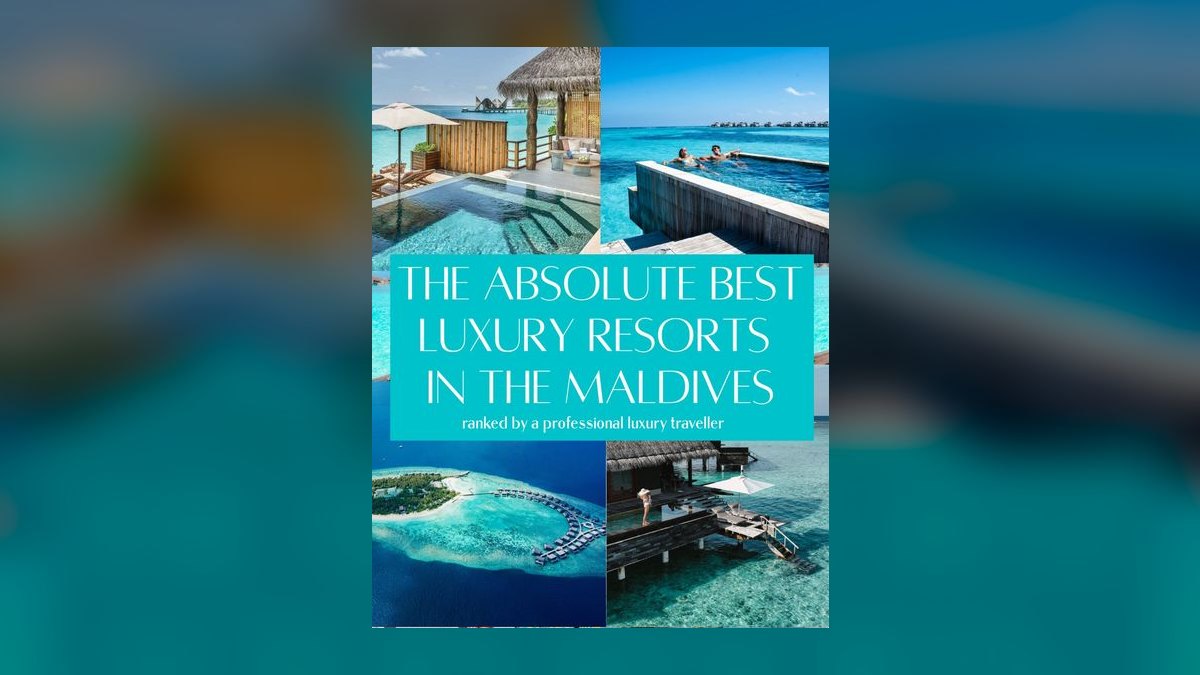
Physical plant and design. Space per guest, acoustic isolation, sight lines, and the quality of the transition from public to private. A luxury property tends to have more circulation area, more back-of-house, and lower key counts per acre than the upscale property next door. It also has redundancy: enough chilled water, enough hot water recovery, enough generator to keep the resort functioning through a regional outage. Guests never see this and always feel it.
Food and beverage. F&B is where luxury is most visible and most expensive. A luxury resort typically operates multiple distinct outlets with genuinely separate concepts, keeps at least one open at hours that are unprofitable, sources ingredients that do not survive a cost-per-cover analysis, and accepts that room service will lose money. Upscale resorts consolidate outlets, shorten hours, and outsource. That consolidation is rational and it is also the single clearest tell that a property is not operating at the luxury tier.
Brand and distribution. Where a resort sits in the booking ecosystem shapes who considers it luxury. Membership in curated programs — Leading Hotels of the World, Relais & Châteaux, the luxury soft brands run by the major operators, the preferred-partner programs at travel advisory consortia — functions as third-party validation and channels a specific guest. Those programs run their own inspections and standards. Getting in is meaningful; getting dropped is a signal.
Notice the loop at the bottom. Sustained premium pricing funds the reinvestment that maintains the physical plant and labor model, which sustains the premium. Break the loop anywhere — defer capex for three years, cut the supervisory layer, let the spa go tired — and the property slides back down within about two cycles. The label is not a one-time achievement; it is a maintenance obligation.
The adjacent categories are worth understanding because guests conflate them. Upper-upscale is a full-service resort with good rooms, adequate service, and consolidated F&B. Lifestyle properties compete on design and social energy rather than service depth; some are priced at luxury levels without a luxury labor model, which is a legitimate business, just a different one. Ultra-luxury is the small tier above — very low key counts, staffing several times higher than the room count, and rates that clear four figures as a floor. All-inclusive luxury is its own animal: the economics change because F&B revenue is prepaid, which lets the operator staff outlets that would otherwise close, but it also creates a volume incentive that pushes against exclusivity. A useful diagnostic for an all-inclusive claiming luxury: check whether the premium spirits and the specialty restaurants are actually included or fenced behind upcharges. Fences signal upscale economics wearing luxury packaging.
Benchmarks and realistic ranges
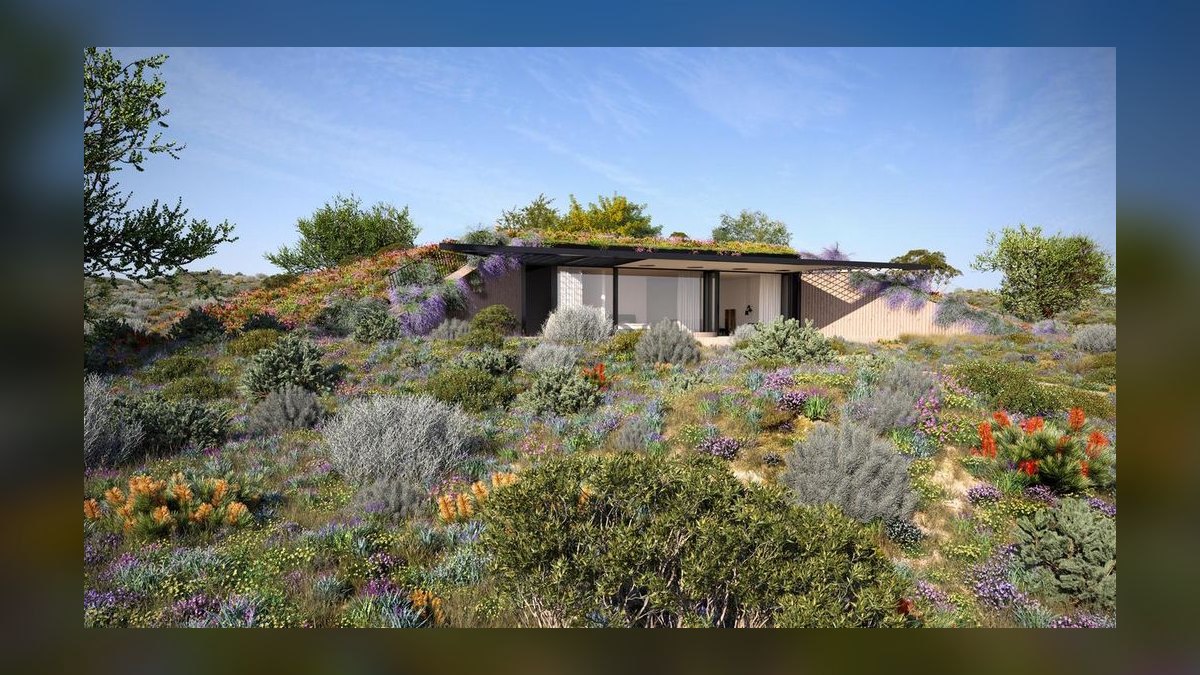
Useful numbers, stated as ranges rather than precise figures, because they move by market and by year.
Staff per key. Select-service: well under 0.3. Full-service upscale: roughly 0.3–0.5. Upper-upscale resort: roughly 0.5–0.8. Luxury: approximately 1.0 and up. Ultra-luxury and remote camps: 2.0–3.0 or higher. If you can only get one number about a property, get this one.
Room size. Standard full-service room: 300–400 sq ft in most Western markets, smaller in dense urban Europe and much of Asia. Luxury resort entry room: commonly 500–700 sq ft and up, with meaningful outdoor space at resorts. Villas and residences run from roughly 1,200 sq ft into several thousand. The signal is not the top suite — every resort has one — it is the *entry-level* room.
Rate index. Compute average daily rate divided by the comp set's average daily rate. Upper-upscale properties typically index modestly above their set. Luxury properties sustain a substantial premium, and critically, they sustain it in shoulder season. A property that indexes far above the market for six weeks a year and at parity for forty is a seasonal-demand story, not a luxury one.
Occupancy behavior. Luxury resorts generally run lower occupancy than upscale ones by design, because yielding to fill the last rooms erodes the product — crowded pools, waits at restaurants, thinner service per guest. An owner pushing occupancy into the nineties at a luxury resort is usually trading the asset's positioning for a quarter of revenue. Watch for it in reviews: complaints about crowding at a high-rate property are an early warning that the yield strategy has drifted.
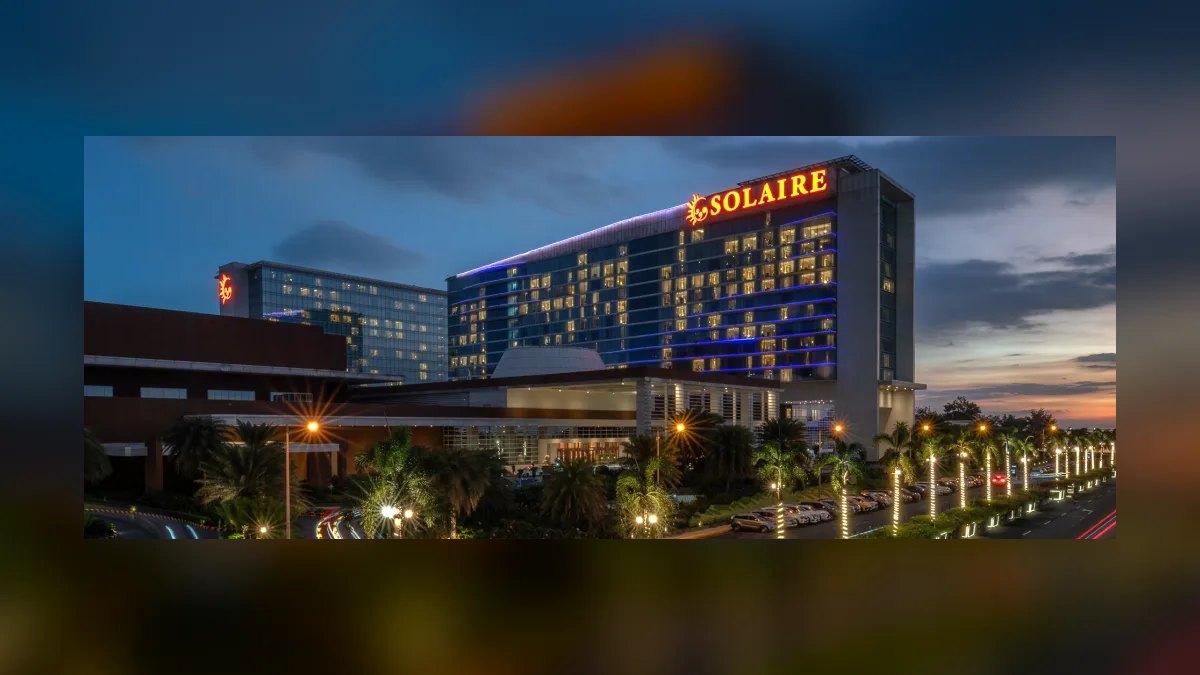
Ratings. Forbes Five-Star and AAA Five Diamond are both awarded to a small minority of inspected properties, and both are re-tested annually rather than granted permanently. A property that held Five-Star and dropped to Four-Star did not become a bad hotel; it usually failed on consistency, meaning the inspector hit a service floor. Michelin's hotel keys, introduced recently as a companion to its restaurant stars, add another third-party lens weighted more toward distinctiveness and design than toward service standards. Reading two or three of these systems together is far more informative than reading any one.
Guest review signal. Look past the headline average. The distribution matters more: a luxury property should have very few one- and two-star reviews, because the failure mode of a luxury operation should be "very good instead of exceptional," not "bad." A high average with a fat low tail is the statistical signature of inconsistency, which is precisely the thing the label excludes.
Capital intensity. Development cost per key at luxury resorts runs multiples of upscale, driven by the space, the back-of-house, the F&B build-out, and the finish level. Renovation cycles are also shorter — soft goods every few years, hard goods on a longer cycle — and the properties that slide out of the category are almost always the ones that stretched a cycle to protect a distribution.
Adjacent benchmark worth borrowing. Cruise lines, private aviation, and high-end residential clubs use nearly identical logic: staff-to-guest ratio, space per guest, and consistency of delivery. A luxury cruise line advertises its crew-to-guest ratio for exactly the reason a resort should — it is the honest proxy for what the experience will feel like. If a resort will not disclose its staffing model, that reticence is itself informative.
Risks, edge cases, and failure modes

The renovation illusion. An owner spends heavily on rooms and public space, raises rate, and expects the label. Scores stay flat because service ratios did not change. New finishes raise expectations, and unchanged service against raised expectations reads as worse than before. If the capital plan does not include a permanently higher payroll line, a renovation can measurably damage guest sentiment.
The soft-brand shortcut. Joining a luxury soft brand or a collection program puts a property in front of luxury-seeking guests immediately. If the operation cannot deliver, the property gets punished by exactly the audience most able to articulate the shortfall, in reviews that are read by the next cohort. The distribution arrived faster than the product.
Seasonal mirage. A resort in a constrained market during peak weeks can clear luxury rates on scarcity alone. It is priced as luxury and is not considered luxury, and the gap shows up the moment supply loosens or the season turns.
Extraction pricing. Resort fees, parking charges, upcharges on things a guest reasonably expected to be included, and aggressive minimum-spend requirements are the fastest way to lose the label without losing a star. Guests tolerate a high rate; they do not tolerate feeling worked. The reputational damage is concentrated among repeat guests and advisors — the two constituencies that actually confer the designation.
Ownership-cycle decay. Properties being prepared for sale get their payroll trimmed and their capex deferred to make the trailing numbers look better. Both actions are invisible for a year and destructive by year three. If a property's reviews softened in a period that coincides with an ownership change, that is usually the explanation.
Scale mismatch. Very large resorts can absolutely be luxury, but the operating burden grows non-linearly. A 60-key property can run luxury service with a talented general manager and a stable team. A 600-key property needs layered management, real training infrastructure, and systems, and it fails at the seams — a slow check-in queue, a pool with no available loungers, a restaurant that cannot seat you. Guests forgive a small property an eccentricity; they do not forgive a large one a queue.

Concept-over-service drift. A design-led property with a strong point of view can generate enormous attention and rates while running an upscale labor model. This is a viable, sometimes very profitable business. It is a distinct category, and the mismatch surfaces when a guest who booked expecting luxury service encounters a lean operation.
Remote-location arithmetic. Island and wilderness properties carry costs that distort every benchmark — importing produce, housing staff on site, generating power, chartering transfers. Their staffing ratios look extraordinary partly because staff must live on property. Judge them against comparable remote properties, not against a resort with a town next door.
Ratings volatility. Losing a star or a diamond is often a single-inspection event, not a structural decline. Conversely, holding a rating is not proof that nothing has slipped, since inspections are periodic. Use ratings as one input among several — alongside review distribution, advisor placement, and the staffing model — rather than as the verdict.
The definition itself moves. What counted as luxury a generation ago — marble, formality, a butler — is not what the current luxury guest is buying. Privacy, flexibility, genuinely good food, wellness programming with real practitioners rather than a room with a massage table, and staff who exercise judgment rather than recite scripts have moved to the center. A property frozen in an older definition can hold its physical standards perfectly and still stop being considered luxury, because the market's definition moved and it did not.
A practical rollout plan
For an owner or operator trying to move a property across the line, or for a buyer trying to judge whether a property is genuinely there, the sequence below is the honest one. It is slow, and attempts to compress it are what produce the failure modes above.

Diagnose before spending. Establish the current staff-per-key, entry-room square footage, rate index against the true comp set across all four quarters, and the shape of the review distribution rather than its average. Have someone anonymous stay two nights on a normal weekend and again on a full-occupancy weekend. The full-occupancy stay is the diagnostic one, because that is when a luxury operation is distinguished from an upscale one.
Fix the operating model before the finishes. Add the supervisory layer, extend F&B hours, restore evening service, and staff the overnight. Hold it for two full quarters and watch whether the low tail of the review distribution thins. If it does not, the problem is management or training rather than headcount, and more capital will not solve it.
Then capital, in the order guests feel it. Bathrooms and beds first, then the arrival sequence, then the primary restaurant, then the pool and grounds, then the spa. Lobby renovations photograph well and change guest sentiment least.
Reposition rate deliberately and slowly. Move rate in steps, and watch the low tail after each step. Rising rate with a stable review distribution means the market accepts the new position. Rising rate with a thickening low tail means expectations outran delivery — stop and fix delivery.
Pursue third-party validation last. Invite inspection, apply to collection programs, and court the advisor networks only after the operating model has been stable for a year. Being inspected before you are ready produces a rating that then has to be climbed out of, and advisors who send a client to a disappointing property do not send a second one for a long time.
Then defend it. Budget the payroll line permanently, protect the capex cycle through ownership changes, and treat every occupancy push above the design threshold as a decision that costs positioning. The label is maintained, not won.
Related questions
Does a high nightly rate alone make a resort luxury?
No. Rate is one of four signals and the easiest to fake with scarcity or seasonality. A property clearing high rates for six peak weeks and sitting at market parity the rest of the year is a demand story. Sustained premium across shoulder season is the meaningful version.
How much does an official rating matter?

A great deal as third-party evidence, less as a definition. Forbes and AAA inspections test consistency against long standards lists and are re-run periodically. Read two or three systems together, alongside review distribution and advisor placement, rather than treating one rating as the verdict.
Can an all-inclusive resort be luxury?
Yes, though the economics differ. Prepaid F&B funds outlets that would otherwise close, which can raise service depth. The diagnostic is whether premium spirits and specialty dining are genuinely included or fenced behind upcharges — fences indicate upscale economics in luxury packaging.
Why do some resorts lose the designation?
Almost always deferred capital and trimmed payroll, frequently around an ownership change or a sale preparation. Both are invisible for roughly a year and clearly visible by year three, showing up first as a thickening tail of low reviews rather than a falling average.
Is a large resort able to be luxury?
Yes, but the operating burden grows faster than the key count. Large properties fail at the seams — check-in queues, unavailable loungers, restaurants that cannot seat you. They need layered management and real training infrastructure to deliver what a 60-key property achieves with a stable team.
FAQ
When exactly does a resort start being considered luxury?
At the point where staffing density reaches roughly one employee per room, entry-level rooms materially exceed the market's space norm, delivery stays consistent under full occupancy, and the rate premium over the comp set holds through shoulder season as well as peak. Clearing one or two of those makes a very good upper-upscale resort. Clearing all of them, and holding them for a year, is when the market — guests, inspectors, and advisors — begins applying the label.

What is the single most reliable indicator?
Staff per available room. It is difficult to fake, it appears on the payroll line, and it mechanically determines whether the property can honor an unscheduled request at an inconvenient hour. Everything guests describe as "the service was incredible" traces back to how many people were on property and how they were deployed.
Can a resort declare itself luxury?
Not effectively. The designation is conferred externally — by guests, by inspection bodies, by travel advisor consortia deciding what goes on preferred lists, and by the comp set that competitors and appraisers assign. Marketing accelerates recognition of a property that already qualifies; it does not create the qualification.
How long does the transition take?
Typically two to four years done properly: two quarters minimum to stabilize a new operating model, a capital cycle to bring the physical product up, a period of deliberate rate repositioning, then a year of stable operation before inviting inspection and courting advisors. Compressing it produces the classic failure — raised expectations meeting unchanged service.
Do resort fees and upcharges affect the designation?
Yes, disproportionately. Guests accept a high rate and resent feeling extracted from. Fees for things reasonably expected to be included damage sentiment most among repeat guests and travel advisors, who are exactly the two constituencies whose opinion determines whether the label sticks.
Has the definition of luxury changed?
Substantially. Formality, marble, and butler service have given way to privacy, flexibility, genuinely good food, wellness with real practitioners, and staff empowered to use judgment instead of scripts. A property can maintain its original standards perfectly and still fall out of the category, because the market's definition moved.
Sources
- https://www.forbestravelguide.com/about/star-rating-process
- https://www.ahla.com/
- https://str.com/
- https://www.hospitalitynet.org/
- https://skift.com/
- https://www.hotelnewsnow.com/
- https://www.lhw.com/
- https://www.relaischateaux.com/
- https://guide.michelin.com/en/hotels-stays
- https://www.costar.com/
Related on PULSE
- How resort operators price shoulder season without eroding positioning
- What staff-to-guest ratio really predicts about service quality
- Why hotel renovations often fail to move guest satisfaction scores
- How travel advisor consortia decide which properties make preferred lists
- Reading review distributions instead of review averages
- What all-inclusive economics change about service depth
This page will be disappearing soon. Save it to your device for $1 — or read it free while it is here.
@Kory-White- · if Venmo asks, the last 4 of my number are 2012
This page is gone.
This one is off the shelf now. $1 keeps it on your phone for good — the whole page, pictures and diagrams included.
 pulse-resortsTop 10 All-Inclusive Resorts in Abu Dhabi in 2027
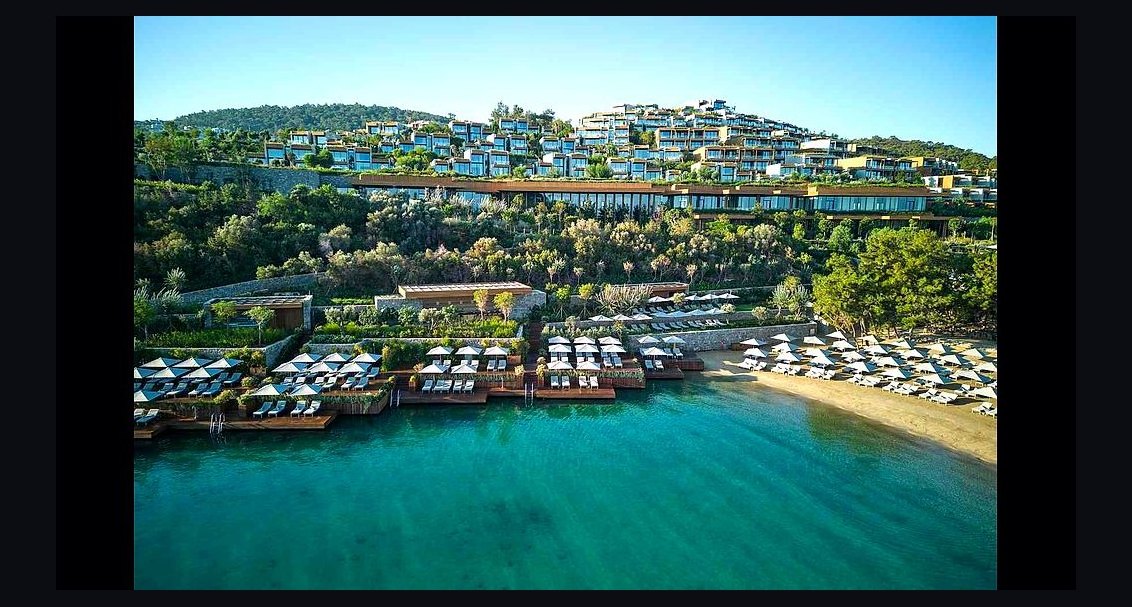 pulse-resortsTop 10 Resorts in Turkey in 2027
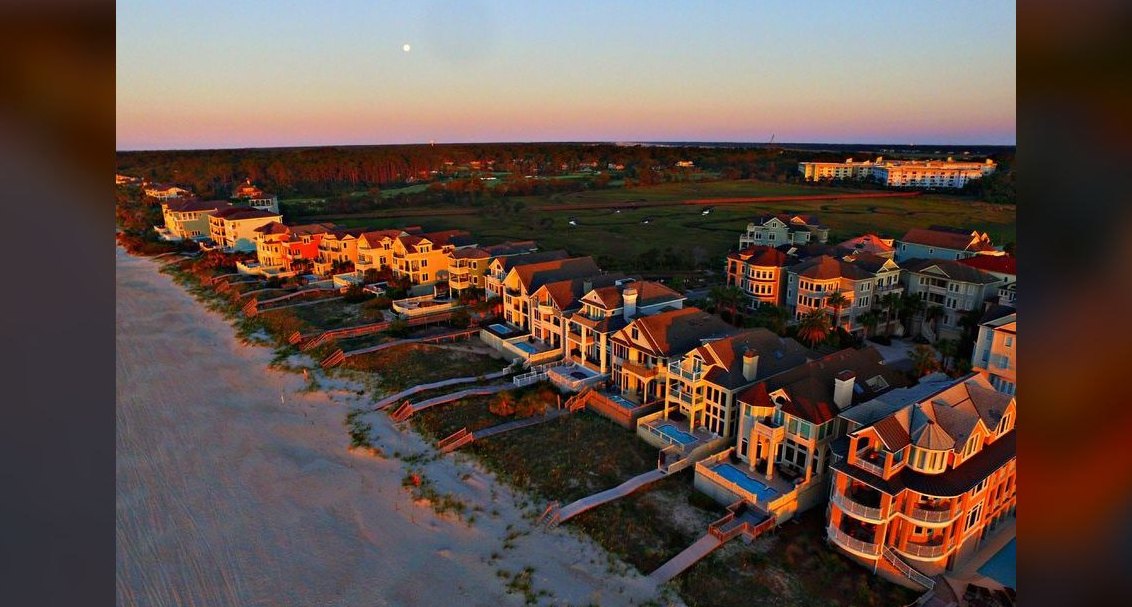 pulse-resortsTop 10 Resorts in Hilton Head in 2027
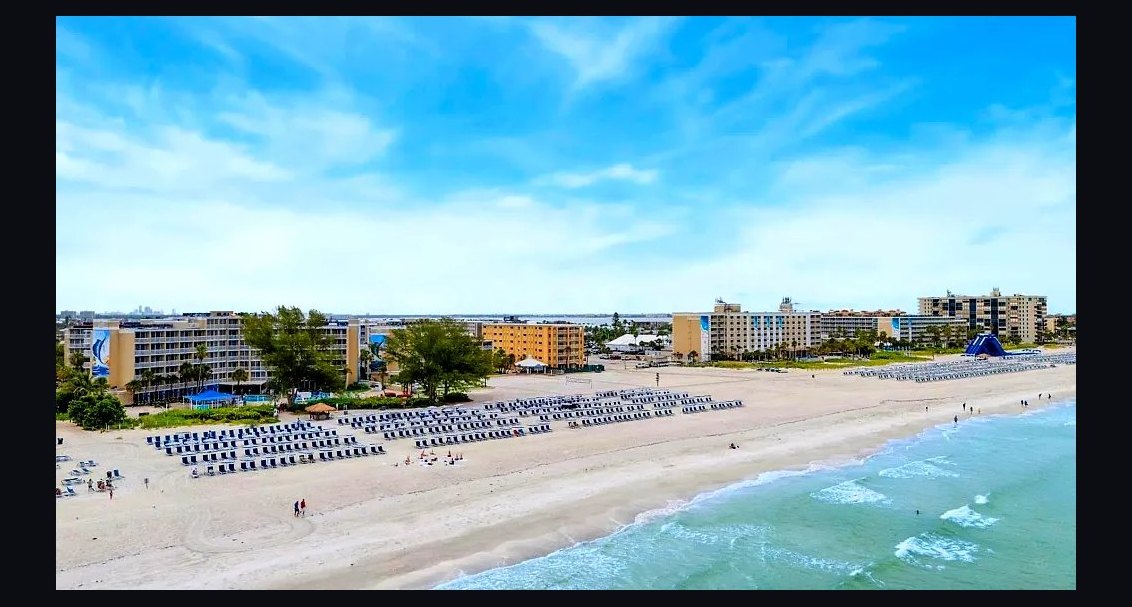 pulse-resortsThe 10 Best Family Beach Resorts on Florida's Gulf Coast for 2027
 pulse-resortsTop 10 All-Inclusive Resorts in Phuket in 2027
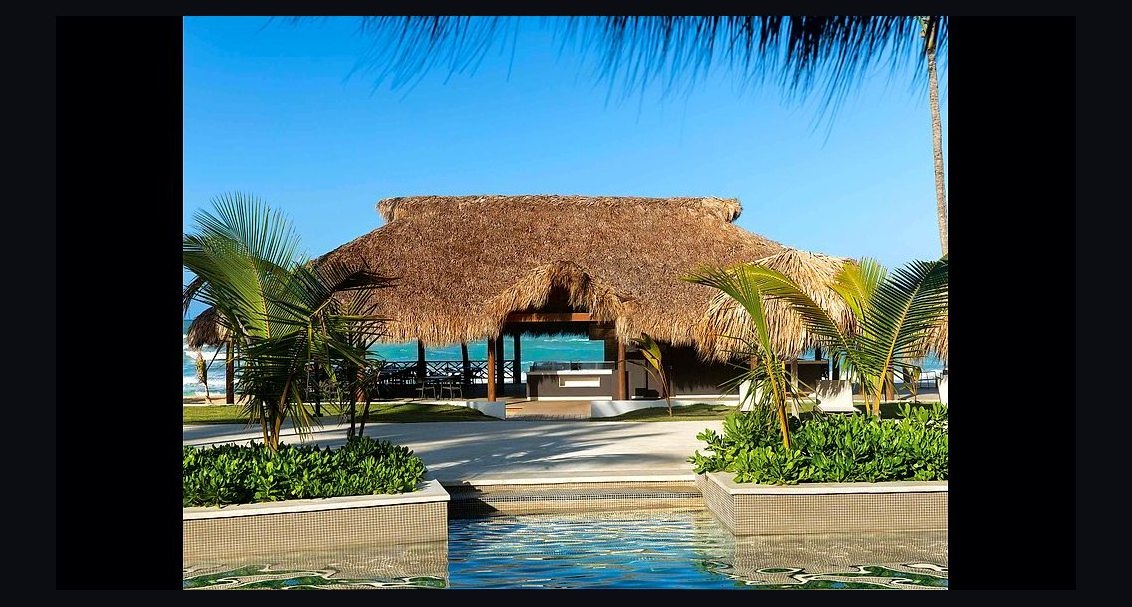 pulse-resortsThe 10 Best All-Inclusive Beach Resorts in the Dominican Republic for 2027
 pulse-resortsTop 10 Resorts in Greece in 2027
 pulse-resortsTop 10 All-Inclusive Resorts in French Riviera in 2027
 pulse-resortsThe 10 Best Overwater & Beach Resorts in the Caribbean & Atlantic for an Overwater Experience (2026)
 pulse-resortsTop 10 All-Inclusive Resorts in Costa Rica in 2027