


When is the cheapest time to visit ski resorts in Utah in 2027?
Quality
Certified

The cheapest time to visit Utah ski resorts in 2027 is early December before Christmas, the first three weeks of January after New Year's, and April through closing day. Mid-week stays cut lodging further. Avoid Christmas week, Presidents' Day weekend, and Sundance-adjacent late January in Park City, when rates roughly double.
The outcome you should expect
If you book Utah for the right window, expect to pay somewhere between 40% and 60% less for the same bed, the same lift ticket, and the same drive from Salt Lake City International than a traveler who shows up during Christmas week. That is the honest headline, and it is worth internalizing before you start comparing individual resorts, because the calendar variable dominates every other variable you can control. A slopeside condo that lists in the high hundreds per night during the last week of December frequently lists in the low-to-mid hundreds during the second week of January, at the same property, with the same snowpack on the mountain, sometimes with better conditions. Nothing about the product changed. Only the demand curve moved.
The second thing to expect is that "cheapest" is not one number, it is a stack of four costs that peak on different calendars. Lodging is the most volatile and the most schedule-sensitive — it can swing 3x between a Christmas night and a mid-April night. Lift tickets are the second most volatile, but they move on a dynamic-pricing curve that punishes late booking more than it punishes any particular date. Airfare into Salt Lake City follows a national holiday calendar that only partially overlaps with the ski calendar. Ground transportation and food barely move at all. Because those four curves peak at different times, the truly cheapest trip is not the date where any single cost bottoms out; it is the date where the two big ones — lodging and lift access — bottom out together. In Utah, that overlap lands in three distinct places: the pre-Christmas opening stretch, the mid-January lull, and the spring tail.
A third expectation: Utah punishes indecision more than most destinations. The Wasatch Front resorts sit close enough to a major international airport that they attract a large volume of short-notice destination travelers, and the Cottonwood Canyons in particular absorb a huge Salt Lake day-skier population that does not book lodging at all. That combination means walk-up lift ticket windows are expensive and lodging inventory near the canyons thins out fast on powder-forecast weekends. If your plan is "watch the forecast and pounce," you should budget for the pouncing to be expensive. The cheap trip is the planned trip.

Finally, expect the savings to compound rather than add. A mid-January Tuesday-through-Thursday stay stacks a low-season lodging rate on top of a mid-week discount on top of an advance-purchase lift rate on top of a cheaper non-holiday flight. Each of those is individually modest. Together they routinely cut a four-person family trip roughly in half versus the identical trip booked for the week between Christmas and New Year's. That compounding is the whole game, and everything below is about how to line the pieces up.
What drives that outcome
Four forces set the price of any given night in Utah, and they are worth separating because you can only influence some of them.
The holiday calendar. Resort lodging is priced in tiers — value, regular, holiday, peak — and the tier boundaries are published in advance. Christmas through New Year's Day is the single most expensive block of the season virtually everywhere in North America, and Utah is no exception. Martin Luther King Jr. weekend and Presidents' Day weekend in February are the two secondary spikes; Presidents' week in particular is a full week of elevated pricing at many properties because several school districts align their winter break to it. Easter timing moves year to year and can pull a bump into an otherwise cheap spring window, so check where the holiday falls before assuming April is uniformly discounted.

Snowpack confidence. Early-season pricing is cheap partly because the product is uncertain. In early-to-mid December, terrain is often partially open, the upper mountain may not be fully accessible, and the marketing has not yet had a chance to broadcast a big storm cycle. Resorts discount to fill beds against that uncertainty. Utah's advantage here is that its base elevations are high and its snowmaking is extensive, so an early-December trip is a genuinely better gamble than the same date in many lower, warmer ranges. You are being paid to accept risk that is smaller than the price implies. The same logic runs in reverse in spring: by late March the snowpack is usually deep and reliable, but demand has moved on to other things, so you get high certainty at low prices. Spring is the most underpriced part of the Utah calendar for exactly this reason.
Day of week. Mid-week is cheaper than weekend almost universally, but the size of the gap varies by property type. Hotel and condo inventory that caters to destination travelers shows the biggest mid-week discounts. Vacation rentals with minimum-stay requirements often bury the discount inside a nightly rate that only unlocks at four or more nights. The practical rule: arrive Sunday or Monday, depart Thursday or Friday. That single change frequently saves more than switching resorts.
Booking lead time. Lift tickets in Utah are increasingly sold on dynamic pricing, where the window price rises as the date approaches and as expected demand climbs. Season passes and multi-resort products are sold on the opposite curve — cheapest in spring and early fall, rising until they close for the season. So the cheapest lift access is bought either very early (a pass purchased the spring before) or at least a couple of weeks ahead (an advance-purchase window ticket). The most expensive lift access is a walk-up ticket on a holiday Saturday. That is the single easiest four-figure mistake a family can make.
There is a fifth force that is easy to miss: event calendars that have nothing to do with skiing. Park City hosts a major film festival in the second half of January, and lodging in and around Park City prices accordingly for roughly ten days. That single event carves a hole in what would otherwise be the cheapest stretch of the entire winter for that town. The Cottonwood Canyons resorts — which are a different drive from a different part of the valley — are far less affected, so the same dates that are expensive in Park City can still be cheap thirty miles away. Utah's geography gives you an arbitrage that most single-valley destinations do not.
Benchmarks and realistic ranges

Rather than quote specific 2027 prices that do not exist yet, here are the structural ranges and ratios that hold season to season. Use them as multipliers against whatever the current published rate is when you shop.
Lodging tier ratios. Treat a regular-season mid-week night as 1.0x. Against that baseline, expect roughly: early-December value nights at 0.6x to 0.8x; mid-January value nights at 0.7x to 0.9x; regular-season weekends at 1.3x to 1.6x; MLK and Presidents' weekends at 1.8x to 2.5x; Christmas-through-New-Year at 2.0x to 3.0x; late-season April nights at 0.5x to 0.7x. Slopeside and ski-in/ski-out inventory shows the widest swings because it is the most demand-constrained. Properties down-valley — Salt Lake City proper, Midvale, Sandy, Cottonwood Heights, Heber — compress dramatically, often staying within 1.0x to 1.4x across the whole season. That compression is the single biggest lever for a budget trip.
The down-valley trade. A Salt Lake City hotel plus a rental car or canyon bus typically lands well under half the cost of comparable slopeside lodging, and the drive to the Cottonwood resorts is short by ski-destination standards — a normal-conditions morning drive measured in tens of minutes, not hours. The trade-offs are real and worth stating plainly: canyon road closures during and after heavy storms, mandatory traction-device enforcement on snowy days, and parking reservations or fees at some resorts that make driving up less convenient than it used to be. Budget an extra 30 to 60 minutes each way on storm mornings, and check the traction law status before you leave. If you are not comfortable with winter canyon driving, the bus and shuttle options exist and are meaningfully cheaper than a rental plus parking.

Lift access ratios. An advance-purchase window ticket bought two or more weeks out typically runs materially below the walk-up rate, and the gap widens on high-demand dates. A multi-resort season pass pays for itself somewhere in the range of five to eight ski days at most Utah resorts, depending on which pass and which resort — which means a single week-long trip is often already at or near the break-even point, and two trips almost certainly clears it. Run that math before you buy day tickets. Also check whether the pass you may already hold for a home mountain includes Utah days; several multi-resort products include Utah properties, and travelers routinely forget they already own the lift access they are about to buy again.
Airfare. Salt Lake City International is a genuine hub with heavy domestic service, which keeps fares structurally lower than fly-in mountain airports that require a small regional connection. Expect the usual holiday spikes around Christmas, New Year's, and the February holiday weekend, plus a Presidents'-week bump. The cheapest fares track mid-week departures and returns in the first three weeks of January and throughout April. The airport-to-canyon proximity is the other quiet saving: you are not paying for a two-hour mountain transfer, and you can often ski a half day on arrival day, which effectively adds value to the same trip length.
Where the windows actually fall for the 2026-27 season. Working from how the calendar reliably behaves: opening dates cluster in mid-to-late November at the earliest-opening resorts and roll through early December for the rest. The pre-holiday value window therefore runs from opening until roughly the third week of December. The holiday block runs from around December 24 through January 2. The January lull opens right after that and runs until the MLK weekend, then resumes after it — with the Park City caveat for the film festival stretch. February is broadly regular-to-peak with the Presidents' spike. March is regular season with spring-break pockets that vary by which school districts are out. April is the deepest discount of the year, running until each resort's closing day, which varies widely — some close in early April, a few of the higher, snowier operations run substantially later.
Total-trip framing. For a four-person, five-night trip, the difference between the worst window and the best is not a rounding error. Lodging alone can differ by a factor of two to three. Layer in walk-up versus advance lift tickets and holiday versus non-holiday airfare and the whole-trip delta commonly lands in the neighborhood of half. That is the number worth planning around: same mountains, same snow, roughly half the money, purely as a function of which fourteen days you chose.
Risks, edge cases, and failure modes

The cheap windows are cheap for reasons, and pretending otherwise leads to a disappointing trip. Here is what actually goes wrong.
Early December: terrain risk. The most common failure is booking the first week of December, arriving to find the upper mountain closed, and skiing three groomers for four days. Utah's high base elevations and aggressive snowmaking mitigate this but do not eliminate it. Mitigations: book refundable or flexibly-cancellable lodging, buy lift tickets on a date-flexible product where possible, and check the resort's terrain-open percentage before your cancellation deadline rather than after. Also weight your resort choice toward operations with more snowmaking coverage and higher, north-facing base terrain in this window.
April: the closing-day trap. Spring is the best value on the calendar, and it has one sharp edge — resorts close on different dates, some far earlier than others, and a few announce closures based on conditions rather than a fixed date. Booking a mid-April trip near a resort that shut down the previous weekend is a completely avoidable disaster. Confirm published closing dates before booking, and prefer resorts known for long seasons if you are going late. The second spring risk is timing-of-day: corn snow softens on a schedule, so April skiing rewards early lifts and an early lunch, and punishes a leisurely 11 a.m. start on a warm day.
Mid-January: the storm-cycle squeeze. The January lull is cheap on the calendar but not immune to a big storm cycle pulling in short-notice demand and closing canyon roads for avalanche control. Interlodge and road-closure events are real, occasionally strand travelers, and can make a slopeside stay feel like a very expensive snow globe. If you are staying down-valley, a canyon closure means you simply do not ski that morning. Build slack into your plans and do not schedule a same-day departure flight tight against a storm forecast.

The Park City festival overlap. Booking Park City in the second half of January without checking the festival dates is the classic Utah pricing mistake. You will pay peak rates for a town full of people who are not skiing. Either shift dates by a week or shift geography to the Cottonwoods.
Minimum-stay requirements. Value windows sometimes carry longer minimum stays than you expect, especially in vacation rentals, and holiday blocks almost always do. A five-night minimum during a week you only wanted three nights erases the discount. Read the minimum-stay rules before comparing nightly rates; the nightly rate is not the price.
Parking and access fees. Several Utah resorts have moved to paid or reserved parking on peak days, and canyon access has ongoing congestion-management measures. These are small line items individually but they change the calculus of a down-valley stay. Check current parking policy for the specific resort and date before assuming you can just drive up and park free.
Traction law and rental cars. Snowy canyon days trigger traction requirements. A standard rental car without appropriate tires or chains can legally be turned around. If you plan to drive the canyons, confirm your rental's drivetrain and tires, or plan on the bus. Getting turned around at the mouth of a canyon on a powder morning is a specific and preventable kind of misery.
Non-refundable rate traps. The deepest advertised discounts are often non-refundable. In a season where your primary risk is snowpack timing, that is a real gamble in December and a much smaller one in March. Match the refundability of the booking to the certainty of the window: pay a little more for flexibility in early season, take the non-refundable rate in spring.

The false economy of the far-out stay. Lodging an hour beyond the canyon mouth to save a modest amount per night can cost you two hours of driving a day for five days. Price your time. The down-valley trade works because Salt Lake is genuinely close; it stops working the moment you are chasing a rate an hour further out.
Assuming all Utah resorts price alike. They do not. The Cottonwood Canyons operations, the Park City area, and the smaller and more local-oriented mountains around the state occupy different price tiers with different peak calendars. A date that is peak in one can be ordinary in another. Shopping across that spread is a legitimate savings strategy, not a compromise.
A practical rollout plan
Here is the sequence that actually produces the cheapest trip, in the order the decisions need to be made.
Step 1 — Decide your window class before your resort. Pick one of three: pre-Christmas December, post-New-Year January, or April. Everything downstream is easier once the window is fixed, because you will be comparing like to like. If you have school-calendar constraints that force you into a peak week, say so now and shift your optimization from "when" to "where and how" — down-valley lodging and advance lift tickets still work.
Step 2 — Buy lift access early or plan to buy it two-plus weeks out. If you will ski more than about five or six days across the season, price a multi-resort or single-resort season pass in the prior spring, when passes are at their lowest. If it is a one-trip year, plan to buy advance window tickets and set a calendar reminder for the moment you commit to dates. Do not leave lift access to the day of.
Step 3 — Price slopeside against down-valley for your exact dates. Pull three quotes: slopeside, mid-mountain-town, and Salt Lake valley. Add transportation and parking to each. In value windows the gap sometimes narrows enough that slopeside wins on convenience; in peak windows the valley almost always wins on cost. Make it an explicit comparison rather than an assumption.

Step 4 — Lock mid-week nights. Build the trip around a Sunday-to-Thursday or Monday-to-Friday spine. If you need weekend days, put them at the cheaper end of the trip and check whether shifting a single night across the weekend boundary changes the total.
Step 5 — Cross-check the event calendar. Before you click book, confirm your dates against the Park City festival window, MLK weekend, Presidents' week, local school breaks, and Easter. One check, thirty seconds, and it prevents the most common overpay.
Step 6 — Match refundability to risk. Early December: refundable. Mid-January: mostly refundable, since storms move plans. April: non-refundable is usually fine, but verify closing dates first.
Step 7 — Book airfare on the same mid-week spine. Salt Lake City's hub status means there are many flights; the cheap ones cluster mid-week and away from holidays. Arriving mid-day gives you a half-day of skiing on arrival because the drive is short, which is a real value add unique to Utah among major destinations.
Step 8 — Set up alerts and re-shop once. Between booking and travel, re-check lodging once. If rates for your window drop and your reservation is refundable, rebook. This is a five-minute action that occasionally recovers a meaningful amount.
Adjacent plays worth knowing. Two neighboring strategies extend the same logic. First, the shoulder-of-the-shoulder: the last few days before a holiday block opens and the first two or three days after it closes are often still priced at value rates while conditions are already at holiday quality. Arriving December 19 or departing January 3 captures most of the snowpack benefit at a fraction of the peak rate. Second, the split-stay: book the expensive nights down-valley and the cheap nights slopeside within the same trip. It costs one hotel change and can save a meaningful share of the lodging line. Both of these are the same insight applied at finer granularity — price follows the calendar, not the mountain, so move your money to where the calendar is soft.
Related questions
Is skiing in Utah cheaper than Colorado?

Broadly, comparable resorts price similarly, but Utah's total trip cost is often lower because Salt Lake City International is a major hub with cheap fares and short transfers. You avoid a mountain-airport premium and a long shuttle, which are real line items in many Colorado itineraries.
Which month has the best snow-to-price ratio in Utah?
March, and increasingly late March. Snowpack is typically at or near its seasonal deep point while demand has shifted away from ski travel. You get near-peak conditions at close to value pricing, especially mid-week and away from spring-break weeks.
Should I stay in Salt Lake City instead of at a resort?
If cost is the priority, usually yes. Valley hotels price far more flatly across the season and the canyon drive is short. Weigh it against storm-day road closures, traction requirements, and parking rules at your target resort.
When do Utah resorts open and close?
Openings cluster from mid-November through early December depending on the resort and conditions. Closings vary widely, from early April at some operations to substantially later at the higher, snowier ones. Always confirm published dates before booking a late-season trip.
Does a season pass make sense for one trip?
Sometimes. Multi-resort passes commonly break even somewhere around five to eight ski days. A week-long trip is often already near that line, and two trips in a season usually clears it. Run the math against your actual planned ski days.
FAQ
What is the single cheapest week to ski Utah in 2027?
The second or third week of January, immediately after the holiday block ends and before or after Martin Luther King Jr. weekend, is the strongest combination of low lodging rates, full terrain, and reliable snow. April is cheaper on lodging but carries closing-date risk. In Park City specifically, check the film festival dates before choosing a January week.

How much can I actually save by shifting dates?
Lodging is the big mover and can differ by a factor of two to three between a holiday night and a value night at the same property. Add advance lift tickets and non-holiday airfare and a full trip commonly lands near half the peak-week equivalent. The savings compound rather than add, which is why date selection beats resort selection.
Is early December a bad idea because of thin snow?
It is a calculated risk rather than a bad idea. Utah's high base elevations and extensive snowmaking make early December a better gamble than the same date in lower ranges. Book refundable lodging, check terrain-open percentages before your cancellation deadline, and favor resorts with more snowmaking coverage.
Do I need a car to visit Utah resorts cheaply?
No. Bus and shuttle service from the airport and the valley to the canyons exists and is often cheaper than a rental plus parking fees. A car adds flexibility but also adds traction-law compliance, storm-day closures, and parking reservations at some resorts. Price both before assuming.
Are lift tickets cheaper if I buy them at the window?
No — the opposite. Walk-up window pricing is typically the most expensive way to buy, and dynamic pricing pushes it higher on high-demand dates. Buy a pass in the prior spring if you will ski more than roughly five or six days, or buy advance window tickets at least two weeks ahead.
What should I avoid entirely if I am optimizing for cost?
Christmas through New Year's Day, Presidents' Day weekend and the surrounding week, walk-up lift tickets, and Park City lodging during the film festival stretch in late January. Those four choices account for the large majority of avoidable overspending on a Utah ski trip.
Sources
- https://www.visitutah.com/
- https://www.skiutah.com/
- https://www.slcairport.com/
- https://udottraffic.utah.gov/
- https://www.nwrfc.noaa.gov/
- https://www.wrh.noaa.gov/slc/
- https://utahavalanchecenter.org/
- https://www.fs.usda.gov/uwcnf
- https://rideuta.com/
- https://www.nsaa.org/
Related on PULSE
- How to budget a multi-day destination ski trip without overpaying for lodging
- Season pass versus day tickets: running the break-even math
- Why dynamic pricing changed how lift tickets should be bought
- Shoulder-season travel: finding the gap between low price and good conditions
- Airport-proximity as a hidden cost driver in mountain travel
- Down-valley versus slopeside lodging: the real trade-offs
This page will be disappearing soon. Save it to your device for $1 — or read it free while it is here.
@Kory-White- · if Venmo asks, the last 4 of my number are 2012
This page is gone.
This one is off the shelf now. $1 keeps it on your phone for good — the whole page, pictures and diagrams included.
 pulse-resortsTop 10 Resorts in French Riviera in 2027
 pulse-resortsTop 10 Resorts in Amalfi Coast in 2027
 pulse-resortsTop 10 All-Inclusive Resorts in Thailand in 2027
 pulse-resortsTop 10 All-Inclusive Resorts in Japan in 2027
 pulse-resortsTop 10 Resorts in Costa Rica in 2027
 pulse-resortsTop 10 Resorts in Bahamas in 2027
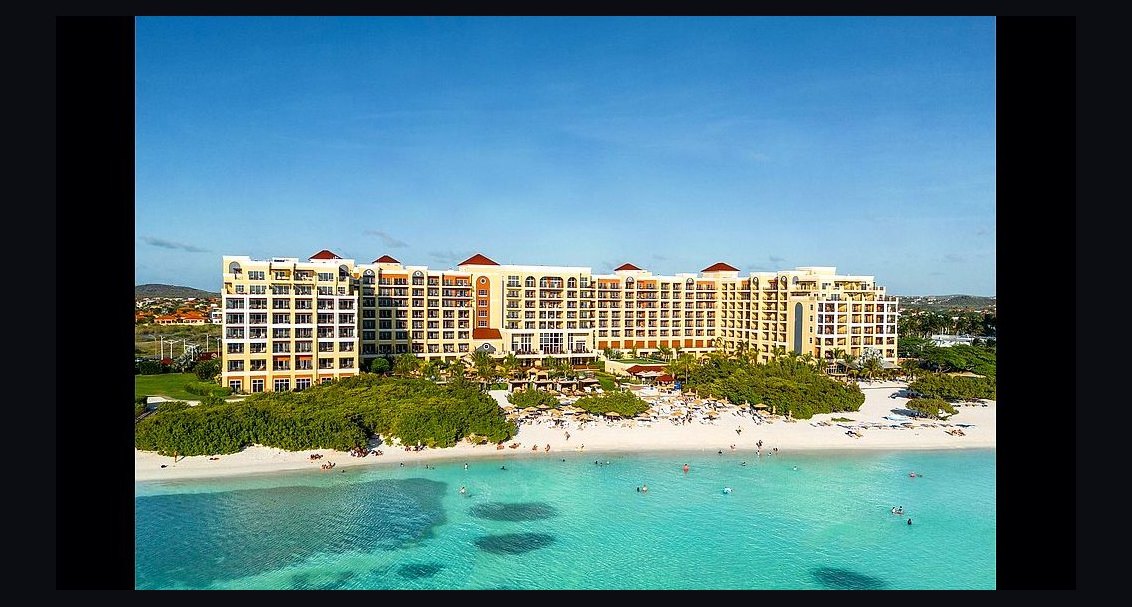 pulse-resortsTop 10 Resorts in Aruba in 2027
 pulse-resortsTop 10 Spa Resorts in the United States for 2027
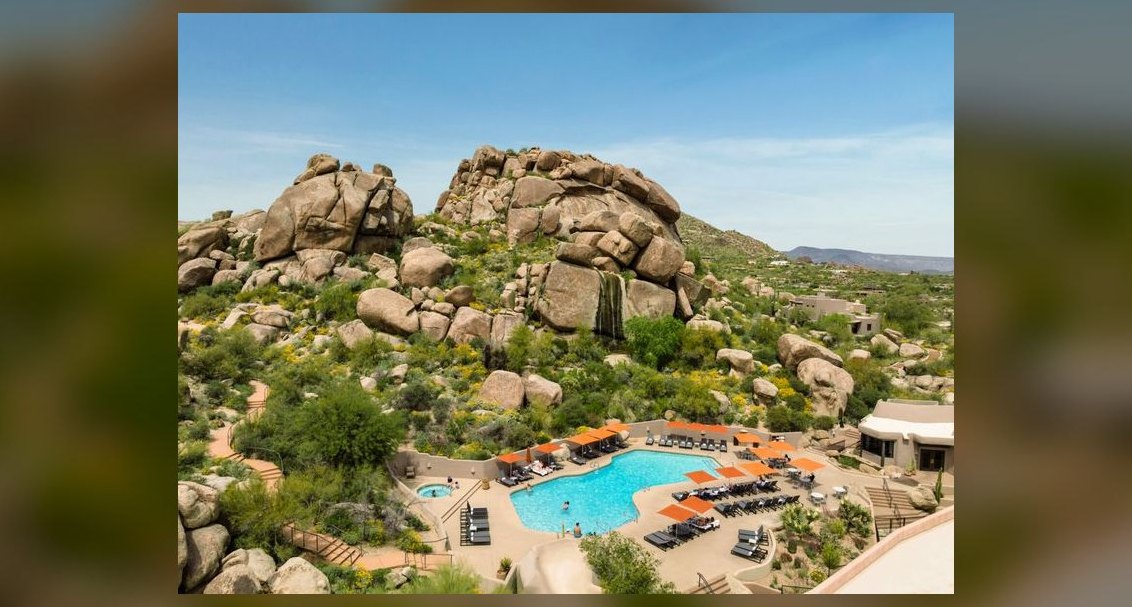 pulse-resortsTop 10 Resorts in Arizona in 2027
 pulse-resortsThe 10 Best All-Inclusive Beach Resorts in the Bahamas & Turks and Caicos for 2027