


How do you architect revenue operations for Education & Training in 2027?
Quality
Certified

Architect revenue operations for Education & Training in 2027 by unifying admissions/sales, marketing, and student or learner success under one shared data model — a single CRM object for "learner," one funnel stage definitions across cohorts and certificate programs, and one forecasting cadence tied to enrollment terms rather than generic fiscal quarters. Revenue operations succeeds here when the architecture treats renewals, re-enrollment, and employer-sponsored seats as revenue events, not afterthoughts.
What it is and why it matters
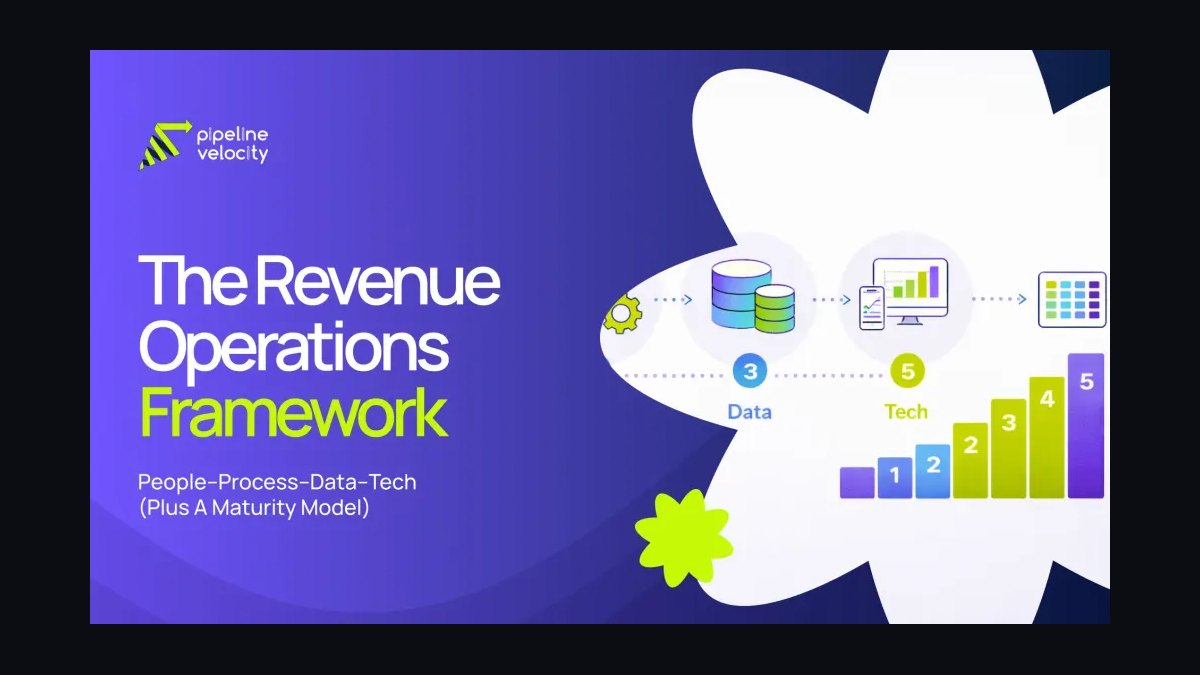
Revenue operations for an Education & Training organization is the discipline of aligning the systems, data, and processes that sit behind three functions that normally fight each other for budget: enrollment/admissions (the sales-equivalent motion), marketing (lead generation and brand), and learner or student success (the retention and expansion motion). In a typical B2B SaaS company, revenue operations means aligning three teams around one number. In education and training, you architect around four or five stakeholders in a single deal — the learner who consumes the training, the employer or institution who often pays for it, the instructor or content team who delivers it, and sometimes an accreditation body that governs whether the credential even counts. That complexity is why a bolted-together stack (a CRM for sales, a separate LMS for delivery, a separate billing system for tuition, and spreadsheets stitching them together) breaks down as soon as an organization scales past a few hundred enrollments a year.
The reason this matters in 2027 specifically is that the funding model for training has shifted hard toward outcomes-based and subscription-based pricing. Corporate learning and development budgets increasingly buy seat-based access rather than one-off course purchases, and workforce-development programs tied to government or employer reimbursement require auditable proof of completion and outcome, not just proof of payment. An operations architecture that cannot produce a clean, per-learner revenue-to-outcome trail will lose access to that money regardless of how good the content is. Revenue operations is the connective tissue that makes a training business defensible to a CFO, not just a curriculum team.

Practically, this means the RevOps function in an Education & Training company owns four things: the definition of a "qualified opportunity" (is it a single learner, a cohort, or an enterprise seat block?), the handoff rules between marketing-generated interest and admissions-owned pipeline, the renewal and expansion motion for multi-term programs, and the reporting layer that lets leadership see revenue by program, by cohort, by channel, and by employer sponsor simultaneously. Get this wrong and you get what most mid-sized training companies actually have today: three different "enrollment numbers" depending on which system you ask, and a CFO who trusts none of them.
The step-by-step process
Building this architecture is a sequenced project, not a single system purchase. The order matters because each step depends on decisions made in the one before it.
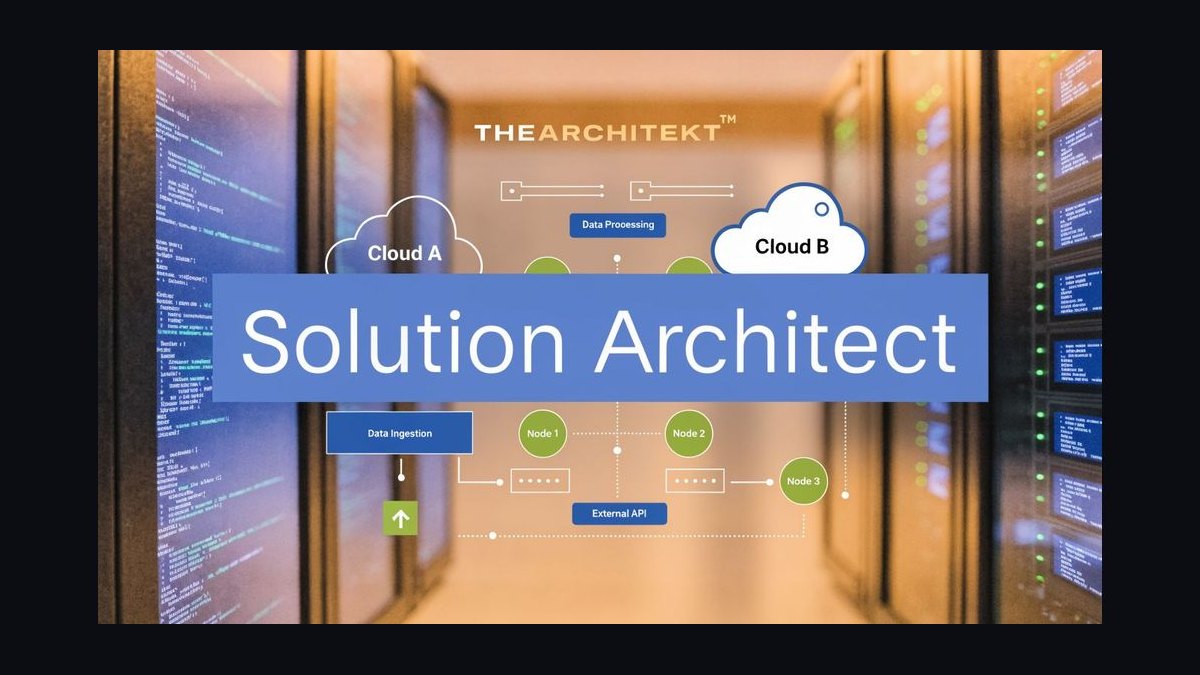
Start with entity modeling. Before touching any tool, define what a "learner," an "account" (the paying employer or institution, if different from the learner), an "opportunity" (a cohort seat, a subscription, a certificate track), and a "program" (the actual curriculum/SKU) mean in your business, and get sales, marketing, and success leadership to agree on those definitions in writing. This single step prevents 80% of the reporting disputes that come later.
Second, map the funnel to your actual enrollment calendar, not a generic quarter. Education and training businesses run on cohort start dates, term boundaries, and application deadlines — a funnel stage model borrowed unmodified from a SaaS playbook will misrepresent your pipeline every single cycle.
Third, pick the system of record for each entity and enforce one-directional data flow: CRM owns the account/opportunity record, the LMS owns delivery and completion data, and a billing/subscription platform owns revenue recognition — each syncs into a central warehouse rather than into each other directly, which avoids the circular-sync bugs that quietly duplicate learner records.

Fourth, build the handoff automation between marketing and admissions/sales (lead scoring and routing rules keyed to program interest and cohort timing) and between admissions and success (a closed-won opportunity auto-creates a success/onboarding record with the correct start date and renewal date pre-populated).
Fifth, instrument renewal and expansion triggers — completion rate, engagement score, and days-to-cohort-end should all fire renewal-outreach tasks automatically rather than relying on a success manager's memory.
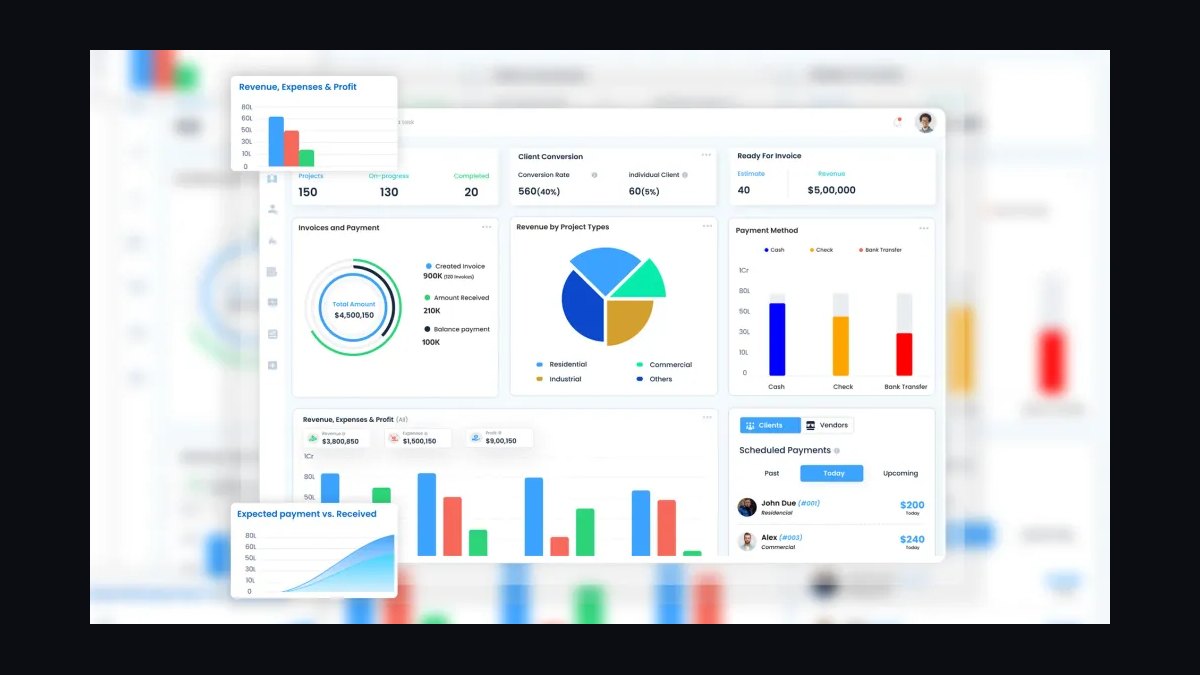
Sixth and last, build the reporting layer on top of the warehouse, not on top of any single tool's native dashboards — this is the step that finally lets a CFO, a program director, and a VP of Enrollment all look at the same revenue number and trust it.
Costs, timelines, and typical ranges
For a mid-sized Education & Training organization (roughly $5M-$40M in annual training or tuition revenue, 3-15 active programs, a team of 5-30 across admissions, marketing, and success), a full revenue operations architecture typically takes 90-180 days to stand up and runs $60,000-$250,000 in first-year cost when you total tooling, integration/migration labor, and a dedicated RevOps hire or fractional consultant.
Tooling alone usually breaks down as: a CRM (Salesforce Education Cloud, HubSpot, or a lighter admissions-specific tool) at $15,000-$80,000/year depending on seat count; an LMS or delivery platform, often already owned, but frequently requiring $10,000-$30,000 in one-time integration work to expose completion and engagement data via API; a reverse-ETL or data warehouse layer (Fivetran/dbt/a cloud warehouse, or a lighter no-code equivalent) at $10,000-$40,000/year; and a BI layer (Looker, Tableau, or a native dashboard tool) at $5,000-$20,000/year. Add a RevOps hire — a fully loaded salary for a mid-level RevOps manager runs $110,000-$160,000/year in most U.S. markets in 2027, or $8,000-$15,000/month for a fractional/contract equivalent during the buildout phase only.
Timeline-wise, expect entity modeling and stakeholder alignment (step one and two above) to take 3-5 weeks — this is a negotiation problem, not a technical one, and rushing it guarantees rework. System-of-record assignment and initial integration typically runs 4-8 weeks depending on how entangled the legacy spreadsheet-and-tool sprawl already is. Handoff automation and renewal triggers usually take another 3-4 weeks once the data model is clean. The reporting layer, ironically the part stakeholders care about most, should be the fastest step (2-3 weeks) if everything upstream was built correctly — if it's taking longer than that, the data model underneath is the real problem, not the dashboard tool.
A realistic total: a lean organization with one clear system of record already in place can do this in 90 days for around $60,000-$90,000 all-in; an organization with three disconnected legacy systems, multiple program lines, and employer-sponsored billing complexity should budget 150-180 days and $150,000-$250,000.
Where teams get it wrong
The single most common mistake is importing a SaaS RevOps playbook wholesale and forcing education-specific realities into it. Cohort-based enrollment does not map cleanly onto a monthly or quarterly pipeline model — a program that only starts in September and January will show artificial pipeline "dead zones" in a generic forecast view, causing leadership to misread a healthy seasonal business as a stalling one.
The second major failure is letting the LMS or the billing system, rather than the CRM, become the de facto system of record for revenue, because it's where completion and payment data naturally lives. This inverts the correct architecture and makes it nearly impossible to answer "why" a learner converted or churned, because the LMS knows what happened but not the marketing and sales context of how the relationship started.
Third, teams routinely fail to model the employer/sponsor relationship as a distinct account object from the individual learner. When a company sponsors 40 employees into a certificate program, treating each learner as an independent, unrelated opportunity destroys your ability to see account-level renewal risk — if 5 of those 40 employees disengage, that's an early warning for the entire $200,000 contract, not five isolated support tickets.
Fourth, renewal and re-enrollment automation frequently gets built as a one-time project instead of an ongoing trigger system, so it degrades within two or three cohort cycles as new programs launch that the original logic never accounted for — the fix is owning renewal triggers as a living rule set inside RevOps, reviewed every term, not a launch-and-forget script.
Fifth, and most costly, is treating the RevOps buildout as an IT project handed to a systems administrator rather than a cross-functional initiative with a business owner who has authority over admissions, marketing, and success simultaneously — without that authority, the entity-definition step (step one above) never actually gets agreed upon, and the whole architecture inherits the same three-conflicting-numbers problem it was meant to fix.
Decision framework: when to choose what
Not every Education & Training organization needs the full six-step build described above on day one, and the right starting point depends on where the pain is loudest. If the primary symptom is that leadership can't trust the enrollment number, start with entity modeling and system-of-record assignment before buying any new tool — most of that pain is definitional, not technological, and a new CRM purchased before the definitions are settled just gives you a fourth conflicting number instead of fixing the first three. If the primary symptom is that renewals are being missed or handled inconsistently, prioritize the handoff automation and renewal-trigger steps even before the full reporting layer is built, since that's where revenue is actively leaking. If the organization is pre-$5M and still running on two or three programs, a lightweight version of this architecture (one CRM, one spreadsheet-replacing reporting tool, manually enforced handoff rules) is appropriate — the full warehouse-and-BI buildout described in the costs section is over-engineering at that scale and should wait until program count or revenue roughly triples.
For organizations juggling heavy employer-sponsorship revenue (workforce development, corporate L&D contracts), weight the architecture toward the account-object modeling described in the mistakes section above before anything else, since that's the layer most likely to be structurally wrong and hardest to retrofit later. For organizations that are primarily direct-to-consumer (individual learners paying out of pocket for certificates or courses), the account layer matters less and the marketing-to-admissions handoff and cohort-calendar funnel mapping should come first instead.
Related questions
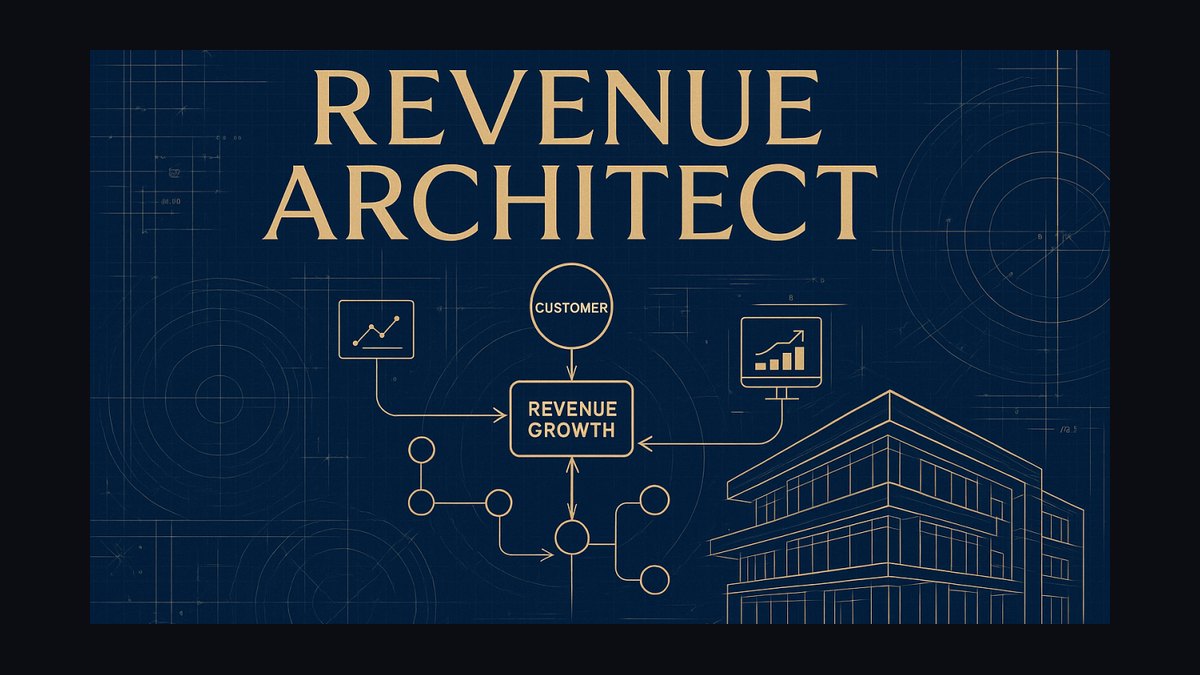
Does revenue operations replace the need for a dedicated admissions team?
No. RevOps architects the systems, data, and handoffs that admissions teams work within — it doesn't replace the human relationship-building and counseling role admissions staff play with prospective learners and sponsoring employers.
How is RevOps different for a nonprofit training program versus a for-profit one?
The architecture is nearly identical, but nonprofits typically add grant and donor revenue as a third funding stream alongside tuition and sponsorship, requiring an additional account type and reporting cut in the same unified model.
Should the LMS and CRM be the same platform?
Rarely. Best-in-class LMS platforms and best-in-class CRMs are built by different vendors for different jobs; integrate them through a warehouse rather than forcing one vendor to do both jobs poorly.
What's the single highest-leverage first hire for this buildout?
A RevOps lead with cross-functional authority over admissions, marketing, and success — technical skill matters less initially than the organizational authority to get the three teams to agree on shared definitions.
How often should the entity and funnel model be revisited?

At minimum once per academic or fiscal year, and immediately whenever a genuinely new program type (a new pricing model, a new sponsor category) launches, since that's when old definitions silently stop fitting.
FAQ
What does "architecting" revenue operations actually mean in practice? It means deliberately designing the data model, system-of-record assignments, and cross-team handoff rules before selecting tools — architecture is the blueprint decisions, not the software purchase itself. Skipping straight to tool selection is the most common reason these projects fail.
Is a CRM mandatory, or can a good LMS handle revenue operations alone? A CRM is effectively mandatory once you have more than one funnel source (marketing channels, referrals, employer partnerships) feeding admissions, because LMS platforms are built to manage learning delivery, not multi-stage pipeline and forecasting.
How does seasonality specific to Education & Training affect the architecture?
Cohort and term-based enrollment creates predictable pipeline surges and dead zones that a generic monthly SaaS forecast model will misread as volatility; the funnel and forecast cadence must be built around your actual academic or program calendar from the start.
Can a small training company skip the data warehouse step? Yes, below roughly $5M in revenue and a handful of programs, a well-configured CRM with native reporting can substitute for a dedicated warehouse — add the warehouse layer once program count or reporting complexity outgrows what one tool's dashboards can express.
What's the biggest risk of delaying this architecture work? The longer three teams operate on separate, unreconciled definitions of "enrollment" or "revenue," the more institutional habits and spreadsheet workarounds calcify around the wrong numbers, making the eventual fix more expensive and more politically difficult.
Who should own revenue operations organizationally — sales, marketing, or finance? None exclusively; RevOps should report to a leader (often a COO, CRO, or dedicated VP of RevOps) with authority over admissions, marketing, and success simultaneously, since embedding it inside any one of those functions recreates the silo problem it's meant to solve.
Sources
- https://www.salesforce.com/solutions/industries/education/
- https://www.gartner.com/en/sales/insights/revenue-operations
- https://www.forrester.com/blogs/category/revenue-operations/
- https://hbr.org/topic/subject/sales
- https://www.mckinsey.com/industries/education
- https://www.td.org/talent-development-glossary-terms/what-is-learning-and-development
- https://www.hubspot.com/state-of-marketing
- https://www.astd.org
- https://www.linkedin.com/business/learning
Related on PULSE
- How do you build a revenue forecast around cohort-based enrollment cycles?
- What's the right CRM architecture for employer-sponsored training programs?
- How do you calculate CAC and LTV for a subscription-based learning platform?
- What renewal metrics should a student success team track in 2027?
- How does workforce-development funding change RevOps reporting requirements?
- What's the ideal ratio of admissions reps to marketing-qualified leads in education?
This page will be disappearing soon. Save it to your device for $1 — or read it free while it is here.
@Kory-White- · if Venmo asks, the last 4 of my number are 2012
This page is gone.
This one is off the shelf now. $1 keeps it on your phone for good — the whole page, pictures and diagrams included.
 pulse-revenue-architectureTerritory Design for Geographic SaaS Sales in 2027
 pulse-revenue-architectureRevenue Architecture for Landscaping + Lawn Care + Tree Care Software in 2027 (Commercial Contract Lock-In, Chemical Compliance Moat, PE Roll-Up Wave)
 pulse-revenue-architectureHow do you architect revenue operations for a B2B SaaS company in 2027?
 pulse-revenue-architectureHow to architect revenue operations for an independent auto repair shop in 2027
 pulse-revenue-architectureHow to architect revenue operations for a multi-location chiropractic clinic group in 2027
 pulse-revenue-architectureRevenue Architecture for Two-Sided Marketplaces — The Complete Operator Guide in 2027
 pulse-revenue-architectureHow to structure quarterly business reviews with key strategic customers in 2027
 pulse-revenue-architectureAE to Sales Manager Promotion Criteria in 2027
 revenue-architectureWhen is the right time to split revenue architecture from sales ops in 2027?
 pulse-revenue-architectureHow do you architect revenue operations for an IoT hardware company in 2027?