 Pulse Reviews and Analysis
How Do I Reconcile Competing Sales Forecasting Methods in 2027?
 Curated by Kory White · Fractional CRO, CRO Syndicate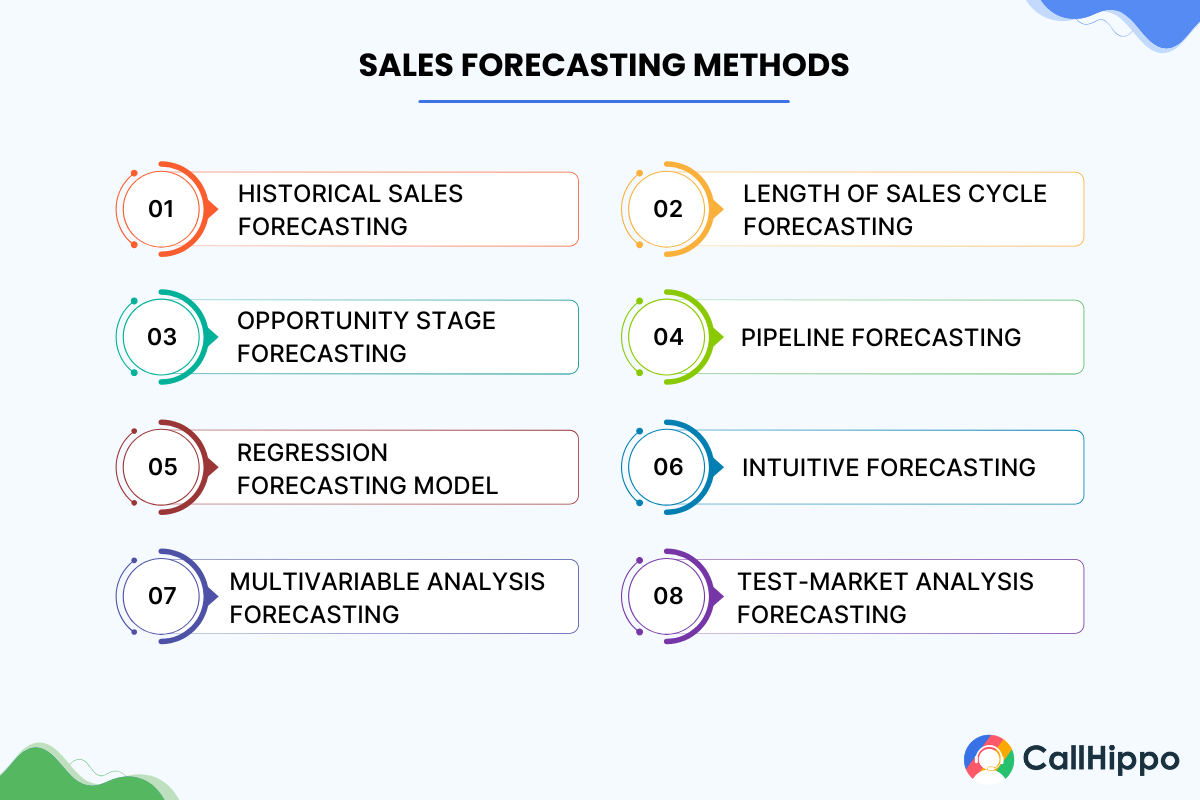
Direct Answer
To reconcile competing sales forecasting methods in 2027 — the rep-by-rep commit, the weighted-pipeline roll-up, the historical-trend model, and the new AI-generated forecast — do not pick one and discard the rest. Run multiple methods in parallel and triangulate, because each method has a different bias and the *gap between them* is the most valuable signal you have.
The practical approach is to treat the bottoms-up rep commit as the accountability number, the weighted-pipeline and AI models as objective reality checks, and the historical/trend view as the sanity floor — then investigate wherever they diverge. A forecast is not a single number handed up the chain; it is a reconciliation process.
When the rep commit is far above the weighted pipeline and the AI model, you have happy-ears optimism; when it is far below, you may have sandbagging. The divergence tells you where to dig.
Why No Single Method Is Enough in 2027
Every forecasting method encodes a different assumption, and each fails in a predictable way.
- Bottoms-up rep commit. Managers ask reps what will close and roll it up. It captures deal-level nuance no model can see, but it is *biased by human psychology* — optimism, sandbagging, and end-of-quarter hope all distort it.
- Weighted pipeline. Multiply each opportunity by its stage probability and sum. It is objective and repeatable, but it is only as good as your stage probabilities and pipeline hygiene; stale or mis-staged deals corrupt it.
- Historical / run-rate trend. Project from past performance and seasonality. It is a useful baseline and immune to in-quarter emotion, but it is blind to anything new — a big deal, a new product, a market shift.
- AI / data-driven forecast. Modern tools learn from your historical deal patterns and engagement signals to predict outcomes. It removes human bias and can catch patterns people miss, but it is opaque, can be wrong on novel situations, and should not be trusted blindly.
Because each method is strong exactly where another is weak, the reconciled view is more accurate than any one of them alone.
The Reconciliation Process
1. Generate All Views for the Same Period
For each forecast period, produce the rep commit, the weighted pipeline, the historical baseline, and the AI prediction. Put them side by side. The point is not to average them mechanically — it is to *compare* them.
2. Investigate the Divergence
Where methods disagree, ask why:
- Rep commit well above weighted pipeline and AI model → likely optimism or thin coverage behind committed deals. Pressure-test each committed deal.
- Rep commit well below weighted pipeline → possible sandbagging, or deals the model thinks are healthy that the rep knows are dead. Either way, dig in.
- AI model diverges sharply from everything → either it caught a pattern humans missed, or it is mishandling a novel situation. Understand which.
3. Build the Reconciled Number
The forecast you commit upward is a *judgment* informed by all views: the rep commit adjusted for known biases, validated against the objective models, and floored by the historical baseline. Document the assumptions so next quarter you can check who was right and recalibrate.
Calibrating Over Time
Reconciliation gets sharper with feedback. Each period, record what each method predicted and what actually happened, then track which method (and which manager's commit) is consistently biased and by how much. Over a few quarters you learn, for example, that a particular team's commit runs persistently optimistic and the AI model is reliably close — so you weight accordingly.
This calibration is what turns forecasting from guesswork into a managed process, and it is core RevOps work.
Where AI Fits — and Its Limits
AI-driven forecasting is a genuine advance because it removes human emotion and surfaces engagement signals (response patterns, stakeholder activity) that a manager cannot track manually. But it is a *reality check*, not an oracle. It struggles with genuinely new situations — a new product line, a new segment, a market shock — that are not in its training history, and its opacity makes it hard to challenge.
Use it to flag deals where its prediction contradicts the rep's commit, then have a human investigate. The combination of AI objectivity and human judgment beats either alone.
Common Pitfalls
- Picking one method and trusting it blindly. Every method has a characteristic failure; one number with no cross-check is fragile.
- Mechanically averaging the methods. Averaging hides the divergence, which is the actual signal. Investigate gaps, do not blend them away.
- Never calibrating. Without tracking accuracy over time you cannot learn which sources to trust.
- Treating AI as infallible. It is powerful but wrong on novel cases; keep a human in the loop.
- Ignoring pipeline hygiene. Weighted and AI models both degrade when the underlying pipeline data is stale.
FAQ
Which forecasting method is most accurate? None universally. Each is accurate in different conditions and biased in others. A reconciled view across methods, calibrated over time, beats any single method.
Should I just use the AI forecast since it removes bias? Use it as a powerful reality check, not the sole truth. It removes human emotion but can mishandle novel situations and is hard to challenge. Pair it with human judgment.
What does the gap between methods tell me? Where to investigate. A commit far above the models suggests optimism or thin coverage; far below suggests sandbagging. The divergence is the most actionable signal in the whole process.
How do I improve forecast accuracy over time? Record what each method predicted versus actuals every period, identify consistent biases by method and by manager, and recalibrate how you weight each source. Accuracy is a learned, managed outcome.
Related on PULSE
- How do you build a forecast-accuracy scorecard for sales managers in 2027?
- Should I Hire a Fractional CRO If My Forecast and Actuals Never Match?
- How Do I Build a Sales Capacity Plan to Hit Next Year's Number in 2027?
- How do you measure and improve sales velocity by stage in 2027?
- Explore the Pulse Tools library for a forecast reconciliation worksheet.