


How do you enable a sales team in Roofing & Exteriors in 2027?
Quality
Certified

You enable a sales team in Roofing & Exteriors in 2027 by choosing between two proven models — insurance storm-restoration selling versus retail/organic exteriors selling — then equipping reps with the specific tools each model demands: aerial measurement software, CRM-linked door-knocking apps, financing integrations, and AI-assisted estimating. The right choice depends on your market's storm frequency, existing brand equity, and how much working capital you can commit to a canvassing crew before the first close.
The two options compared
Roofing and exteriors companies enable their sales teams around one of two core go-to-market models, and conflating them is the single biggest reason enablement programs fail. The first model is insurance-driven storm restoration: reps canvass neighborhoods after a hail or wind event, help homeowners file claims, and get paid largely through the insurance settlement rather than a cash sale. The second model is retail or organic exteriors selling: reps generate or receive leads through marketing, referrals, and showroom visits, and sell full-price replacement jobs — roofs, siding, windows, gutters — funded by homeowner cash or financing rather than an insurance check.
Storm restoration enablement centers on speed and volume. A crew can knock 40-80 doors a day in a fresh hail swath, and the sales cycle from first knock to signed contingency agreement can be under 20 minutes because the homeowner isn't paying out of pocket — they're authorizing the rep to work the claim on their behalf. The enablement stack here leans on storm-tracking data (Hail Trace, Storm Guard, or similar radar overlays), canvassing route optimization, and claims-adjuster negotiation training, because the real sales skill is winning the insurance scope, not persuading a skeptical buyer.

Retail exteriors enablement centers on trust and financing. Because the homeowner is spending $8,000-$45,000 of their own money or taking on debt, the sales cycle stretches to one or two in-home appointments over 3-14 days, and the enablement stack shifts toward visual design tools (siding/roof color visualizers), financing partner integrations (GreenSky, Hearth, Enhancify-style point-of-sale lending), and structured objection-handling for price anchoring. A rep in this model needs to build enough confidence in a 60-90 minute kitchen-table presentation to close a five-figure decision without insurance cushioning the price.
Most established Roofing & Exteriors companies in 2027 run a hybrid: a storm crew that deploys opportunistically into weather events, and a retail team that carries steady, non-weather-dependent volume through the off-season. The enablement decision isn't strictly either/or — it's about which model gets primary investment first, because the tooling, comp plans, and hiring profiles genuinely diverge and trying to build one enablement program that serves both from day one dilutes both.
How to decide between them
The decision hinges on three inputs: how often your territory gets qualifying storm events (generally one hail event of golf-ball size or larger per year is the rough viability threshold), how much brand and referral equity you already have locally, and how much cash runway you can sustain before a storm crew's contingency-based deals actually pay out — which is typically 45-90 days after the insurance scope is approved.
If your territory sees reliable storm activity and you have the working capital to float a canvassing crew through the claims-payment lag, enable the storm model first — it scales sales headcount fastest because commission is uncapped and doorknocking is trainable in under two weeks. If storms are rare or you're in a market where insurers have tightened matching-item and full-roof-replacement approvals (which has been a growing trend through 2025-2027 as carriers push back on storm-chaser volume), prioritize retail enablement instead: invest in a showroom or digital lead-gen funnel, train reps on financed-sale presentations, and accept a slower, more expensive sales cycle in exchange for demand that doesn't evaporate the moment a storm season ends.
A practical tell: if your last two attempts at building a storm crew produced high door-knock activity but a close rate under 15%, that's usually a signal the market's insurance carriers are denying claims at a rate that makes the model uneconomical locally, and retail is the better fit even if it's slower to enable.
Concrete numbers behind each option
Storm restoration enablement costs less upfront in tooling but more in headcount volatility. A typical door-knocking rep can be trained and knocking within 5-10 business days, and storm crews commonly run at a 1:8 to 1:12 ratio of closers to canvassers because canvassing is the volume-generating activity and closing/adjuster-meeting work gets consolidated onto fewer, more experienced reps. Commission structures usually run 8-12% of the approved insurance scope, with average storm-restoration roof jobs settling in the $9,000-$16,000 range depending on square footage and material grade, meaning a single closer working a productive storm event can generate $150,000-$400,000 in signed contract value in a 4-6 week deployment window. The catch is cash conversion: because payment depends on insurance approval and often a second "supplement" negotiation for additional scope, a company needs 60-90 days of working capital per cohort of deals before revenue actually lands, and close rates on canvassed doors in a fresh storm swath typically run 3-8% of doors knocked.
Retail exteriors enablement costs more upfront — a functioning showroom, financing integrations, and marketing spend to generate qualified in-home appointments run $3,000-$8,000 per rep per month in fully loaded lead-gen and tooling cost — but converts on a more predictable, insurance-independent timeline. Average job sizes run higher per square foot since retail full-tear-off jobs often include upgraded materials the homeowner is choosing rather than what an insurance scope dictates, with siding and window packages frequently landing $12,000-$35,000 and full exterior remodels (roof, siding, windows, gutters) reaching $40,000-$70,000+. Close rates on a scheduled, marketing-generated in-home appointment typically run 25-40% for an experienced rep, dramatically higher than storm-door close rates, because the lead has already opted in rather than being cold-canvassed. Financing attach rates matter enormously here — companies that enable reps with a strong point-of-sale financing option (0% promotional terms or low monthly payment framing) see 55-70% of retail deals close with financing versus cash, which materially increases average deal size since the homeowner is anchoring to a monthly payment rather than a lump sum.
Ramp time also differs sharply: a storm-restoration canvasser can be productive within two weeks, but a retail closer capable of running a full in-home financed presentation typically needs 60-90 days of shadowing, role-play, and live reps before hitting target close rates — which is why many companies enable storm crews for immediate cash flow while building retail capability as a longer-term, more durable revenue base.
Implementation details and sequencing
Regardless of which model you prioritize, the enablement build follows a consistent sequence, and skipping steps is the most common reason a Roofing & Exteriors sales team underperforms its first two quarters.

Start with the measurement and estimating layer before hiring a single rep. Aerial measurement tools (EagleView, Hover, or GAF QuickMeasure-style platforms) let a rep generate an accurate roof or siding takeoff without climbing a ladder on a first appointment, which compresses the sales cycle and lets a less experienced rep quote credibly on day one. Pair this with an estimating tool that auto-populates material and labor pricing so reps aren't manually building quotes — by 2027 most competitive Roofing & Exteriors enablement stacks have AI-assisted quoting that turns a measurement file into a presentable, tiered proposal (good/better/best) in under five minutes.
Second, wire the CRM before any canvassing or lead-gen spend starts. A CRM built for the vertical (JobNimbus, AccuLynx, or a general CRM heavily customized) needs to track door-knock activity and territory ownership for storm crews, or lead source and appointment-to-close conversion for retail — because without that instrumentation you cannot tell which enablement investment is actually working, and Roofing & Exteriors sales cycles are long enough that gut-feel attribution is unreliable.
Third, build the financing and insurance-claims workflow into the CRM rather than treating it as a side process. For storm restoration, that means adjuster-meeting scheduling, supplement-request tracking, and document storage for the insurance scope tied to each deal record. For retail, that means point-of-sale financing application links embedded directly in the quoting tool so a rep can submit a credit application in the home, get a decision in minutes, and close the same appointment rather than losing momentum waiting for a follow-up call.
Fourth, hire to the model, not to "sales experience" generically. Storm-restoration canvassers do best when hired for grit and coachability over polish — many successful hires have zero prior sales background but thrive on activity-based comp. Retail closers need composure and consultative skill for a longer, higher-stakes in-home presentation, and companies that hire canvassing-style reps into retail roles (or vice versa) see high early attrition because the skill sets and comp expectations don't transfer.
Fifth, run new reps through live-deal shadowing before solo appointments — two to four shadowed deals for storm crews, six to ten for retail closers given the longer cycle — and only release a rep to full quota once they've hit a minimum proficiency bar on the measurement tool, the CRM logging discipline, and a scripted or role-played objection-handling pass with their manager. Skipping shadowing to hit headcount targets faster is the single most common cause of a rep burning through a territory's easiest leads with a poor close rate, which both wastes the lead and damages the company's local reputation before a stronger rep ever gets a shot at those same homeowners.
Finally, instrument a weekly enablement review — door-knock-to-appointment ratio and appointment-to-close ratio for storm crews, or lead-to-appointment and appointment-to-close for retail — so underperformance gets caught and coached within two to three weeks rather than discovered at the end of a storm season or a slow retail quarter when it's too late to correct.
Related questions
What CRM works best for a roofing sales team?
Vertical-specific platforms like AccuLynx or JobNimbus are common because they combine job-costing, production scheduling, and sales pipeline in one system, which matters more in Roofing & Exteriors than in most B2B sales contexts.
How long does it take to train a new roofing sales rep?
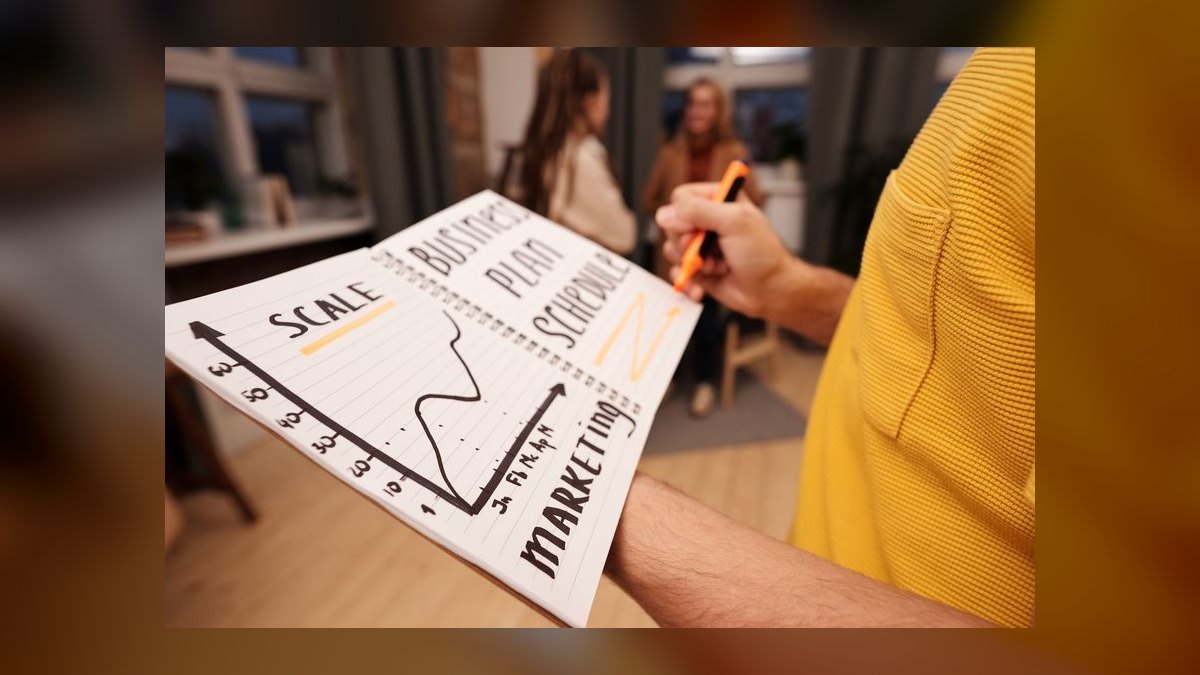
Storm-restoration canvassers ramp in 5-10 days; retail closers running full financed in-home presentations typically need 60-90 days of shadowing and role-play before hitting target close rates.
Is storm-chasing sales still viable in 2027?
Yes in markets with reliable hail/wind activity, but insurers have tightened claim approvals in many regions, pushing more companies toward hybrid storm-plus-retail models rather than storm-only operations.
What financing options should exteriors reps offer homeowners?
Point-of-sale lenders like GreenSky, Hearth, or Enhancify-style platforms let reps submit a credit application in-home and get a decision in minutes, which materially lifts close rates on five-figure retail jobs.
FAQ
What's the difference between storm restoration and retail roofing sales? Storm restoration sells insurance-funded repairs after weather events with fast, low-dollar-friction closes, while retail sells full-price, homeowner-funded jobs through a longer, financing-dependent sales cycle.
How many doors does a storm-restoration rep need to knock to get a deal?
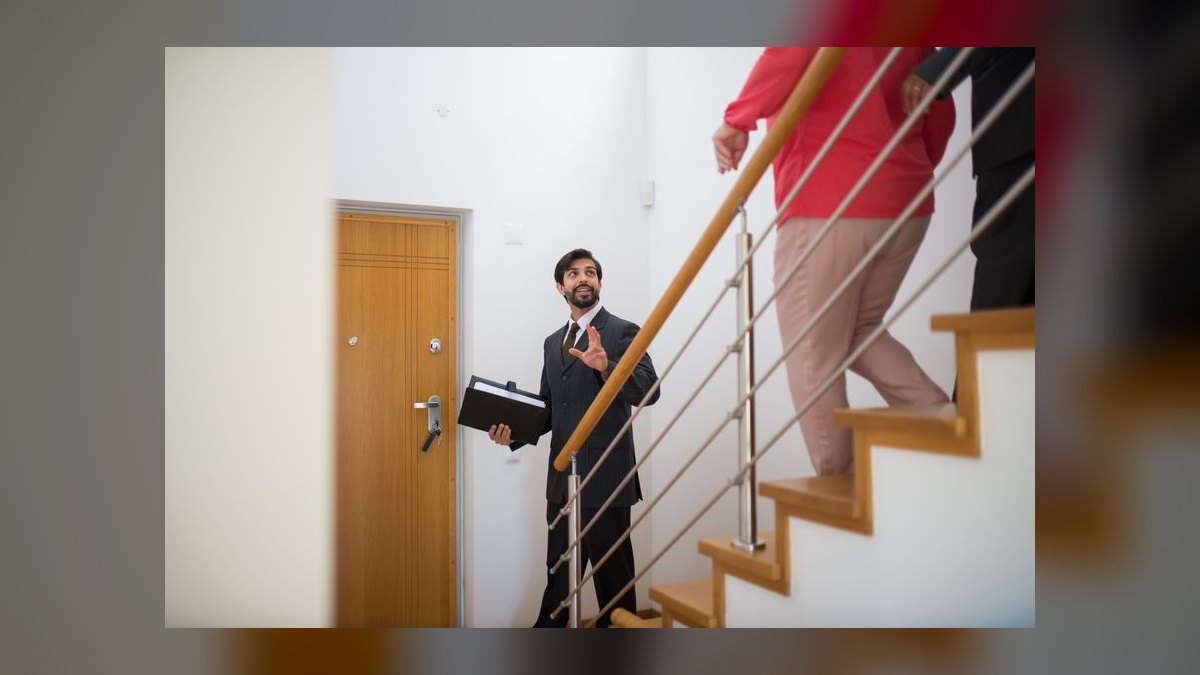
Close rates on freshly canvassed doors in a qualifying storm swath typically run 3-8%, meaning a productive canvasser knocking 40-80 doors a day can expect roughly two to six signed agreements per week during an active deployment.
What tools are essential to enable a Roofing & Exteriors sales team? Aerial measurement software, a vertical-aware CRM, AI-assisted estimating for fast tiered quotes, and either an insurance-claims workflow (storm model) or point-of-sale financing integration (retail model).
Should a Roofing & Exteriors company run both storm and retail sales models? Most established companies eventually do, using storm crews for opportunistic high-volume revenue after weather events and retail teams for steady, weather-independent baseline revenue, but it's best to build strong enablement in one model before layering the second.
How much does it cost to enable a retail exteriors sales team compared to storm restoration? Retail enablement runs $3,000-$8,000 per rep per month in lead-gen and tooling costs versus a much lower upfront cost for storm crews, but retail converts on a more predictable, insurance-independent timeline.
Why do new roofing sales hires fail in their first 90 days? The two most common causes are hiring the wrong profile for the model (a consultative closer put on canvassing, or a canvasser put on financed retail presentations) and skipping structured shadowing before releasing reps to solo quota.
Sources
- https://www.roofingcontractor.com
- https://www.nrca.net
- https://www.jobnimbus.com
- https://www.acculynx.com
- https://www.eagleview.com
- https://www.hover.to
- https://www.iii.org
- https://www.remodeling.hw.net
- https://www.greensky.com
- https://www.qualifiedremodeler.com
Related on PULSE
- How do you structure commission plans for storm-restoration roofing reps?
- What's the best CRM setup for exteriors companies running financed retail sales?
- How do you build a canvassing route optimization process for a storm crew?
- What objection-handling framework works best for five-figure in-home exteriors sales?
- How do insurance carriers' claim-approval trends affect roofing sales strategy in 2027?
This page will be disappearing soon. Save it to your device for $1 — or read it free while it is here.
@Kory-White- · if Venmo asks, the last 4 of my number are 2012
This page is gone.
This one is off the shelf now. $1 keeps it on your phone for good — the whole page, pictures and diagrams included.
 pulse-sales-enablementHow do you design a sales enablement coaching cadence that improves rep performance in 2027
 pulse-sales-enablementHow do you enable a sales team in Architecture & Engineering in 2027?
 pulse-sales-enablementHow do you build a sales enablement certification path for new hires in 2027
 pulse-sales-enablementHow do you build a sales enablement onboarding program for a global sales team in 2027
 pulse-sales-enablementHow do you enable a sales team in Dental in 2027?
 pulse-sales-enablementHow do you create effective battle cards for competitive selling in 2027
 pulse-sales-enablementHow do you enable a sales team in Restoration & Remediation in 2027?
 pulse-sales-enablementHow do you design a sales enablement playbook for handling objection-heavy sales conversations in 2027
 pulse-sales-enablementHow do you enable a sales team in Accounting & Bookkeeping in 2027?
 pulse-sales-enablementHow do you update a sales playbook for changing market conditions in 2027