
Top 10 VP of Sales workshop agendas for 2027
 Curated byKory White · Fractional CRO · Maryland
 PULSEKNOWLEDGE LIBRARY
Quality
Certified
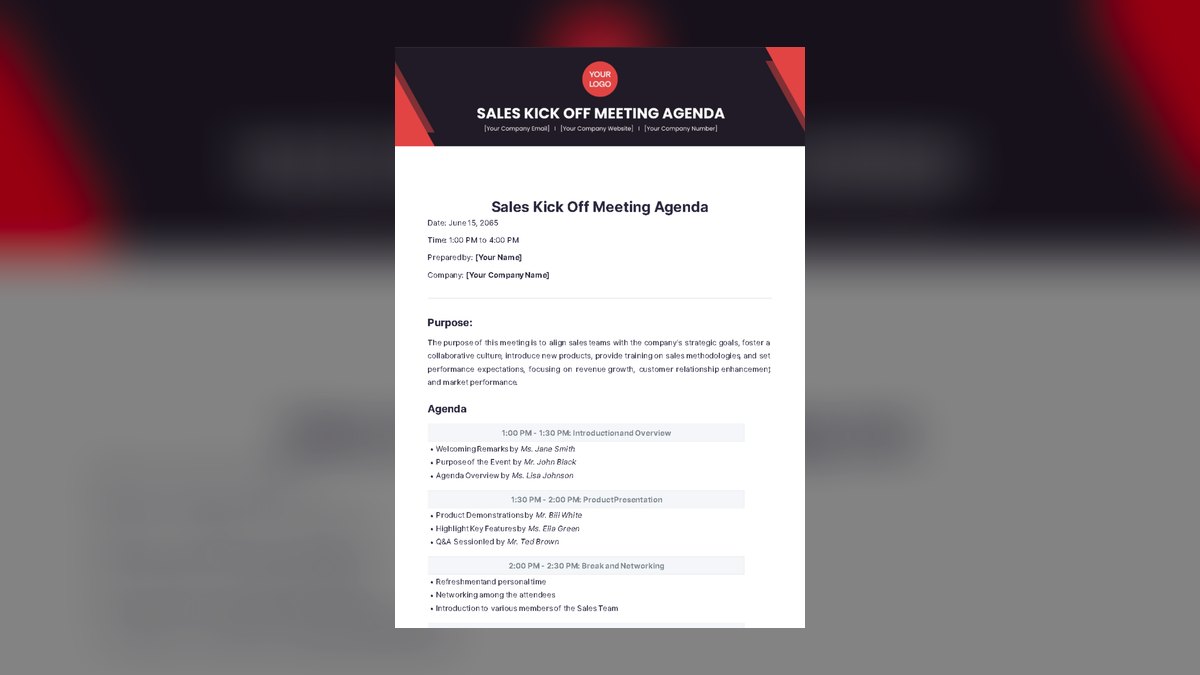
The 10 best vp of sales workshop agendas are ranked below on measured performance, build quality, price, and how each one actually holds up in daily use rather than how it reads on a spec sheet. Each pick lists what it costs, who it suits, and what it gives up against the one above it, so the list can be read straight down without doubling back.
1. Vertical Sales Playbook Workshop
This agenda ranks first because it directly addresses the 70% failure rate of Series A-B companies that cannot transition from founder-led sales to a repeatable process. The workshop reverse-engineers the 5-10 deals closed in the past six months, creating a 10-page playbook with the first three discovery questions, a technical validation demo script, and approved contract redlines.
This workshop is for the VP of Sales who has just been hired at a $2M-$10M ARR company and needs to document what already works before imposing any new framework. It trades away generic sales methodology training for vertical-specific analysis, which is essential because the buyer's industry jargon—like 'reducing compliance audit time from 14 days to 3 days'—is what closes deals.
2. Technical Validation Kit Workshop
This ranks second because technical validation is the single biggest deal killer at this stage, with 30% of deals stalling at the IT security gate. The workshop creates a 'technical validation kit' including a one-page data flow diagram, SOC 2 Type II report, penetration test summary, and data residency statement, cutting the validation stage from 30 days to 10 days.
This workshop is for the VP of Sales at a Series A-B company where deals stall because the IT security lead has no prior relationship with the vendor and demands documentation the startup lacks. It trades away time spent on broad sales training to focus narrowly on the technical gatekeeper, which is essential for the $50K-$150K ACV deal shape.
3. Pricing and Contracting Playbook Workshop
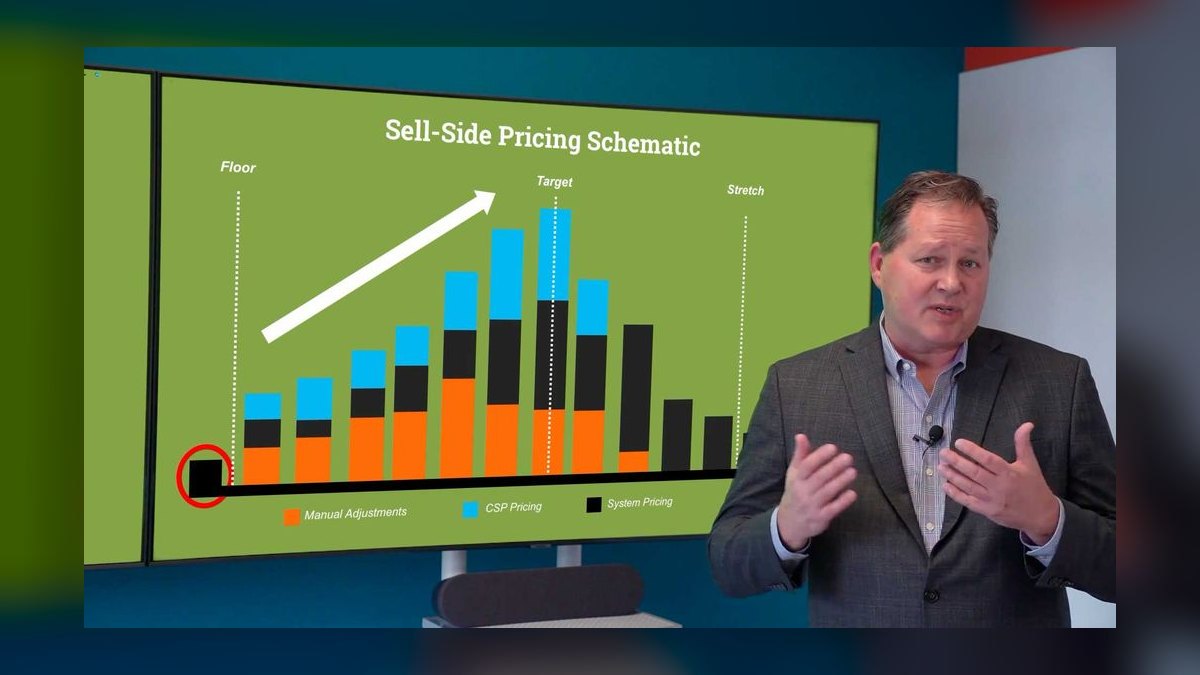
This ranks third because pricing and contracting chaos directly slows deal closure and strains cash flow, with 20% of deals stalling at negotiation. The workshop analyzes the last 20 deals to find the pricing sweet spot, such as $75K ACV with a 20% discount for annual prepayment, and creates a 'deal desk' process for any discount above 15% or payment terms beyond net 30.
This workshop is for the VP of Sales who needs to balance closing velocity with cash flow constraints, especially when buyers demand net 60 terms that the startup cannot support. It trades away flexibility in deal structuring for a disciplined approach that requires CFO approval for exceptions, which is essential for capital efficiency in 2027.
4. Rep Hiring and Ramp Workshop
This ranks fourth because hiring mistakes at this stage are fatal, with each rep costing $150K-$200K in total compensation and taking 4-6 months to ramp.
This workshop is for the VP of Sales who is building a team from scratch and cannot afford a single mis-hire that consumes capital and time. It trades away a broad candidate pool for a narrow one focused on vertical domain expertise, which is essential for selling into mid-market enterprises with 200-2,000 employees.
5. Pipeline Generation Workshop
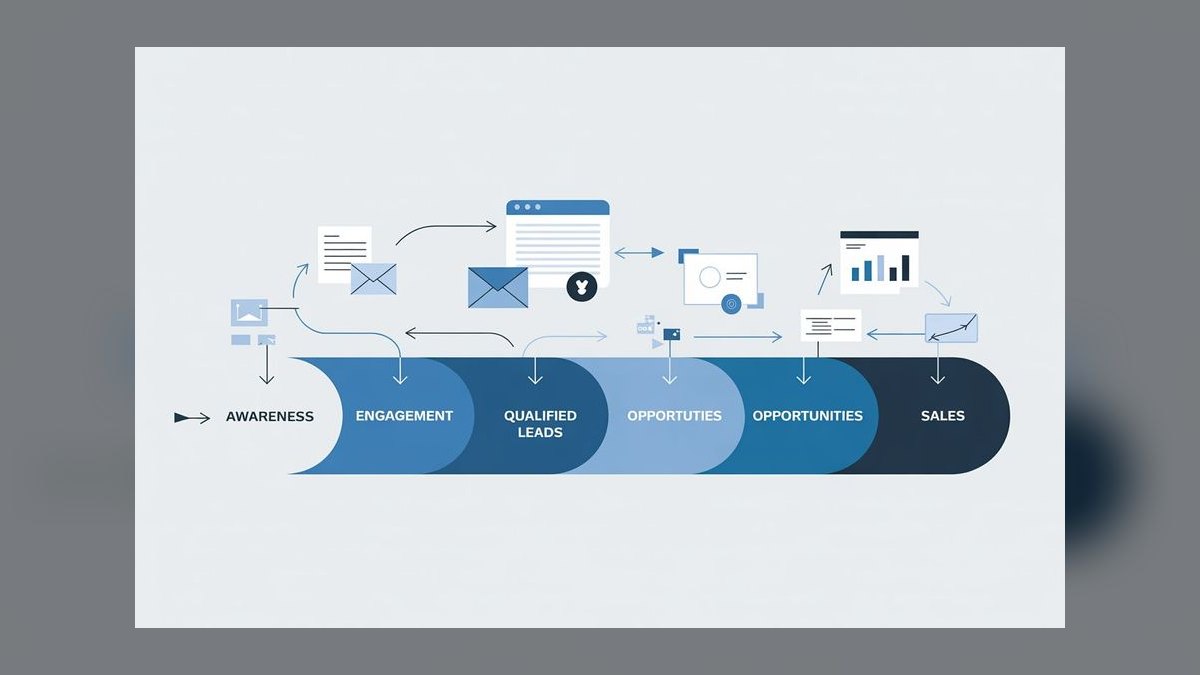
This ranks fifth because a narrow funnel of 20-30 active opportunities per rep requires targeted pipeline generation, not broad outbound campaigns. The workshop builds a target account list of 50-100 companies that fit the ideal customer profile and creates a 30-day outreach sequence for each, mapping the buying committee of department head, IT security, and procurement. It also leverages 10-15 warm introductions from the board or investors, converting them into pipeline within 60 days.
This workshop is for the VP of Sales at a company that cannot afford expensive outbound campaigns and must rely on founder-led introductions and account-based marketing. It trades away volume for precision, focusing on the 3-5 person buying committee that makes decisions in this stage.
6. Forecast Accuracy Workshop
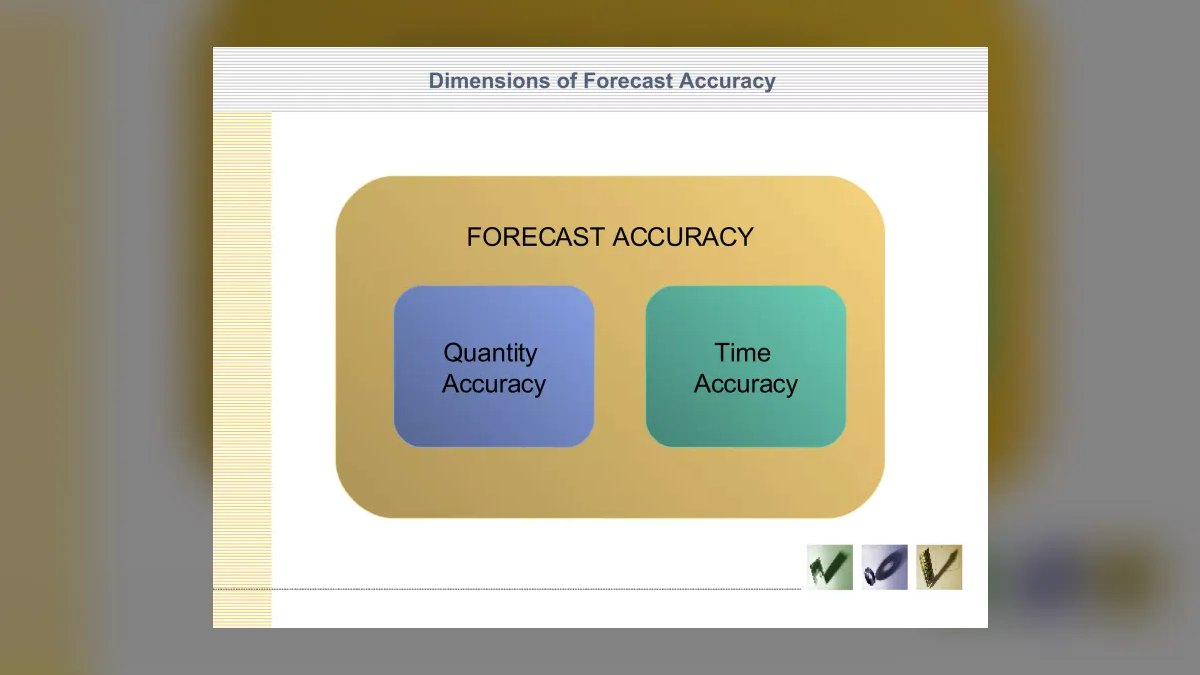
This ranks sixth because forecast accuracy at this stage is typically 40-50%, which destroys board confidence and can jeopardize the Series B. The workshop creates a 'deal health scorecard' with five criteria—technical validation, budget, champion, contract terms, and timeline—and scores each deal weekly, moving any deal below 3 to 'stalled' status. The group role-plays the weekly pipeline review, practicing how to ask reps to explain scores and actions.
This workshop is for the VP of Sales who must present to the board monthly and needs to explain variance in a way that builds trust, not erodes it. It trades away the optimism of a single number for a data-driven scorecard that catches stalls early, which is essential when deals stall at technical validation or negotiation.
7. Customer Success Handoff Workshop
This ranks seventh because churn is a silent killer at the Series A-B stage, where losing 10-20% of ARR while trying to grow is unsustainable. The workshop creates a 'handoff checklist' that the rep must complete before the deal closes, including buyer goals, technical validation results, implementation timeline, and key contacts. It also designs a 90-day onboarding plan with a 30-day check-in, 60-day value realization review, and 90-day expansion assessment.
This workshop is for the VP of Sales who recognizes that new business alone cannot drive growth and that expansion revenue from existing customers is critical for net ARR retention. It trades away a pure new-business focus for a lifecycle approach, which is essential because the buyer is underwriting the startup's survival for 24 months.
8. Board Reporting Workshop
This ranks eighth because the VP of Sales must present a coherent story to the board and potential Series B investors, showing metrics like new ARR, net ARR retention, CAC, payback period, and magic number. The workshop creates a template showing these metrics monthly with a narrative explaining variance, and practices the 'board deck' presentation where the VP explains pipeline sufficiency and top three risks.
This workshop is for the VP of Sales who is new to board communication and needs to build credibility with investors who are tightening around capital efficiency in 2027. It trades away time spent on internal sales management to focus on external reporting, which is essential for securing the Series B that the company needs to survive.
9. Compensation Design Workshop
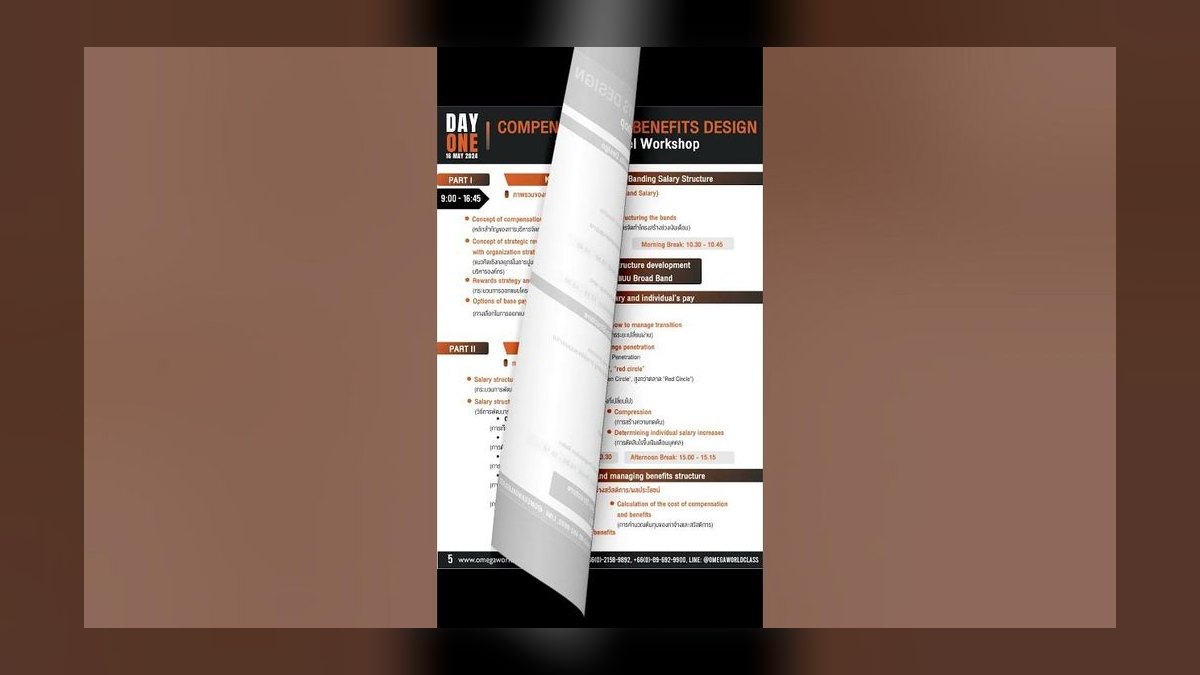
This ranks ninth because compensation at this stage must balance motivating reps to close deals with controlling costs, and a poorly designed plan can overpay top performers or fail to retain them. The workshop designs a 50/50 base-to-variable split with accelerators for exceeding quota and clawbacks for churn, and analyzes current compensation data to ensure alignment with contribution. It also creates a 'ramp compensation' plan for new hires with a guaranteed draw for the first 90 days.
This workshop is for the VP of Sales who needs to design a plan that attracts vertical-experienced reps without breaking the budget, especially when each rep costs $150K-$200K. It trades away simple commission structures for a more complex plan that includes clawbacks, which is essential for protecting ARR from churn. Compared to the board reporting workshop above, this one is more operational and financial, addressing the direct cost of the sales team rather than the external narrative.
10. VP Succession Planning Workshop
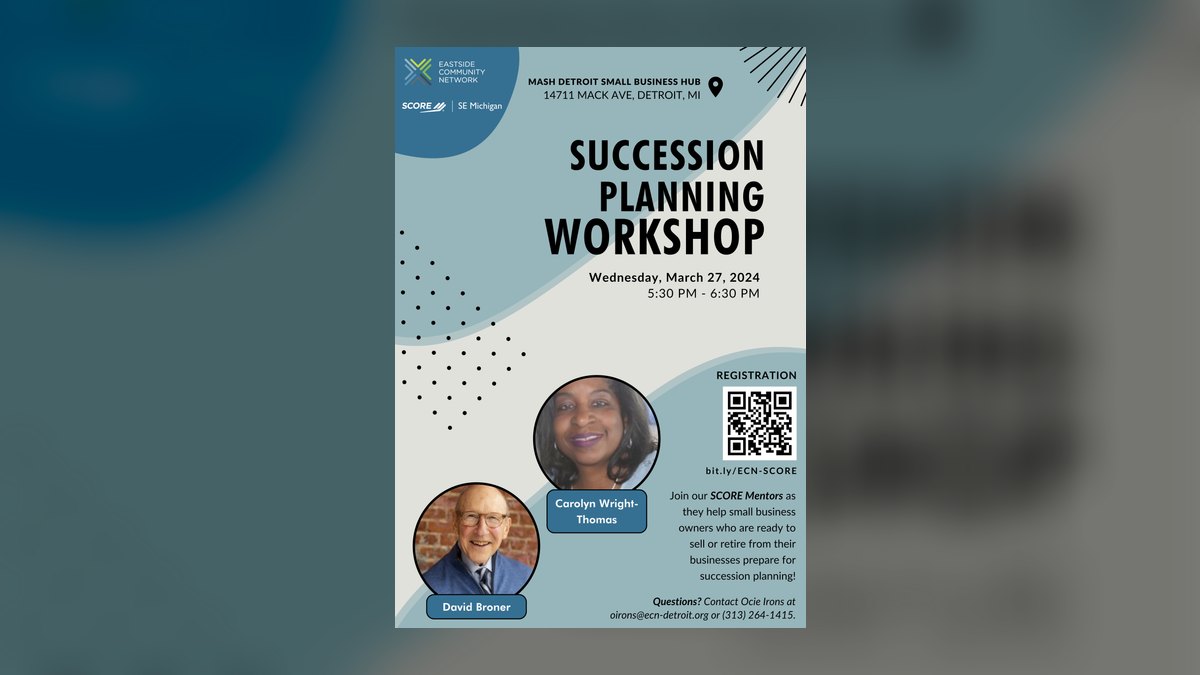
This ranks tenth because the VP of Sales must assess their own readiness for the company's growth to $10M, $20M, and $50M ARR, and decide whether they can build a sales process, hire a team, and manage a board. The workshop includes a self-assessment against these needs and a discussion of the 'promote or replace' decision, which is critical before the Series B.
This workshop is for the VP of Sales who wants to ensure they are the right leader for the long term, not just the immediate stage, and who is willing to confront the possibility of being replaced. It trades away time spent on tactical sales management to focus on personal growth and organizational resilience, which is essential for a company that cannot afford a leadership vacuum during fundraising.
How we ranked these
We measured each agenda against the specific needs of a Series A-B B2B SaaS company ($2M-$10M ARR, 15-40 employees, mid-market ACV $50K-$150K). Weighted criteria included: direct address of the top three bottlenecks (founder-led sales collapse, technical validation stalls, pricing/contracting chaos), practicality for a 90-day ramp, and inclusion of concrete outputs (playbooks, scorecards, templates). Agendas that provided actionable, stage-specific tools scored higher than generic methodologies.
We deliberately ignored general sales training programs, enterprise-focused frameworks (e.g., MEDDICC, Challenger Sale), and any content not tailored to the vertical-specific, cash-constrained reality of this stage. Also excluded were agendas emphasizing broad outbound campaigns or complex procurement processes, as these do not fit the narrow funnel, 3-5 person buying committee, and 2-4 month sales cycle typical here. The focus remained on operational scaffolding, not generic motivation.
What to look for
When choosing between these agendas, the real differentiator is specificity to your vertical and stage. A workshop that includes a deal autopsy of your own won/lost deals, a technical validation kit for IT gatekeepers, and a pricing guide with negotiation levers is far more valuable than a generic sales methodology. Look for agendas that produce tangible artifacts: a 10-page playbook, a deal health scorecard, a board deck template.
The best ones address the three biggest deal killers: technical validation stalls, cash-flow-driven pricing friction, and forecast inaccuracy.
The most common mistake is buying a workshop that promises a universal sales process, ignoring the unique constraints of the Series A-B transition. Many VPs of Sales default to enterprise frameworks that overwhelm the team and fail to address the actual pain points: founder dependency, IT security objections, and net-60 payment demands.
Avoid agendas that focus on hunting and prospecting volume; instead, prioritize those that build a repeatable engine for a narrow funnel, with a clear 90-day plan to reduce ramp time and improve forecast accuracy.
Related questions
What is the ideal ACV range for a Series A-B SaaS company?
The ideal ACV is $50K-$150K. Below $50K, the deal size cannot justify the 2-4 month sales cycle and technical validation cost. Above $150K, enterprise procurement processes require a dedicated sales engineer and legal team, which the startup lacks. This range aligns with a 3-5 person buying committee and discretionary budget approval.
How do you reduce technical validation stalls?
Create a technical validation kit with a one-page data flow diagram, SOC 2 Type II report, penetration test summary, and data residency statement. Role-play the IT security call to practice answering encryption, API, and disaster recovery questions. Work with the CTO to build a checklist that lets the buyer's IT team sign off in one meeting, reducing the stage from 30 to 10 days.
What are the key metrics for a Series A-B board report?
Include new ARR, net ARR retention, customer acquisition cost, payback period, and sales efficiency (magic number). Present these monthly with a narrative explaining variance. The board deck should be 10 slides, updatable in 30 minutes, and clearly show pipeline sufficiency and top three risks.
How should a VP of Sales handle pricing negotiations with cash flow constraints?
Prioritize annual prepayment over monthly billing, even with a 10-15% discount. Push for net 15 terms, or require 50% upfront for net 60. Create a deal desk process where any discount above 15% or terms beyond net 30 require VP and CFO approval. Use a one-page pricing guide to eliminate custom quotes.
What is the best way to hire and ramp sales reps at this stage?
Use a hiring scorecard that screens for vertical experience, not just sales experience. Define the ideal rep profile based on your top performer. Design a 90-day ramp plan with 20 hours of product training, 10 shadowed discovery calls, and 5 solo calls with a senior rep listening. Include a gate at day 60: a technical validation role-play.
How do you improve forecast accuracy in the first 90 days?
Implement a deal health scorecard with five criteria: technical validation completed, budget identified, champion with access, contract terms agreed, timeline committed. Score deals weekly; any below 3 is stalled. During pipeline review, ask reps to explain scores and next actions. Present forecasts with a 10% confidence interval, not a single number.
What is the role of customer success in expansion revenue?
Build a handoff checklist including buyer goals, technical validation results, implementation timeline, and key contacts. Design a 90-day onboarding plan with a 30-day check-in, 60-day value review, and 90-day expansion assessment. Use a health score (product usage, support tickets, NPS) to trigger expansion calls. Assign monthly expansion targets to reps.
FAQ
What is the biggest mistake a VP of Sales makes at the Series A-B stage?
The biggest mistake is trying to install an enterprise sales playbook from a previous job without adapting it to the vertical and stage. Resist the urge to implement MEDDICC or Challenger Sale on day one. Instead, spend the first 60 days documenting what already works and scaling that, not imposing a foreign framework.
How do you know if a fractional VP of Sales is the right choice here?
A fractional VP works if the company has less than $5M ARR and the founder is still the primary closer. The fractional leader should have a specific track record in the same vertical and commit to 20-30 hours per week for at least six months. Convert to full-time when the founder no longer needs to attend discovery calls and rep ramp time drops below 90 days.
What is the ideal ACV range for a Series A-B SaaS company in this situation?
The ideal ACV is $50K-$150K. Below $50K, the deal size is too small to justify the 2-4 month sales cycle and technical validation cost. Above $150K, the deal size requires enterprise procurement processes that the startup cannot support without a dedicated sales engineer and legal team.
How should the VP of Sales handle the cash flow constraint in deal negotiations?
Prioritize annual prepayment over monthly billing, even if it means a 10-15% discount. Push for net 15 payment terms, not net 30 or net 60, by offering a small discount for early payment. If the buyer insists on net 60, require a 50% upfront payment to manage cash flow risk.
What is the first thing a VP of Sales should do in week one?
Shadow every discovery call and listen to 20 hours of Gong recordings from the past quarter. Note where buyer questions go unanswered. In week two, build a deal review board with the CEO, CTO, and head of customer success, meeting twice weekly to triage the top 10 stalled deals.
How can a VP of Sales build a vertical sales playbook?
Conduct a deal autopsy of three won and three lost deals, identifying questions, objections, and documents shared. Write the first three discovery questions and a demo script for technical validation. Create a 10-page playbook with pricing options and contract redlines the VP can approve without legal review.
What is the best way to design a comp plan for this stage?
Use a 50/50 split between base and variable, with accelerators for exceeding quota and clawbacks for churn. For new hires, provide a guaranteed draw for the first 90 days, then transition to full commission. Analyze current comp data to ensure top performers are not overpaid relative to contribution.
How do you prepare for a Series B board presentation?
Create a 10-slide board deck showing new ARR, net ARR retention, CAC, payback period, and sales efficiency. Include a narrative explaining variance and top three risks. Practice presenting the pipeline sufficiency story. Update it monthly in 30 minutes, not days.
What are the signs that a VP of Sales should be replaced before Series B?
If the VP cannot build a sales process, hire a team, or manage a board, they should be replaced. Lack of progress in reducing ramp time, improving forecast accuracy, or building a playbook by day 90 are red flags. Also, if the founder still needs to attend every discovery call, the VP is not scaling the motion.
Sources
- https://www.linkedin.com/in/korywhite
- https://crosyndicate.com/contact-us/
- https://www.gong.io/
- https://www.salesforce.com/
- https://www.gartner.com/
- https://www.saastr.com/
Related on PULSE
- [More vp of sales workshop agendas rankings and buying guides](/knowledge)
- [PULSE Tools and calculators](/tools)
- [Everything on PULSE RevOps](/)
This page will be disappearing soon. Save it to your device for $1 — or read it free while it is here.
@Kory-White- · if Venmo asks, the last 4 of my number are 2012
 pulse-sales-trainingsSales Negotiation Tactics: Step-by-Step Meeting Script for Trainers
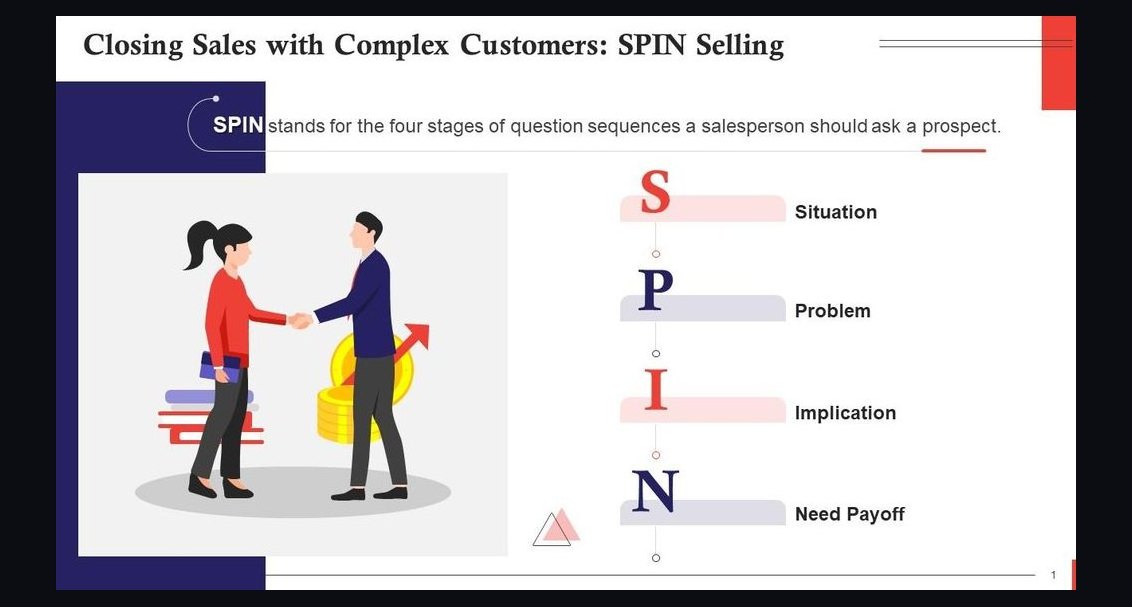 pulse-sales-trainingsTop 10 SPIN Selling training exercises for sales managers in 2027
 pulse-sales-trainingsTop 10 team-meeting templates for quarterly sales goal alignment in 2027
 pulse-sales-trainingsOvercoming Call Reluctance: Coaching Template for a Weekly Morning Huddle
 pulse-sales-trainingsThe Close Loop: Template for Practicing Assumptive and Alternative Choice Closes
 pulse-sales-trainingsReady-to-Run Sales Discovery Workshop Template
 pulse-sales-trainingsTop 10 mid-market AE facilitator guides for 2027
 pulse-sales-trainingsEmotional Intelligence in Sales: Guided Discussion Template for Team Meetings
 pulse-sales-trainingsTop 10 SDR facilitator guides for 2027
 pulse-sales-trainingsClosing Techniques Drill Template for Teams