 Pulse Reviews and Analysis
Pipeline Review to Revenue: Template for a Data-Driven Sales Sprint Session
 Curated by Kory White · Fractional CRO, CRO Syndicate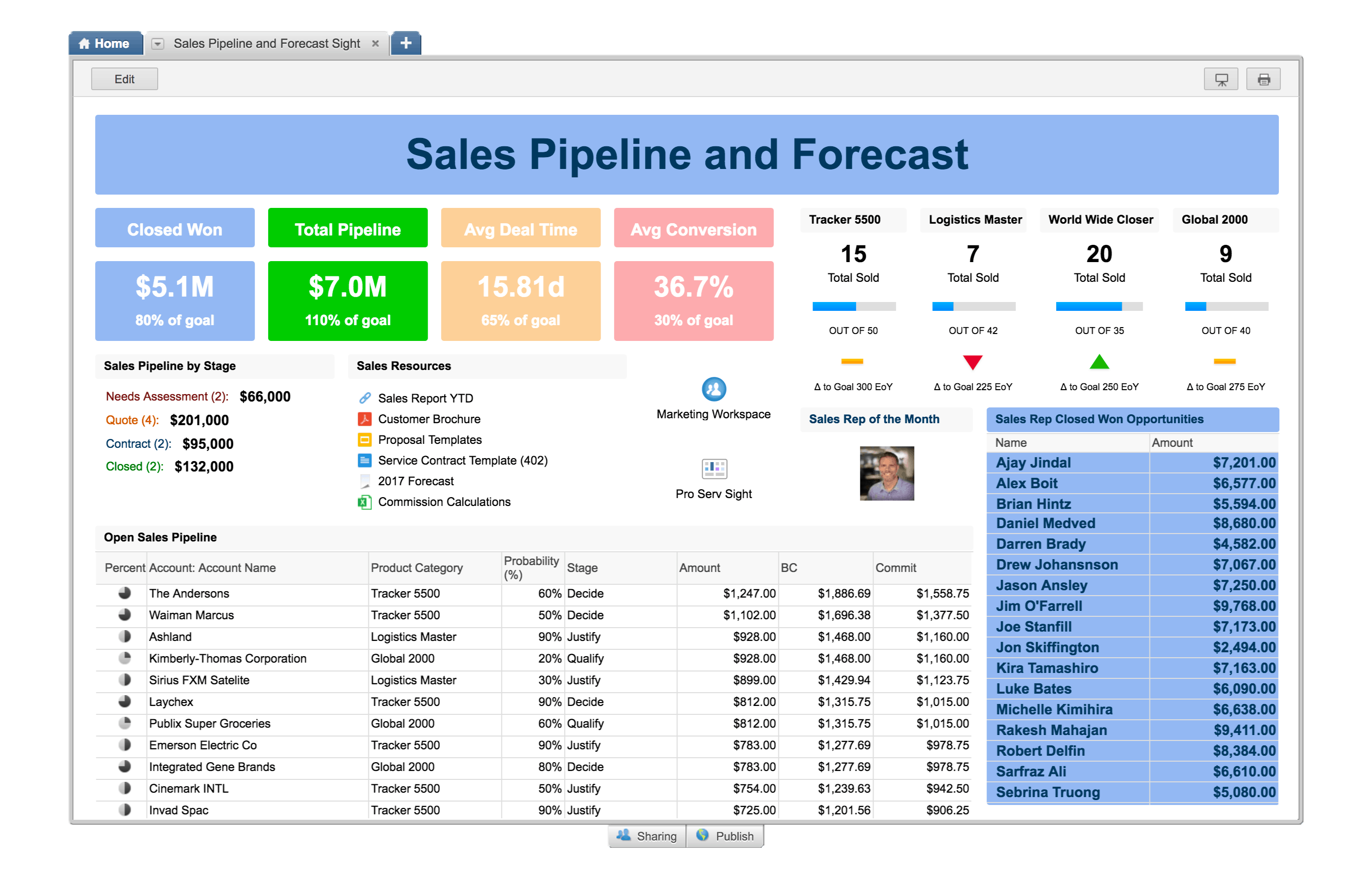
Direct Answer
This template delivers a 90-minute, data-driven sales sprint session designed to transform a standard pipeline review into a revenue-generating engine. It replaces subjective status updates with objective metrics from your CRM and revenue intelligence tools, forcing reps to diagnose deals using the MEDDIC framework and commit to specific next actions.
The session is structured for a team of 6–10 reps, a RevOps lead, and a sales manager. You will walk out with a ranked list of deals to accelerate, a set of at-risk opportunities to re-engage, and a clear owner for each action item.
1. Warm-Up (10 min) — "The Revenue Pulse Check"
Goal: Align the team on the session's purpose and set a data baseline.
Script (Manager): "Good morning. This sprint is not a status update. We are here to find the fastest path from pipeline to closed-won.
Every deal we discuss will be scored against three things: deal velocity, coverage ratio, and MEDDIC completeness. RevOps will pull the live numbers from Salesforce and Clari before we start. No gut feelings — only data."
Action:
- Display a shared dashboard (e.g., Tableau, Salesforce Reports) showing:
- Total pipeline value (weighted and unweighted)
- Average deal age per stage
- Number of deals with a next step older than 7 days
- Each rep shares one number: "My top priority deal this week is [Deal Name] with an expected close of [Date]."
RevOps Lead: "The team's weighted pipeline is $4.2M against a $1.8M quarterly target. That is a 2.3x coverage ratio — healthy, but 40% of deals have not had a contact update in 14 days. We will fix that today."
2. Pipeline Triage (20 min) — "Score, Rank, and Segment" (mermaid)
Goal: Use objective criteria to rank every deal in the pipeline and segment into three categories: Accelerate, Nurture, or Re-engage.
Script (Manager): "We will use a simple deal score based on three weighted factors: MEDDIC score (40%), deal velocity (30%), and internal champion strength (30%). Each rep will score their own deals in 2 minutes. RevOps will validate the scores."
Action:
- Each rep opens their Salesforce pipeline view and assigns a score (1–10) for each factor.
- RevOps overlays Gong call transcripts to verify champion strength (e.g., "Did the champion use language like 'we need this' or 'I will push this internally'?").
- Deals are ranked and segmented.
Example:
- Rep A: "Deal X — MEDDIC score 8, velocity 7, champion 9 → Accelerate."
- Rep B: "Deal Y — MEDDIC score 3, velocity 2, champion 4 → Re-engage."
Manager: "Rep B, your deal Y has no identified pain (MEDDIC 'I' missing) and the champion has not replied in 10 days. What is your plan?" Rep B: "I will send a Challenger Sale-style email referencing a competitor's failure case and ask for a 15-minute call by Friday."
3. Deep Dive: Top 3 Accelerate Deals (25 min) — "MEDDIC Drill"
Goal: For the three highest-scoring deals, perform a MEDDIC audit to identify the single biggest blocker and assign a concrete action.
Script (Manager): "We will take 8 minutes per deal. Rep presents the deal using the MEDDIC framework. The team asks five questions only: (1) What is the Metric?
(2) Who is the Economic Buyer? (3) What is the Decision Criteria? (4) What is the Decision Process?
(5) Who is the Champion? Then we identify the weakest dimension and assign a fix."
Action:
- Rep presents using a MEDDIC scorecard (e.g., from Clari or a custom Salesforce dashboard).
- Team votes on the weakest dimension.
- Manager assigns a specific action with a deadline.
Example:
- Rep C: "Deal Z — $250K, expected close in 30 days. Metric: 20% reduction in processing time. Economic Buyer: VP of Operations. Decision Criteria: Cost, implementation time, support. Decision Process: Three vendors, final decision by committee. Champion: Director of Ops."
- Team identifies Decision Process as weakest — the champion does not know the exact voting process.
- Manager: "Your action: Schedule a 30-minute call with the champion to map the exact decision process. Use a MEDDIC template from Outreach to document it. Deadline: end of week."
4. Re-Engagement Sprint (15 min) — "Win-Back Playbook"
Goal: For deals in the Re-engage segment, create a structured 30-day re-engagement plan using a Challenger Sale approach.
Script (Manager): "Each rep with a Re-engage deal will write one email draft using the Challenger framework: Warp, Disrupt, Reshape, Sell. You have 5 minutes to write it. Then we will critique as a team."
Action:
- Reps use a Gong-sourced template: "I noticed your team is still struggling with [problem]. Most companies solve this by [solution], but they miss [insight]. Here is a case study of a company like yours that achieved [metric] by [approach]."
- Team provides feedback on tone, specificity, and call to action.
Example:
- Rep D: "Subject: A different approach to [problem]. Body: 'I saw your team is still using [old tool]. Most companies we work with tried to fix it by adding more features, but they found that [insight]. One client, [Company X], switched to our approach and reduced cost by 30% in 60 days. Would you be open to a 15-minute call next week?'"
- Manager: "Good. Add a specific metric from their industry. Use Gartner data on average cost reduction."
5. Action Plan & Accountability (15 min) — "Commitment Contracts"
Goal: Every deal discussed gets a documented next action, owner, and deadline. RevOps updates Salesforce immediately.
Script (Manager): "We will now create a shared action log in Salesforce using the Pipeline Review object. Each action must follow SMART criteria: Specific, Measurable, Achievable, Relevant, Time-bound. RevOps will track completion in a weekly report."
Action:
- RevOps creates a Salesforce report titled "Sprint Actions — [Date]" with fields: Deal Name, Owner, Action, Deadline, Status.
- Each rep enters their top 2 actions.
- Manager reviews and approves.
Example:
- Rep E: "Action: Send Challenger email to VP of Engineering. Deadline: Thursday. Status: Not started."
- Manager: "Approved. RevOps, set a Clari alert to notify me if this action is not marked complete by Friday."
6. Close & Next Steps (5 min) — "Sprint Retrospective"
Goal: Capture feedback and set the next sprint date.
Script (Manager): "One thing that worked well, one thing to improve. We will use a retro board in Notion or Miro. Next sprint is in two weeks. RevOps will send a pre-read with updated pipeline data 24 hours before."
Action:
- Each rep shares one positive and one improvement.
- Manager summarizes: "We accelerated 3 deals, re-engaged 2, and identified 1 deal to drop. Our weighted pipeline should increase by 15% in the next 30 days based on these actions."
Example:
- Rep F: "Worked well: The MEDDIC drill forced me to think about the economic buyer. Improve: More time for the deep dive."
- Manager: "Noted. Next sprint will have 30 minutes for deep dives."
FAQ
What if a rep has no deals in the Accelerate segment? They still participate by presenting a Nurture deal and identifying one missing MEDDIC criterion. The goal is to move it to Accelerate within two weeks.
How do we handle deals with no champion? Those deals automatically go to the Re-engage segment. The rep must create a plan to find a champion using LinkedIn and Gong call analysis.
Can we use this template for a remote team? Yes. Use a shared Miro board for the MEDDIC drill and Zoom breakout rooms for the deep dive. RevOps shares the dashboard via screen share.
What if the data from Salesforce is incomplete? RevOps runs a data quality report before the session. Any deal with missing fields (e.g., close date, stage, next step) is flagged and the rep must fix it before the sprint.
How often should we run this sprint? Every two weeks is optimal. Weekly is too frequent for meaningful change; monthly loses momentum. Adjust based on deal cycle length (e.g., enterprise deals may require monthly sprints).
What tools do we need to run this? Minimum: Salesforce (or any CRM with pipeline reporting) and a collaboration tool (e.g., Slack, Teams). Recommended: Clari for revenue intelligence, Gong for call analysis, Outreach for email sequencing.
How do we measure success? Track three metrics: (1) Number of deals moved to next stage within 14 days of sprint, (2) Increase in weighted pipeline by 10–20%, (3) Reduction in average deal age by 5–10 days.
Sources
- Salesforce Pipeline Management Guide
- Clari Revenue Intelligence Platform Documentation
- Gong Deal Intelligence Best Practices
- MEDDIC Framework Overview (Winning by Design)
- Challenger Sale Methodology (Gartner)
- Outreach Sales Engagement Platform Templates
- Gartner Sales Pipeline Metrics Report (2023)
- Forrester's Guide to Sales Process Improvement